Smart glasses have been trying to go mainstream for years, but pricing has been a stubborn barrier. The Ray-Ban Meta glasses popularized the category by making them feel like normal eyewear, but their entry-level price has hovered well above what many casual buyers are willing to spend on something they might not be sure they need. The market has been compelling, just not quite accessible enough for everyone.
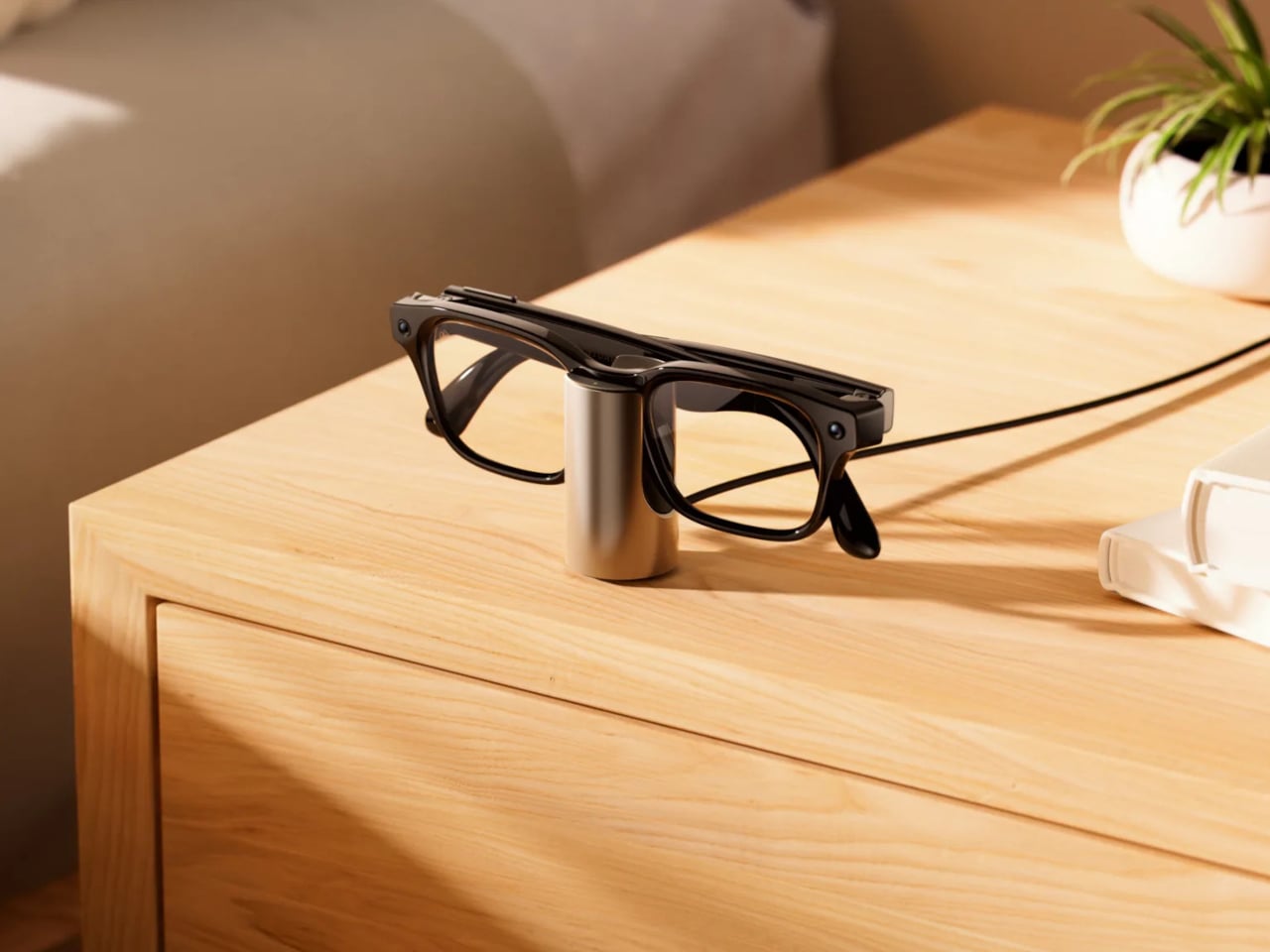
Meta is trying to change that with Meta Glasses, its first line of smart glasses sold under its own name rather than Ray-Ban or Oakley. Developed in partnership with EssilorLuxottica, the new lineup starts at $299, which is at least $80 less than the Ray-Ban Meta Gen 2 entry price, and it arrives in three distinct frame styles designed to cover a broader range of tastes and budgets.
Designer: Meta, EssilorLuxottica
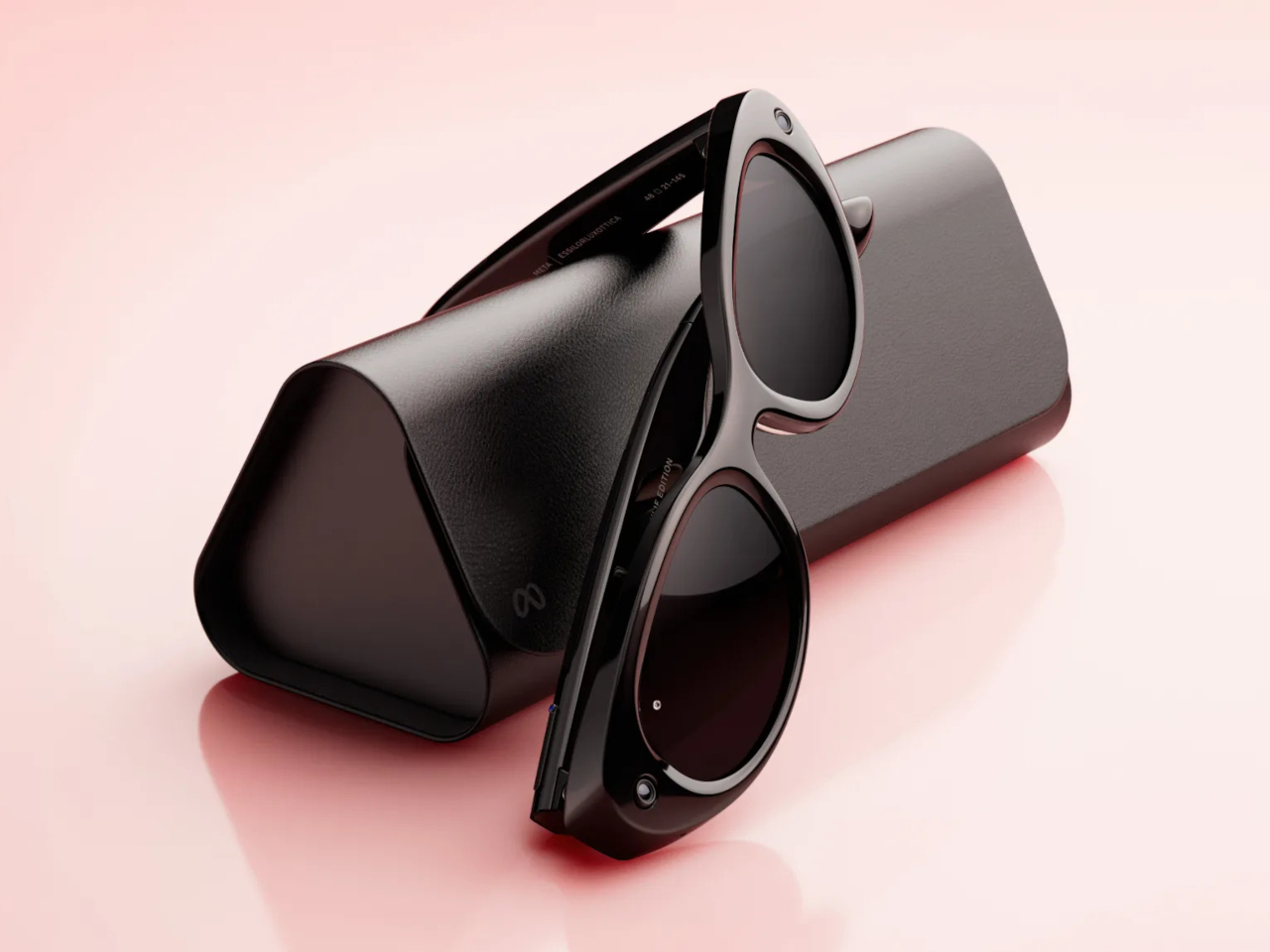
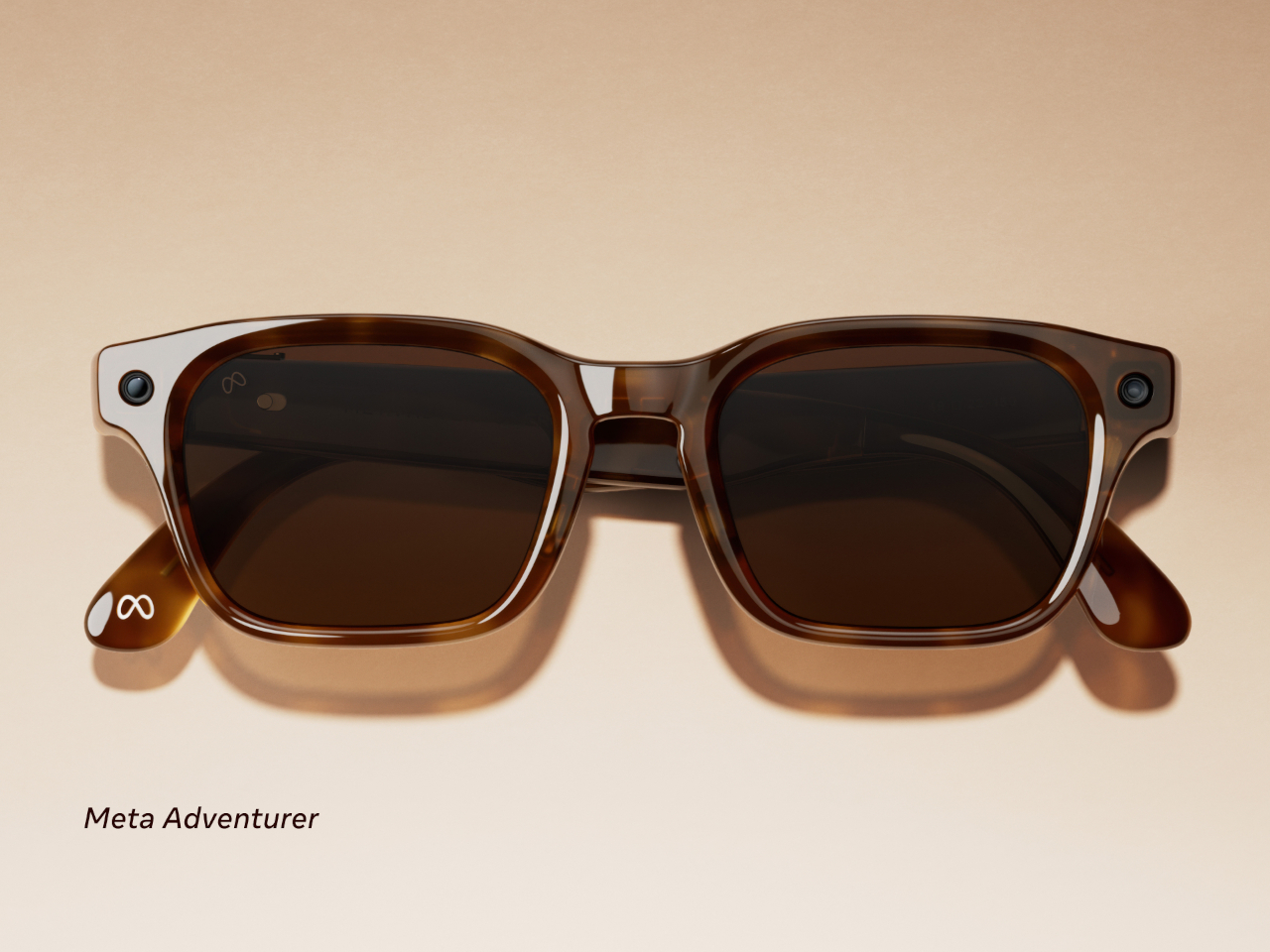
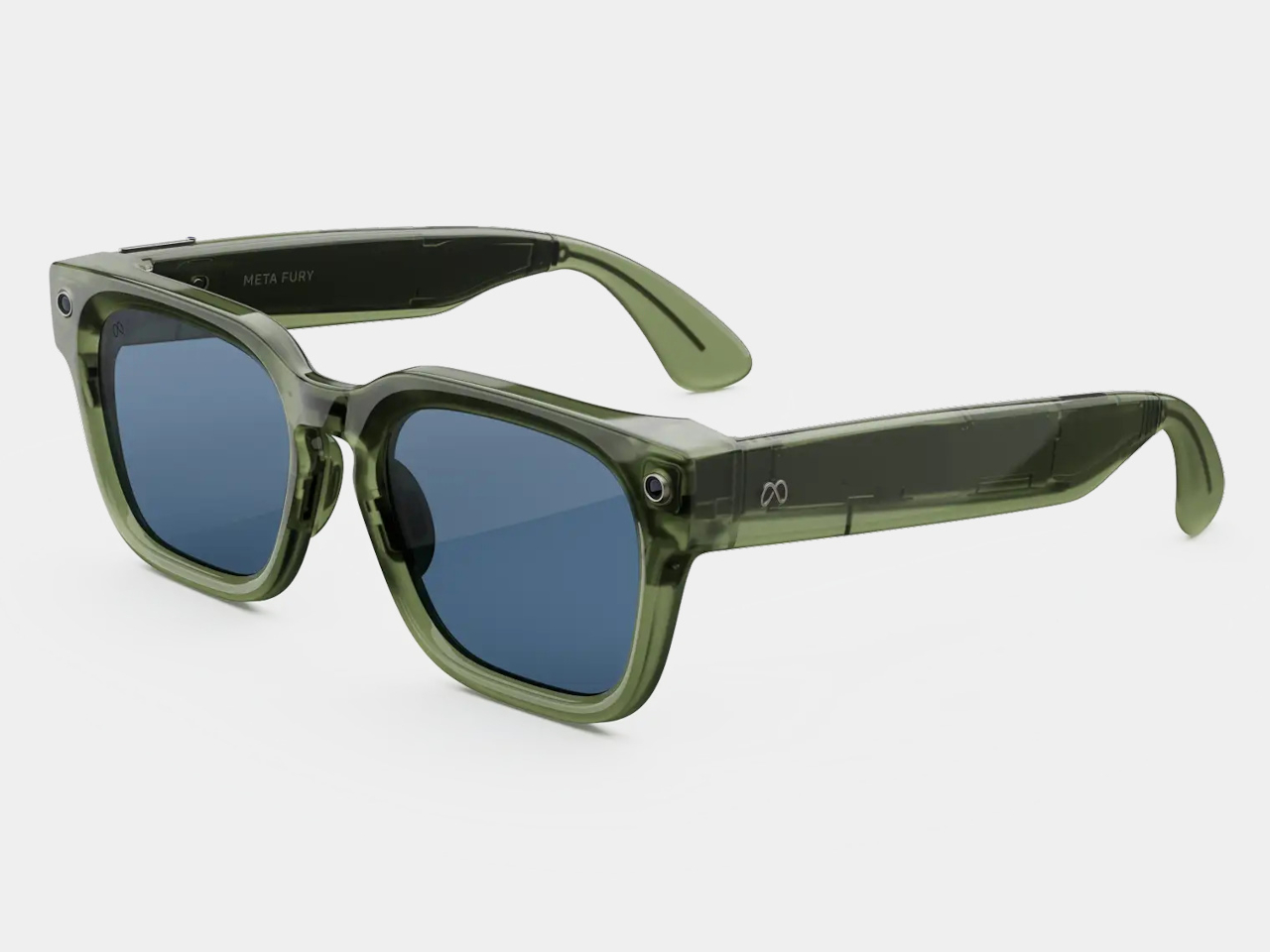
The two base models are the Adventurer and the Fury, each starting at $299. The Adventurer leans toward a slimmer, everyday silhouette, while the Fury goes bigger with a thicker, more rectangular profile, including a striking translucent racing green colorway that reveals the circuitry underneath. Both come in standard and large sizing, and together they span 26 color and lens combinations.
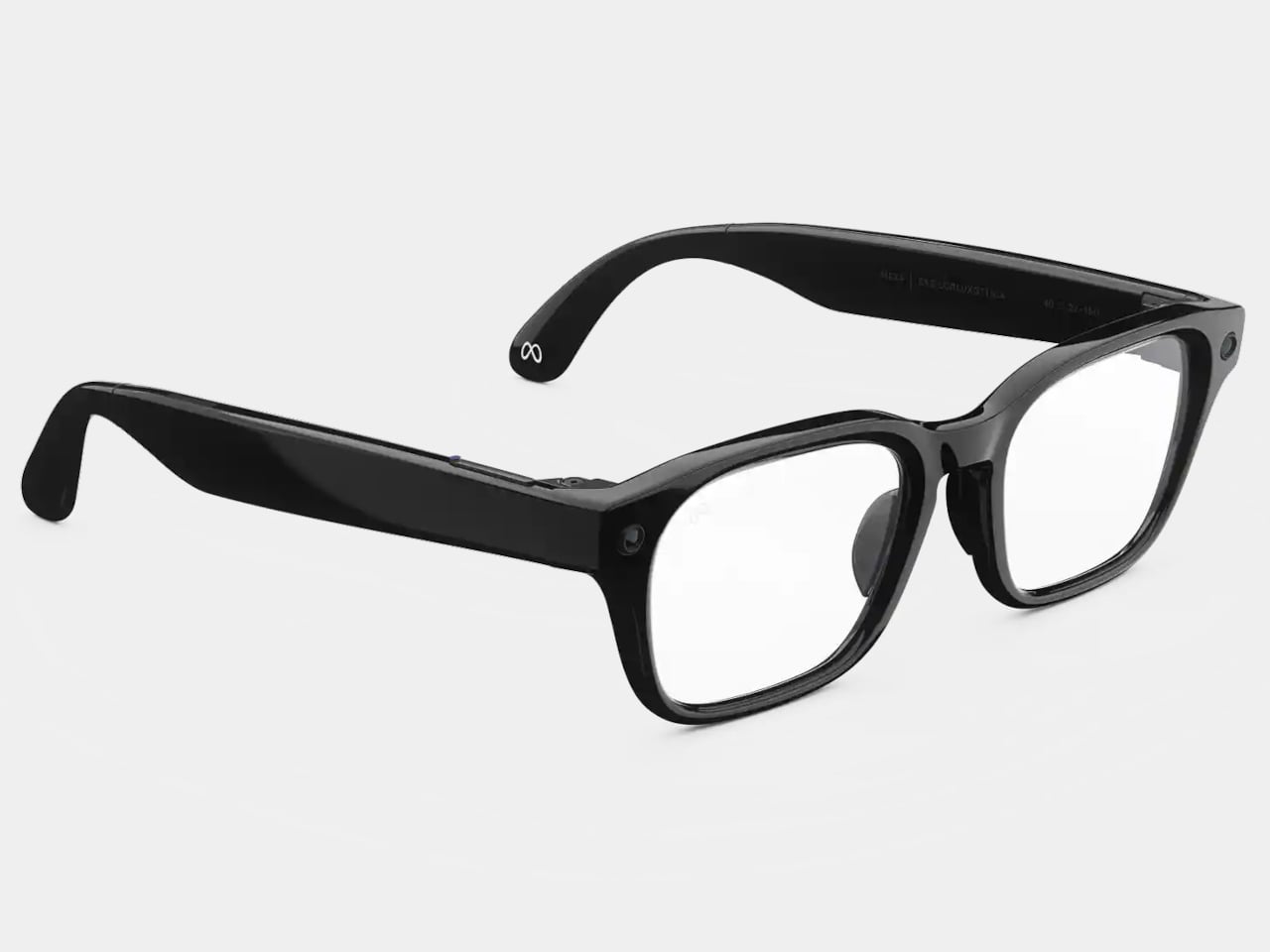
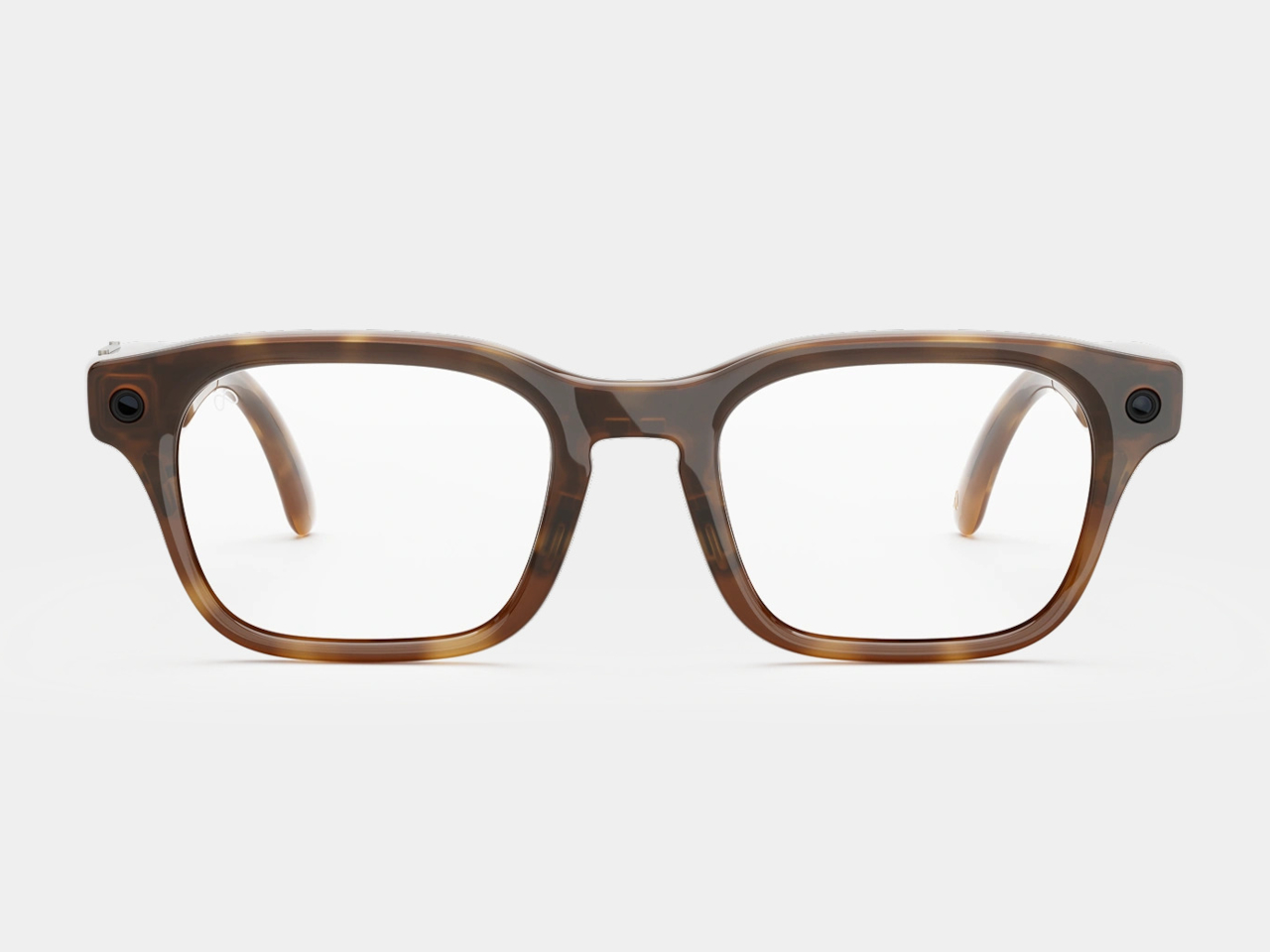
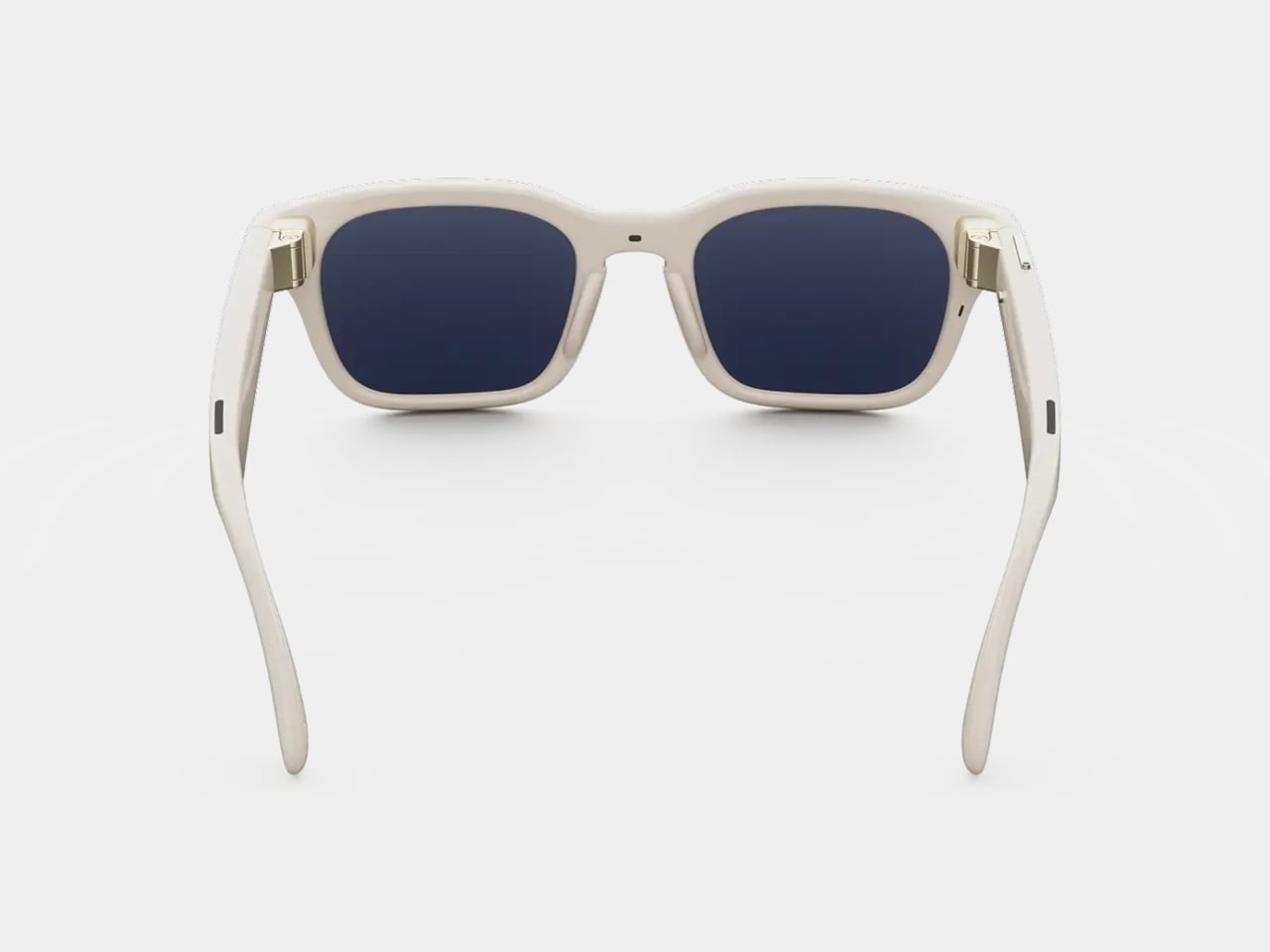
Meta Adventurer
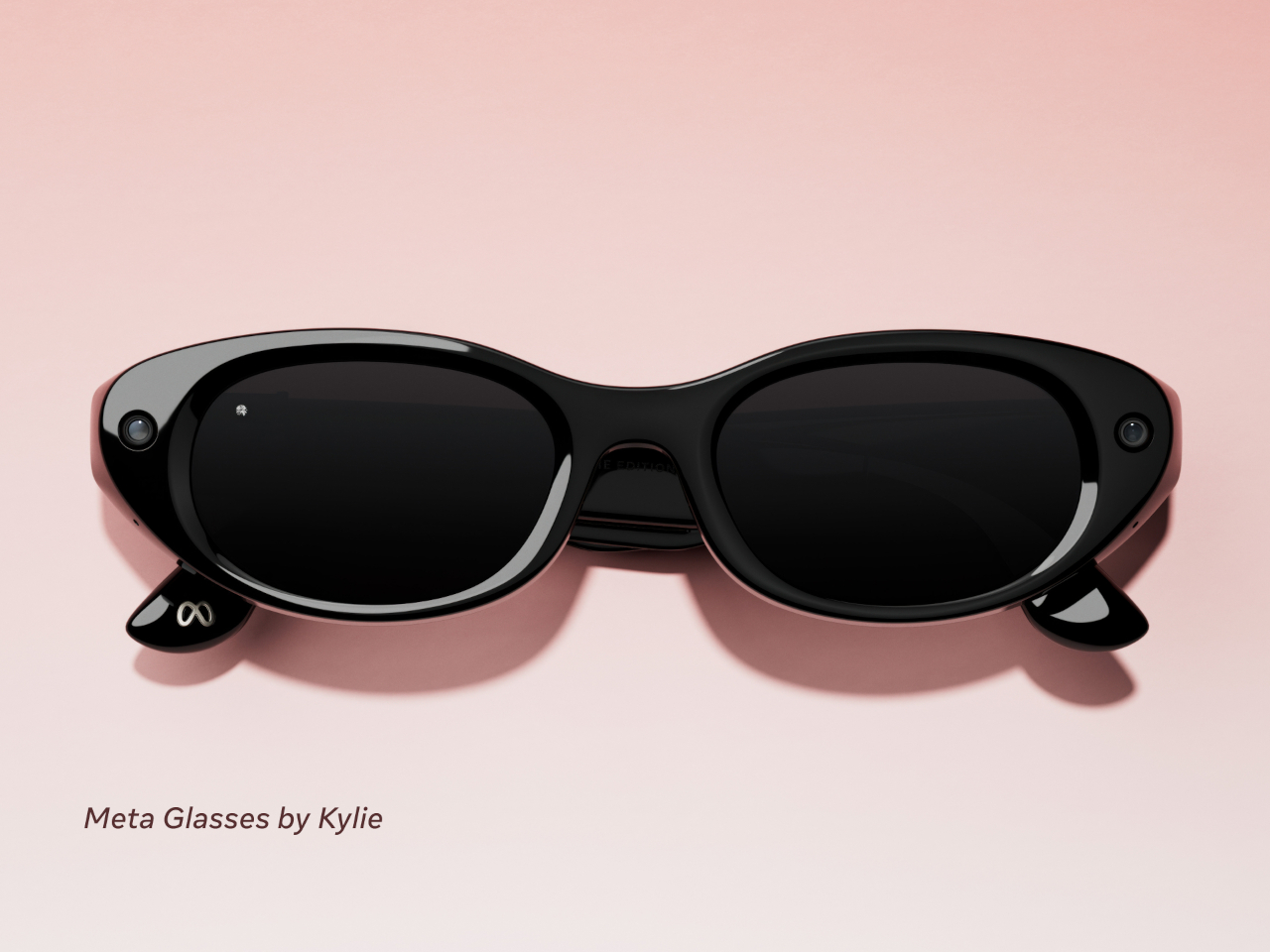
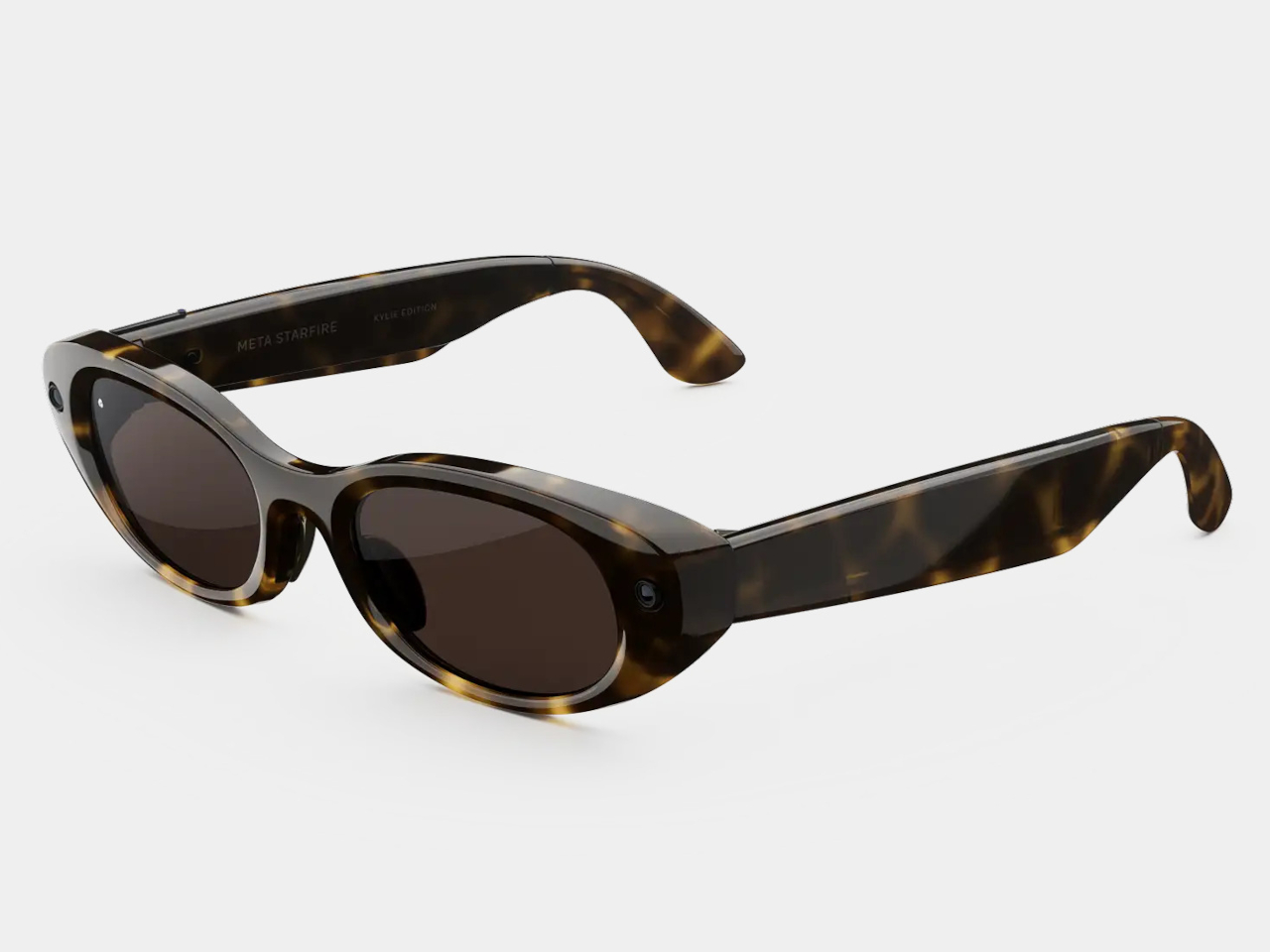
A third model called the Starfire, designed in collaboration with Kylie Jenner, rounds out the lineup at $399. Its slim, oval shape sits closer to the territory of Prada or Gentle Monster than anything Meta has put out before. The most notable exclusive is the option to use Jenner’s own voice as the on-device AI assistant for everything from navigation cues to battery alerts. It’s a fashion-forward direction for smart glasses that doesn’t really have a precedent.
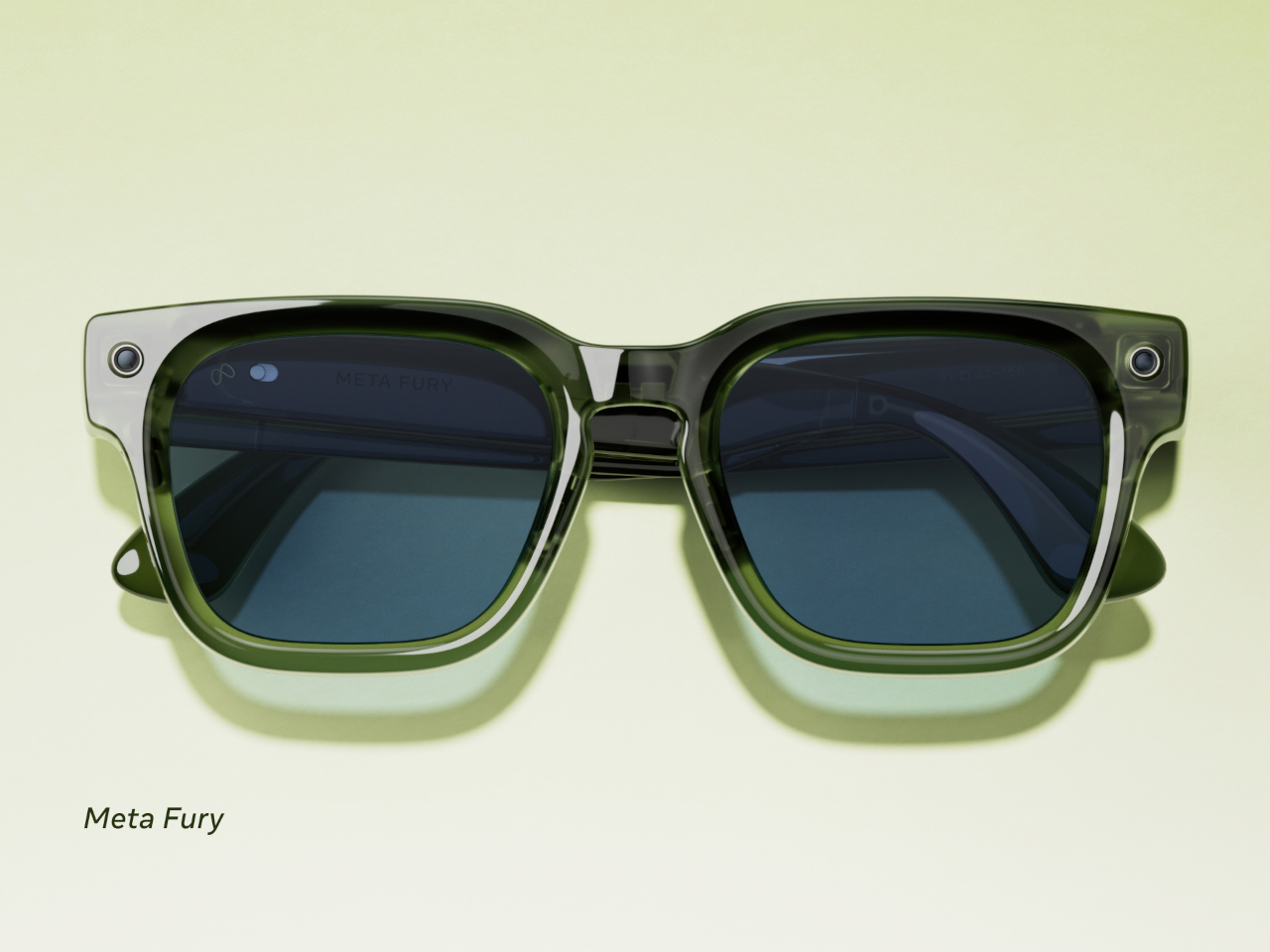
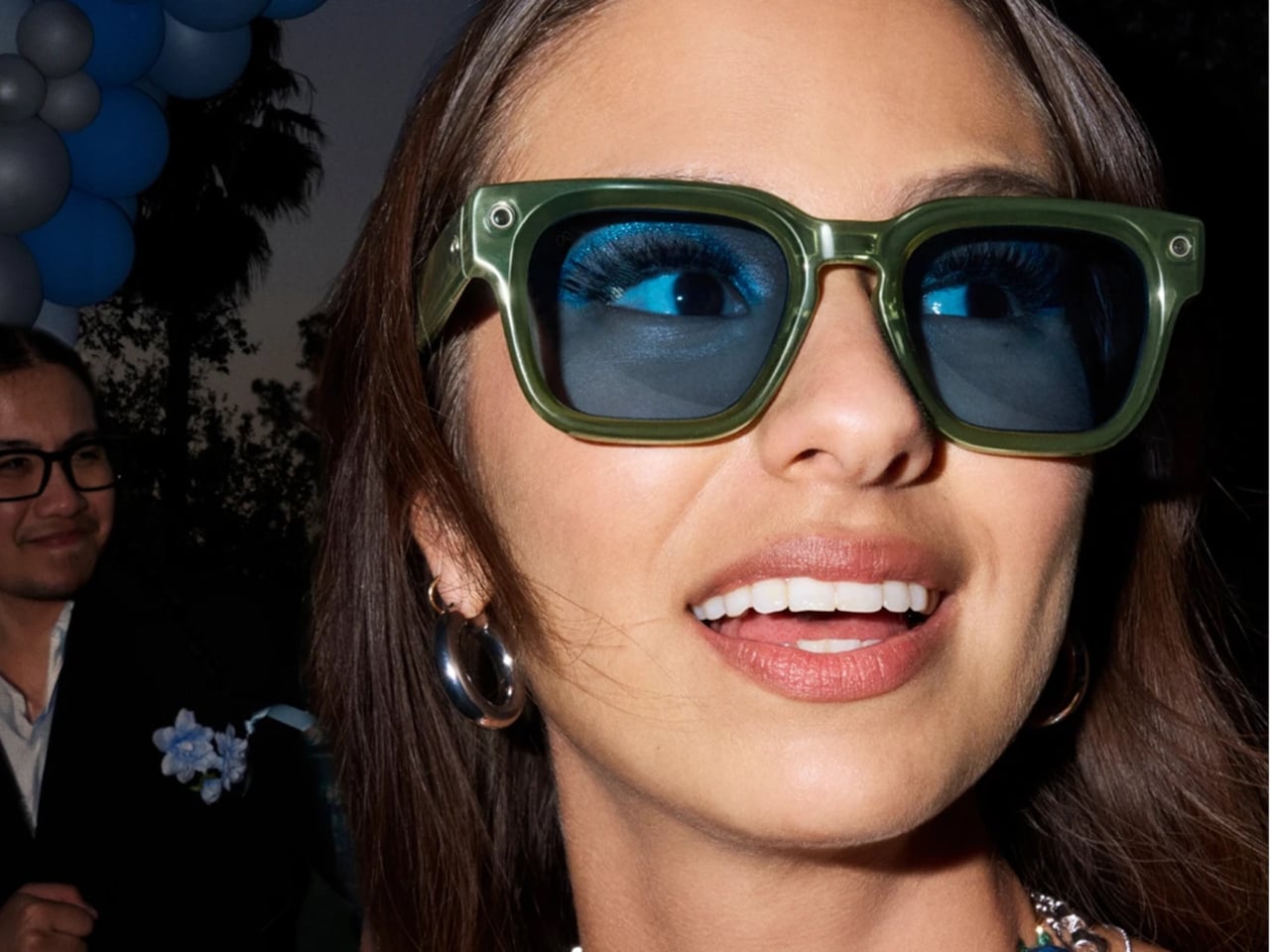
All three models carry the same core hardware: a 12 MP camera, open-ear audio, and a dedicated action button for invoking Meta AI or launching a preferred feature. The addition of three-way adjustable nose pads and temple tips is a practical improvement that makes them easier to wear across different face shapes. They’re also compatible with prescription lenses, which meaningfully broadens who can actually wear them all day.

On the software side, all Meta Glasses launch with Muse Spark, Meta’s newest AI model from its Meta Superintelligence Labs. Live translation now covers 20 languages, adding Mandarin, Korean, Japanese, Arabic, and Hindi to the existing roster. Pedestrian navigation, which debuted on Meta’s more expensive display glasses, now works on the camera-equipped models too, making the $299 pair genuinely capable of directing you through an unfamiliar city while you walk.


A Dynamic Photo feature also debuts with the launch, capturing a quick burst of frames and automatically selecting the sharpest one. It’s a small addition but a practical one, given how awkward it can be to time a single-frame capture when the glasses are on your face and you’re not looking at a screen.
The glasses are available today at Meta.com and through retailers including LensCrafters, Best Buy, Amazon, and Sunglasses Hut. Dropping Ray-Ban from the name is a quiet but meaningful move, and the lower price suggests Meta is confident enough in its own brand to see if that’s what people were actually waiting for.
SHARE