
The category of outdoor tech has a reputation problem. Most of it arrives in high-visibility colors, wrapped in rubberized plastic, and styled as if the designer’s only brief was “make it survive a war.” For men who care equally about function and form, the annual summer gear drop is usually a disappointment. These eight picks are the exception — products that earn their place outside without looking like they belong in a disaster preparedness kit.
Each one solves a real outdoor problem — heat, hydration, light, sound, coffee — without the aesthetic compromise that typically comes with the territory. If you’re selective about what you carry into the wild, this is a list worth saving.
1. RetroWave 7-in-1 Radio


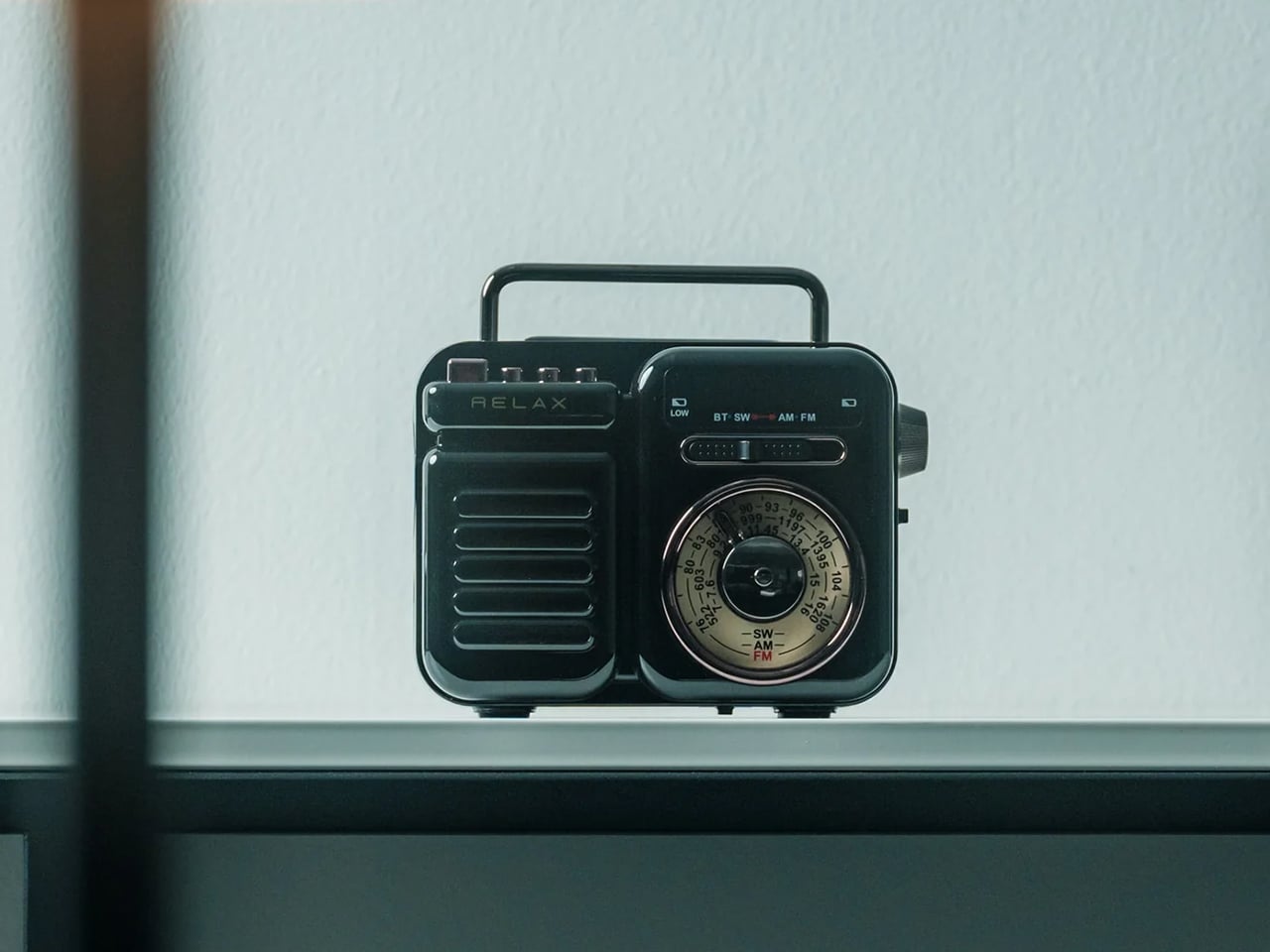
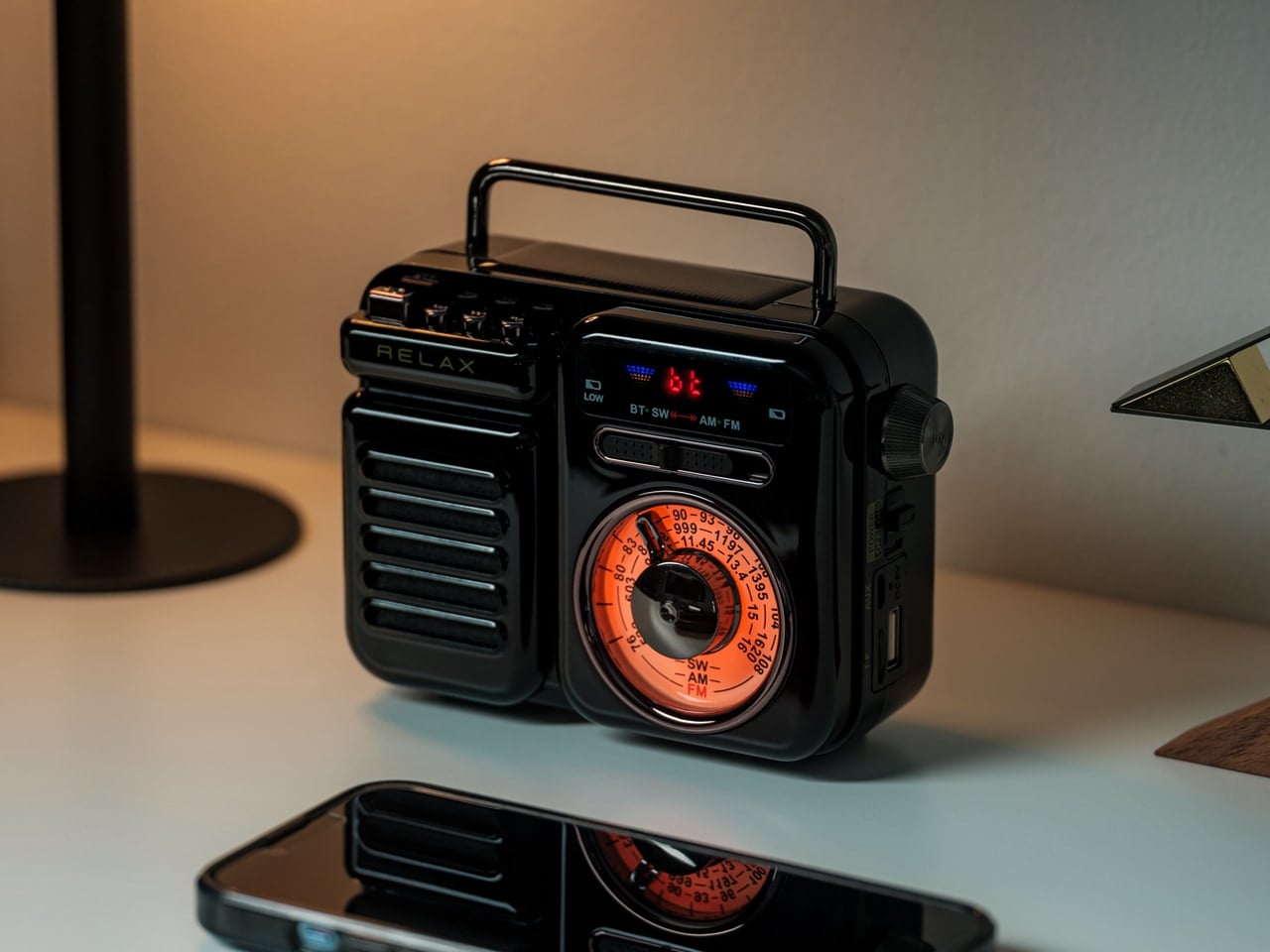
Most emergency gear sits in a drawer until it’s needed — which defeats the entire point. The RetroWave earns shelf space because it looks good enough to display. Styled with a retro Japanese aesthetic and a satisfying tactile tuning dial, it functions as a portable speaker, emergency radio, flashlight, and portable charger from one compact device. It’s the rare piece of outdoor kit that solves the preparedness paradox through sheer design restraint.
At $89, it covers ground that would otherwise require four separate items in your pack. Two colorways — black and warm gray — make it feel considered rather than utilitarian. The 20-hour battery life is enough for a full weekend without reaching for a cable, and the 8W speaker delivers enough warmth to soundtrack a campfire properly. It’s less a gadget and more a statement that survival gear doesn’t have to look survivalist.
What We Like
- Seven functions collapse into a single carry-anywhere device with a retro form that earns every gram of its weight
- Intentional enough in design to live on a shelf rather than be hidden in a bag until an emergency strikes
What We Dislike
- The retro aesthetic won’t resonate with those who prefer a more modern industrial look
- Audio output is optimized for outdoor ambience rather than high-fidelity listening
2. Solar-Powered Camping Tent AC
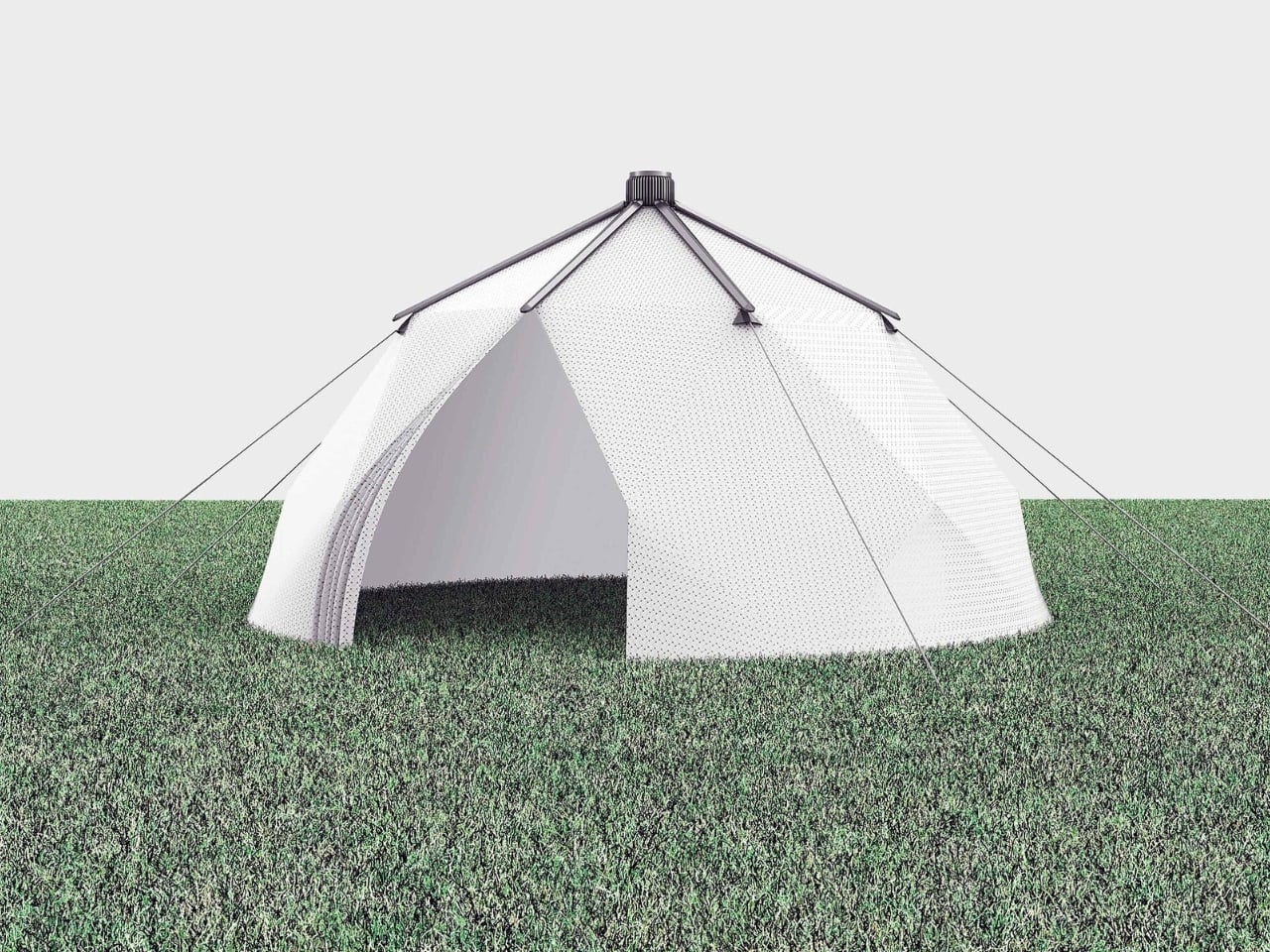
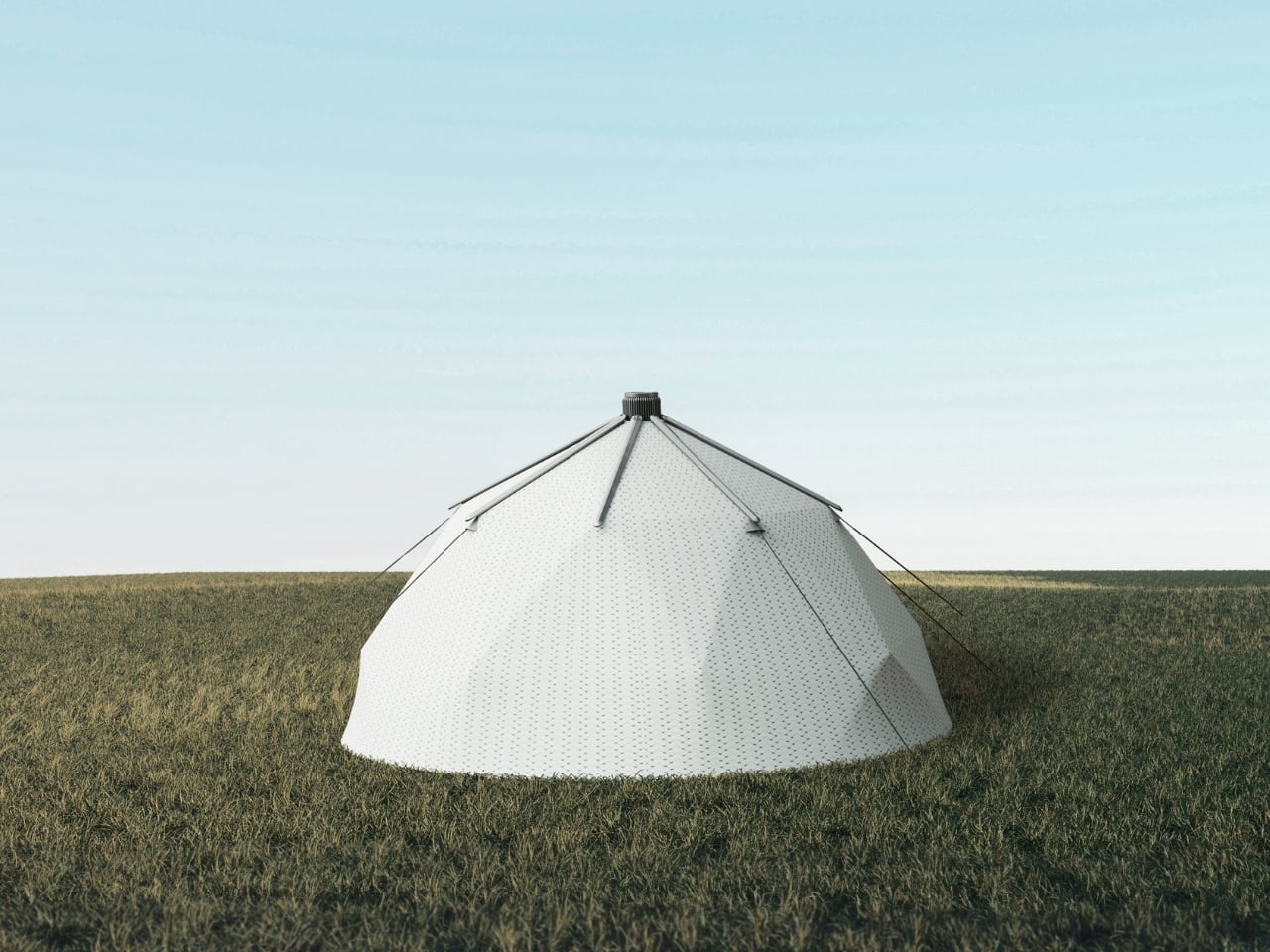
Summer camping’s biggest lie is that you’ll adjust to the heat. You won’t — you’ll sleep worse and wake up annoyed. This solar-powered camping tent concept earned recognition at the Red Dot Design Awards for solving exactly that problem: integrating an air conditioning system powered entirely by solar panels into the structure of the tent itself. No generator noise, no extension cord draped across the campsite. Just a cool night’s sleep that feels like the future.
The design challenge here isn’t purely technical — it’s visual. Solar camping gear has a long history of looking like a science project. This concept sidesteps that with a clean, structured silhouette that doesn’t announce its engineering from across the campsite. For summer trips where heat is the limiting factor rather than terrain, it reframes what a tent can actually do. The idea that solar power and sleeping comfort can coexist elegantly is no longer hypothetical.
What We Like
- Solar-powered air conditioning solves the most persistent problem in summer camping without relying on noisy, bulky generators
- Red Dot Design Award recognition confirms that the concept holds up both functionally and aesthetically
What We Dislike
- As a concept, real-world availability and pricing have not yet been fully confirmed
- Solar performance will depend heavily on campsite exposure and prevailing weather conditions
3. Yuuye Portable Air Conditioner
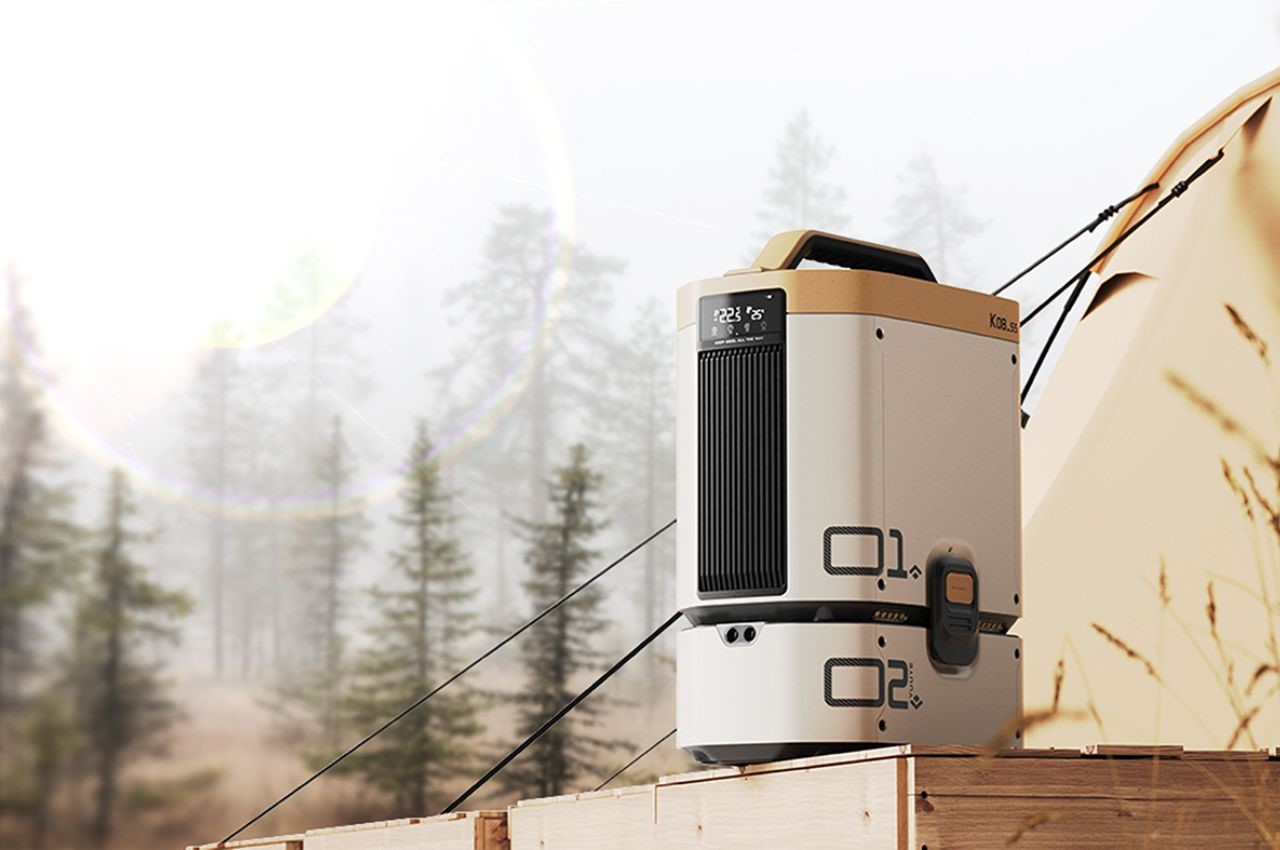

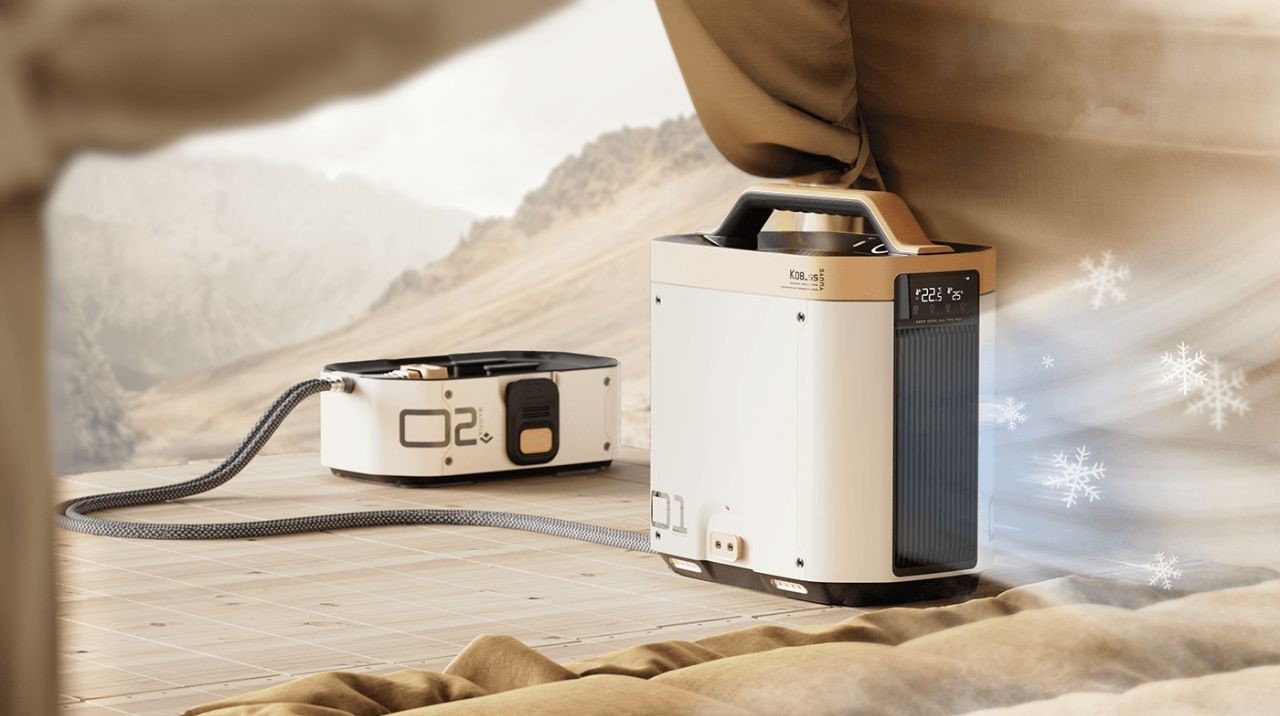

Where the solar tent integrates cooling into the structure, the Yuuye takes a more immediate approach. Its modular design separates the refrigeration unit from the exhaust, drawing in heat and pushing out cool air in a package compact enough to move between a patio, a tent, and an outdoor workspace without a second thought. The LCD screen keeps control simple, and the detachable build means adapting it to a new setting takes seconds rather than a prolonged setup.
The large air outlet distributes cooling evenly rather than in a single concentrated stream, which matters when you’re sitting in front of it rather than standing directly in the airflow. It understands the difference between moving air and actually cooling a space. Compact, lightweight, and designed for exactly the kind of summer that turns a backyard into an endurance test, it earns its place outdoors not by being impressive on paper, but by working when the temperature genuinely spikes.
What We Like
- The modular, detachable build makes relocating it between outdoor settings fast and completely intuitive
- Delivers consistent cooling without the bulk or noise of traditional portable air conditioning units
What We Dislike
- Best suited for small to medium spaces — larger gatherings will need more than one unit to feel the difference
- Requires a power source for extended use, which limits fully off-grid applications
4. Hemingway Cooler
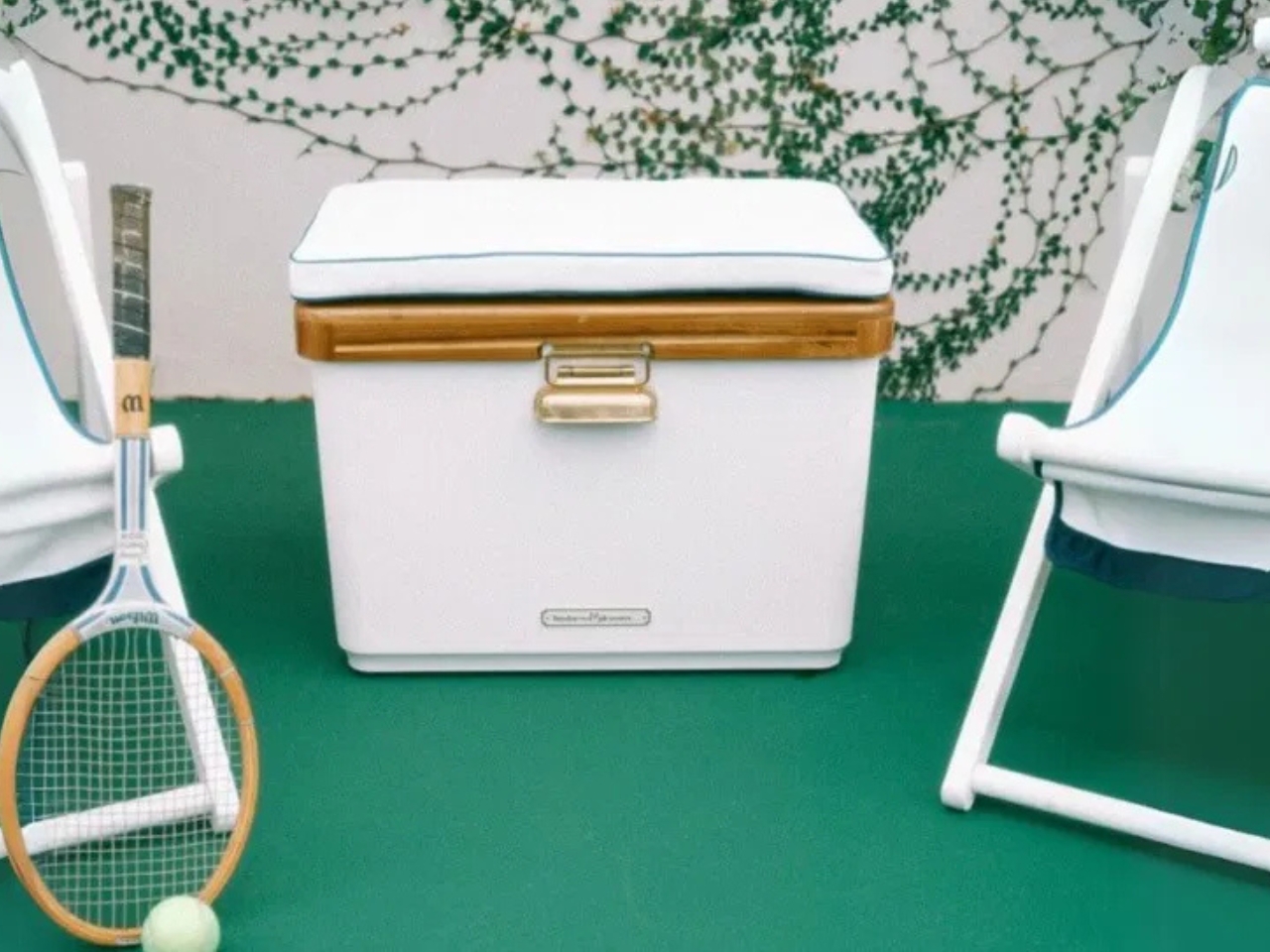
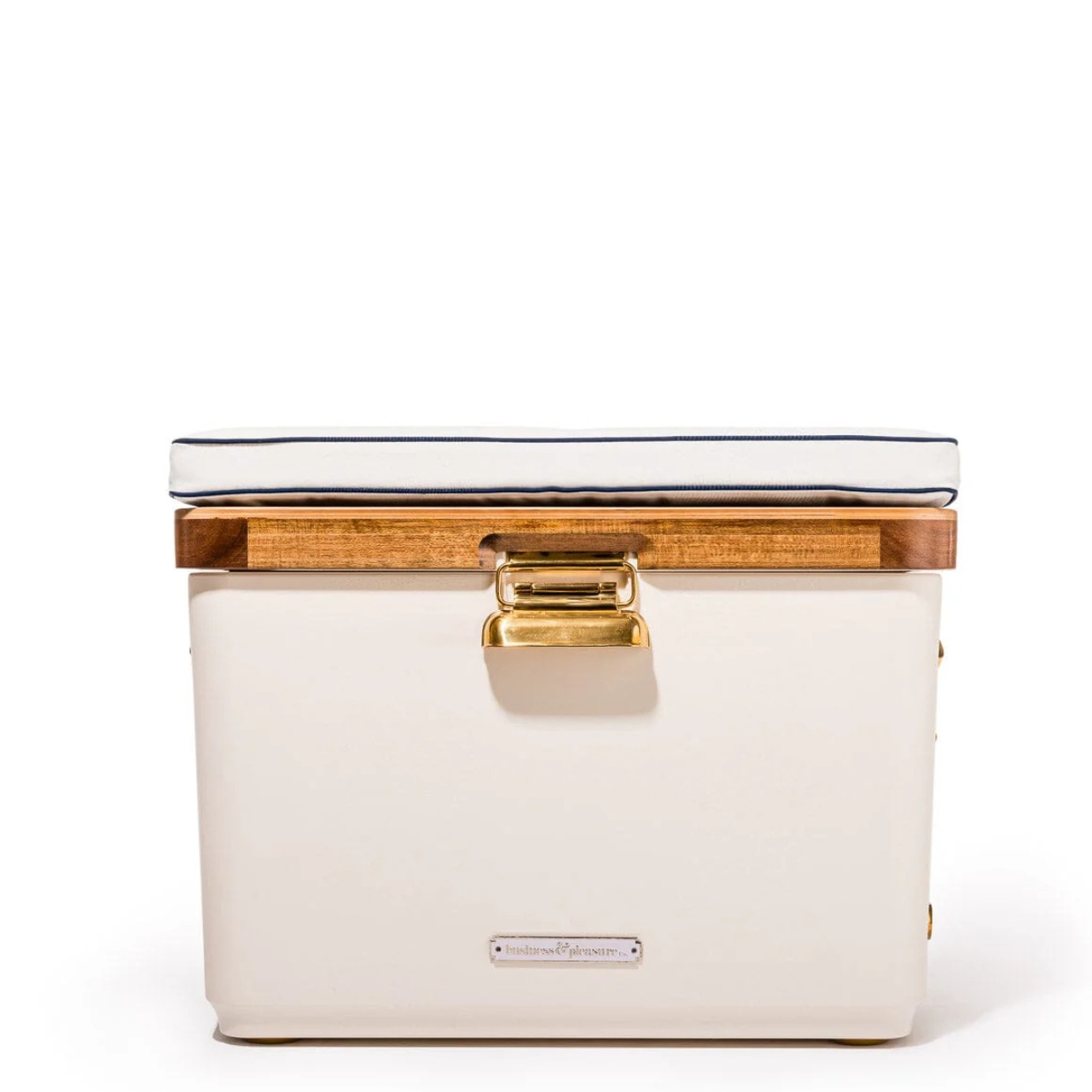

Coolers have spent decades looking like objects that are embarrassed to be at the party. The Hemingway takes a different position entirely. Designed with reference to mid-20th-century European cars and speedboats, it brings a classic, rugged sensibility to something most people treat as purely functional. It’s a cooler that looks as deliberate as the rest of your setup — the kind of thing you’d pack into the back of a Land Rover without any irony whatsoever.
The design doesn’t sacrifice performance for aesthetics. The rugged build holds up to outdoor conditions that take the shine off lesser products quickly, and the form is cohesive enough that it reads as a considered object rather than a branded afterthought. For men who treat the patio and the campsite as extensions of their taste rather than exceptions to it, the Hemingway is the first cooler that actually deserves to be seen.
What We Like
- The mid-century design reference gives it a visual identity that holds up well beyond the campsite or tailgate
- Rugged construction means the good looks aren’t at the expense of actual outdoor durability
What We Dislike
- The deliberate aesthetic may feel out of place in purely utilitarian outdoor contexts
- Premium design positioning likely carries a premium price point to match
5. BlackoutBeam Tactical Flashlight
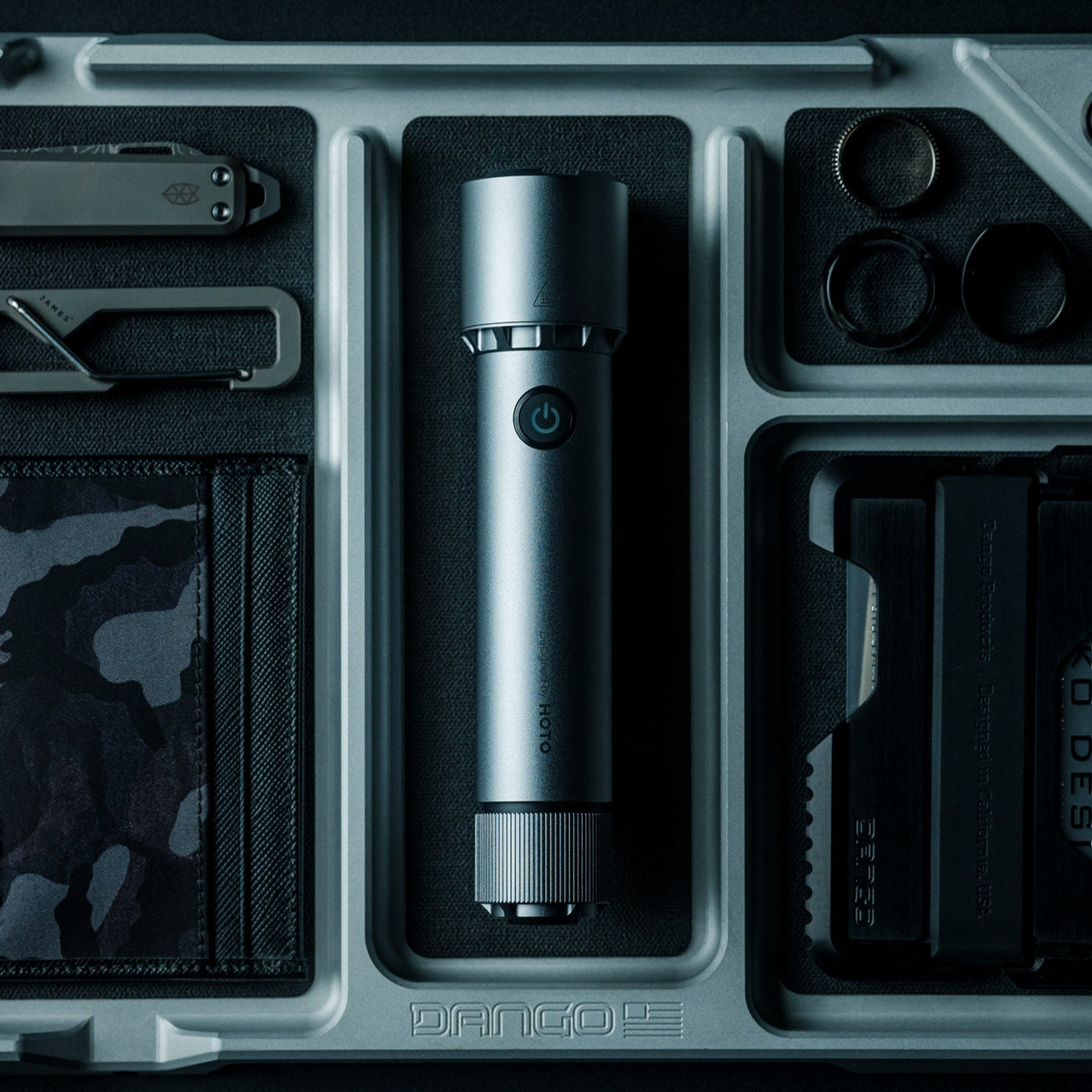
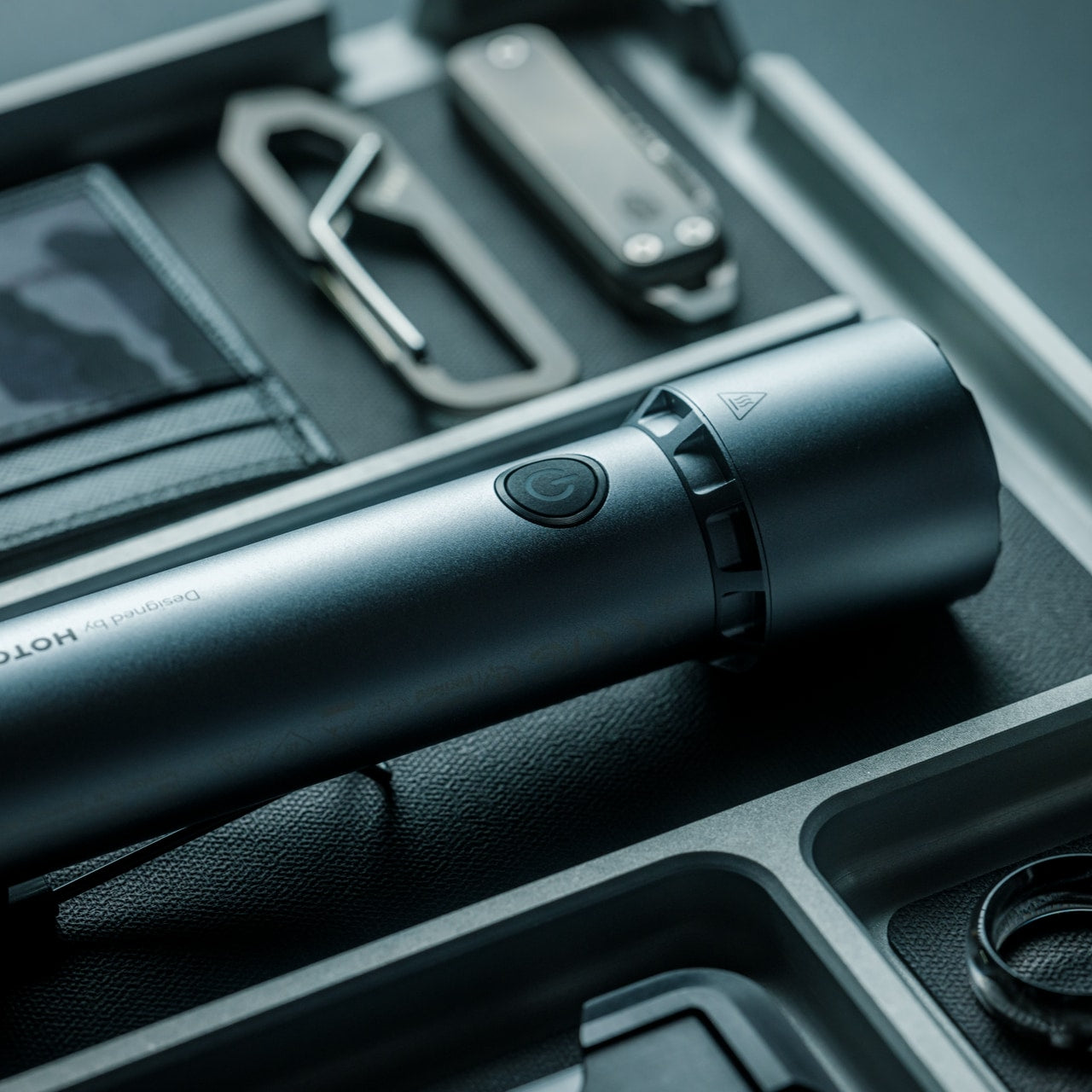
“Tactical” is a word that has done a lot of damage to outdoor gear design. The BlackoutBeam manages to carry the term without leaning into the aesthetic that usually comes with it. At $90, it sits in the range where you’re buying something built for real use rather than a shelf demonstration.
A good flashlight is one of those objects where the quality gap between a considered design and a generic alternative is immediately felt in the hand. Weight distribution, button placement, beam control — these are the details that separate tools from gadgets. The BlackoutBeam handles them with enough conviction to earn the “tactical” descriptor on function rather than branding alone. For the man who refuses to carry anything that looks apologetic, this is the one to reach for.
What We Like
- The $90 price point reflects genuine build quality rather than brand markup on a commodity product
- Restrained design language avoids the aggressive tactical styling that makes most flashlights look out of place
What We Dislike
- The “tactical” category still carries aesthetic baggage that may not suit every outdoor context
- Limited design detail available through the shop listing makes spec comparison difficult before purchase
6. MokaMax
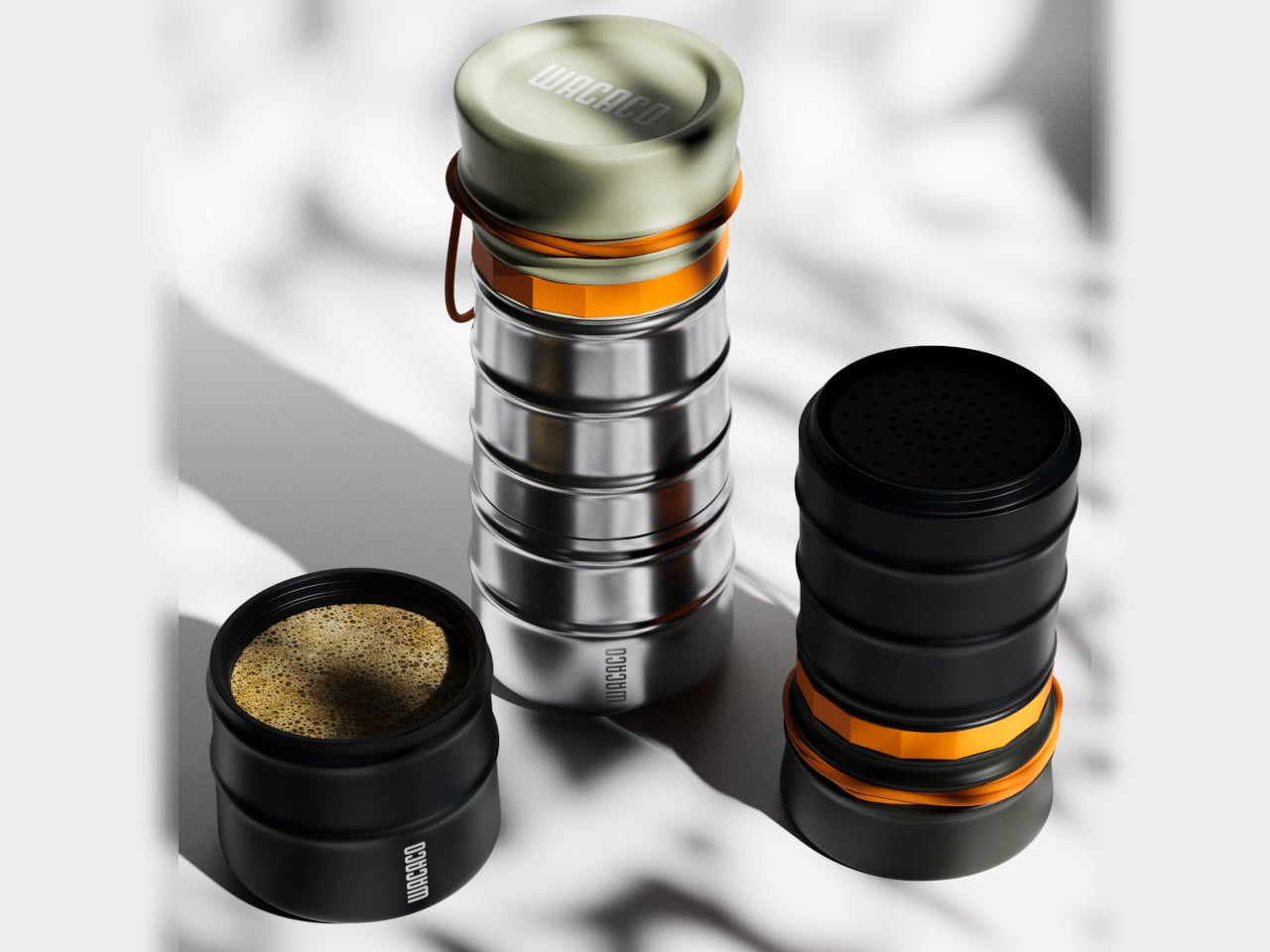
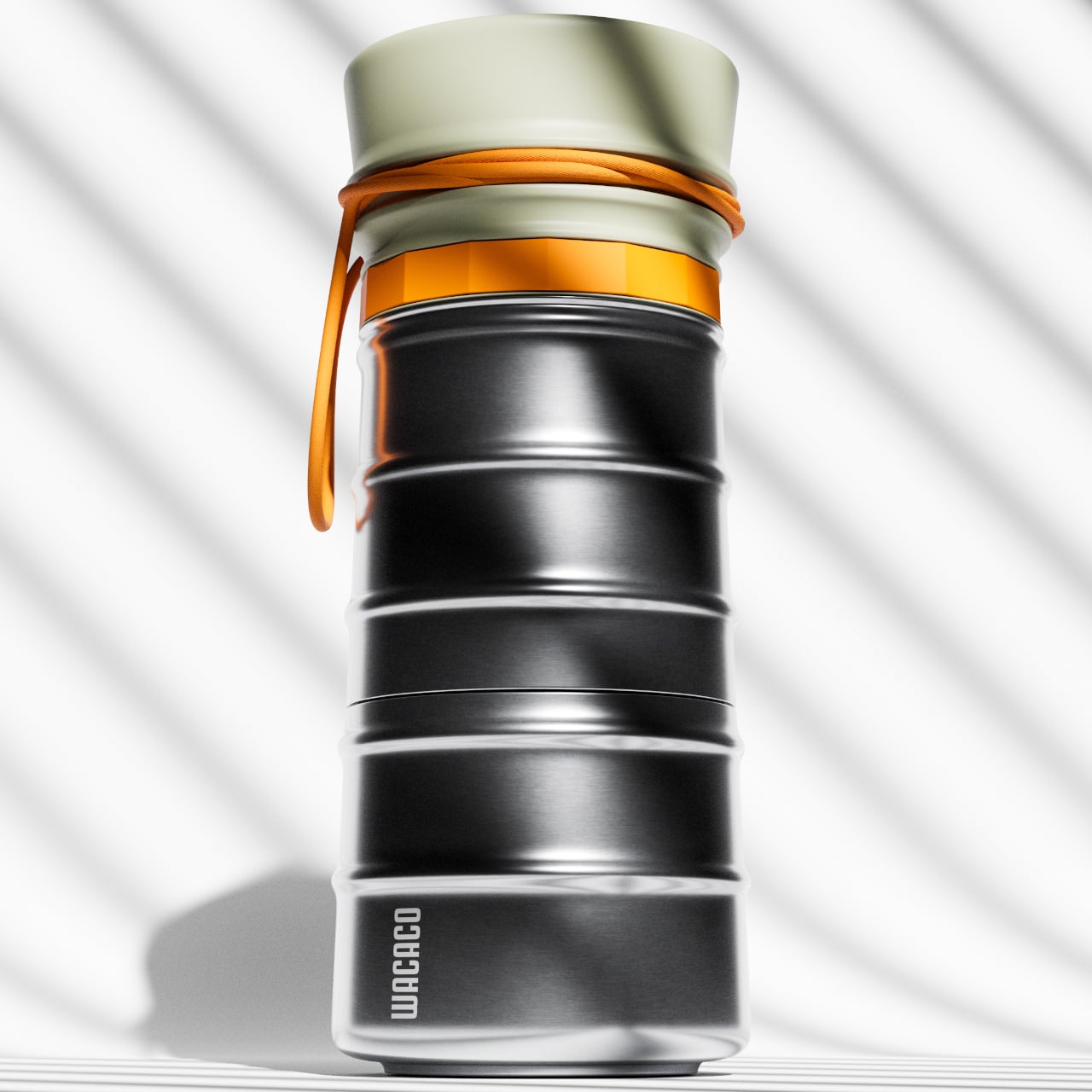
Portable coffee makers have a consistency problem. The plunger versions are messy, the capsule versions need a power source, and the pour-over options require more patience than most mornings allow. MokaMax resolves the argument by packing a pressure brewer directly into a rigid stainless travel mug — delivering espresso-style coffee in the same vessel you carry it in. It positions itself as the proper successor to the Pipamoka, with a form language that reads more like outdoor equipment than a kitchen appliance.
The ridged exterior isn’t purely visual texture — it provides a secure grip in conditions where hands are wet or cold, and it helps the MokaMax blend naturally with the kind of rugged travel gear men who care about this sort of thing tend to carry. It’s a product that earns its presence on a campsite or a trailhead without announcing itself. Good coffee, away from a kitchen, in an object worth actually owning.
What We Like
- Pressure brewing and carrying a vessel combined means fewer items to pack and clean in the field
- The ridged stainless form integrates visually with quality outdoor gear rather than clashing against it
What We Dislike
- Espresso-style output may not satisfy those who prefer larger-volume filter coffee while camping
- Pressure brewing has a learning curve for those accustomed to simpler portable methods
7. FLEXTAIL Tiny Pump 2X
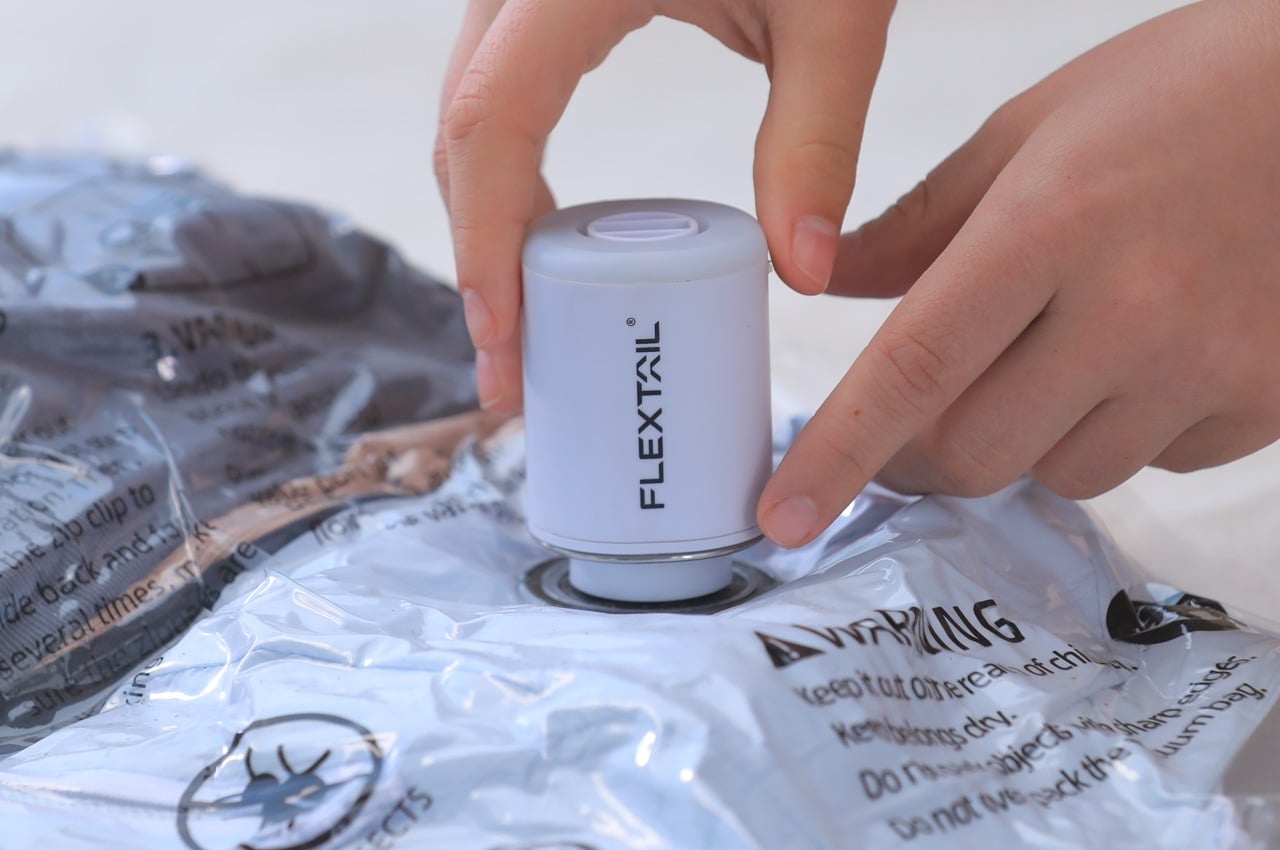


Camping gear that does one thing well is easy to find. Camping gear that does three things well, fits in a pocket, and doesn’t look like an infomercial product is considerably rarer. The FLEXTAIL Tiny Pump 2X manages exactly that — functioning as an outdoor pump, a camping lantern, and a general-use light source in a form factor small enough to get lost in a daypack if you’re not paying attention. Its utility-to-size ratio is genuinely difficult to argue with.
The design restraint does the heavy lifting. Rather than communicating its multi-function capability through an overload of controls or visual complexity, it reads as a single clean object that happens to do more than expected once you engage it. For summer trips where pack weight is a decision every item has to justify, the Tiny Pump 2X earns its place three times over. It’s the kind of product that makes you rethink what minimum viable gear actually looks like.
What We Like
- Three functions in one compact body reduce the individual item count needed for a serious weekend outdoors
- The restrained form doesn’t visually telegraph its multi-function capability, which is a genuine design achievement
What We Dislike
- Compact size means output on each function is calibrated for personal use rather than group coverage
- Lantern brightness may be insufficient for larger camping setups requiring wider illumination
8. StillFrame Headphones

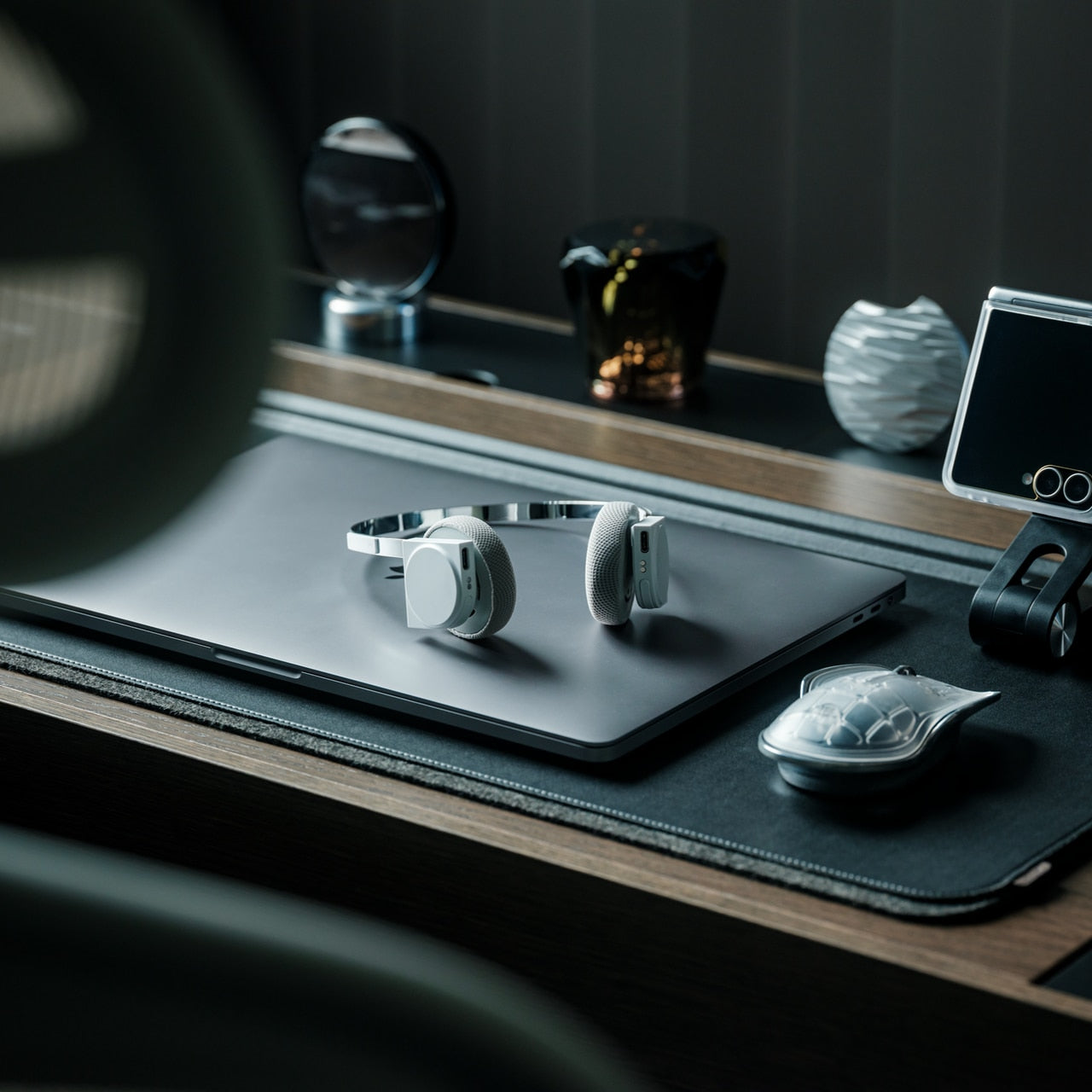
The case for taking good headphones outside has never been stronger, and the StillFrame makes a compelling argument for why. They occupy the space between in-ears and over-ears deliberately — more open than the former, more relaxed than the latter. “Featherlight yet full-bodied” sounds like marketing until you put them on, at which point it just sounds accurate. Listening becomes a physical ritual rather than background noise management.
For outdoor use, weight matters as much as sound. Headphones that feel present on your head become an irritant across longer stretches — hiking, a morning at the campsite, a slow afternoon by the water. The StillFrame disappears in a way that heavier alternatives don’t, which means you stop thinking about them and start thinking about what you’re actually listening to. That’s the benchmark for any piece of audio gear, and this one clears it comfortably.
Click Here to Buy Now: $245.00
What We Like
- The positioning between the in-ear and over-ear categories gives it a comfort profile that holds up across extended outdoor use
- At $245, the price reflects a genuine design object rather than commodity audio gear
What We Dislike
- The open design means reduced passive isolation in high-noise outdoor environments like busy trails or campsites
- The featherlight build may not appeal to listeners who associate weight with perceived audio quality
Gear That Earns Its Place
The outdoor tech category earns its bad reputation because most of it treats function and form as competing priorities. These eight products make the opposite argument: that the best gear is what you actually want to carry, because it holds up visually and practically. Each one has a design story worth reading before you even get to the spec sheet.
The RetroWave and BlackoutBeam are available directly through the YD shop. The MokaMax, Yuuye, and StillFrame have earned space in multiple roundups for good reason. The solar tent, still in concept territory, is the kind of idea that makes the rest of the industry look like it isn’t trying hard enough. Summer has better options than it used to.