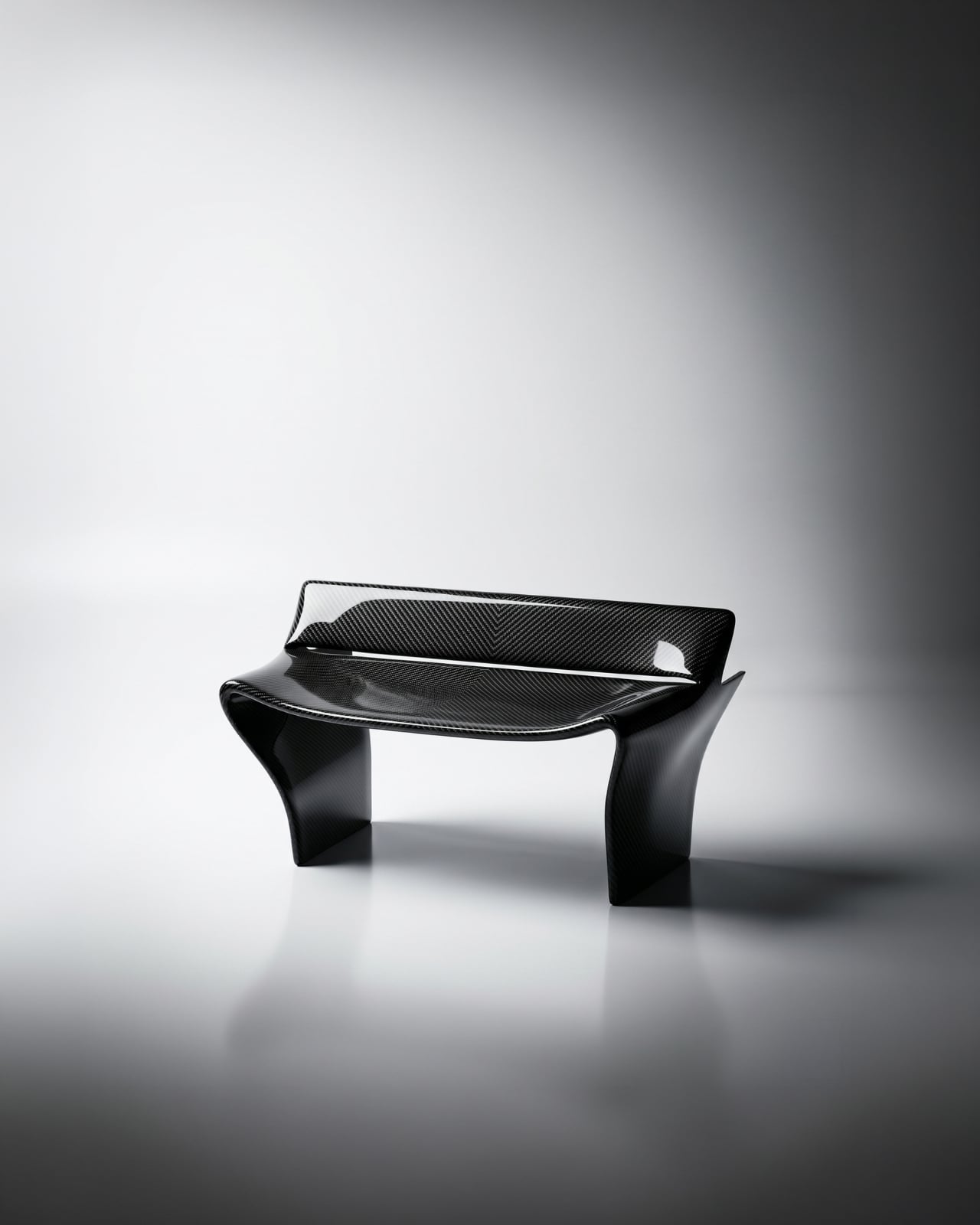
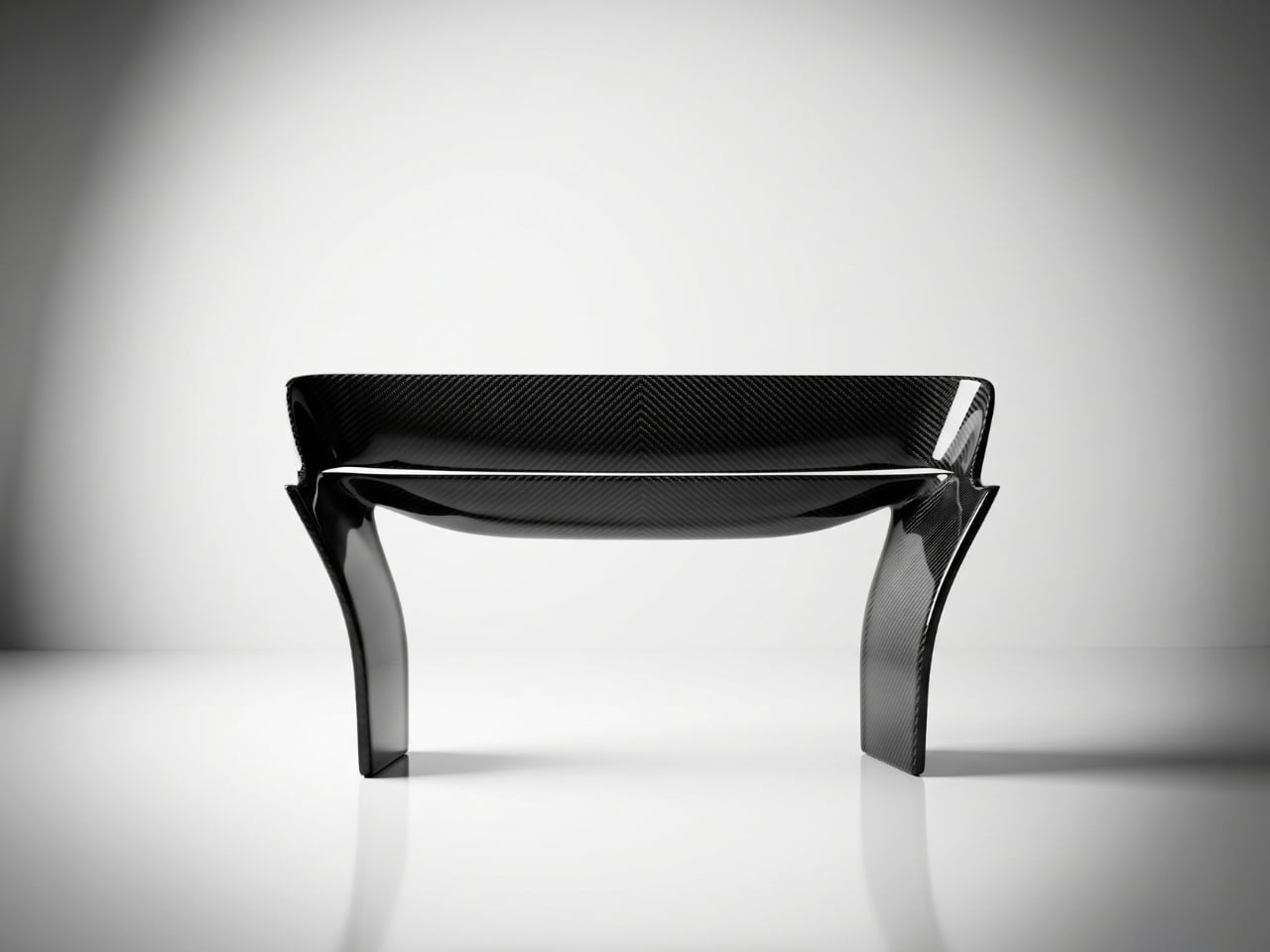
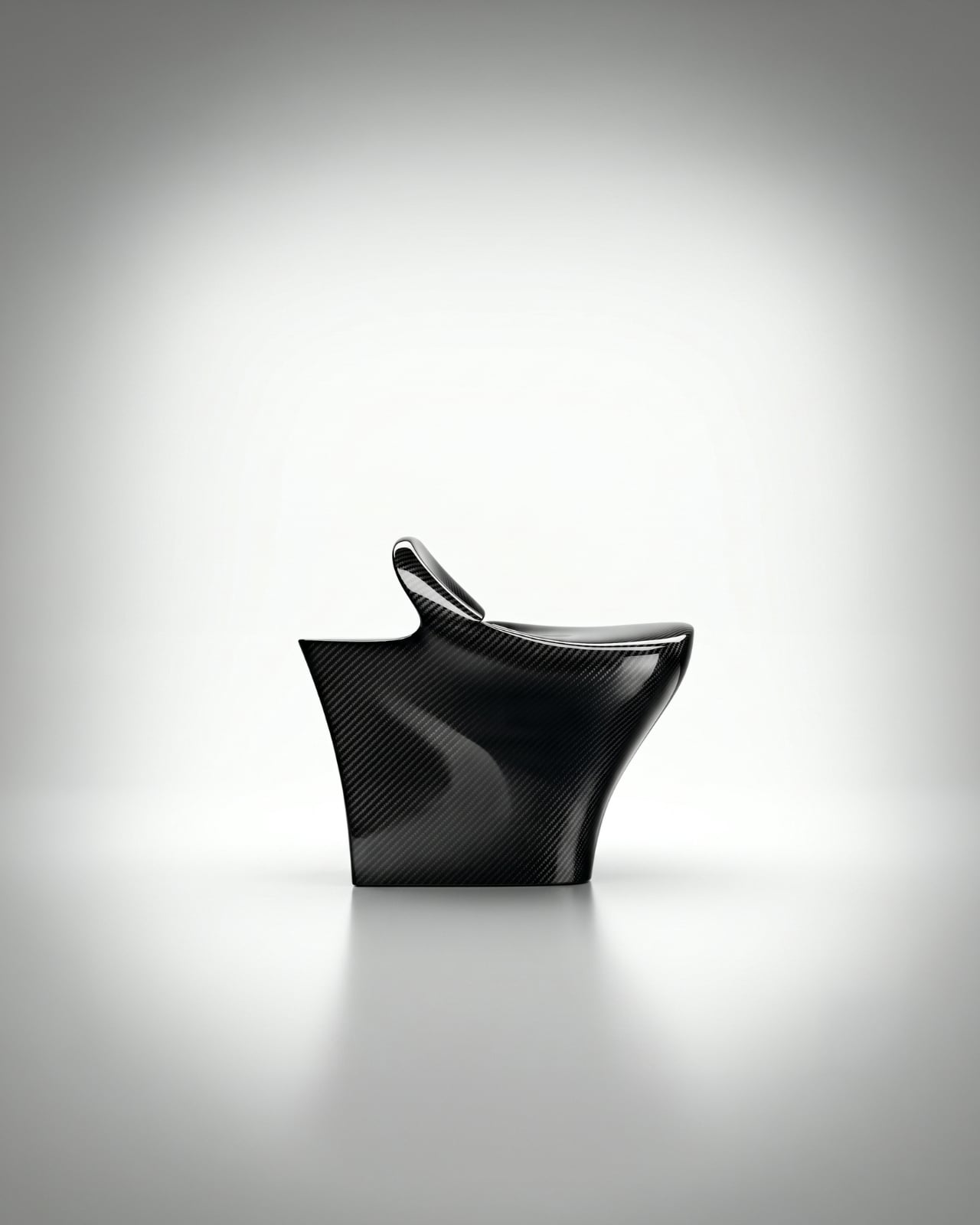
The first time I saw images of the Rear Wing Chair by Keon-Jo, I genuinely had to look twice. Not because it’s strange, but because it’s so precisely right that your brain takes a moment to catch up with what it’s actually looking at. That wide, sweeping profile. Those curved, grounded legs. The unmistakable geometry of an F1 rear wing, scaled and reoriented into something you can actually sit in.
And that’s the thing about this piece: it isn’t motorsport-themed furniture. It’s not a chair with a racing stripe or a decorative spoiler bolted on for effect. Designer Keon-Jo took the actual geometry of an F1 rear wing, the profile, the curvature, the aerodynamic structure, and translated every element with full fidelity into a functional object. The result is 100% carbon fibre, unmodified and unapologetic, with every surface showing the raw woven weave exactly as it comes. Nothing softened, nothing added.
Designer: Keon-Jo
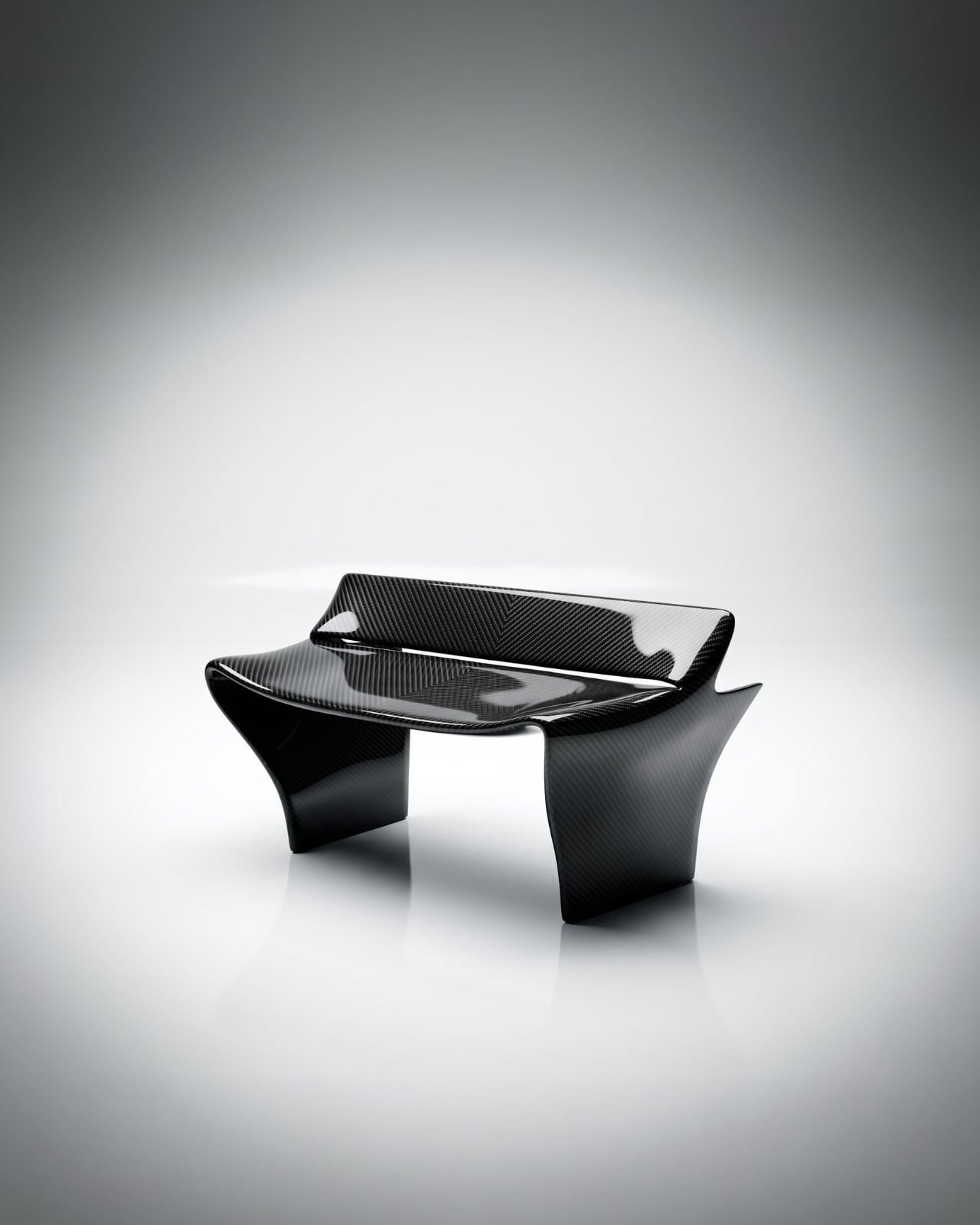
I think that restraint is everything here. A lesser approach would have tried to make it more accessible, more livable, more palatable for people who might not know or care what a rear wing actually does. Keon-Jo didn’t do that, and the piece is stronger for it. The chair carries the authority of the original object because it commits to the original object, completely.
The question that started all of this was a good one: what would one of the most engineered components in motorsport look like if it stopped being a car part and became something you lived with? F1 rear wings are products of obsessive precision. Aerodynamicists and engineers spend entire seasons calculating the exact angles and curves that will shave fractions of a second off a lap time. Every millimetre is deliberate. Every surface has a reason. Keon-Jo took that same philosophy and asked what happens when you apply it to the home.
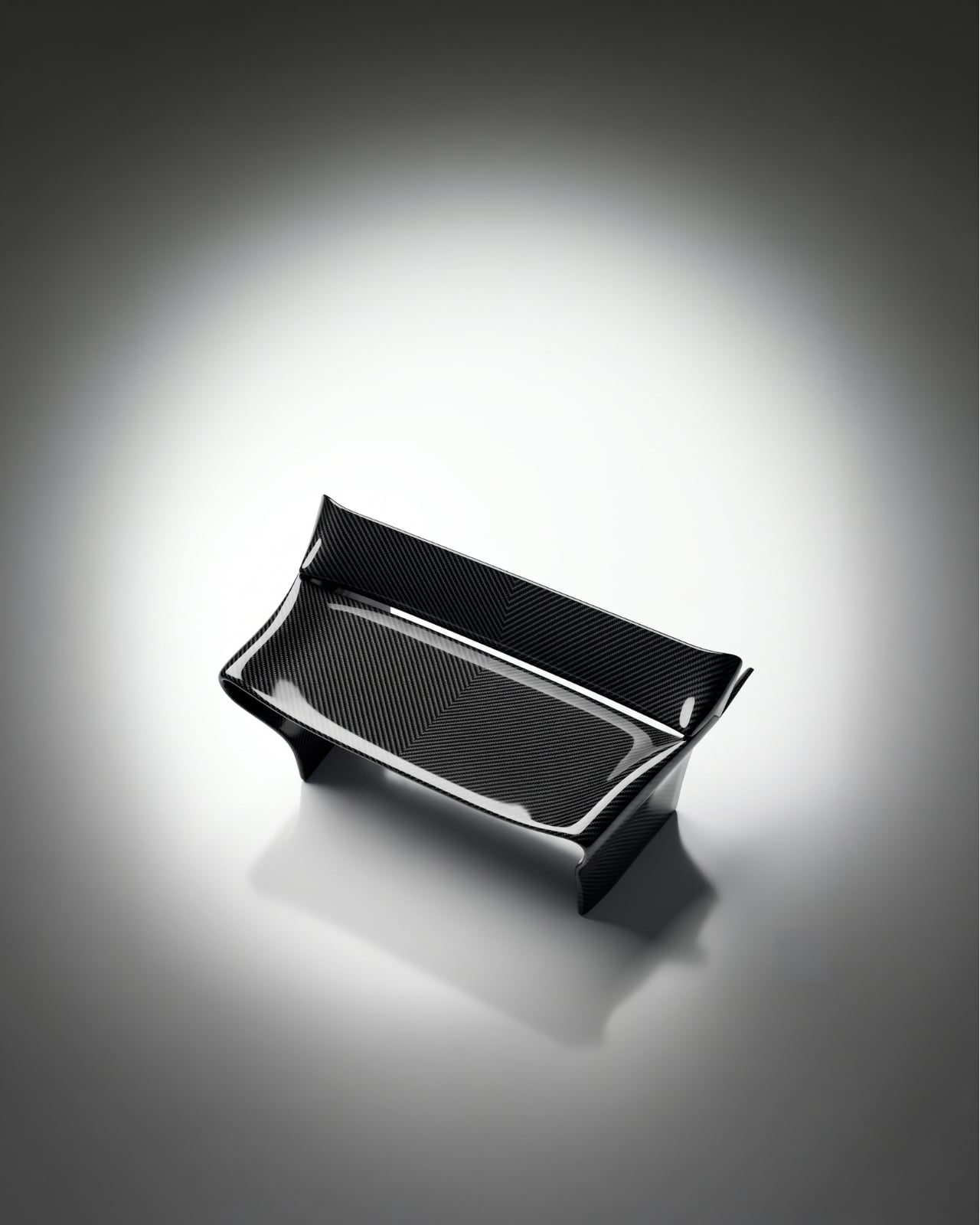
The answer is a chair that sits at the edge of sculpture and engineering in a way that very few objects manage. It doesn’t look like it’s trying to be art. It also doesn’t look like it’s trying to be furniture. It looks like what it is: an engineered object, repurposed through a specific creative lens, and built with a level of craft that the source material demands.
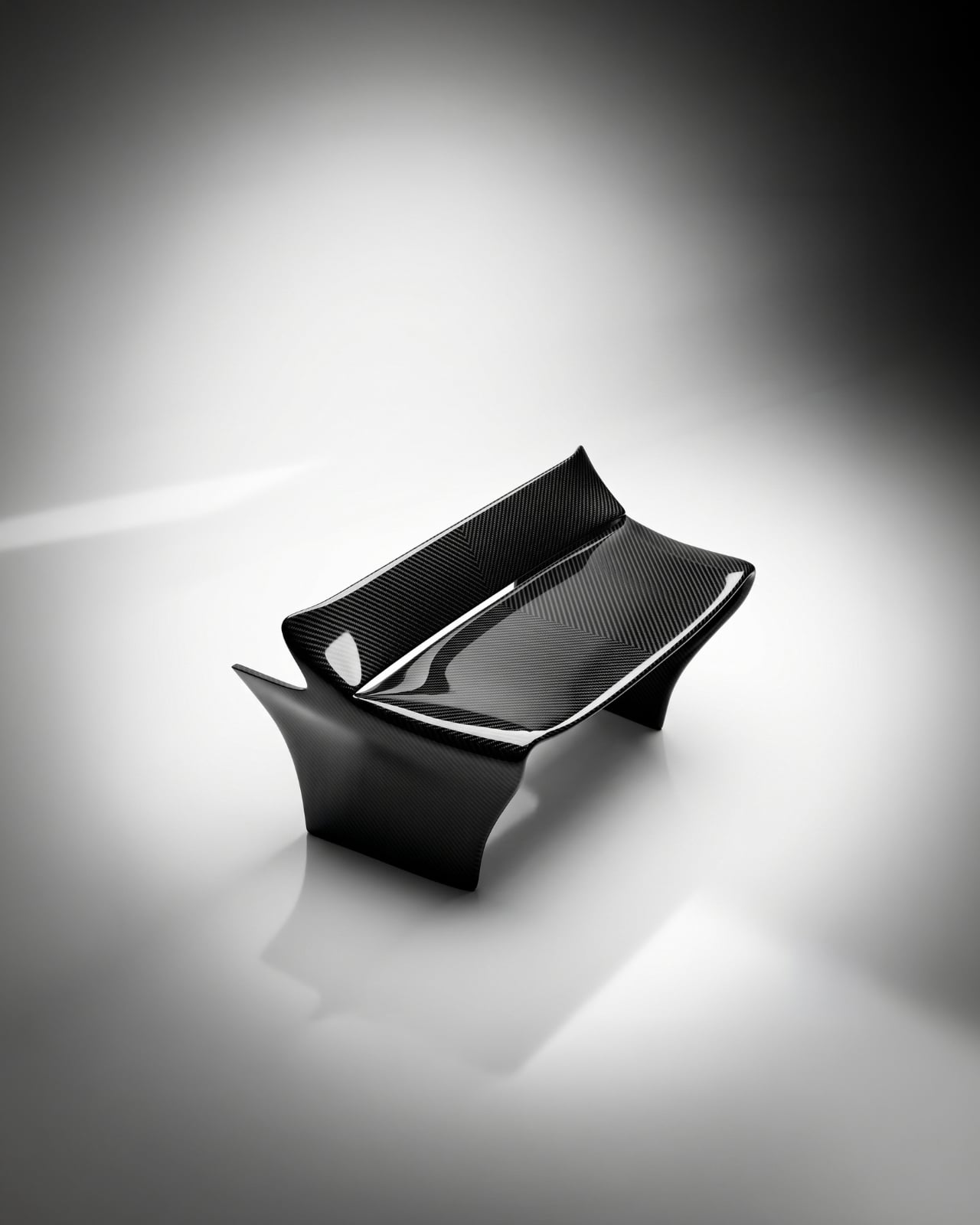
The launch timing is as considered as the chair itself. The Rear Wing Chair is debuting during Monaco Grand Prix weekend, June 6 to 8, 2026. Monaco is where engineering culture and design culture genuinely converge on the F1 calendar. The streets, the yachts, the paddock, all of it operates at a level of precision and detail that matches the ethos of this piece exactly. It’s a smart choice, and not an obvious one.
This is also only Keon-Jo’s second physical object. The first was the Front Wing Wall Art, a wall-mounted sculptural piece built from F1 front wing geometry, working from the same core idea: take what motorsport engineers obsess over and translate it into something people actually live with. Two pieces in, the studio already has a clear and convincing point of view. That’s harder than it sounds. A lot of design studios spend years finding their language. Keon-Jo arrived with theirs already formed.
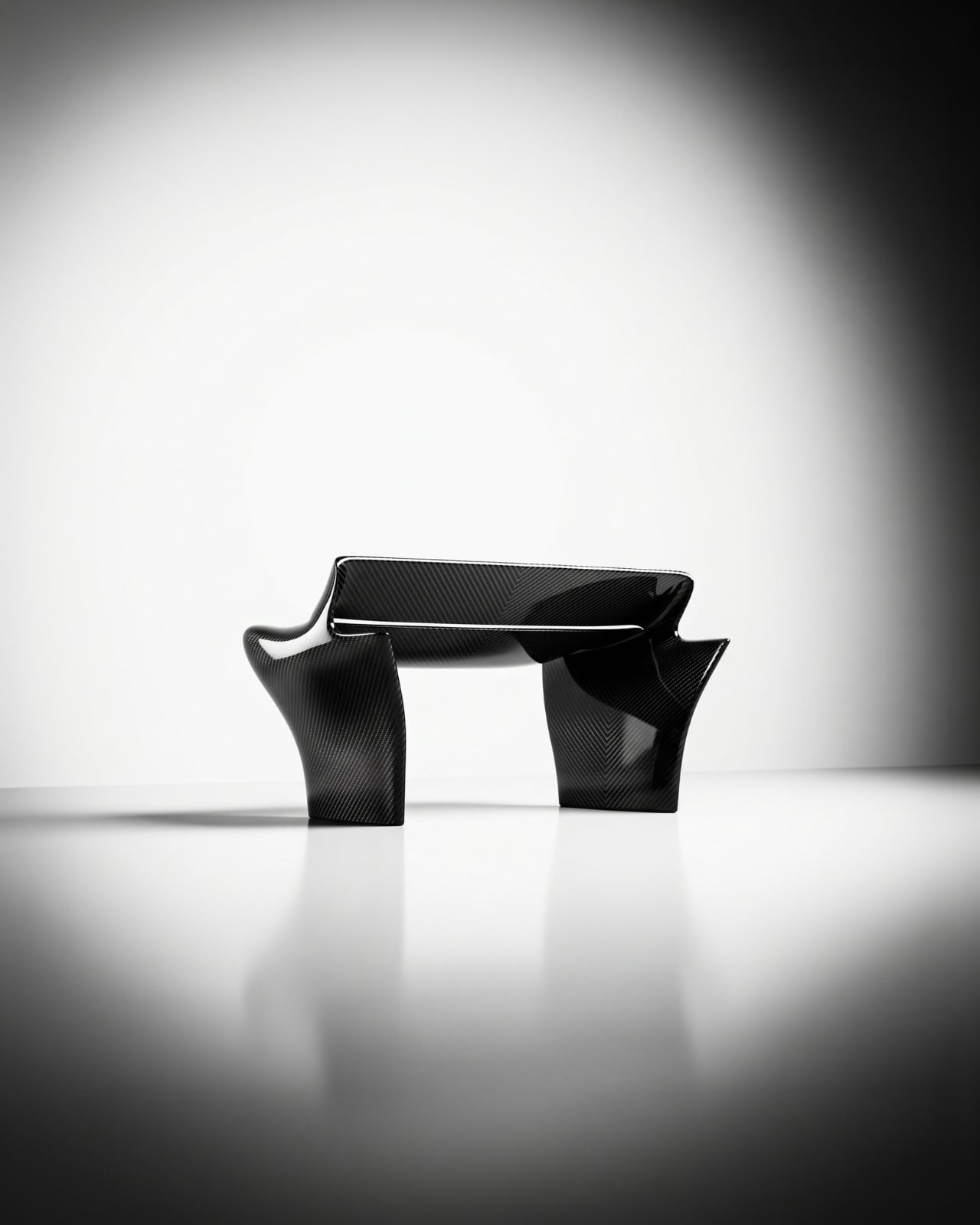
At 1200 x 760 x 670mm, the Rear Wing Chair is a substantial presence in a space. This isn’t a subtle accent piece. It’s a statement, and it knows it. The kind of object that defines a room rather than decorates it. For anyone who grew up around motorsport, or who simply cares about the relationship between engineering and form, this is the piece that gives both equal weight.
Whether you follow F1 or not, the Rear Wing Chair makes an argument that precision has genuine aesthetic value, that the same thinking that wins races can produce something beautiful enough to own and live alongside. Keon-Jo is building a body of work around that idea, and with only two pieces, it already feels like a compelling one. See more at keon-jo.com.