If you’ve ever spent real money on a Herman Miller chair, you know the particular satisfaction that comes with it. It’s not just the lumbar support or the breathable mesh. It’s the feeling that someone actually thought hard about how you sit, and then engineered accordingly. That philosophy is exactly what’s been missing from the gaming desk category for years, and now Herman Miller has stepped in to fill the gap with the Coyl Gaming Desk.
The Coyl is the brand’s first desk built specifically for gamers, which is a little surprising considering Herman Miller Gaming has been around since 2020. Better late than polished, I suppose. But after seeing what they’ve put together, it’s clear they spent that time observing how people actually use their spaces, rather than just rushing to market with something forgettable.
Designer: Herman Miller
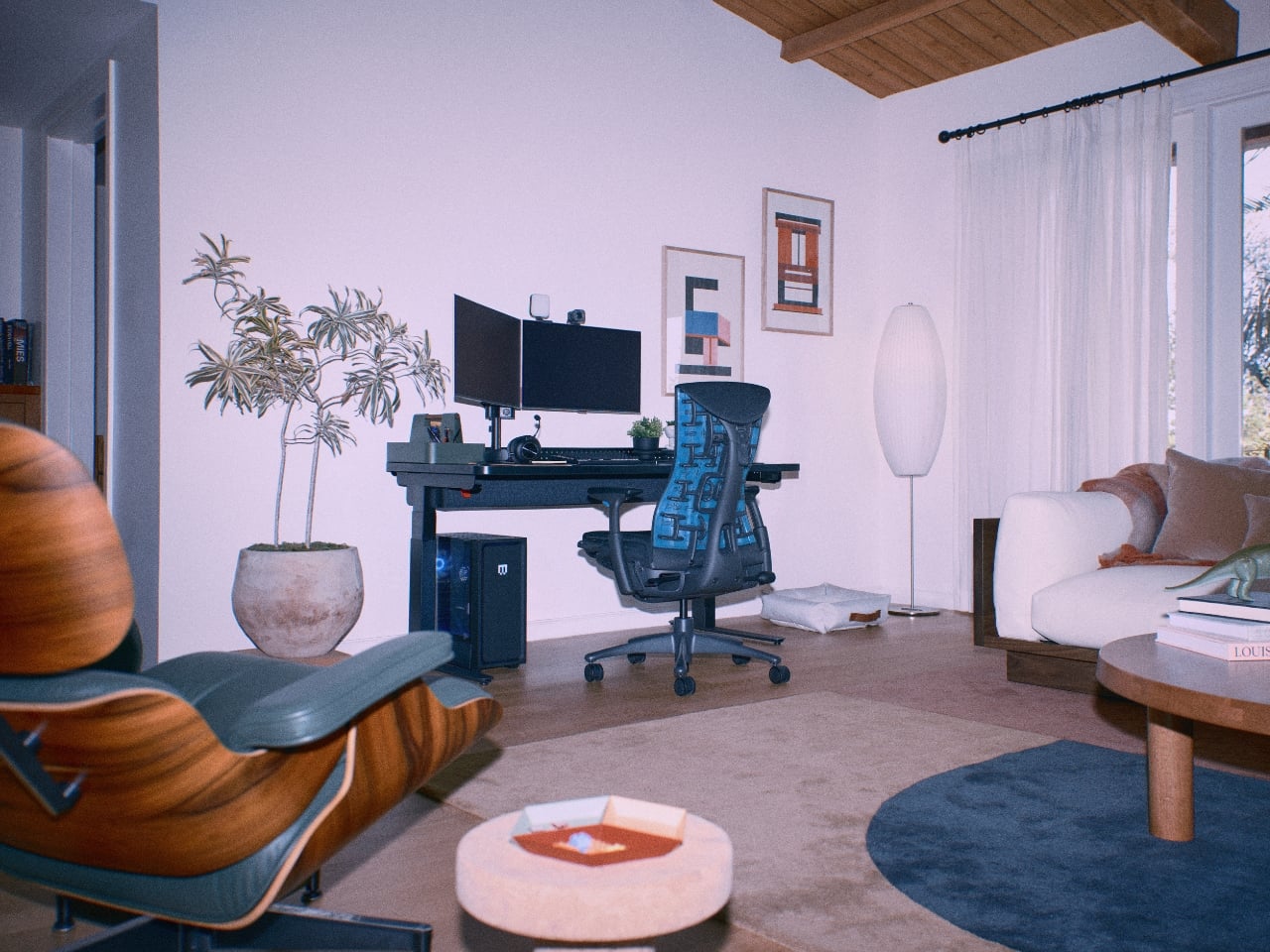
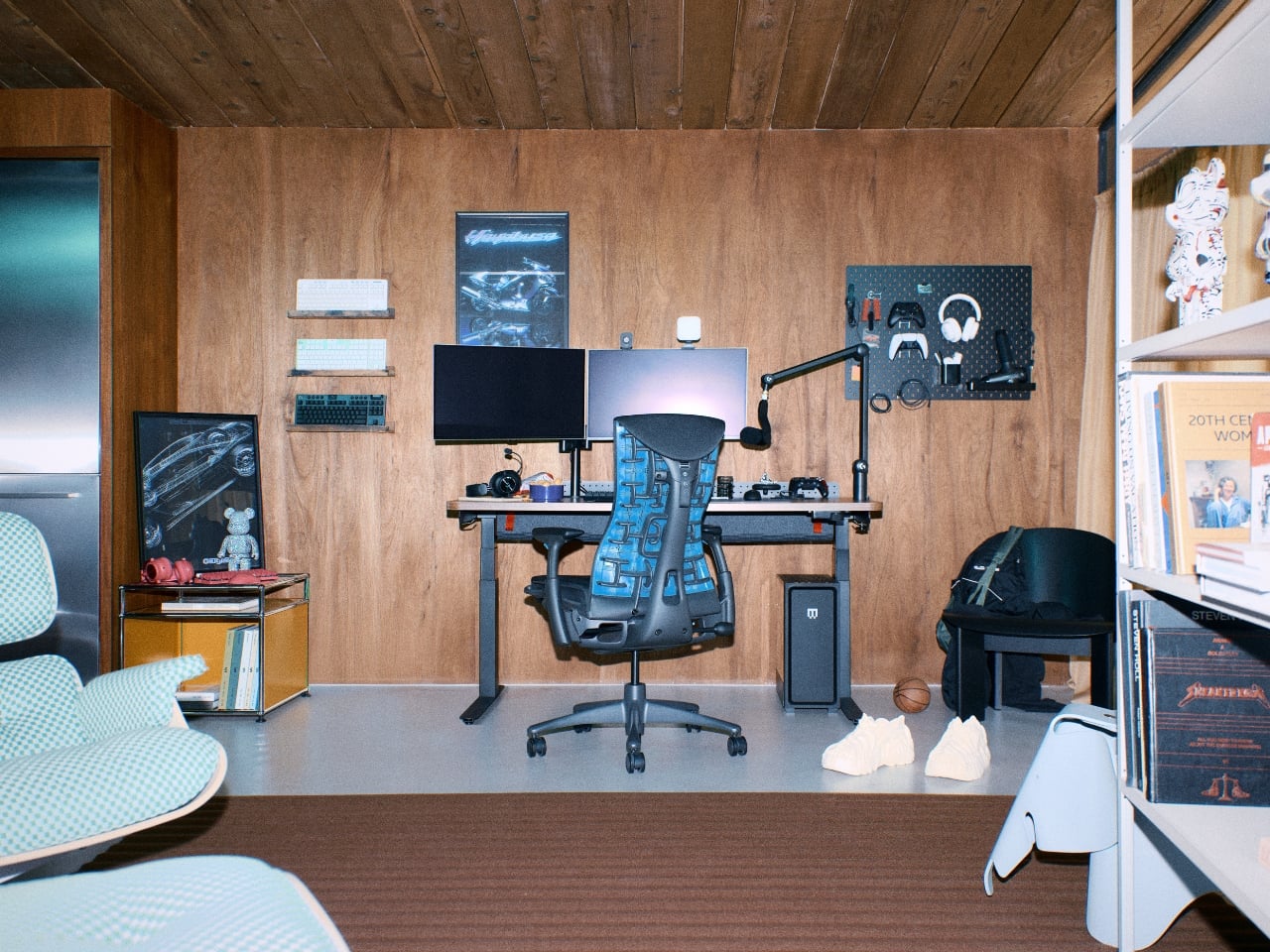
The most talked-about detail is the rotary dial. While traditional sit-to-stand desks feature up-down toggle switches, the Coyl Gaming Desk features a rotary dial, a round knob you turn to raise or lower the height, allowing for greater control and seamless adjustment. That feels like a meaningful upgrade over the toggle switch that costs pennies and has somehow survived on products that cost over a thousand dollars. Inspired by premier audio equipment, the dial features detent notches to allow players to easily identify the exact setting for their preferred position. It’s a small change that makes a surprisingly big difference. When your hands are already on autopilot during a long session, not having to hunt for a button matters more than you’d think.
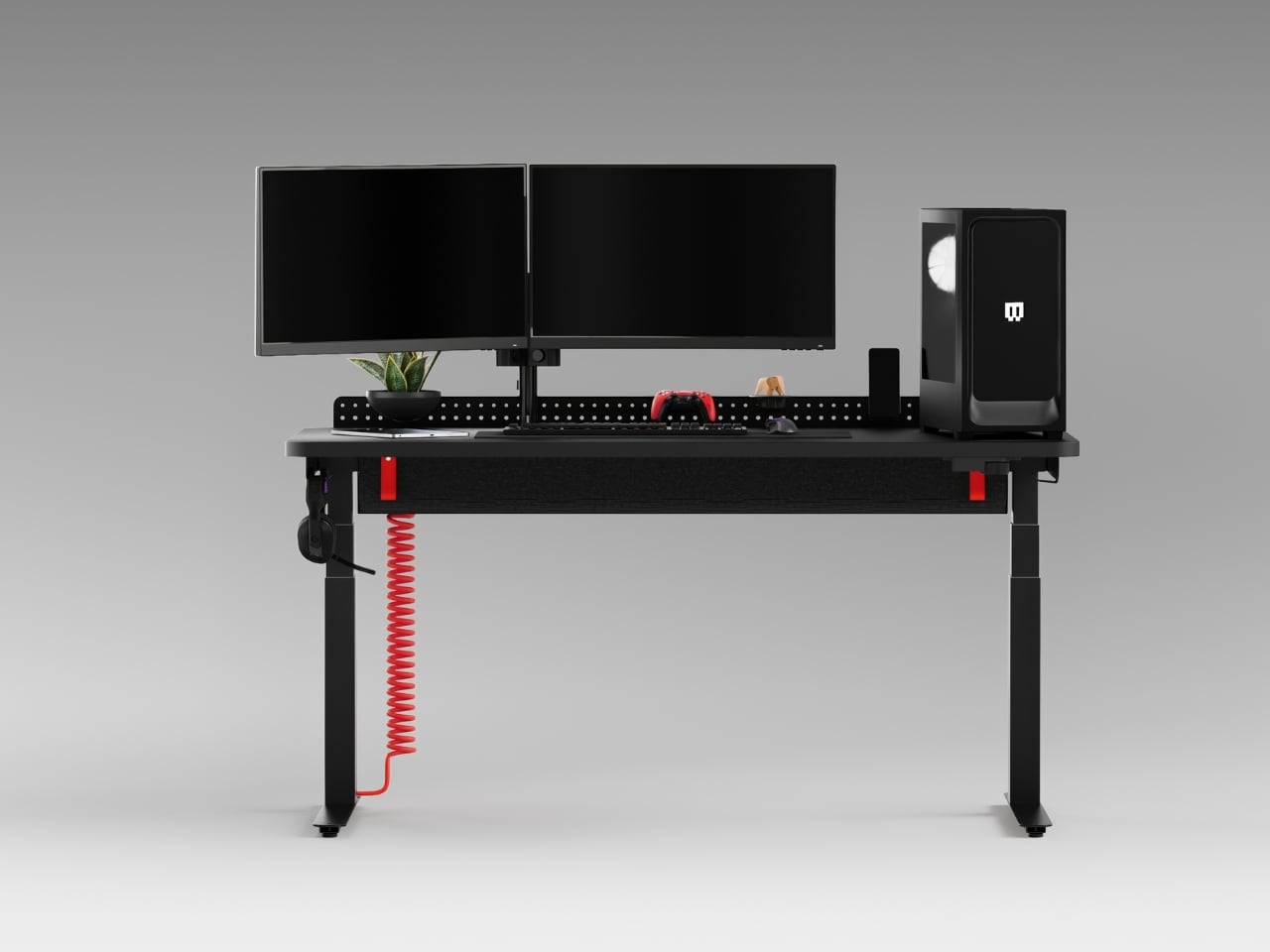
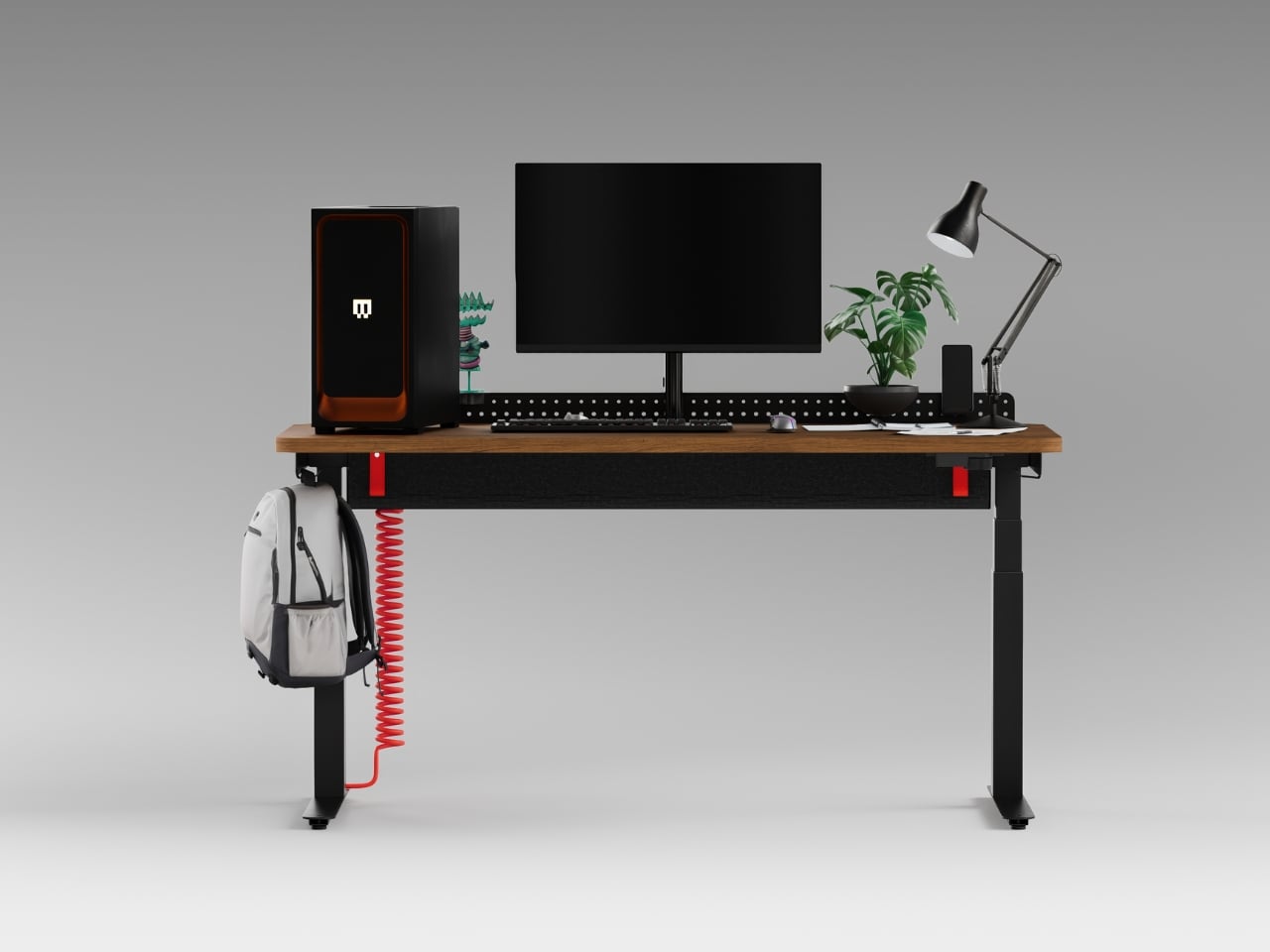
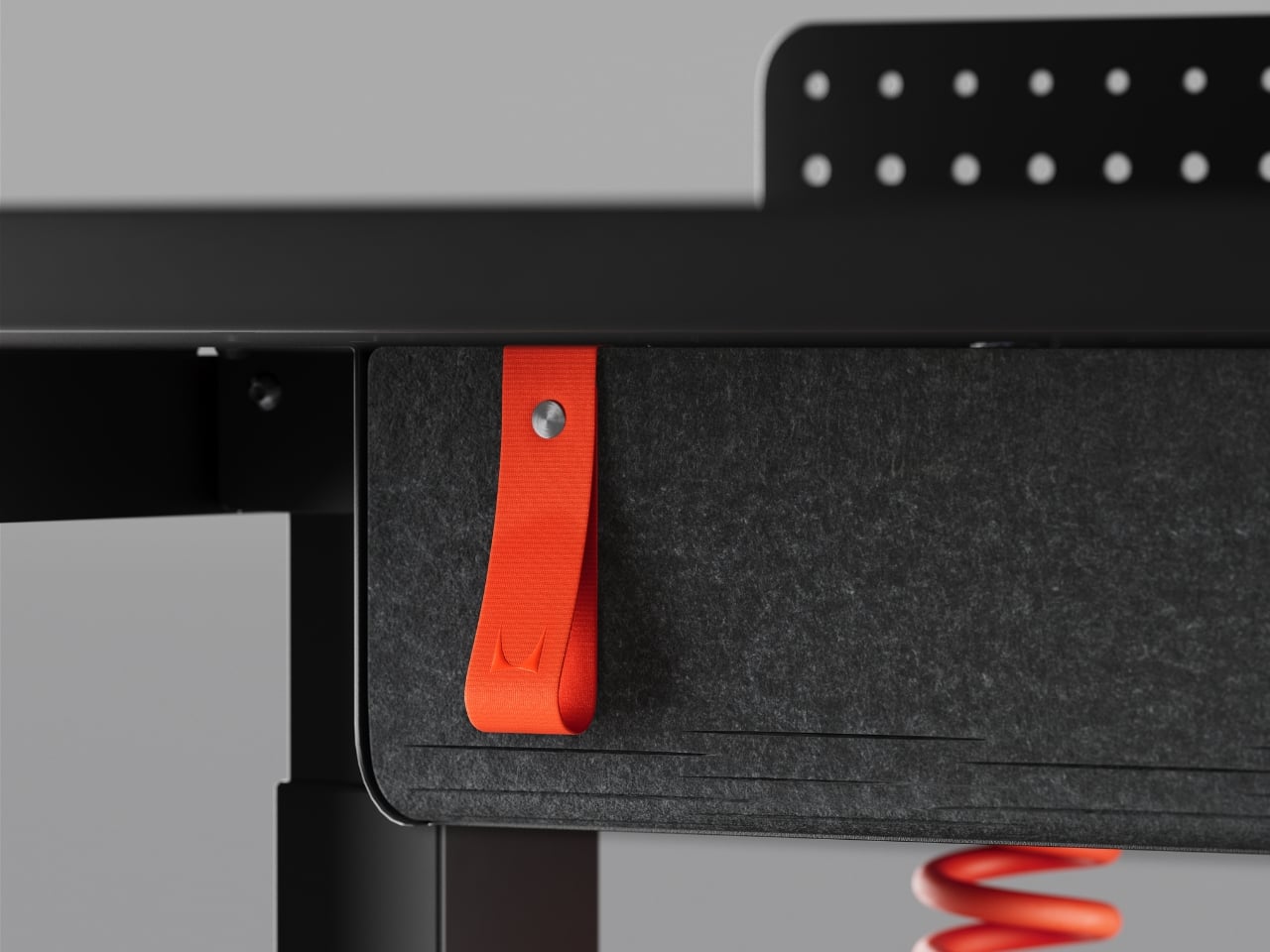
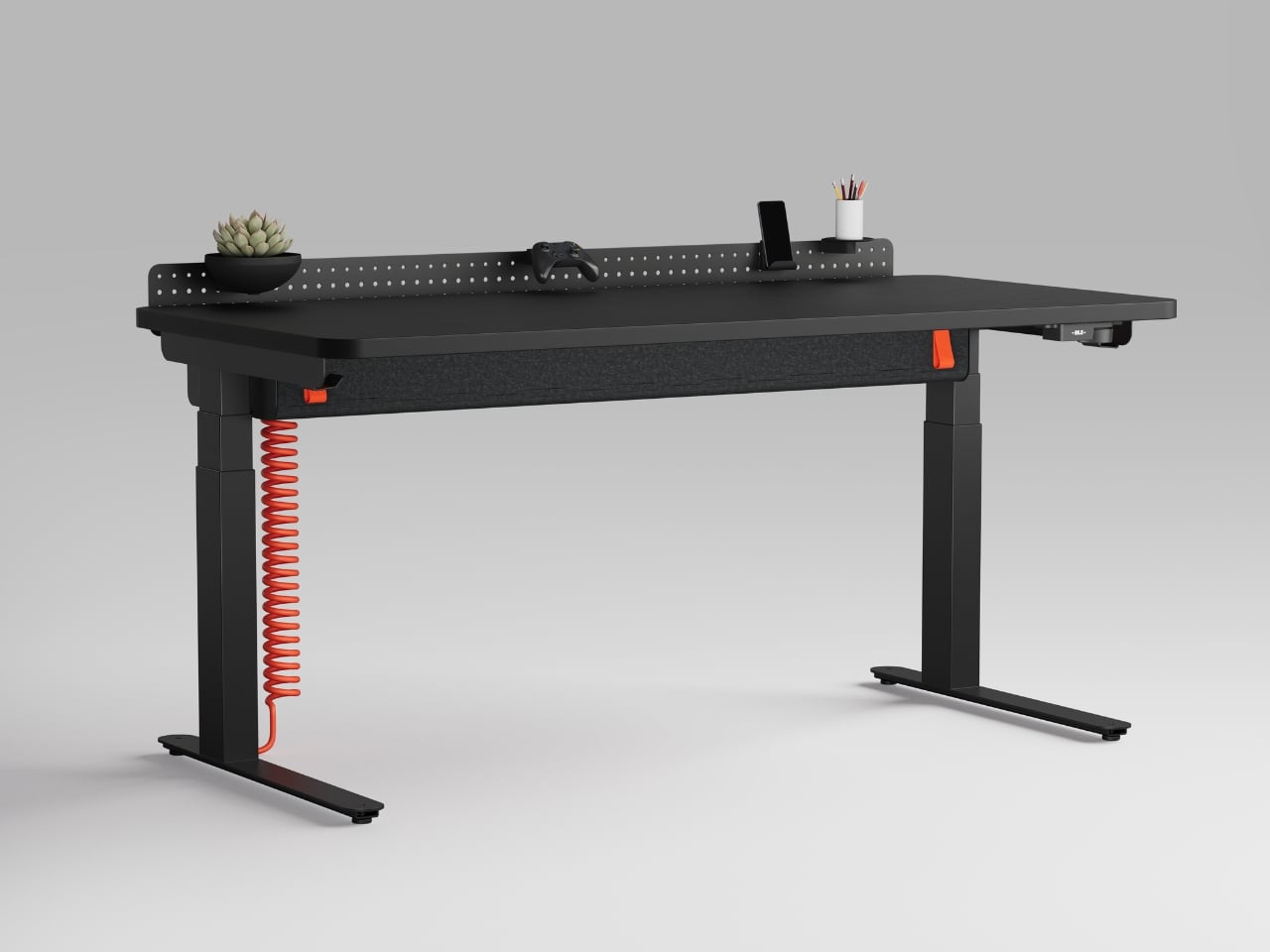
The desk also has a built-in cable management trough tucked underneath toward the back, which handles the chaotic tangle of wires that plagues most gaming setups. It’s one of those features that seems obvious in hindsight but is inexplicably absent from most desks in this category. Whoever decided to finally make this standard deserves a quiet round of applause. There are also built-in hooks for frequently used items, allowing players to stay locked into the play experience, and adjustable glides on the top of the desk feet allowing users to level the desk.
Where things get genuinely interesting is the optional perforated back panel. For those who want to further personalize their set-up, Coyl includes an optional perforated back panel with a smart collection of accessories, including controller holders, phone docks, small shelves, and planters. Think of it as a pegboard-style system you can actually curate. These add-ons can be rearranged as setups evolve, which is the kind of modularity that tends to make a product feel useful long-term rather than dated in two years. It’s also the design detail that signals what Herman Miller is really going after here: the desk isn’t meant just for gaming, it’s meant for the modern person who games, works, creates, and streams, often from the same surface.
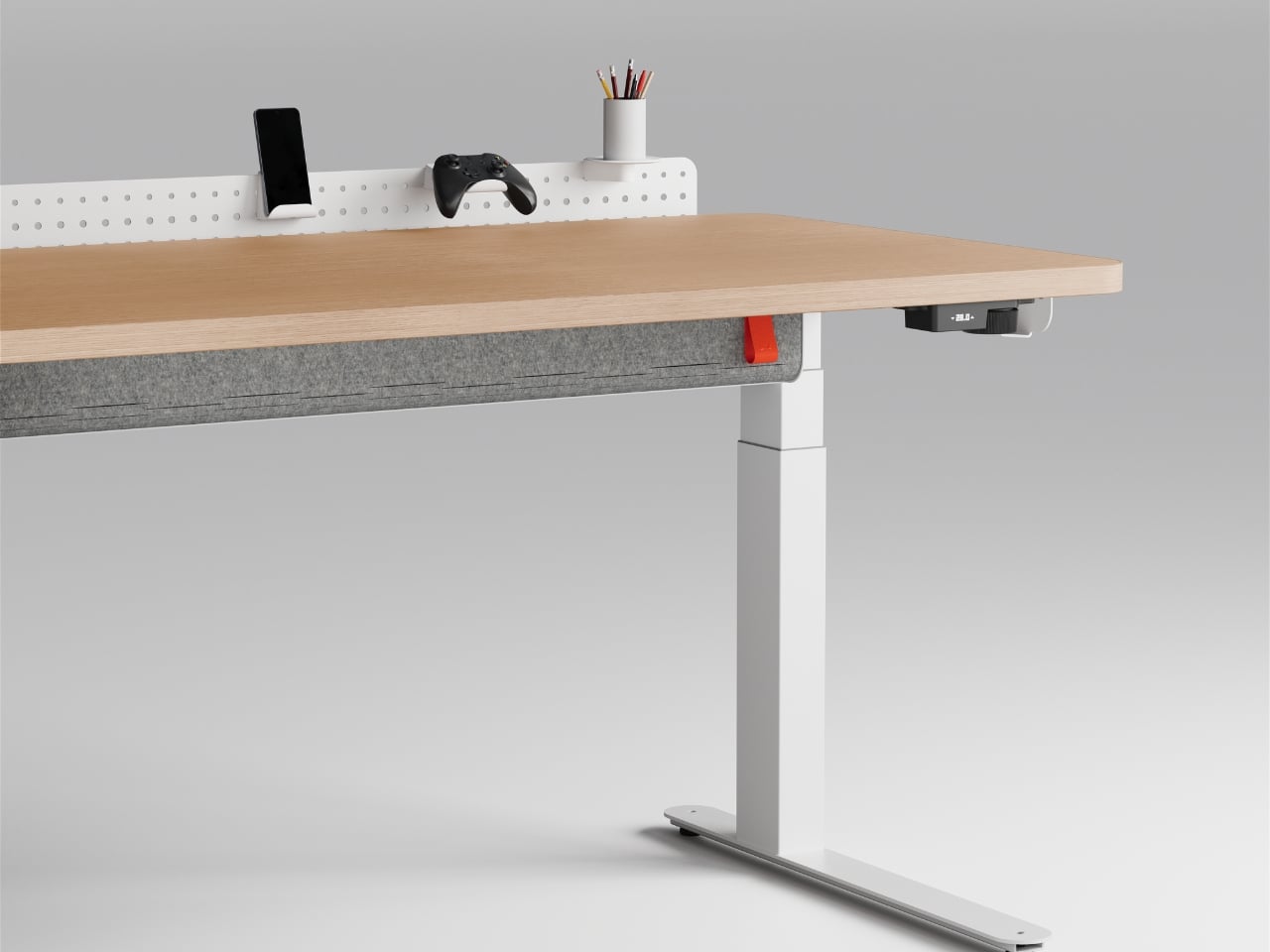
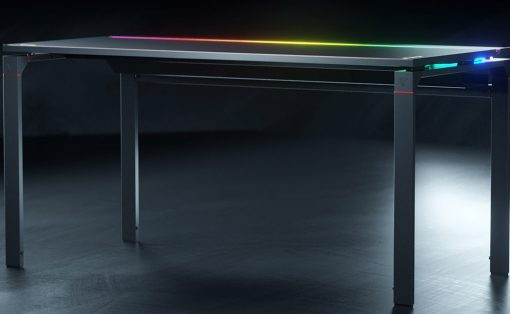
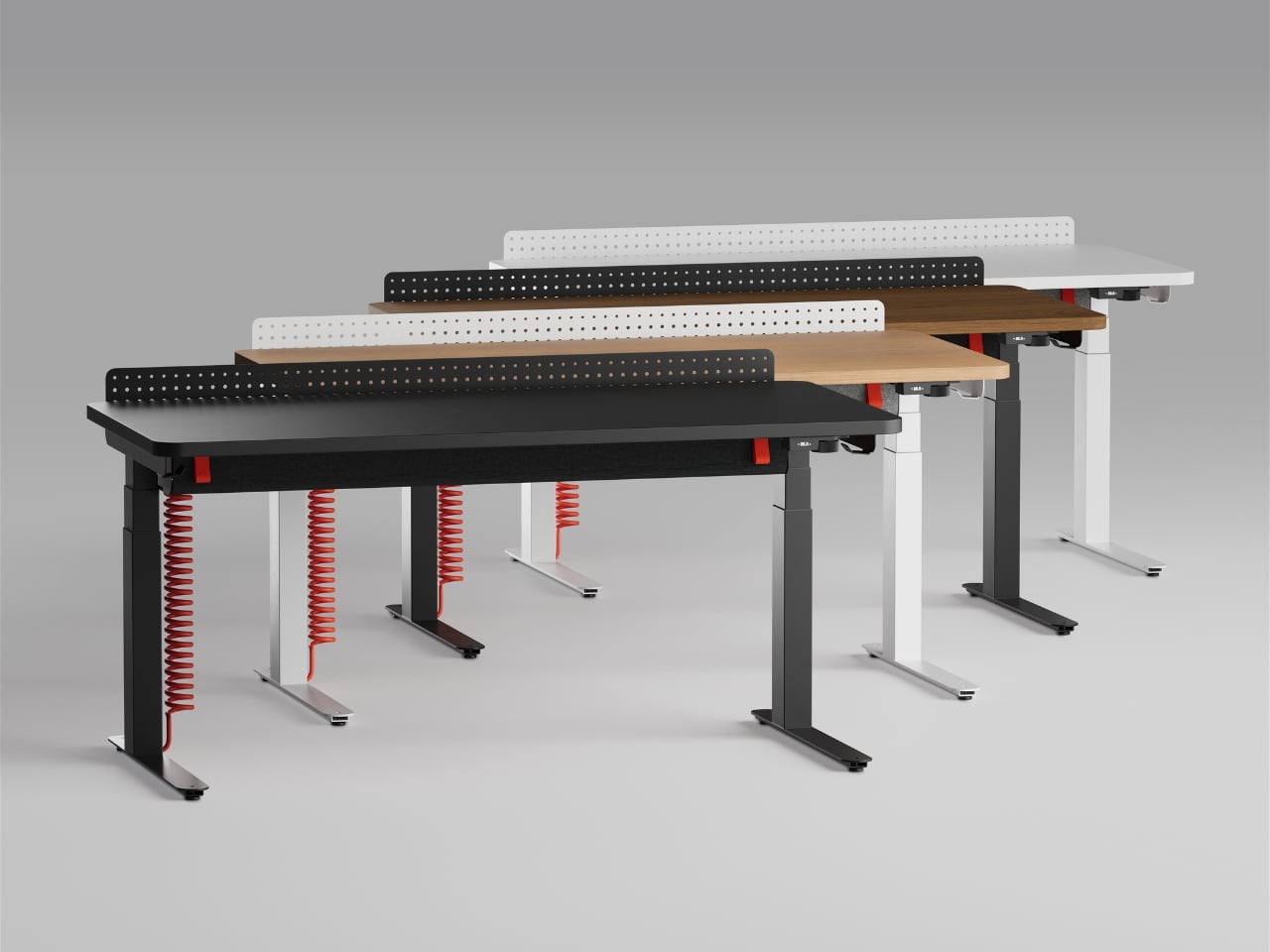
The Coyl comes in four desktop finishes: black, white, walnut, and ash, with the rounded laminate top giving the whole thing a cleaner look than the sharp-cornered, RGB-saturated aesthetic that dominates most gaming furniture. You can program up to four height presets, which is useful if your desk doubles as a standing workstation during the day. The base version starts at $1,095, rising to $1,495 with the cable trough and $1,635 if you want the back panel included.
That price point will be a sticking point for some people. Gaming desks at a fraction of the cost do exist and do the job adequately. But the Coyl isn’t really competing on value, it’s competing on intention. The same way a Herman Miller chair isn’t for someone who just needs somewhere to sit, the Coyl is for someone who wants their desk to be an actual design decision and not just a surface with legs.
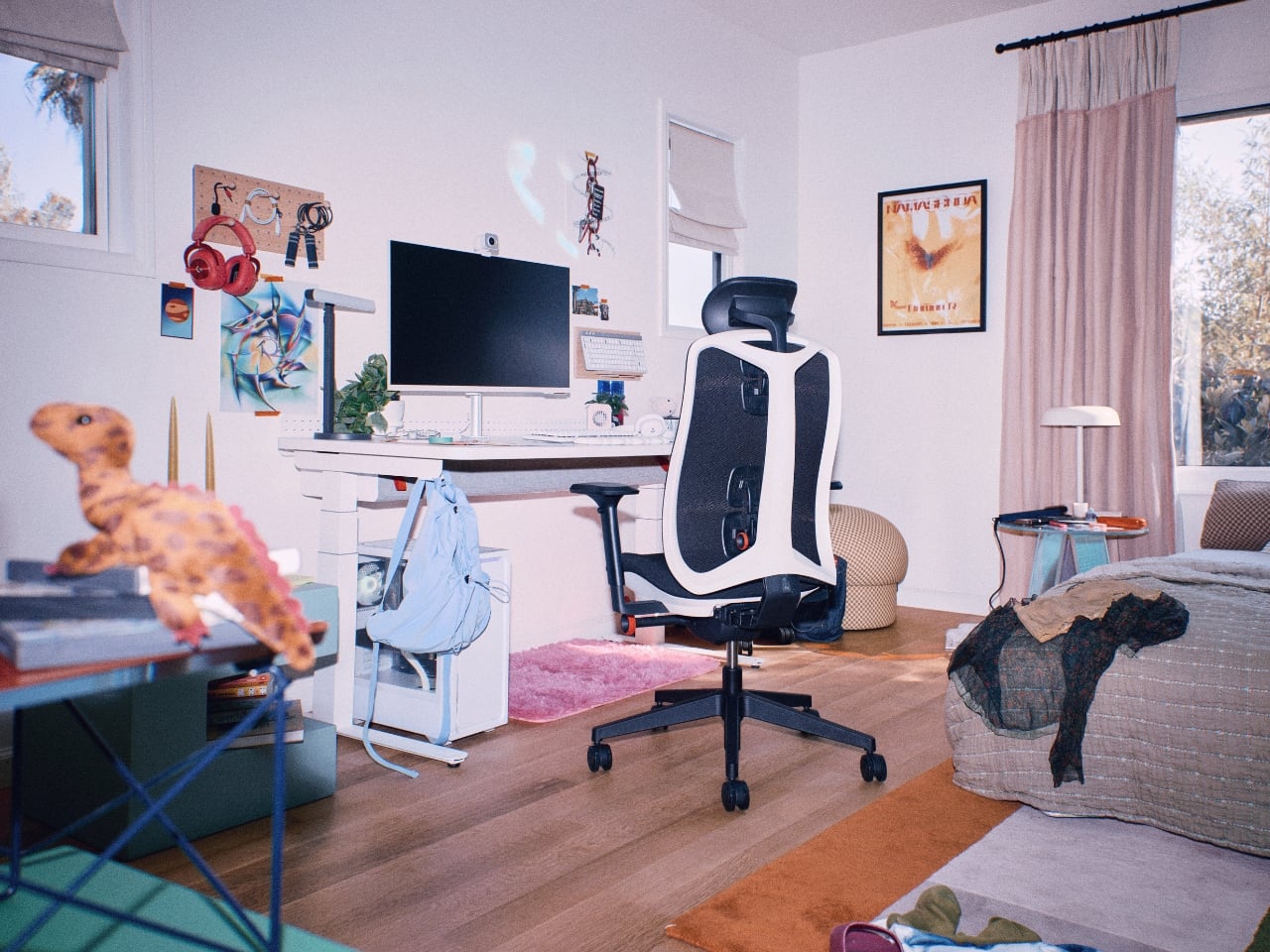
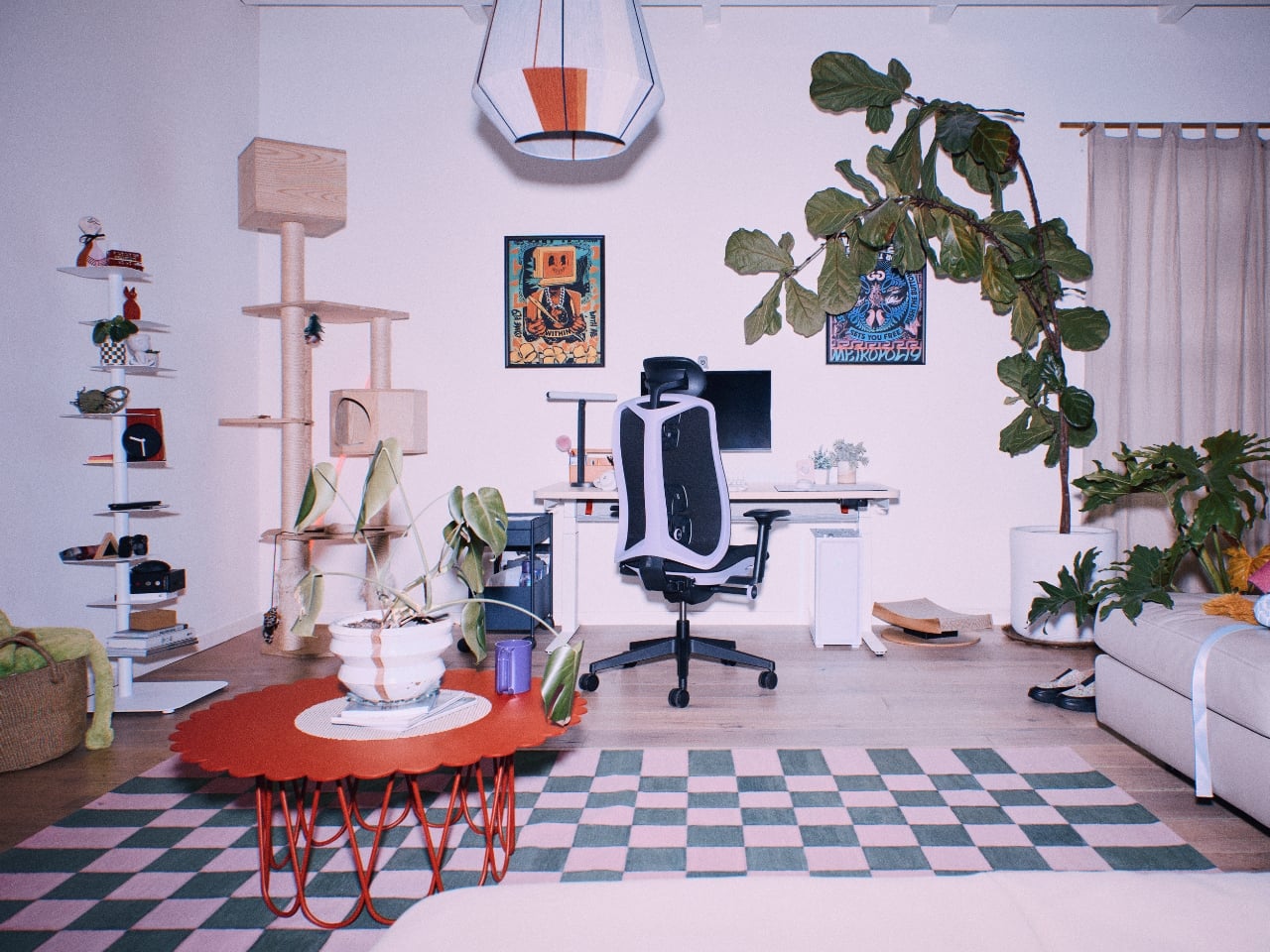
Is it groundbreaking? Not technically. The features themselves aren’t revolutionary. But the execution and the restraint are notable, especially from a brand entering a product category already crowded with competitors trying too hard to look cool. Herman Miller didn’t try to out-RGB anyone. They just made something that looks like it belongs in the same room as their chairs, which is, frankly, exactly what the gaming space has been waiting for.