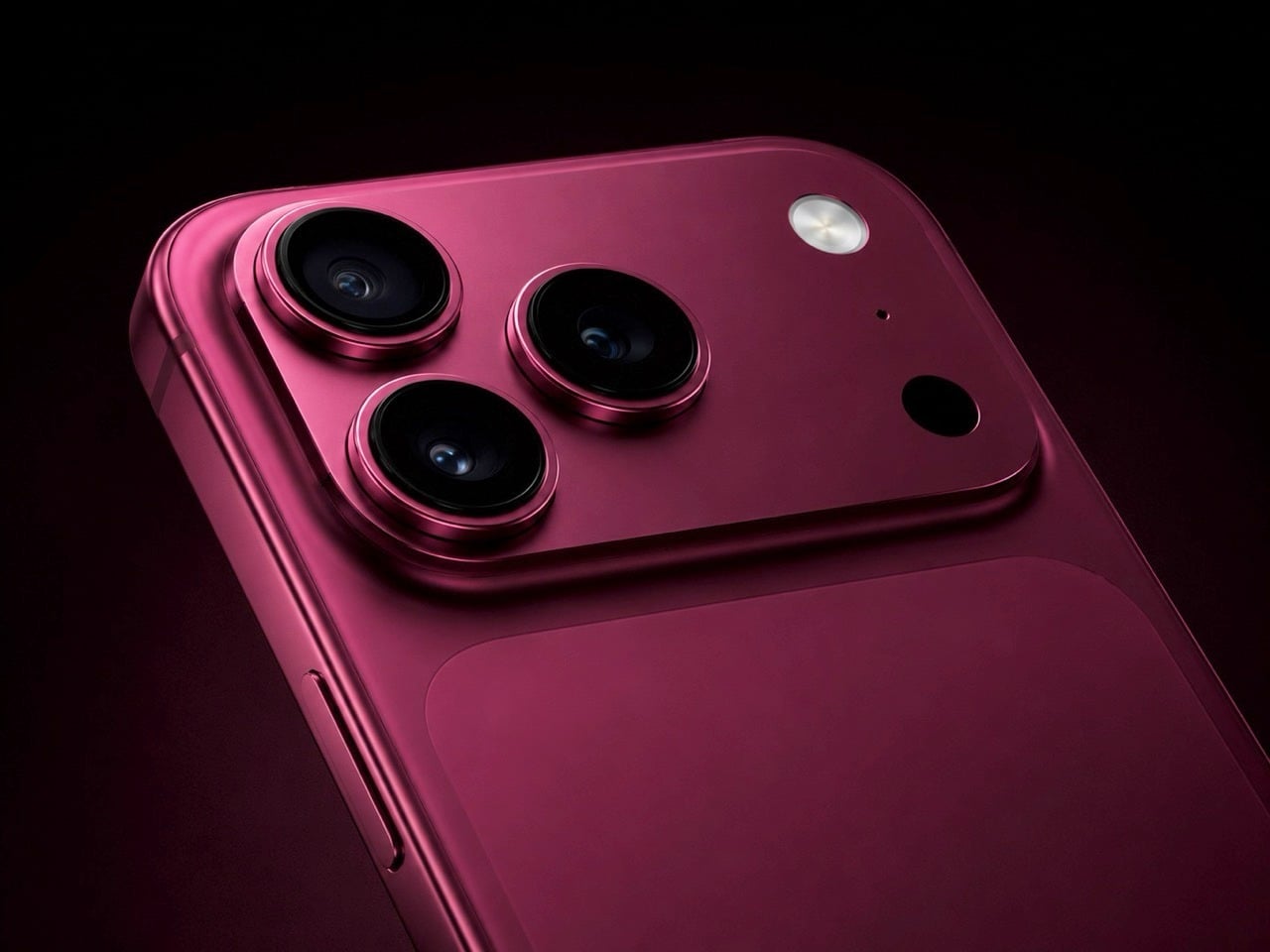
Rose Gold did not just sell iPhones. It rewired the consumer electronics industry’s entire relationship with color, spawning a decade of blush-tinted Samsung flagships, Beats headphones, Dell XPS laptops, Dyson hairdryers, and KitchenAid stand mixers that are still arriving on shelves today. Apple introduced it in 2015 with the iPhone 6s, and within eighteen months every major manufacturer had a rose-gold SKU, not because the color was revolutionary but because the sales data was undeniable. Cosmic Orange pulled off a smaller version of that trick with the iPhone 17 Pro, becoming the de facto personality colorway of the lineup and reportedly outperforming expectations at retail. Apple noticed, and for the iPhone 18 Pro, they are reaching for lightning in a bottle again with a finish called Dark Cherry.
Dark Cherry is a deep, wine-red hue that leaked camera cover prototypes have now confirmed as the hero color of the 18 Pro and 18 Pro Max lineup, sitting alongside the more conservative Light Blue, Dark Gray, and Silver. The timing carries its own irony given that a segment of Cosmic Orange iPhone 17 Pro owners have been reporting their units gradually shifting toward a reddish cherry tone over time, which makes Apple’s new colorway feel less like a creative pivot and more like an accidental preview. Whether Dark Cherry becomes the next Rose Gold, something every Android manufacturer from Samsung to OnePlus rushes to clone by mid-2027, will depend entirely on how the color reads in the real world rather than in leaked silicone covers.
Designer: Apple
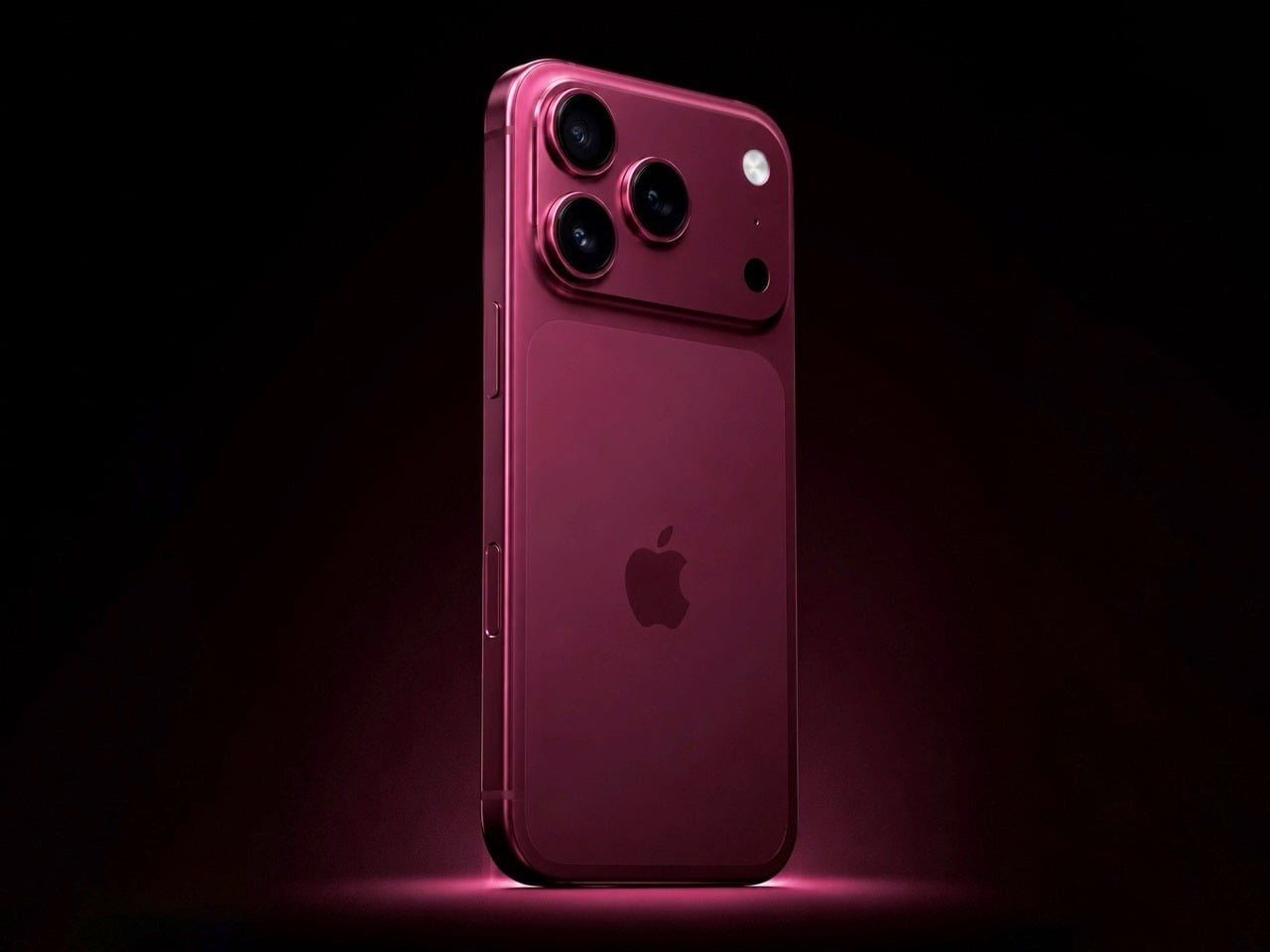
The same leaks that confirmed Dark Cherry also tell us that the rear camera layout holds steady from the 17 Pro generation, with a slightly thicker camera plateau accommodating the new primary sensor. That sensor is a 48MP variable aperture unit, a meaningful upgrade that gives the 18 Pro genuine optical flexibility rather than the fixed-aperture approach every iPhone before it has used. The thicker module is a reasonable trade-off for what variable aperture actually delivers in low light and in bright outdoor conditions, and the accompanying iOS 27 camera app, reportedly rebuilt from the ground up as a pro-grade tool, suggests Apple is treating the entire capture pipeline as a system rather than isolated hardware specs.
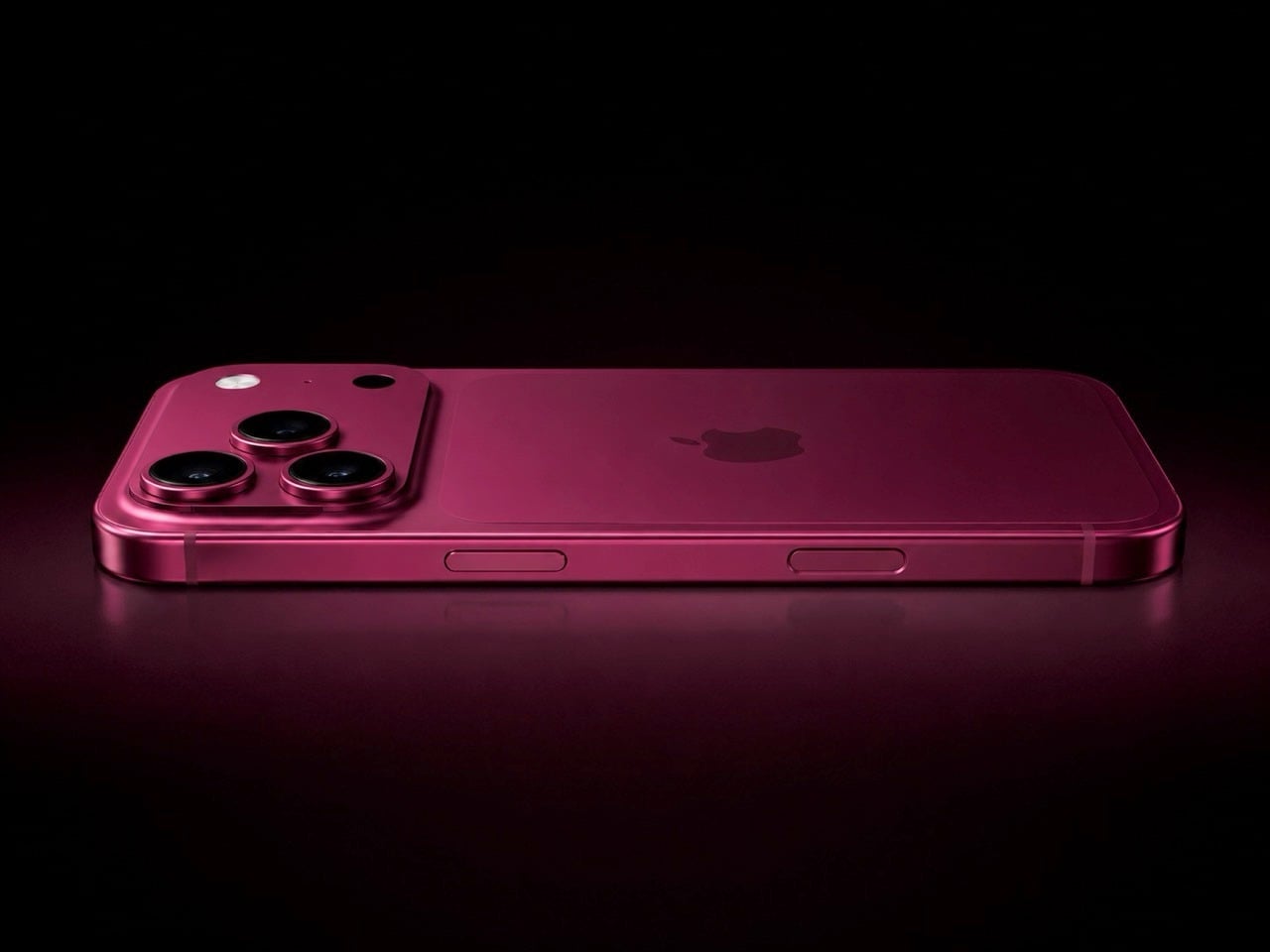
We’ve addressed the speculation around the changes on the front too. The Dynamic Island is allegedly shrinking by approximately 25 percent, a reduction that sounds modest until you factor in how much screen real estate that cutout currently consumes on the 17 Pro. Tighter bezels are also in the mix, pushing the display closer to the edges and giving the front face a density that the current generation does not quite achieve. These are the kinds of incremental refinements that read as minor in a spec comparison but register immediately when you pick the phone up.
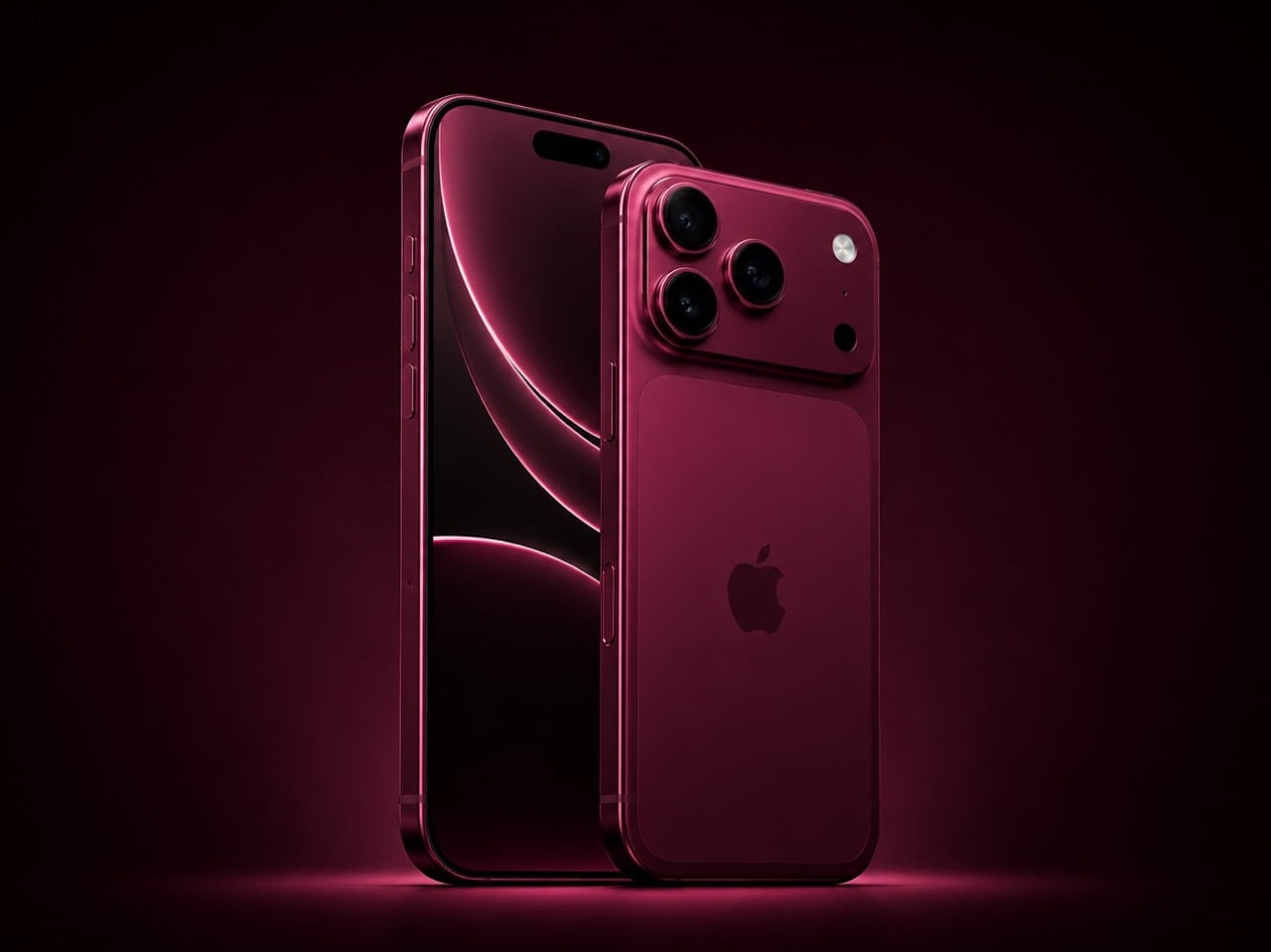
Underneath all of it sits the 2nm A20 Pro chip, Apple’s first processor built on TSMC’s second-generation 2nm process node. The performance and efficiency gains from moving to 2nm are expected to be substantial, particularly for the on-device Apple Intelligence workloads that Siri’s expanded capabilities will demand. Apple has been positioning its silicon advantage as the reason to stay in the ecosystem, and the A20 Pro is the clearest expression of that argument yet.
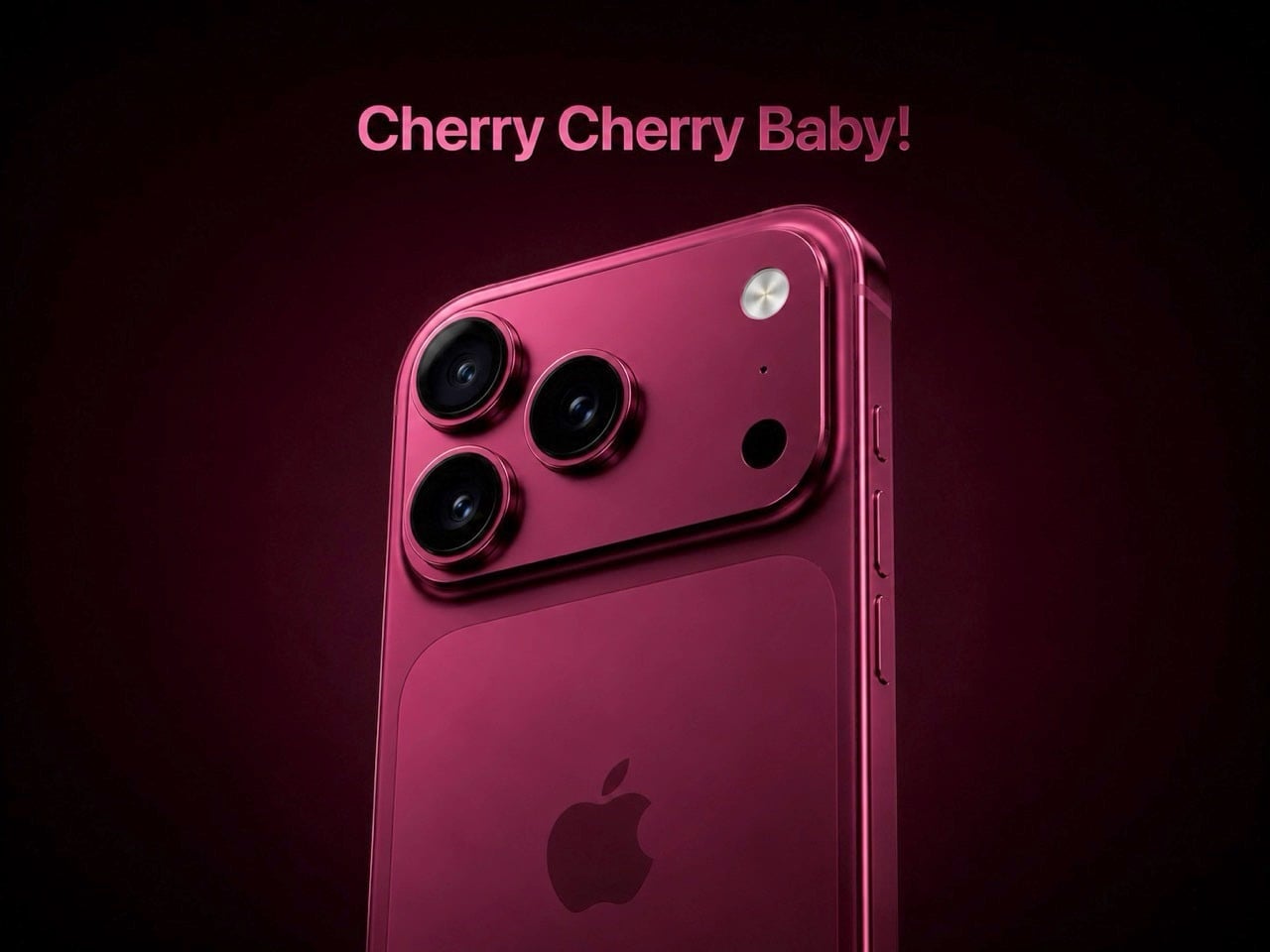
The one narrative the iPhone 18 Pro cannot fully control is the company sharing a stage with the foldable iPhone Ultra at the same September event. A first-generation foldable from Apple will absorb the room’s attention regardless of what the Pro brings, which means Dark Cherry has real work to do as a visual hook. If the color lands the way Cosmic Orange did, and if the Rose Gold instinct proves correct, the 18 Pro will find its audience on color alone while the spec sheet closes the deal.
SHARE