Google just announced Googlebook. Not to be confused with Google Books, which is a separate Google service (even though if you search for Googlebook in Google, it autocorrects you to Google Books instead). This might just be the most frustratingly flawed naming strategy Google’s ever employed, especially after the company’s already had Chromebooks and Pixelbooks under their portfolio. It’s like Google launching a smart photo frame and calling it Googlephotos. Not the wisest idea, but once you look past the name, the laptop itself starts shaping up to raise even more questions.
Think of a laptop, but it’s just entirely AI. You know how most lower-end phones are filled with bloatware? Imagine if that bloatware was just AI everything. The OS has Gemini baked in, heck, even the cursor has AI injected into it like botox. It just feels puzzling considering not one single person I know has ever looked at a Windows laptop and gone – I need more of that CoPilot. Google somehow decided to double down on the AI aspect of the laptop experience, and I’m about to coin a word that I’d like the world to acknowledge henceforth. Google’s Googlebook might just be the world’s first ‘Sloptop’.
Designer: Google
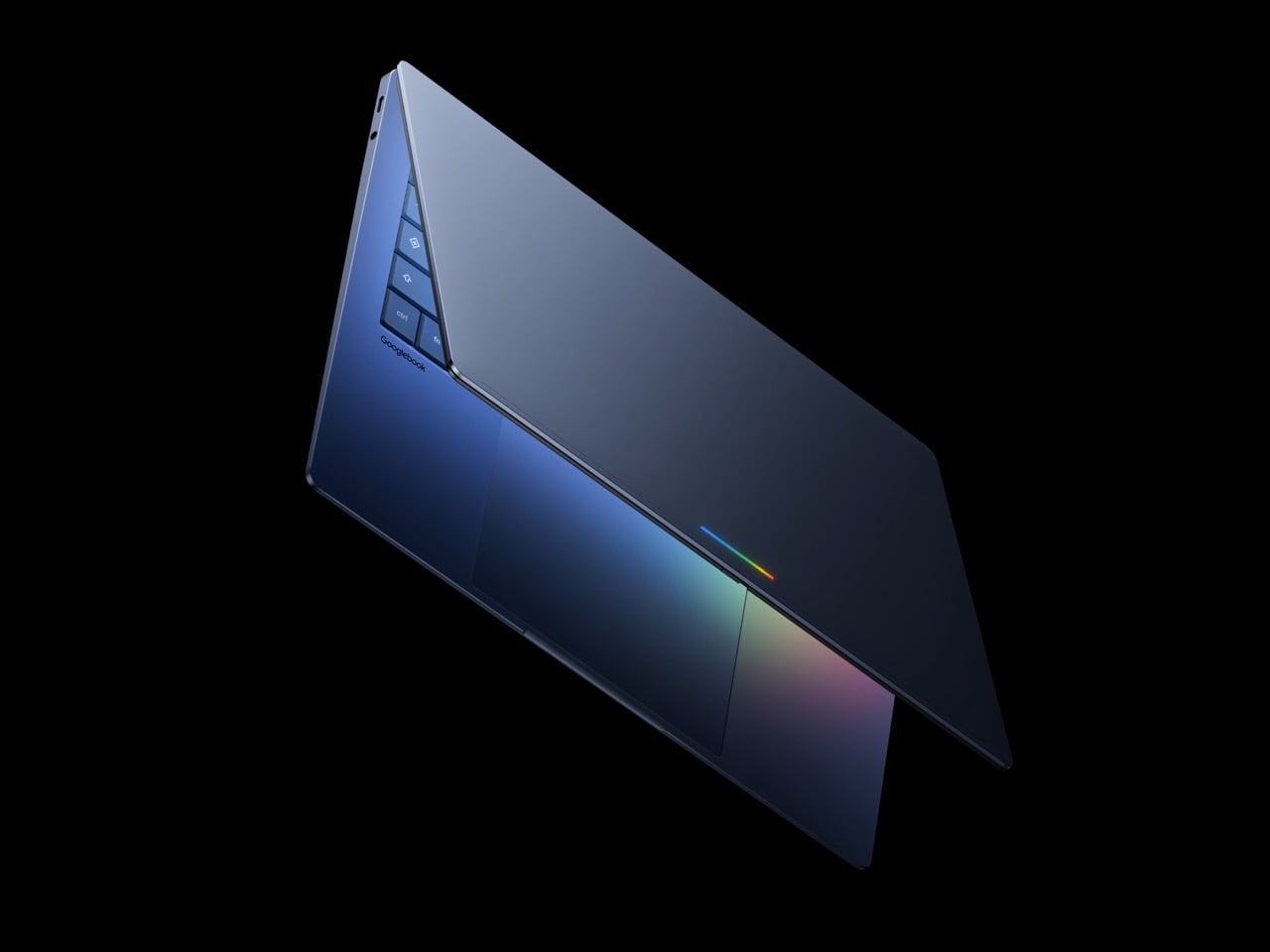
A Sloptop (combining the words Slop and Laptop) is a laptop where the selling point has nothing to do with the laptop. The hardware becomes secondary to whatever AI layer has been plastered over it, and the entire pitch is essentially “trust us, the AI makes it better.” Google describes Googlebook as laptops built with Gemini’s helpfulness at their core, designed to work seamlessly with your devices and powered by premium hardware. Premium hardware listed last, by the way. The star of the show is the Magic Pointer, a feature built with the Google DeepMind team that brings Gemini right to your cursor, offering contextual suggestions every time you point at something on your screen. You wiggle your mouse and Gemini wakes up. Which sounds exciting until you realize your Android phone has been doing exactly this for years. Google Lens already analyzes whatever is on your screen. Gemini is already in your notification bar. The Magic Pointer is functionally Google Lens wearing a blazer and billing itself as revolutionary. The jump from your phone to your laptop desktop does not constitute a new feature, it constitutes a port. Not to mention how annoyed most people will probably be while gaming or generally browsing the internet when they accidentally wiggle their cursors to only be interrupted by Gemini. If you own a mouse-jiggler for dodging workplace productivity rules, the Googlebook might just end up being your worst enemy.
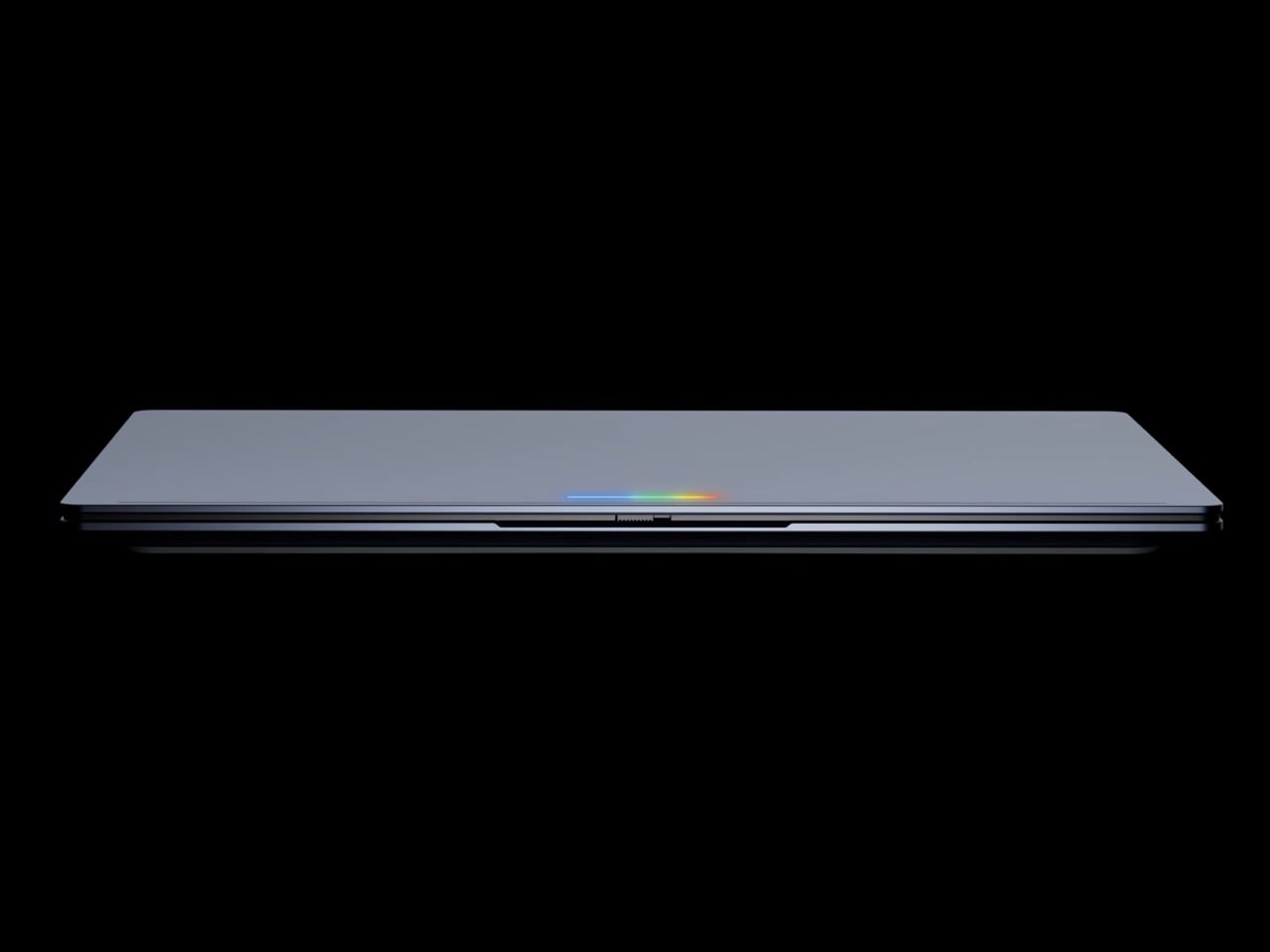
The redundancy runs deeper than just the cursor. Googlebook’s Quick Access lets you view, search, or insert your phone’s files on your laptop with no transfers needed, and you can tap a phone app directly on your laptop screen without ever leaving your workflow. Android mirroring is genuinely useful, and that part of the pitch makes sense. But Google is leading with Gemini widgets, AI-generated desktops, and a cursor that thinks for you, and all of that is already sitting in your pocket. The honest question is: if your phone handles all of this already, what problem is the Googlebook actually solving? A quick observation worth making here too, particularly for parents shopping back-to-school hardware: Google is essentially marketing a laptop that will summarize, suggest, write, and generate on demand. That’s a complicated value proposition when your kid has a history essay due Monday.
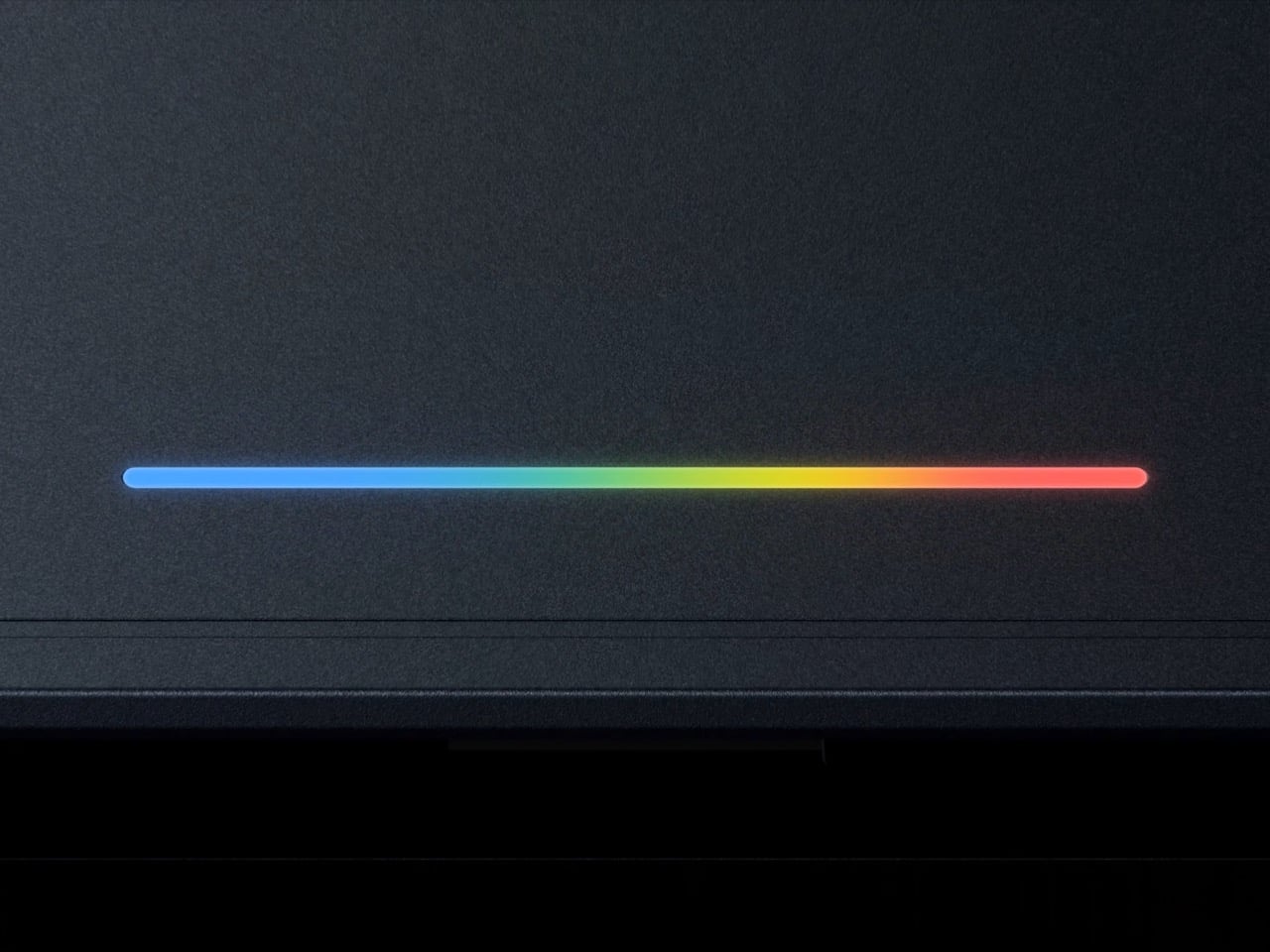
Meanwhile, the $599 MacBook Neo continues to have Windows laptop makers falling over themselves trying to build a competitor that matches its price and build quality. People are not lining up for the Neo because Apple Intelligence rewrites their emails. They’re buying it because it is a beautiful, fast, well-built machine at a price point that feels almost unfair. The lesson sitting right there on the table, waiting to be learned, is that consumers want great hardware first. The AI can come along for the ride, but it cannot be the destination.
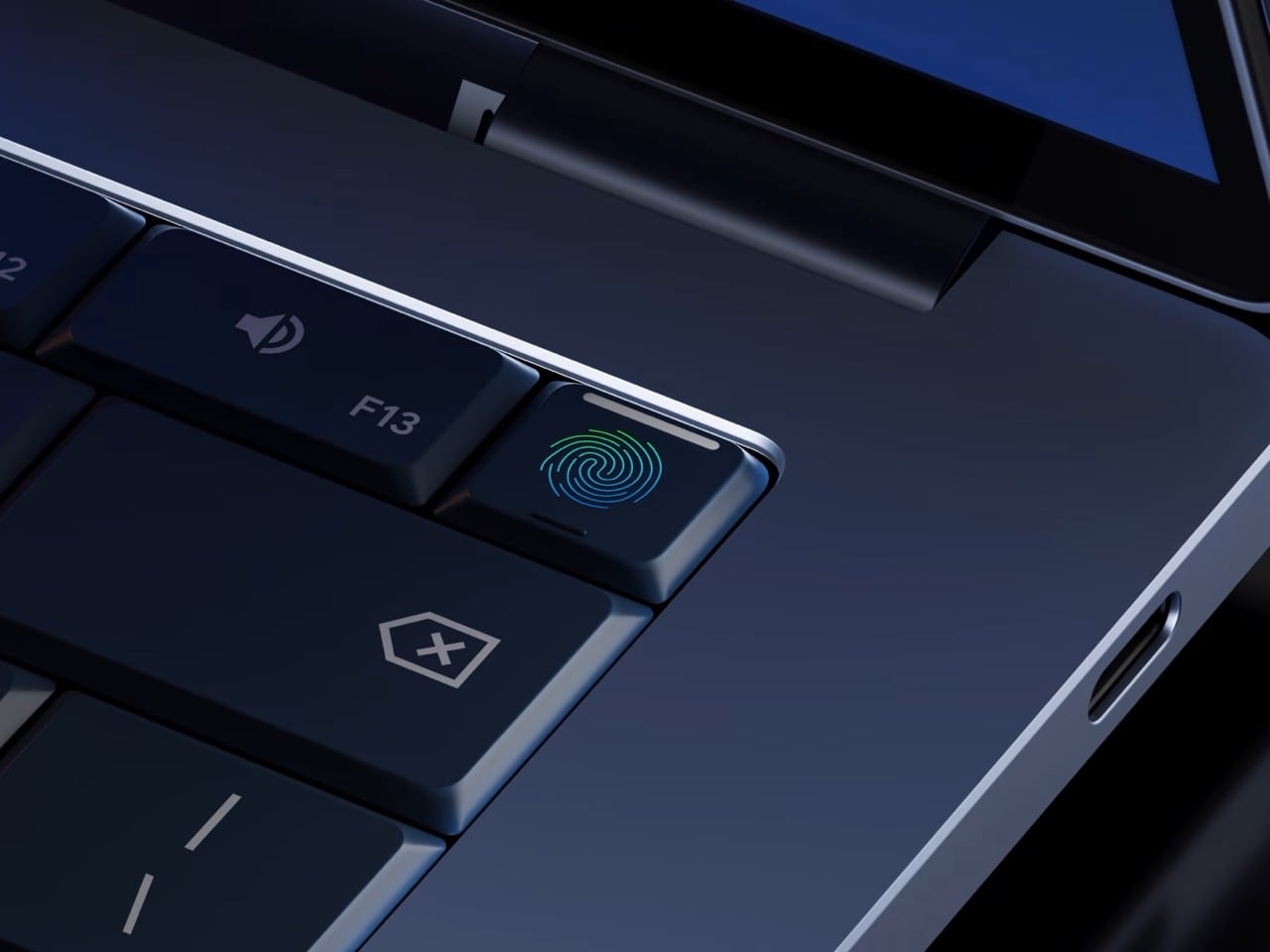
Google seems to have missed that memo entirely, which brings up the uncomfortable question of whether Googlebook is a laptop at all, or a Gemini distribution strategy with a keyboard attached. Google hasn’t even confirmed what operating system Googlebooks actually run, though the company describes it as a modern OS designed for Intelligence that combines Android and ChromeOS. That vagueness is telling. The Pixelbook was quietly killed off. Chromebooks spent years in an identity crisis, perpetually caught between being a real laptop and a browser window with hinges. Google has a well-documented pattern of entering the laptop space with genuine ambition and then quietly losing interest, and nothing about the Googlebook announcement suggests that pattern is breaking.
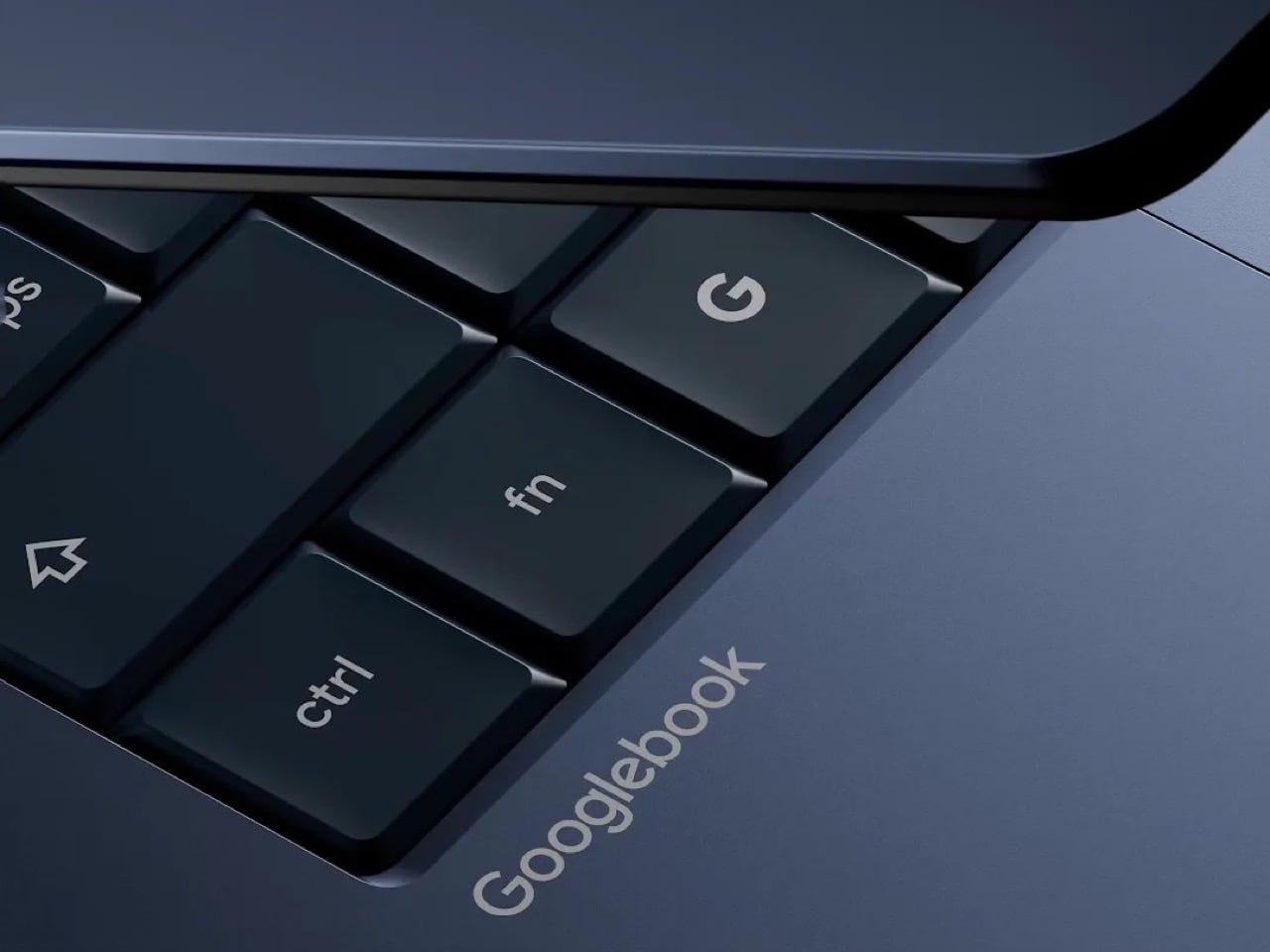
And then there’s the name. After everything above, the name somehow still deserves its own moment. Google is working with Acer, Asus, Dell, HP, and Lenovo on the first Googlebooks, which means this name is going on products from some of the most established hardware brands in the industry. Executives at those companies approved the word “Googlebook” on their machines. That’s a thing that happened. The Chromebook, for all its limitations, had a clean and descriptive name. The Pixelbook sounded premium. Googlebook sounds like what a five-year-old would name a laptop if you told them Google made it. However, I want to be proved wrong. Desperately. Google’s had such a stronghold over the Android space that it really did seem like Chromebooks would be their next magnum opus. I guess we’ll have to wait till Google I/O to get more information on this new endeavor – and hope it doesn’t hit the graveyard too soon like its predecessors.
SHARE