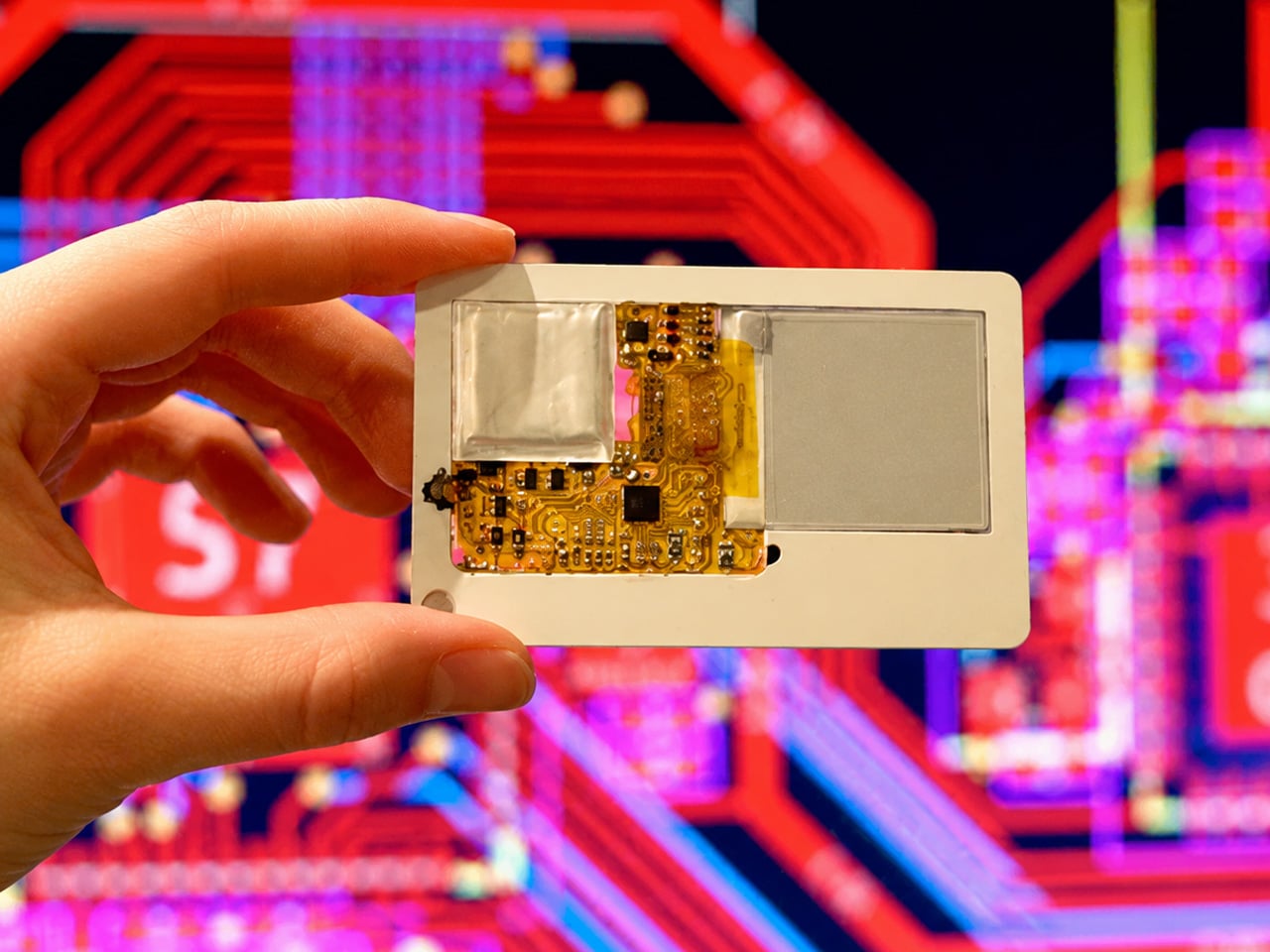
In the past few decades, we’ve moved from computers the size of a room to ones that sit pretty on your desk. Apple Mac mini takes all the praise for being a powerful machine without the bulk. The low-cost single-board Raspberry Pi can be categorized as a mini PC, but all the DIYers pretty well know it can do basic tasks for DIY projects.
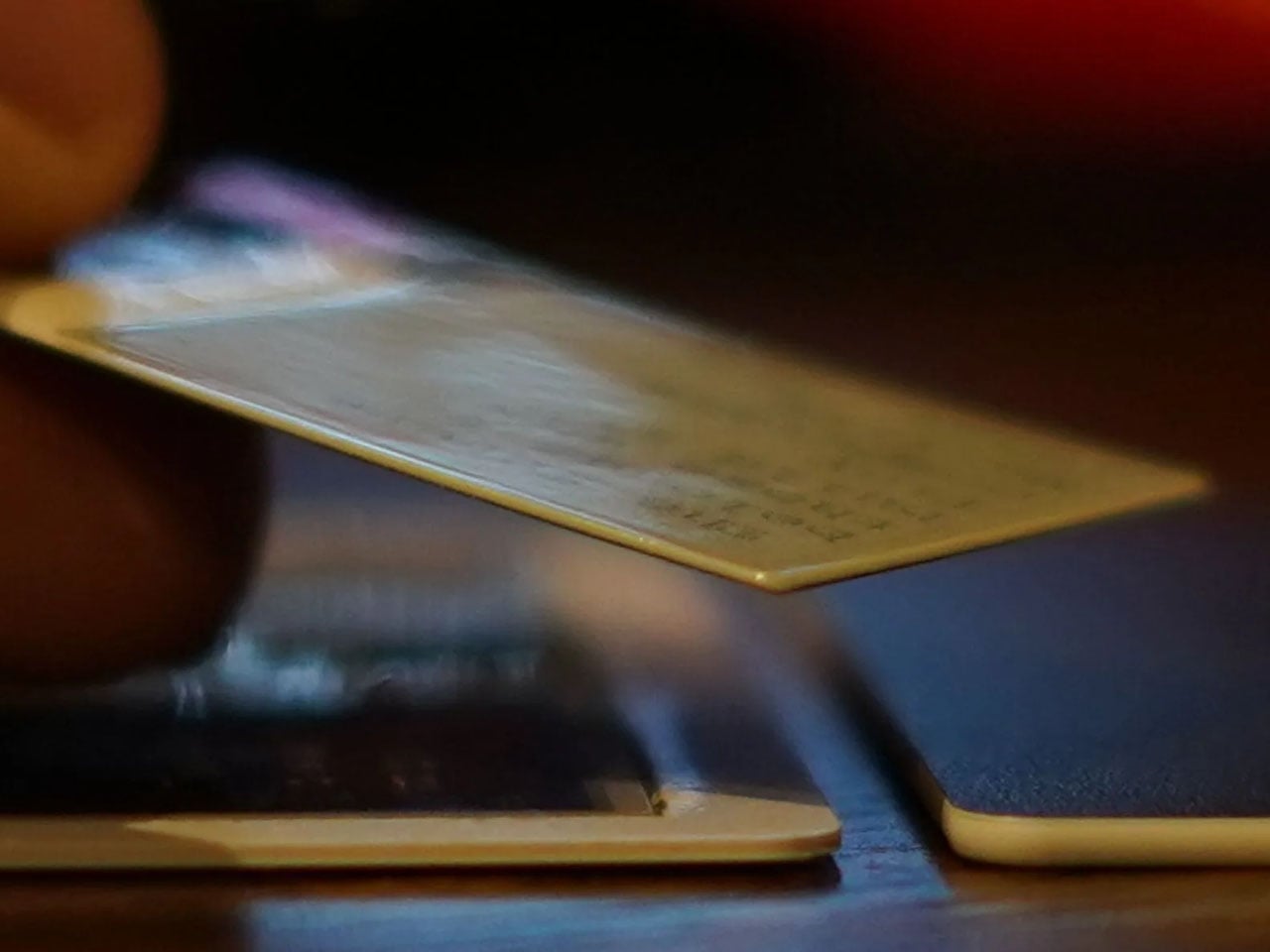
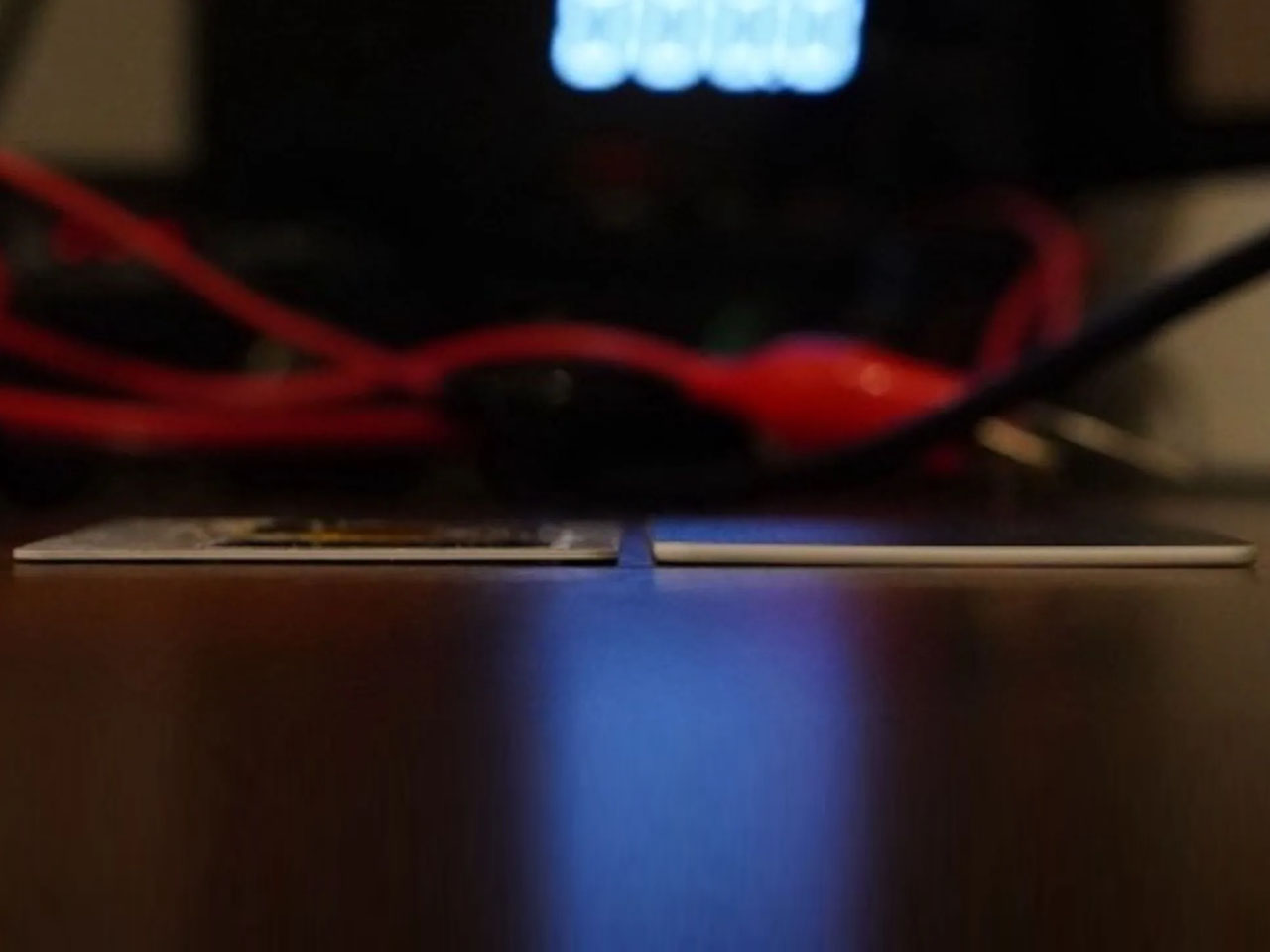
A developer wants to hit the sweet spot in the middle, having developed a mini PC the size of a credit card. Developed by GitHub user krauseler, the fully working computer dubbed Muxcard. Unlike other single-board computers, this one factors in the thickness as well, being just 1mm thick at any point on the whole make. For the chassis of this amazingly tiny CPU, the maker uses an old plastic NFC card. Understandably, the micro-computer (as I like to denote the build) is in the prototype stage, and the ultimate goal is to make it more durable and powerful.
Designer: krauseler
At the time of making, the credit card-sized computer packs a RISC-V CPU architecture, and a Wi-Fi-capable microcontroller with 320KB of usable SRAM and 384KB ROM. The next version of the mini PC could feature the ESP32‑S3 or nRF52/53, which are more powerful than the currently installed ESP32‑C3 CPU. The display on this thing is a 1.54-inch 200×200-pixel flex ePaper screen that consumes minimal power, which is vital. There’s an LIS2DW12 accelerometer for motion-sensing applications. The thing is powered by a 1mm thick 30mAh rechargeable LiPo battery, but krauseler plans to swap this one with an even slimmer battery cell in the future.
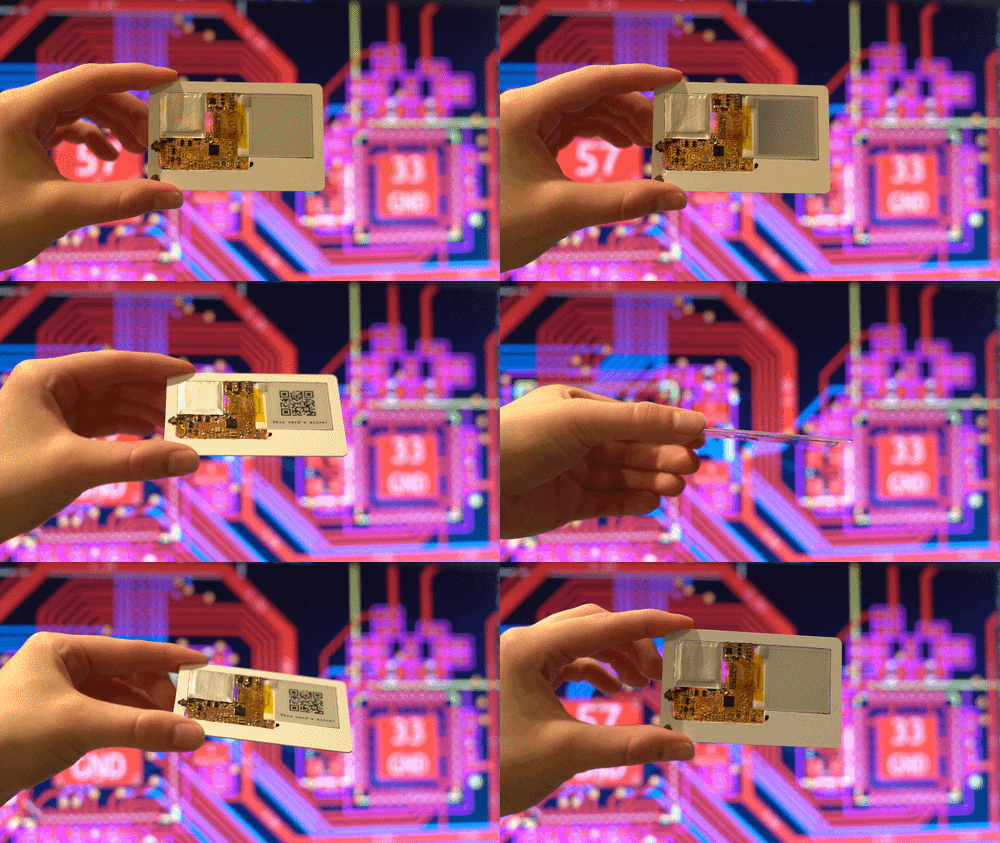
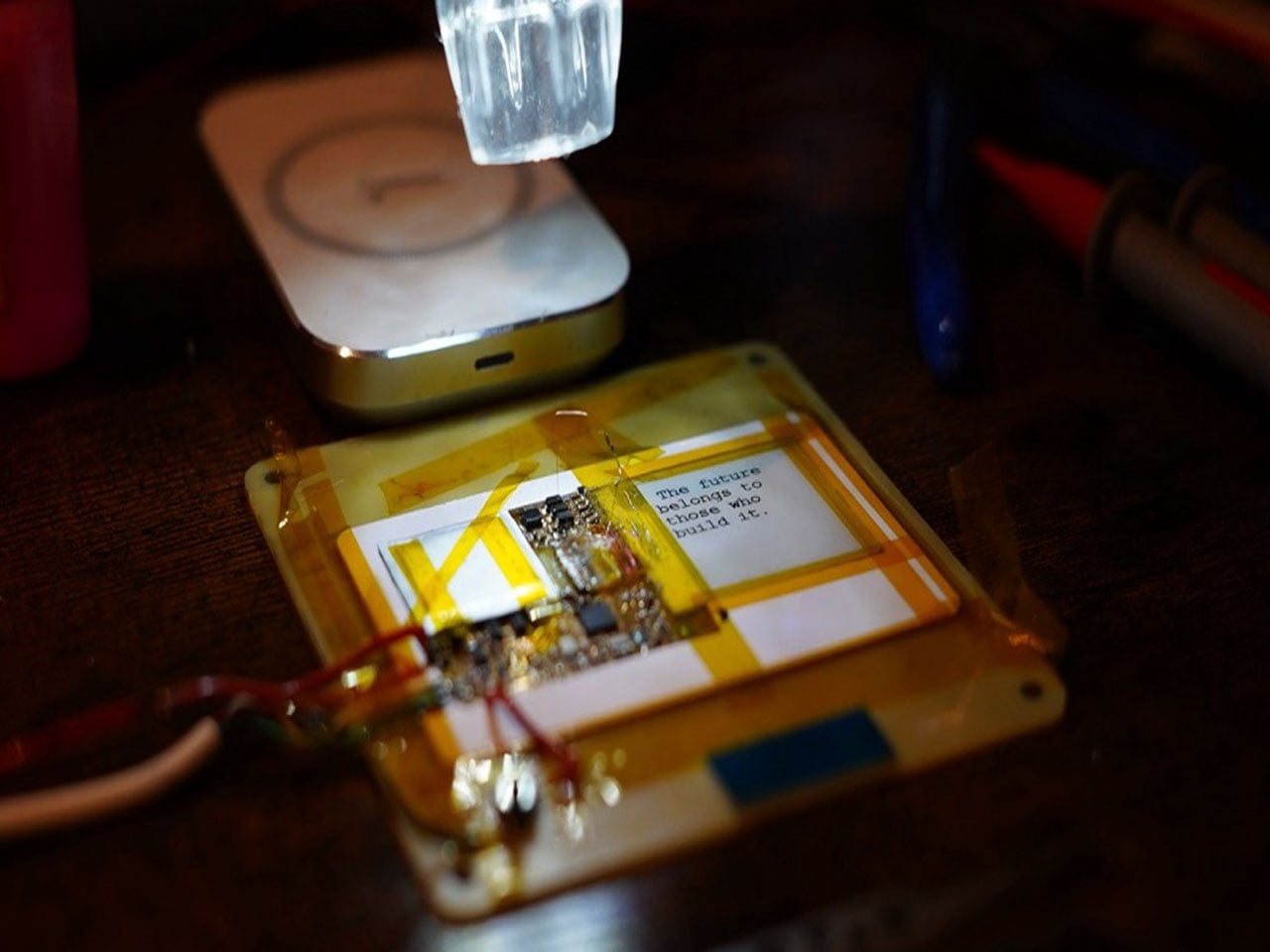
In the plans is the scope for touch button control configuration, a USB Type-C, and a microSD card slot. Since everything is so exposed right now, it’ll take quite an effort to reinforce Muxcard’s design to make it more practical, even if the DIY community has to consider using this for their projects. According to the maker, the prototype “still feels slightly absurd every time the display updates while holding what basically feels like a normal card.” Pondering over the possible applications that I can think of with the card-sized computer could be smart home controls, security systems, or a potent upgrade to the Raspberry Pi for more flexibility in use case scenarios.
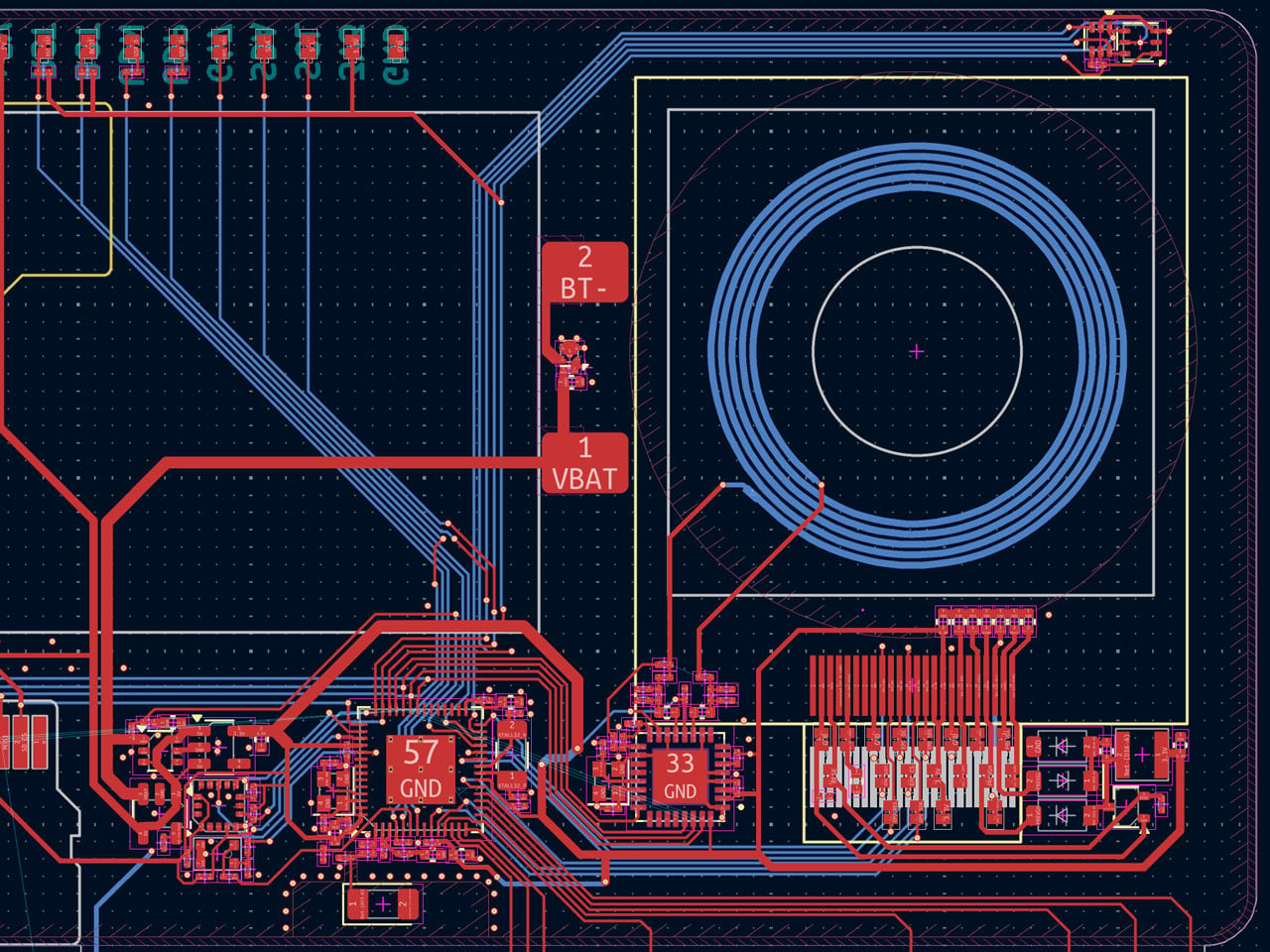
The DIY is already an open source project as the hardware files and firmware are already online for non-commercial use. That means, if you are interested, the option to make further improvements is also there, keeping in mind the project cannot be commercially used without the maker’s consent.
SHARE