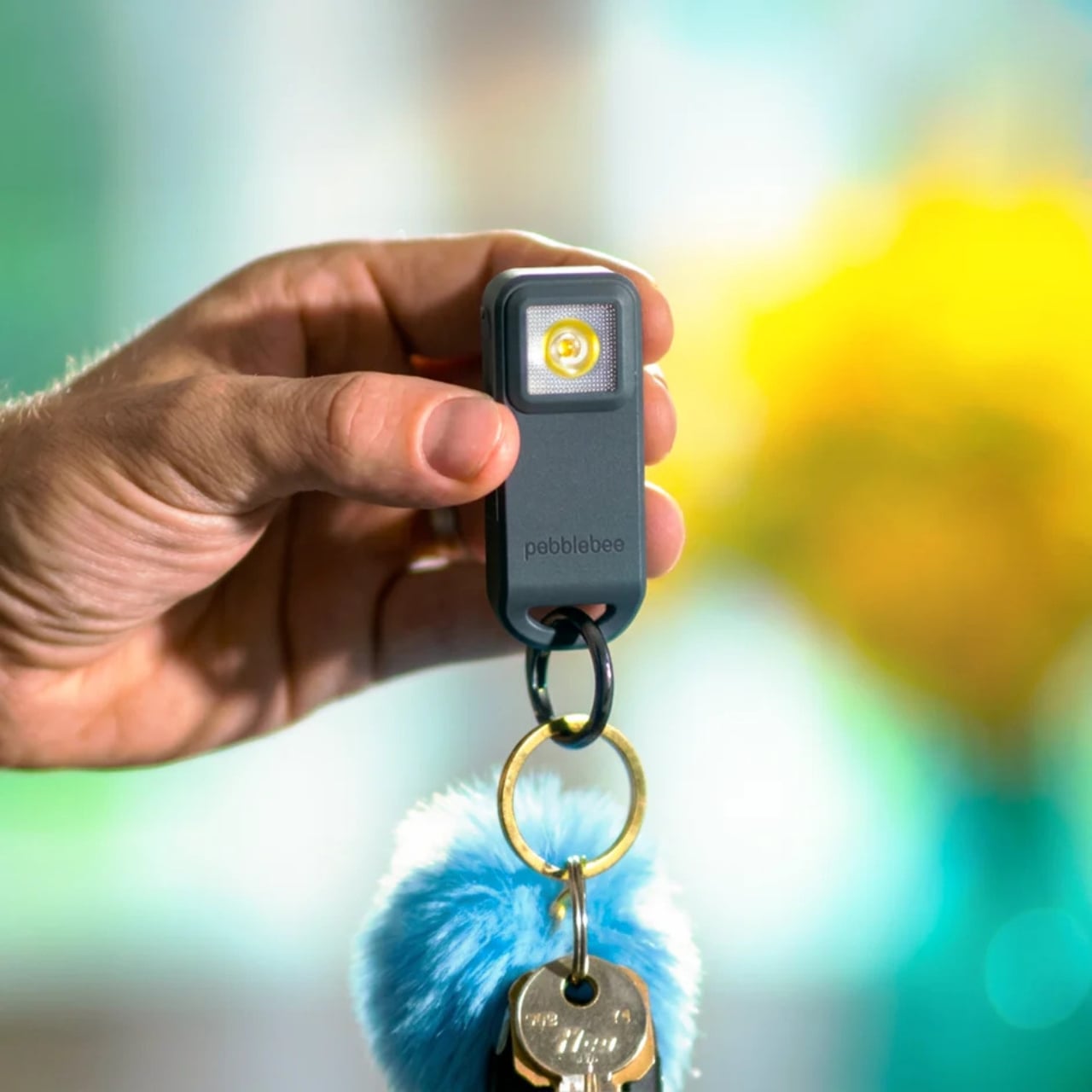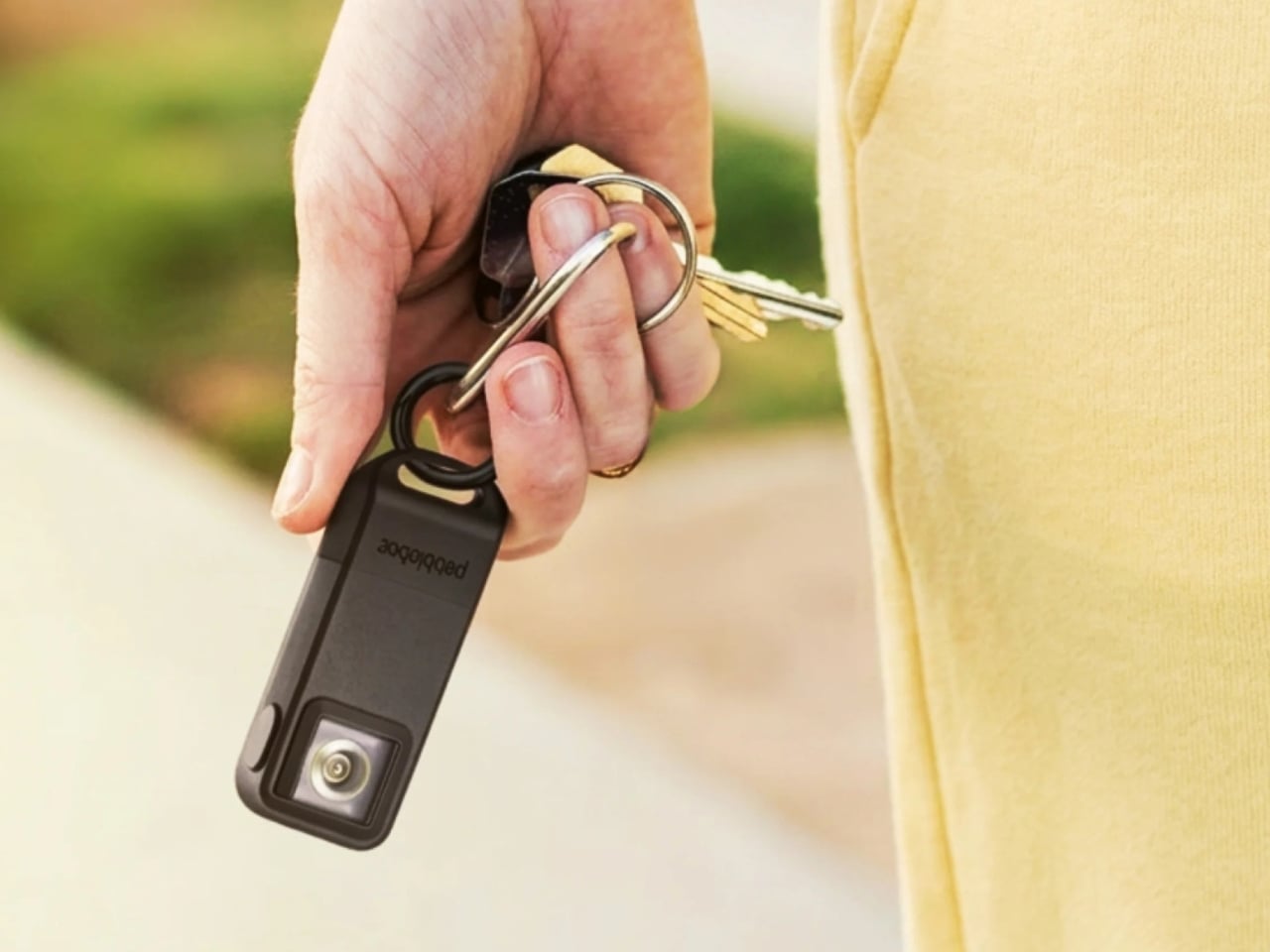
Most of us run through the same mental checklist before leaving the house. Phone, wallet, keys. Pebblebee is quietly making a case for adding one more item to that list: a keychain-sized device called the Halo that can track your lost items, light up a dark parking garage, and scream at 130 decibels if things go wrong. That last part is what makes it genuinely interesting.
Personal safety gadgets have had a bit of an awkward adolescence in tech. Standalone alarm keychains, panic button apps, and GPS trackers each do one thing with varying degrees of reliability. The Halo, launched by Seattle-based Pebblebee in April 2026, makes the more ambitious argument that all three functions belong in a single device you already carry everywhere. It clips onto your keychain, weighs just one ounce, and is priced at $59.99 with a 12-month Alert Live subscription included.
Designer: Pebblebee
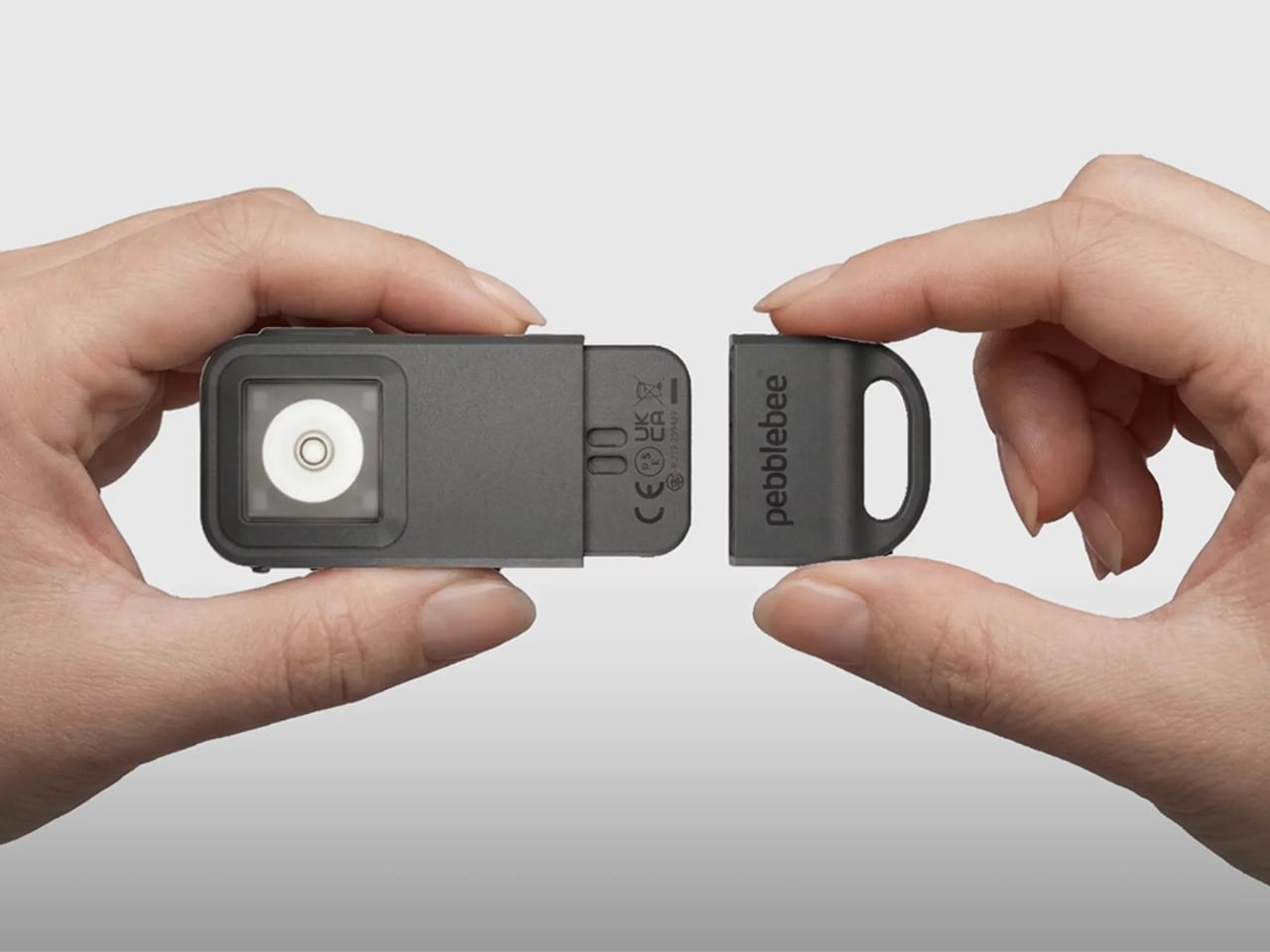
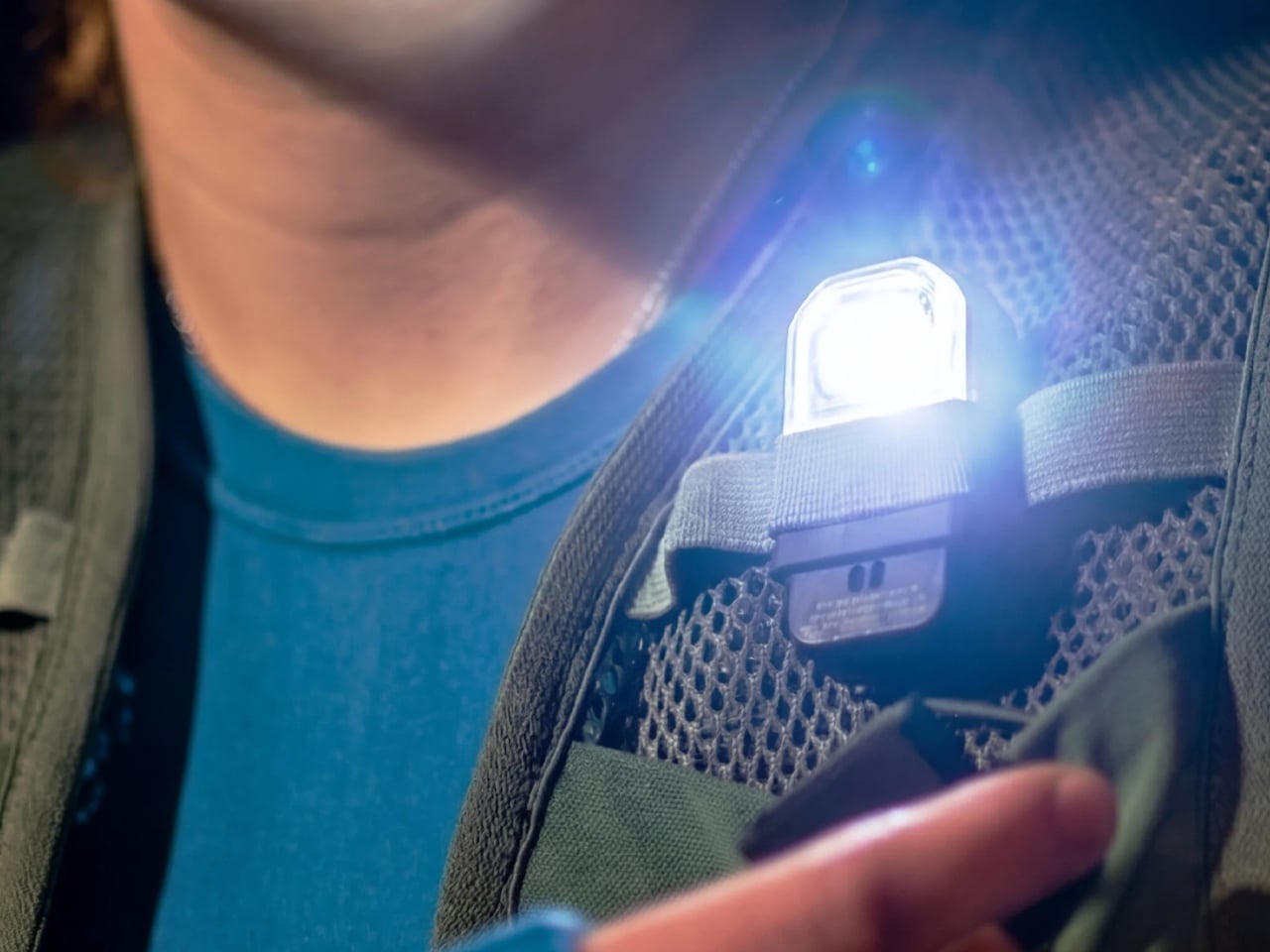
The activation mechanism is intuitive and, frankly, smart. Pull the device apart and three things happen at once: a 130dB siren activates (roughly the volume of a jackhammer at close range), a 150-lumen strobe light starts flashing, and your real-time location is shared with up to five trusted contacts in what Pebblebee calls your Safety Circle. The pull-apart trigger works in your favor because it’s instinctive. You don’t have to navigate an app or remember a button sequence when your adrenaline is already running.
There’s also a quieter option. Rapid presses of the side button send a silent alert to your Safety Circle without triggering the siren or the lights. That kind of discretion matters more than people give it credit for. Not every unsafe situation benefits from making a scene.

On the tracking side, the Halo works with Google’s Find Hub on Android, tapping into a crowd-sourced network to help locate misplaced items. It’s IP66 water-resistant, handles rain without issue, and the battery lasts up to a year on a full charge. These are specs that feel like they belong to a product that actually thought things through.
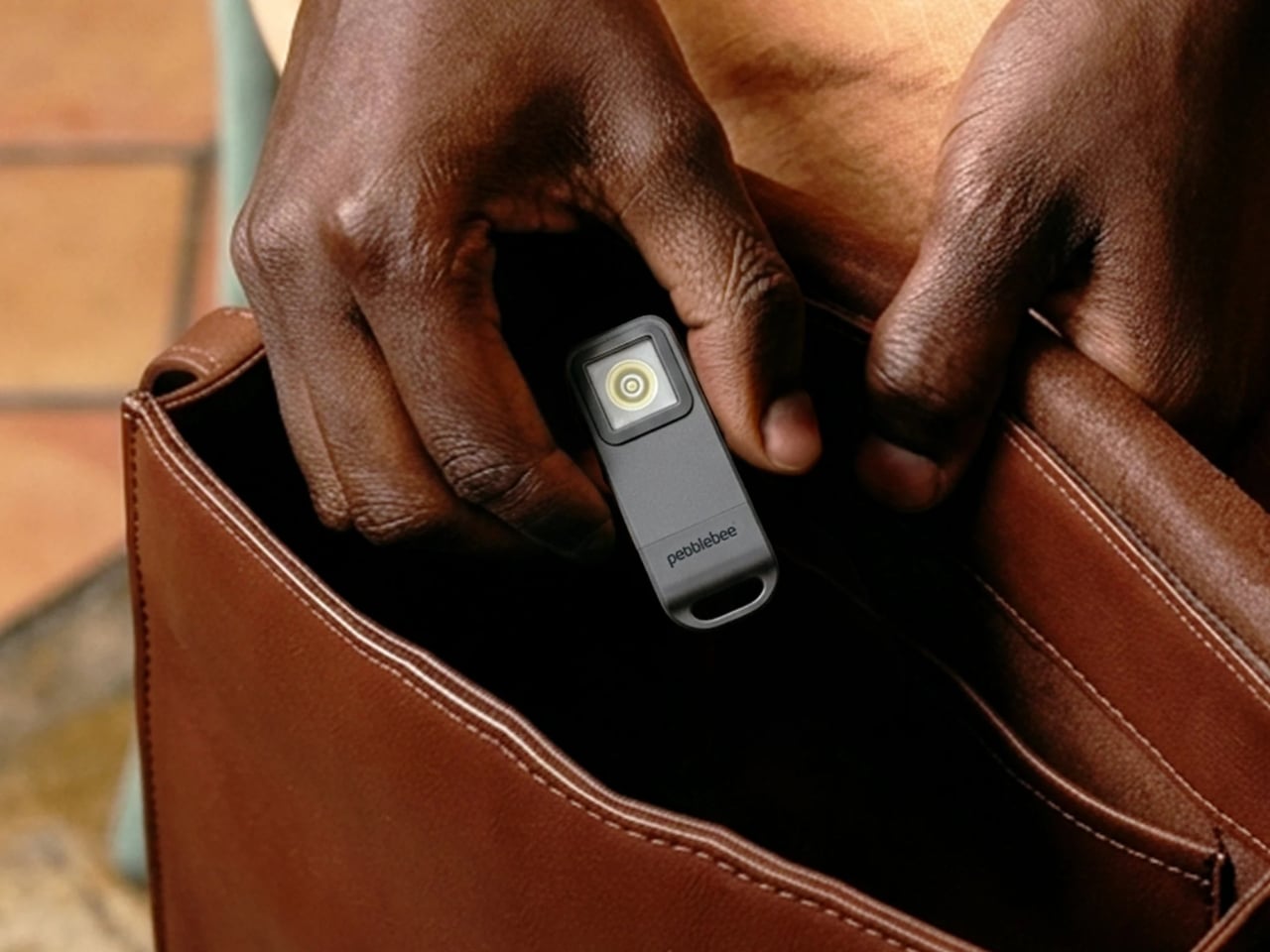
The bigger question is whether a product like this can shift how people think about daily carry. I think it might, and I say that as someone who has dismissed this category before. The AirTag normalized putting a small tracker on your keys. The Halo takes that familiar habit and layers in real utility that most people weren’t actively seeking until they actually see it. Pebblebee says the device was built with the late-night campus walker, the solo runner, and the traveler navigating an unfamiliar city in mind. That description covers most adults at some point in any given week.
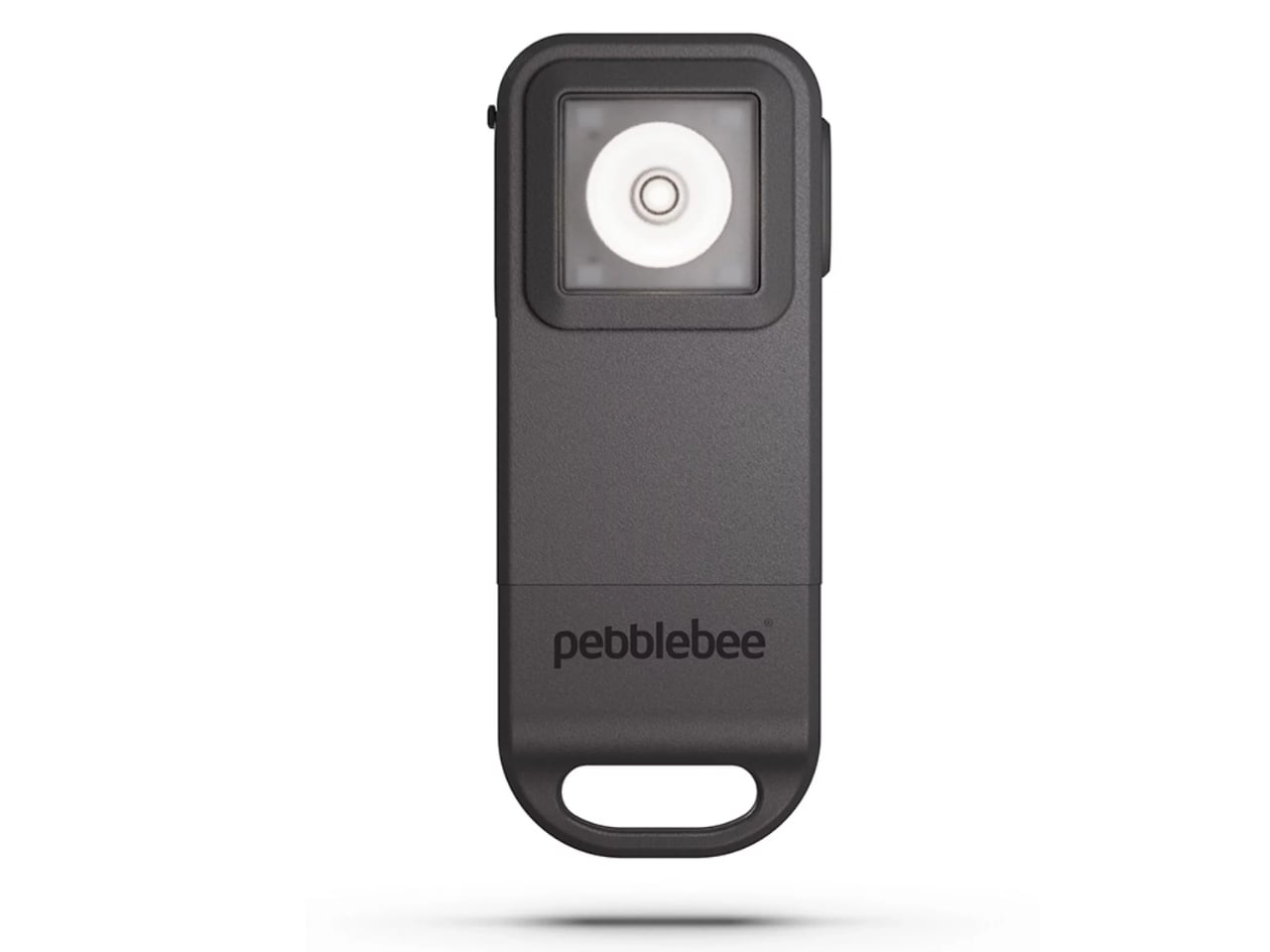
It would be easy to read a product like this as capitalizing on anxiety. But the Halo doesn’t feel cynical in that way. The pull-apart mechanism, the silent alert, the 150-lumen flashlight that’s actually useful rather than just a line in a spec sheet. These details suggest a team that ran through realistic scenarios before finalizing the design. The way a product handles edge cases usually tells you more about its intentions than the headline features do. The Alert Live subscription becomes a paid plan after the included first year. It’s required for live location sharing and expanding your Safety Circle beyond five contacts. Worth keeping in mind, but as a first-year value proposition, the package holds up well.
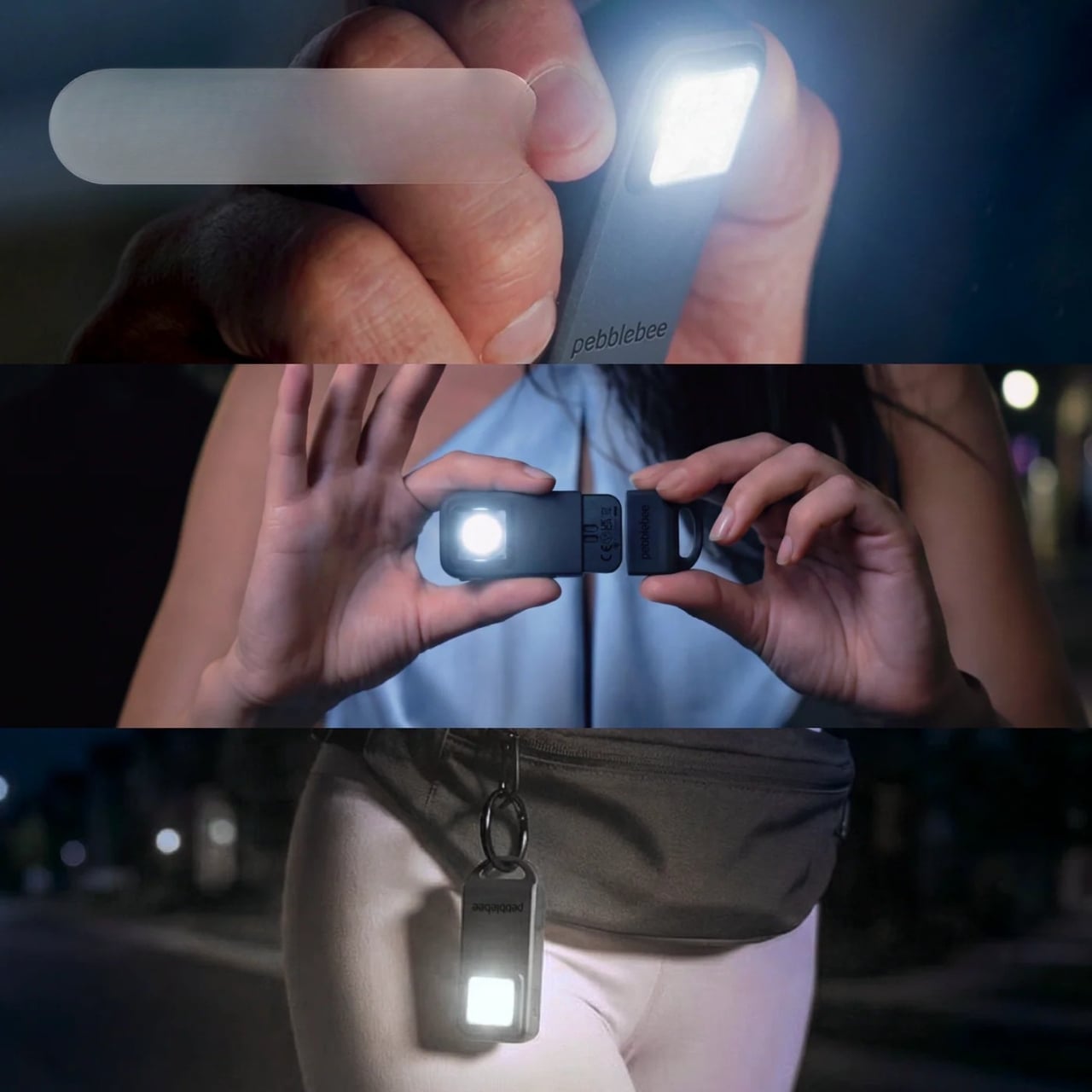
Personal safety gadgets have a habit of ending up in the junk drawer after the initial enthusiasm fades. The novelty wears off, the routine doesn’t stick. The Halo’s real advantage is that it gives you no particular reason to leave it behind. It lives on your keys, goes wherever you go, and the flashlight earns its keep on a regular Tuesday night. If you ever need the siren, you’ll be glad the upgrade was a keychain addition and not a drawer item. The most thoughtful design decisions are often the ones that make something so easy to carry, you forget it’s there until the moment you really need it. The Halo seems to understand that.