There is a version of the Rabbit R1 story that ends in 2024. The device launches to enormous hype off the back of a viral CES presentation, ships to early adopters who find it half-finished and frustrating, earns a wave of scathing reviews, and quietly disappears the way most failed AI gadgets do. Humane’s AI Pin followed that trajectory almost exactly, discontinued in early 2025 after HP acquired the company. The R1 did not follow it, though the reasons why have less to do with any brilliant pivot than with stubbornness, incremental software updates, and a fair amount of luck.
By January 2026, two years of over-the-air updates had produced a device functional enough to sustain a renewed community of users and developers. Then OpenClaw arrived on the R1, and the conversation changed in a way that felt less like a product announcement and more like something clicking into place. OpenClaw, the open-source autonomous AI agent that had exploded from obscurity to 60,000 GitHub stars in 72 hours, had always carried a hardware problem at its core. The R1, as it turned out, had most of the solution already built in.
Designer: Rabbit
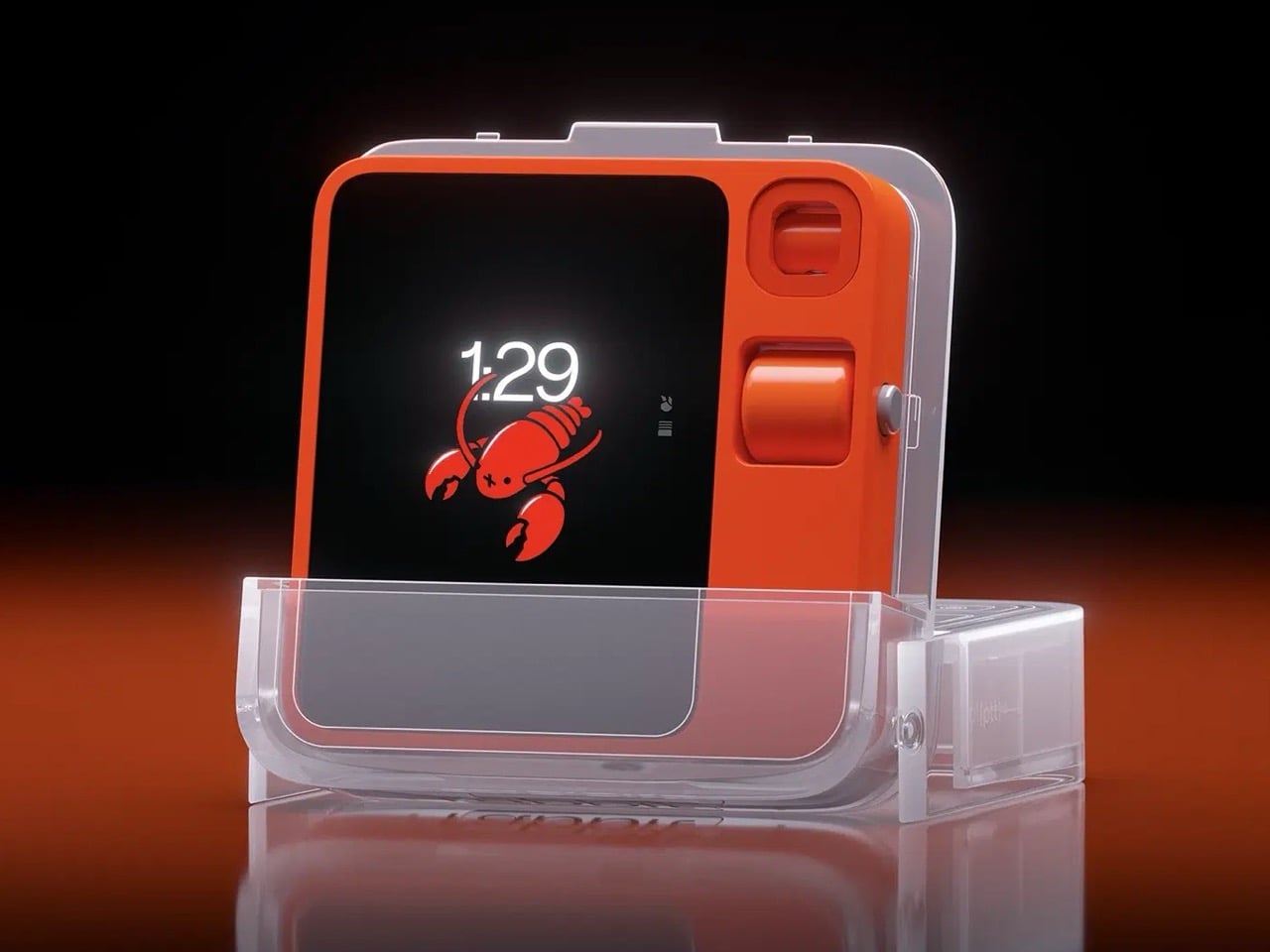
OpenClaw (formerly Clawdbot, then Moltbot, changing names three times in a single week) is an open-source autonomous AI agent that exploded from 9,000 to over 60,000 GitHub stars in 72 hours in late 2025. Austrian developer Peter Steinberger built it as a self-hosted agent runtime that connects AI models to your local machine, messaging apps, calendar, email, and file system. You control it by sending messages through WhatsApp, Telegram, Discord, or Slack, like you’re DMing a particularly capable assistant. OpenClaw can browse the web, manage your inbox, schedule meetings, summarize documents, and execute shell commands autonomously, with persistent memory that lets it remember context across weeks. The problem OpenClaw always carried was the lack of native voice interaction on dedicated hardware, and the R1 had exactly that hardware sitting in a drawer gathering skepticism.
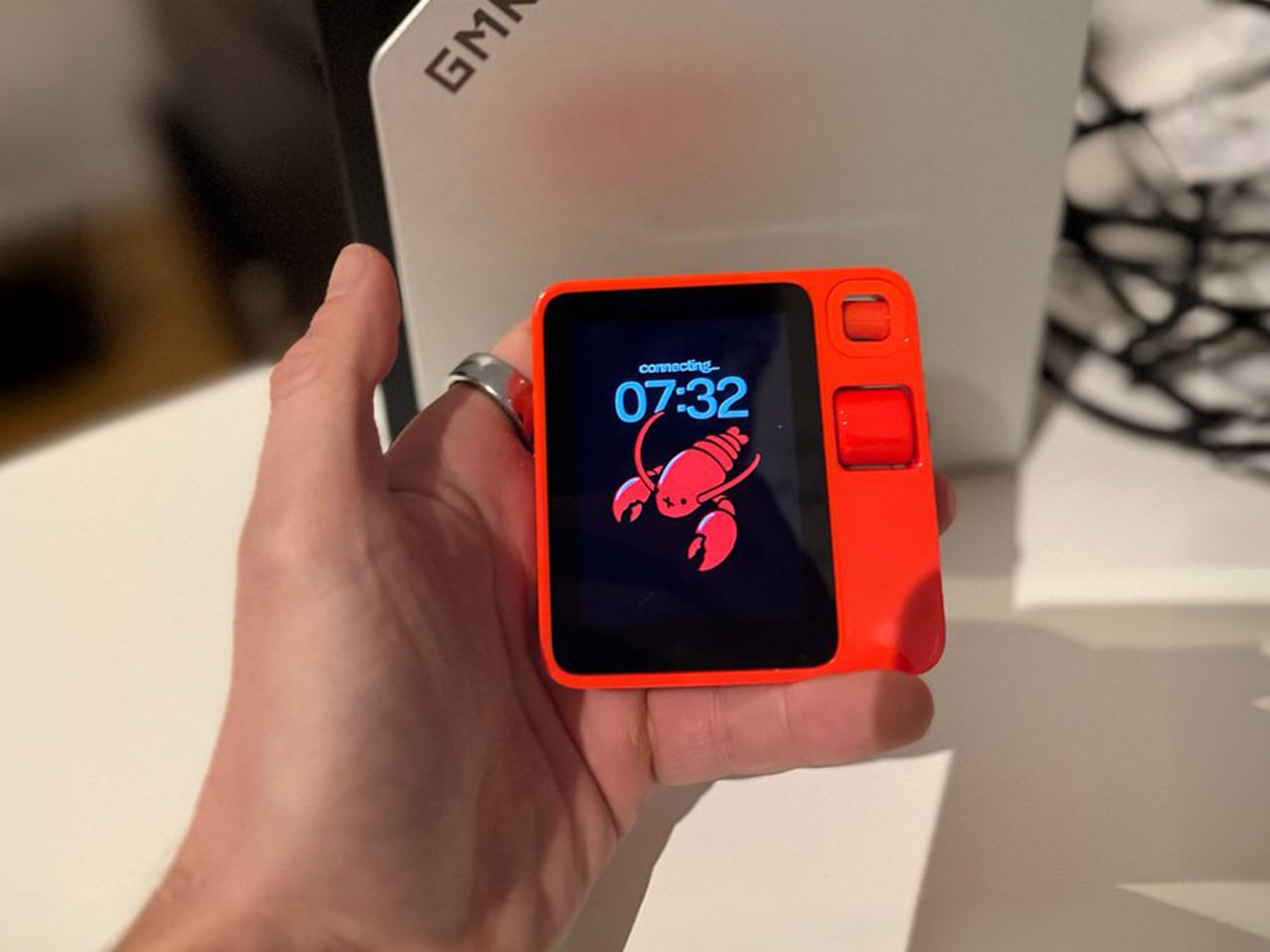
Rabbit integrated OpenClaw in January 2026 as an alpha feature, requiring users to set up their own OpenClaw gateway and connect it to the R1. Push the talk button, speak a command, and OpenClaw executes it through your existing setup. The R1 becomes a voice interface for an agent that can genuinely act on your behalf, making the device something closer to what Lyu promised two years ago. The possibilities depend entirely on how you configure OpenClaw, which can expand through over 100 community-built skills. Security risks are real and well-documented (over 400 malicious add-ons were found on the skill hub in early 2026), but for users willing to manage that complexity, the R1 finally has a use case that feels native to the hardware rather than bolted on.