Music doesn’t weigh anything anymore. It hasn’t for a while. We went from shelves full of vinyl and towers of CDs to playlists that scroll infinitely and libraries that live nowhere in particular. Streaming gave us everything, all at once, all the time. But somewhere in the exchange, we lost the part of listening that involved our hands, our eyes, and our attention. Designer Vladimir Dubrovin seems to feel that loss deeply, and his concept project, the ENSA P1, is a beautifully strange attempt to get some of it back.
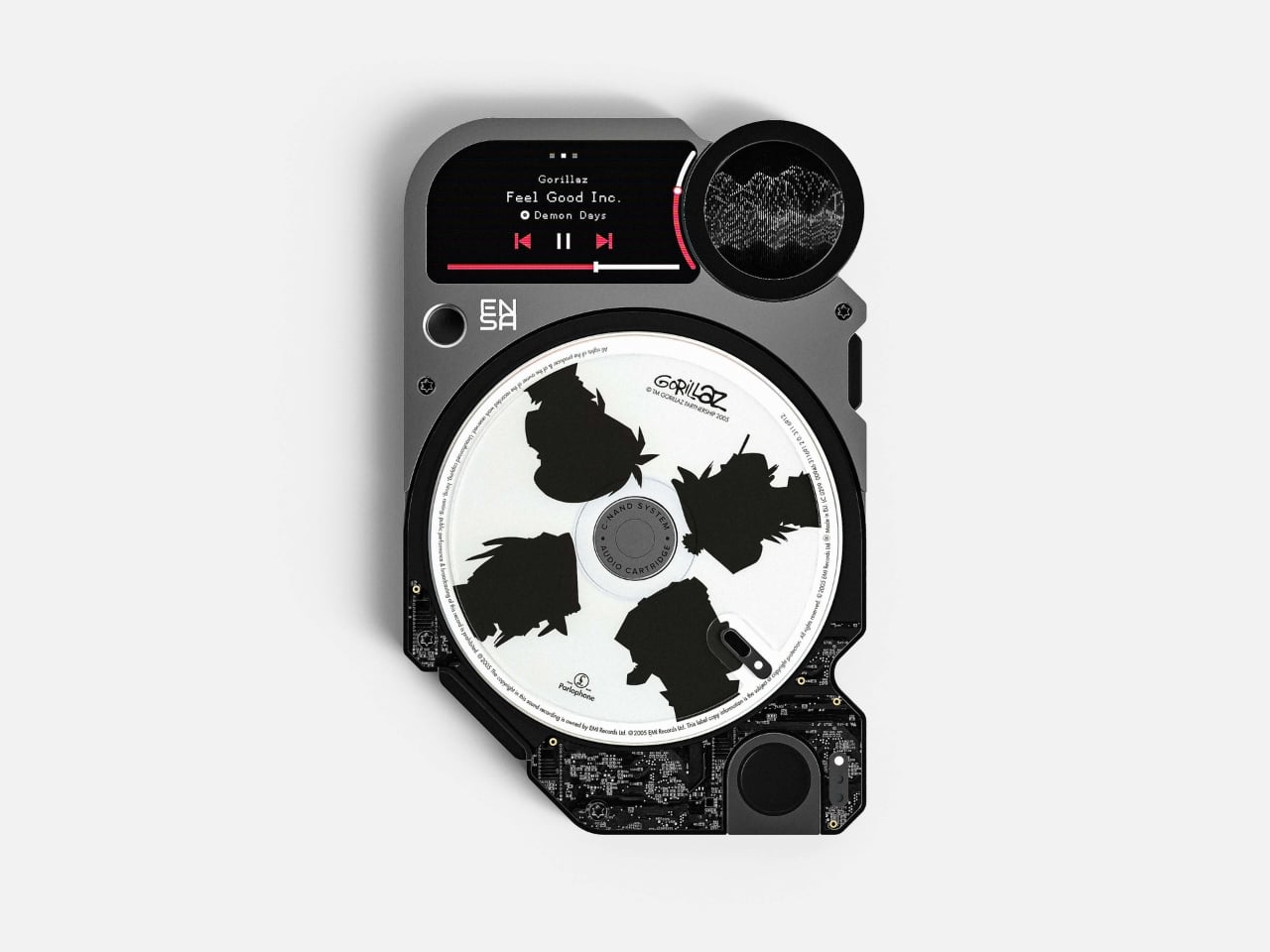
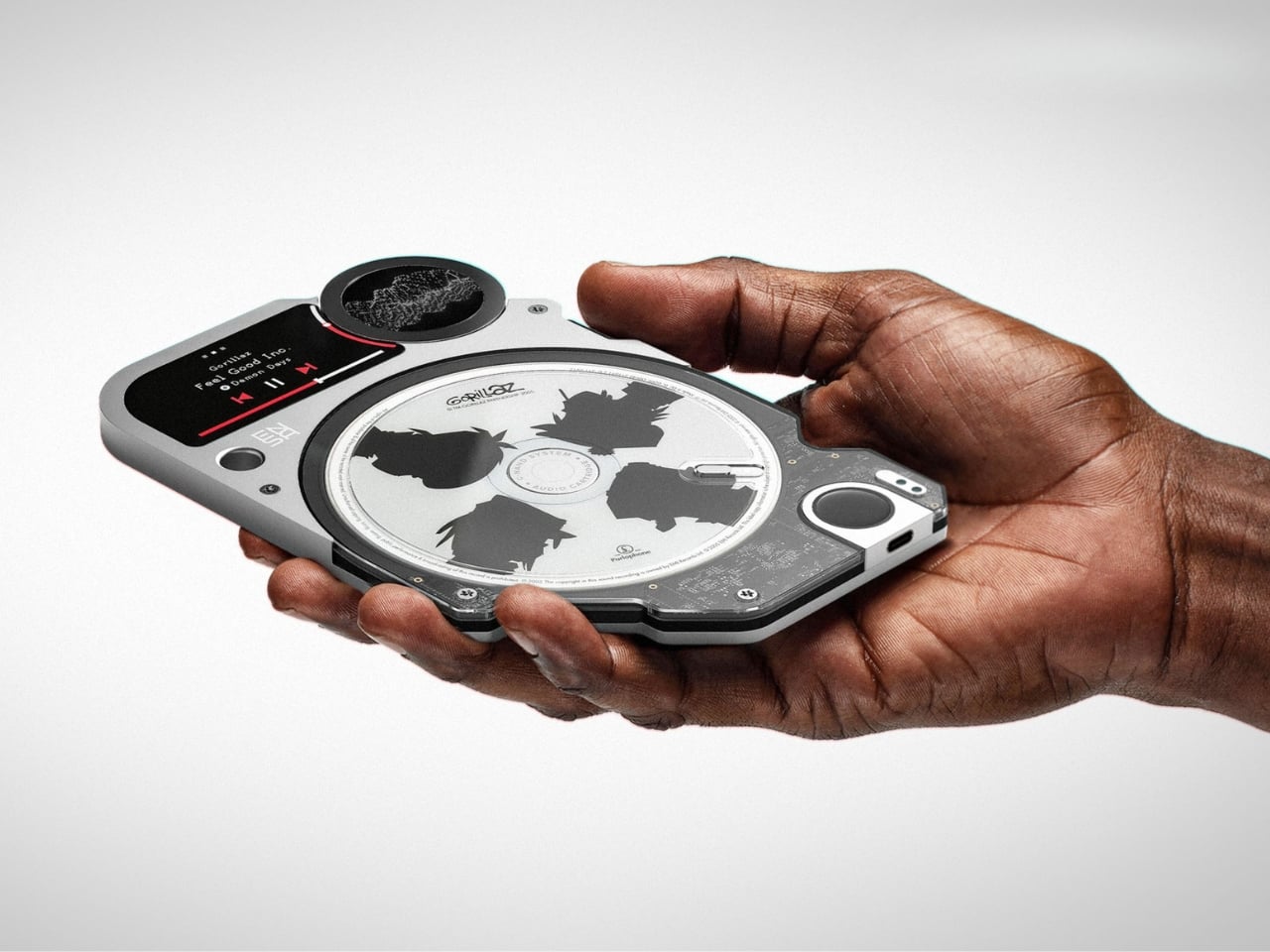
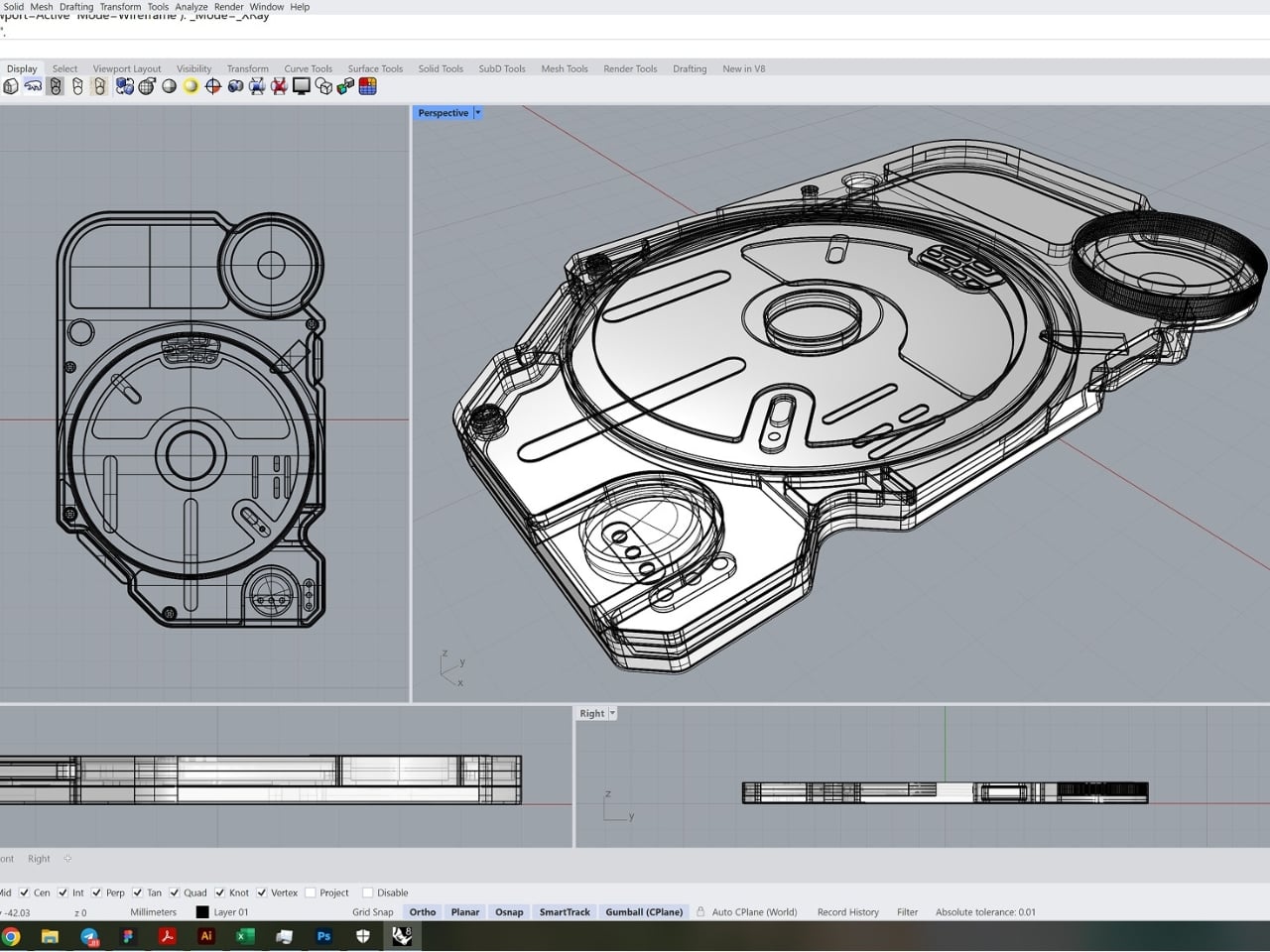
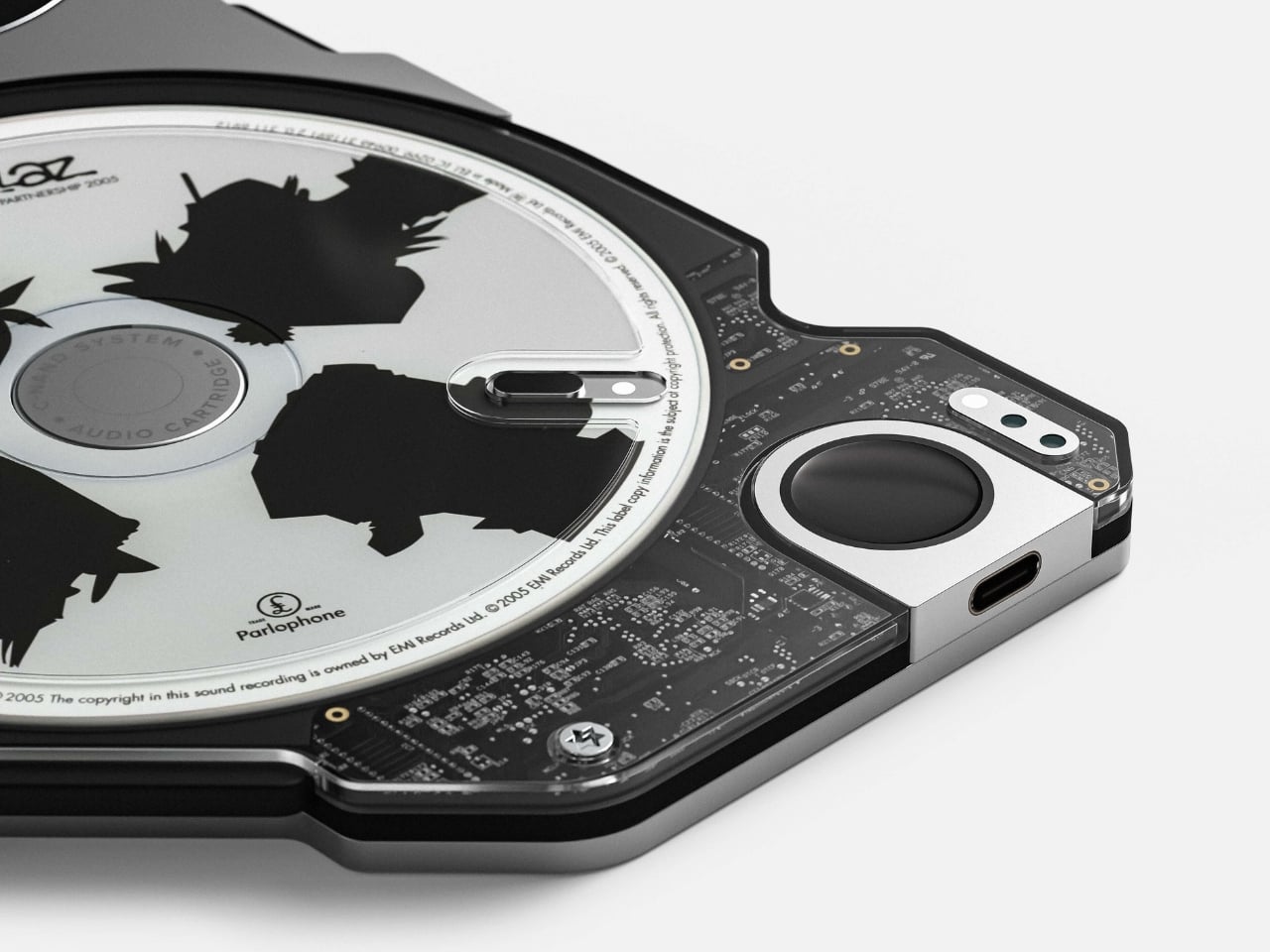
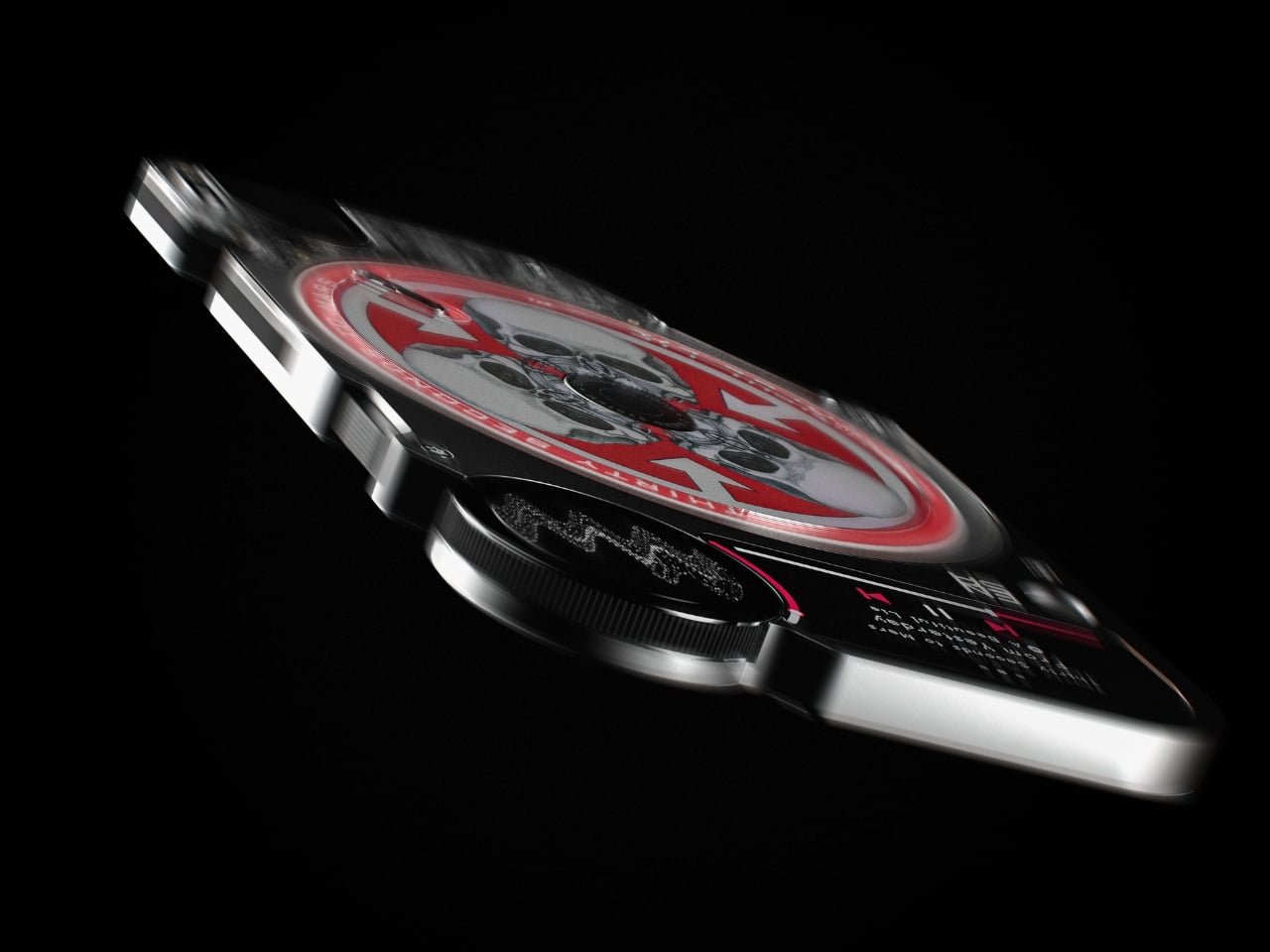
The ENSA P1 is a portable audio player built around a format Dubrovin calls C-NAND: small, disc-shaped solid-state cartridges, each one holding a single album. Think of it as a USB flash drive that decided it wanted to be a CD when it grew up. The cartridges have no moving parts, no spinning platters, nothing mechanical. They’re entirely digital in how they store sound. But they have shape, texture, and visual identity. You can hold one in your hand, flip it over, look at it, and place it into a device that makes the simple act of choosing music feel deliberate again.
Designer: Vladimir Dubrovin
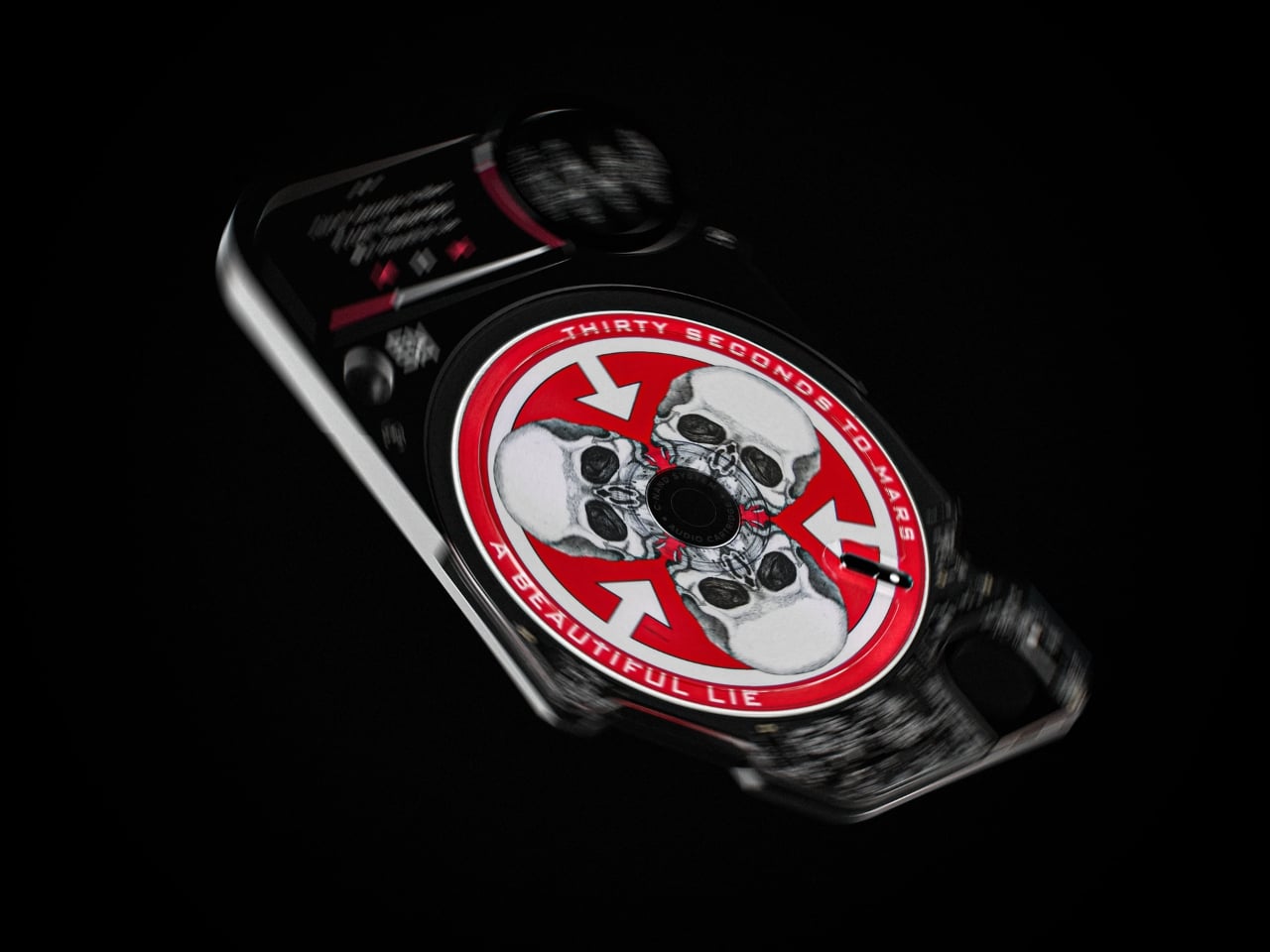
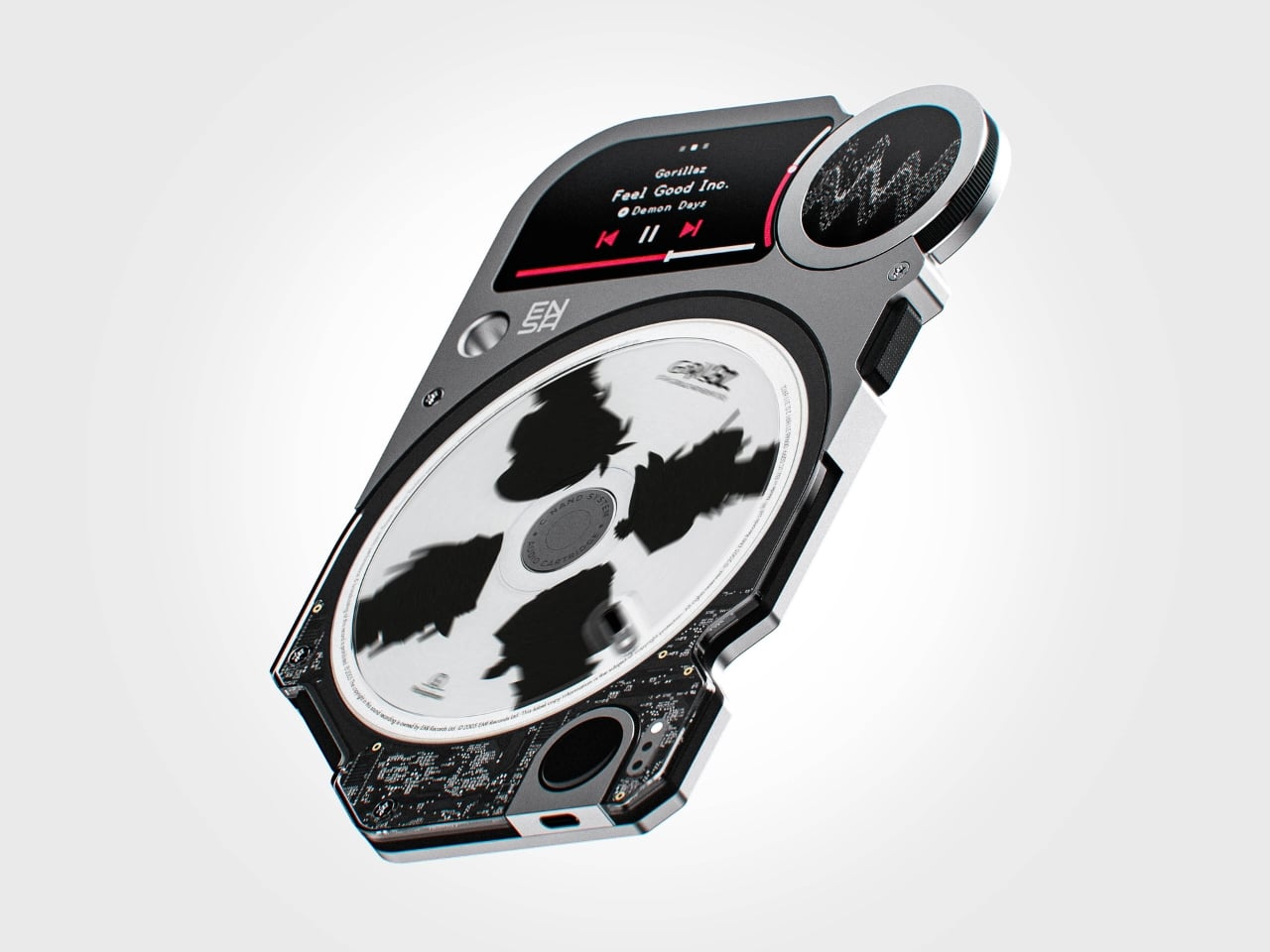
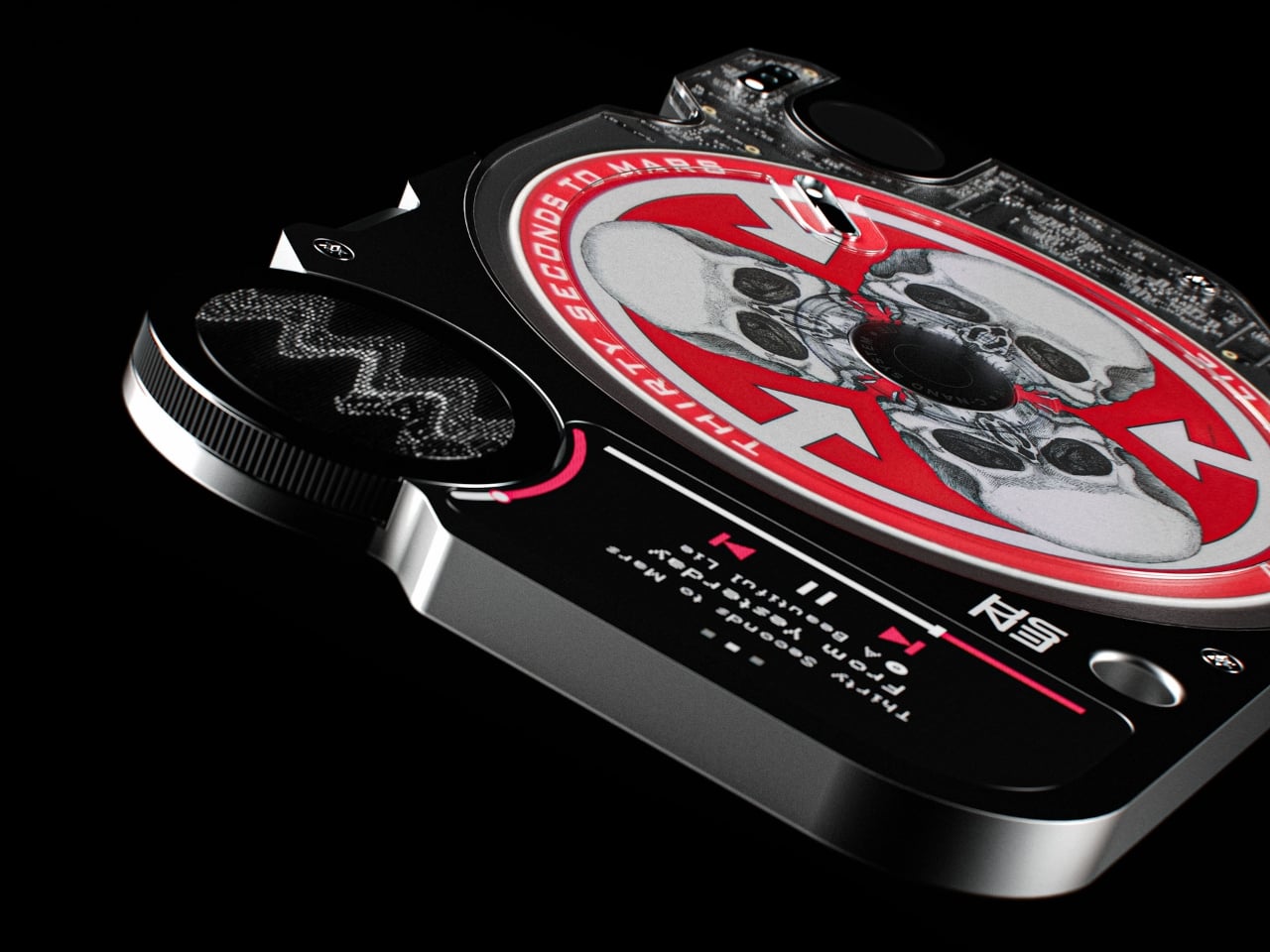
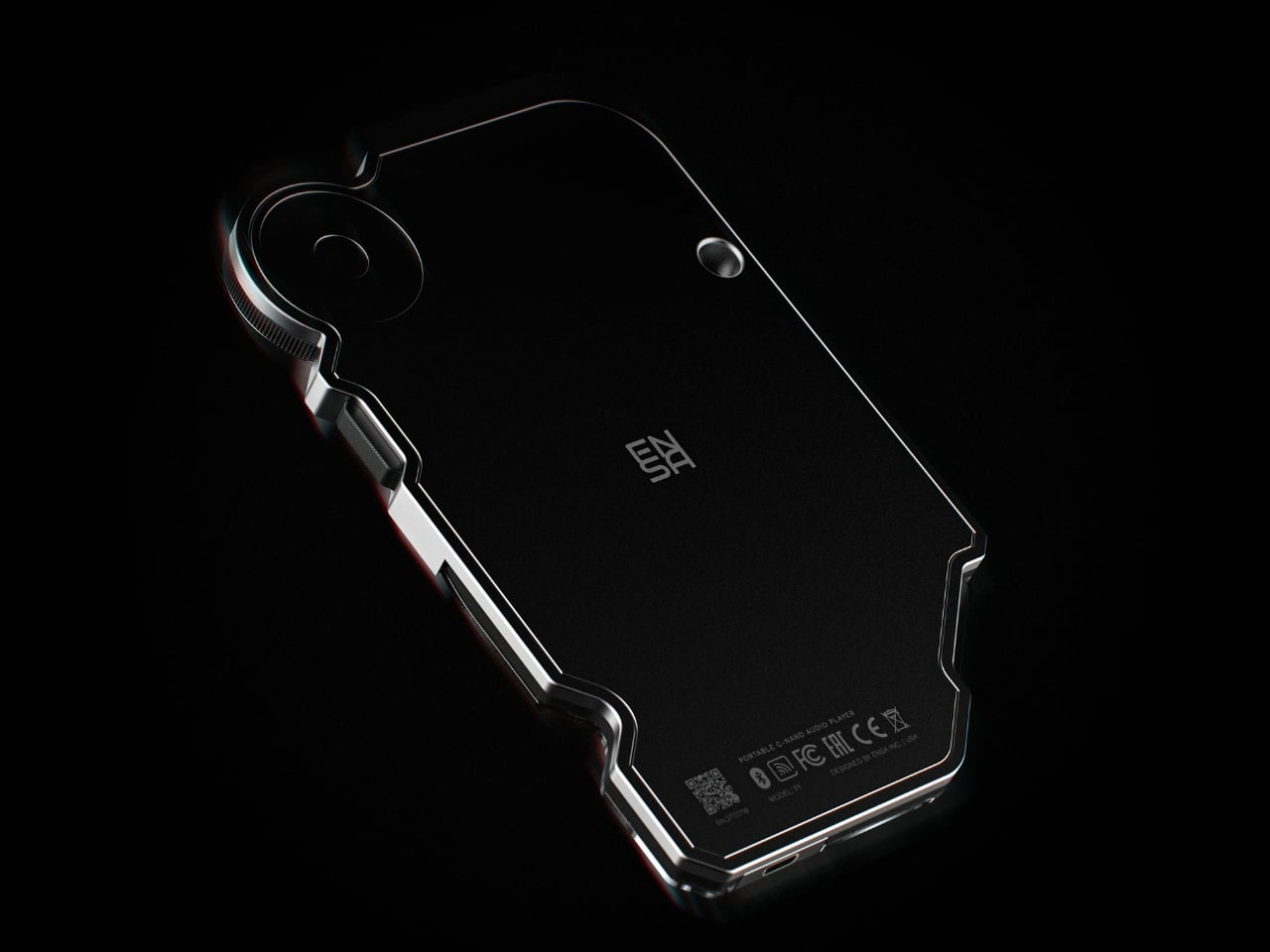
The player itself is a compact, rectangular piece of hardware with rounded corners and what appears to be an aluminum body. A small window in the center reveals the disc cartridge sitting inside, which is a clever touch that borrows the visual language of older disc players without pretending to be one. On the left side sits a mini display that shows track information and visualizes the rhythm of whatever you’re listening to, turning the waveform into something you can actually watch move. There’s a circular element on top that looks like it could be a control dial, though the overall design is restrained enough that you’d be forgiven for thinking it’s a piece of minimalist sculpture rather than consumer electronics.
What I find compelling about this project isn’t really the hardware specs or the imagined format. It’s the question sitting underneath all of it. Dubrovin is essentially proposing an alternate timeline for digital audio, one where music didn’t just evaporate into the cloud but instead evolved into a new kind of physical object. It’s speculative design at its most interesting because it doesn’t reject technology or romanticize the past. It takes the best of digital storage and asks why we couldn’t wrap it in something worth touching.
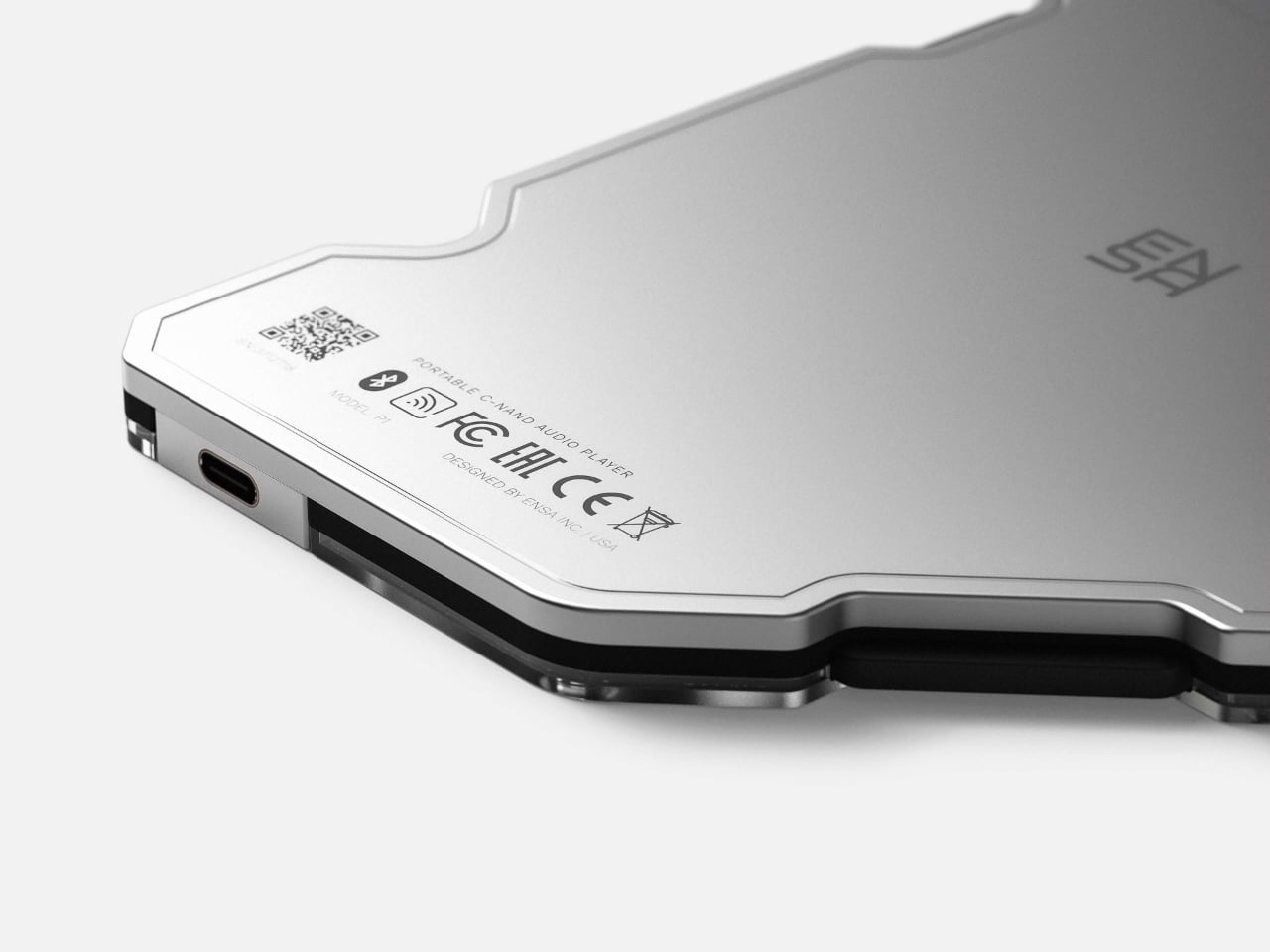
I think about this more than I probably should. The way I listen to music now is fundamentally different from how I listened to it fifteen years ago, and not all of those changes have been improvements. Streaming removed friction, which is great when you want to hear a song right now, but friction was also part of the ritual. Pulling a record from its sleeve, placing the needle, reading the liner notes while the first track played. Even loading a CD had a certain ceremony to it. The ENSA P1 reimagines that ceremony for a digital context, and I appreciate that it does so without being preachy about it.
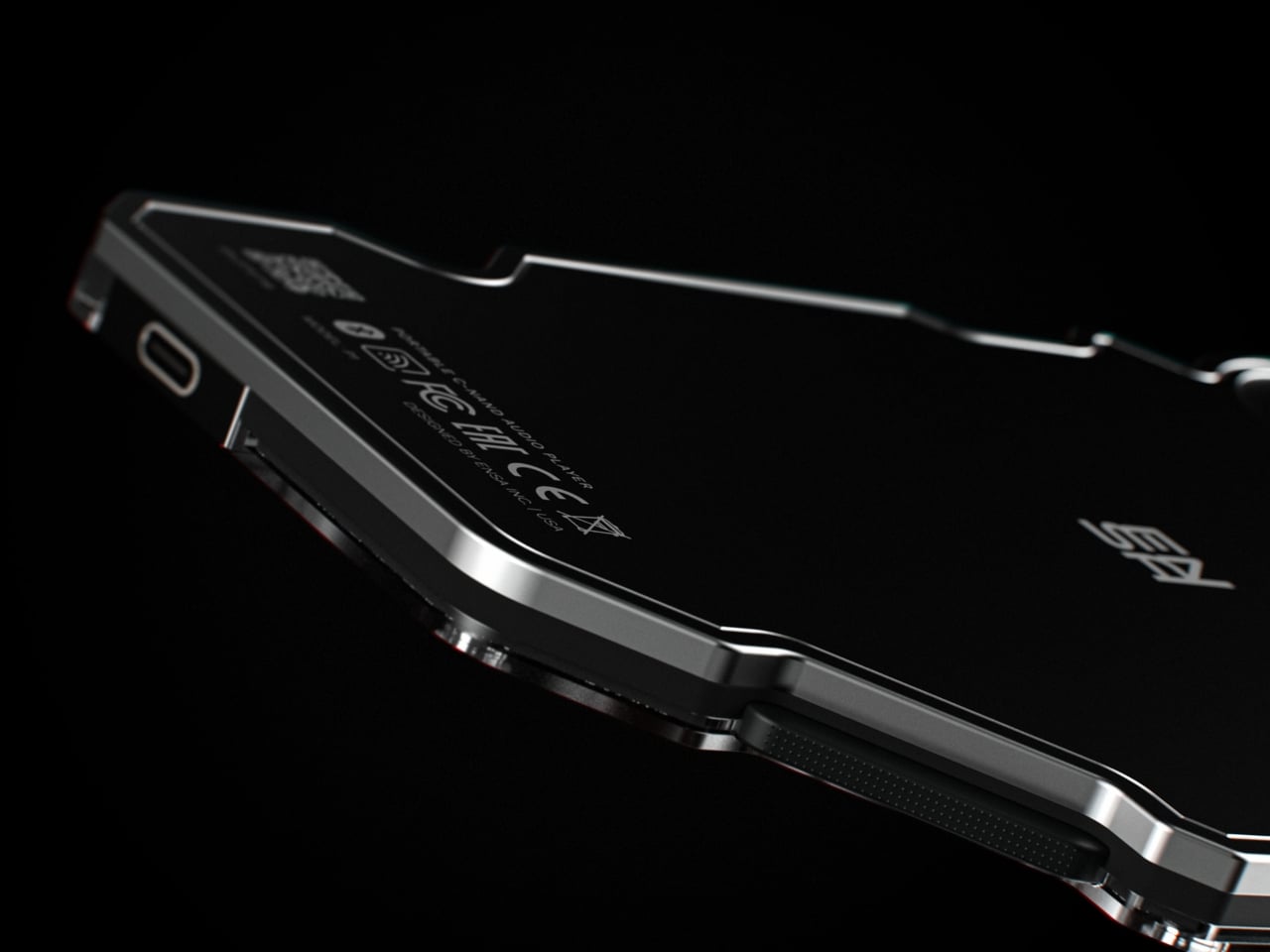
Of course, this is a concept. Dubrovin is a designer exploring ideas, not launching a Kickstarter. The C-NAND format doesn’t exist, and the likelihood of any physical music format gaining mainstream traction against Spotify and Apple Music is, let’s say, modest. But that’s not really the point. Concept work like this serves a different purpose. It expands the conversation about what technology could look like if we designed it around human experience rather than pure efficiency. It reminds us that convenience and meaning don’t always travel in the same direction.
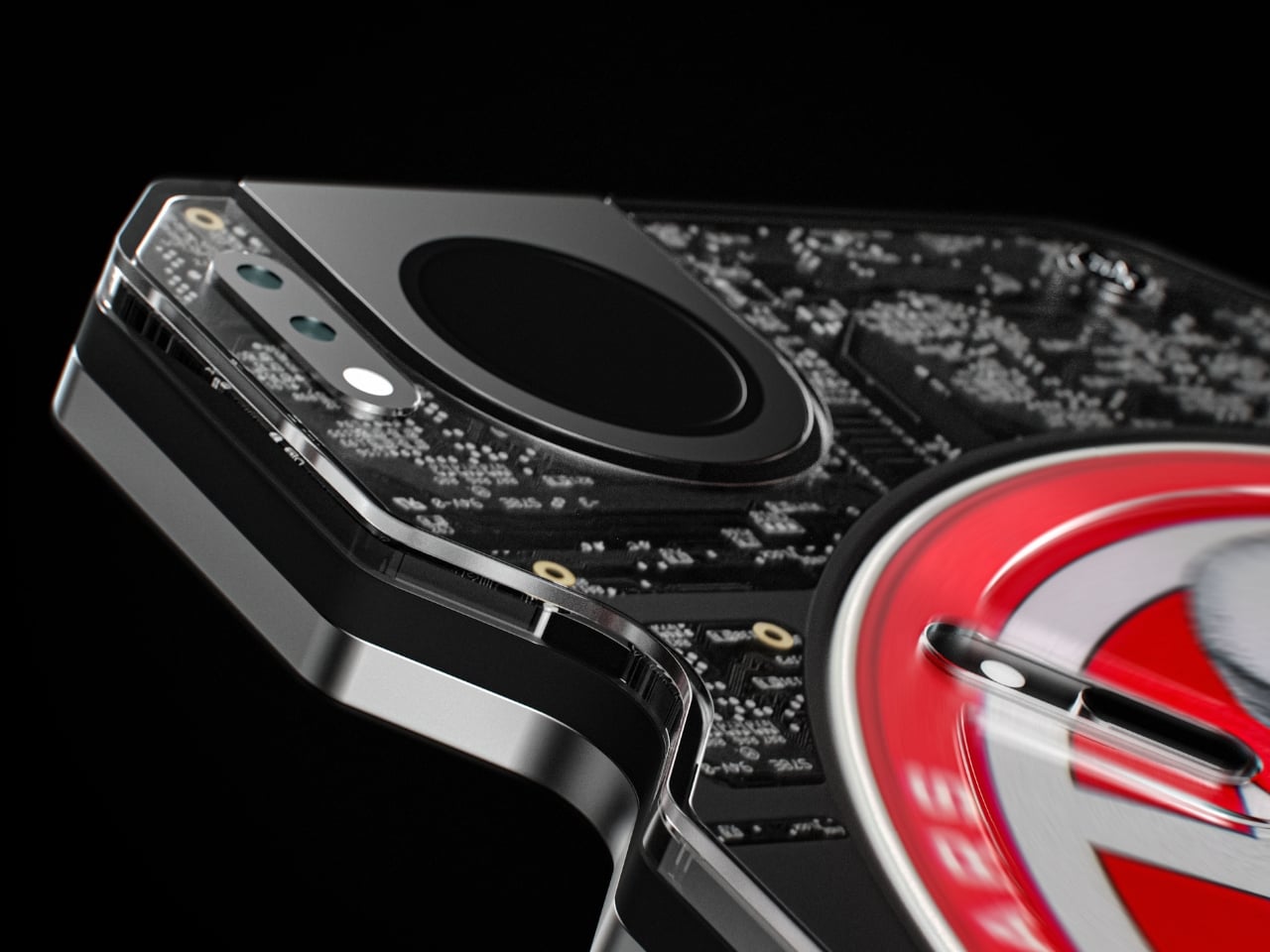
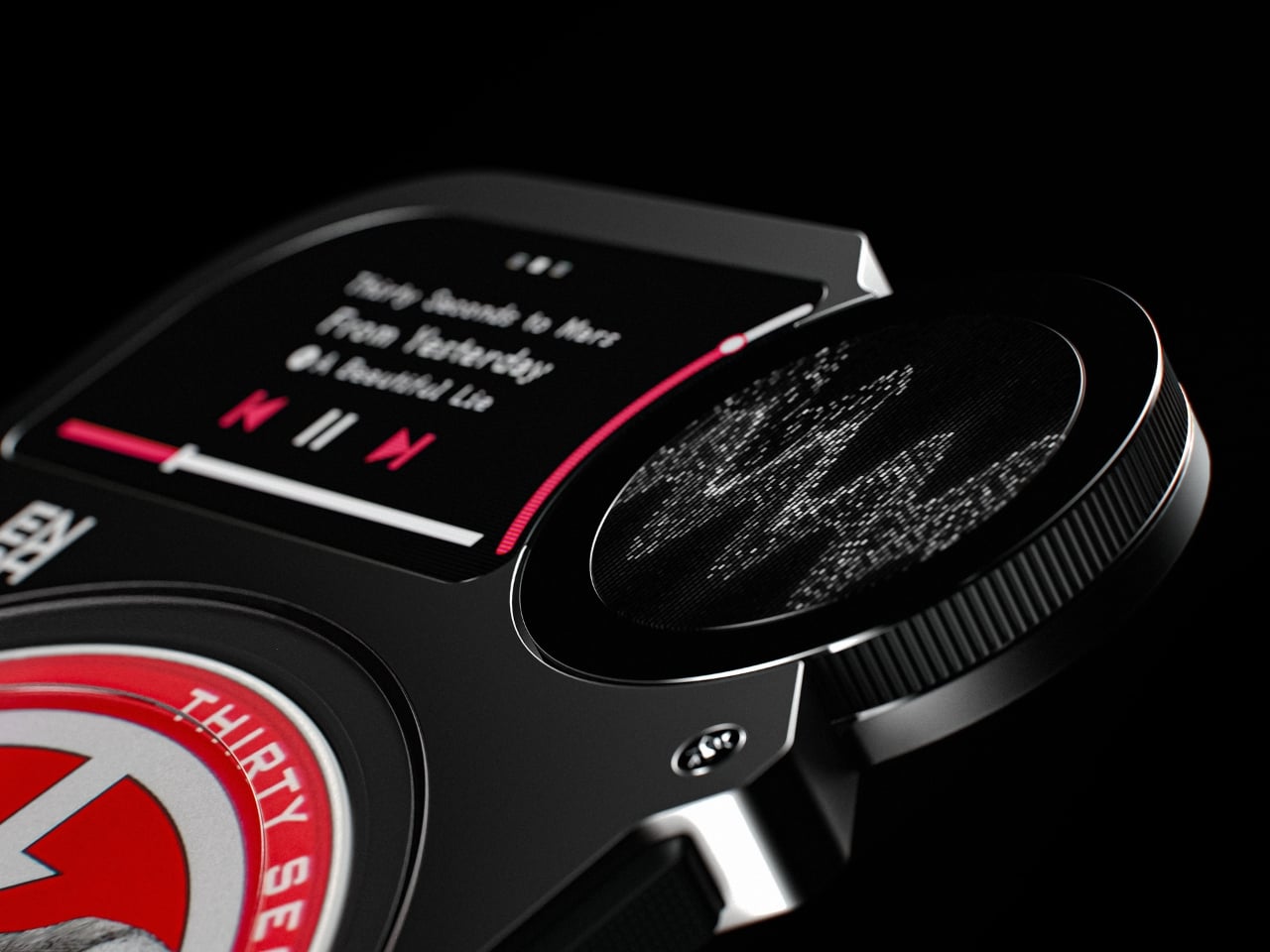
The vinyl revival already proved that people are willing to pay more and accept less convenience in exchange for a richer, more physical relationship with music. The ENSA P1 takes that impulse and pushes it forward instead of backward. Rather than returning to a format from the 1950s, it imagines what a new physical format could be if we designed one today with modern materials and digital storage. That feels like a more honest response to what listeners actually seem to want.
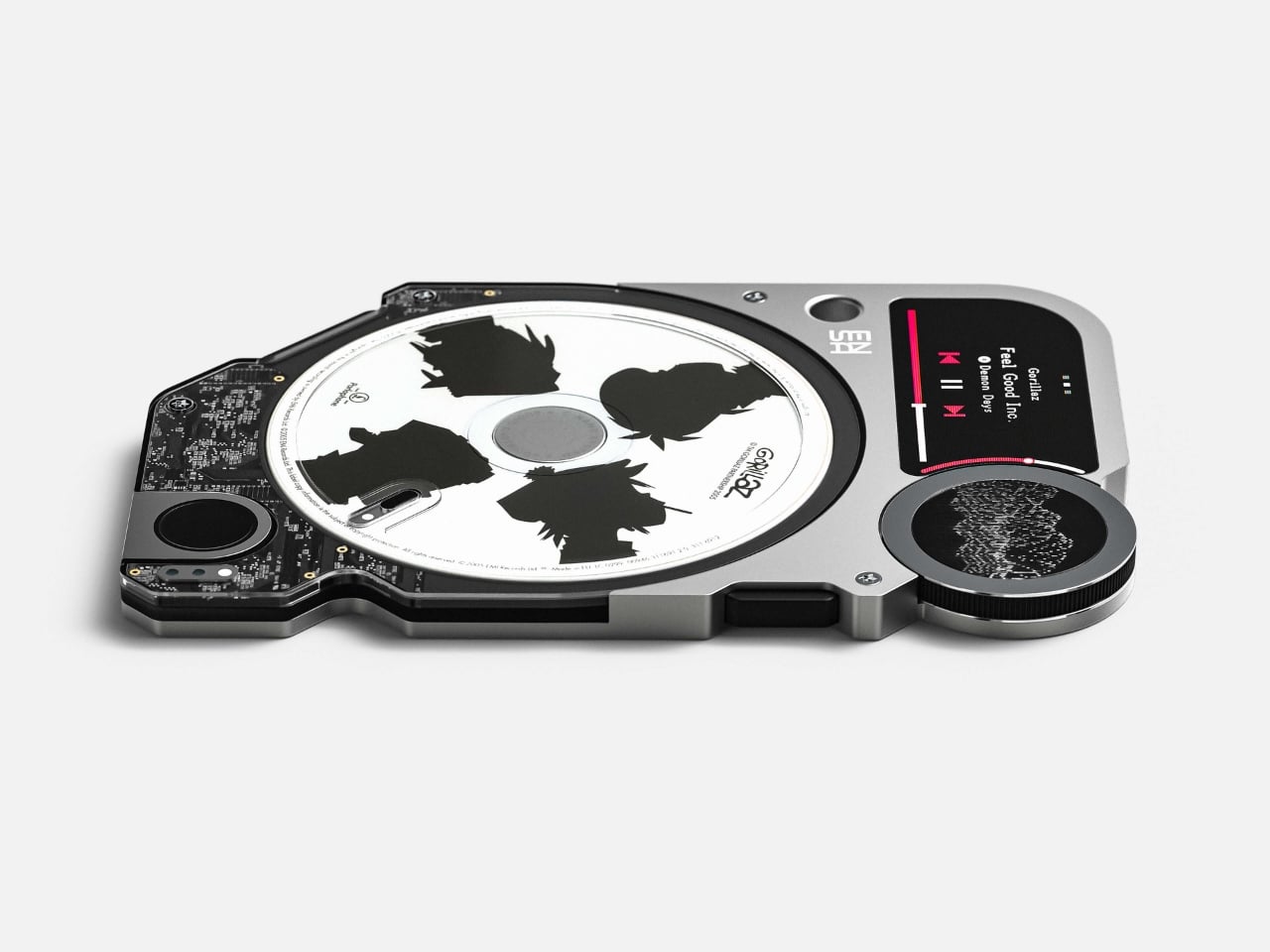
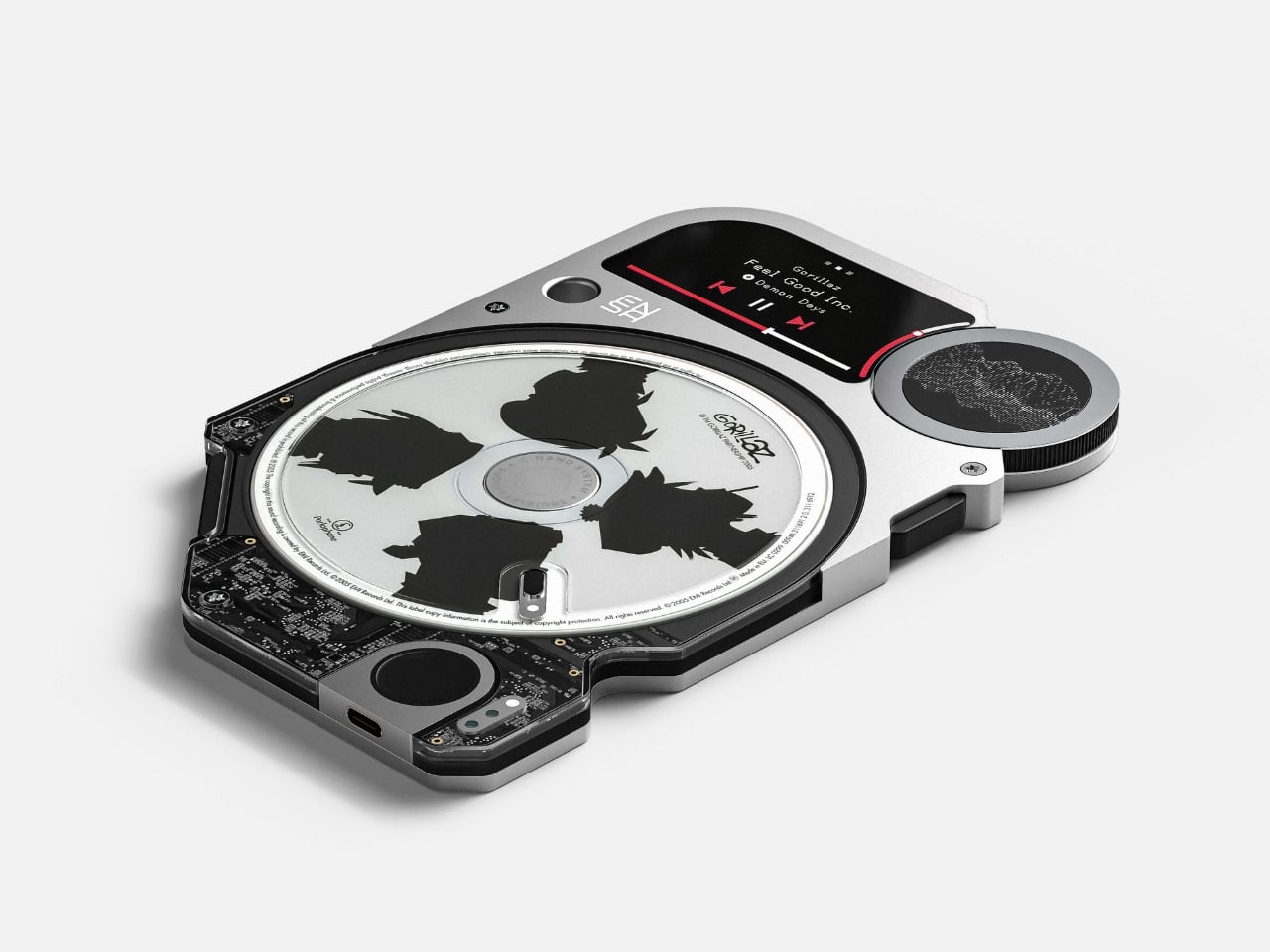
Whether or not something like the ENSA P1 ever gets made, the conversation it starts is worth having. We’ve spent two decades optimizing music for access. Maybe it’s time to start optimizing it for experience again.