Nothing is skipping the Phone (4) entirely this year. Not delaying it, not soft-launching it later, just straight up not making one. The Phone (3) holds down the flagship spot through all of 2026, which Carl Pei spins as a refusal to follow industry conventions for their own sake. He’s got a point about meaningful upgrades mattering more than arbitrary annual cycles, but the timing feels less like strategic patience and more like acknowledging that last year’s flagship push didn’t quite land the way they hoped. The Phone (3)’s pricing crept higher than fans expected, and Nothing even experimented with discounts to move units.
The Phone (4a) picks up the slack as Nothing’s solo 2026 release. Pei describes a “complete evolution” that pushes the A-series toward flagship experiences through premium materials, upgraded displays, enhanced cameras following the 3A Pro’s periscope success, and better overall performance. Design-wise, expect new colors and continued polish on Nothing’s transparent aesthetic, aiming to stay distinctive while appealing broader. But here’s where things get complicated: RAM prices have gone absolutely wild thanks to AI demand, forcing Nothing to raise prices across their smartphone portfolio. The (4a) was already their bestselling series partly because of competitive pricing. Now it needs to absorb component cost increases, justify premium positioning, and deliver enough differentiation to matter in a crowded mid-range field, all while being Nothing’s only new phone for the year. That’s a lot riding on one device.
Designer: Nothing
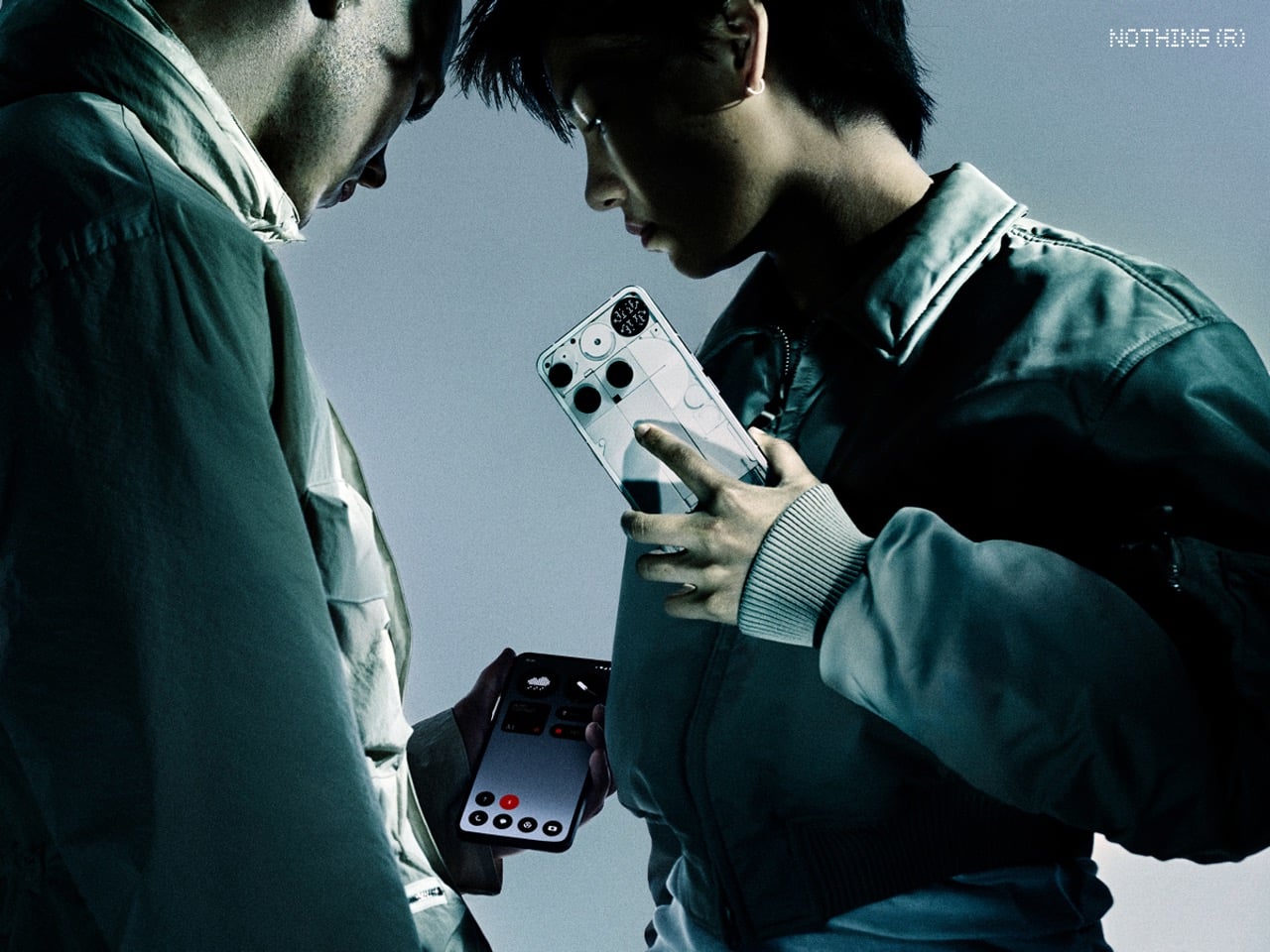
And I get it… The whole “we only upgrade when there’s something meaningful to say” pitch sounds refreshingly anti-corporate, but it’s also a somewhat tacit admission that the Phone (3) didn’t make the splash they hoped. They pushed pricing into the $600-700 range depending on region, which immediately put them against devices from brands with way deeper pockets and established reputations. Then they started running promotions to move inventory. That’s not the behavior of a company confidently sitting on a hit product. So yeah, taking 2026 off from flagship releases makes sense, even if the official messaging talks about meaningful innovation.
The 4A becomes the entire story by necessity. Pei promised a complete evolution across materials, display, camera, and performance, which sounds great until you remember the 3A series already delivered solid specs for the money. The 3A Pro brought a periscope camera to the mid-range, decent build quality, and respectable performance. Upgrading to UFS 3.1 storage is nice, but that’s table stakes at this point. Premium materials could mean anything from metal frames to glass backs, and new color experiments might freshen things up visually. But here’s the fundamental problem: all of this costs more to produce right when RAM prices are spiking hard enough that Pei called it unprecedented in his 20 years in the industry.
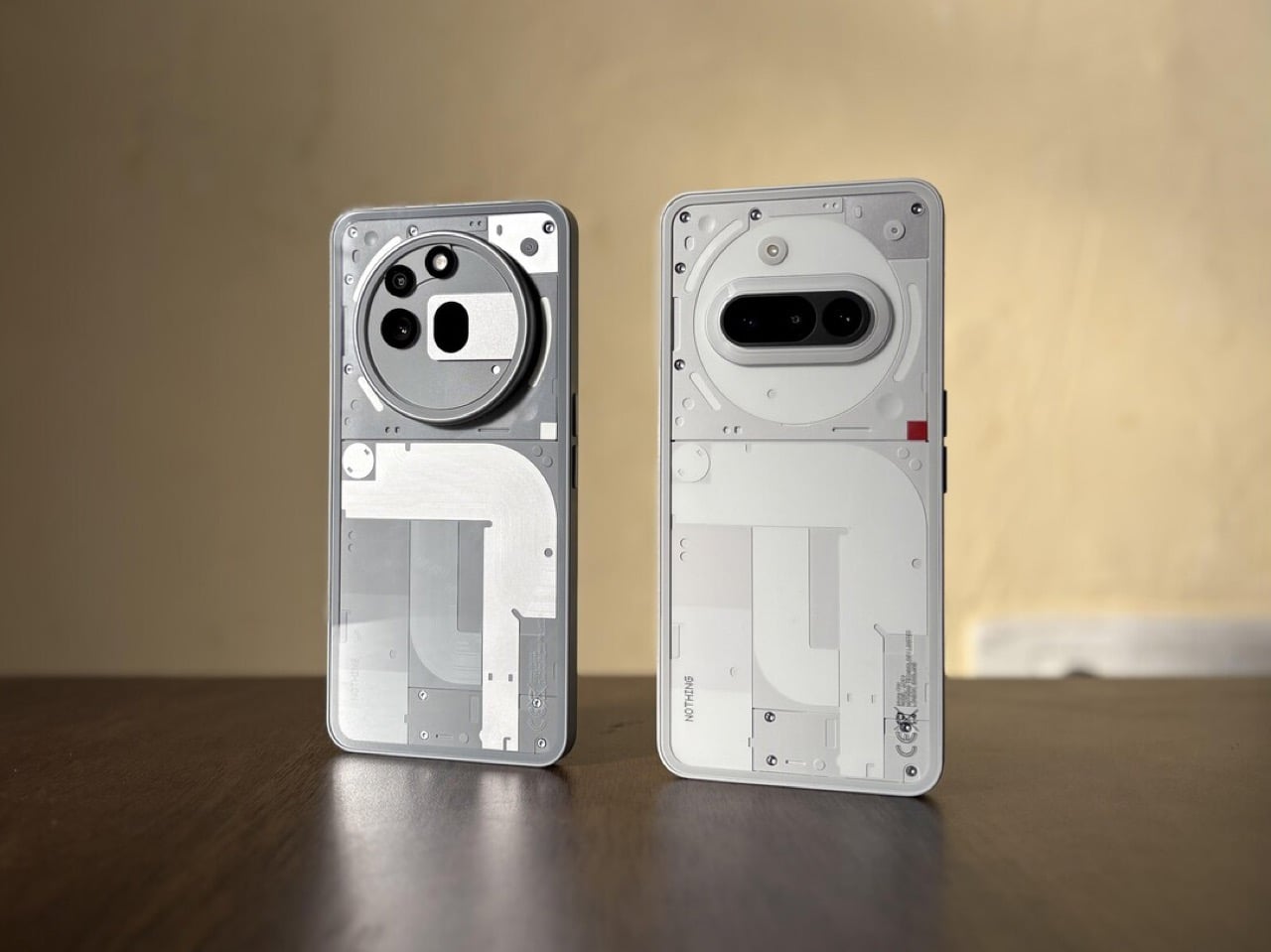
AI demand has component suppliers laughing all the way to the bank while phone makers scramble to absorb costs or pass them along. Nothing chose the latter. Price increases across the entire smartphone portfolio means the 4A’s value proposition takes a direct hit. The A-series worked because it offered flagship-adjacent experiences at mid-range prices. Now it’s offering mid-range experiences at mid-range-plus prices while the flagship sits idle for a year. You can see the squeeze happening in real time. Nothing needs the 4A to justify higher costs through tangible improvements, maintain enough distinctiveness to feel like a Nothing product, and somehow convince people it’s worth paying more for when every other mid-range phone is also getting more expensive.
The design question looms large here too. YouTube comments are already asking for glyph lights to return, which makes sense given that’s Nothing’s most recognizable feature. But adding glyph interfaces costs money, and if the A-series never had them before, suddenly including them now while also raising prices feels like asking for trouble. You either keep the transparent aesthetic without the lights and risk looking like any other glass-backed phone, or you add them and watch your margins evaporate. Neither option is great when you’re already dealing with component cost inflation and no flagship to absorb the premium features.
What Nothing built its reputation on was being the scrappy alternative that delivered distinctive design and solid performance without asking flagship money. The Phone 4A needs to thread an impossible needle: cost more but feel worth it, look different but stay affordable, deliver flagship experiences but remember it’s still mid-range. All while being the only new Nothing phone anyone can buy in 2026. That’s a tough spot for any device, let alone one from a company still finding its footing in a brutally competitive market.