Romanian audio craftsmen Meze Audio have built their reputation on a simple philosophy: headphones should be as beautiful to look at as they are to listen to. The 99 Classics proved this formula with their vintage-inspired warmth, while the Liric pushed boundaries with planar magnetic technology. Now, the Strada arrives as something different: a closed-back dynamic that feels less like a nostalgic throwback and more like a confident step forward.
At $799, the Strada occupies that fascinating middle ground where serious audio performance meets daily practicality. The hand-crafted Macassar ebony earcups remain unmistakably Meze, but the deep metallic green magnesium frame signals a design evolution. This is Meze refining their aesthetic without abandoning their roots, creating a closed-back headphone that promises isolation and intimacy without sacrificing their signature approach to build quality and musicality.
Designer: Meze Audio
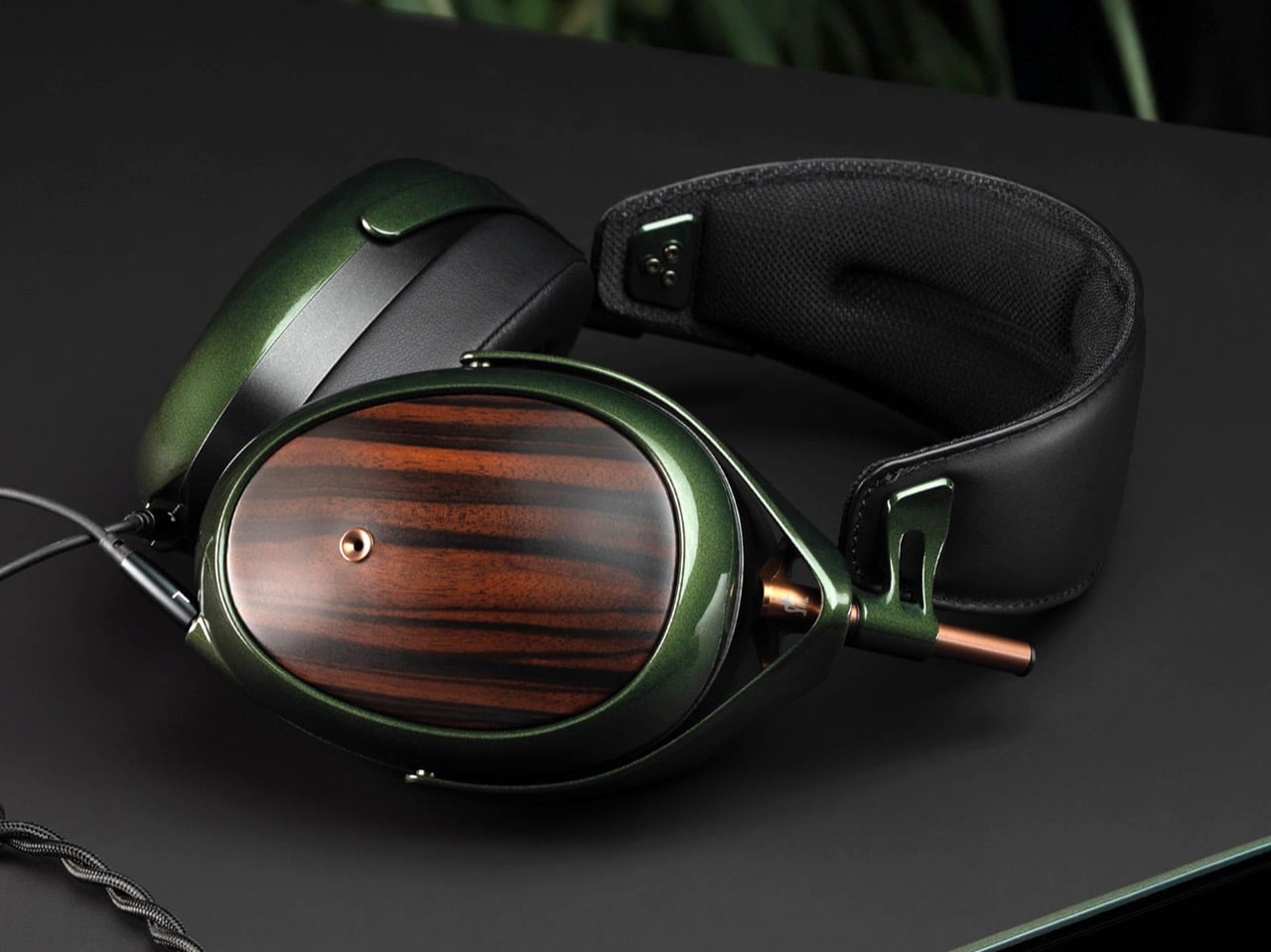
Those 50mm dynamic drivers pull from the 109 Pro’s DNA but get retuned specifically for closed-back acoustics. Frequency response spans 5Hz to 30kHz, which sounds impressive until you remember that what matters is how flat or colored that response curve actually is. Sensitivity hits 111 dB SPL/mW at 1kHz with 40Ω impedance, meaning your phone will drive these adequately but they’ll really open up with proper amplification. Meze claims a tonal balance that leans slightly warm with controlled bass emphasis, neutral mids, and extended treble that avoids the typical closed-back veil. Translation: they want you listening to music, not hunting for detail.
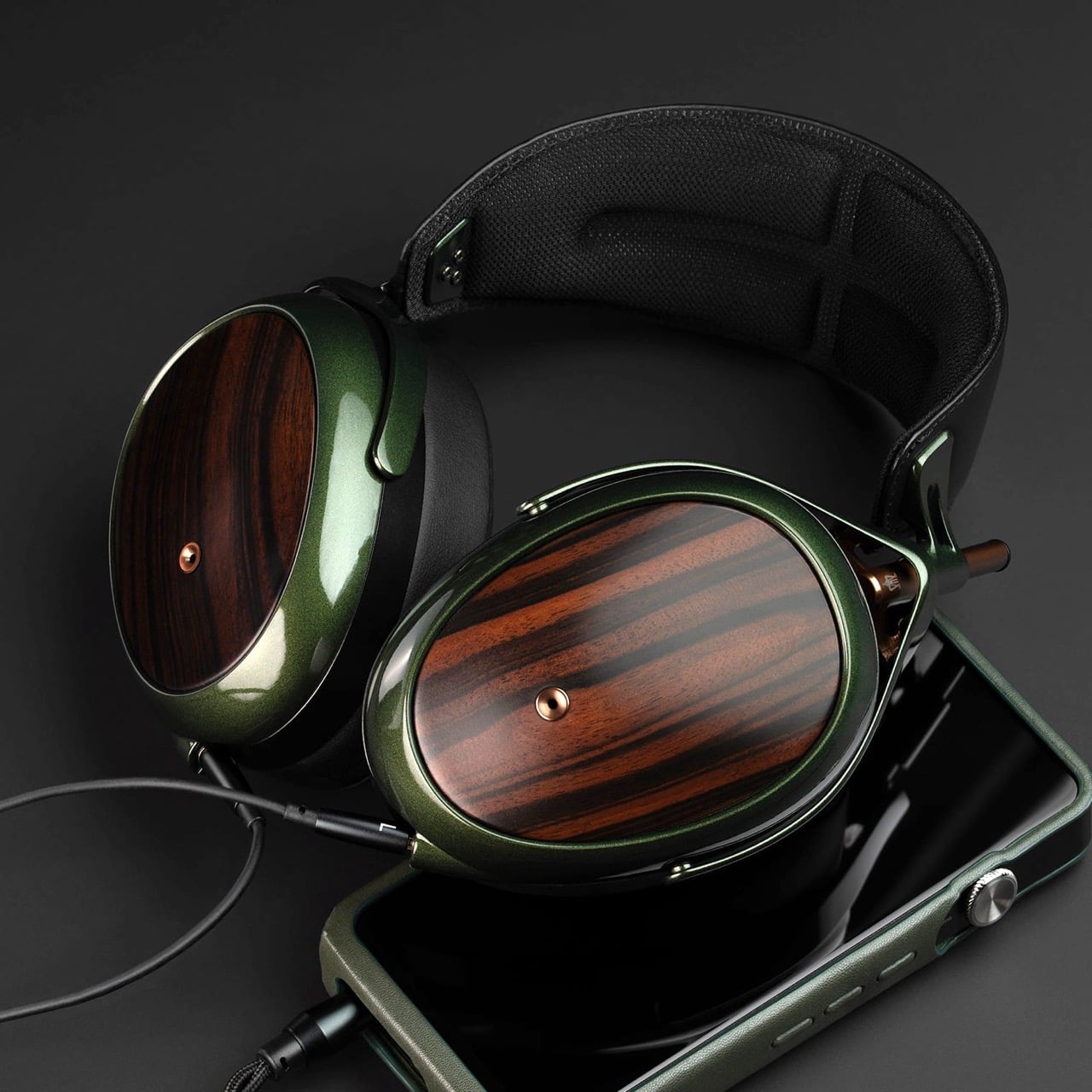
That carbon fiber-reinforced cellulose dome keeps the diaphragm light while maintaining stiffness for clarity in the upper registers. The semicrystalline polymer torus surrounding the dome gets coated with beryllium via physical vapor deposition, which increases rigidity without adding mass. Precision-cut grooves at 45.5-degree angles across the torus help control resonance, while a copper-zinc alloy stabilizer ring dampens unwanted vibrations. These aren’t revolutionary techniques but they’re expensive ones, the kind of iterative refinement that separates competent drivers from excellent ones. You’re paying for obsessive attention to mechanical behavior at frequencies most people can’t even hear.
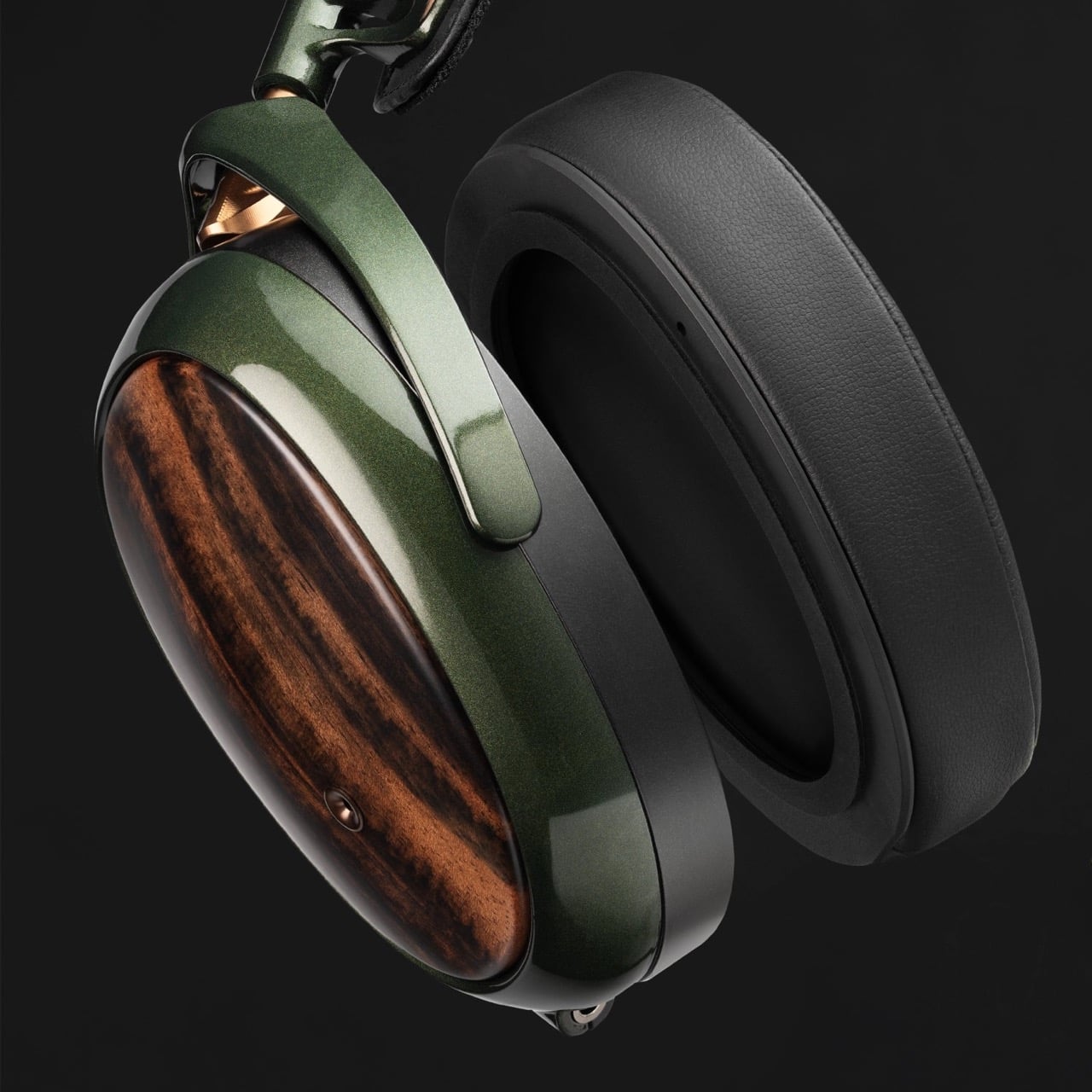
The magnetic ear pad system solves a problem most manufacturers ignore. Ear pads wear out. They compress, they accumulate oils and sweat, they eventually need replacement. Traditional attachment methods range from annoying clips to outright glued-on disasters that require heat guns and prayers. Meze’s magnetic mounting creates a perfect acoustic seal while making pad swaps completely tool-free. This ties directly into their sustainability pitch, which feels genuine rather than performative given their history of fully serviceable designs. Every component here can be replaced individually. The headband padding, the frame sliders, the cables, even those gorgeous ebony cups. You’re buying something meant to be repaired rather than discarded.
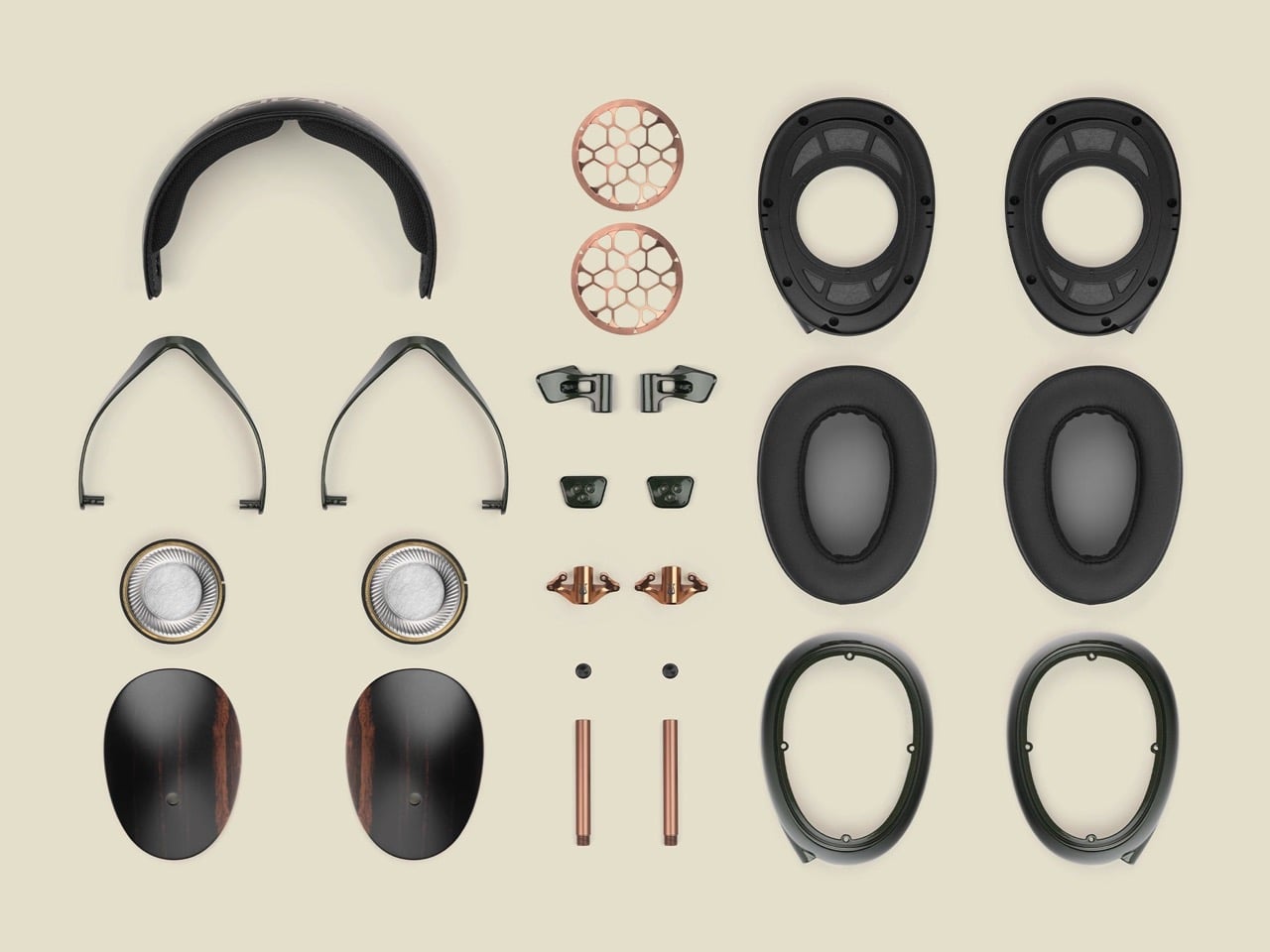
Each pair carries unique grain patterns, the tiger-stripe figuring that makes this particular hardwood so prized in furniture and musical instruments. Beyond aesthetics, the density and internal structure provide acoustic benefits. Wood naturally dampens certain resonances while allowing others to breathe, creating a different sonic character than plastic or metal enclosures. Whether you can actually hear this difference remains a subject of fierce debate in audiophile circles, but the material choice signals intent. Meze wants these to feel like heirloom objects, something you hand down rather than upgrade away from.
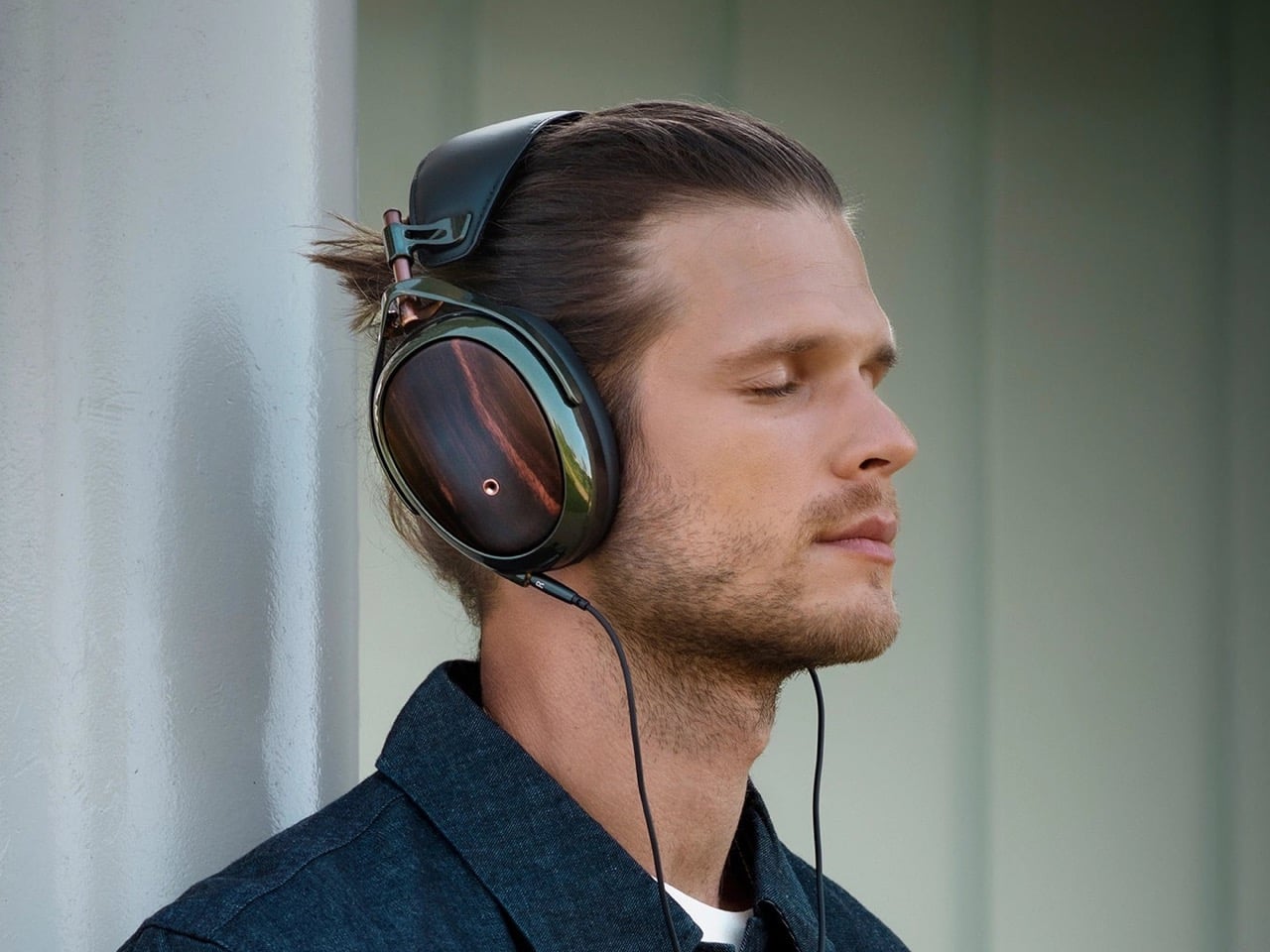
The metallic green finish represents the most visible departure from Meze’s typical palette. Their previous models leaned heavily into warm metallics: the gold and walnut of the 99 Classics, the bronze accents across their lineup, the copper hardware that became a signature detail. This cooler, more contemporary green suggests a brand aging gracefully, shedding some retro affectation without losing craft. The multi-layer paint process adds depth to the magnesium frame, giving it a subtle metallic sheen that catches light differently depending on angle. It’s restrained in a way that premium consumer electronics rarely manage, avoiding both the sterile minimalism of pro audio gear and the gamer-aesthetic excess that plagues too many “premium” headphones.

The competitive landscape at $799 gets brutal. Focal’s closed-backs bring French tuning philosophies and beryllium tweeters. Sennheiser offers German engineering precision and decades of refinement. Dan Clark Audio delivers cutting-edge planar technology with acoustic metamaterials. Meze’s pitch sidesteps the technology arms race entirely. They’re selling craftsmanship, serviceability, and a specific vision of what premium headphones should feel like to own and use daily. Whether that resonates depends entirely on what you value. If replaceable drivers and hand-painted frames matter less than the latest acoustic innovations, look elsewhere. But if you want something that feels built rather than manufactured, something designed to age beautifully rather than obsolete quickly, the Strada makes its case clearly.