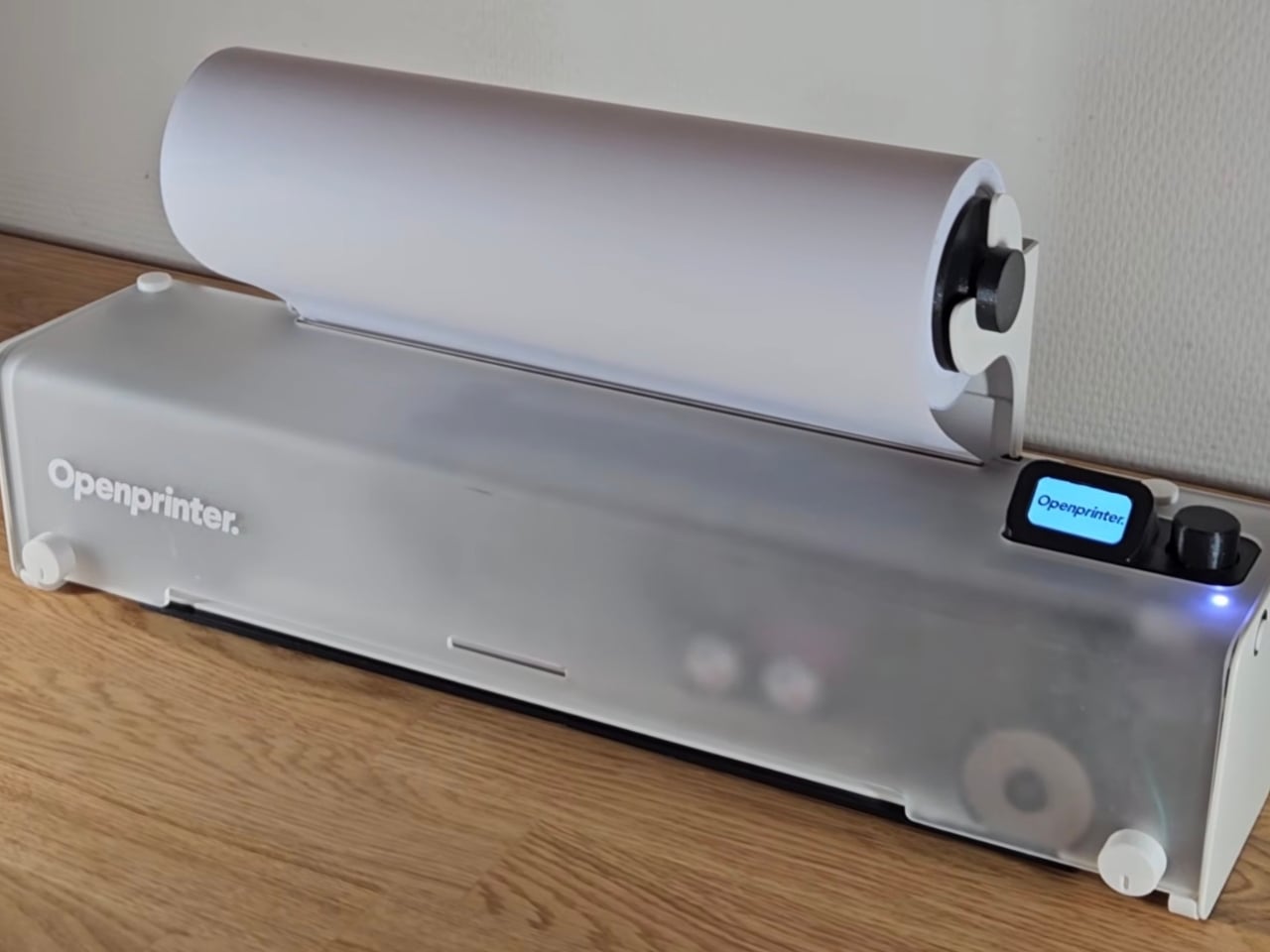
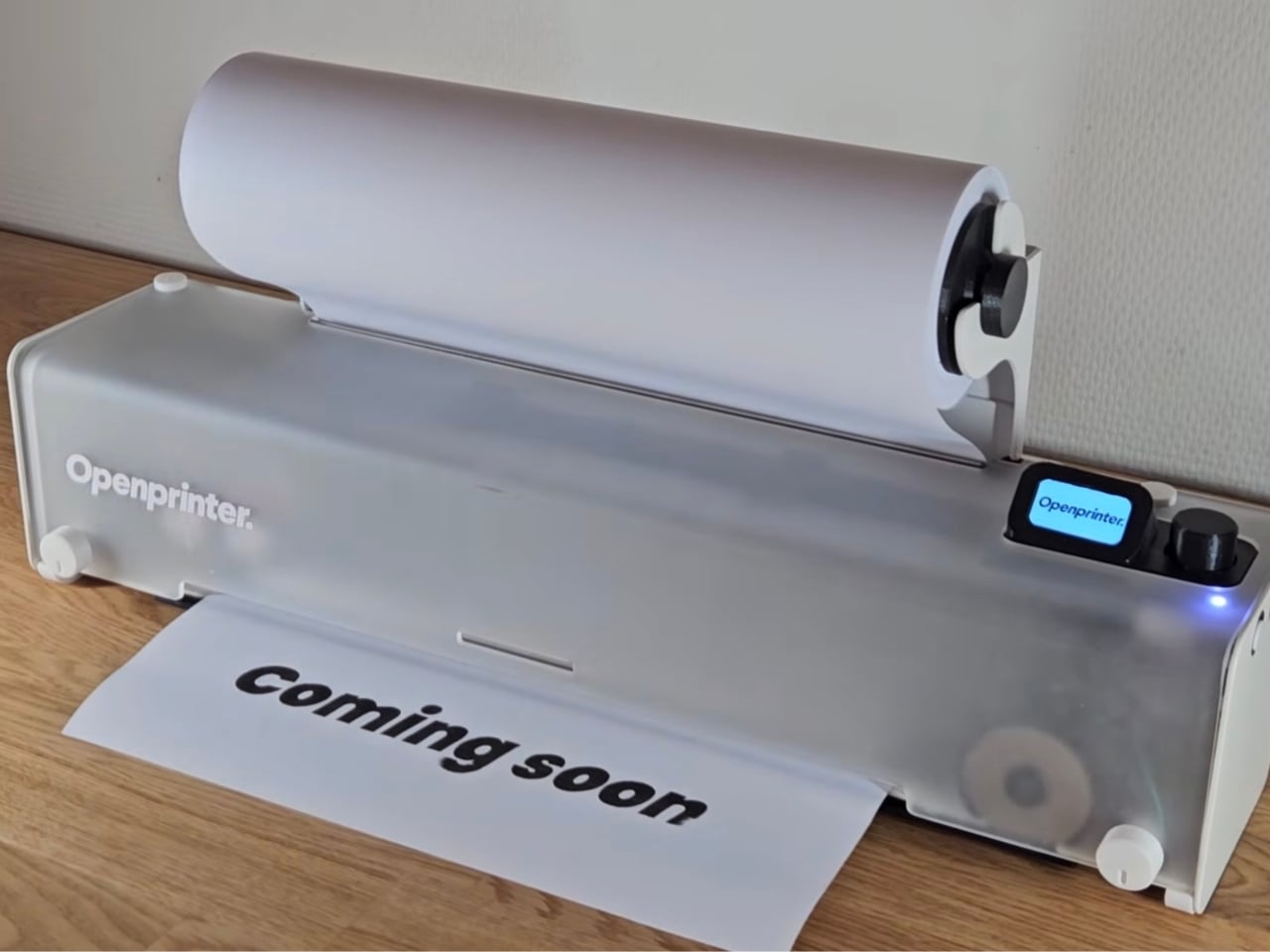
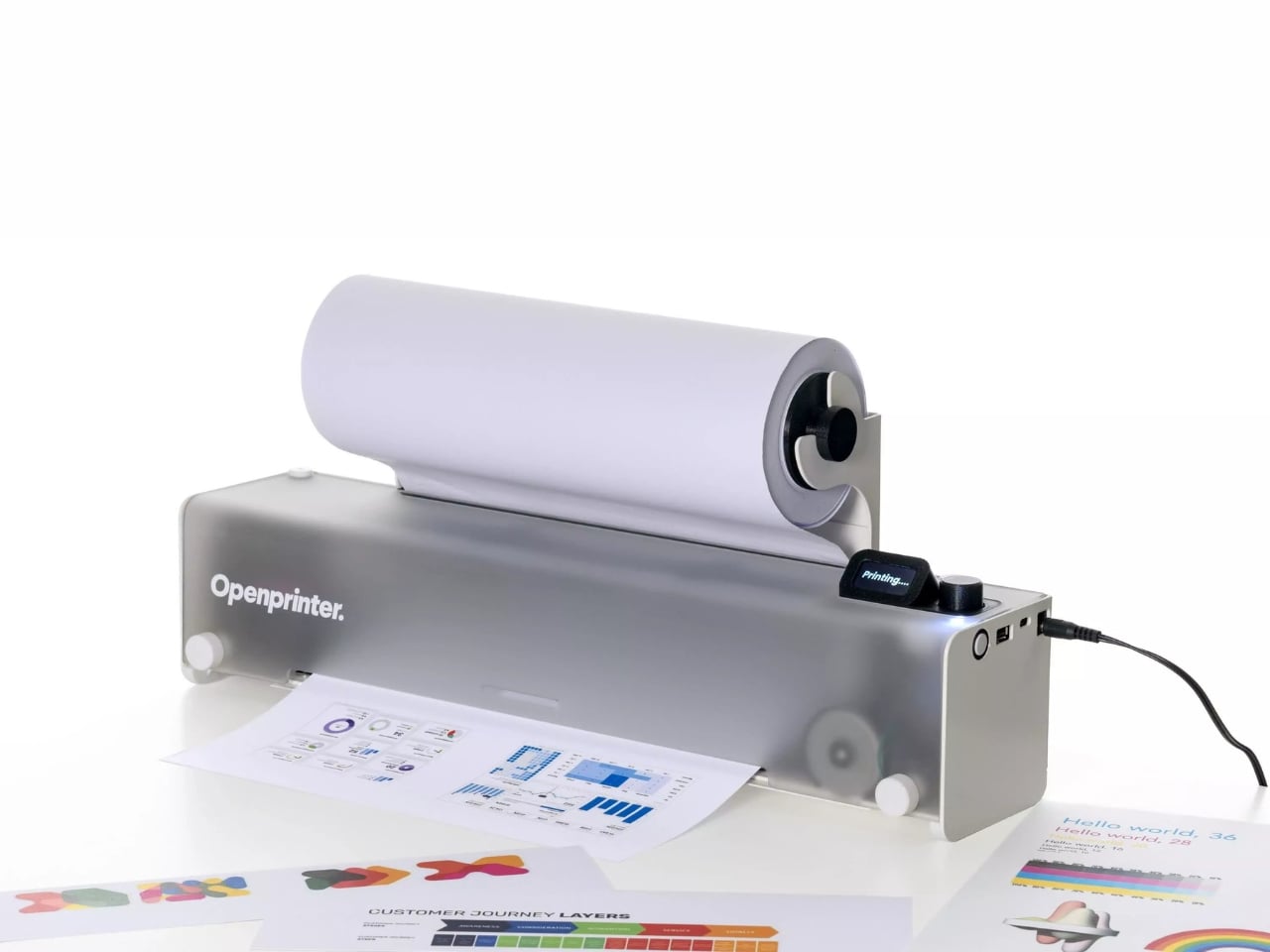
Nearly a year after Open Tools first introduced the idea, the Paris-based startup has released its first video of a working prototype of the Open Printer, a fully open-source inkjet that prints in both monochrome and full color. For a project that’s been generating buzz since its Crowd Supply debut in 2025, actually watching the thing print is a meaningful moment. Concepts are easy. Hardware is hard.
That said, the prototype arriving is only part of the story. Pricing hasn’t been confirmed, a shipping timeline hasn’t been locked in, and print speed figures are still undisclosed. So while the milestone is real, it’s also a reminder that the road from working prototype to finished product is rarely a short one. Still, the fact that the machine exists and functions is worth paying attention to, because what Open Tools is trying to do is genuinely unusual in a category that has spent decades doing the opposite.
Designer: Open Tools
Most of us have a complicated relationship with our printers. Not a love-hate situation so much as a hostage situation. The ink runs dry, and suddenly you’re buying a cartridge that costs more than the printer itself, only to get a pop-up warning that it’s been chipped to stop you from refilling it. It is, when you think about it, a strange arrangement to just accept. And yet, for decades, we have.
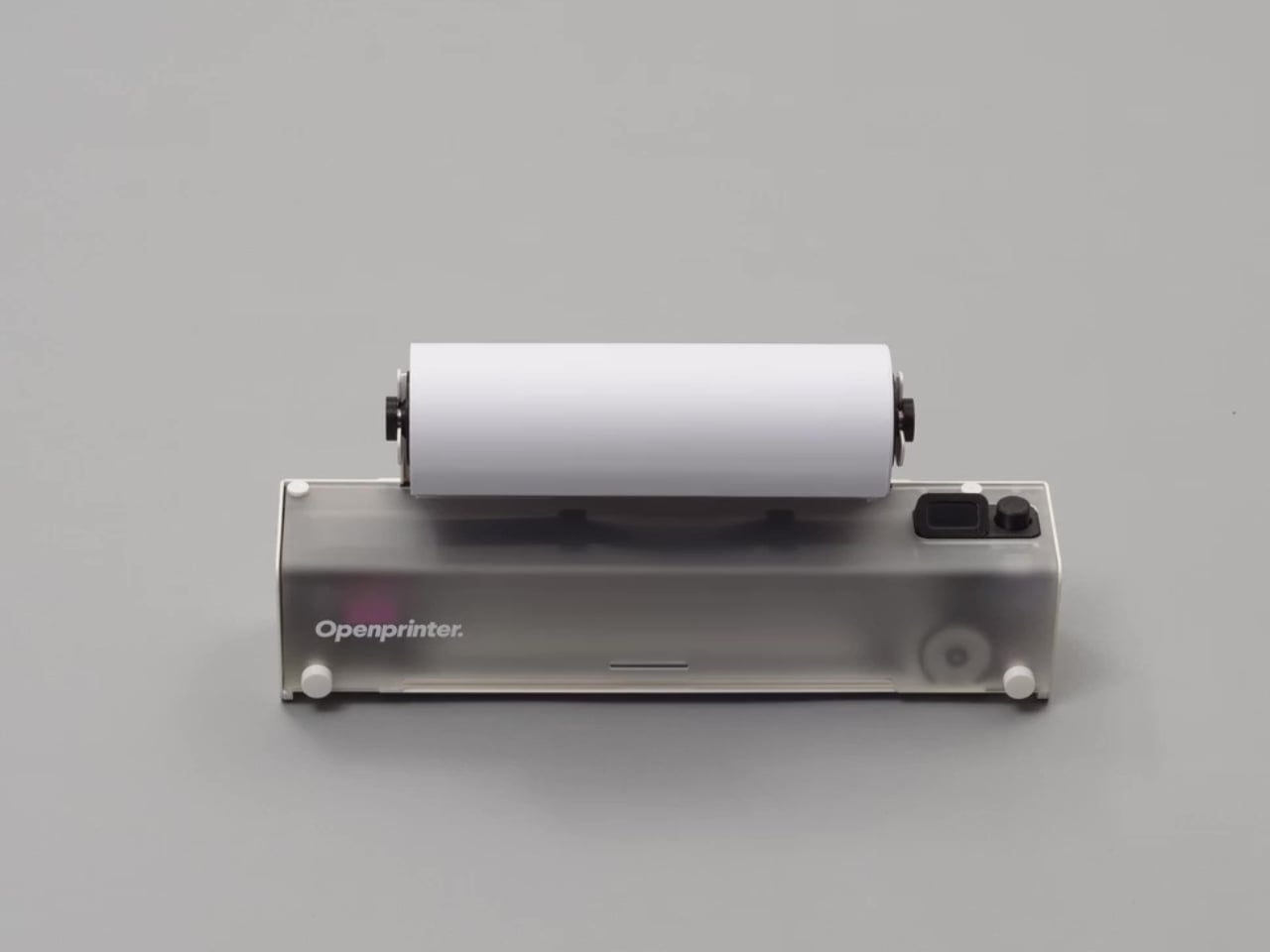
The Open Printer is built as a direct response to that. No proprietary drivers. No cartridge DRM locking you to a single brand. No subscription fees or ink-monitoring systems quietly draining your wallet. It runs on a Raspberry Pi Zero W, uses refillable HP cartridges with no digital restrictions attached, and connects to Windows, macOS, Linux, Android, and iOS through CUPS, an open-source print server. The whole point is that once you own it, you actually own it.
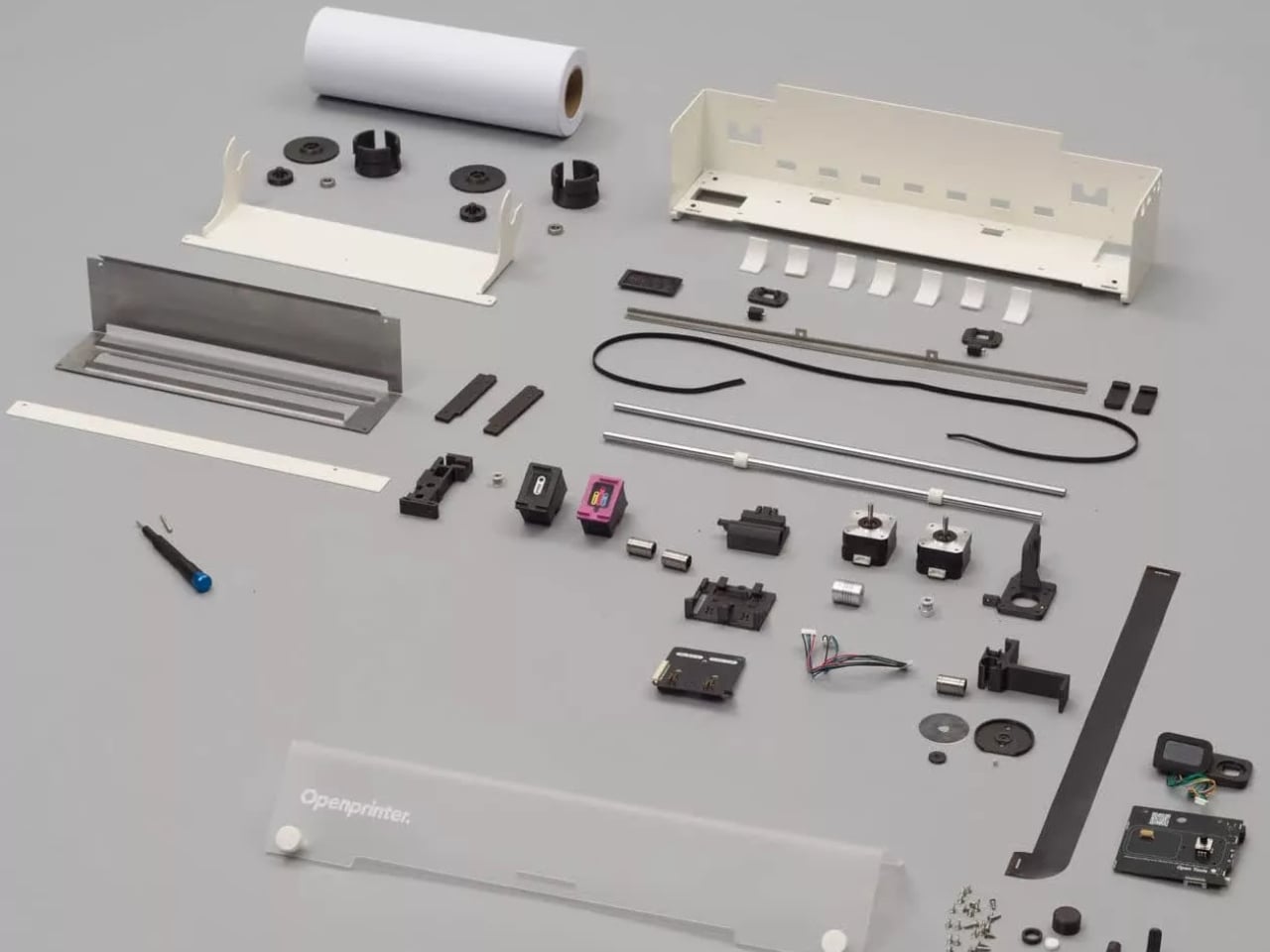
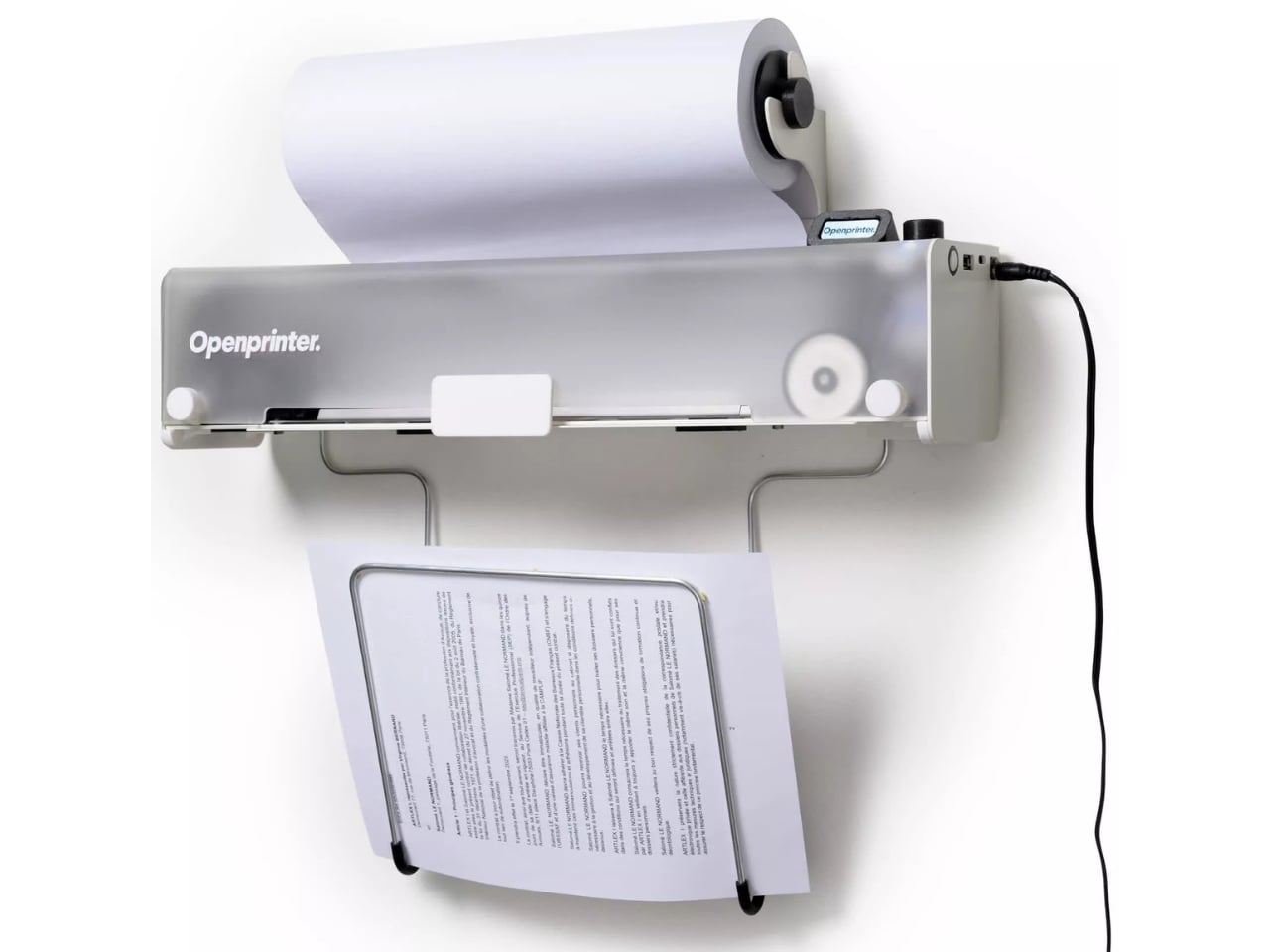
The design has a refreshingly honest quality to it. It’s modular, built from standard mechanical components, and comes either as a self-assembly kit or pre-assembled. It can sit on a desktop or mount to a wall. You can even 3D print custom parts and choose from different color finishes. These feel like small details, but they collectively signal something: the people behind this actually considered the user as someone with preferences and agency, rather than a recurring revenue stream.
Open Tools has released the project under Creative Commons BY-NC-SA 4.0 licensing, which means you can use, share, and modify it freely for non-commercial purposes. There has been debate in open-source communities about whether this fully qualifies under the strictest definitions of “open source,” and that’s a legitimate conversation. The non-commercial clause does limit what some users can do with it. But for a hardware startup trying to build something sustainable while keeping it genuinely accessible, the approach is at least pointed in the right direction. The project has also been nominated for a French Design Award in two categories, which suggests the idea is resonating well beyond just the maker community.
Printing might feel like a solved problem, so mundane it barely registers as a design category worth getting excited about. But the fact that it has become so reliably frustrating and expensive is itself a design failure, one that’s been normalized so gradually that most people stopped questioning it. We just assumed that’s what printers are.
The working prototype doesn’t change the industry overnight, and there are still plenty of unknowns before anyone can actually order one. But it does prove the concept is more than a crowdfunding pitch. For a project asking people to imagine a printer that works for them instead of against them, that’s not nothing.