Let’s be honest, phones virtually look the same with no major design innovation, or for that matter, even hardware progression that would turn eyeballs. The improvements have plateaued and mostly arrive in small increments wrapped in loud marketing jargon to drive sales. So, do we actually own a phone with features that we genuinely desire? Not quite.
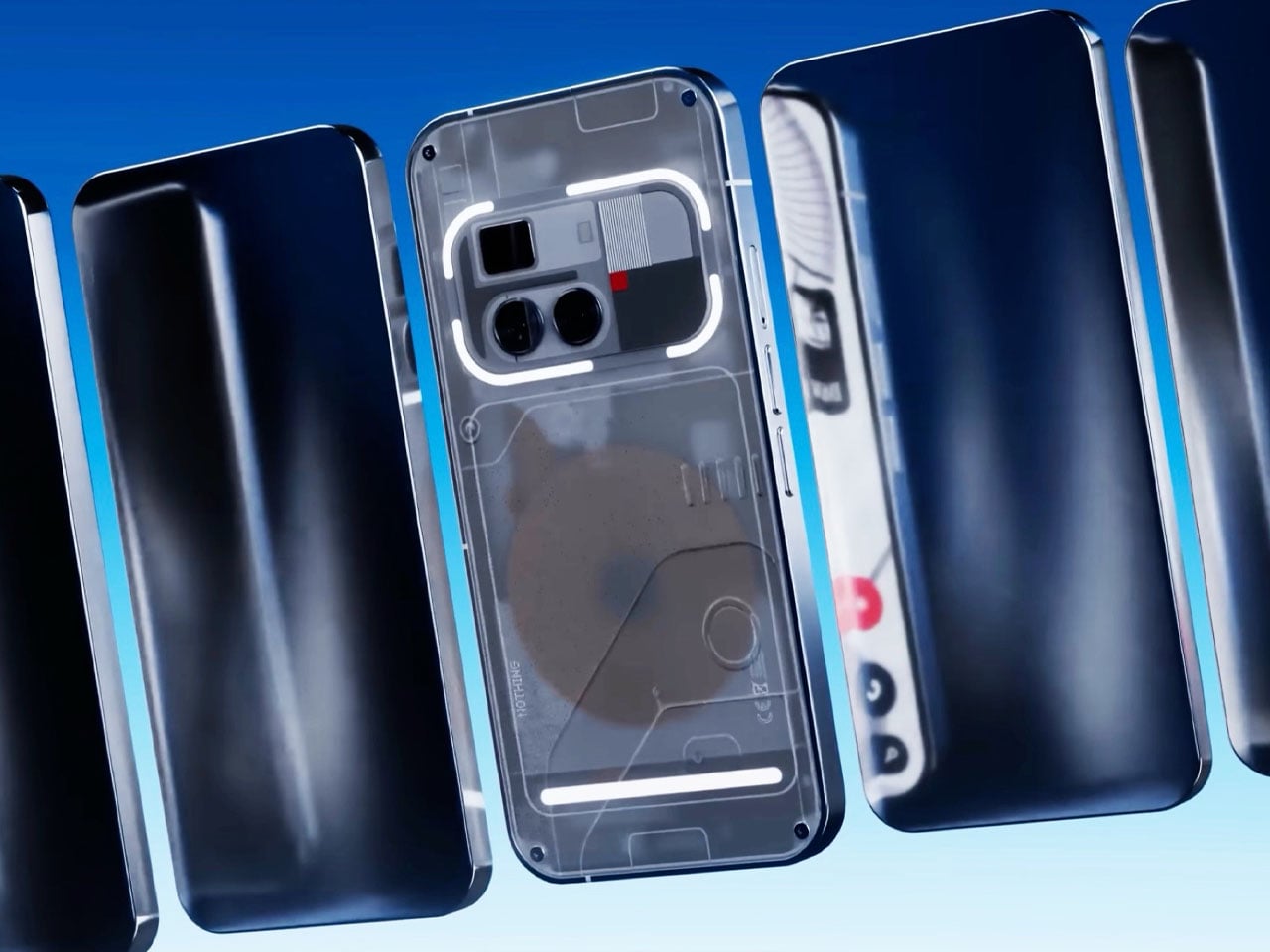
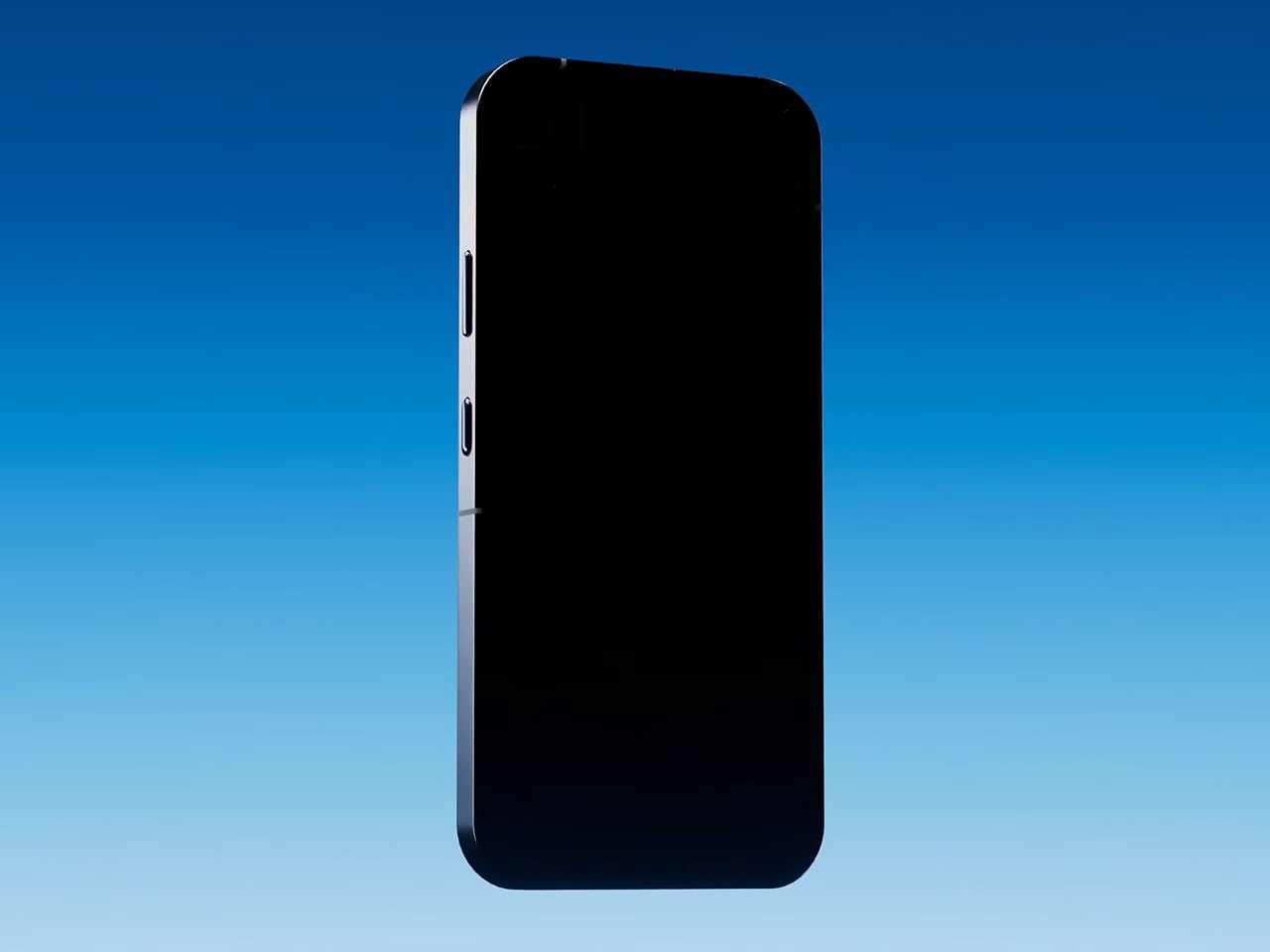
For that very reason, Nothing set out on a design experiment to craft a smartphone that reflects what fans actually want in their daily driver. This isn’t the first time the company has explored such an idea. Last year, it collaborated with MKBHD and JerryRigEverything on community-inspired Dream Phone concepts. This time, however, Nothing turned to its broader user base, gathering suggestions from enthusiasts and longtime smartphone fans to create what it calls the ultimate “Dream Phone.”
Designer: Nothing
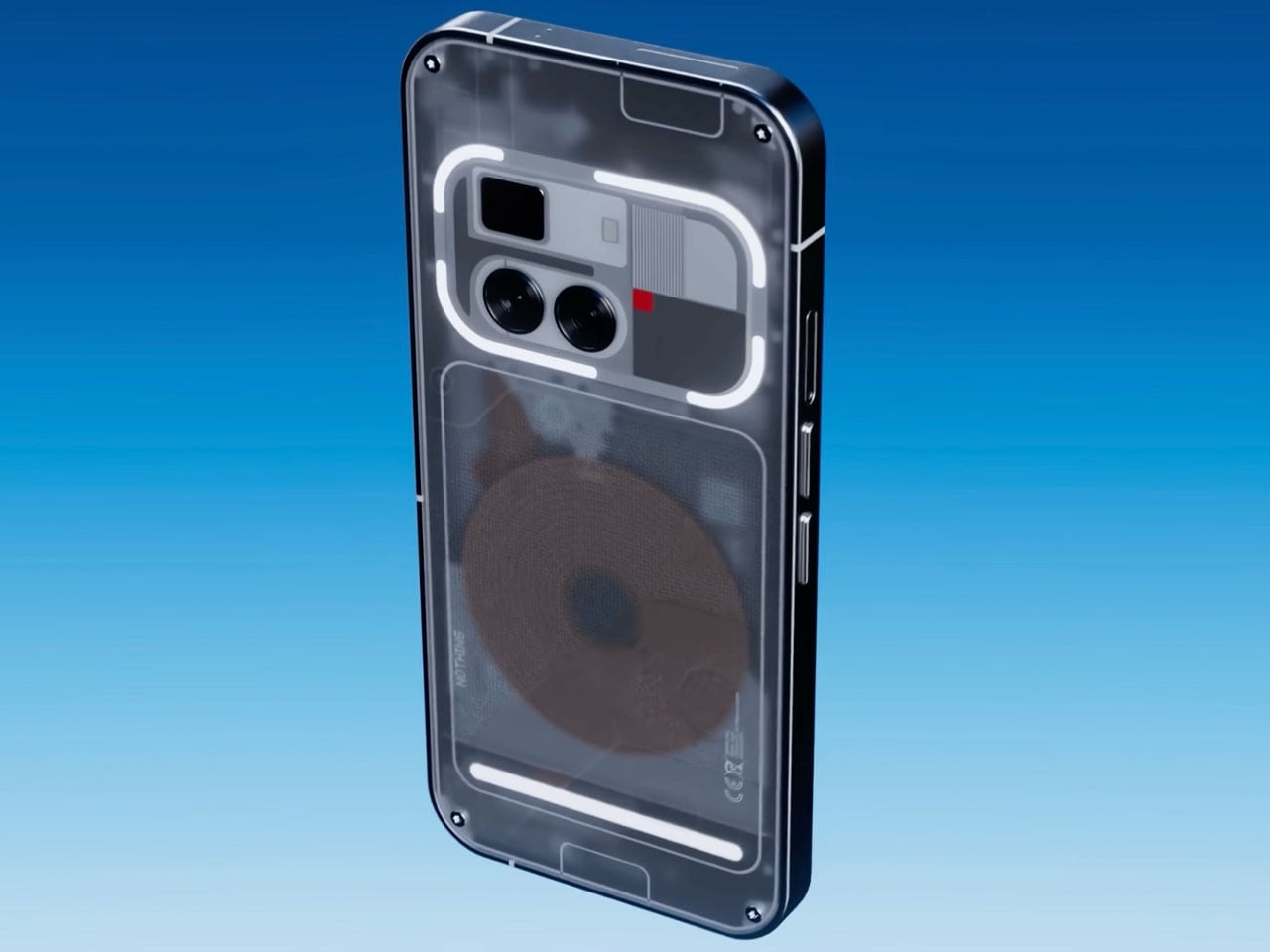
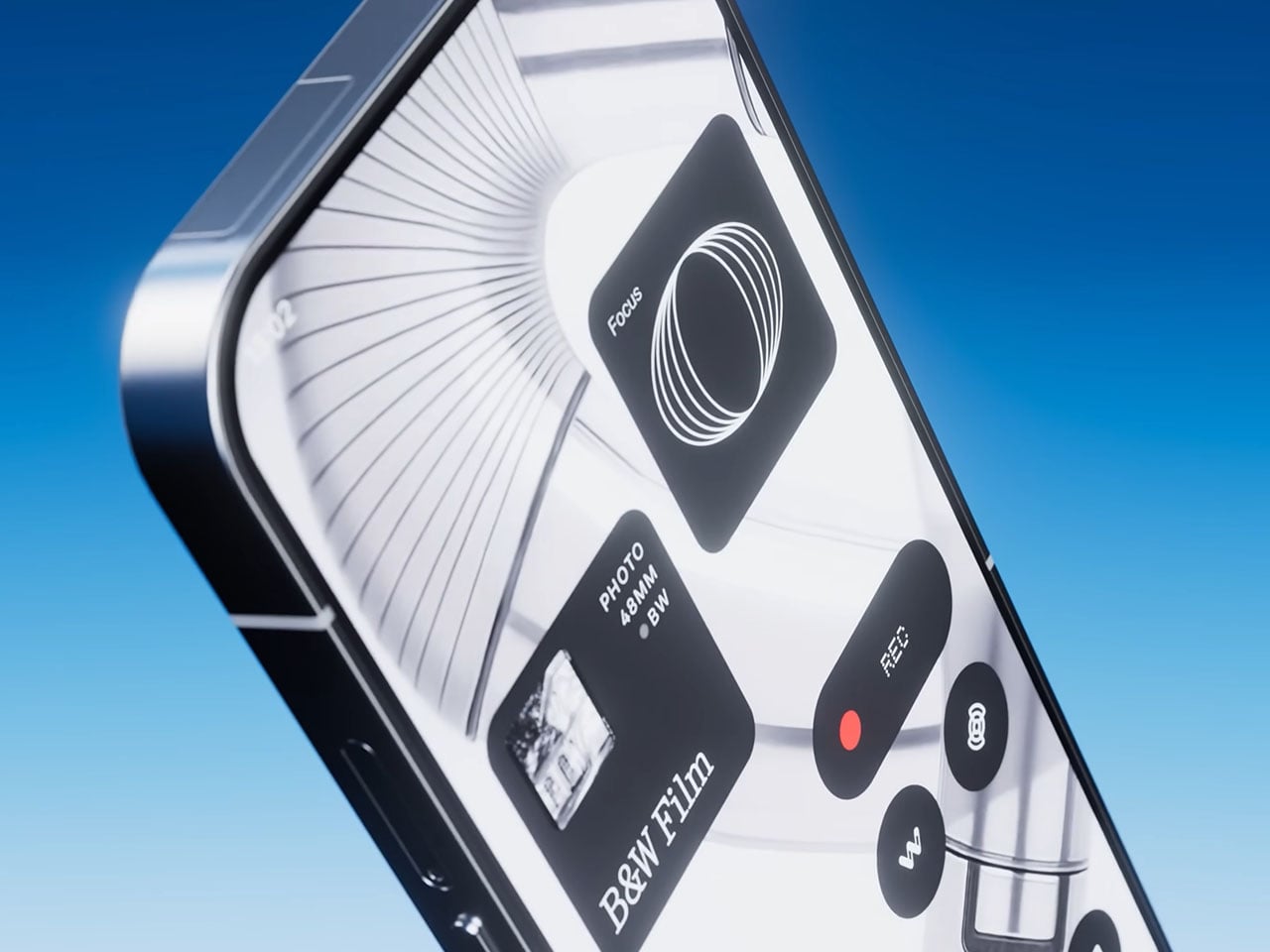
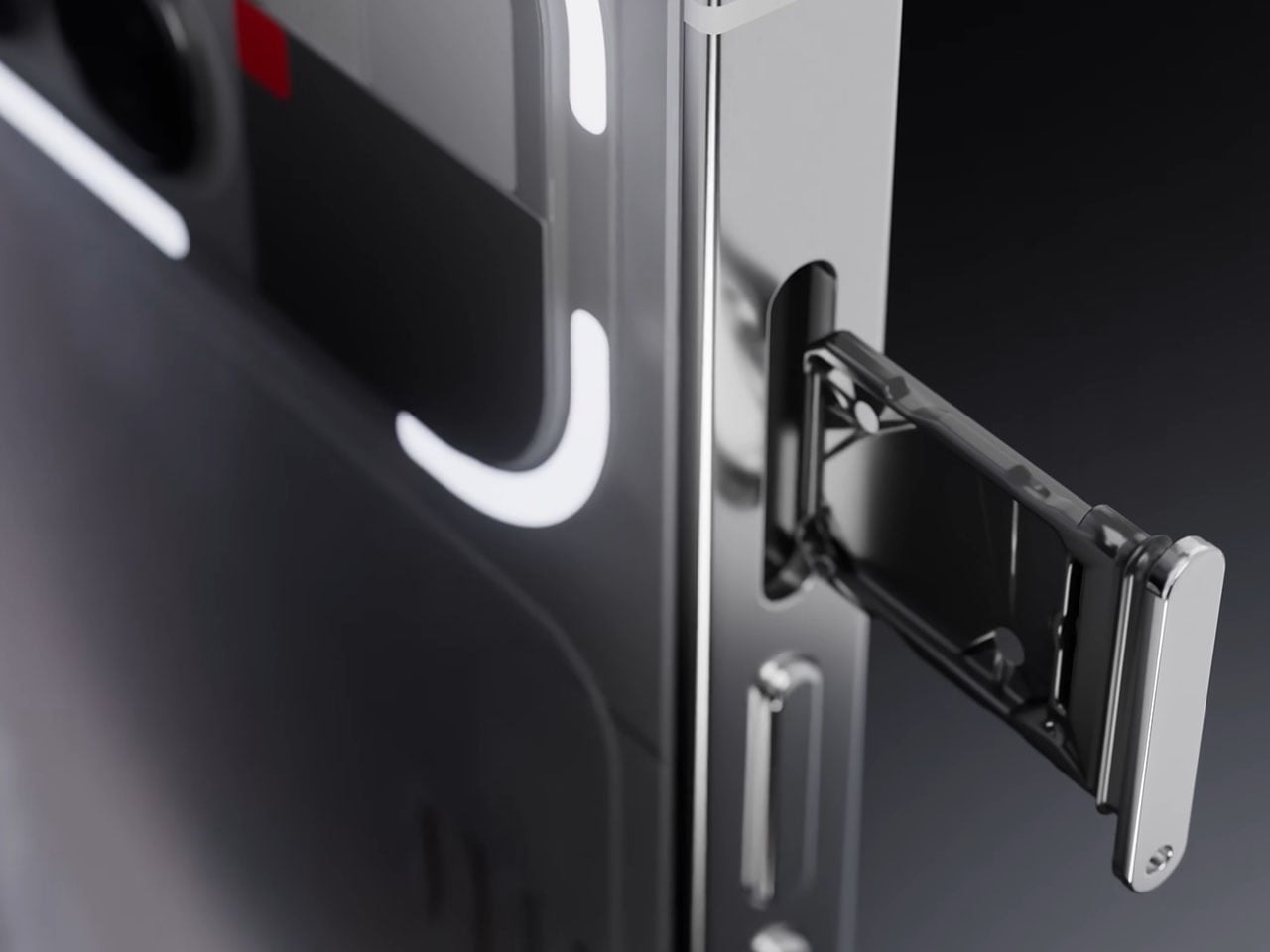
Community feedback also brought back features that have largely disappeared from flagship devices. The concept includes a 3.5mm headphone jack and a dedicated microSD card slot, two additions frequently requested by users who value flexibility and long-term usability. While manufacturers have largely abandoned expandable storage and wired audio, Nothing’s exercise highlights that demand for these features still exists among enthusiasts.
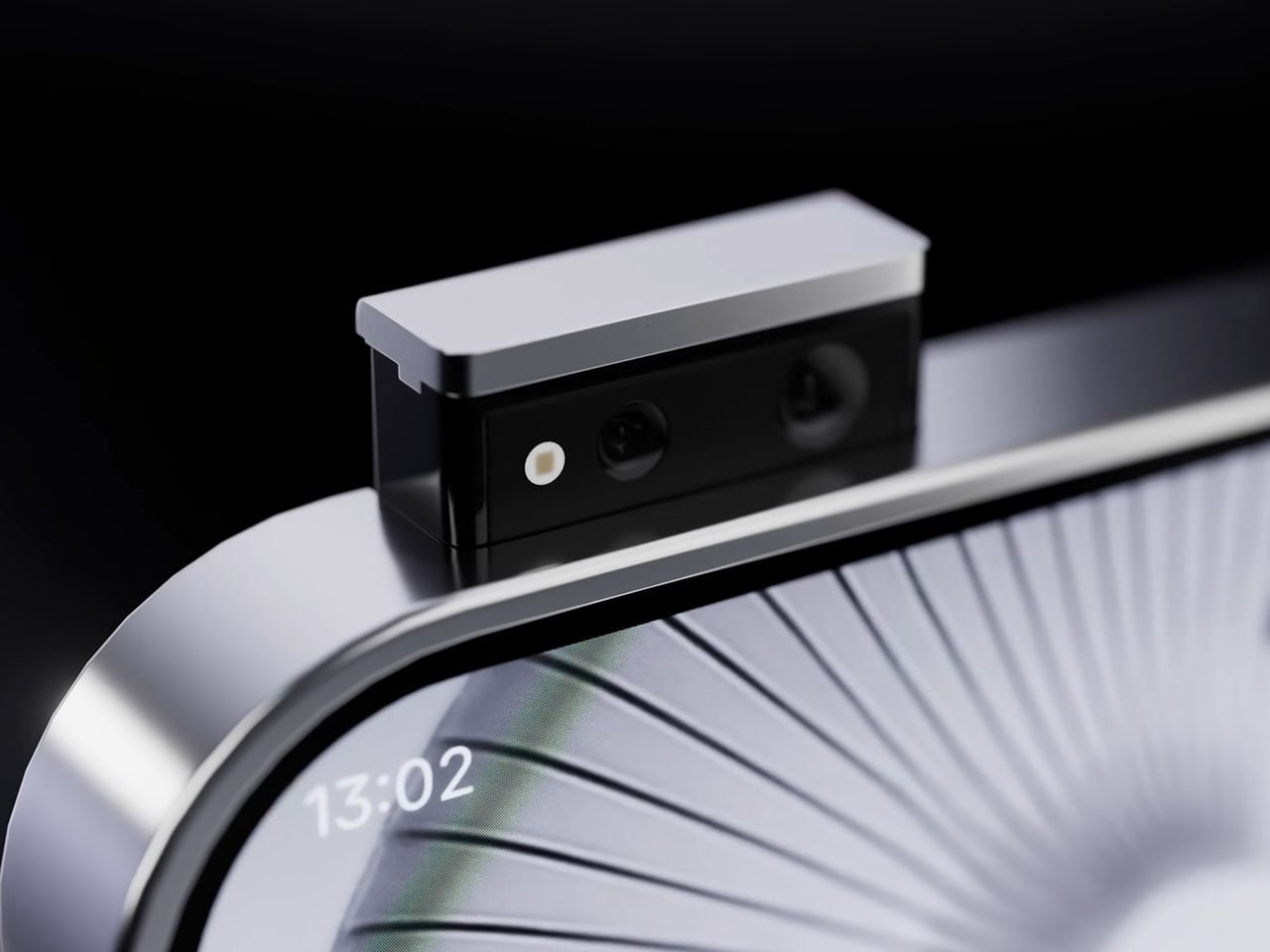
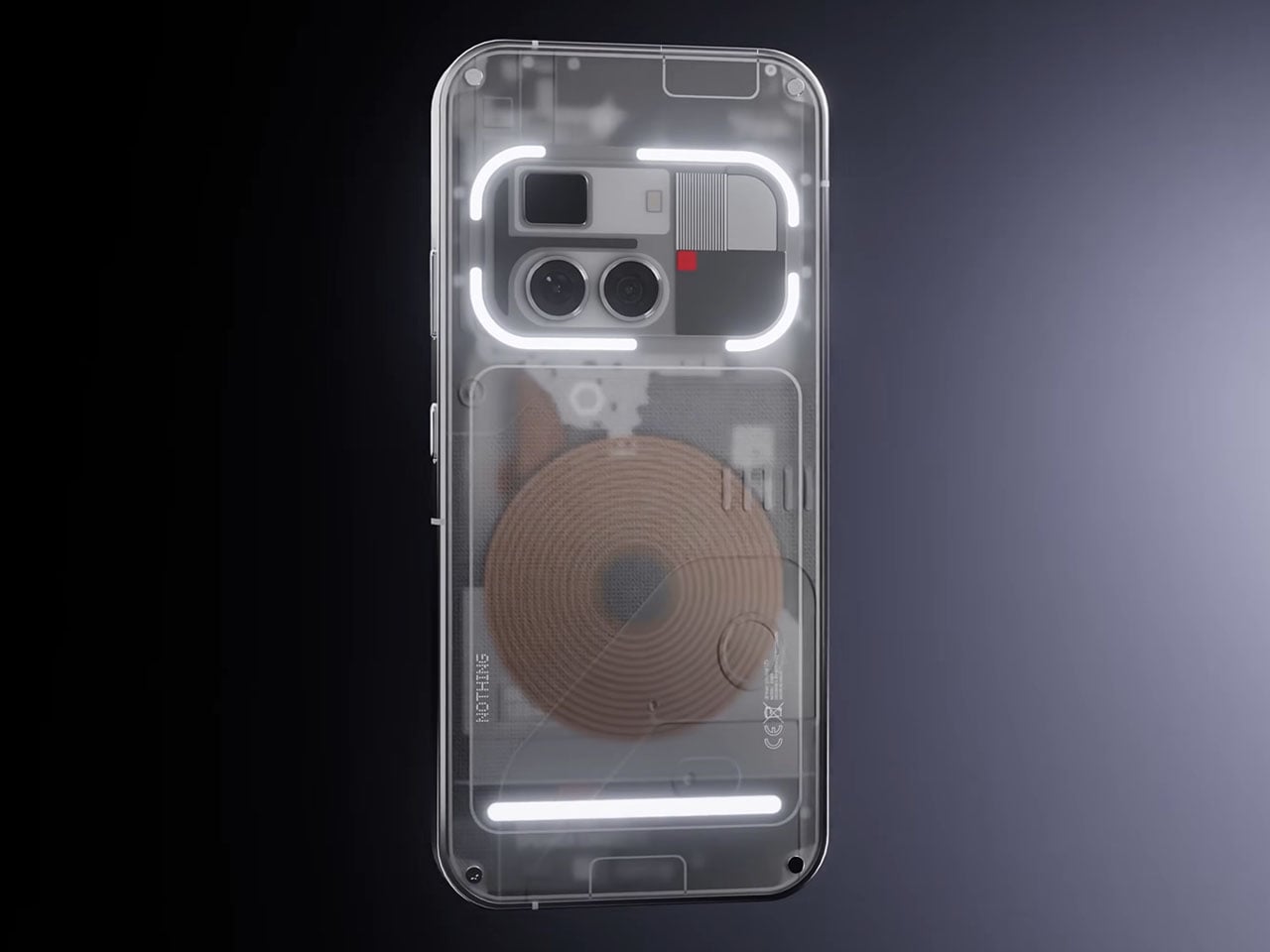
One of the most interesting design choices is the elimination of both the display punch-hole and the protruding camera bump. To achieve an uninterrupted screen experience, the Dream Phone uses a pop-up selfie camera system that houses dual front-facing cameras. The rear camera arrangement sits flush with the body, creating a completely flat back that avoids the wobble commonly associated with modern smartphones. Beyond aesthetics, the design also touches on privacy, as the pop-up mechanism provides a visible indication when the front camera is active.
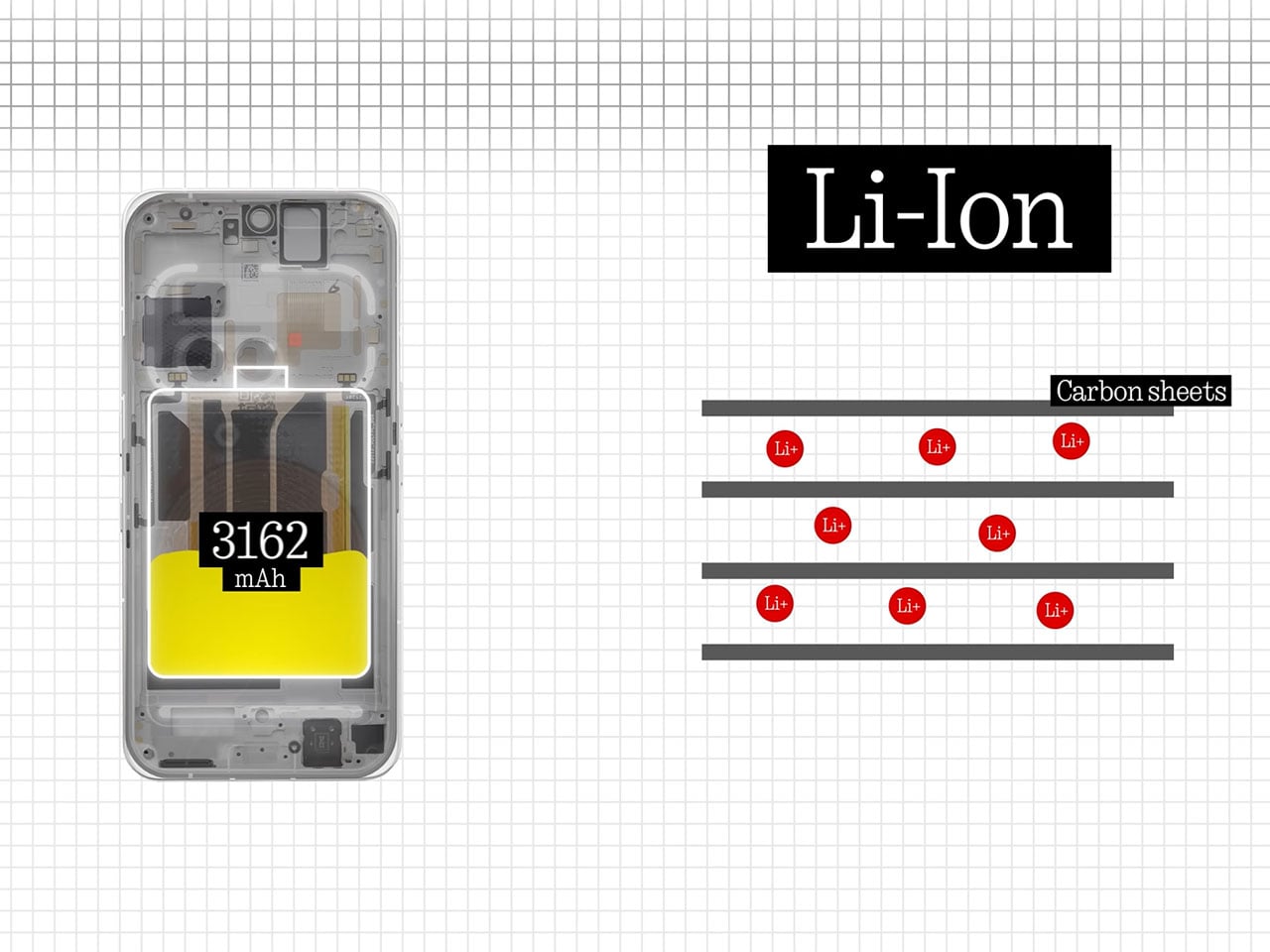
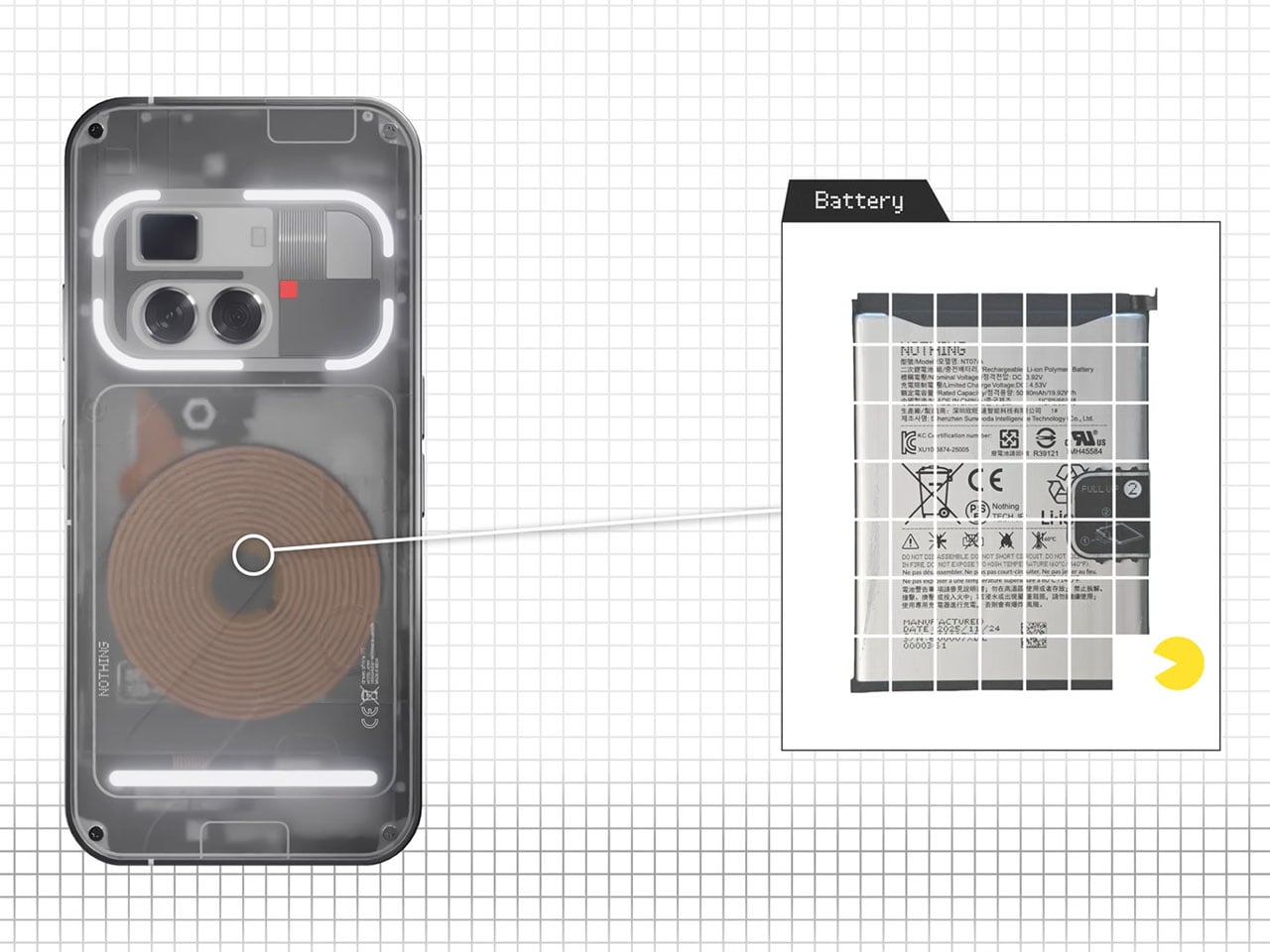
The project also explores the engineering compromises required to build such a device. According to Nothing, shrinking the phone while retaining fan-requested features significantly limits internal space. The company explained that maintaining a slim profile would force sacrifices in areas such as processing power, display quality, and biometric hardware. Instead, the concept adopts a slightly thicker chassis, allowing room for a 3,800mAh silicon-carbon battery and the additional hardware requested by the community.
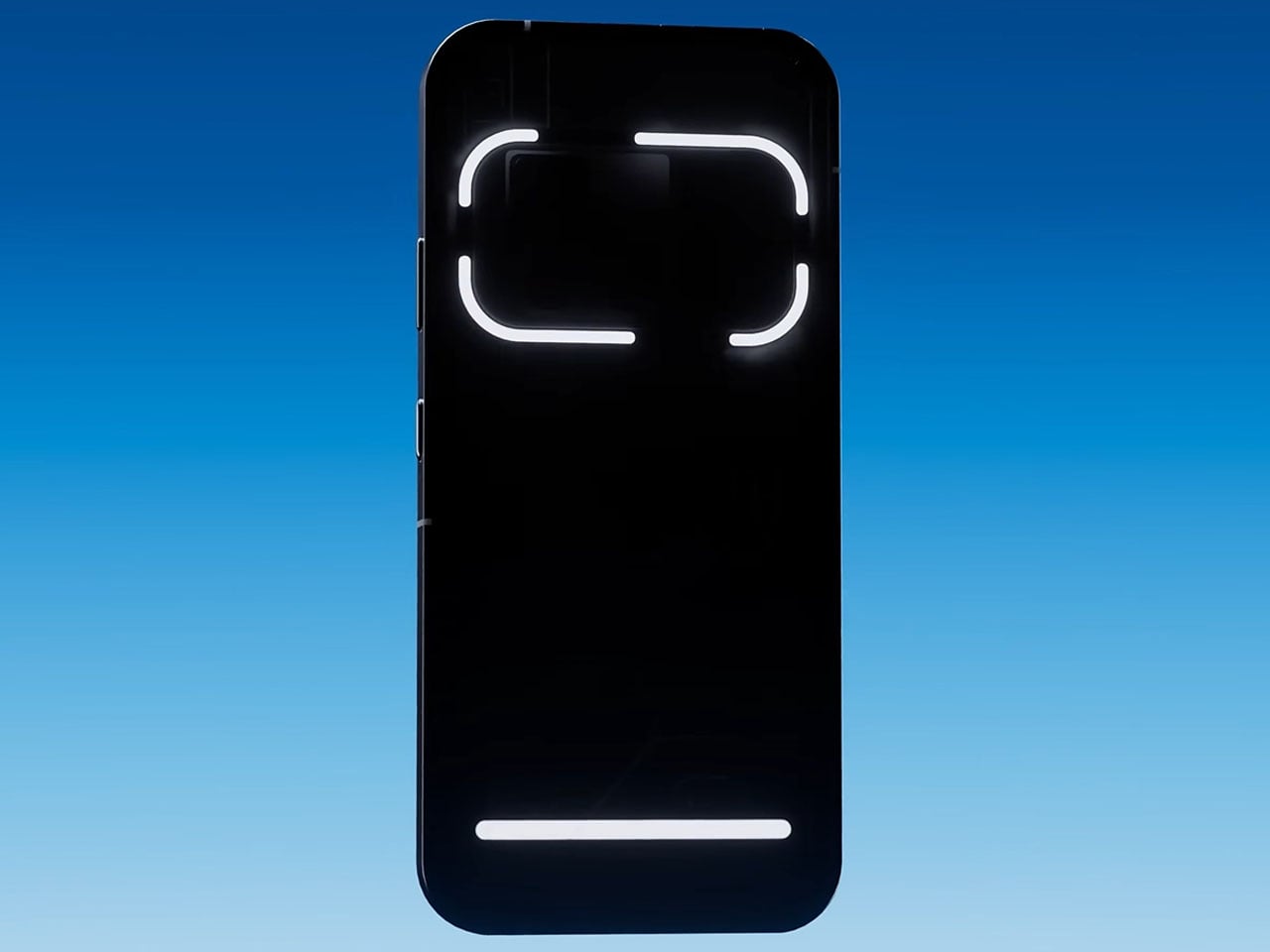
Another unusual idea discussed during the concept’s development was reducing software restrictions. The Dream Phone imagines a device with minimal pre-installed software and maximum user control, reflecting ongoing conversations around bloatware and device customization.
As appealing as the concept may be, Nothing has made it clear that the Dream Phone is not headed for production. It remains a design exercise intended to visualize what a community-driven smartphone could look like when user wishes take priority over mainstream market trends. Still, the overwhelmingly positive reaction demonstrates that many consumers are eager for devices that prioritize practicality, individuality, and thoughtful design over spec-sheet competition. Whether or not this exact phone ever becomes reality, the Dream Phone serves as a reminder that some of the most desired smartphone features are not necessarily the newest ones; they are the ones people genuinely miss!
SHARE