Caring for elderly residents in a facility setting is one of the most demanding jobs in healthcare. Staff are stretched thin, emergencies don’t follow schedules, and the systems many facilities still rely on, from paper logs to fragmented call tools, create gaps that can have serious consequences. As populations age faster than care infrastructure can keep up, the pressure on care workers and the systems they depend on keeps mounting.
That’s the challenge Kando was designed around. Rather than layering another standalone app or device onto an already crowded workflow, it takes the form of three integrated hardware components that work together as a single connected care system. The pieces include a wearable button for residents, a wall-mounted box for the room, and central communication hubs that link the entire facility.
Designer: Futurewave
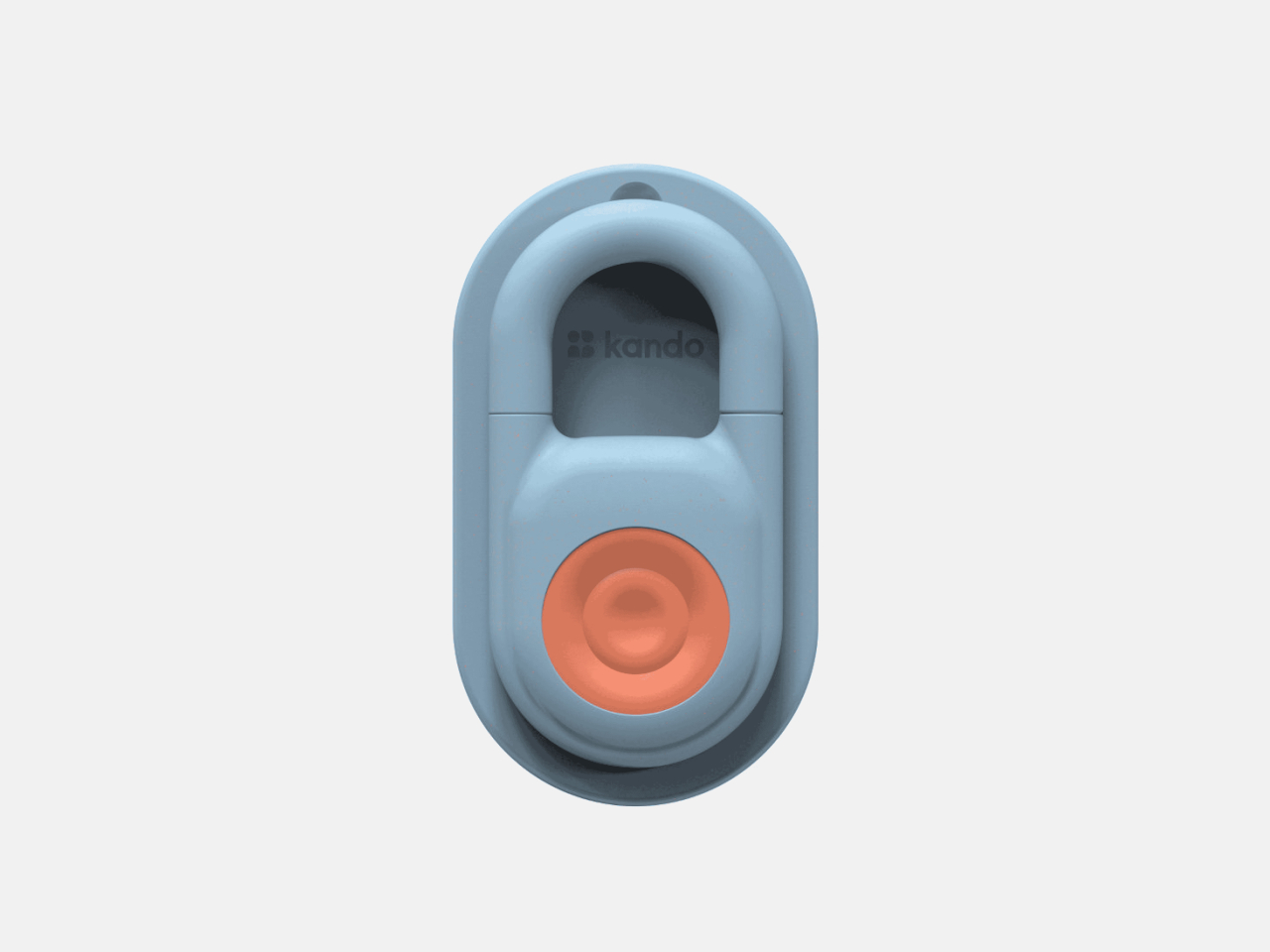
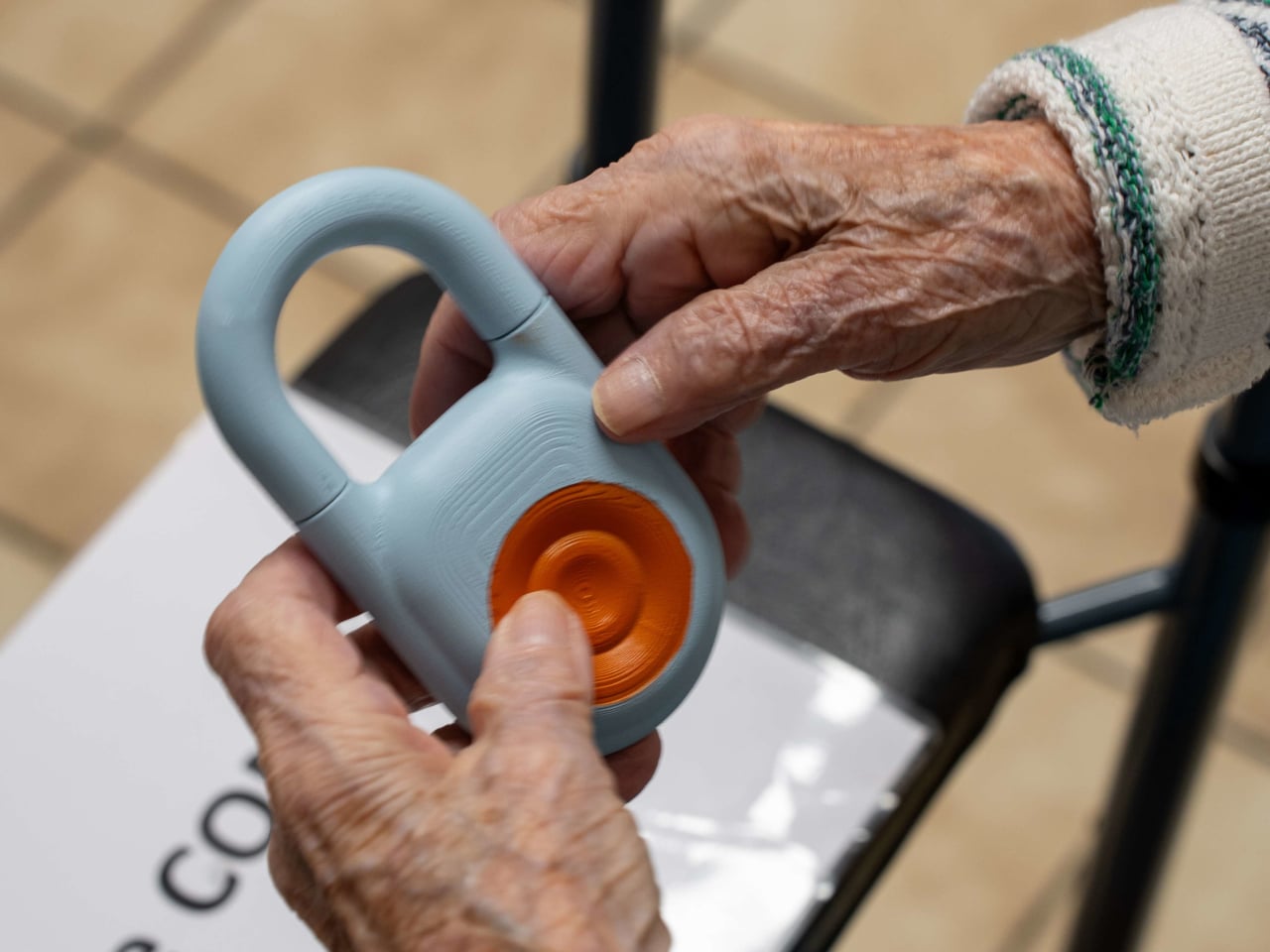
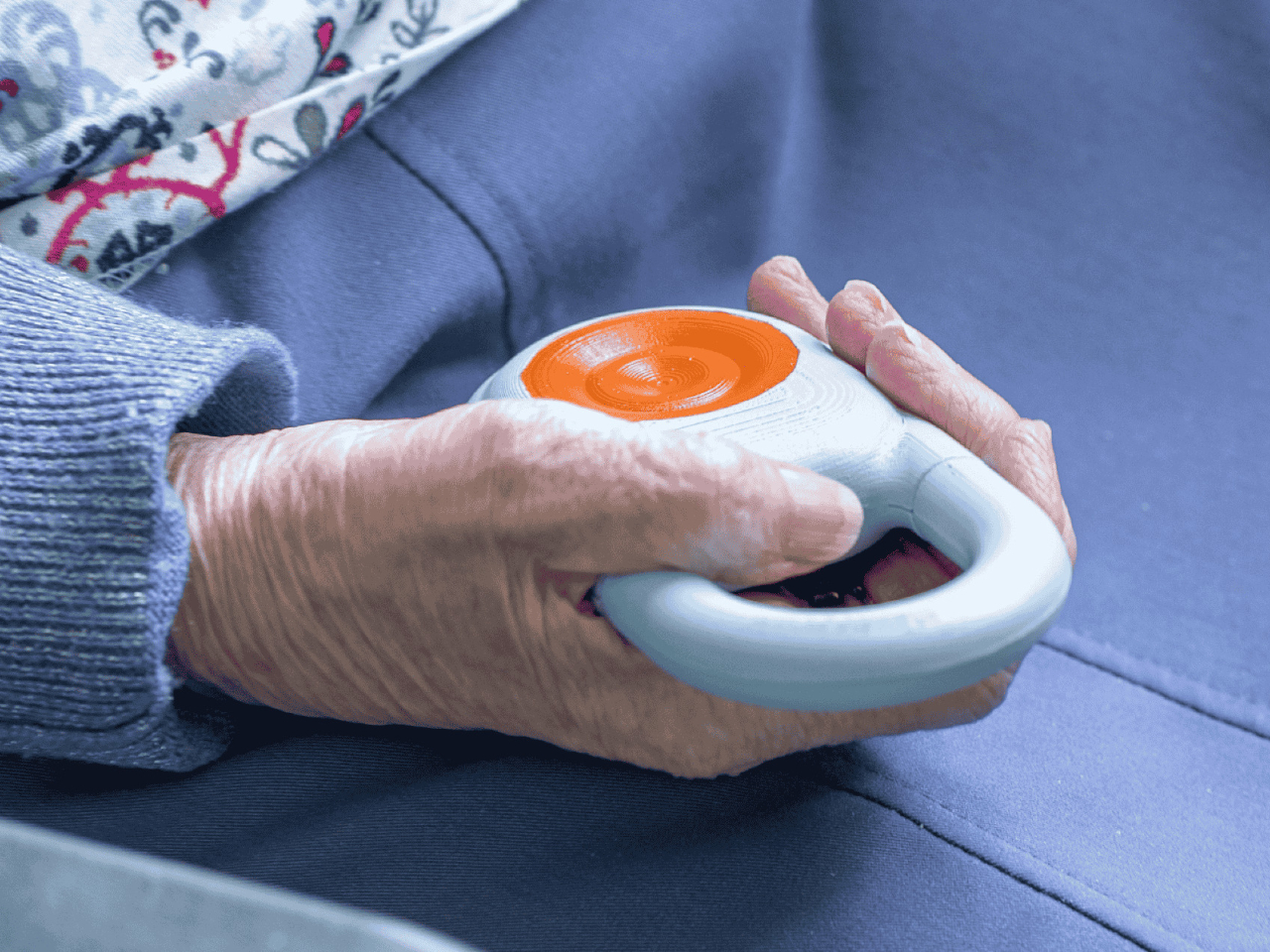
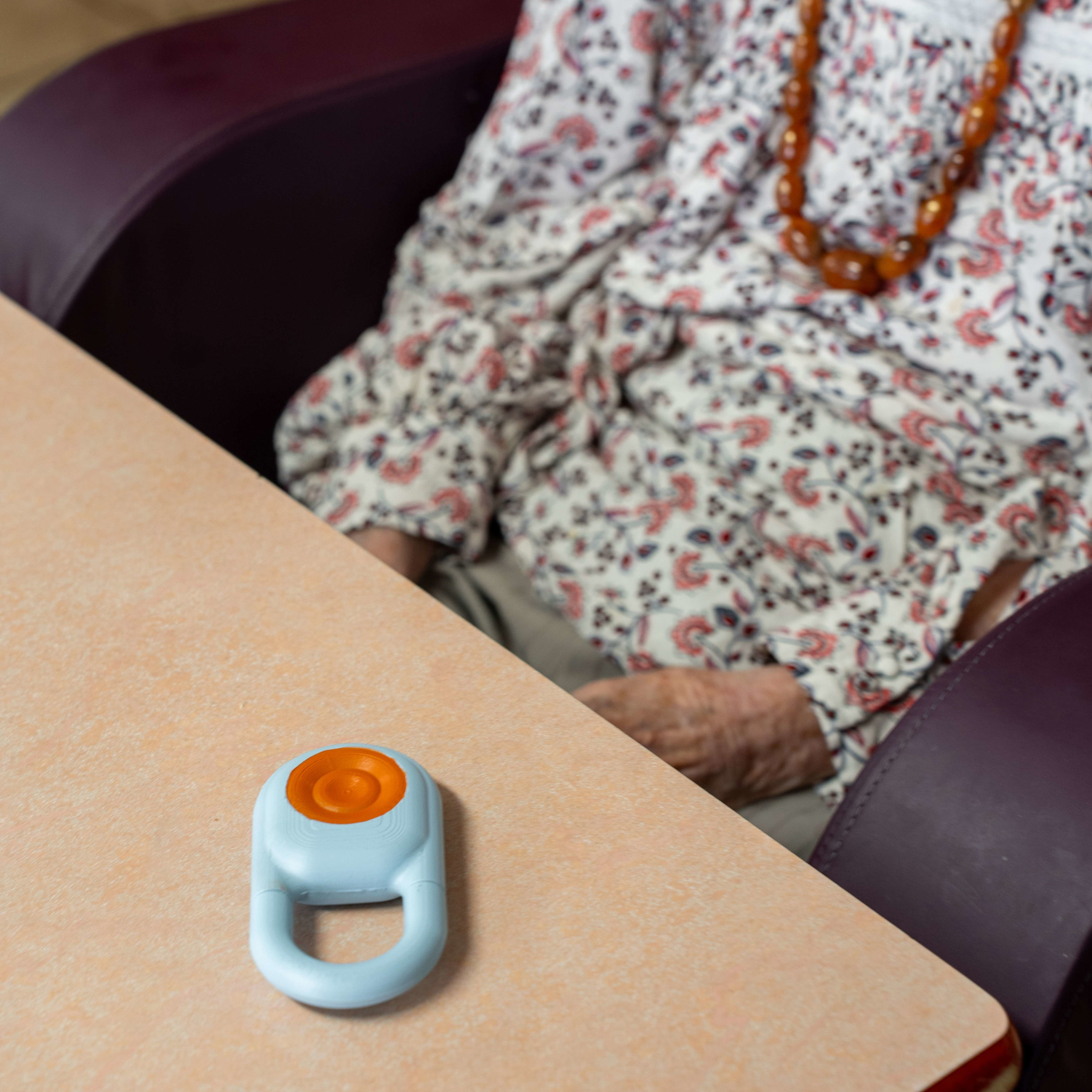
At the heart of the system is the Kando Button, a small wearable device that a resident clips onto their clothing or bed. It’s designed for simplicity: one touch triggers a request for help, confirmed immediately through both LED feedback and vibration, so the resident knows the signal went through. For someone who’s suddenly unwell or in distress, that instant confirmation matters.
Complementing the Button is the Kando Box, a wall-mounted unit that connects to the television already present in the resident’s room. Rather than adding a separate screen or terminal, it turns the TV into a visual communication interface between the resident and the care team. It’s a practical choice that keeps the environment familiar and avoids adding yet another unfamiliar device to the room.
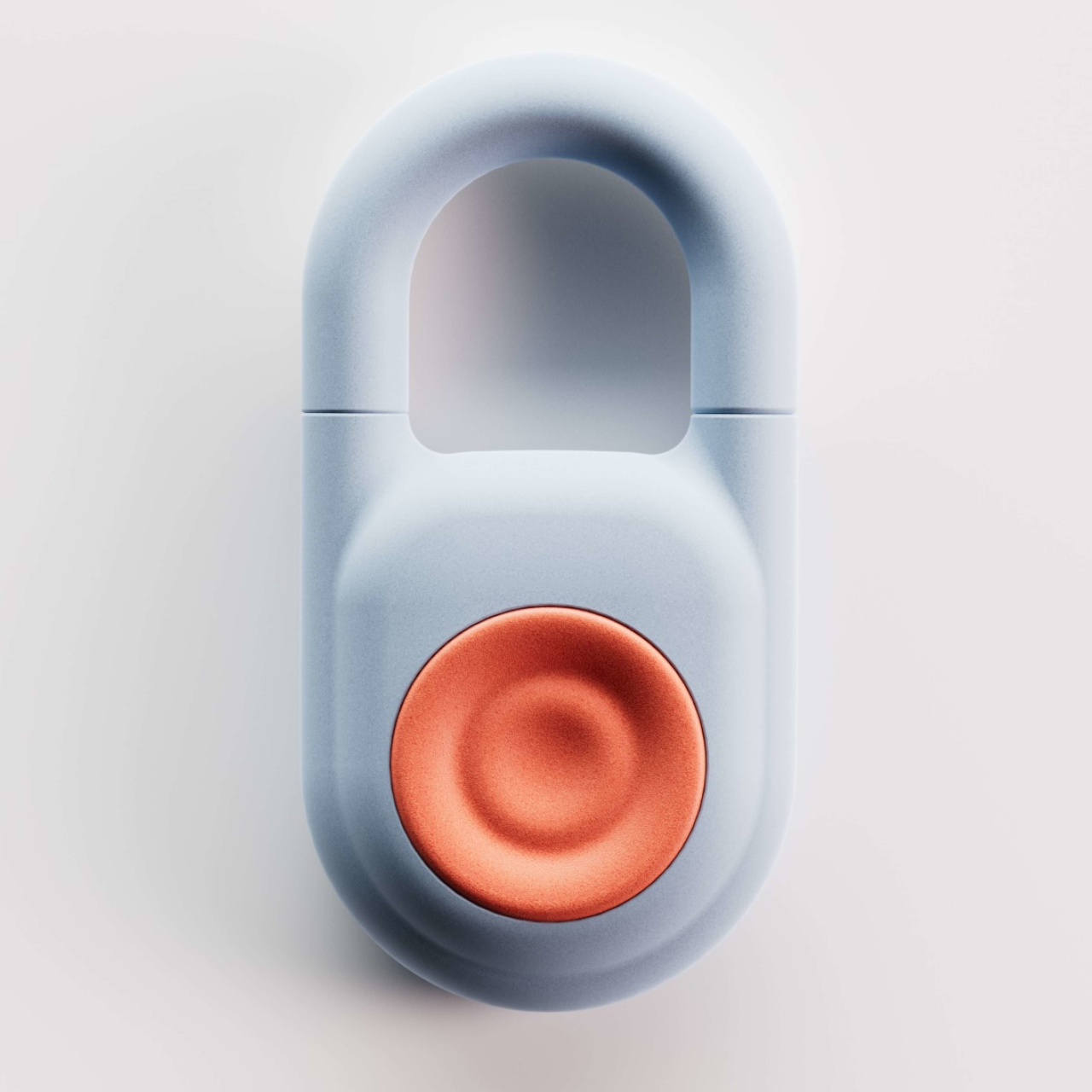
Central hubs tie everything together, coordinating communication across the entire facility so that alerts don’t get lost between shifts. When a resident presses the Button, the information travels through a connected network rather than relying on a single staff member to notice and relay it. This end-to-end connection is what makes Kando a system rather than a collection of separate devices.
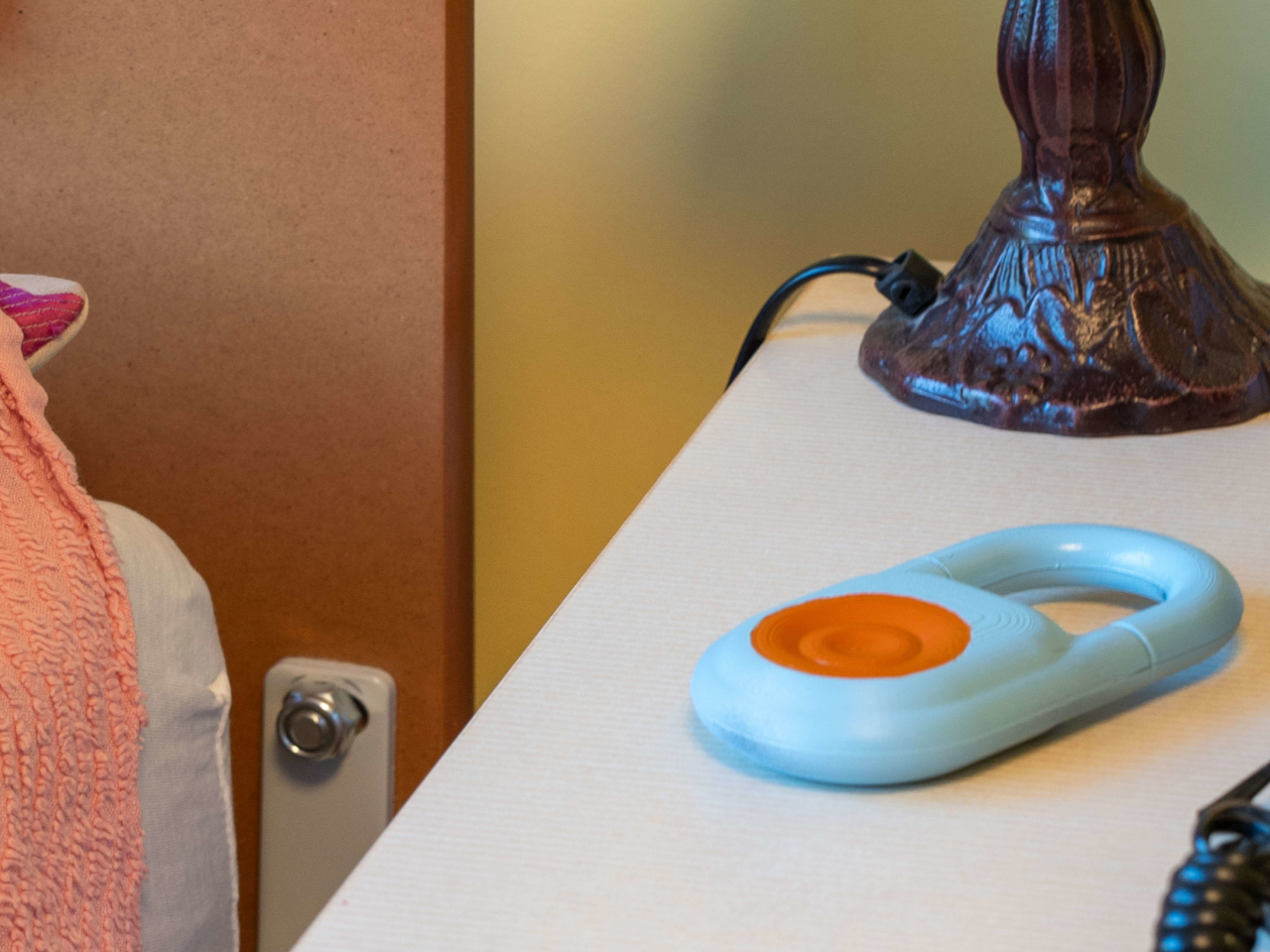
The practical outcomes add up for a facility dealing with dozens of residents and a care team that can’t be everywhere at once. Response times shorten. Paper-based documentation gives way to digital records, and over time, the operational costs tied to manual processes start to fall. For administrators, that combination of speed, accuracy, and efficiency is a genuinely compelling case.
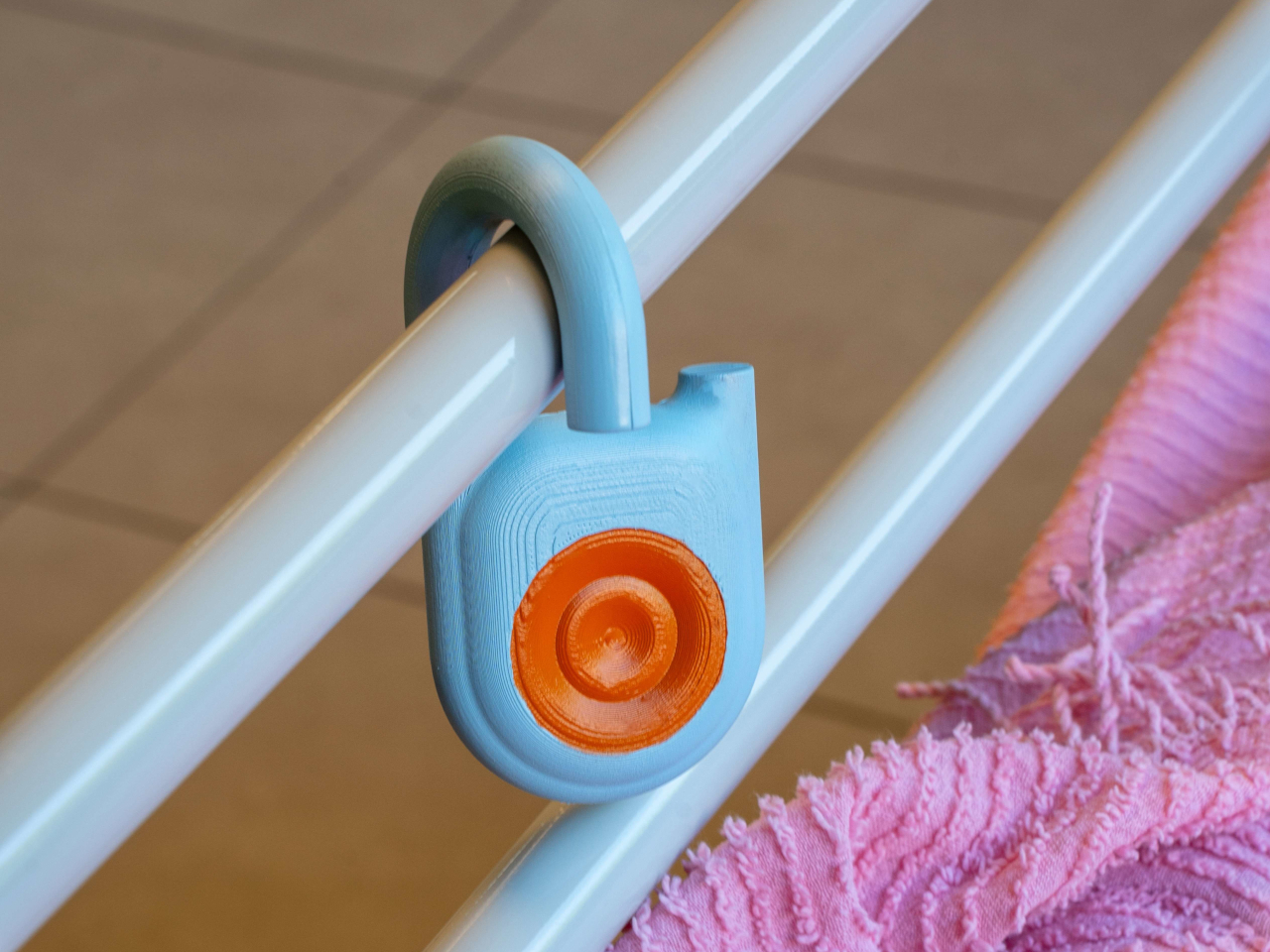
What’s also worth noting is that Kando wasn’t designed with clinical functionality alone in mind. Every hardware decision carried a human weight too: it had to feel familiar and manageable in the hands of an elderly resident, not intimidating or cold. Medical technology often prioritizes technical function over the experience of the person it’s meant to serve, and this system tries to close that gap. The result is a system that clearly took the realities of a care environment seriously, not just from a technical standpoint but from a genuinely human one.
SHARE