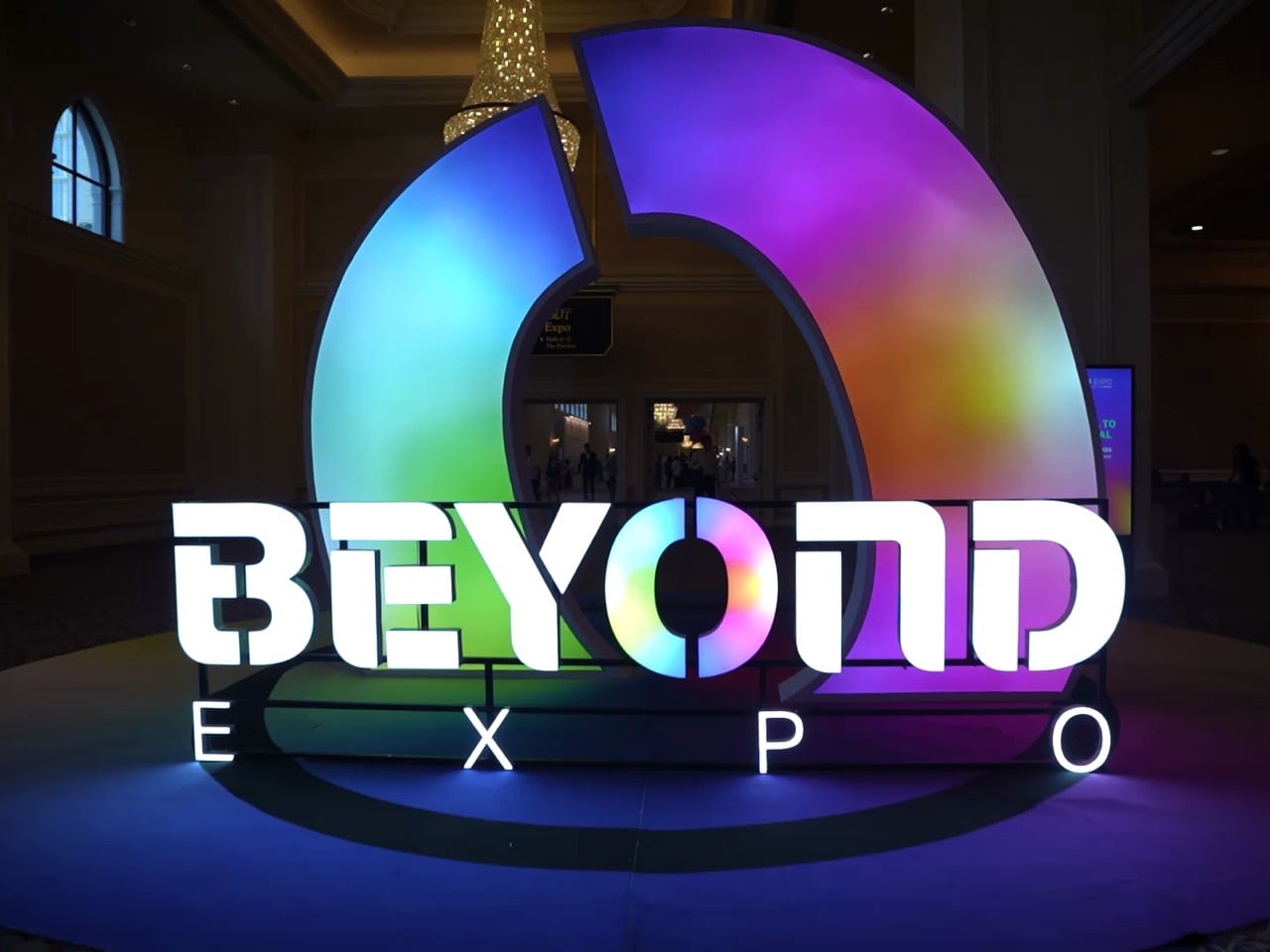
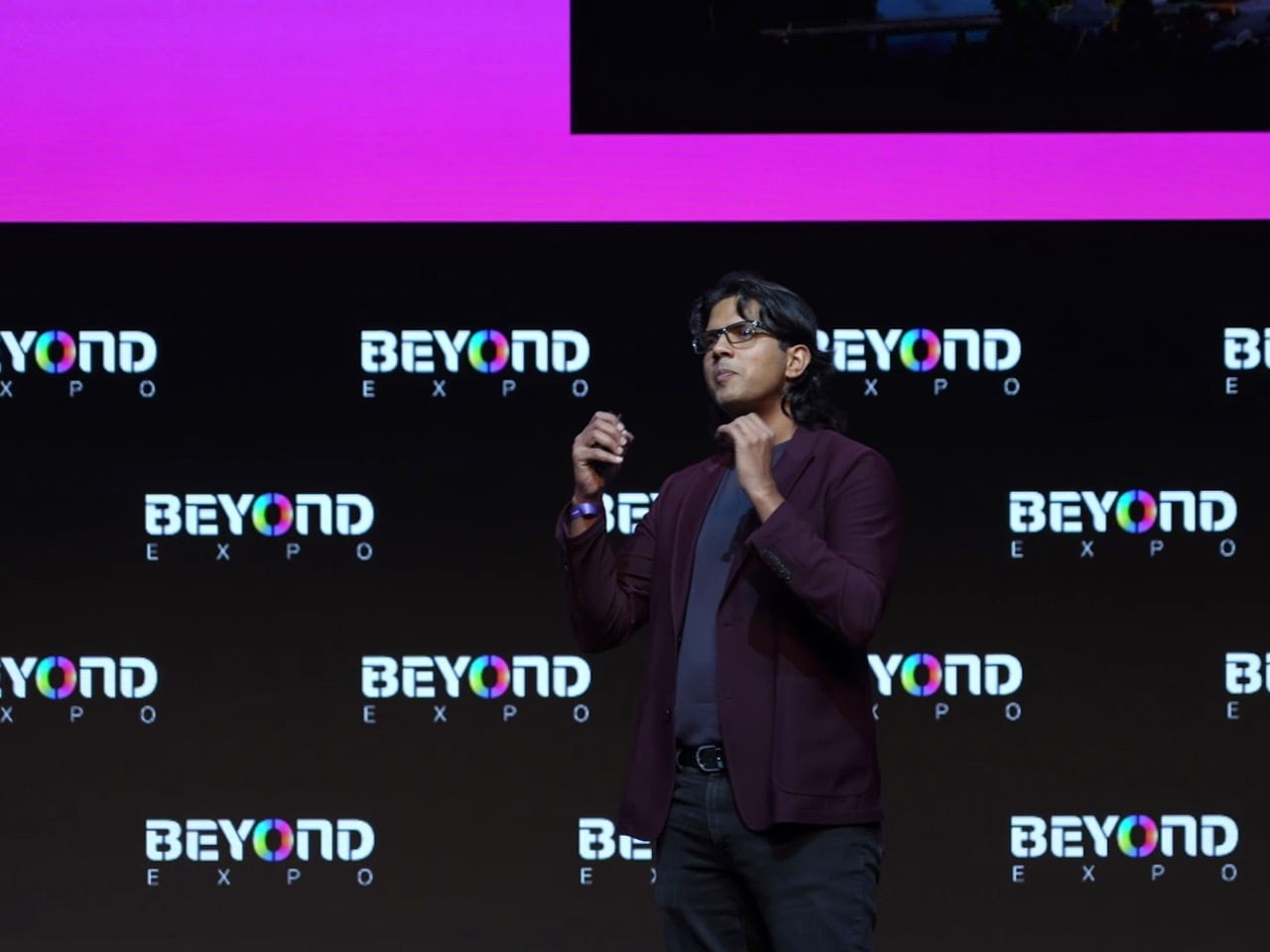
The youngest person at BEYOND Expo 2026’s AI Hack Day was nine years old. That little fact, shared by co-founder Dr Lu Gang, actually says more about the state of AI than any big product launch. It means the tools are getting simple enough that you don’t need a PhD to build something interesting; you just need a good idea. The rest of the expo in Macao seemed to prove his point. You had 30,000 people and almost 800 companies all focused on a single question: what happens when AI stops being just software and gets built into actual, physical things?
It turns out the answer is a mix of things we expected and some we definitely did not. BEYOND Expo 2026 ended up giving us a pretty clear map of where this is all heading, with seven key ideas showing up over and over again. We saw everything from humanoid robots that are finally ready for production to underwater drones that can get around without GPS. Some of this was easy to see coming, but other parts showed that the tech has crossed a real line. These are the ideas that give us a solid picture of an AI that now has weight, form, and real-world impact.
1. Humanoid Robots Are Finally Getting Real
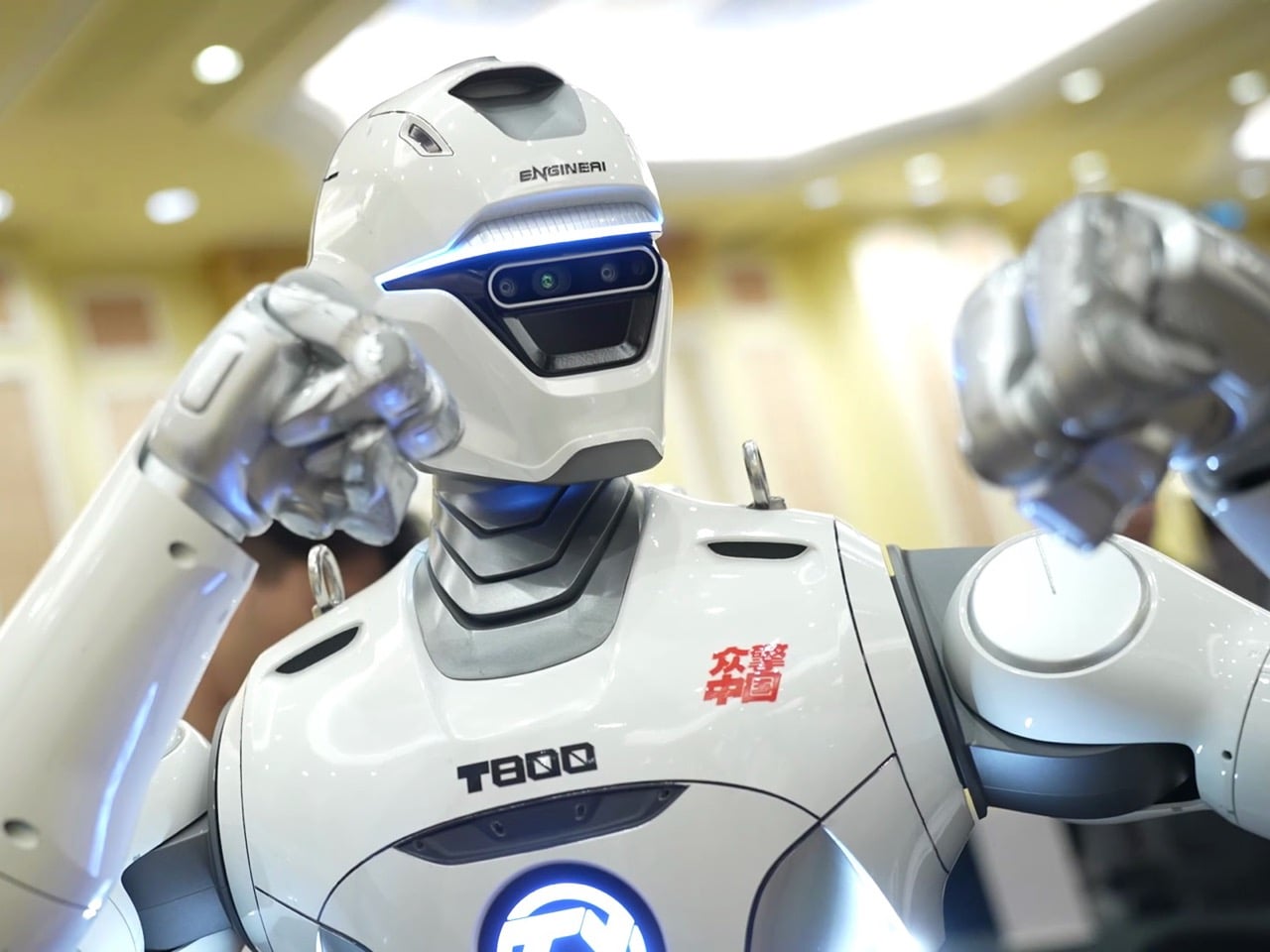
The most obvious trend on the floor was the sheer number of robots walking around. This wasn’t just one or two companies showing off a flashy prototype. The BEYOND Best of Innovation awards list was packed with names like AI² Robotics, DEEPRobotics, LimX Dynamics, and Pudu Robotics. Seeing that many different companies all get recognized for building functional, legged robots at the same event is a major signal. The hardware is clearly getting to a point where it’s reliable enough to be taken seriously.
What’s interesting is that the conversation is shifting from engineering to application. Companies were talking about humanoids for specific jobs in industry, retail, and even in the home. This tells you the focus is moving past the basic challenge of just making them walk without falling over. The new problem to solve is what they should actually do all day. BEYOND Expo made it feel like we’re at the very beginning of a real manufacturing race, not just a science fair.
2. Smart Glasses Found a Form Factor That Works
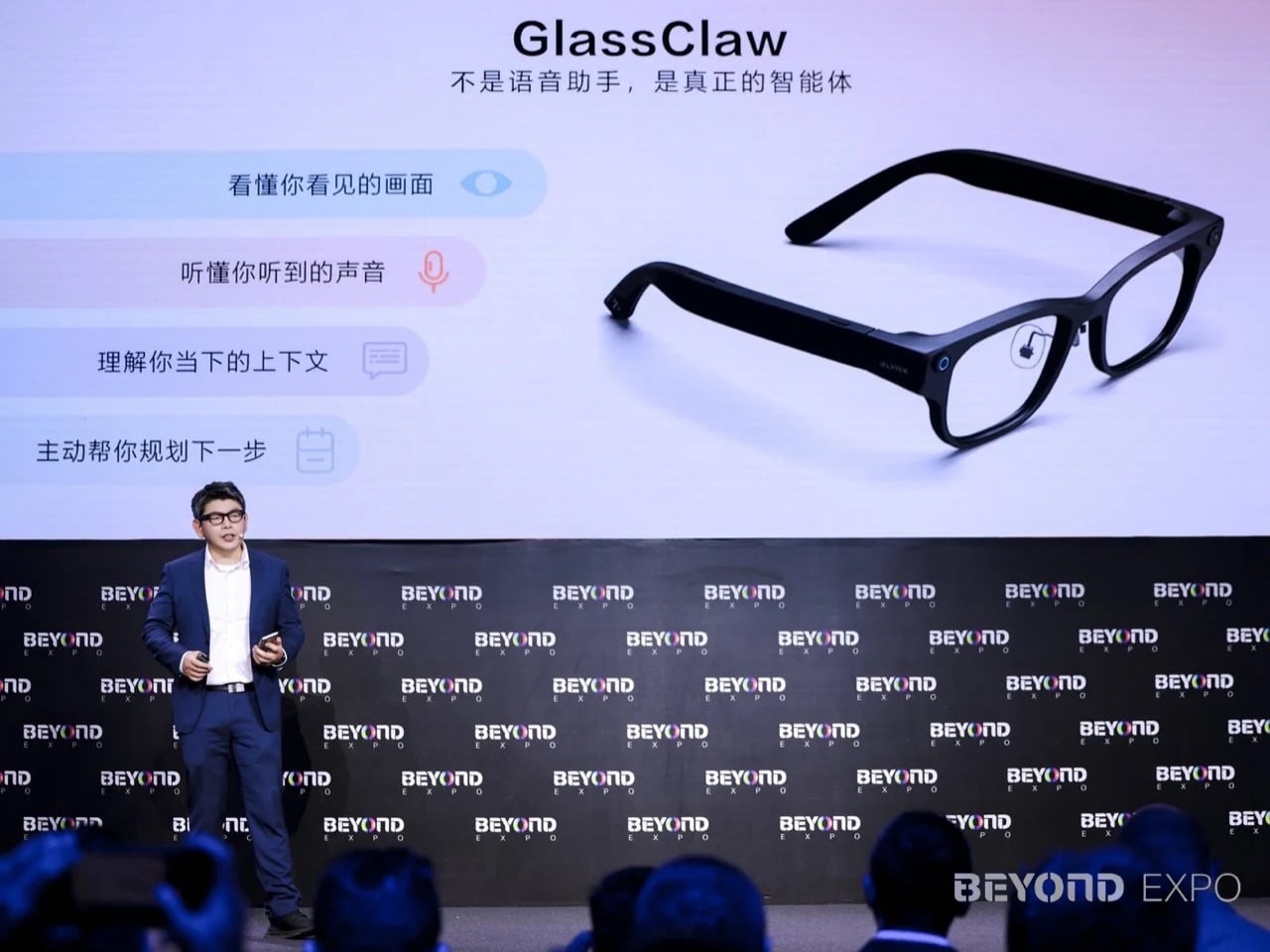
Smart glasses have been the “next big thing” for about a decade, but this year felt different. We saw new AI-powered glasses from iFlyTek and METLEN, and companies like Even Realities, Mobvoi, and XREAL all picked up innovation awards for their own takes on wearable displays. The key here is convergence. While each product has its own features, they’re all starting to look and feel like something a normal person might actually wear. They are lighter, the displays are better, and the battery life is getting there.
This isn’t another Google Glass moment where the tech was impressive but the product was awkward and socially weird. The new wave of smart glasses is being designed with more specific uses in mind, from on-the-fly translation to providing subtle notifications or acting as a personal design agent. The on-device AI is powerful enough to handle these tasks without being constantly tethered to a phone, which is the breakthrough that might finally make them stick.
3. Flying Vehicles Are Becoming Actual Products
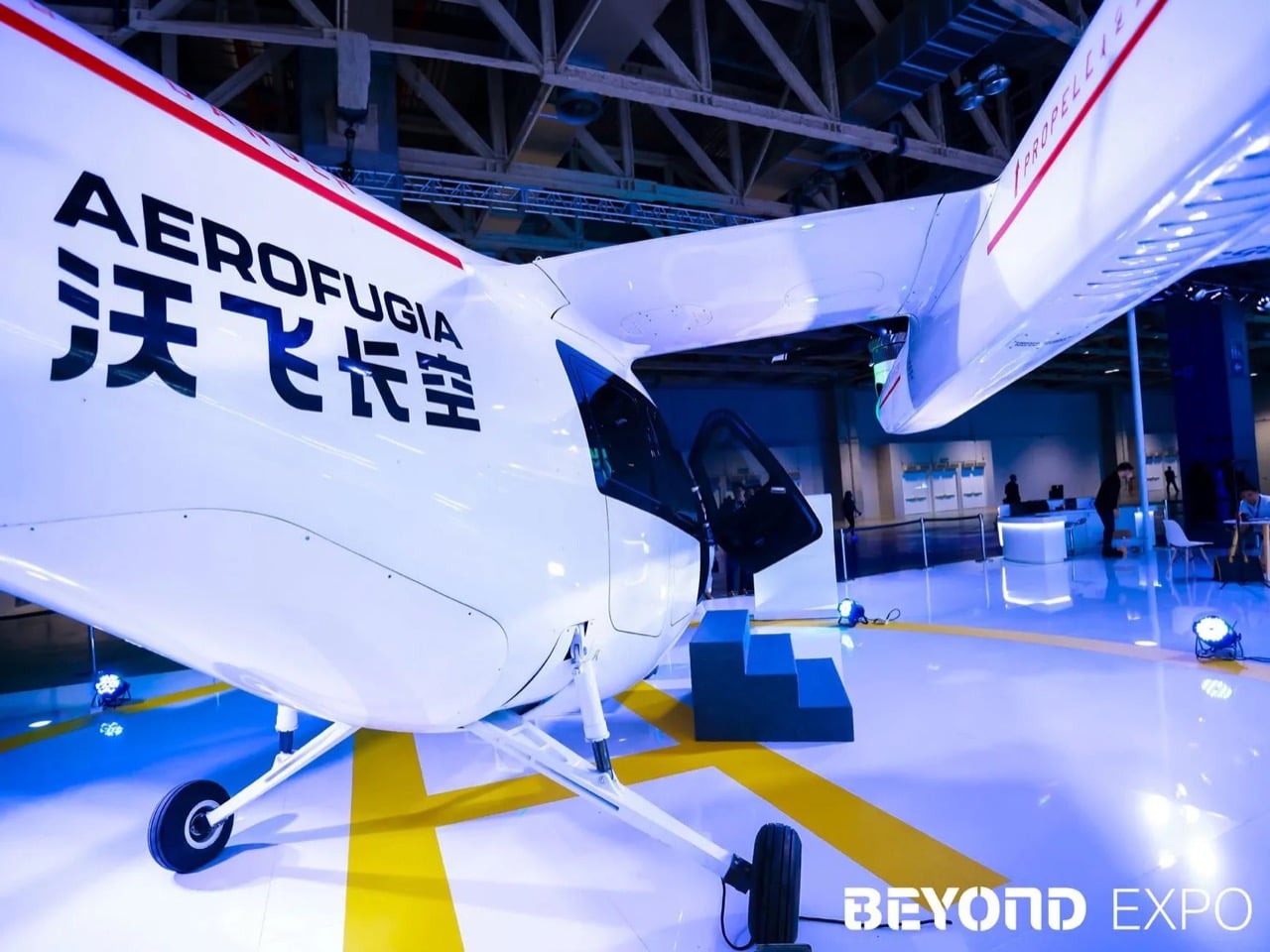
For years, eVTOLs, or electric vertical take-off and landing aircraft, have been staples of futuristic concept videos. At BEYOND Expo, they started to look like real products. Aerofugia showed up with what it called its first production aircraft and, just as importantly, a production eVTOL battery. Wefly also got an innovation award, adding to the sense that this category is moving out of the lab and onto the launchpad.
The word “production” is what matters here. It signals a shift from speculative design to engineering with a supply chain. AI is the invisible engine driving this progress, handling the incredibly complex calculations needed for flight stability, power management, and autonomous navigation. This is the part of the “digital to physical” story where AI isn’t just a feature; it’s the core technology that makes a whole new category of hardware possible.
4. AI Is Getting Personal and Medical
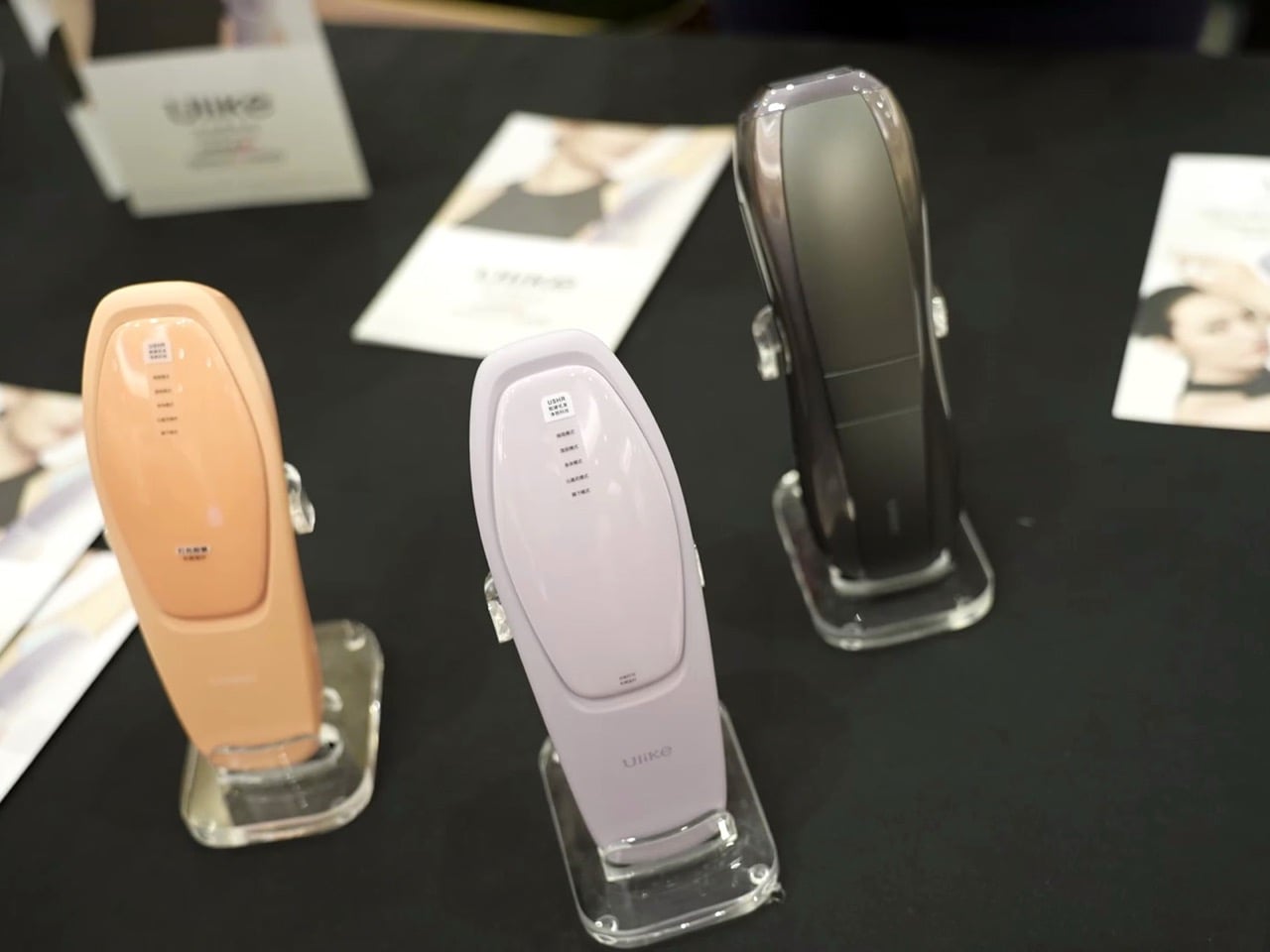
While robots and flying cars grabbed a lot of attention, some of the most interesting AI was designed to be much closer to home, and even part of the body. The expo featured things like Zdeer’s bone conduction hearing aid and Ulike’s optical beauty devices. In the startup competition, one of the finalists was an “emotion-sensitive hugging bear,” and others included smart jewelry and wearables designed to be stylish.
This points to a quieter, more intimate side of the AI hardware boom. These aren’t just gadgets; they’re devices that interact with our bodies and our health. A hearing aid that uses AI can learn and adapt to a person’s specific hearing profile in different environments. A wearable that senses emotion is a step toward technology that responds to our mental state. It’s a reminder that the most impactful physical AI might be the kind that disappears completely into our daily lives.
5. The One-Person Company Is the New Unicorn Hunt
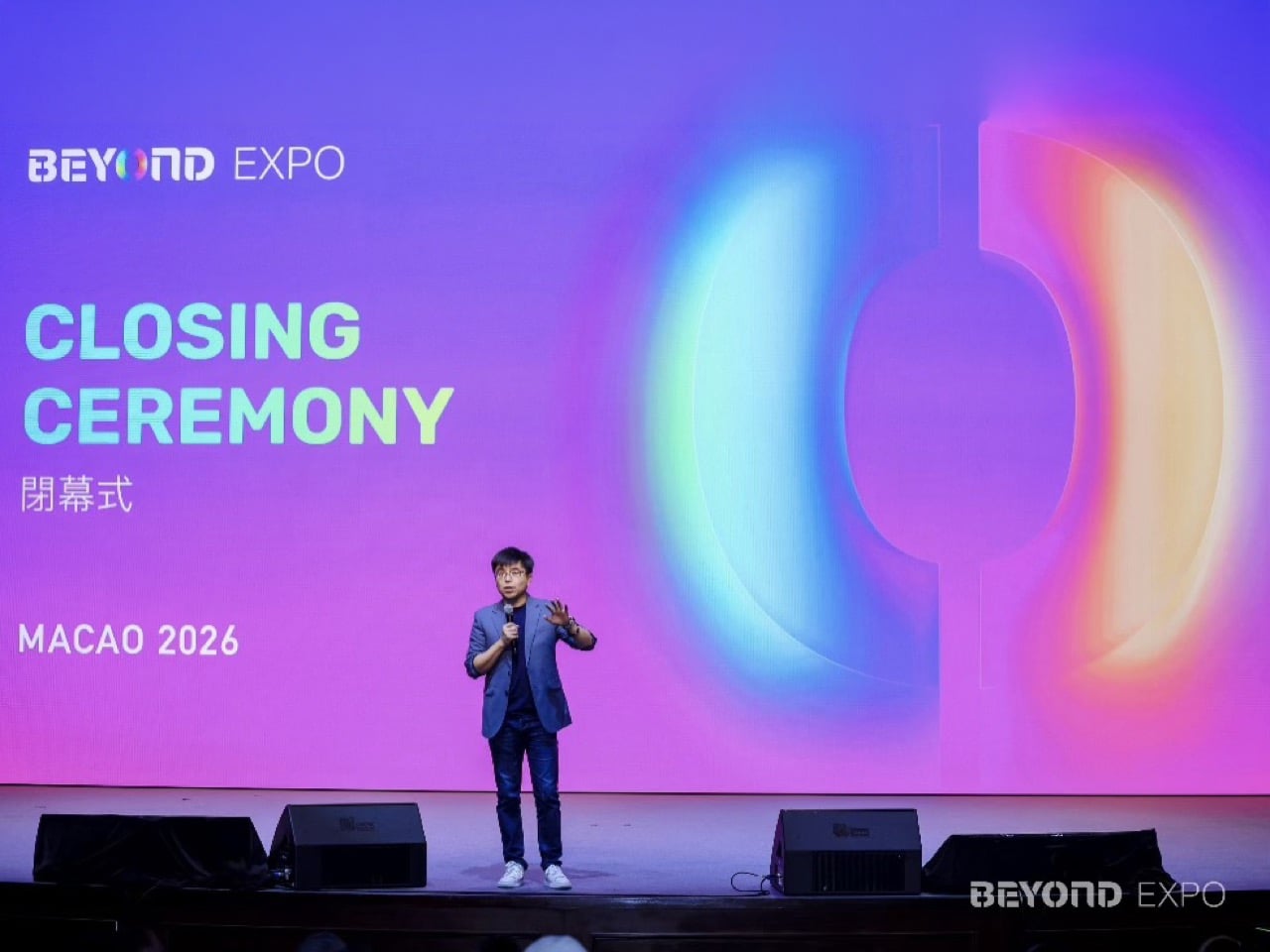
One of the most forward-thinking ideas came from Dr Lu Gang himself. He said that this year, the expo deliberately focused on “one-person companies” and individual programmers. He believes these tiny operations have the potential to become unicorns because AI tools have become such a powerful force multiplier. When the youngest hacker at your event is nine, it proves that the barrier to entry for building something real has dropped through the floor.
This is a structural shift in how tech companies might get built. The old model of needing a big team and millions in venture capital just to get a product off the ground is being challenged. With powerful AI handling coding, design, and operational tasks, a single motivated person can now build and launch something that would have taken a whole department just a few years ago. It suggests a future where the startup landscape is much more dynamic and accessible.
6. Knowing How to Tell a Story Is a Technical Skill
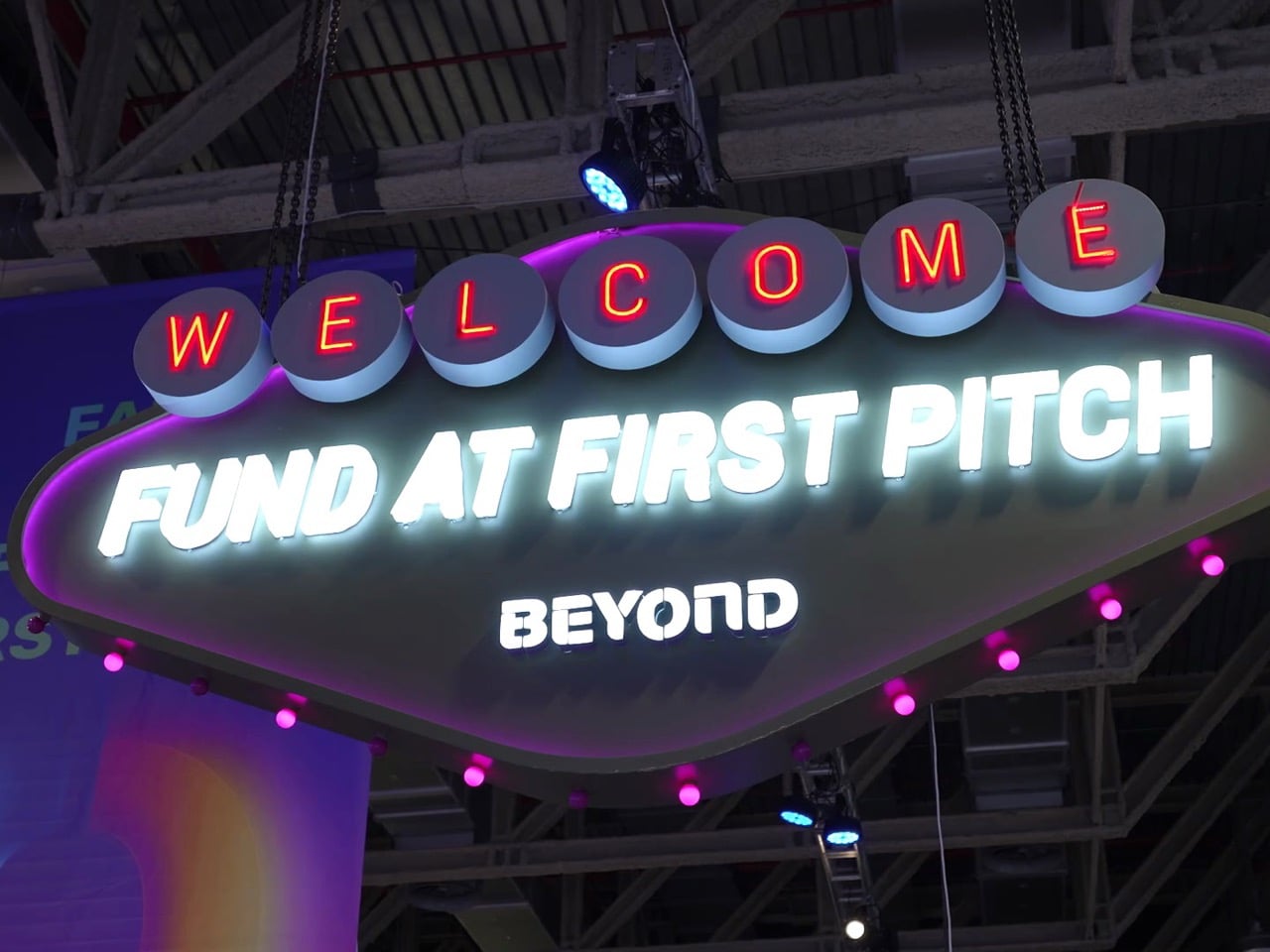
With 800 companies all showing off impressive technology, just having a good product wasn’t enough. Kun Gao, the founder of Crunchyroll, made this point at the closing ceremony. He advised founders that they have to learn how to tell a compelling story to win over investors and partners. This wasn’t just abstract advice; it was happening live at the “Fund at First Pitch” competition, where over 300 startups were trying to get noticed.
This is a crucial idea for anyone in design or product development. In a crowded market, the clarity of your vision is just as important as the quality of your code or the cleverness of your engineering. Being able to explain who your product is for, what problem it solves, and why it matters is a design skill. It’s what separates a cool piece of tech from a real business, and BEYOND Expo put that challenge front and center.
7. AI Is Going Underwater, Literally
Probably the most unexpected idea at the expo was seeing AI get good at swimming. Zero Zero Robotics, known for its flying drones, launched the HOVERAir AQUA, an underwater drone. Another company, OrcaTech, also won an innovation award for its marine technology. This might seem like a niche category, but the technical challenge is enormous and says a lot about how capable AI has become.
Underwater is one of the hardest environments for autonomous tech to operate in. GPS doesn’t work, visibility is often terrible, and communication is extremely limited. For a drone to navigate, identify objects, and perform tasks on its own down there, its onboard AI has to be incredibly sophisticated. It proves that physical AI is not just conquering our cities and skies; it’s expanding into the most remote and difficult parts of our world.
SHARE