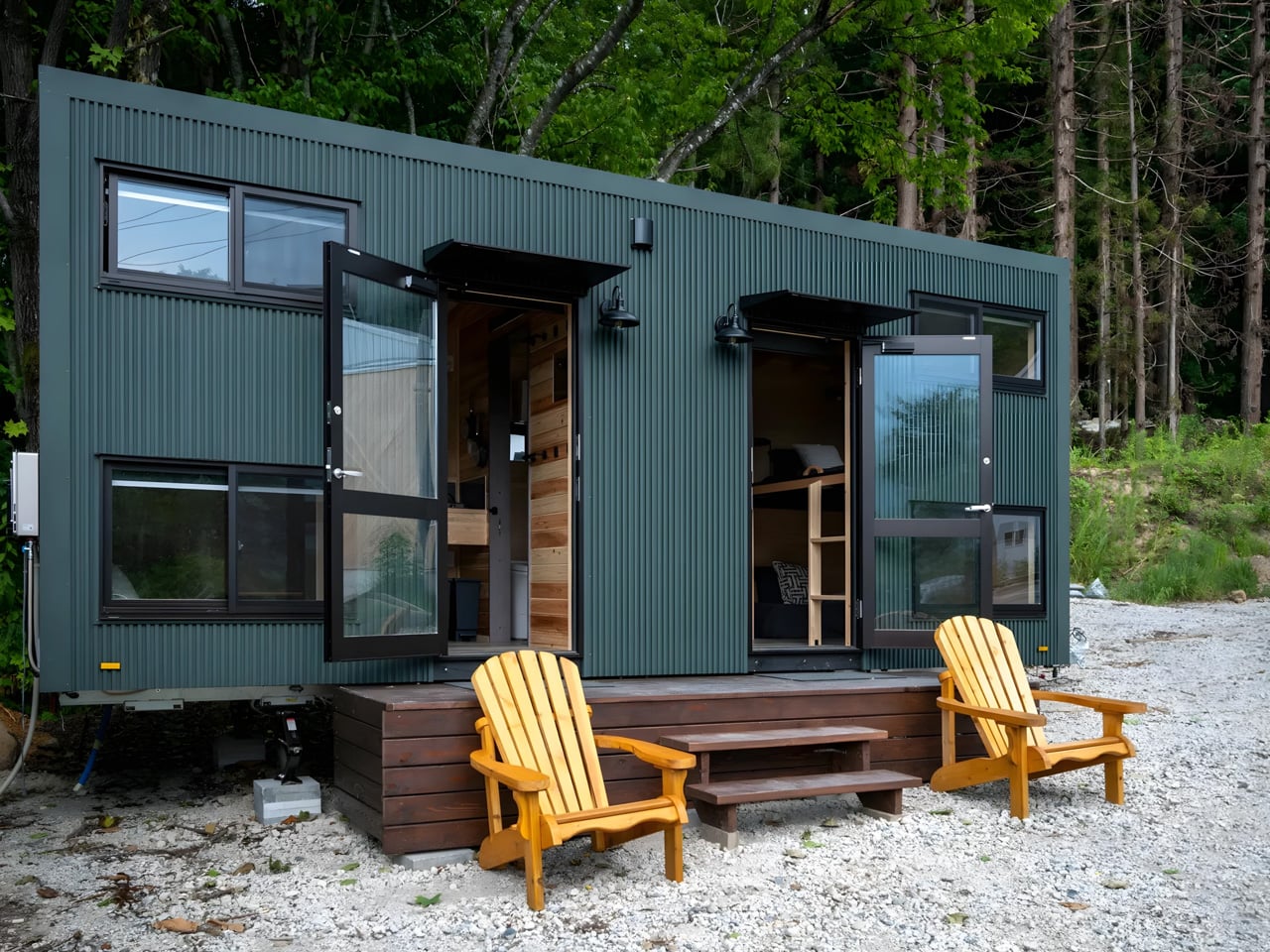
The tiny house movement promised freedom and simplicity, but somewhere along the way, it became synonymous with cramped quarters and constant compromise. Folding beds that never quite fold right. Kitchens where you can’t open the oven and refrigerator at the same time. Lofts that require gymnastic ability just to change the sheets. The budget-friendly tiny home market has been dominated by designs that feel more like camping than living.
Things are changing. A new generation of builders is proving that small footprints don’t require sacrificing comfort, privacy, or dignity. These five tiny homes all clock in under $75,000, yet each one delivers thoughtful spatial planning that makes compact living genuinely livable. From Japanese-inspired minimalism to French family-focused designs, these aren’t starter homes you’ll outgrow in six months. They’re real residences that happen to be small.
1. Yamabiko by Ikigai Collective – Approximately $67,000
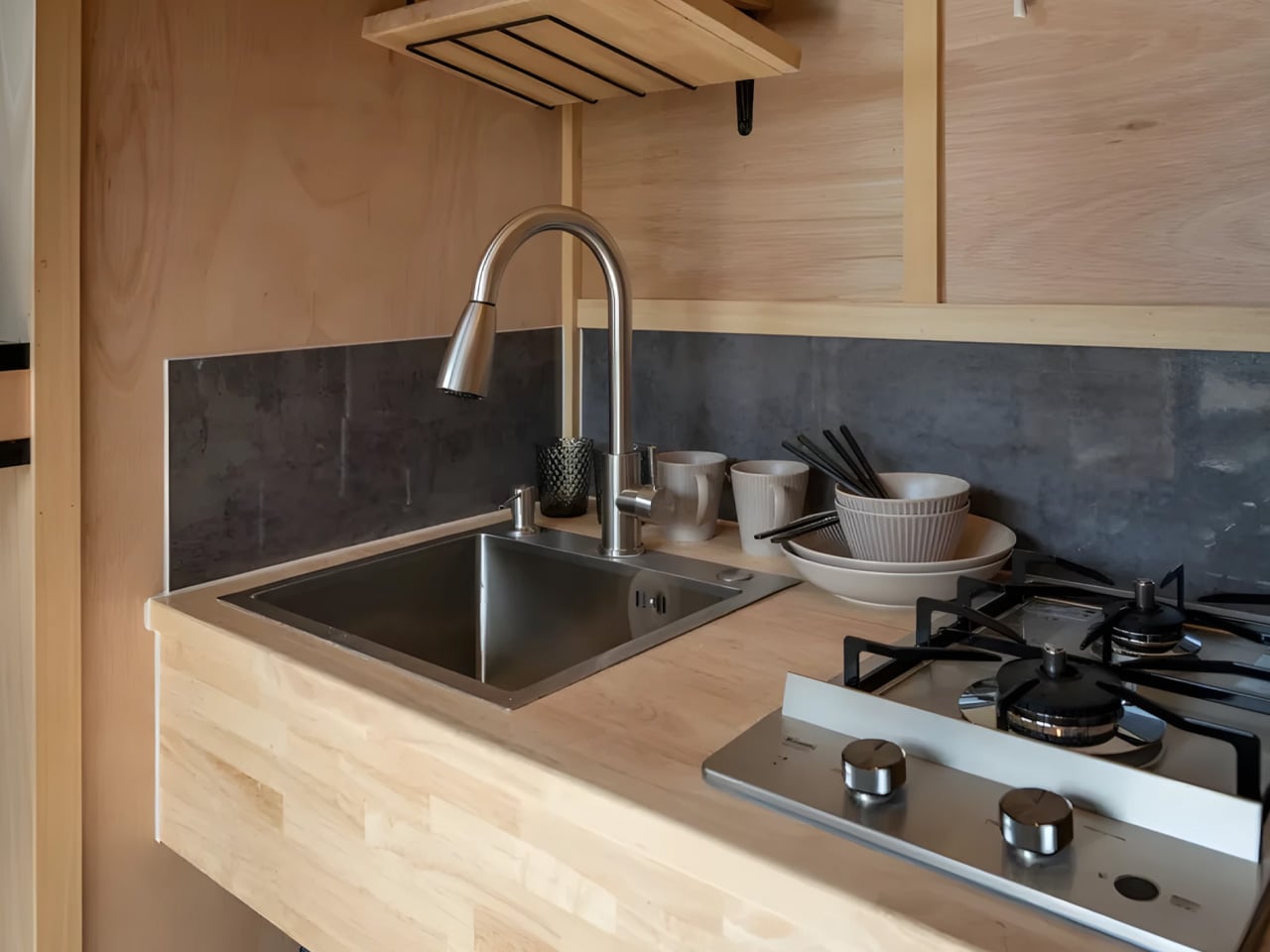
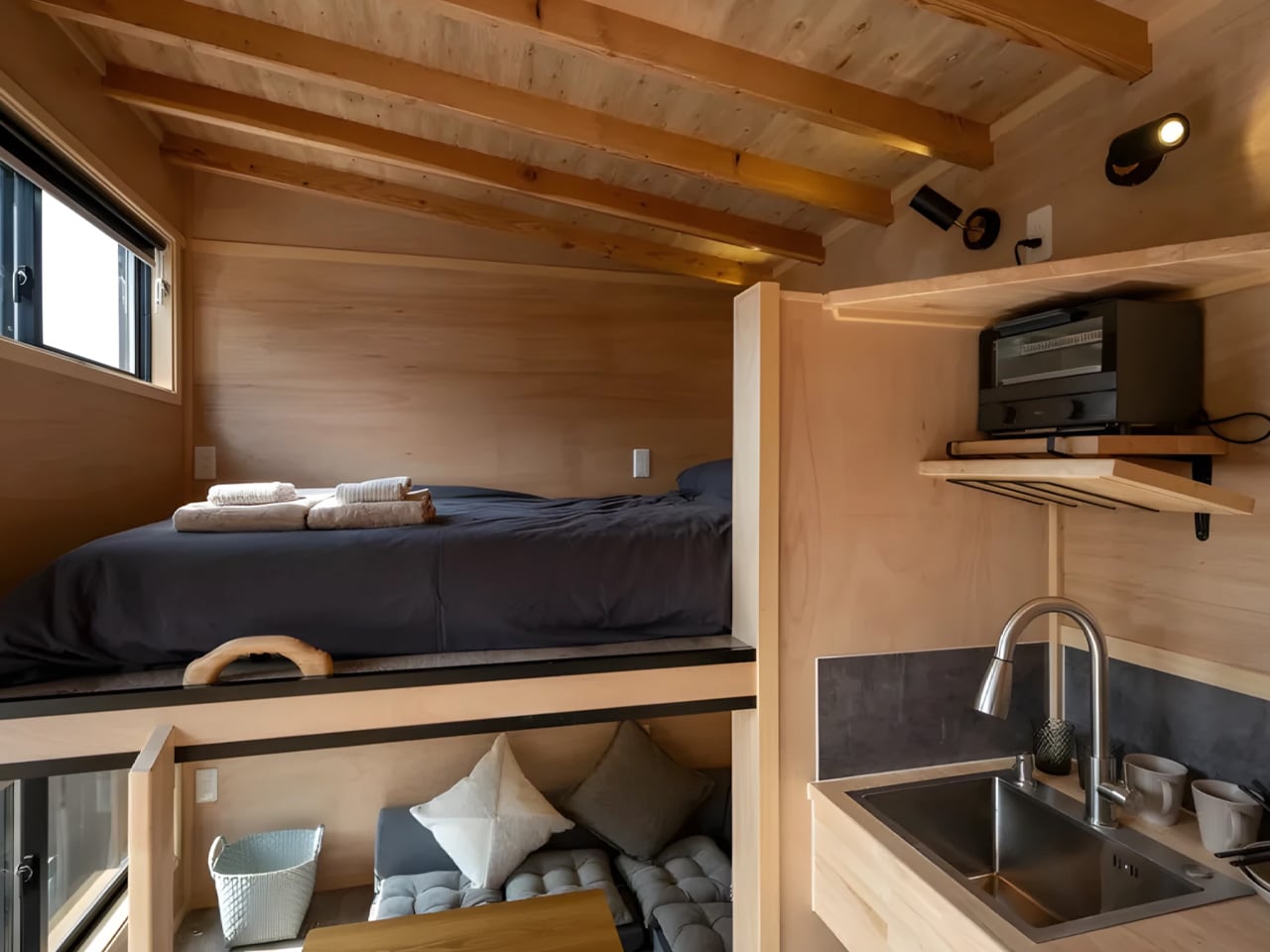
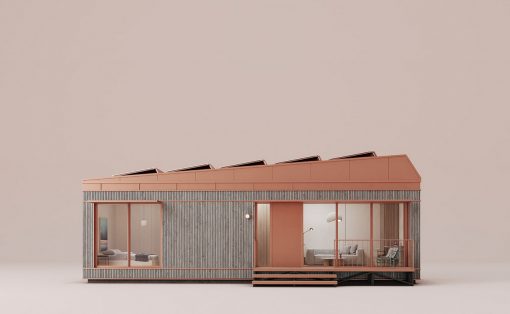
The Yamabiko rewrites the rules of tiny house design with an approach that feels distinctly Japanese. Built by Ikigai Collective in Nozawaonsen, this ingenious structure houses two complete living spaces within a single architectural shell. The mirrored layout creates the illusion of symmetry while providing genuine independence for two individuals or couples who want proximity without intrusion. Each side functions as a self-contained unit with its own kitchen, living room, and loft bedroom, connected only through a shared central bathroom that serves as the anchor point between the two halves.
The interior spaces defy the claustrophobic feeling that plagues many tiny homes. Each kitchen arrives equipped with a two-burner propane stove and a functional sink. Living rooms feature built-in seating arrangements with small tables that maximize floor space without requiring movable furniture that never quite finds a home. The loft bedrooms preserve privacy while keeping the main floor open and breathable. The design follows the Japanese principle of functional beauty, where every centimeter serves a clear purpose rather than existing as decorative filler or wasted transition space.
What We Like
- The dual-occupancy concept solves the problem of shared tiny living without forcing total overlap
- Customization options include color schemes, flooring choices, shower layouts, and toilet types
- Built with authentic Japanese craftsmanship and quality standards
What We Dislike
- The price point sits at the higher end of the budget tiny home spectrum
- International shipping and import logistics could complicate purchases outside Japan
- Shared bathroom arrangement requires coordination between occupants
2. The Nook by Custom Container Living – $39,900
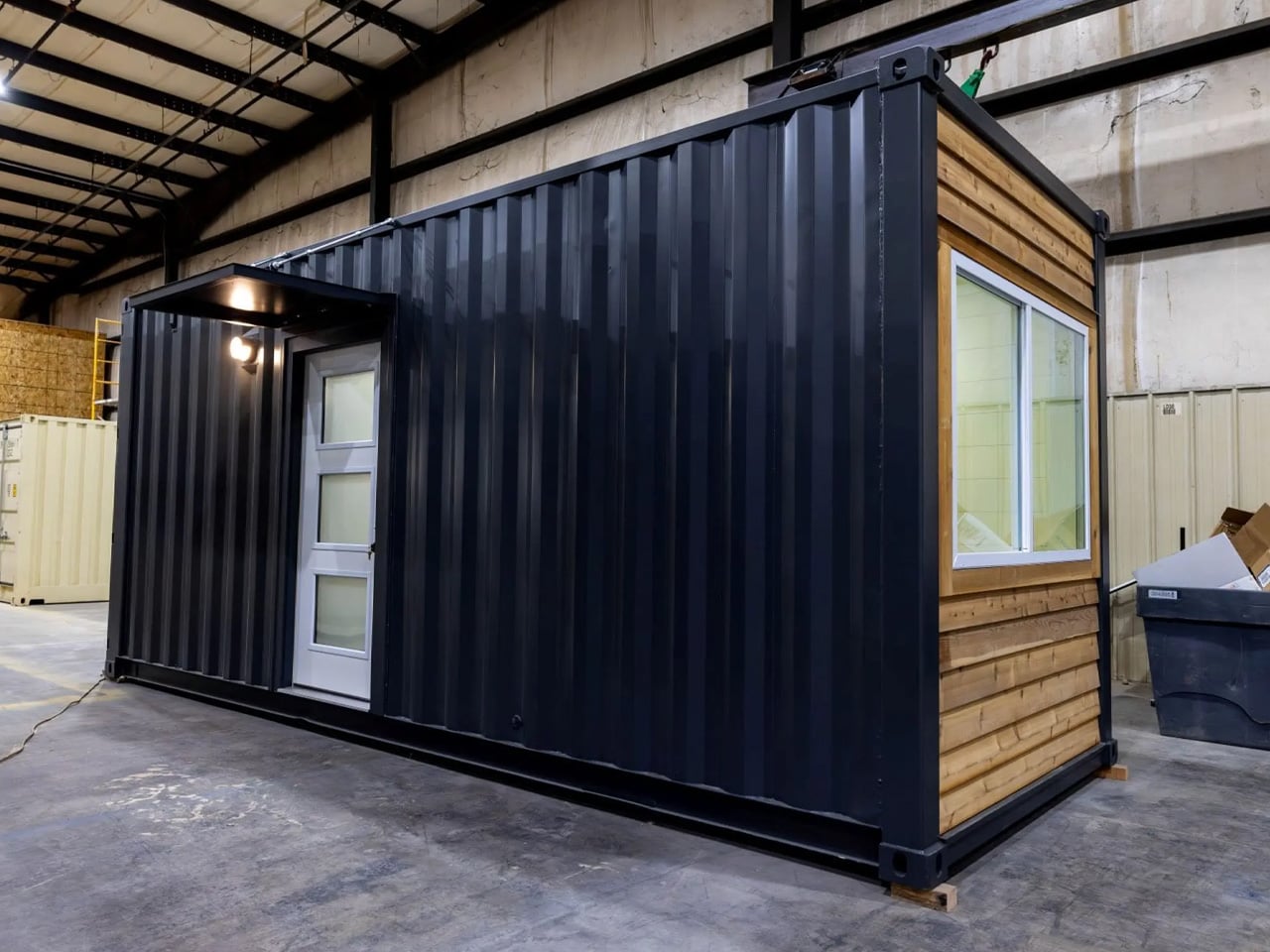
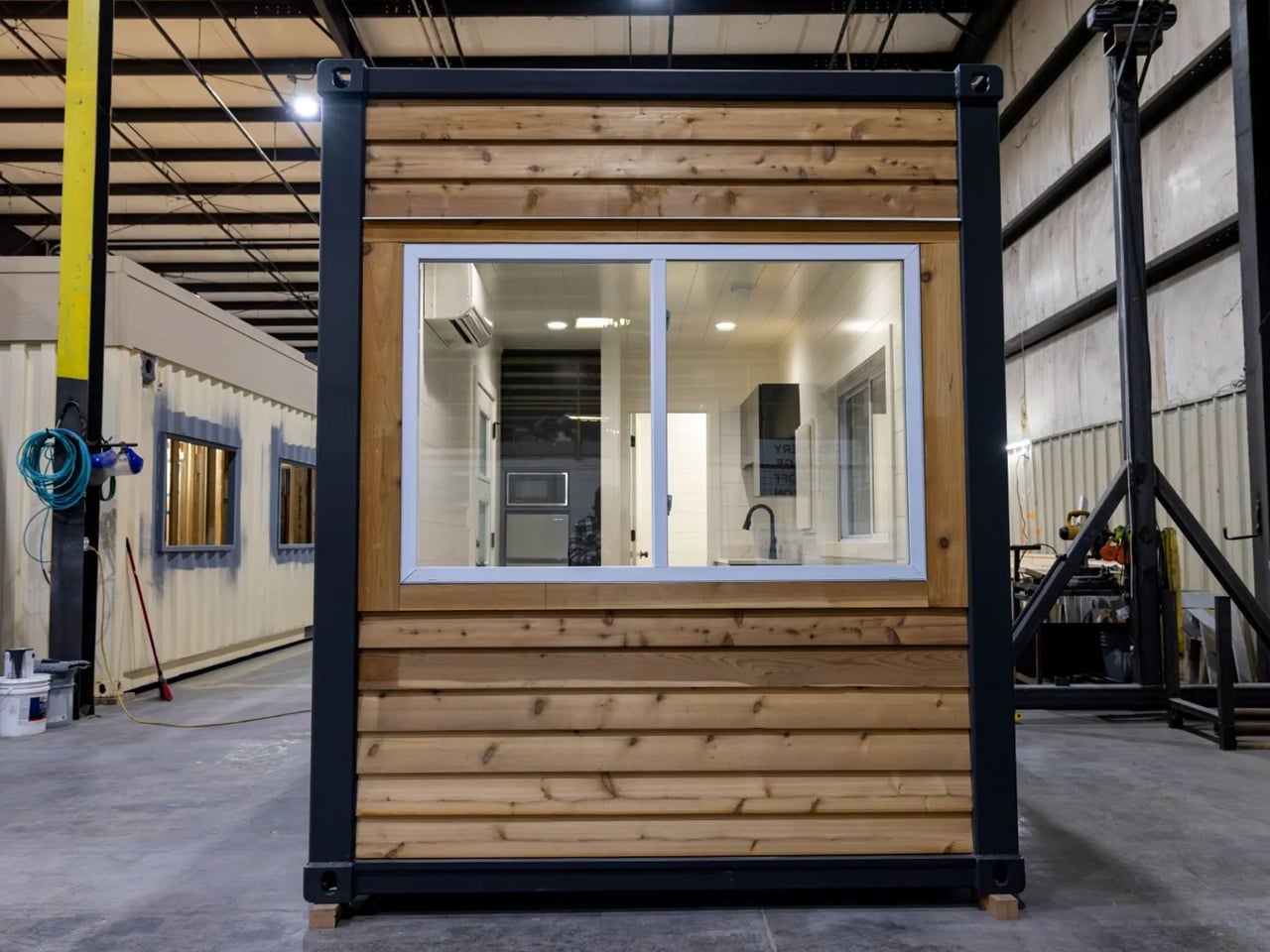
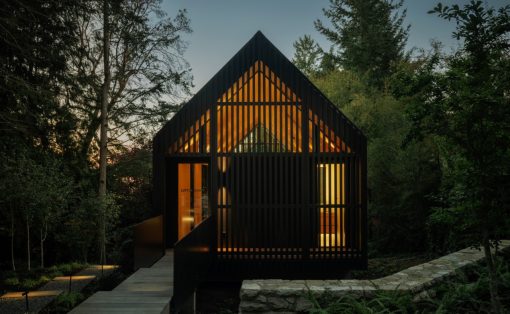
Custom Container Living transformed a standard 20-foot shipping container into The Nook, proving that 160 square feet can actually function as a legitimate home for two people. The exterior wears a striking black finish accented with cedar details that soften the industrial origins of the steel shell. Strategically placed windows and doors bring natural light into what could easily become a dark metal box. Closed-cell foam insulation regulates temperature year-round, addressing the thermal challenges that make unmodified shipping containers nearly unlivable in most climates.
The minimalist interior focuses on modern simplicity rather than trying to camouflage the container’s origins. The single-floor layout eliminates the loft ladder climbing that makes many tiny homes impractical for daily living. The Nook ships anywhere in the continental United States, with international delivery possible for buyers willing to handle port logistics and additional costs. Custom Container Living offers optional off-grid upgrades, including solar panels, for those seeking energy independence, though these additions naturally increase the base price. The ready-to-ship model means buyers can move in relatively quickly compared to custom builds with extended timelines.
What We Like
- The $39,900 price point makes it the most affordable option on this list
- Closed-cell foam insulation provides real climate control inside the metal structure
- Single-floor layout eliminates accessibility issues associated with loft bedrooms
What We Dislike
- 160 square feet represents extremely limited space, even by tiny home standards
- Metal construction can still feel industrial regardless of insulation efforts
- Off-grid upgrades significantly increase costs beyond the base price
3. Mizuho by Ikigai Collective – Approximately $74,000
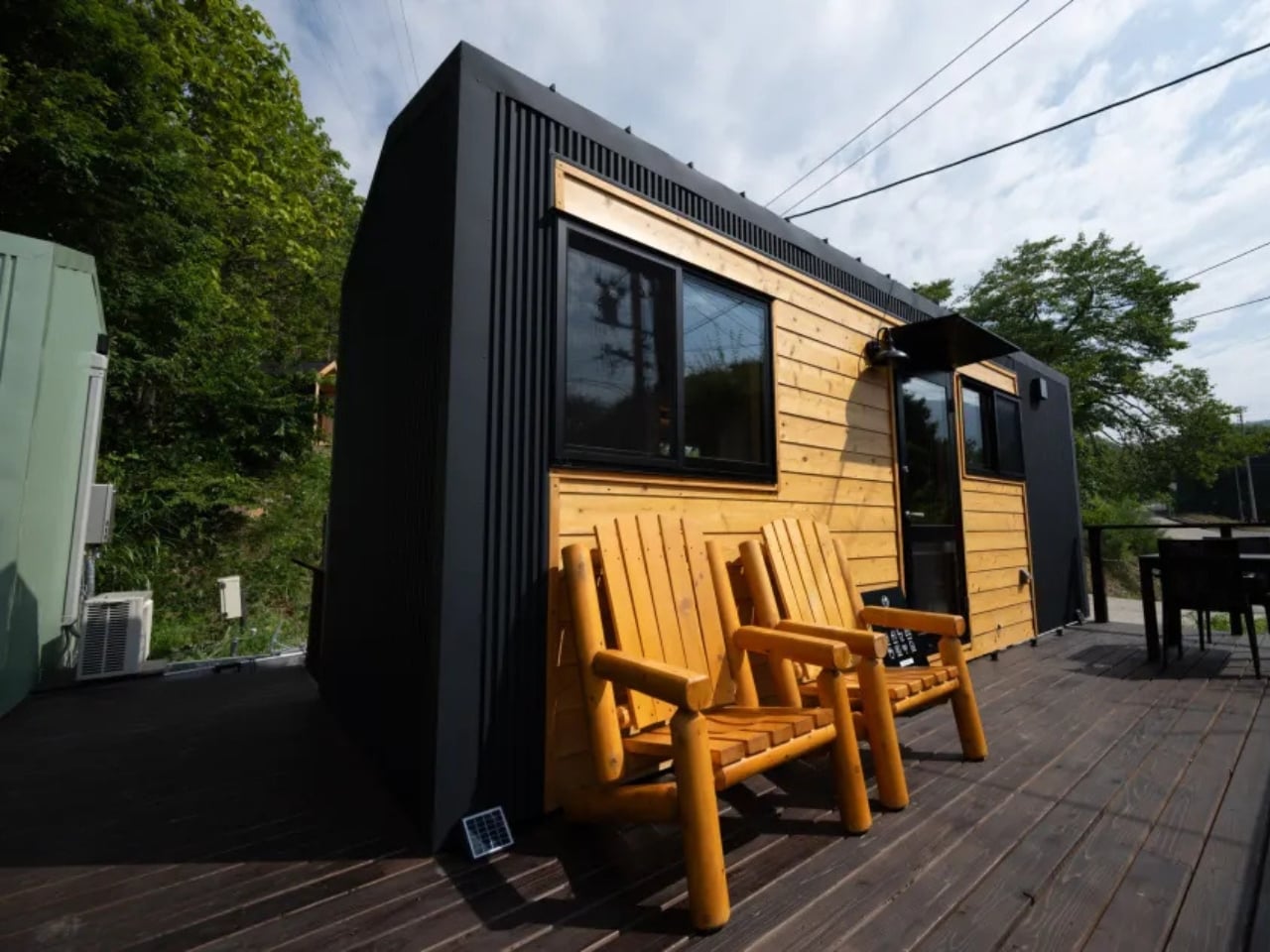
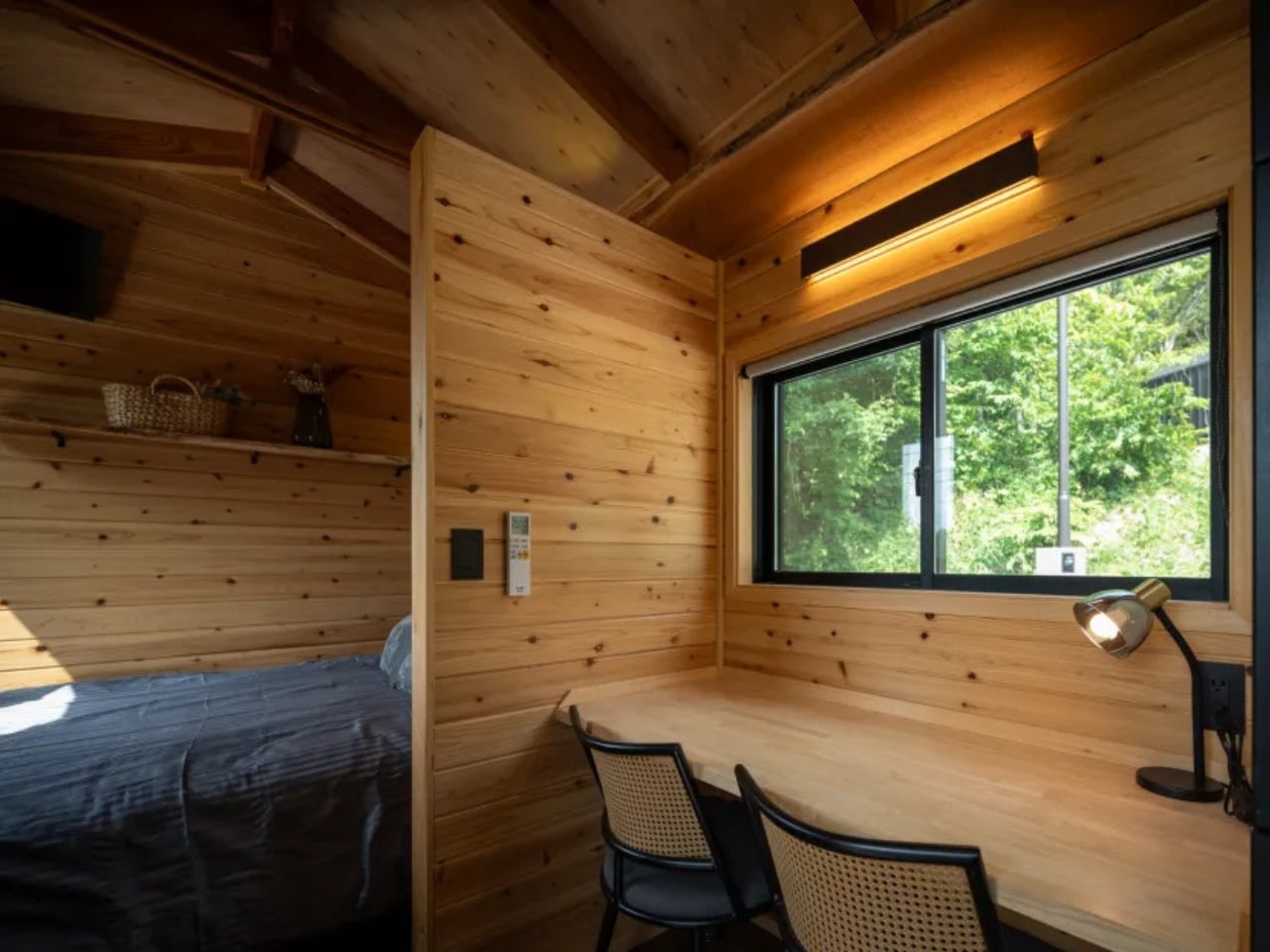
The Mizuho brings traditional Japanese aesthetic principles into a modern tiny home measuring 6.6 meters long by 2.4 meters wide by 3.8 meters high. Built by Ikigai Collective in partnership with local Nozawaonsen craftsmen, this design embodies simplicity and intentional living for a single person or couple. The home combines eco-friendly features with the tranquility of Japanese lifestyle practices, creating a space that encourages mindful daily routines rather than just providing shelter. Authentic craftsmanship and strict quality standards elevate this beyond typical tiny house construction.
The open-plan interior does triple duty as living space, bedroom, and work area. The thoughtful layout maximizes every square inch without creating the cluttered feeling that ruins most multipurpose small spaces. A dedicated desk area supports remote work and hobbies, transforming into a dining surface when needed. The bedroom space feels cozy rather than cramped, designed specifically for rest rather than treated as leftover space. Integrated storage solutions throughout the warm interior prove that organization and style can coexist in small footprints. The Mizuho doesn’t fight against its compact dimensions; it embraces them as design parameters that force clarity and intention.
What We Like
- Traditional Japanese design principles create calm rather than chaos in tight quarters
- Dedicated desk space acknowledges remote work realities
- Authentic local craftsmanship ensures quality construction
What We Dislike
- The $74,000 price approaches the upper limit for budget tiny homes
- Multipurpose spaces require constant furniture rearranging and mental mode-shifting
- Strict minimalism required; there’s no room for collections or extra belongings
4. The Fairfax by Dragon Tiny Homes – $35,000 (Estimated)
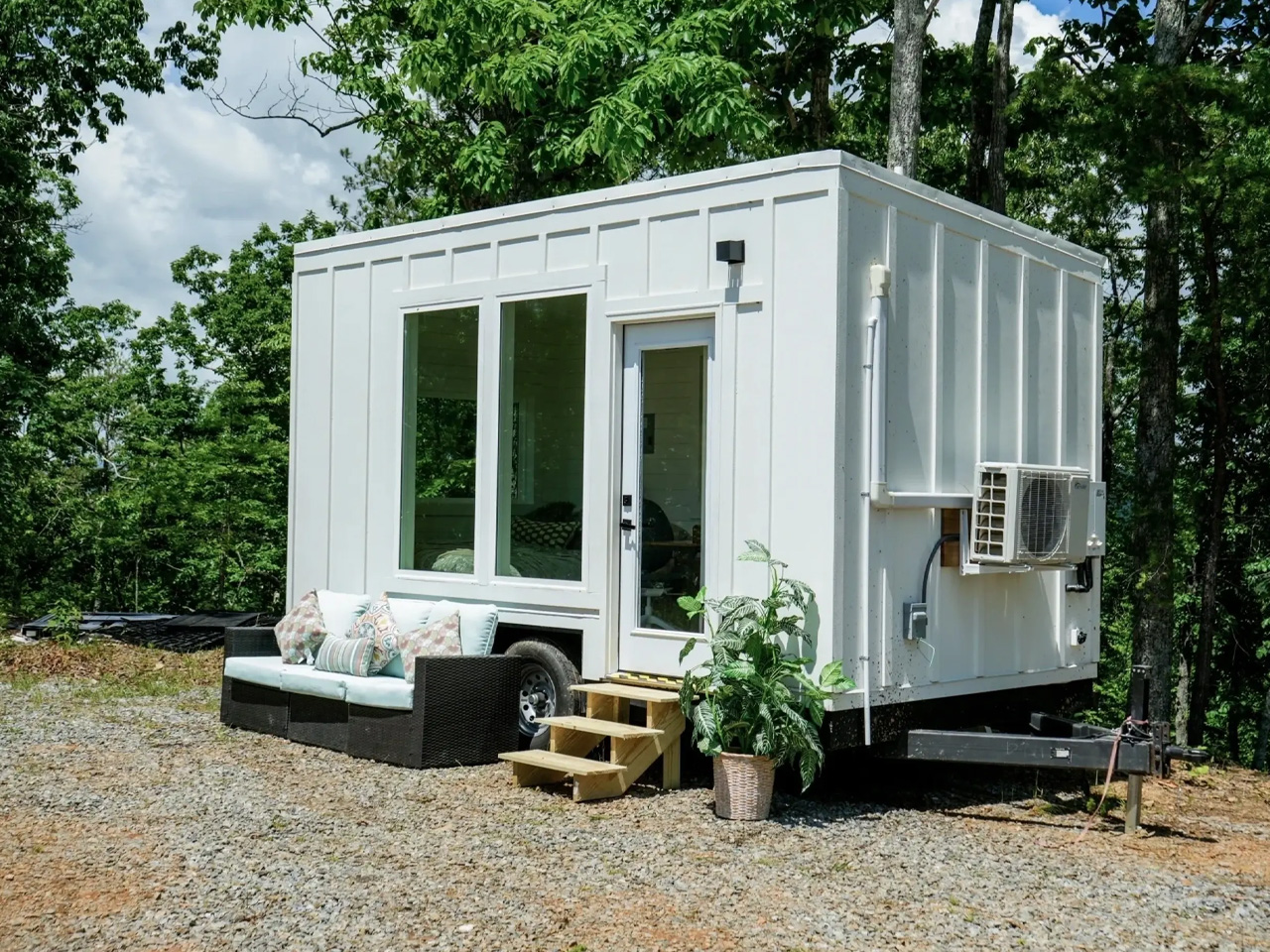
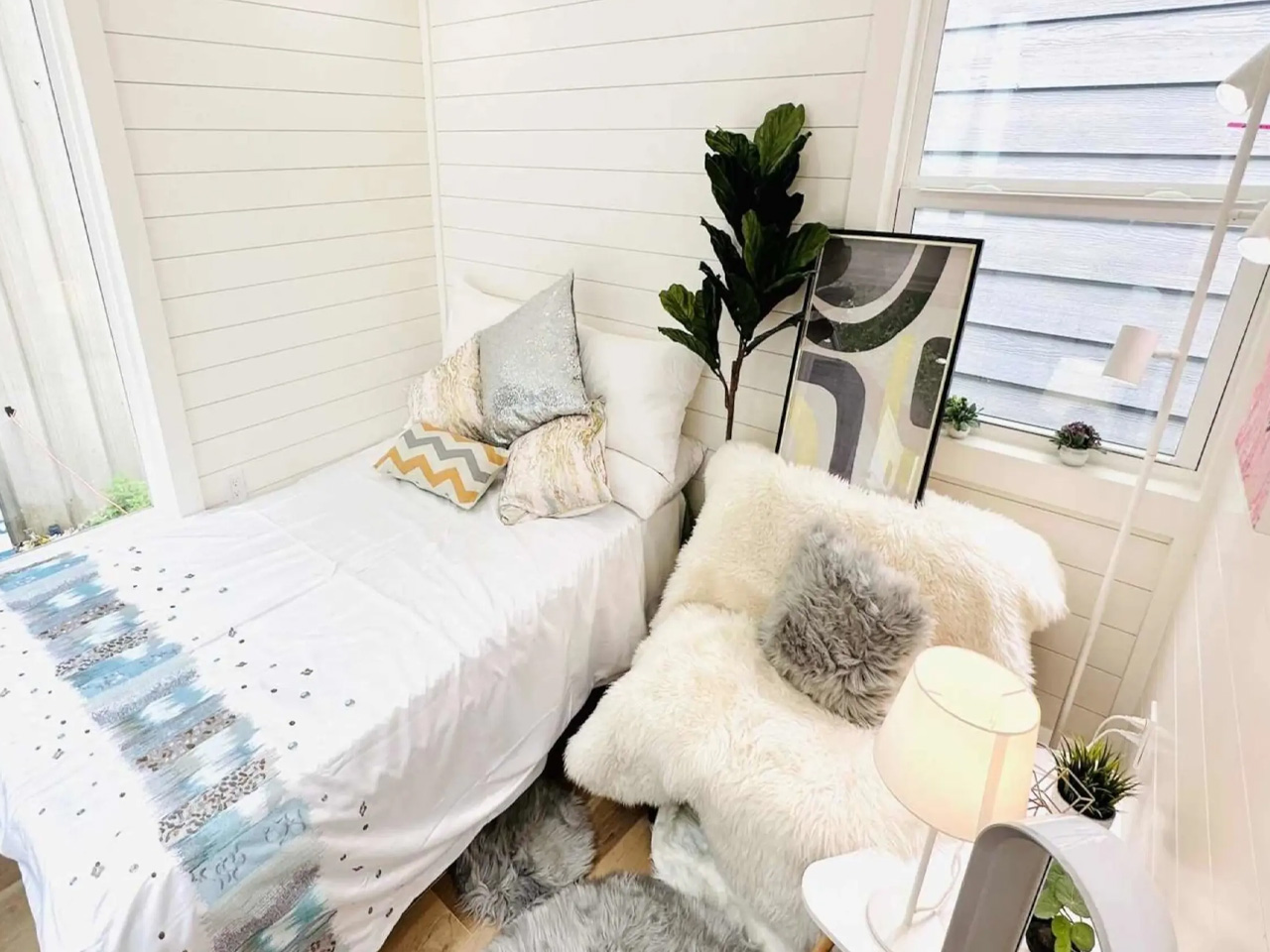
Dragon Tiny Homes calls The Fairfax “a hotel room on wheels,” which perfectly captures both its strengths and limitations. This 16-foot structure, built on a double-axle trailer, delivers 135 square feet of space with steel frame construction and cement board siding. Shiplap walls inside create warmth and texture that prevent the space from feeling like a construction project. The single-floor layout keeps everything accessible at ground level, eliminating the loft ladder climbing that becomes exhausting in daily use.
The Fairfax works brilliantly as a vacation retreat, guest house, dedicated home office, or Airbnb rental property. The compact size becomes an asset rather than a liability when mobility matters. The trailer foundation means relocating doesn’t require hiring specialized movers or obtaining oversized load permits. This isn’t designed for full-time family living, and Dragon Tiny Homes doesn’t pretend otherwise. The Fairfax focuses on doing one job exceptionally well rather than trying to be everything to everyone. That clarity of purpose makes it more successful than larger designs that attempt to squeeze traditional home functions into inadequate space.
What We Like
- The estimated $35,000 price point offers serious affordability
- Single-floor layout eliminates accessibility barriers and daily loft ladder fatigue
- Mobile design on trailer foundation enables relocation without extensive logistics
What We Dislike
- 135 square feet limits this to solo occupancy or very short-term couples use
- Not designed or suitable for full-time family living
- Estimated pricing may not reflect final costs with desired upgrades and features
5. Tiny XXL by Atelier Bois d’ici – Starting at €33,900 (Approximately $40,000)
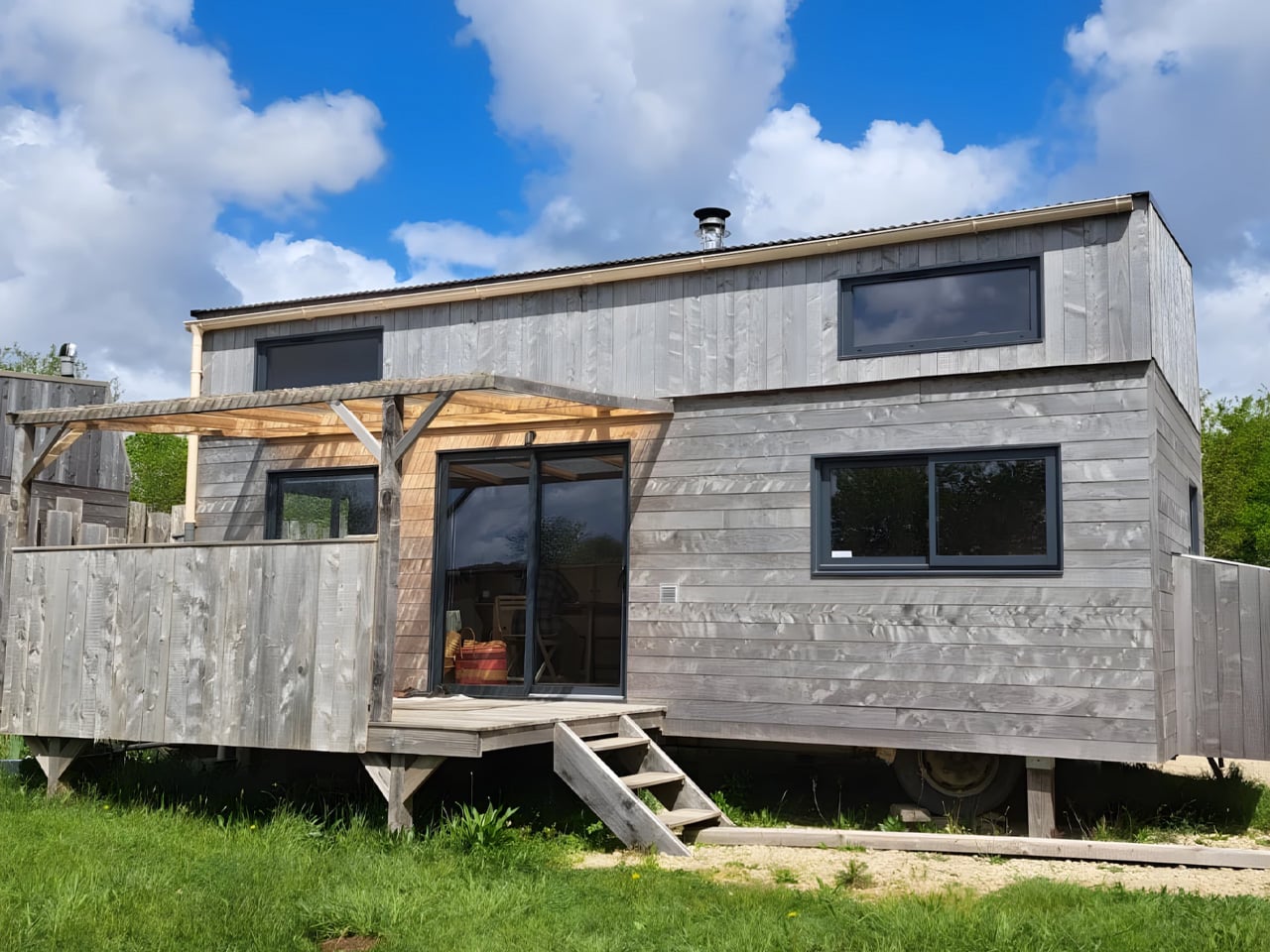
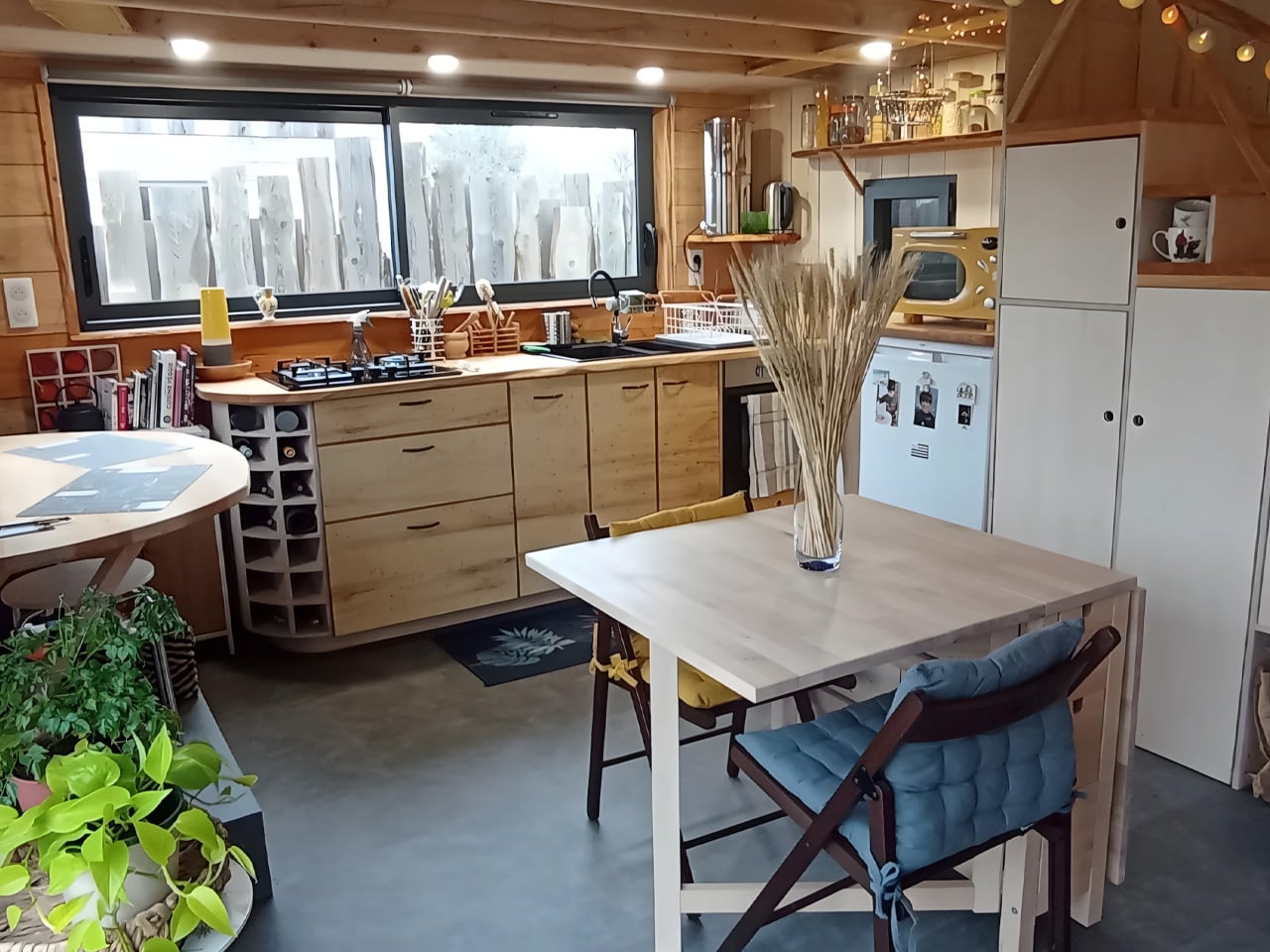
French builder Atelier Bois d’ici created the Tiny XXL to challenge the assumption that families can’t realistically downsize. Stretching 26 feet long and 11.5 feet wide, this mobile dwelling offers 430 square feet of thoughtfully designed space for four people. Most French tiny homes measure just 8.2 feet wide to remain road-legal for regular travel, but the XXL sacrifices easy mobility for genuine livability. The extra-wide footprint requires special permits for towing on public roads, positioning this as a semi-permanent dwelling rather than a frequent traveler.
The layout directly addresses family privacy, which destroys most attempts at multi-person tiny living. Two separate bedroom lofts sit on opposite sides of the home, giving parents and children their own retreats without awkward proximity. The main floor dedicates substantial square footage to a full kitchen and living area where family members can gather without constant physical contact. The design philosophy accepts that families need breathing room and private spaces, then delivers both within a tiny footprint. Atelier Bois d’ici’s models start at €33,900 for a small basic shell, though the fully finished Tiny XXL likely costs more depending on customization choices and interior finishes.
What We Like
- 430 square feet feels genuinely livable compared to most tiny homes
- Separate bedroom lofts on opposite sides provide real family privacy
- The starting price of around $40,000 remains accessible for many buyers
What We Dislike
- Extra-wide design requires special permits for road travel
- The basic shell starting price doesn’t include finishes or customization
- French builder location complicates purchases and shipping for international buyers
Making Small Living Actually Work
The tiny home market is maturing past the experimental phase, where any structure under 400 square feet counted as revolutionary. These five designs represent a shift toward realistic small living that acknowledges human needs for privacy, comfort, and breathing room. The Yamabiko and Mizuho bring Japanese design wisdom to compact spaces. The Nook and Fairfax embrace specific use cases rather than pretending to be everything. The Tiny XXL finally makes family downsizing genuinely possible rather than theoretical.
Choosing a tiny home under $75,000 no longer means accepting claustrophobic compromises that make daily life exhausting. These designs prove that thoughtful planning, cultural design wisdom, and honest assessment of spatial needs can create homes that happen to be small rather than small spaces that pretend to be homes. Whether you’re seeking solo minimalism, flexible vacation space, or legitimate family housing, the options now exist without requiring six-figure budgets or constant spatial frustration.