PROS:
- Exceptionally thin foldable design that feels resolved and comfortable daily
- Matched dual displays deliver consistent quality folded or unfolded
- Camera system prioritizes realism, balance, and dependable everyday results
- Strong battery life with fast wired and genuinely usable wireless charging
- Thoughtful ergonomics make it feel like a phone first, foldable second
CONS:
- HarmonyOS requires ecosystem flexibility and willingness to adjust workflows
- Telephoto zoom range favors balance over extreme long distance reach
EDITOR'S QUOTE:
A foldable that finally disappears into daily life instead of demanding attention.

The best foldables are the ones that stop asking for permission. After years of watching the form factor fight against itself, the Mate X7 arrives as something quieter: a device where restraint replaces spectacle, and compromise fades into the background. What makes it notable isn’t ambition. It’s resolution. The proportions feel considered. The materials feel deliberate. The hinge feels invisible in the way all good engineering eventually should. This is not a phone that announces itself as a foldable. It simply behaves like a flagship that opens when you need more space.
What makes the Mate X7 feel distinct is not how much it can do, but how deliberately its form has been resolved. From the first day, the Mate X7 felt less like a concept I needed to accommodate and more like a tool that quietly folded itself into my routine. That’s a subtle distinction, but it’s the one that matters most. This isn’t about novelty anymore. It’s about maturity.
Design and Ergonomics
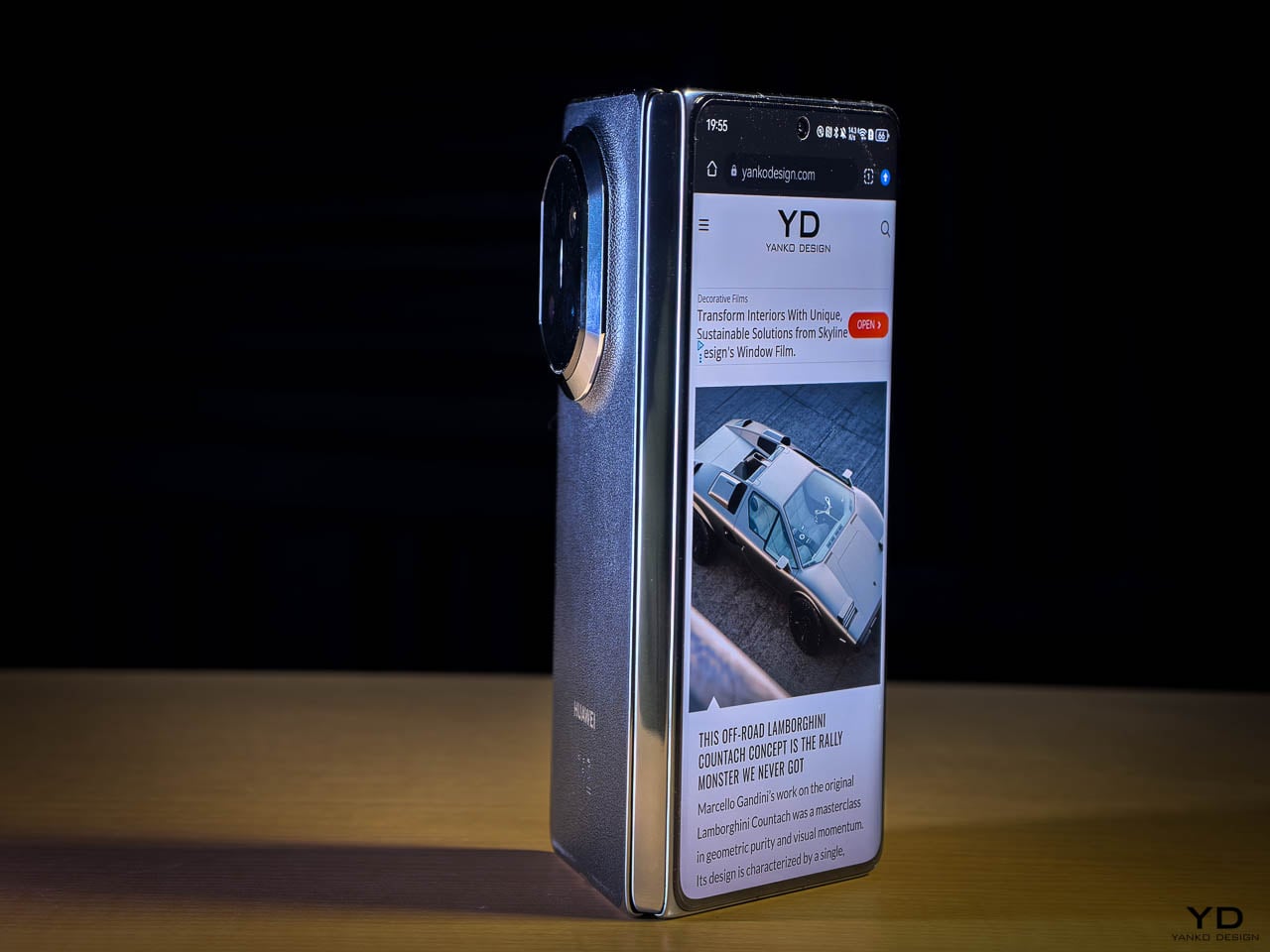
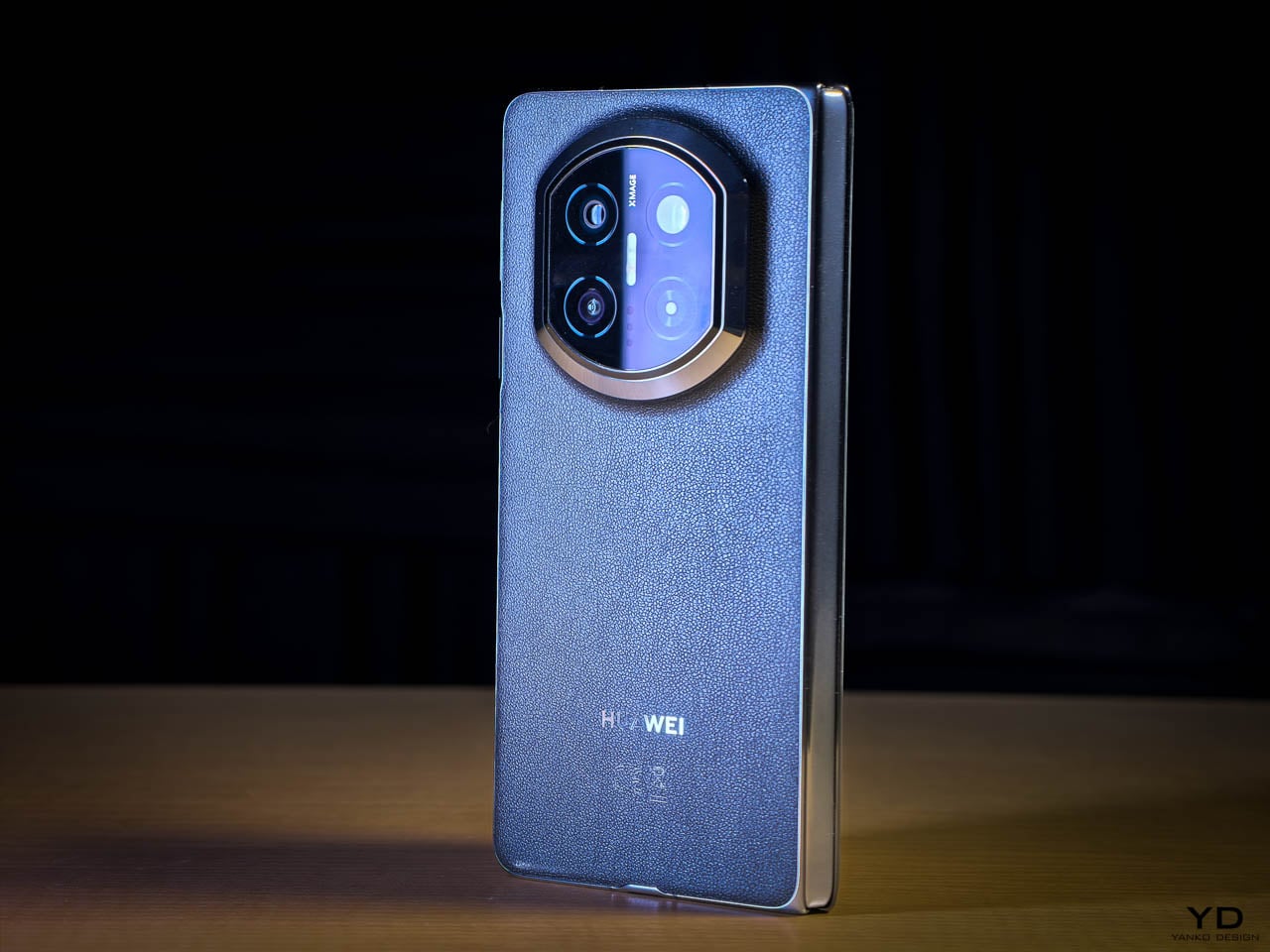
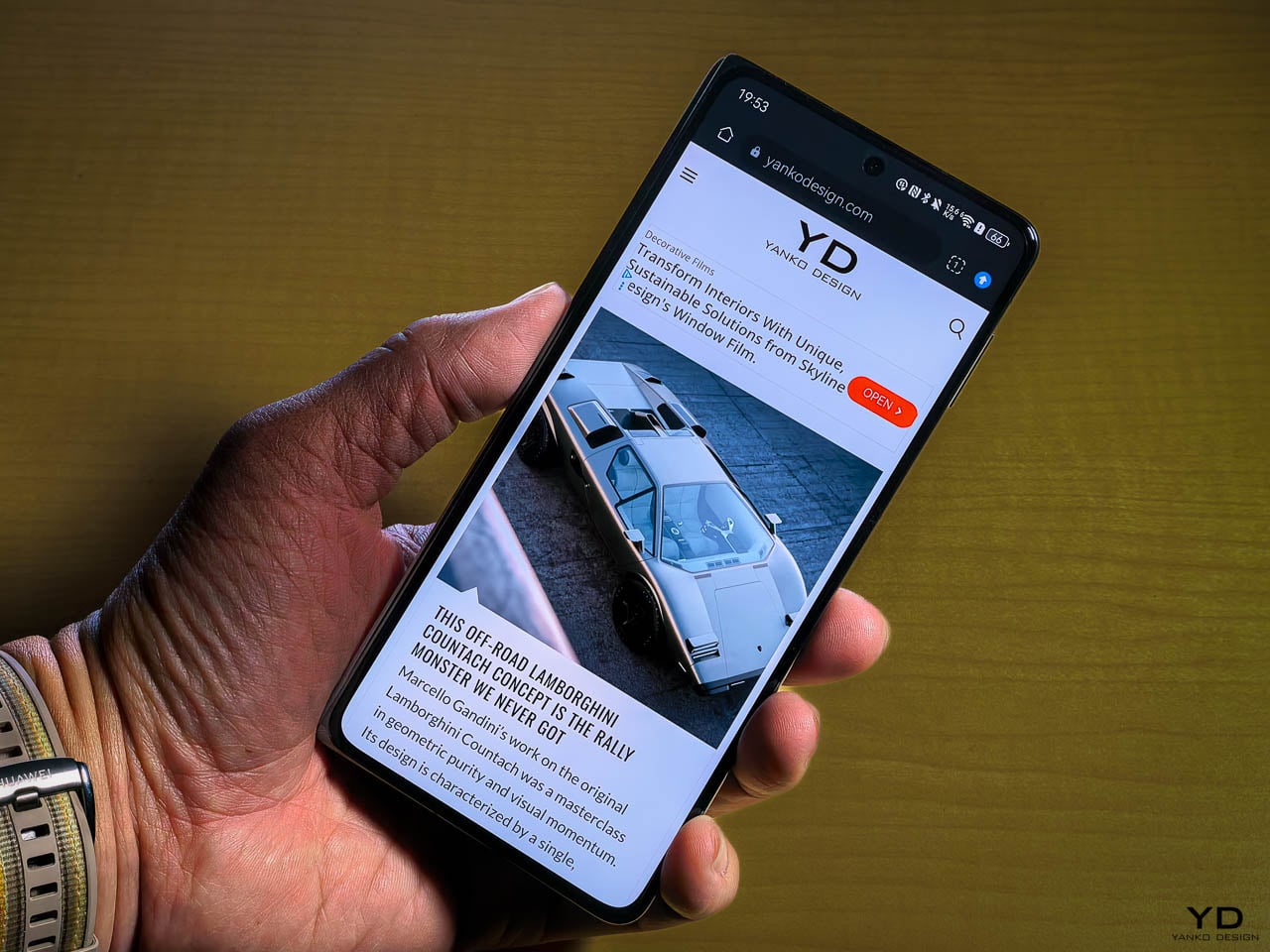
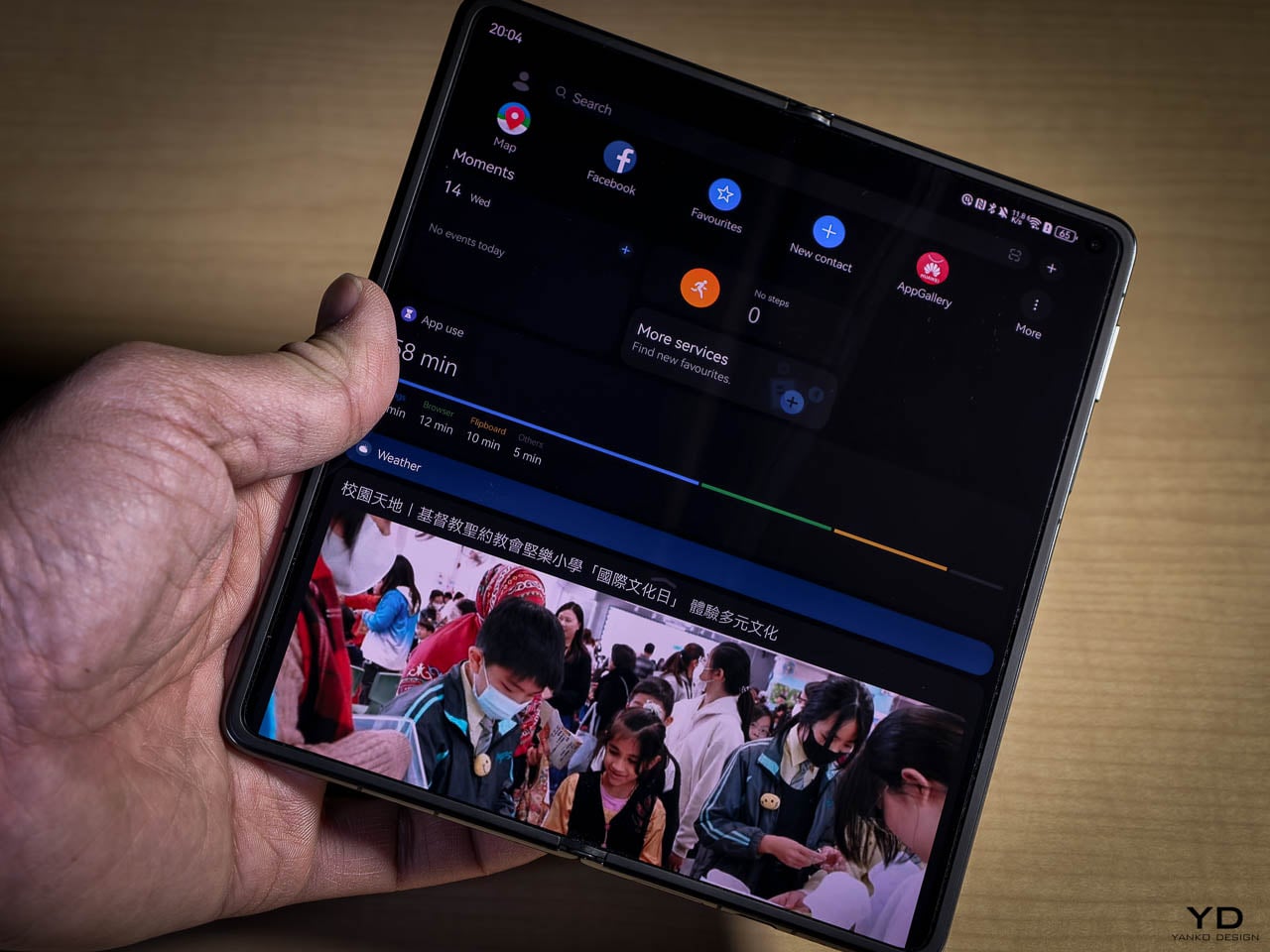
Folded, the Mate X7 feels surprisingly ordinary in the best way possible. The thickness stays under ten millimeters, which means it slips into pockets without that familiar resistance most book style foldables still have. Unfolded, it measures approximately 4.5 millimeters. Both displays run at 2.4K resolution on LTPO OLED panels with adaptive refresh from 1 to 120 Hz, the outer screen peaking at 3,000 nits and the inner at 2,500 nits. The curved edges soften the contact points in your hand, and the weight feels evenly distributed rather than top heavy. I never found myself adjusting my grip to compensate for the hinge or camera module.
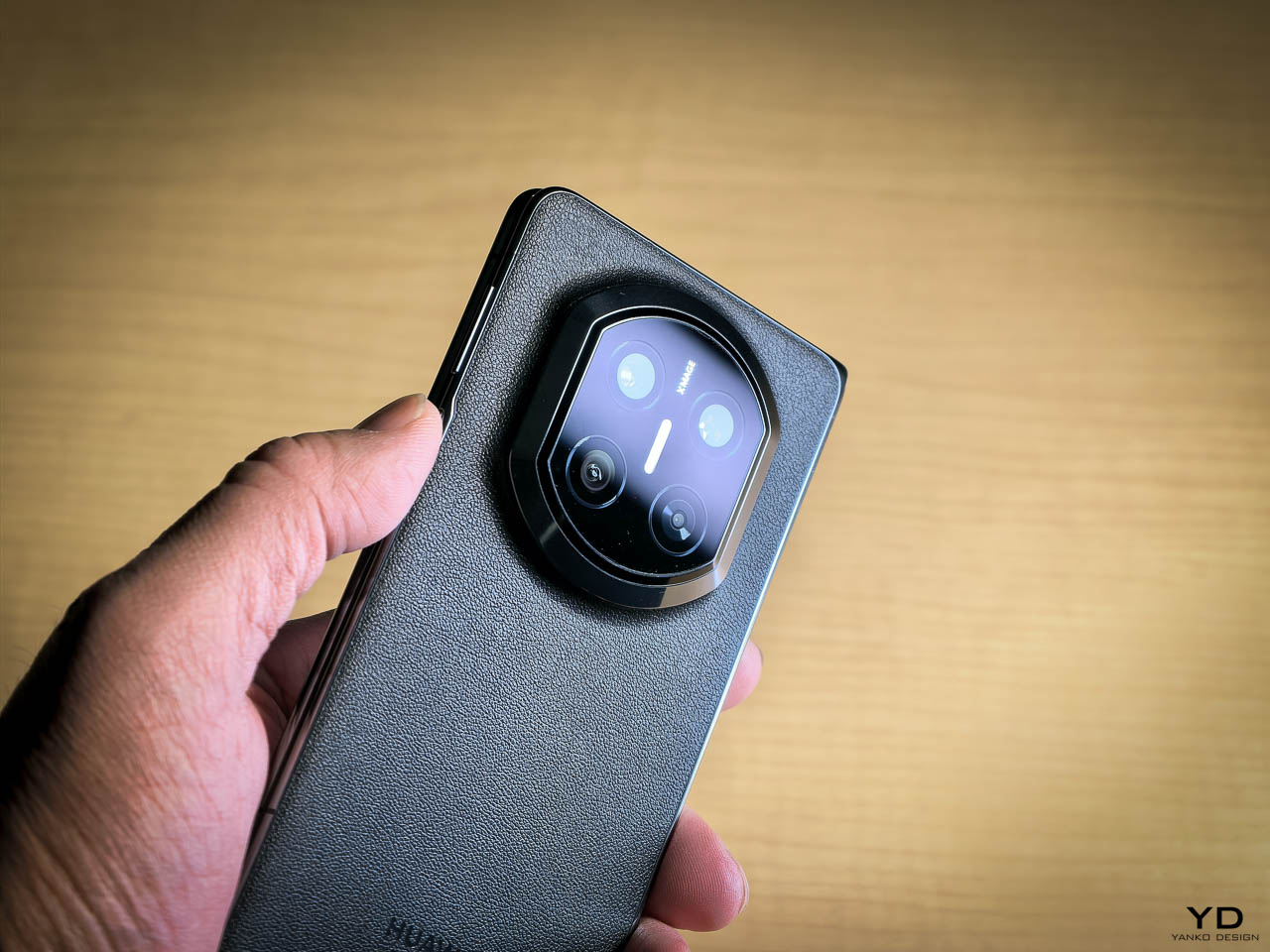
The black vegan leather rear panel changes how the phone sits in the hand. It’s softer than glass, warmer than metal, and far less prone to slipping during one handed use. Fingerprints don’t cling to it the way they would on a glossy surface. Over time, the leather develops a subtle patina rather than showing wear, which frames aging as character rather than damage. It feels like a material choice made for daily comfort, not display.
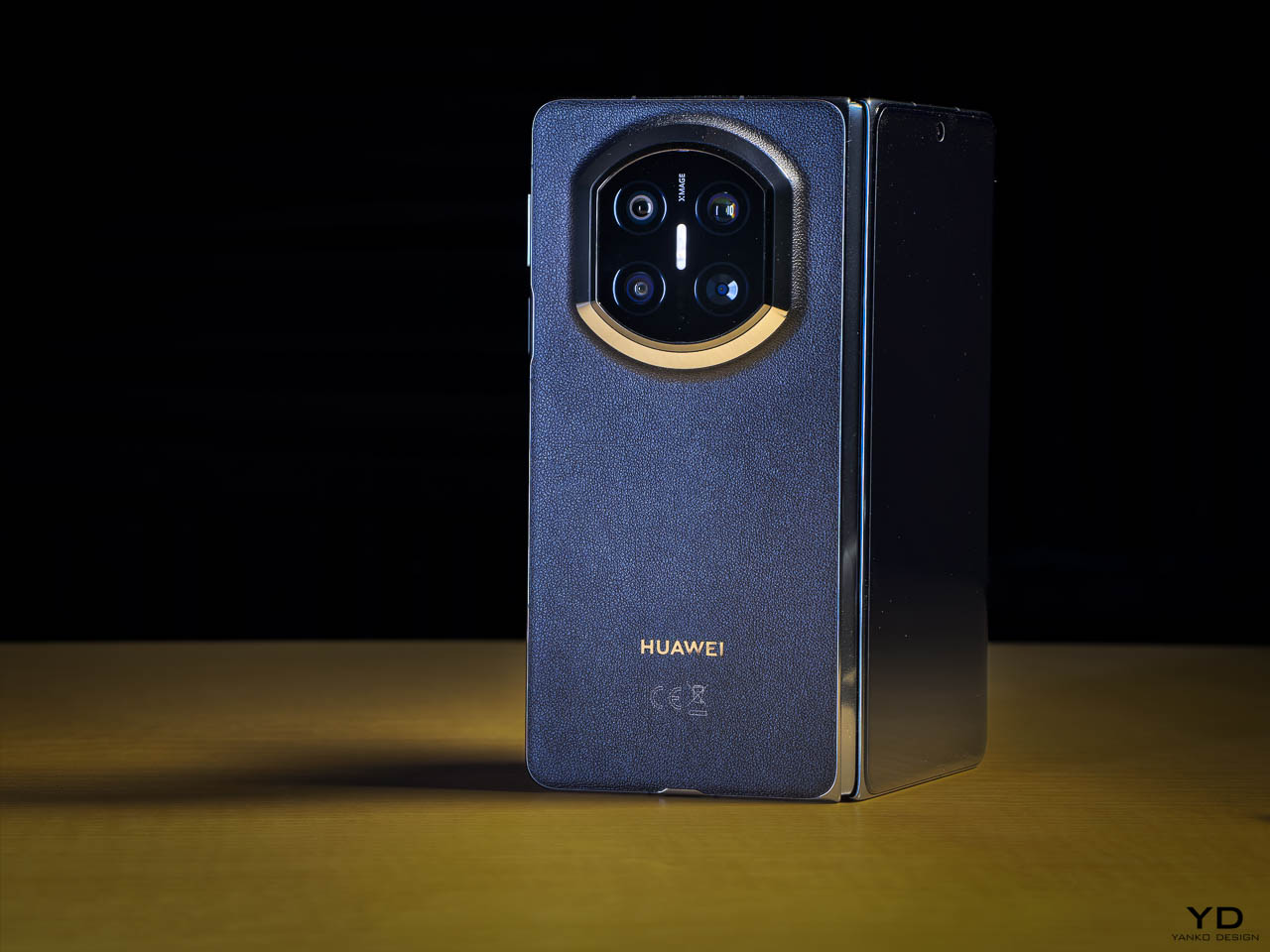
The redesigned camera module warrants more attention than it usually gets in foldable reviews because it does more than house optics. This shift away from the circular camera island feels less like a styling decision and more like a correction to how foldables have been carrying visual mass. The Time Space Portal design stretches vertically, which aligns with the natural proportions of a folded device instead of fighting them. It also spreads mass along the back rather than concentrating it near the top, which helps explain why the Mate X7 never feels top heavy in the hand. This design only works because Huawei re-engineered the camera system to fit within the physical constraints of a thinner foldable body, allowing it to read as a surface element rather than a mechanical bulge. What you end up with is a camera module that feels integrated into the body instead of attached to it. Paired with the leather rear panel, the camera module reads less like a hardware interruption and more like part of a continuous material composition.
The interface plays a quiet but important role in how the Mate X7 feels to live with. When the phone is folded, core interactions stay comfortably within thumb reach instead of drifting upward or outward. Unfolding the device doesn’t feel like switching modes so much as expanding the same workspace. Apps reflow predictably rather than rearranging themselves in ways that break muscle memory. That predictability matters because it reinforces the physical design choices. You unfold when you want more space, not because the interface forces you to. The software respects the hardware’s proportions, which is why the Mate X7 feels cohesive rather than clever.
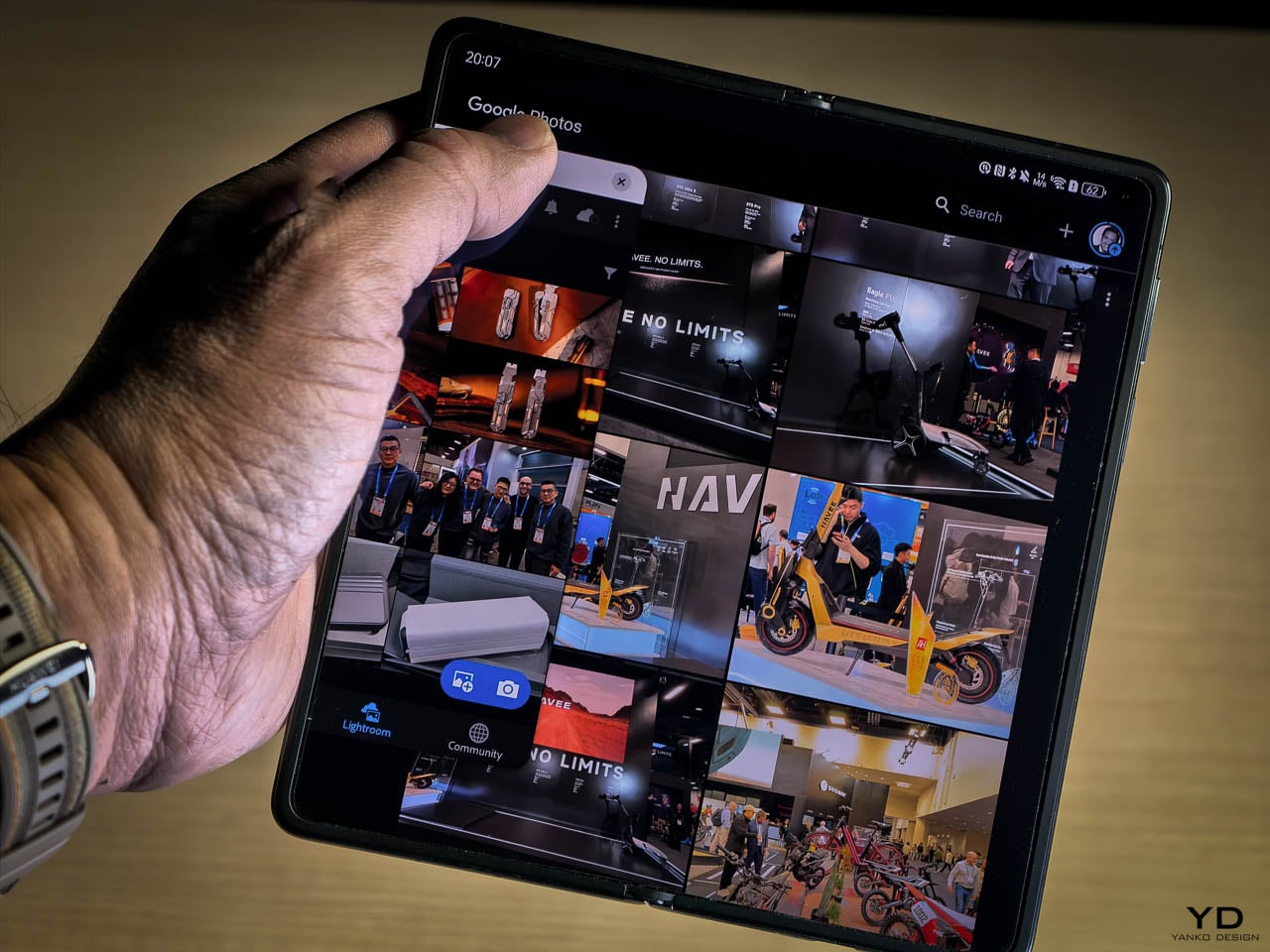
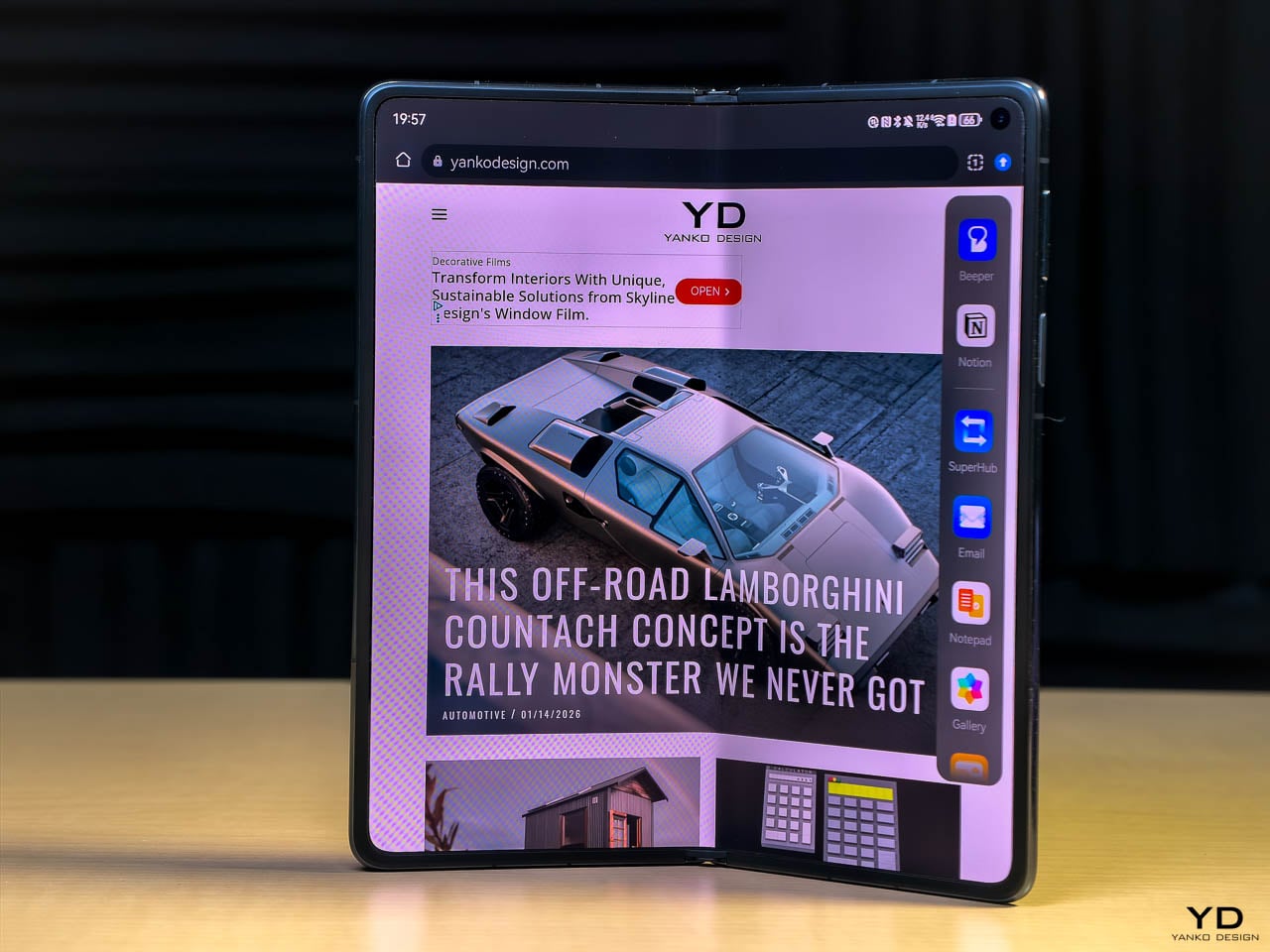
Unfolded, the eight inch inner display changes posture more than behavior. You don’t suddenly use the phone differently. You simply see more of what you were already doing. Email triage feels less cramped. Reading long articles feels natural instead of compressed. The crease fades into the background quickly, and because both displays share the same resolution class, refresh rate range, and color tuning, the transition between folded and unfolded never feels like a downgrade or upgrade. It feels consistent.
That consistency is what makes the design work. The Mate X7 doesn’t force you to choose between screens. It lets you forget about the distinction.
Hinge and Durability
Foldables still live or die by trust. The Mate X7 builds that trust quietly. The hinge opens with steady resistance and closes with a controlled final movement. There’s no snap. No wobble. No audible feedback that makes you hesitate. After days of frequent folding and unfolding, it never felt looser or stiffer than it did out of the box.
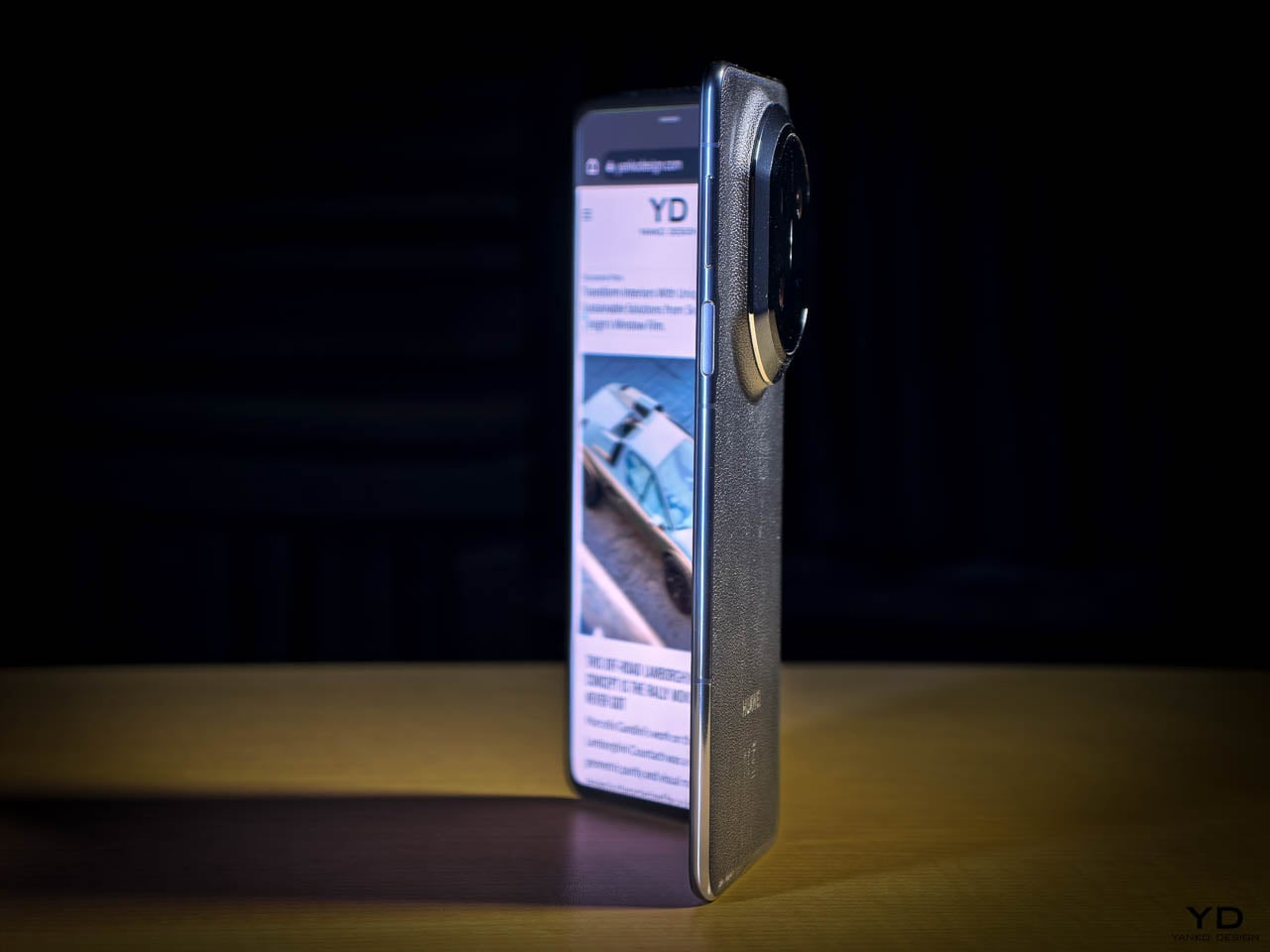
Knowing there is a layered structure under the inner display changes how you interact with it. You stop hovering your fingers. You stop being overly careful. The screen responds like a screen, not like something you’re afraid to touch. That psychological shift is important, and it’s something many foldables still fail to achieve.
Water resistance doesn’t turn this into a rugged phone, but it removes anxiety from daily life. Light rain, splashes near a sink, condensation from a cold bottle. These moments no longer feel like threats. You don’t think about them. You keep using the phone.
Performance and Thermal Behavior
The Mate X7 uses a Huawei-designed chipset paired with an updated internal cooling system built specifically for the thermal constraints of a foldable chassis. Rather than emphasizing raw performance numbers, the focus here is sustained responsiveness and thermal stability during extended use. That design intent shows up immediately in daily operation.
Performance on the Mate X7 never called attention to itself, which is exactly what I want from a device in this category. Swiping, scrolling, and switching between apps felt effortless. I never found myself waiting for a transition or wondering if the system would keep up. Rather than chasing benchmark headlines, the platform here prioritizes consistency, keeping animations fluid, app launches quick, and daily use free from friction or compromise.
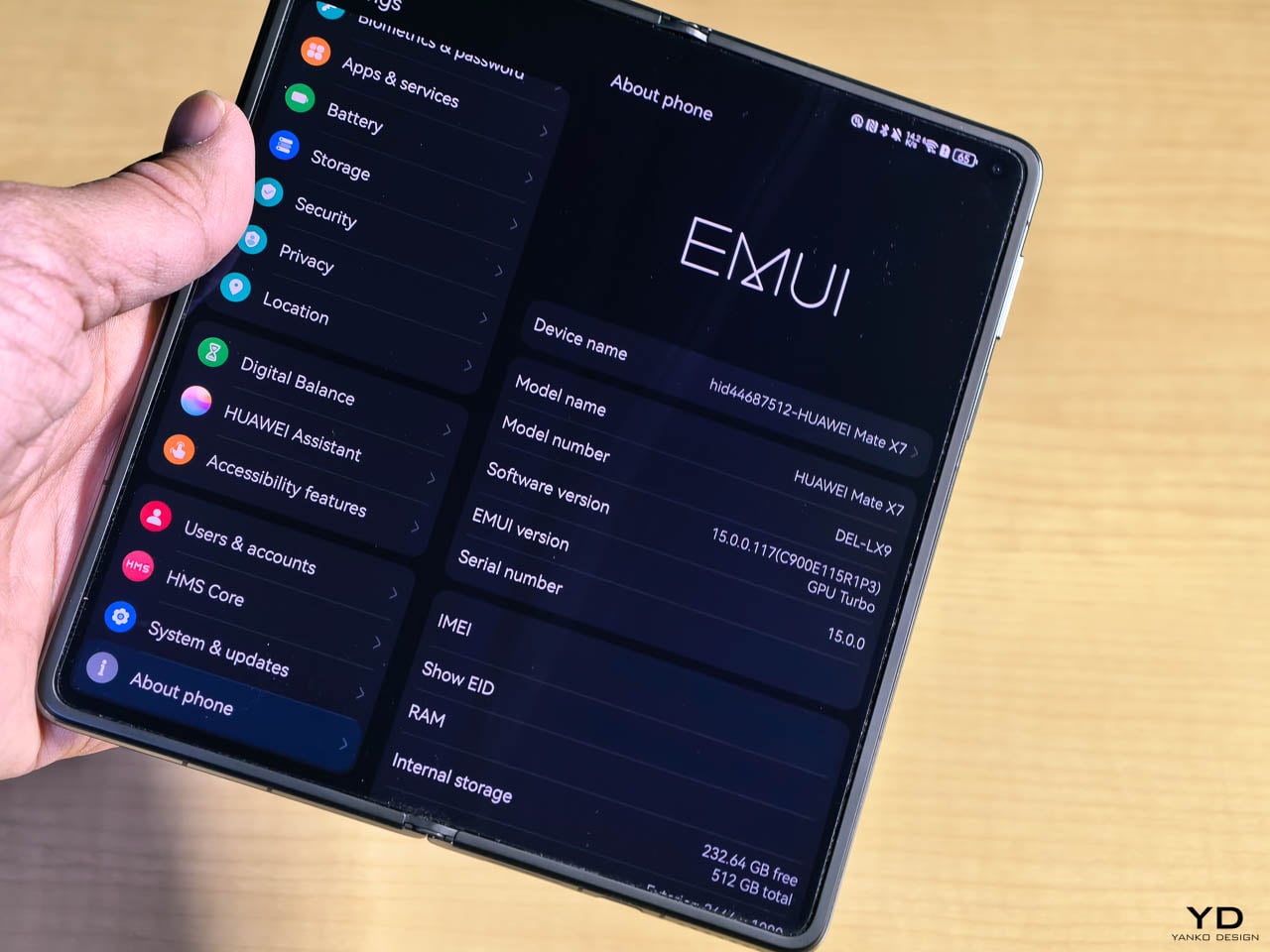
It’s clear that HarmonyOS isn’t just running on this hardware. It’s tuned for it. The software and silicon work together in a way that feels quiet rather than flashy. Menus respond the moment you touch them. Transitions between folded and unfolded states don’t stutter. High refresh rates stay smooth without feeling like the system is straining to maintain them. That kind of optimization is easy to overlook until you use a device where it’s missing.
When I put the Mate X7 through longer stretches of use, the thermal behavior became the real story. Video calls, heavy browsing, photography, and frequent multitasking ran together without noticeable heat buildup. The vapor chamber cooling system does its work invisibly. The phone stayed comfortable in my hand even during more demanding sessions, and I never found myself shifting my grip to avoid a warm spot. That matters more on a foldable because heat has fewer places to go. The Mate X7 handles that constraint well.
The result is a device that feels steady rather than startling. Performance here isn’t about peak numbers. It’s about consistency across hours of use, which is exactly what allows a foldable to function as a primary phone instead of something you second-guess.
Battery Life and Charging
The Mate X7 carries a 5,300 mAh silicon anode battery, with 66 W wired charging and 50 W wireless. In practice, that capacity translates to a full day of mixed use with time split between the outer and inner displays without feeling like a gamble. Even on heavier days, I wasn’t watching the percentage with concern by evening.
Charging reinforces that confidence. Wired charging is fast enough that short top ups meaningfully extend the day. Wireless charging is practical rather than symbolic. Together, they change how you plan your usage. You stop budgeting power. You start trusting the device to keep up.
That confidence is what allows a foldable to function as a primary phone instead of something you plan around.
Camera Experience
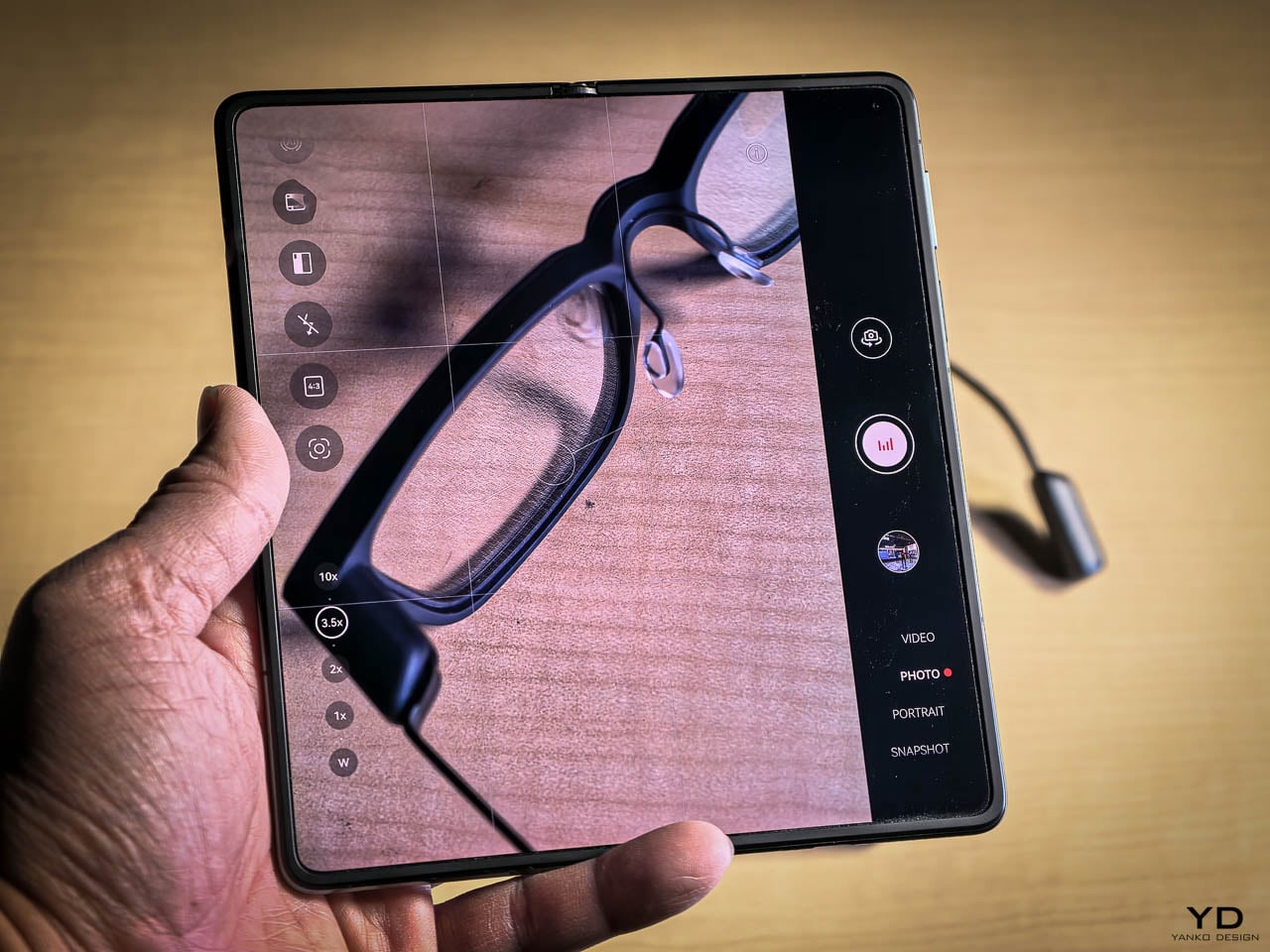
The camera system consists of a 50 megapixel main sensor with a variable physical aperture that opens to f/1.49, a 50 megapixel telephoto with 3.5x optical zoom housed in a vertical periscope structure, and a 40 megapixel ultrawide at f/2.2. Video captures at 4K.
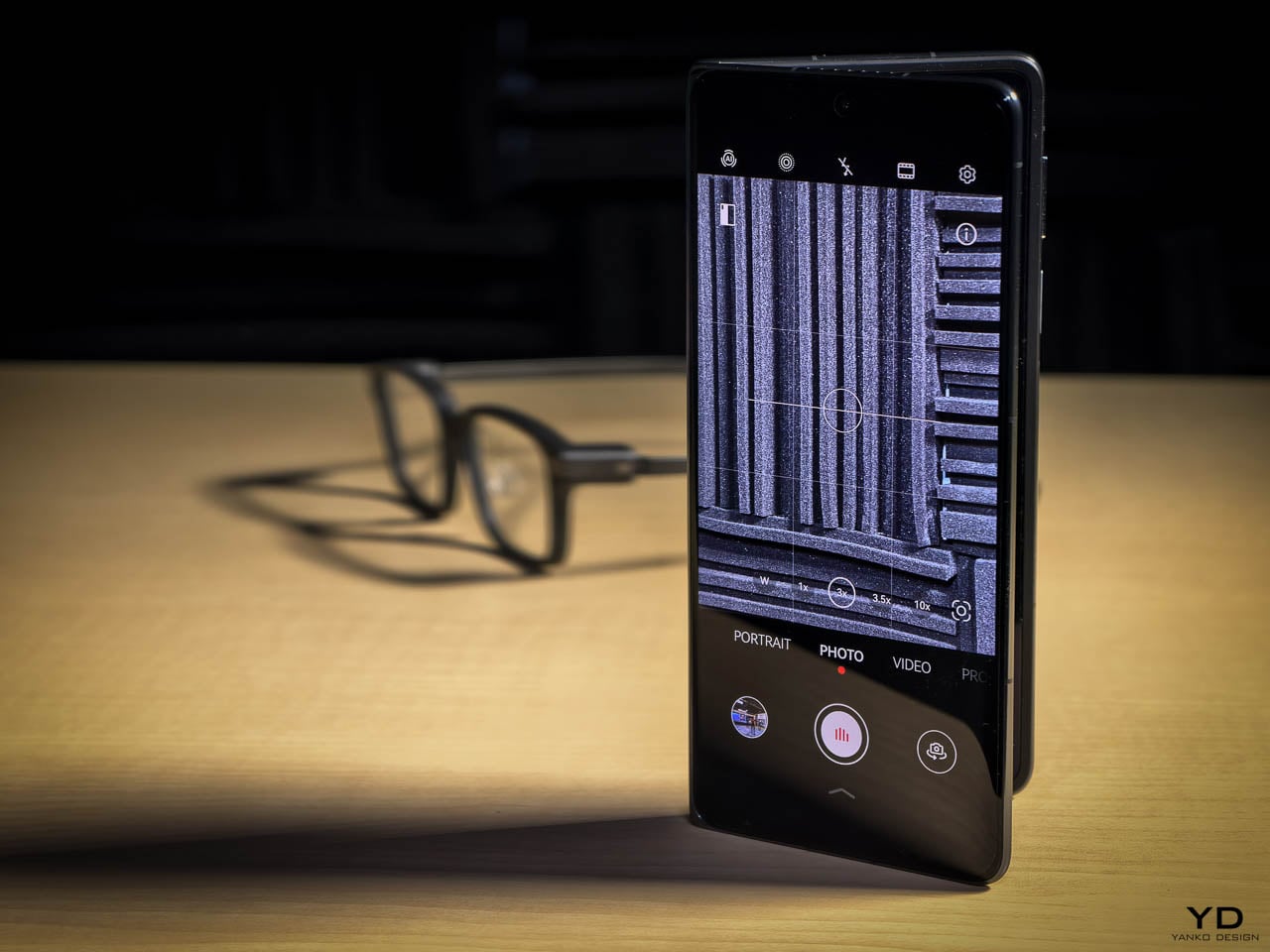
The camera on the Mate X7 doesn’t ask you to think about it. You raise the phone, frame the shot, and trust the result. That trust builds quickly because the camera behaves the same way whether you’re indoors, outdoors, or somewhere in between. It doesn’t surprise you. It doesn’t overprocess. It just works, and that consistency is what allows photography to feel like a natural extension of using the phone rather than a separate task you have to manage.
The 50 megapixel main sensor handles light with a kind of patience you notice over time. In bright conditions, it holds back instead of pushing saturation or sharpening edges artificially. In low light, the variable physical aperture opens wider, which means the sensor gathers more light without relying entirely on software to compensate. The result is images that retain structure in shadows and control in highlights. Colors stay grounded. Skin tones stay believable. The camera doesn’t chase drama. It preserves what’s actually there.

The 50 megapixel telephoto uses a vertical periscope design, which is what allows it to exist inside a body this thin. At 3.5x optical zoom, the range feels deliberately restrained. It’s not trying to reach the moon. It’s trying to be useful at the distances where you actually want more detail. In practice, details hold together. Color stays consistent with the main sensor. Macro capability follows the same logic. You move closer and the lens responds without hunting or losing sharpness. It feels considered, not novelty driven.

Video capture at 4K benefits from the same restraint. The processing pipeline stays out of the way. High contrast scenes remain readable. Motion stays controlled without aggressive smoothing. Skin tones don’t drift toward artificial warmth or coolness. HDR processing handles mixed lighting without making the image feel overworked. The result is footage that looks balanced, not corrected. You notice this most when reviewing clips later. They look like what you saw, not like what the software decided you should see.
What ties all of this together is the vertical camera module. Because Huawei engineered the optics to fit a constrained space, the camera system doesn’t dominate the device. It doesn’t create a top heavy grip. It doesn’t force a thicker body. Instead, it sits inside the form as a functional element rather than a visual statement. That’s what allows the Mate X7 to feel like a phone that happens to take excellent photos, rather than a camera that happens to fold.
Software and Daily Use
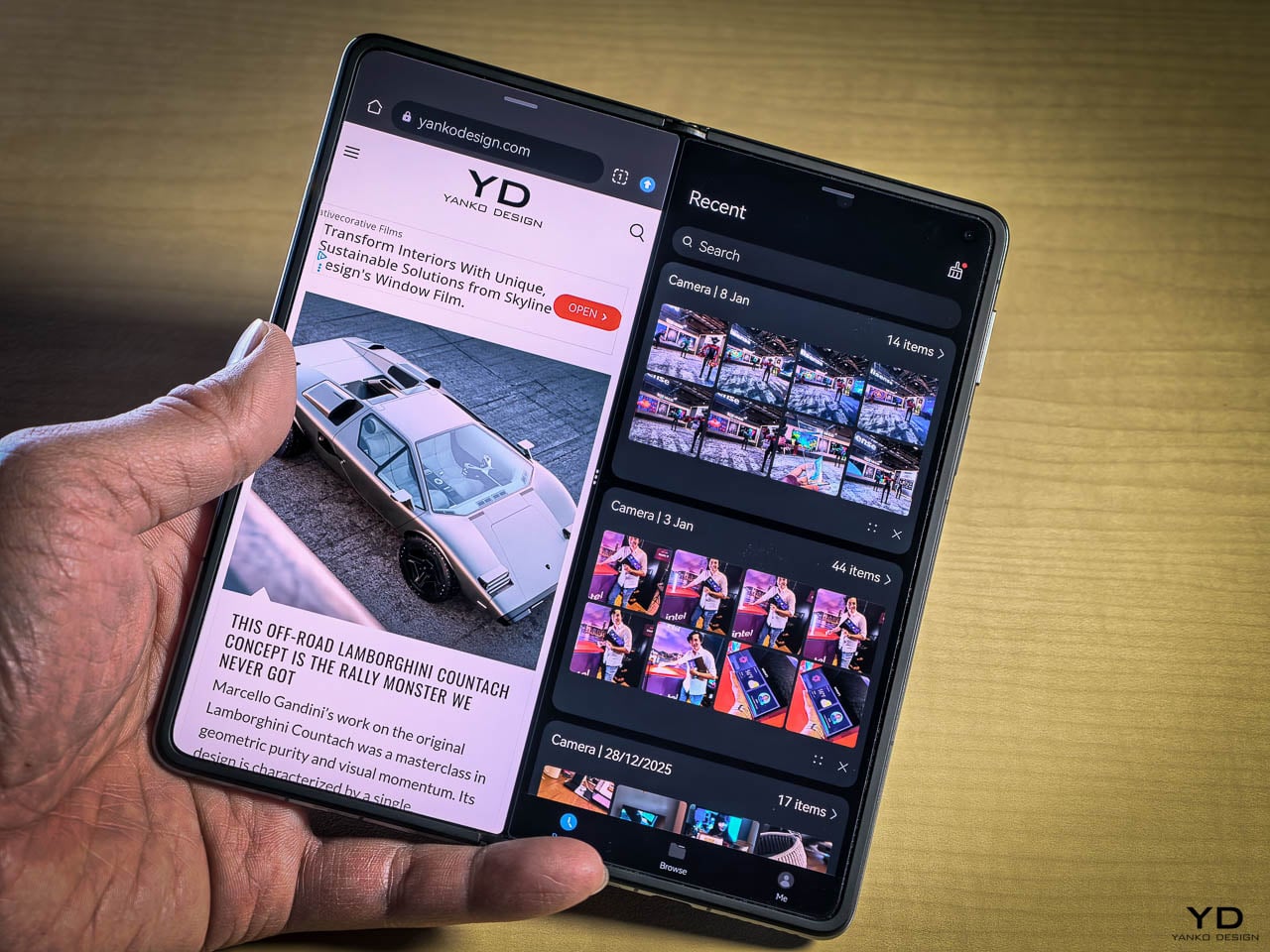
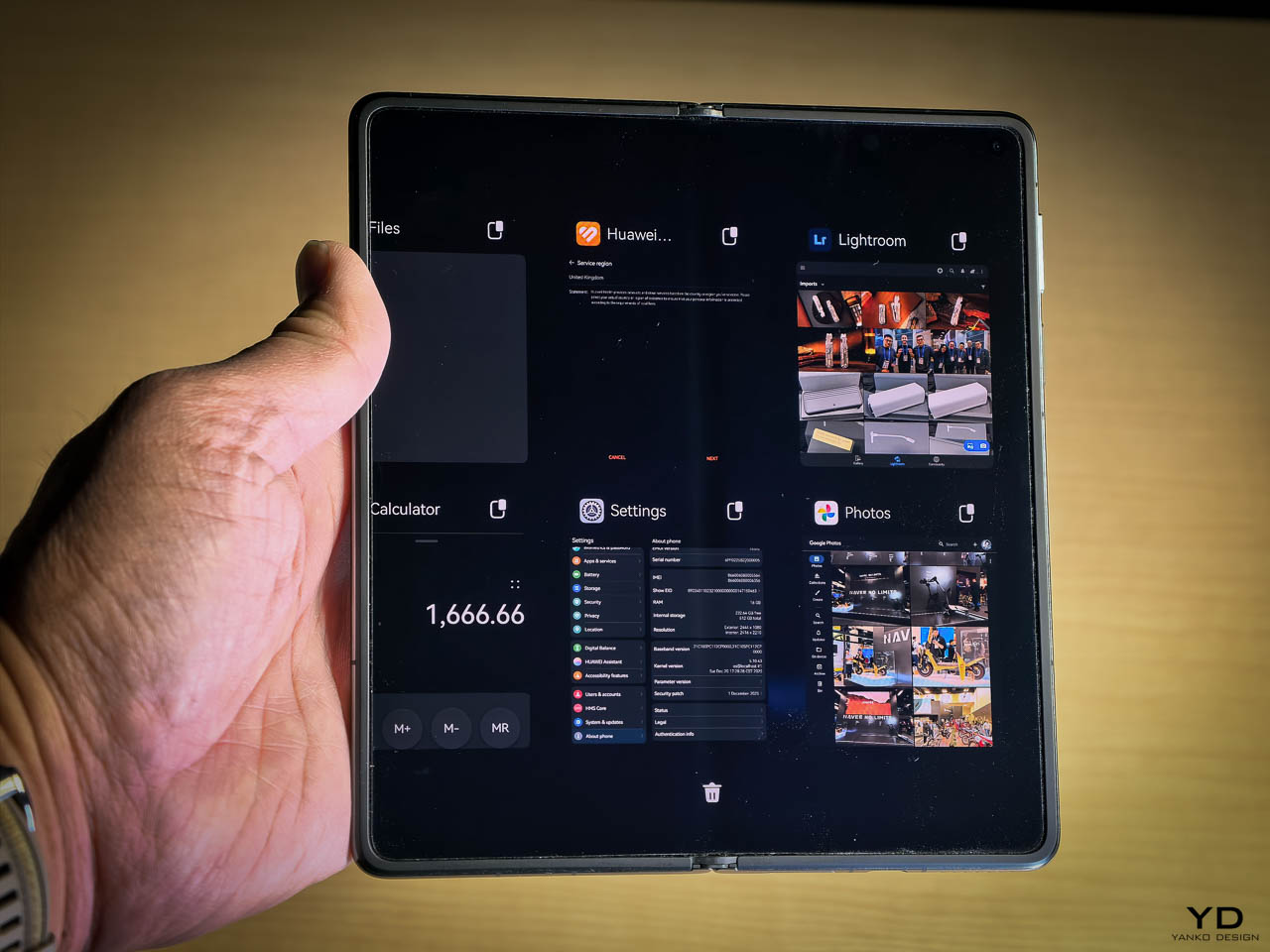
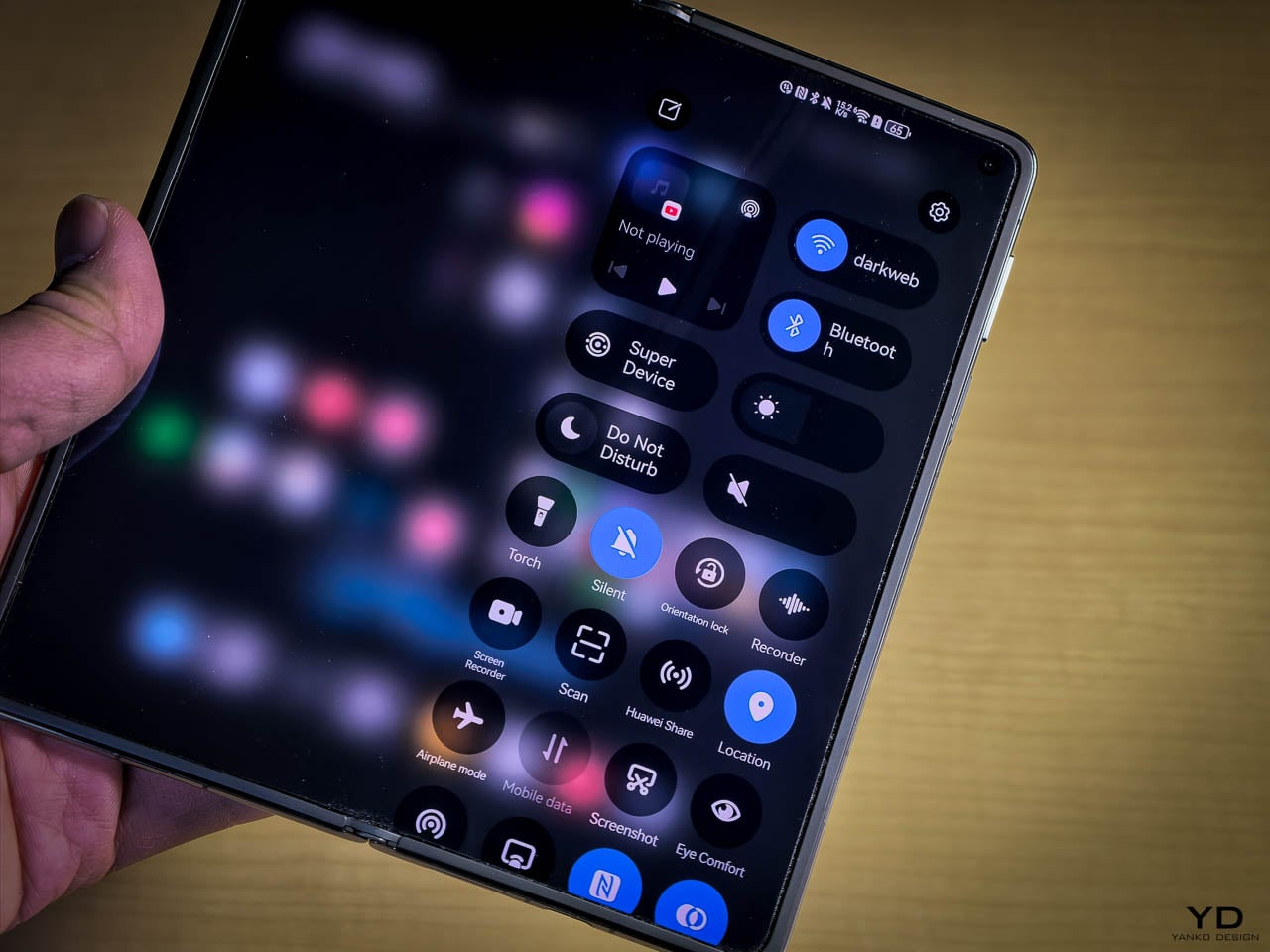
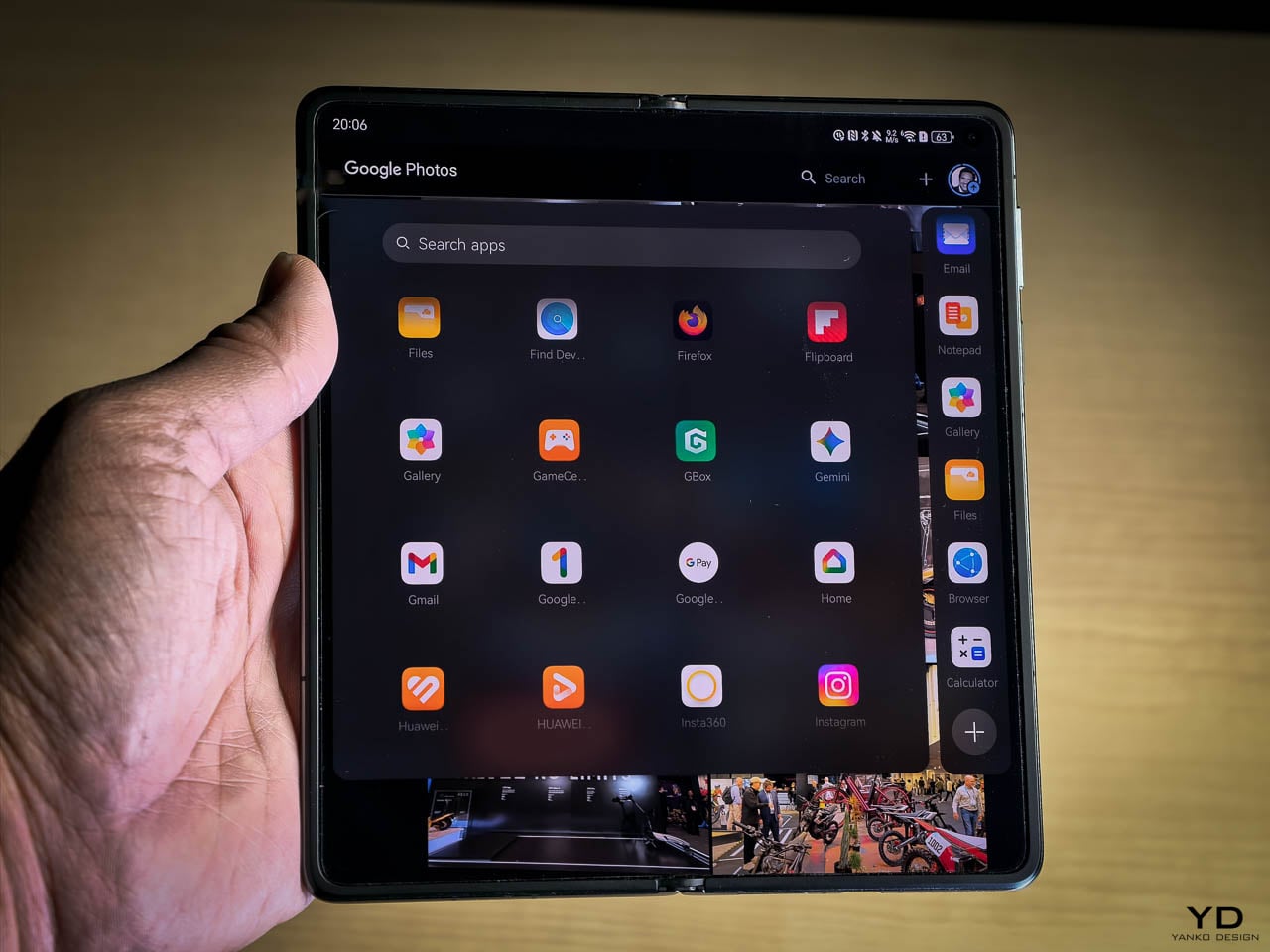
The Mate X7 runs HarmonyOS, optimized specifically for foldable layout behavior and dual display continuity. Transitions between folded and unfolded states happen without disruption. Apps reflow logically. Multitasking feels natural rather than forced.
The absence of Google services remains a practical consideration, but it’s no longer the hard stop it once was for many users. Workarounds exist, and in daily use, most essentials are accessible. Whether that trade off is acceptable depends on your ecosystem priorities, but it no longer overshadows the hardware itself.
Sustainability and Longevity
Sustainability on the Mate X7 is less about messaging and more about what happens when a device is designed to survive years of repetition. A device that lasts longer is inherently more responsible. The Mate X7 feels built to survive years of daily use rather than a single upgrade cycle, largely because it avoids unnecessary complexity. Materials are chosen for strength. The hinge is engineered for repetition. The screens are designed to be used, not protected from the user.
That longevity changes the ownership equation. This doesn’t feel like a phone you replace quickly. It feels like one you settle into.
Value and Perspective
The Mate X7 sits firmly in premium territory, but its value comes from reduction rather than addition. Fewer compromises. Fewer warnings. Fewer behavioral adjustments. You’re not paying for spectacle. You’re paying for cohesion.
It feels less like a statement piece and more like a refined tool. For users willing to step outside familiar software ecosystems, the hardware experience justifies that decision.
Considerations
Living with the Mate X7 asks you to be intentional about your software habits. HarmonyOS is capable and well optimized for this hardware, but it operates outside the ecosystems most people have built their workflows around. That requires awareness, not compromise. Whether it fits depends on how tied you are to specific services and how willing you are to adjust.
This is not a device chasing peak numbers. The performance tuning here prioritizes stability over raw output, and that balance holds up well in daily use. In sustained, heavy scenarios, the ceiling does become visible, but it rarely surfaces during normal workflows. For users who push hardware constantly, it is worth understanding upfront. For everyone else, the experience remains smooth and dependable.
The 3.5x optical zoom is a deliberate choice, not a limitation hidden by marketing. It exists because a longer reach would have required a thicker body or a heavier module. If long range photography defines how you shoot, this restraint matters. If it doesn’t, the telephoto performs exactly as it should.
This is still a foldable. The engineering has matured, the materials have improved, and the confidence I felt using it was real. But a device that folds will always ask for a different kind of respect than one that doesn’t. This invites normal use, not careless use.
Final Thoughts
Living with the Huawei Mate X7 feels less like adapting to the future and more like finally arriving there. The device doesn’t ask for patience. It doesn’t demand care. It doesn’t rely on novelty to justify itself. It works.
That may be the most meaningful evolution in foldable design so far. It earns trust by disappearing into daily life and only reminding you it’s special when you need more space, more light, or more time.
That’s what a finished product feels like. In that sense, the Mate X7 feels less like the next foldable and more like the first one that understands what it’s supposed to be.