The fancy pen set has become the most predictable gift in the design world. Sleek metal barrels tucked into velvet cases, often expensive, rarely used. They end up in drawers alongside forgotten business cards and mystery cables. Designers know this pattern well because they’ve received these sets multiple times, smiled politely, and wondered why gift givers keep missing what actually matters: tools that solve real problems beautifully.
The best gifts for designers aren’t decorative. They’re functional objects elevated through thoughtful design, things that get touched daily and spark small moments of satisfaction. The tools below earned their place on studio desks and in everyday carry rotations because they do their jobs exceptionally well while looking good doing it. Each one beats the fancy pen set by actually getting used.
1. Stud Measure
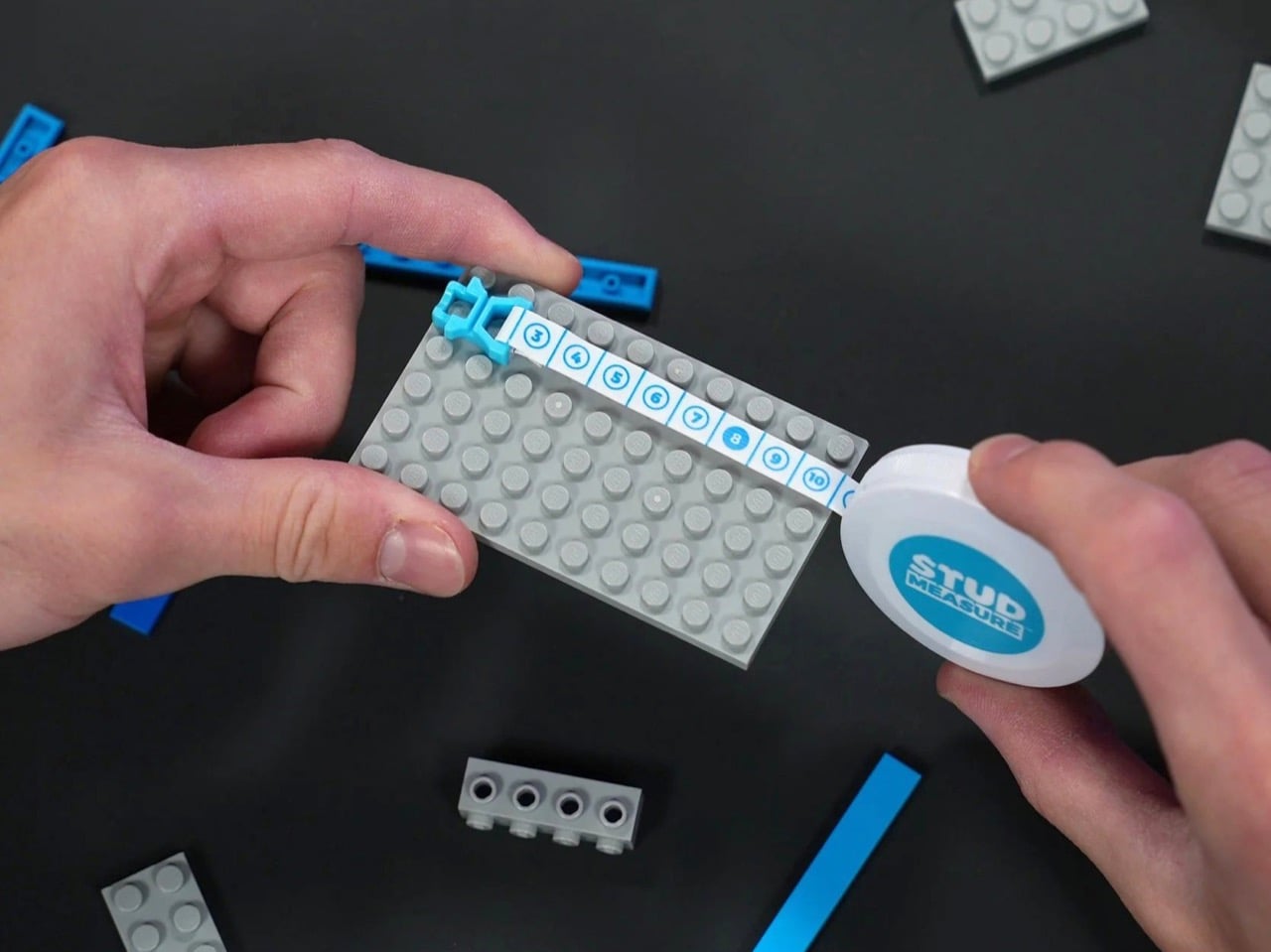
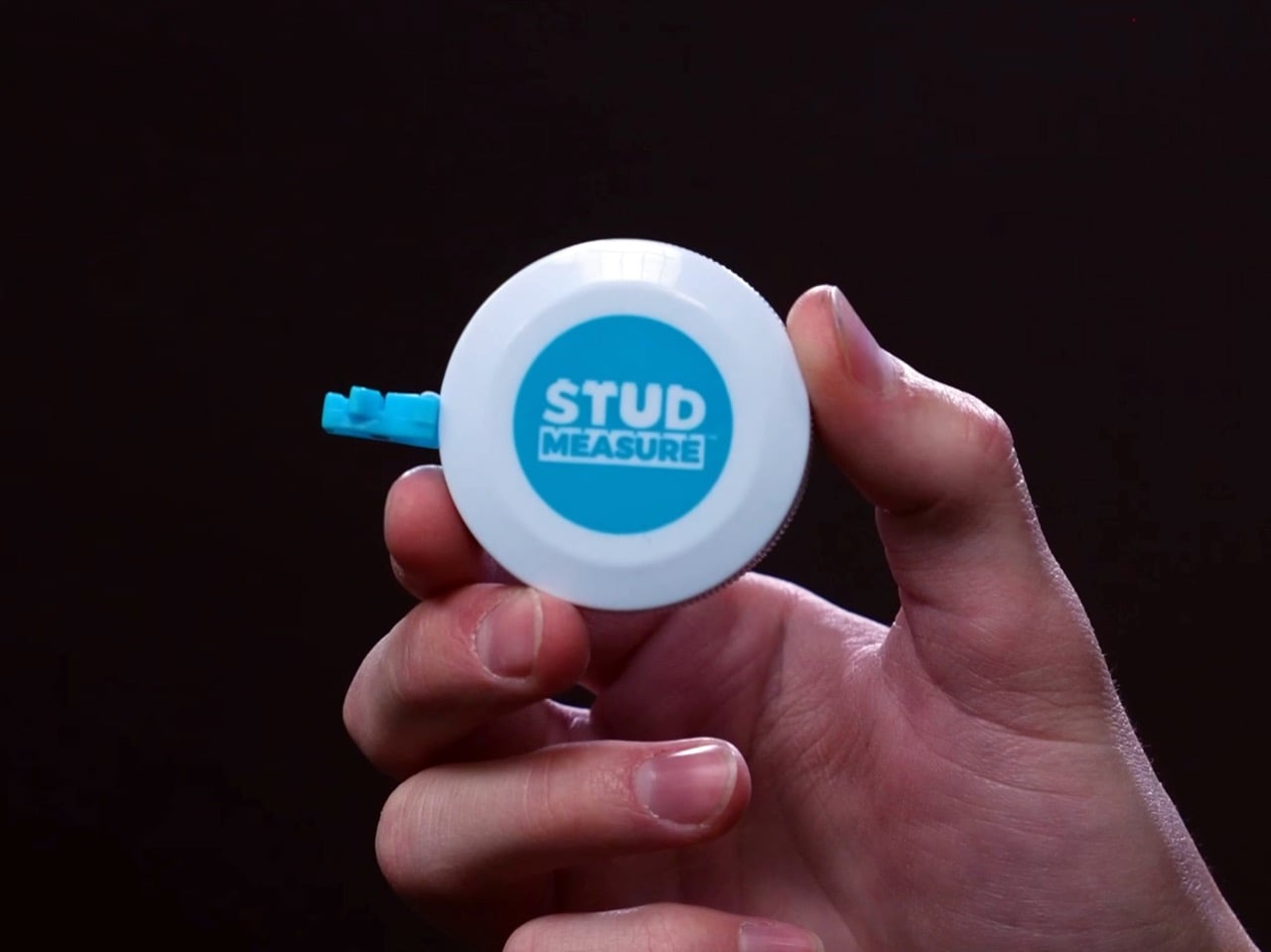
The LEGO builder’s toolkit has remained surprisingly incomplete for decades. Brick separators arrived to spare fingernails, storage systems evolved to organize thousands of pieces, but measuring stayed primitive. Counting studs by hand across baseplates or estimating dimensions by eye works until precision matters. The Stud Measure addresses this gap with a measuring tape designed specifically for LEGO’s geometry, speaking the language of studs, bricks, and plates, rather than forcing builders to convert from inches or centimeters.
Riley from Brick Science designed this tool after years of building on camera for over two million subscribers. The bright blue clip snaps directly into LEGO studs, anchoring the tape without dangling metal hooks or slipping off edges. The flexible tape extends to 190 studs, covering roughly 60 inches of real-world distance. That length handles most train layouts, modular building displays, and tabletop city builds without needing to retract and reposition. The markings translate directly into LEGO measurements, turning what used to require mental math into something you can read at a glance.
What we like
- The clip integration feels obvious once you see it, snapping into studs the same way bricks do.
- The 190 stud length covers serious builds without falling short when you need it most.
- Pricing sits at $9.99, low enough to grab without overthinking the purchase.
- The tape works equally well measuring horizontal baseplates or vertical wall constructions.
What we dislike
- The single color option limits personalization for builders who customize everything.
- The tape’s flexibility means it can bow slightly on unsupported long measurements.
- Storage becomes another loose item in the parts bin without a dedicated home.
- The niche appeal means non-LEGO builders won’t find much use for it.
2. Magboard Clipboard
Clipboards haven’t changed much in generations. A rigid board, a spring clip, maybe a storage compartment if you’re lucky. They work fine for static documents but fall apart the moment you need to rearrange pages, add sheets mid-project, or work with different paper sizes. The Magboard rebuilds this basic tool using magnets and a lever mechanism that holds up to 30 sheets while letting you reorganize on the fly.
The hardcover design maintains writing stability even when you’re standing or moving between spaces, giving you the structure notebooks provide without forcing a predetermined page order. Water resistance protects your work when coffee tips over or rain hits unexpectedly. The magnetic clip releases and secures smoothly, creating a tactile interaction that feels more intentional than wrestling with a bent spring clip. Loose sheets stay loose, giving you complete freedom to sketch, annotate, shuffle, and discard without worrying about binding.
What we like
- The magnetic mechanism handles 30 sheets without feeling strained or weak.
- Rearranging pages mid-project happens instantly instead of requiring unbinding and rebinding.
- The hardcover support makes vertical note-taking actually practical for site visits or standing meetings.
- Water resistance means the clipboard itself survives the chaos that kills paper.
What we dislike
- The minimalist design lacks storage pockets for pens or business cards.
- Magnets can interfere with some types of metallic ink or magnetic stripe cards if stored together.
- The rigid form takes up more bag space than flexible clipboards.
- Premium materials push the price higher than basic office supply versions.
3. Z3RO Mini Knife

Keychain knives usually feel like compromises. Light enough to ignore until you need them, flimsy enough to make you wish you’d brought a real blade. The Z3RO mini knife weighs 11 grams and measures around 5 centimeters, but uses materials borrowed from surgical tools and industrial cutters: tungsten alloy for the cutting tip, carbon fiber for the body, and titanium for the backbone. It fits on a keychain without adding bulk yet handles daily cutting tasks with the kind of precision that makes cheap utility knives feel sloppy.
Tungsten alloy rates at Mohs hardness nine, sitting just below diamond on the scale. That hardness means the tip shrugs off cardboard, cord, plastic packaging, thick tape, and cable ties without dulling quickly or developing the microchips that ruin cheaper blades. The tasks designers face constantly, opening sample shipments, cutting shrink wrap, trimming threads, slicing through layers of tape, all happen cleanly without needing to swap blades every few weeks. The carbon fiber body keeps weight minimal while the titanium backbone provides the structural support that makes the knife feel like a precision tool rather than an emergency backup.
Click Here to Buy Now: $74 $120 (38% off). Hurry, only a few left!
What we like
- The tungsten tip maintains sharpness through months of daily abuse without needing replacement.
- The 11-gram weight makes it genuinely keychain-friendly instead of pocket sagging.
- Material choices create a tool that feels premium rather than disposable.
- The compact size handles travel restrictions better than full-size knives.
What we dislike
- The small size limits cutting leverage on thicker materials.
- Replaceable tips aren’t as widely available as standard utility blades.
4. FoldLine Pen Roll
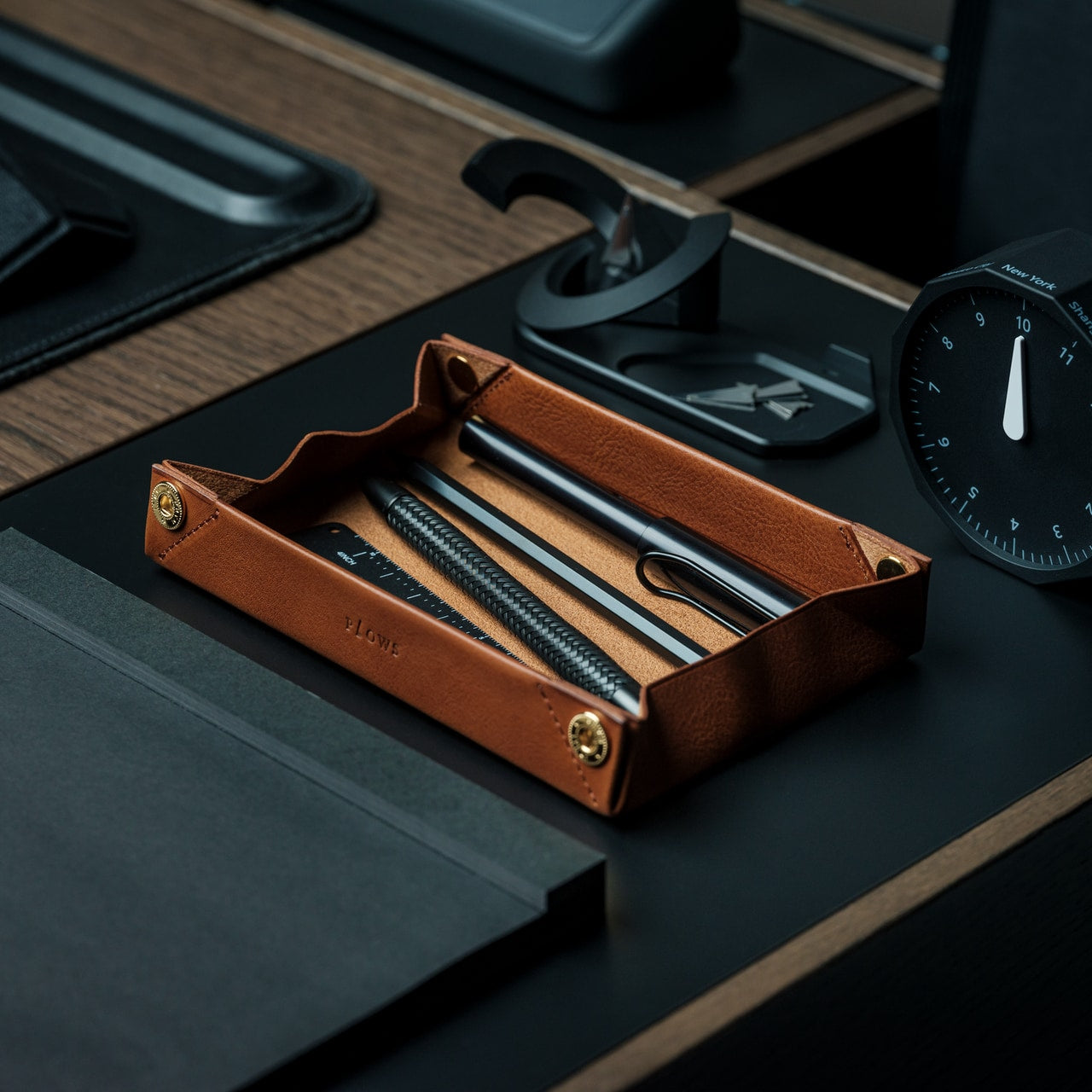
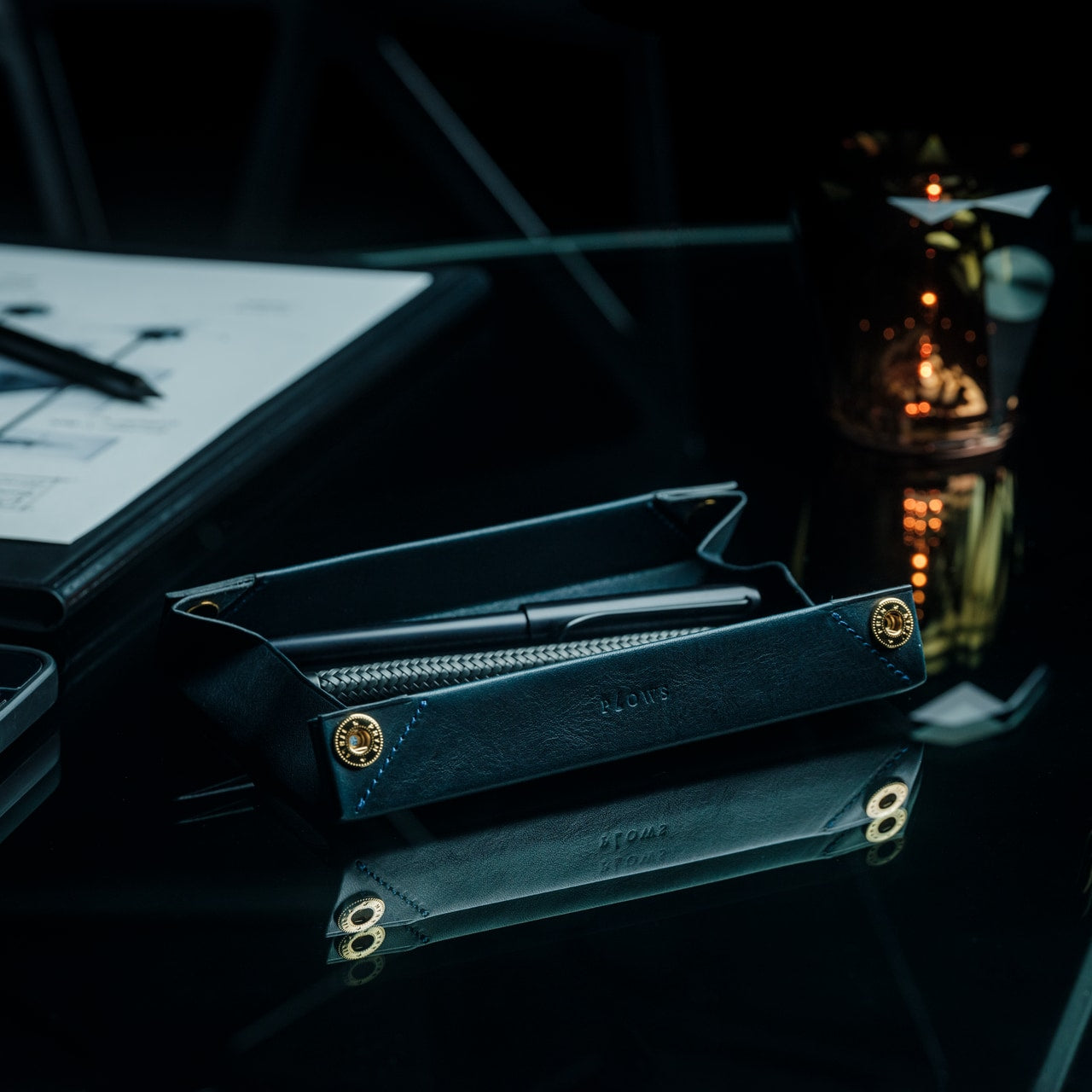
Pen storage tends toward two extremes: cases that rattle and clatter with every movement or rigid boxes that take up excessive space. The FoldLine Pen Roll takes a different approach, using a single piece of Italian Minerva Box leather that folds into structure without stitched dividers or internal compartments. It opens in two seconds, transforming from a compact roll into a stable tray that turns any surface into an organized workspace.
The folded leather naturally separates pens without requiring individual slots, wrapping each writing instrument in soft material that prevents scratching and eliminates the metallic clinking that makes some pen cases sound like tackle boxes. The symmetrical design works equally well for left or right-handed users, opening cleanly from either side without a preferred orientation. The leather comes from Badalassi Carlo tannery in Italy, vegetable tanned and enriched with cow leg oil, so it develops a unique patina over time while softening rather than cracking. The closure uses a machined snap from Italy’s PRYM, creating a satisfying click that signals quality in a detail most pen cases overlook.
Click Here to Buy Now: $135.00
What we like
- The tray transformation provides instant workspace organization without requiring a dedicated desk.
- The partition-free design adapts to different pen sizes and quantities naturally.
- Minerva Box leather ages beautifully instead of showing wear as damage.
- The ambidextrous design eliminates the frustration of cases built for one-handedness.
What we dislike
- The premium leather commands a higher price than nylon or synthetic alternatives.
- The soft material offers less impact protection than hard-shell cases.
- The roll format requires slightly more bag space than flat cases.
- Limited capacity means collectors with extensive pen rotations need multiple rolls.
5. Craftmaster EDC Utility Knife
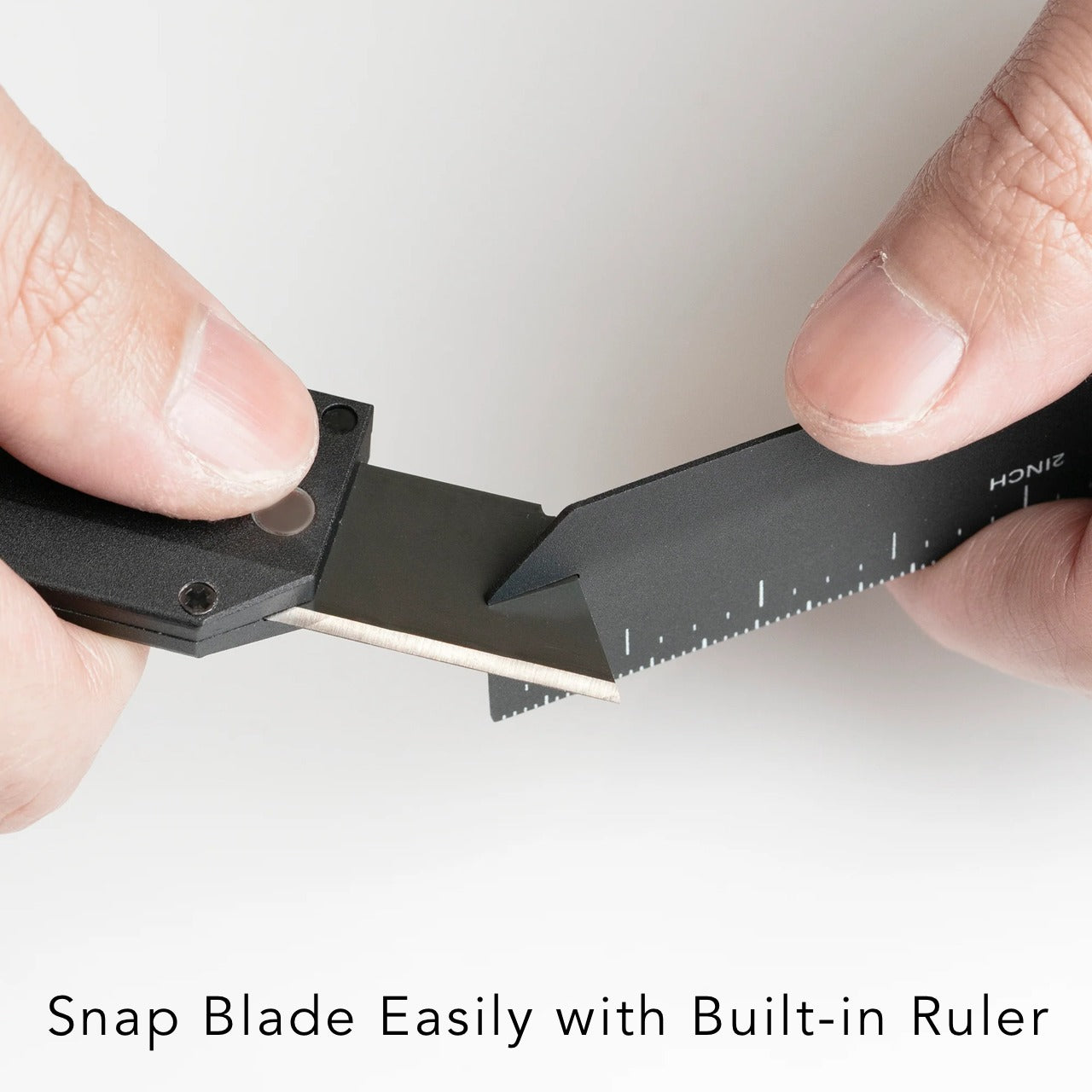
Standard utility knives work, but rarely feel good to use. Plastic bodies flex under pressure, blades wobble in cheap housings, and the overall aesthetic screams contractor’s toolbox rather than designer’s kit. The Craftmaster EDC Utility Knife rebuilds this category with a metal exterior that’s only 8 millimeters thick, a tactile rotating knob for blade deployment, and a magnetic back that docks with a metal scale combining measurement with blade maintenance.
The OLFA blade inside is easily replaceable, but the way you interact with it changes everything. The rotating knob deployment feels mechanical and precise rather than fumbling with a sliding lever. The magnetic back lets you store the knife on any metal surface, keeping it visible and accessible rather than lost in a drawer. The companion scale sports both metric and imperial markings with a raised edge that makes it easy to lift off flat surfaces, doubling as a cutting guide. The scale includes a blade breaker for snapping off dulled segments, keeping the knife sharp without requiring tools or leaving dangerous blade pieces loose.
What we like
- The metal construction creates a tool that feels substantial and reliable in hand.
- The rotating deployment mechanism provides satisfying tactile feedback with each use.
- The magnetic scale pairing turns two separate tools into an integrated system.
- The 8 millimeter thickness keeps the knife genuinely pocket-friendly despite the premium materials.
What we dislike
- The metal body adds weight compared to plastic utility knives.
- The premium price point makes it a significant investment for a utility blade.
- The magnetic feature only works with ferrous metal surfaces.
- The minimalist design lacks the blade storage compartments that some utility knives include.
6. Casta Universal Design Scissors

Scissors typically divide users into camps: right-handed tools that torture lefties or ambidextrous compromises that work poorly for everyone. The Casta Universal Design Scissors use perfectly round handles that rest in your palm regardless of hand dominance, creating equal comfort for all users. Inside each handle, a round concave shape produces a clicking sound that changes based on the material you’re cutting, adding unexpected sensory feedback to a tool most people tune out completely.
The round handles eliminate the finger loops that create pressure points during extended cutting sessions, distributing force across your palm instead of concentrating it on a few digits. The clicking sound might seem like a gimmick until you experience how it brings awareness to the cutting process, making routine tasks feel slightly more engaging. The ergonomic benefits combine with the acoustic element to create scissors that work efficiently while sparking small moments of satisfaction each time you use them.
What we like
- The true ambidextrous design serves left and right-handed users equally well.
- The palm grip distributes pressure more comfortably than finger loop handles.
- The acoustic feedback adds unexpected delight to mundane cutting tasks.
- The universal design makes sharing scissors in studios and offices friction-free.
What we dislike
- The unconventional handle shape requires a brief adjustment period for users accustomed to traditional scissors.
- The acoustic feature may distract in quiet environments or annoy those who prefer silent tools.
- The specialized design typically commands a premium over standard scissors.
- The round handles offer less precise control for detail cutting work.
7. Høvel Pencil Plane
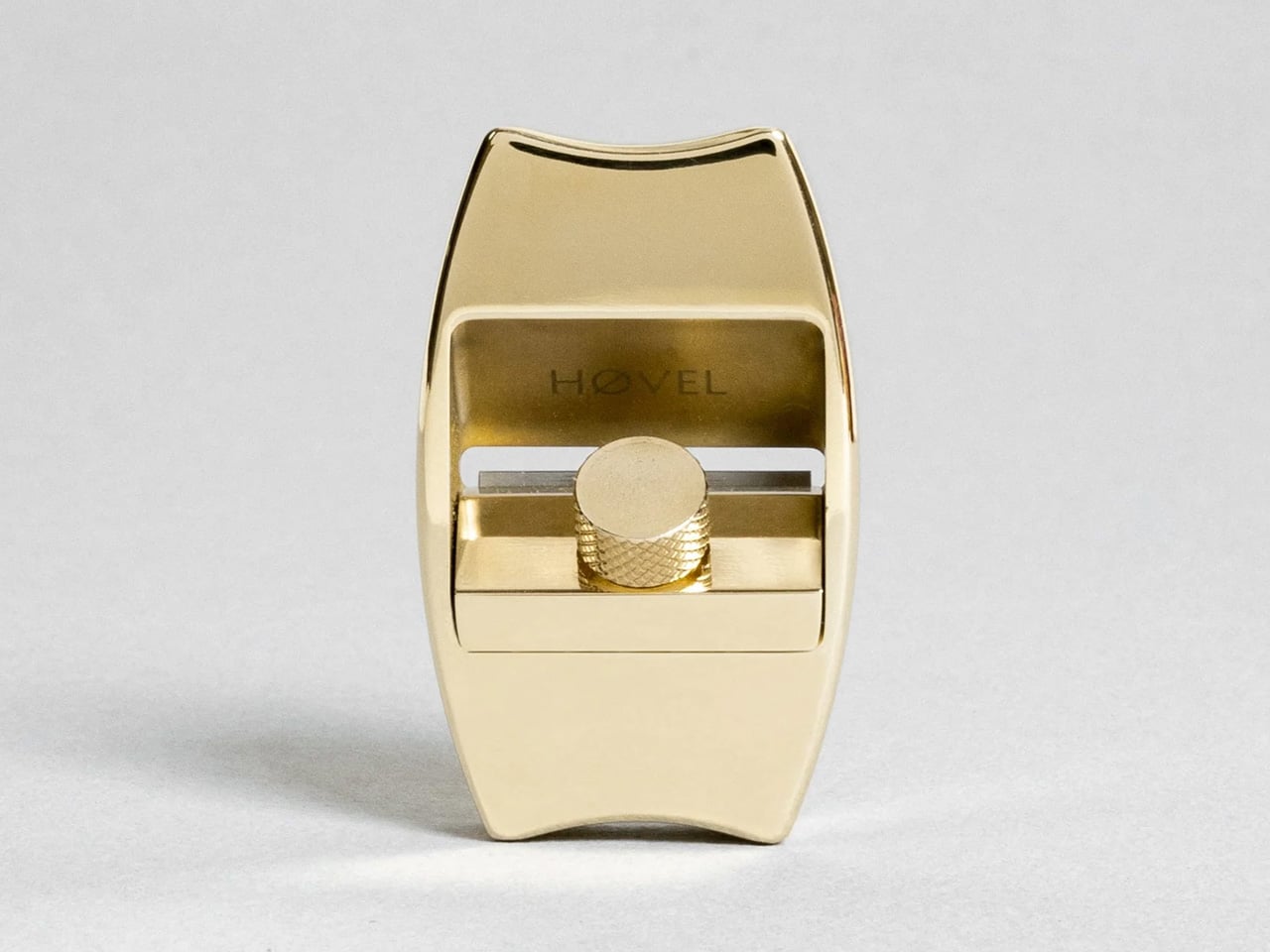
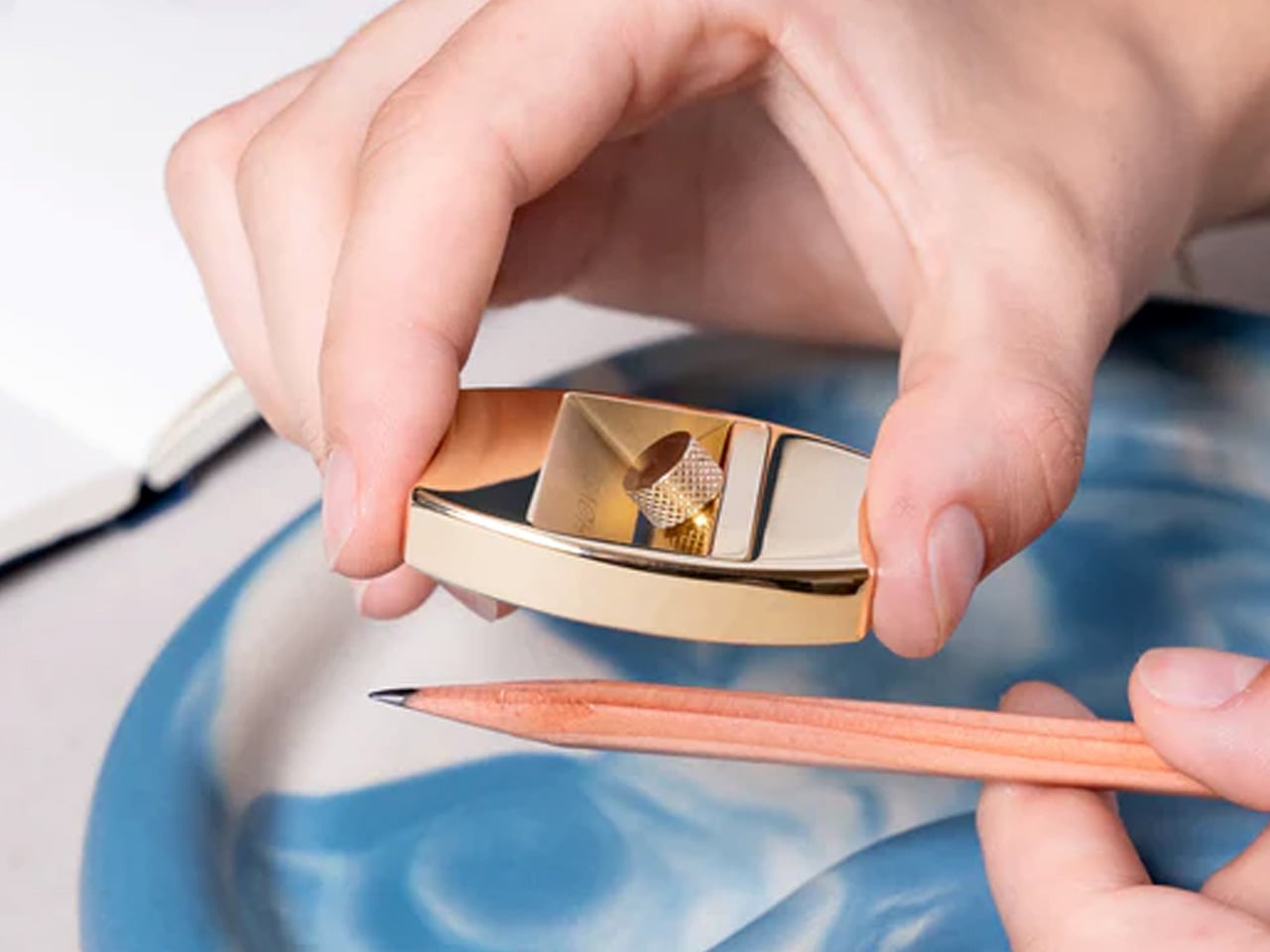
Pencil sharpeners haven’t evolved much beyond the basic mechanism: insert pencil, twist, hope the lead doesn’t snap. The Høvel reimagines this tool completely, functioning as a miniature plane that lets you whittle your pencil to any desired point. The solid brass body weighs enough to feel substantial in hand while developing patina over time, gaining character instead of looking worn out.
Traditional sharpeners twist and stress the graphite core, often snapping it inside the wood and forcing you to sharpen repeatedly just to find intact lead. The Høvel’s planing action removes wood cleanly without torquing the core, working especially well with soft pencils, pastels, or makeup pencils that shatter in conventional sharpeners. The blade changes easily without tools, staying sharp through hundreds of sharpenings. You control the point shape precisely: long and needle sharp for detailed work, short and sturdy for bold strokes, or even flat like a chisel for calligraphy and lettering.
What we like
- The brass construction ages beautifully instead of degrading over time.
- The mechanism prevents lead breakage that wastes expensive art pencils.
- Blade replacement happens in seconds without requiring screwdrivers or specialty tools.
- The point customization serves different drawing and writing techniques equally well.
What we dislike
- The manual process takes longer than electric or crank sharpeners.
- The shavings scatter rather than collecting in a container.
- The premium brass version costs significantly more than plastic sharpeners.
- The technique requires practice to achieve consistent results at first.
Why These Tools Win
Fancy pen sets fail because they prioritize appearance over utility, offering solutions to problems designers don’t have. The tools above succeed because they solve actual daily frustrations while looking good on your desk or in your bag. They’re objects you reach for constantly rather than display once and forget. That’s the difference between a gift that impresses for a moment and one that earns permanent space in someone’s workflow.
The best design gifts acknowledge that designers value function as much as form. These seven tools deliver both, turning routine tasks into small satisfactions and proving that the most thoughtful presents are the ones that actually get used. The fancy pen set will keep collecting dust, but these tools will be reaching for them tomorrow.
SHARE