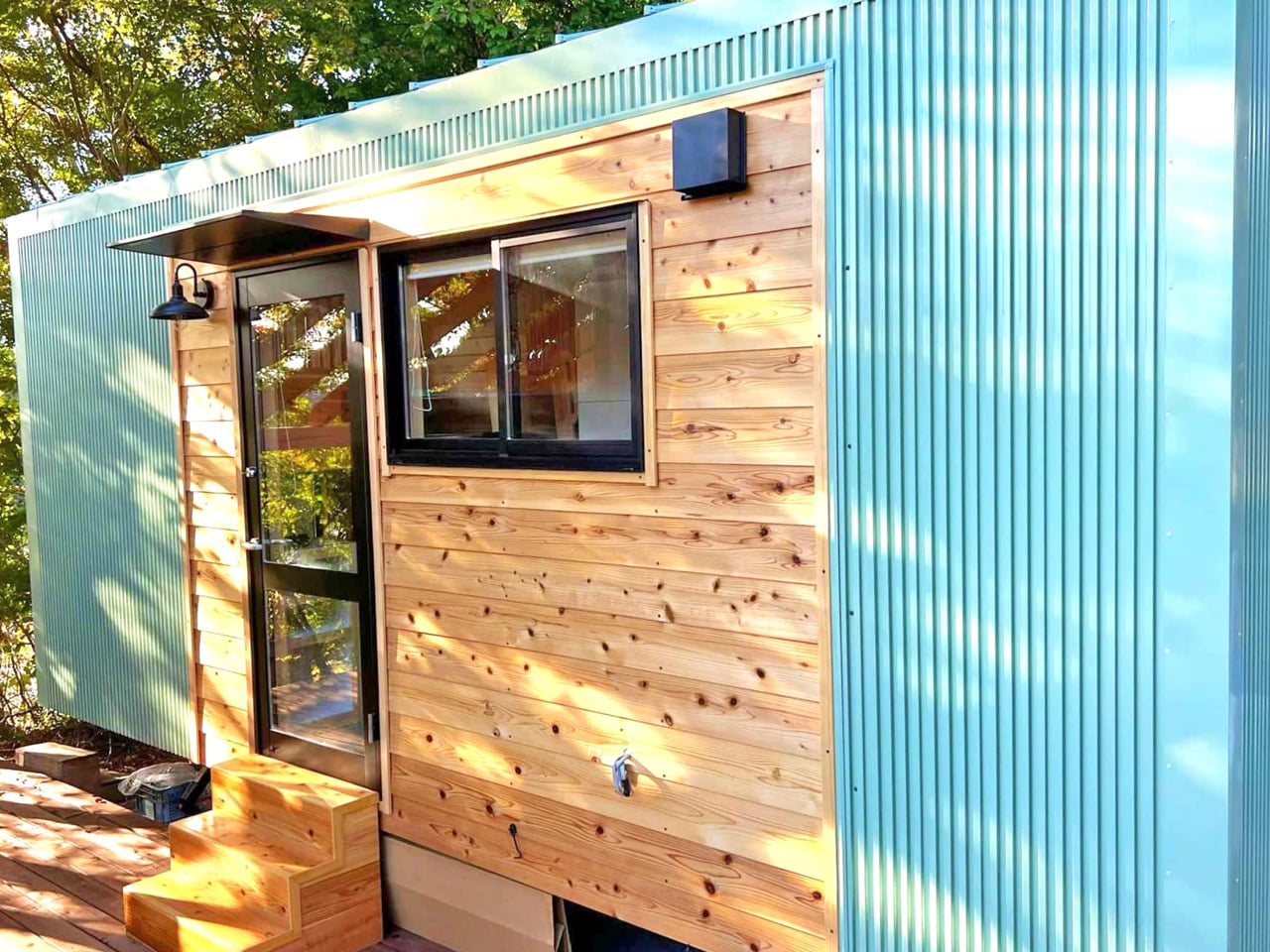
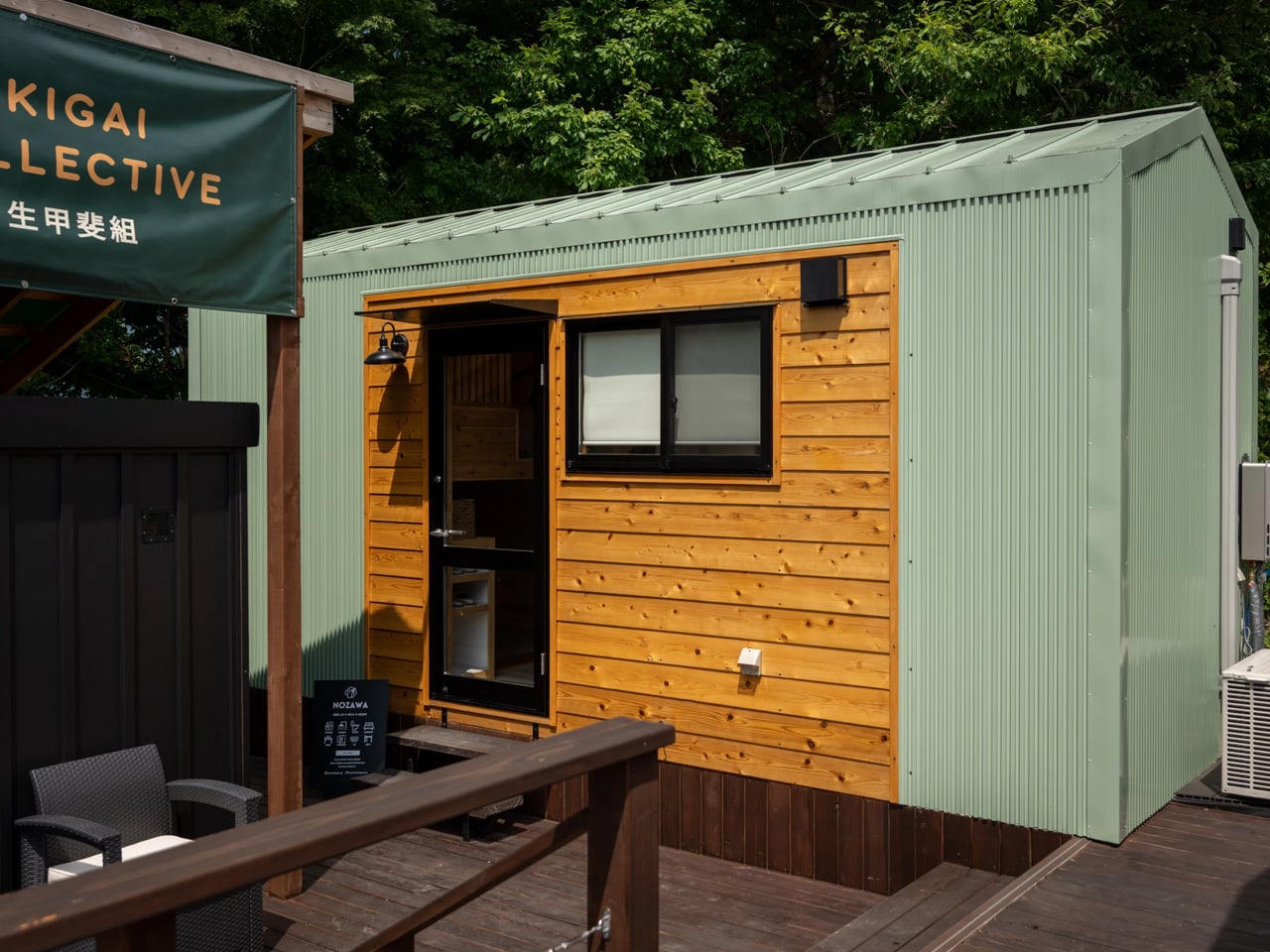
The tiny house movement has found a new voice in Japan, where Ikigai Collective is creating homes that honor traditional aesthetics while embracing modern minimalism. The Nozawa stands out as a stunning expression of Japanese design philosophy, built not as an homage from afar but as an authentic creation rooted in local culture and craftsmanship. Measuring just 20 feet in length, this compact dwelling challenges the North American trend toward ever-larger tiny homes that sometimes stretch beyond 50 feet. The Nozawa aligns more closely with European sensibilities, proving that thoughtful design can create livable spaces without expanding square footage. Its modest dimensions become an asset rather than a limitation when every inch serves a purpose.
The exterior combines durable steel cladding with wooden accents, creating visual warmth while standing up to varied weather conditions. Inside, wood dominates every surface, enveloping occupants in a cabin-like atmosphere that feels both grounded and inviting. The material choice speaks to Japanese design principles where natural elements bring spaces to life without unnecessary ornamentation. The design acknowledges that wild parties aren’t part of the plan, focusing instead on quiet comfort for two people who value intimate living spaces over expansive floor plans.
Designer: Ikigai Collective
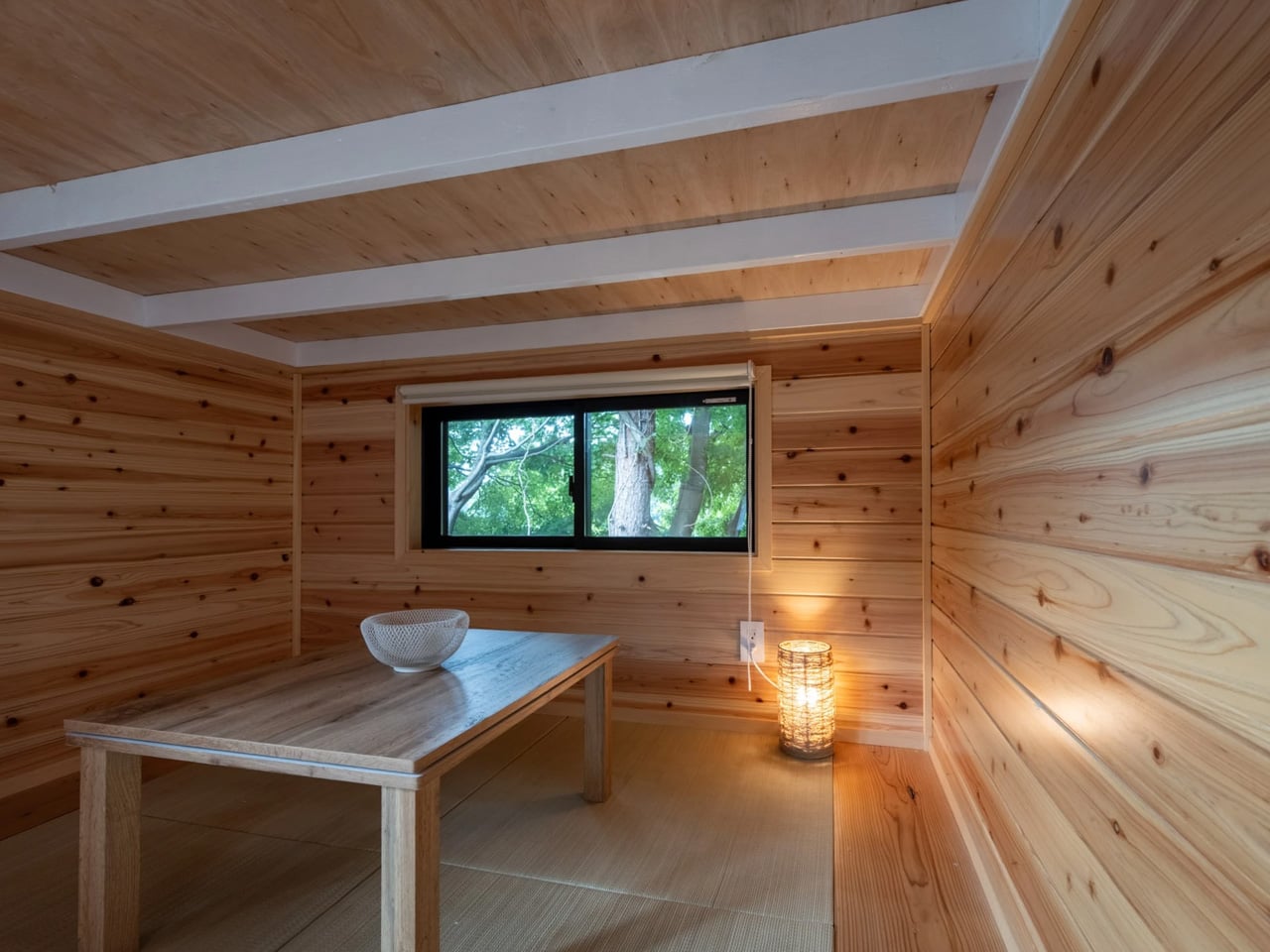
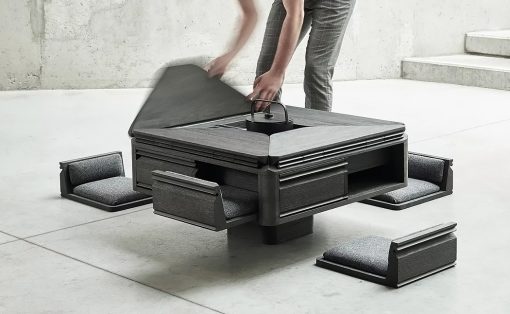
The layout unfolds across two levels, with the ground floor dedicated to a tatami-style living room that requires a slight crouch to enter. This low-ceilinged space embraces the floor-level living tradition found in Japanese homes, where straw mat flooring and minimal furniture create rooms for contemplation and connection. A simple table anchors the space, offering flexibility for dining, working, or hosting intimate gatherings. The tatami concept draws from centuries of Japanese residential design, bringing that cultural heritage into a modern mobile dwelling that can adapt to contemporary lifestyles while maintaining traditional sensibilities.
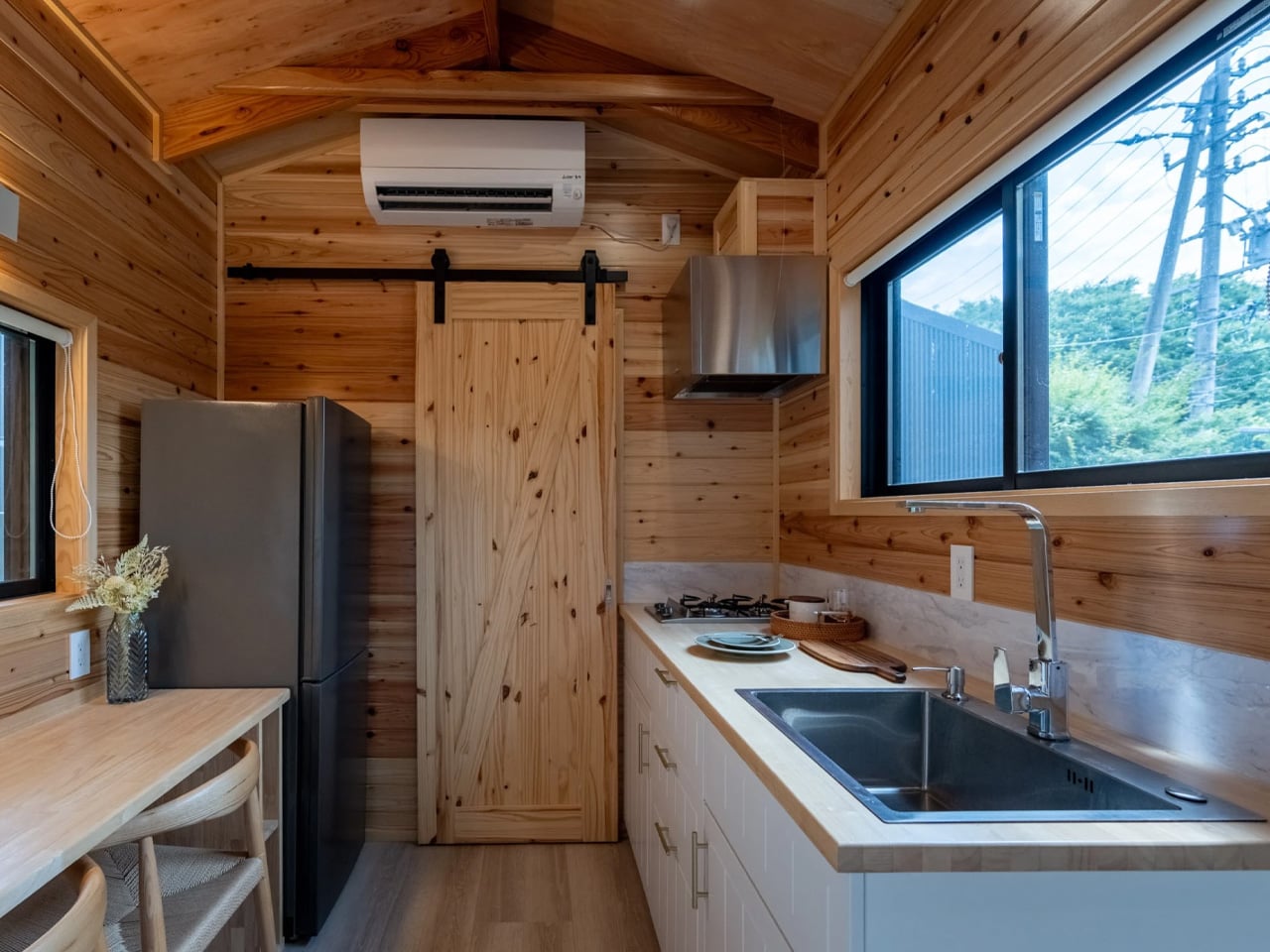
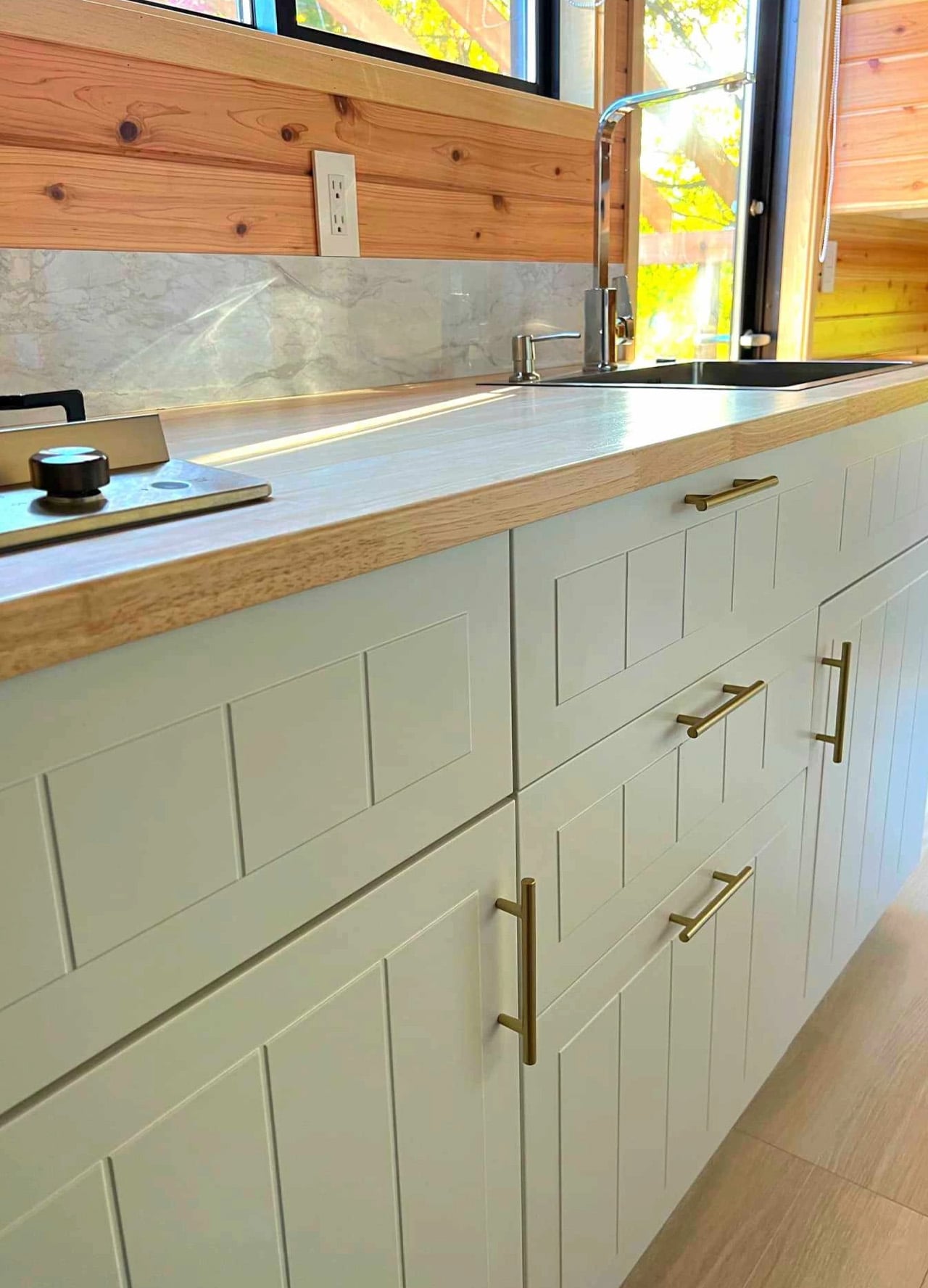
The kitchen occupies its own zone nearby, impressively equipped for such a compact footprint. A large stainless steel sink pairs with a two-burner propane stove, while a full-size fridge and freezer eliminate the compromises often required in tiny living. Ample cabinetry keeps essentials organized, and a dining table extends the kitchen’s functionality as both a meal space and a potential work area. A sliding door reveals the bathroom, where a shower, flushing toilet, and petite sink handle daily needs efficiently within the tight quarters. The thoughtful placement of these essential spaces demonstrates how careful planning transforms limitations into livable solutions.

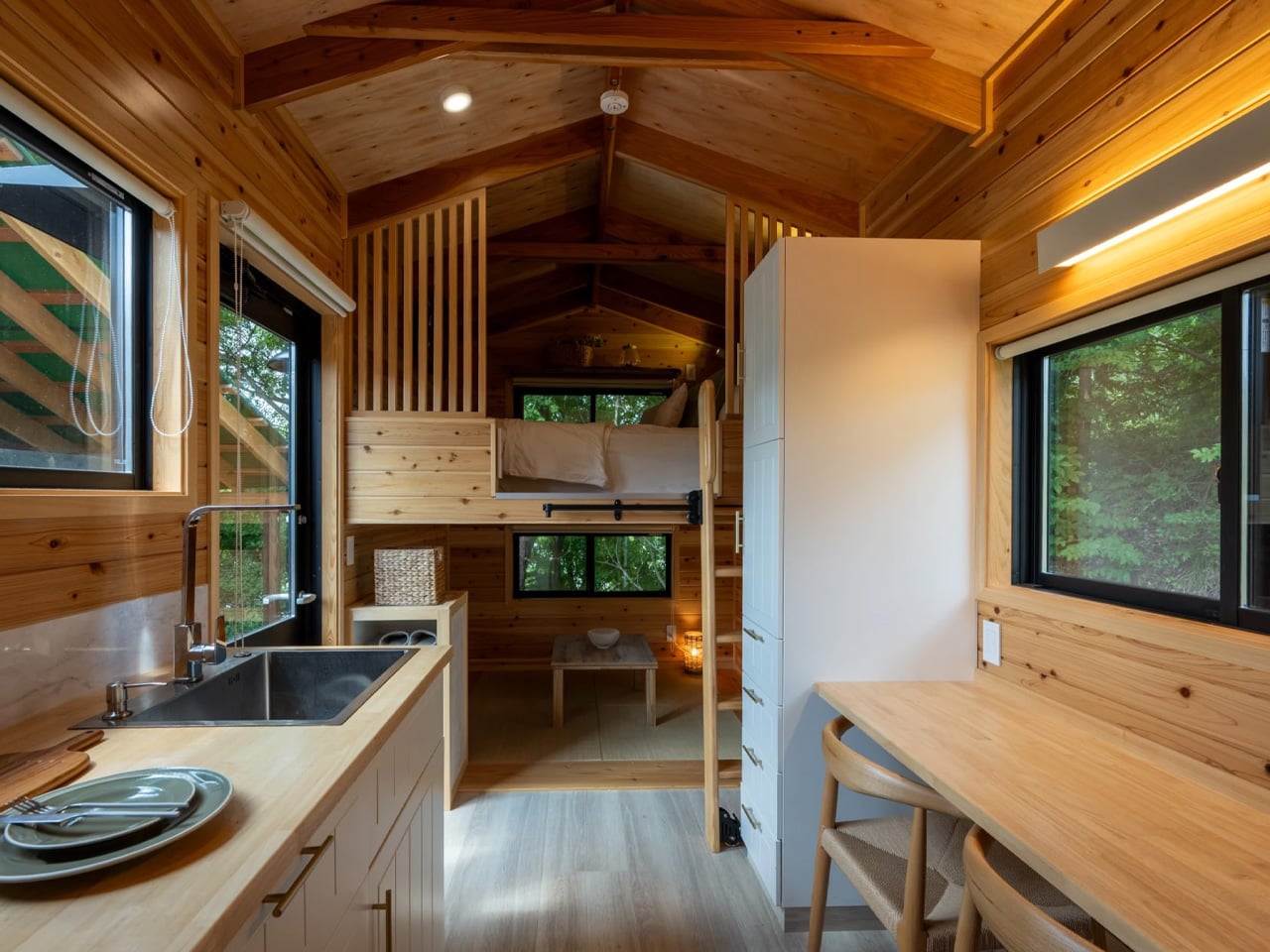
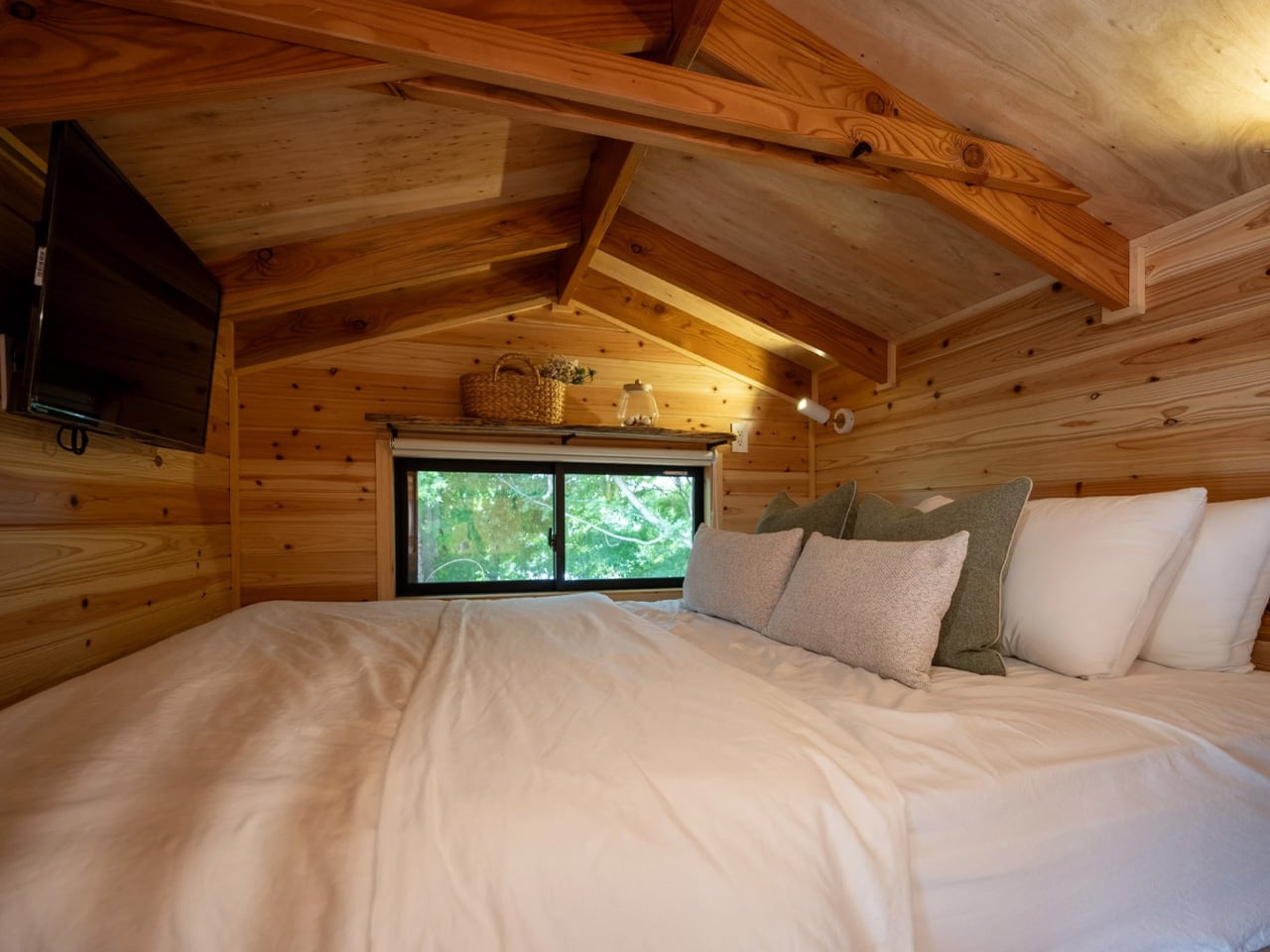
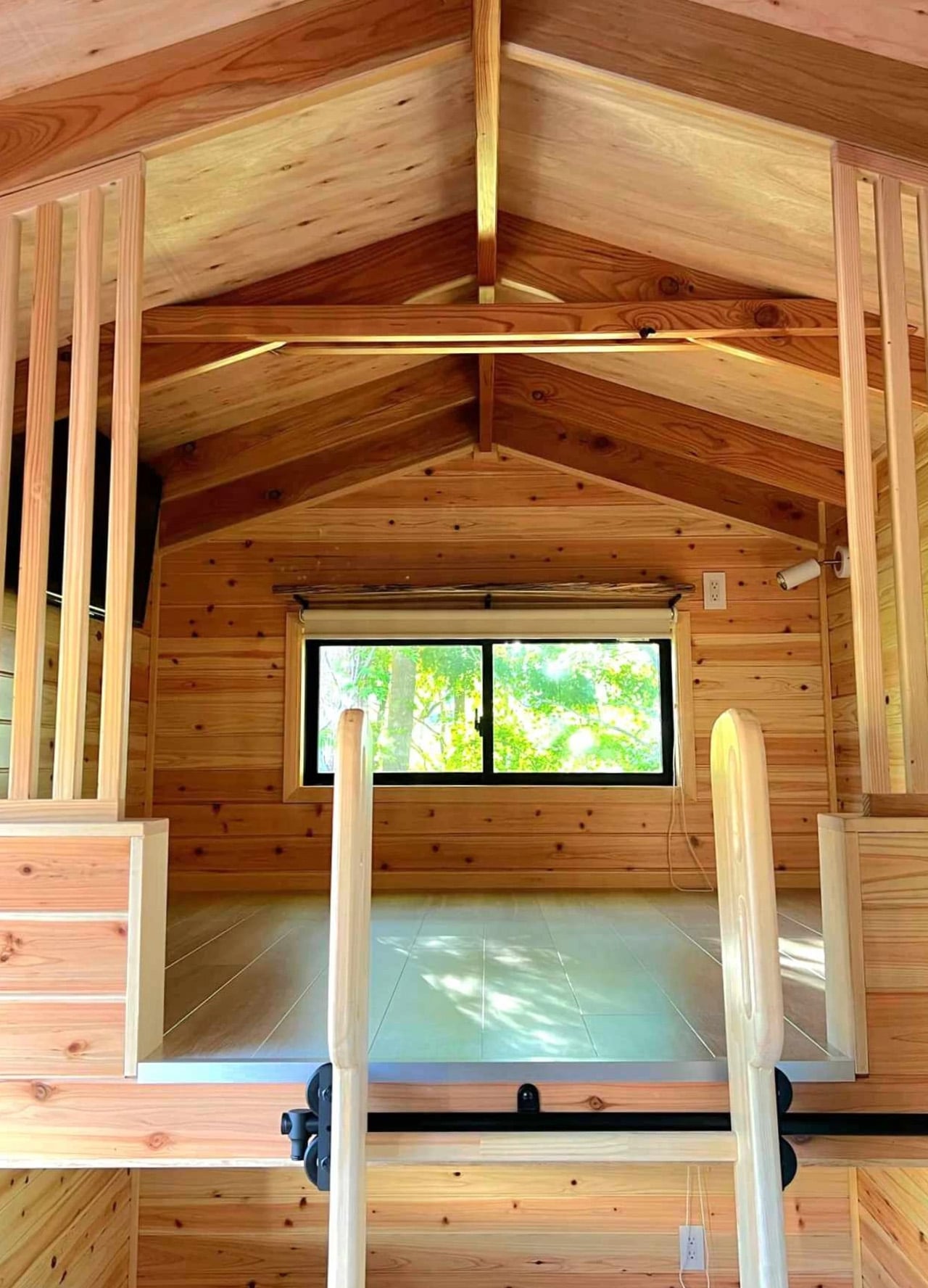
Above the living room, a loft bedroom accessed by a removable ladder provides sleeping quarters fitted with a double bed, storage solutions, and a wall-mounted television. The space maintains the low ceiling typical of loft designs but offers privacy without isolation, separated from the living areas yet connected to the home’s overall flow. The bedroom represents the final piece of the Nozawas’ puzzle, creating a complete home environment where two people can comfortably manage daily routines without feeling cramped or compromising on essential amenities.
Ikigai Collective positions the Nozawa at ¥11,300,000, roughly $72,000, with various customization options available for materials and furnishings. International availability remains unclear, making direct contact with the firm necessary for interested buyers outside Japan. The price reflects both quality construction and the specialized market it serves, targeting buyers who value authentic cultural design over generic tiny house trends. The Nozawa succeeds by staying true to its Japanese roots rather than attempting universal appeal. This focused vision creates a home that works beautifully within its cultural context, offering a template for how regional tiny house movements might develop their own distinct character and aesthetic language that honors local traditions while meeting contemporary needs.