Most LEGO builders start with the instructions. Simons_Studio started with experience building actual radio-controlled aircraft, then wondered if the same principles could work with plastic bricks. The answer turned out to be yes, and in some ways, LEGO proved easier since every connection stays perfectly aligned without adjustment.
The Red Bull Extra Aerobatic Plane showcases this aviation-first approach to LEGO building. Rather than simply creating a brick shell shaped like an airplane, the builder constructed an actual airframe using proper longitudinal bracing and wing structures. At just under 1,000 pieces and 1/14 scale, this model balances impressive size with buildable complexity, making it a compelling candidate for LEGO’s official product lineup.
Designer: Simons_Studio

Lowkey there’s something fascinating about watching someone apply real engineering knowledge to a toy medium that makes you reconsider what that medium can do. Simons_Studio brought RC aircraft building experience to this Red Bull Extra, which explains why the fuselage tapers convincingly instead of looking like stacked rectangles trying their best. LEGO fights you on curves. The plastic wants right angles, wants to stack in predictable increments, wants to betray its modular origins at every turn. That rear fuselage section apparently took multiple attempts and different techniques before it worked, but the final result flows from cockpit to tail without those telltale bumps where one building method gives up and another takes over. You can see it in the profile shots, how the dark grey maintains its line.


The wings use actual longerons running lengthwise with plates acting as structural spars and ribs. If that sounds excessive for a display model, consider that this approach gives the wings proper internal geometry instead of being solid brick masses. Real aircraft wings are essentially fabric or metal stretched over a skeleton, and replicating that logic in LEGO means the proportions naturally fall into place. The thickness-to-chord ratio looks right because the structure underneath enforces it. It’s the difference between sculpting something to look like a wing versus building something that is fundamentally wing-shaped, even if it’ll never see airflow.


The Red Bull livery stretches across 48 centimeters of fuselage and a 55-centimeter wingspan, which puts this squarely in the display model category rather than something you’d swoosh around the living room. Those yellow wing tips and lightning bolt tail graphics capture the brand’s energy without sliding into corporate sponsorship territory. The color blocking works because it follows the aircraft’s actual lines instead of fighting them. At 1/14 scale with just under 1,000 pieces, this sits in an interesting space for LEGO Ideas submissions. Complex enough to justify the price point an official set would command, accessible enough that someone with intermediate building experience could tackle it over a weekend.

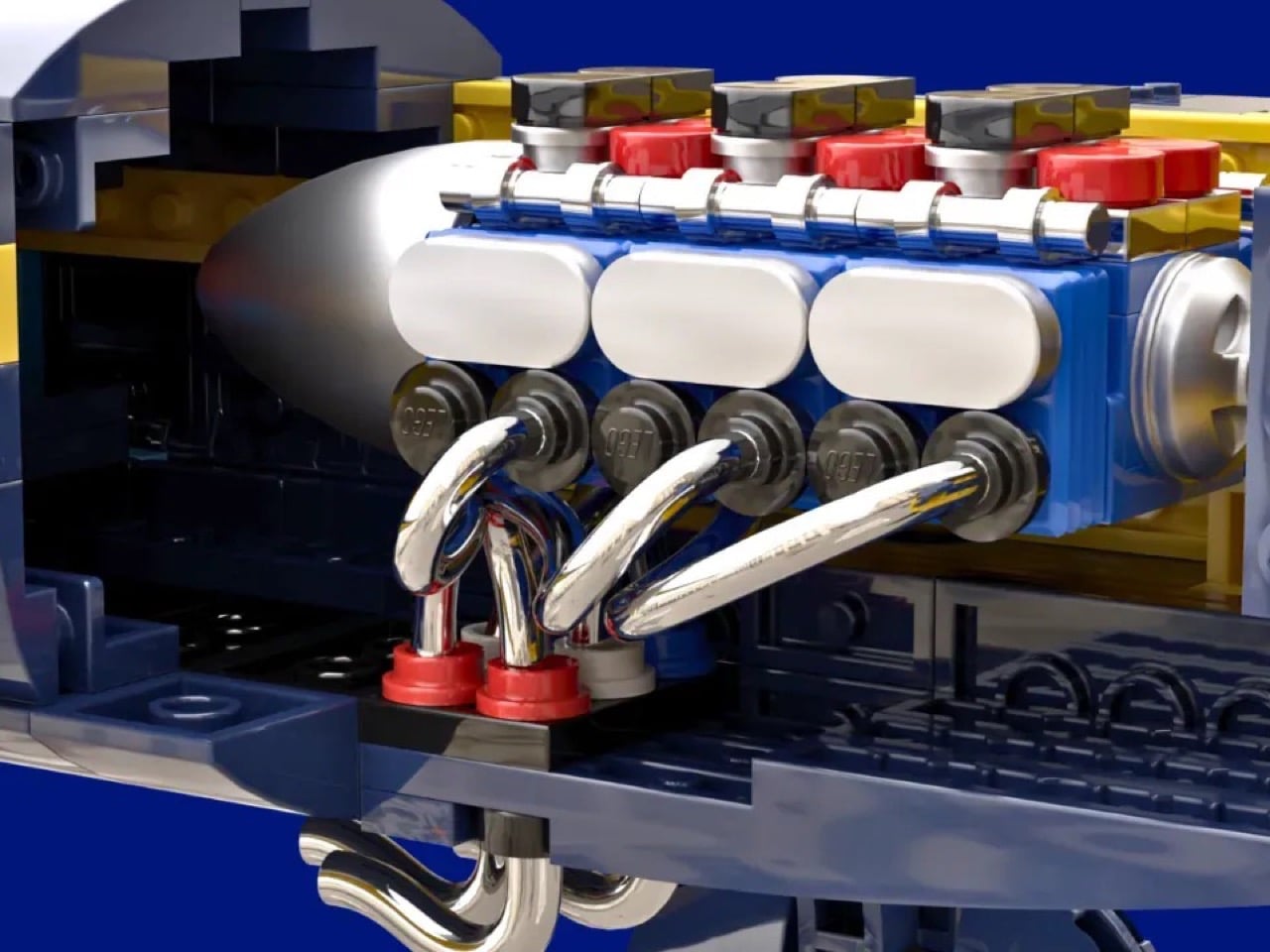
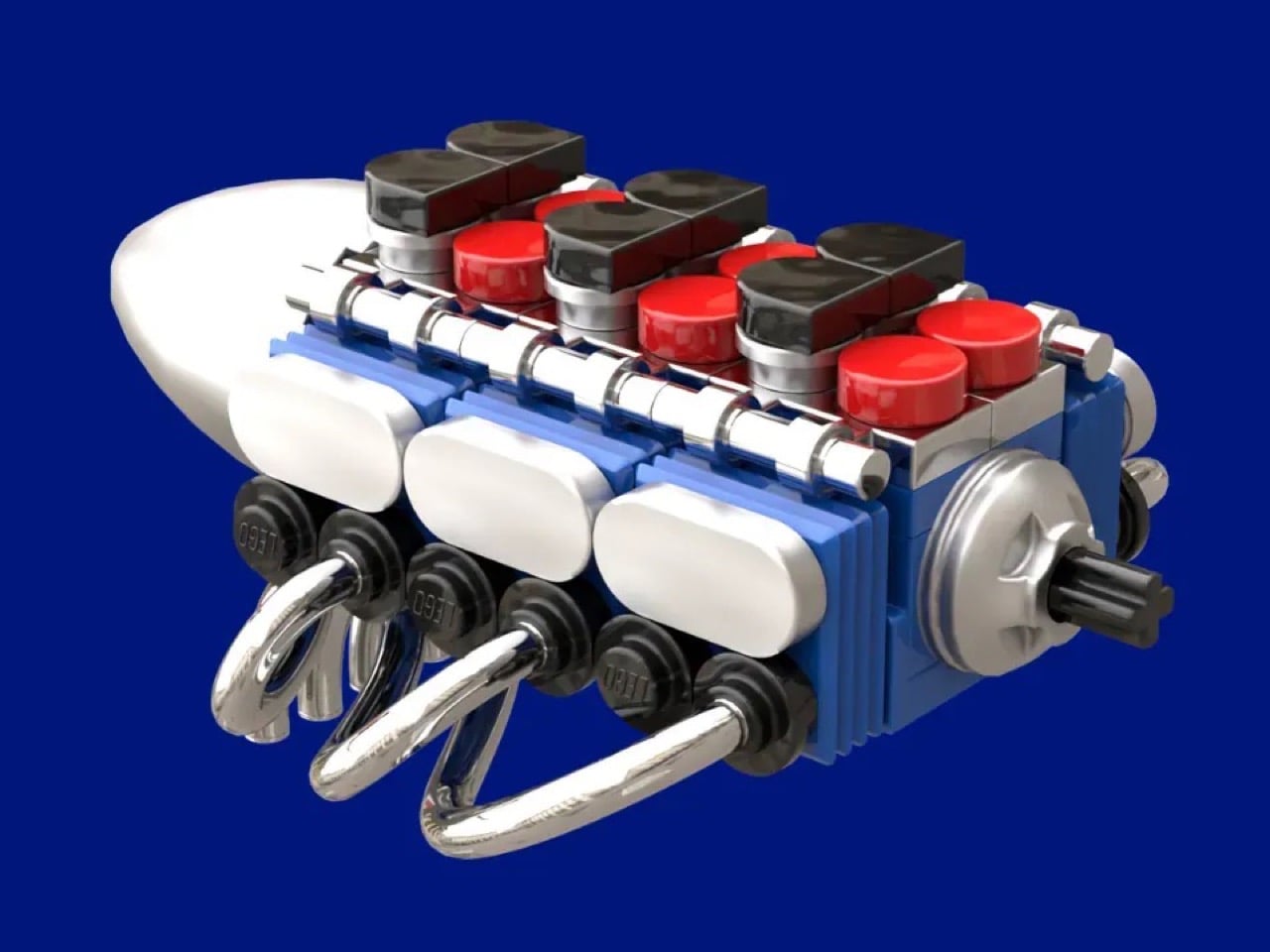
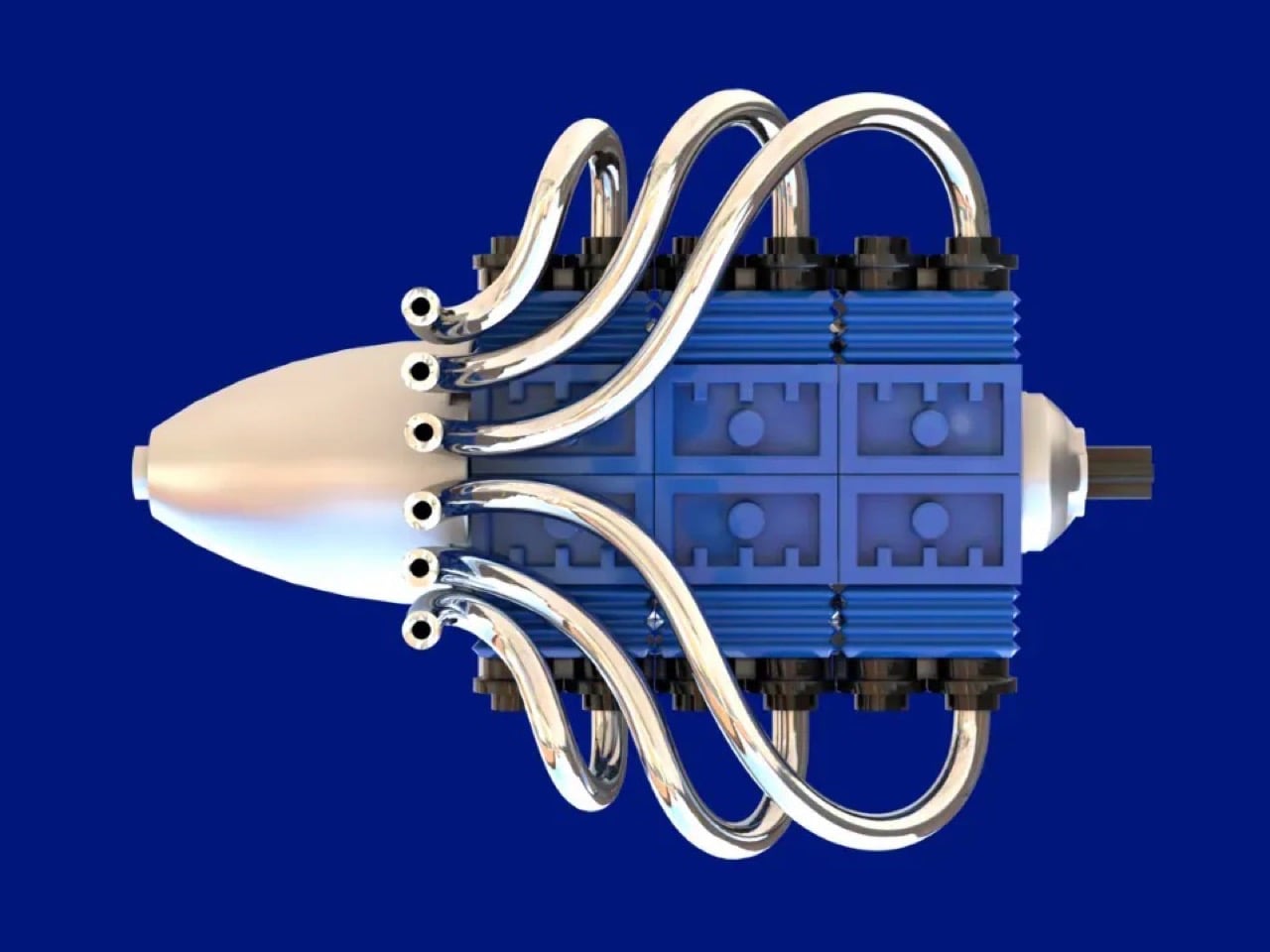
Now the Lycoming O-480 engine sitting behind that propeller deserves its own conversation. This is a six-cylinder horizontally-opposed powerplant, the kind you’d find in actual Extra aerobatic aircraft. Simons_Studio modeled it with a blue crankcase, white cylinder heads complete with cooling fins, and accessories in red and yellow positioned where they’d actually sit on the real thing. We’re talking about replicating individual cooling fins on cylinders, the sort of detail that lives in shadow and could easily be skipped. But then there’s the exhaust system, which uses custom-bent chrome LEGO bars to route individual pipes away from each cylinder in those distinctive curves. On a real Extra, this exhaust setup does real work during airshows, mixing smoke oil with hot gases to generate colored trails. Getting those curves right means someone heated LEGO bars and shaped them by hand, which is definitely off-label use of the parts.
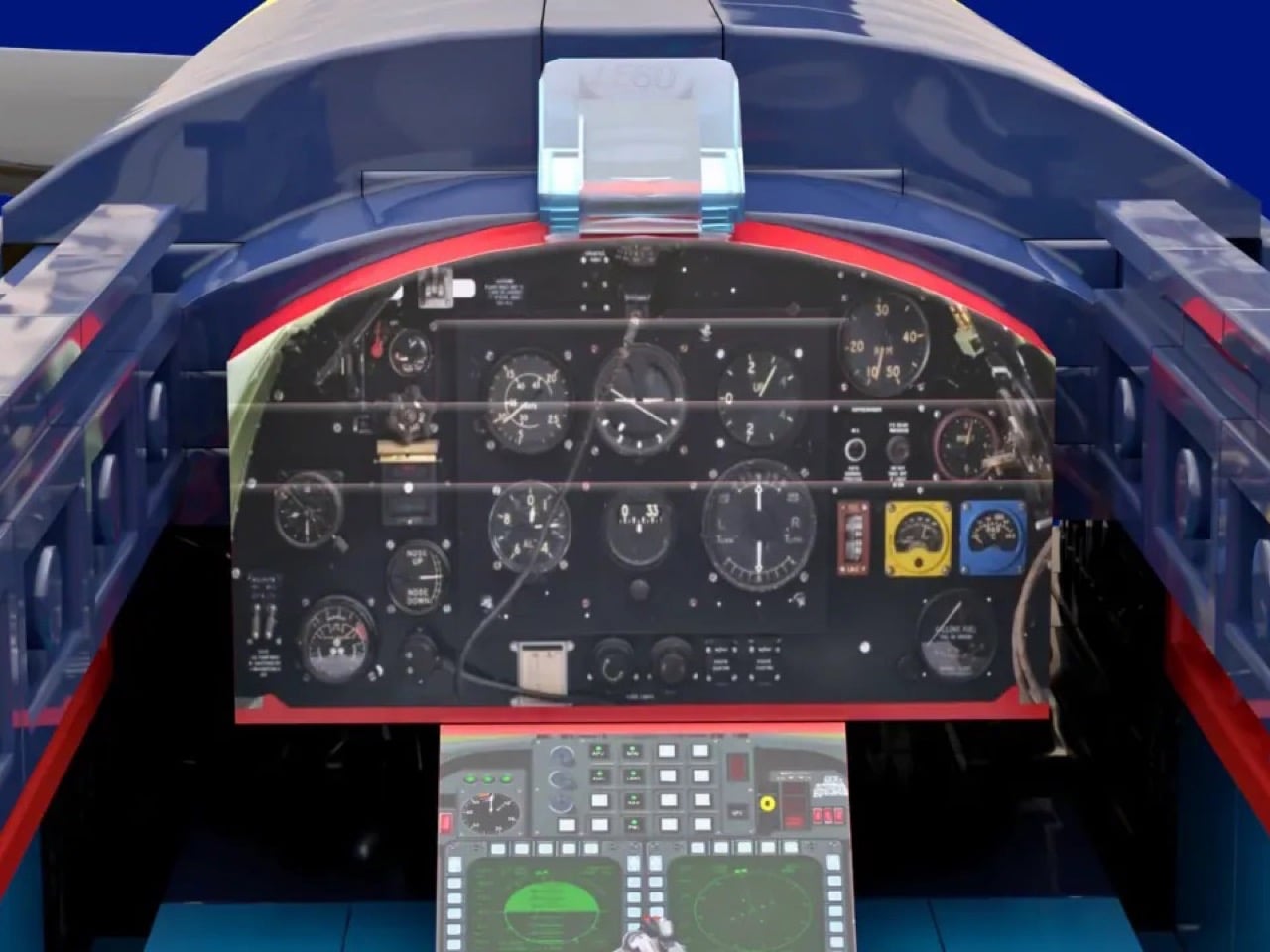
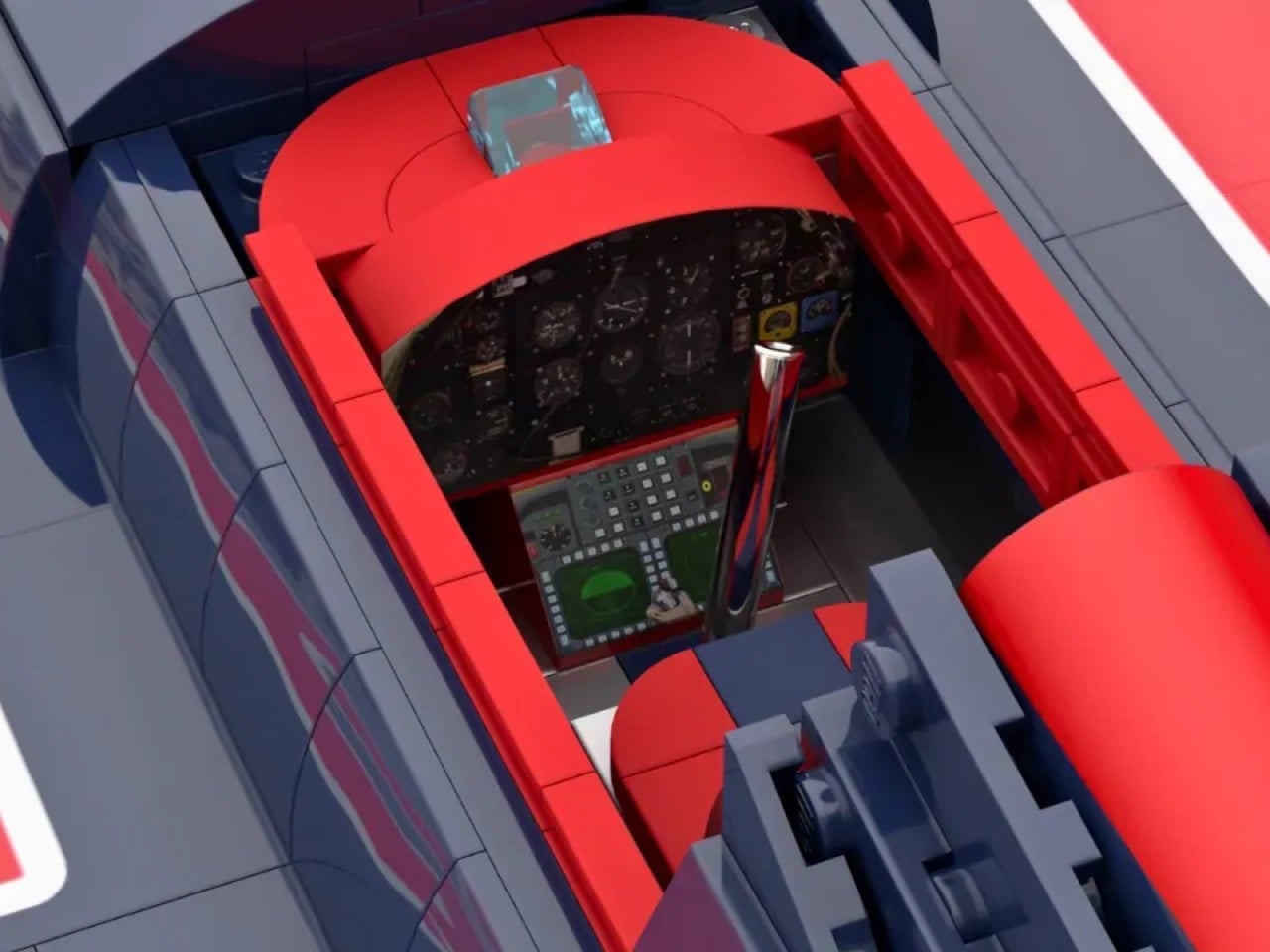
That exhaust detailing matters beyond aesthetics. Anyone who’s spent time at airshows can spot an Extra’s exhaust configuration from the flight line, and those curves are part of the aircraft’s visual signature. Replicating them accurately signals that this build understands its subject matter at a level beyond “red and blue plane with wings.” The cockpit continues this pattern with a full instrument panel mimicking actual Extra avionics layouts, modern digital displays below representing GPS navigation systems, and proper canopy framing with curved transparency. Most LEGO aircraft put a seat in there and move on. This one recognizes that aerobatic pilots experience serious g-forces in that space and the cockpit deserves proportional attention to the exterior.

LEGO’s been oddly conservative with aircraft in their lineup. Military stuff runs into guideline issues around weapons and warfare, which eliminates a huge chunk of aviation history from consideration. But civilian aircraft don’t generate the same enthusiasm outside of specific niches, and planes generally demand more sophisticated building techniques than cars or buildings. This Extra threads through that narrow gap as a legitimate performance aircraft with name recognition that happens to be completely civilian.
LEGO Ideas MOCs (My Own Creations) needs 10,000 supporters for a project to get reviewed, and this one’s sitting at 361 with over a year to go. The platform’s algorithm favors early momentum, so that’s a concerning gap. LEGO’s been bizarrely stingy with aircraft sets, partly because military guidelines eliminate a huge chunk of aviation history, partly because planes demand building techniques that scare off casual customers. This Extra threads a narrow path: civilian aircraft with legitimate performance credentials, complex enough for adult builders but not so esoteric that it lacks mainstream appeal. Whether it hits that supporter threshold depends on whether aviation nerds and LEGO enthusiasts overlap enough to create critical mass. The build quality deserves it. The question is whether 9,639 more people will care. If you consider yourself a part of that demographic, head down to the LEGO Ideas website and cast your vote for this build!