The mobile OS graveyard is crowded. Symbian, MeeGo, Firefox OS, Windows Phone, all killed by iOS and Android’s duopoly. Most people quietly accepted that those two won and moved on. Jolla started from Nokia’s MeeGo ashes in 2013, shipped the original Jolla Phone, and somehow kept Sailfish OS alive for twelve years in the wilderness. The new Jolla Phone feels less like a comeback and more like a refusal to die.
Jolla frames it as Europe’s independent smartphone, a 5G Sailfish OS 5 device built around the pitch that every Android and iPhone phones home to California. The announcement post says this is about digital sovereignty and choice rather than nationalism, but the subtext is clear: Europe needs its own mobile platform, or it stays perpetually dependent on US and China infrastructure. It is a Linux phone you are meant to daily drive, not a dev kit or novelty.
Designer: Jolla
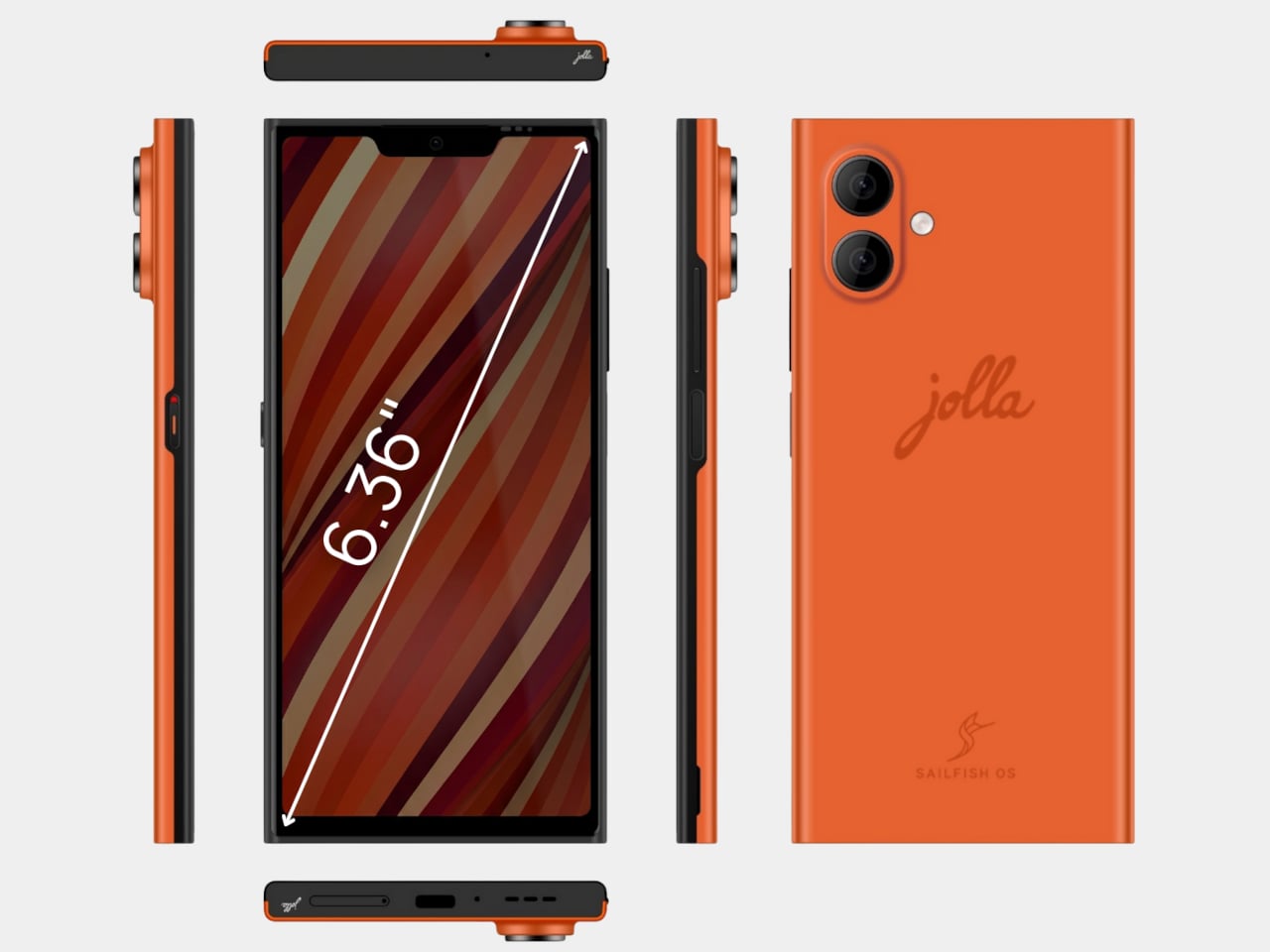
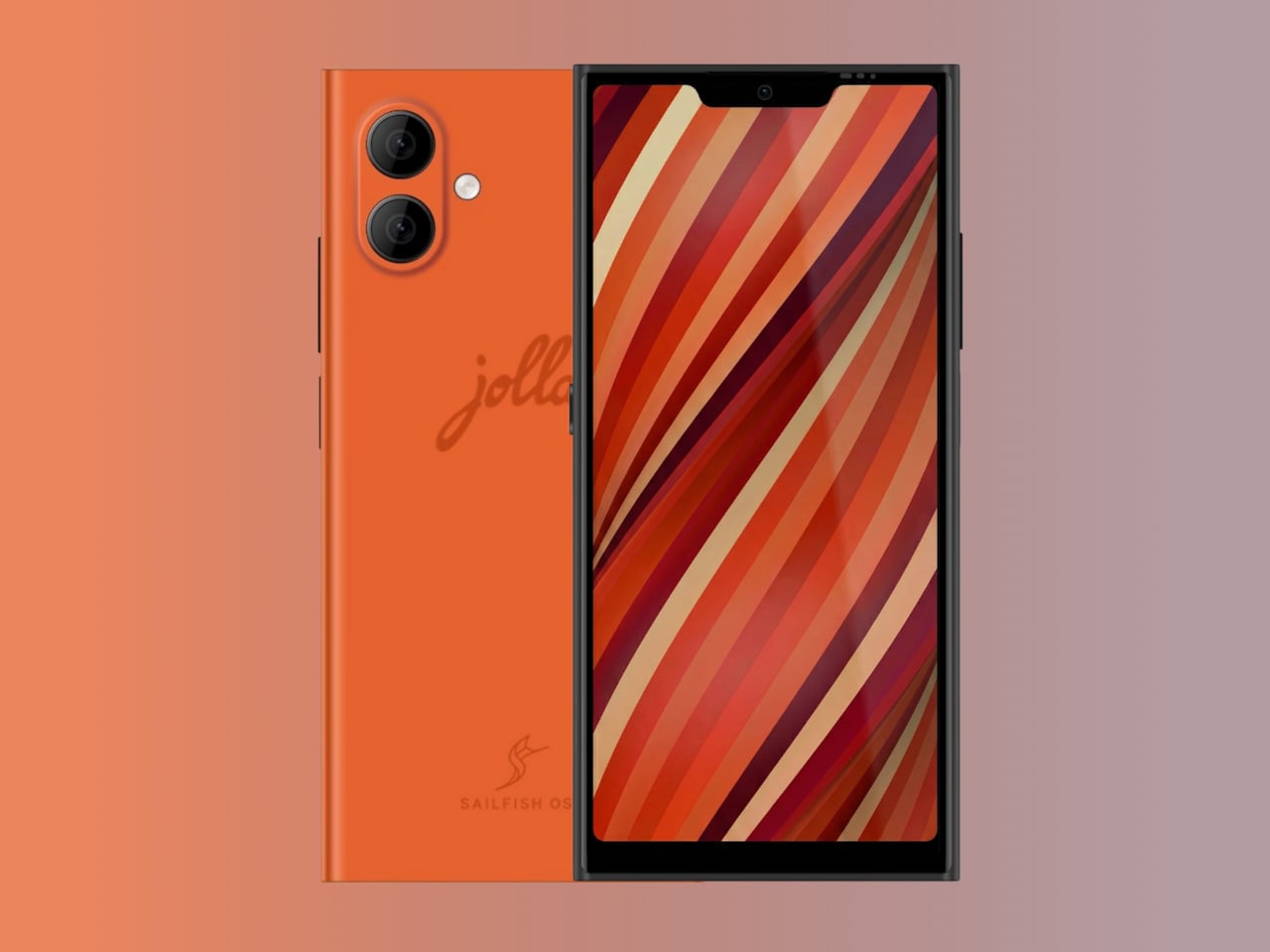
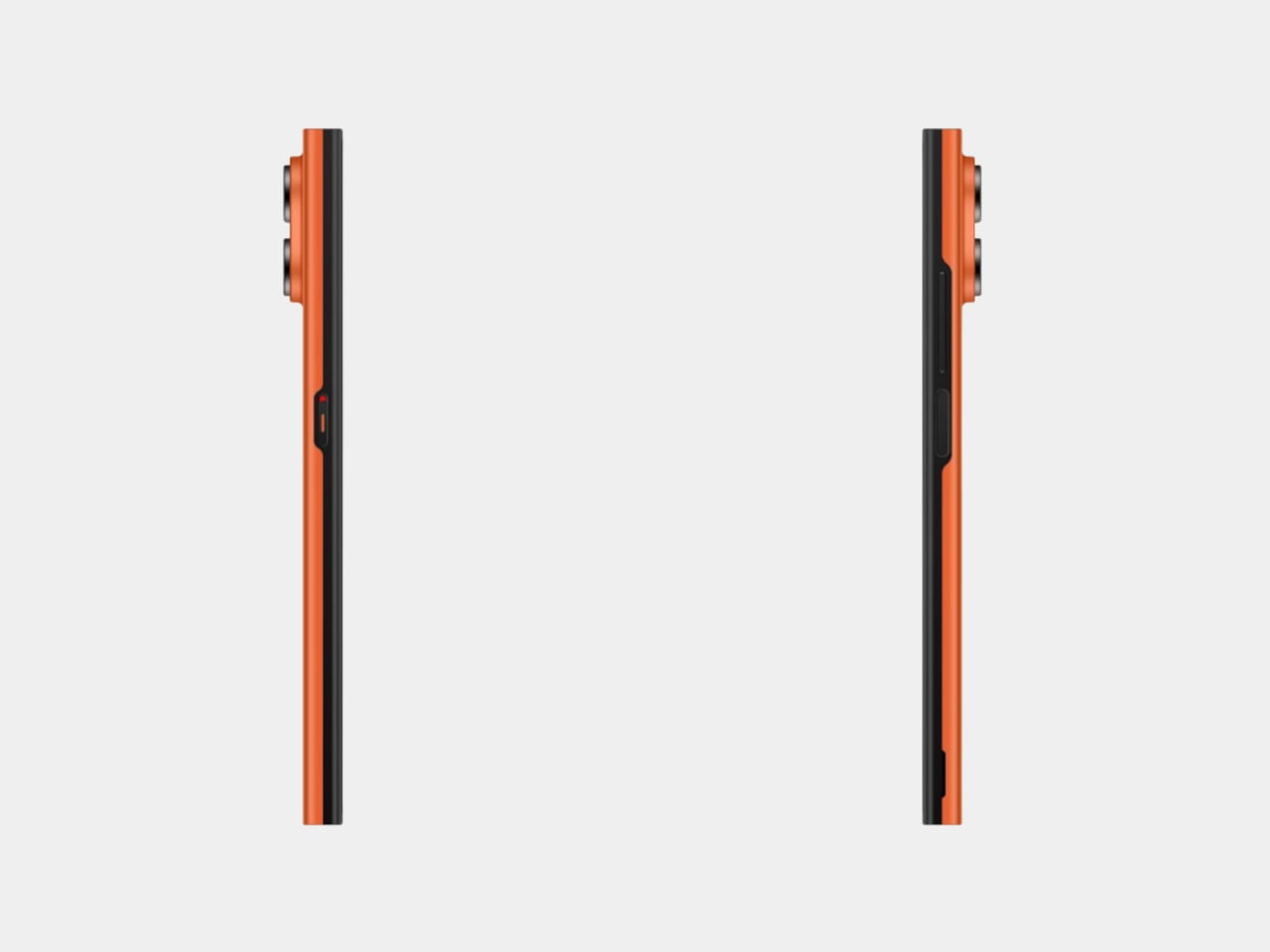
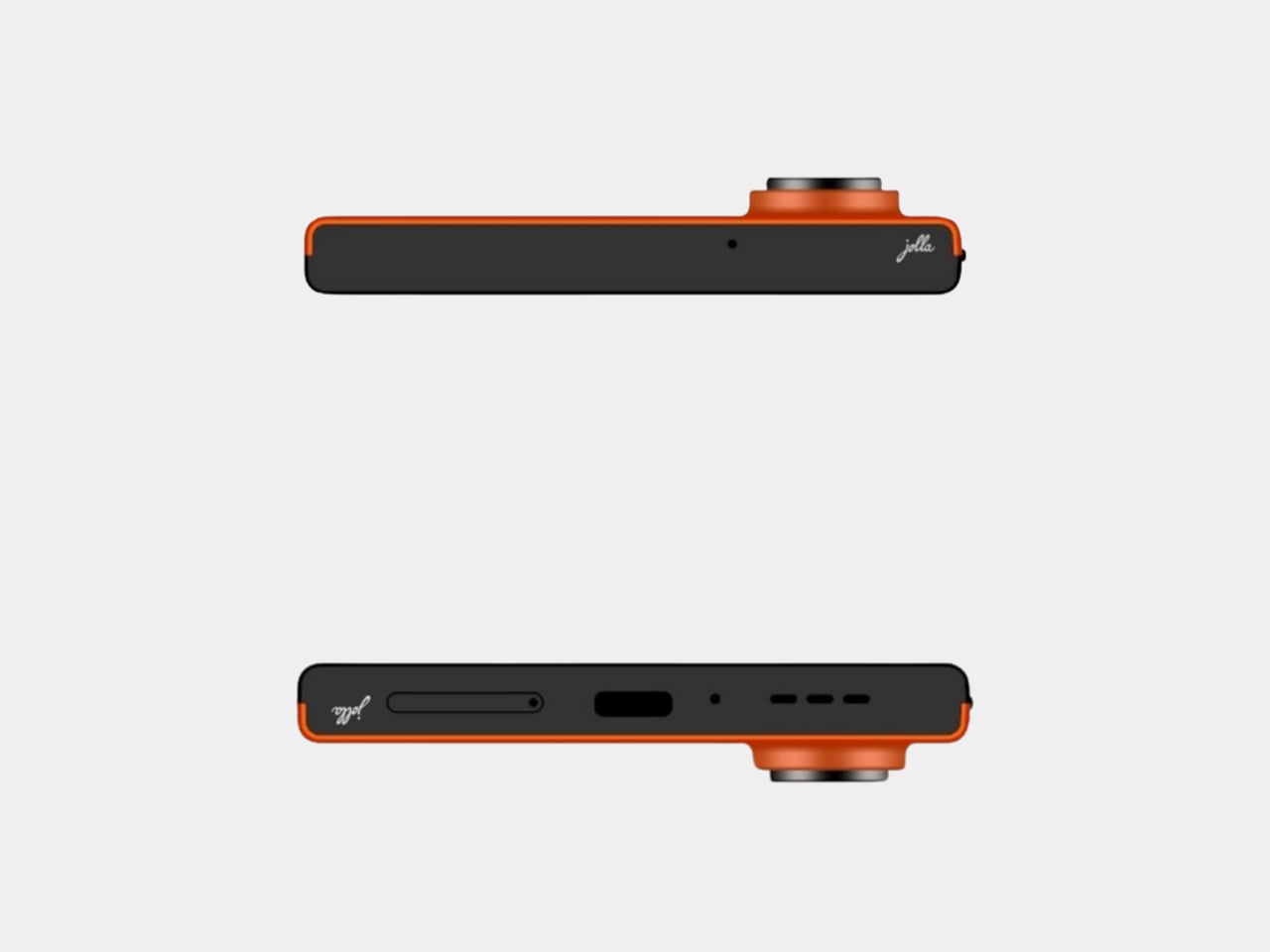
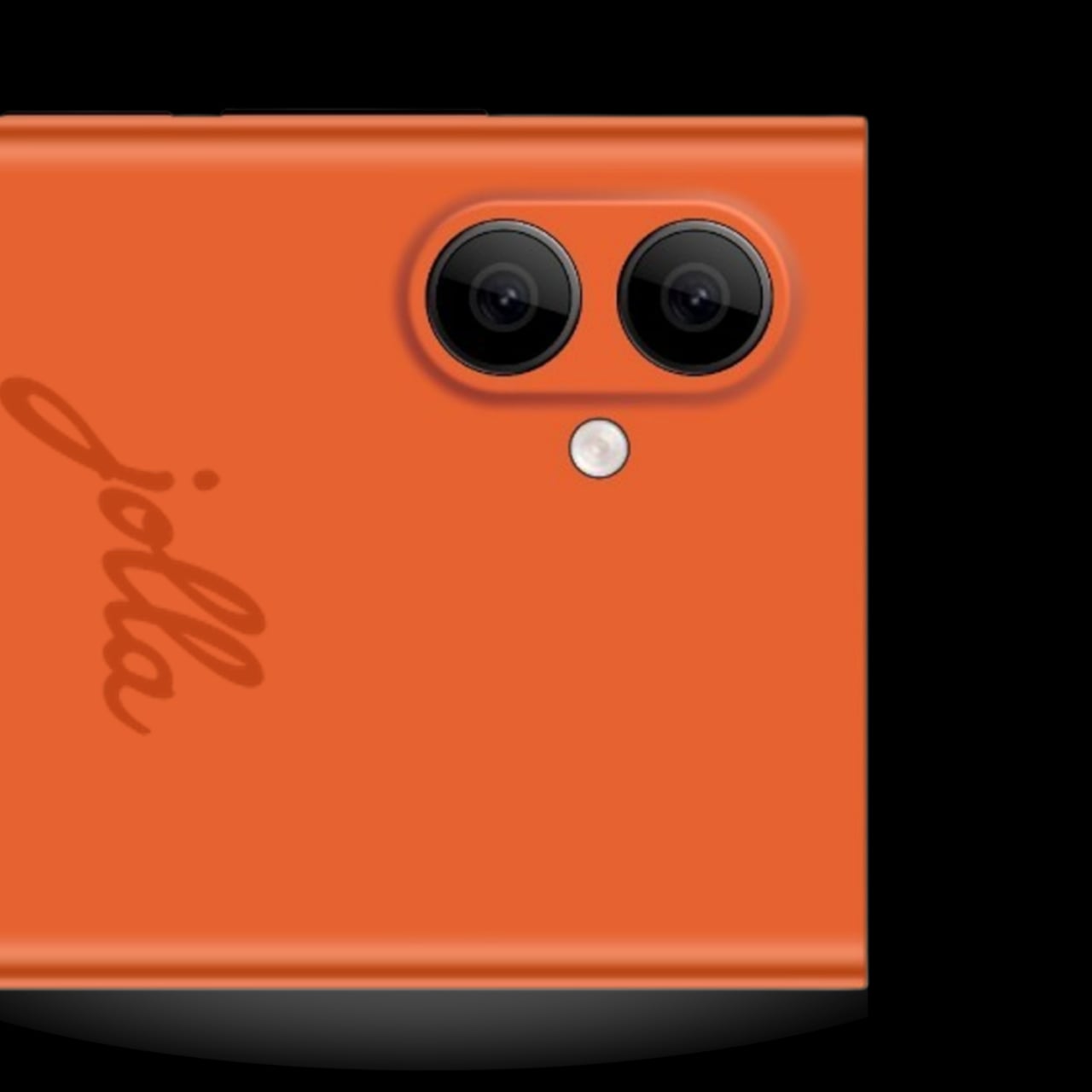
The core specs sit in upper mid-range territory. A 6.36-inch FullHD AMOLED screen, a Mediatek 5G platform, 12GB of RAM, 256GB of storage with microSD expansion up to two terabytes, dual SIM, and a 5,500 mAh battery. The flat-sided Scandinavian design offers replaceable back covers in Snow White, Kaamos Black, and The Orange, a nod to the original Jolla’s signature color. It includes a side fingerprint reader and an RGB notification LED.
The privacy hardware choices feel almost retro. A physical privacy switch can be configured to cut off the mic, Bluetooth, Android apps, or other subsystems. The battery and back cover are user-replaceable, which feels unusual in a world of sealed slabs. Those choices align with the idea of owning your device instead of renting it, and they support Sailfish OS’s pitch as “private by design,” with no tracking or hidden analytics happening in the background.
Sailfish OS 5 is a Linux-based, gesture-heavy mobile OS that Jolla promises will get at least five years of updates without forced obsolescence. App ecosystems matter, so the phone includes Android app support via Jolla AppSupport, without Google Play Services. That means many Android apps will run, but you are not feeding data into Google’s backend every time you unlock your phone or letting services siphon usage patterns while sitting idle.
The funding model is a 99 euro fully refundable pre-order voucher toward a 499 euro final price, with production only happening if at least two thousand units are reserved. The community voted on key specs and features, and the campaign already passed its goal. The phone becomes a Do It Together project where early adopters literally decide whether it exists, and pre-order customers get a special edition back cover as a thank you.
The new Jolla Phone represents a rare, stubbornly optimistic alternative in a market that settled on two platforms years ago. It will not replace iOS or Android for most people, and there are risks around timelines and app compatibility. But for anyone who wants a phone that treats privacy, longevity, and independence as design constraints instead of afterthoughts, Jolla’s return feels like proof that small, opinionated hardware can still find oxygen if the community wants it badly enough.