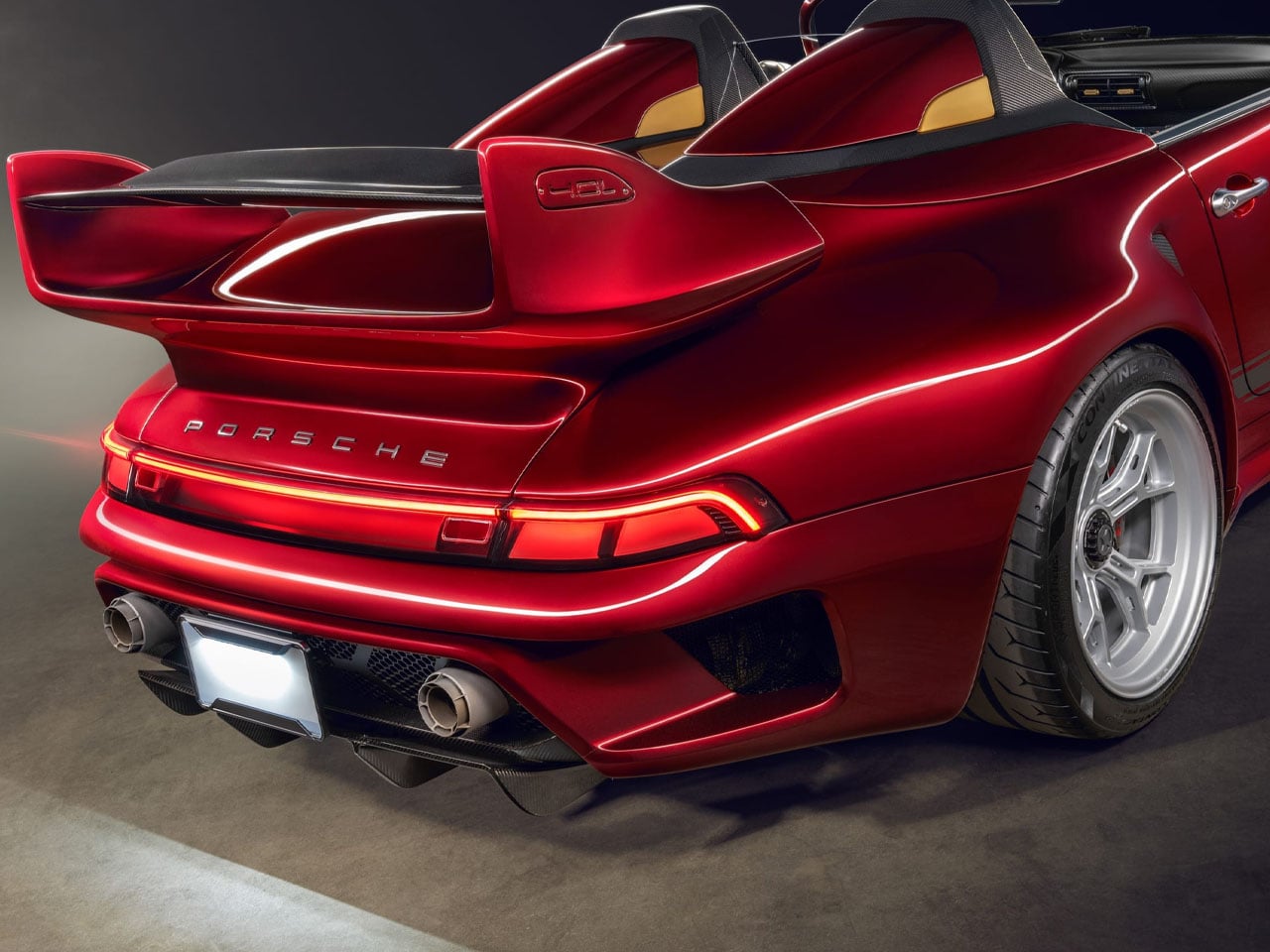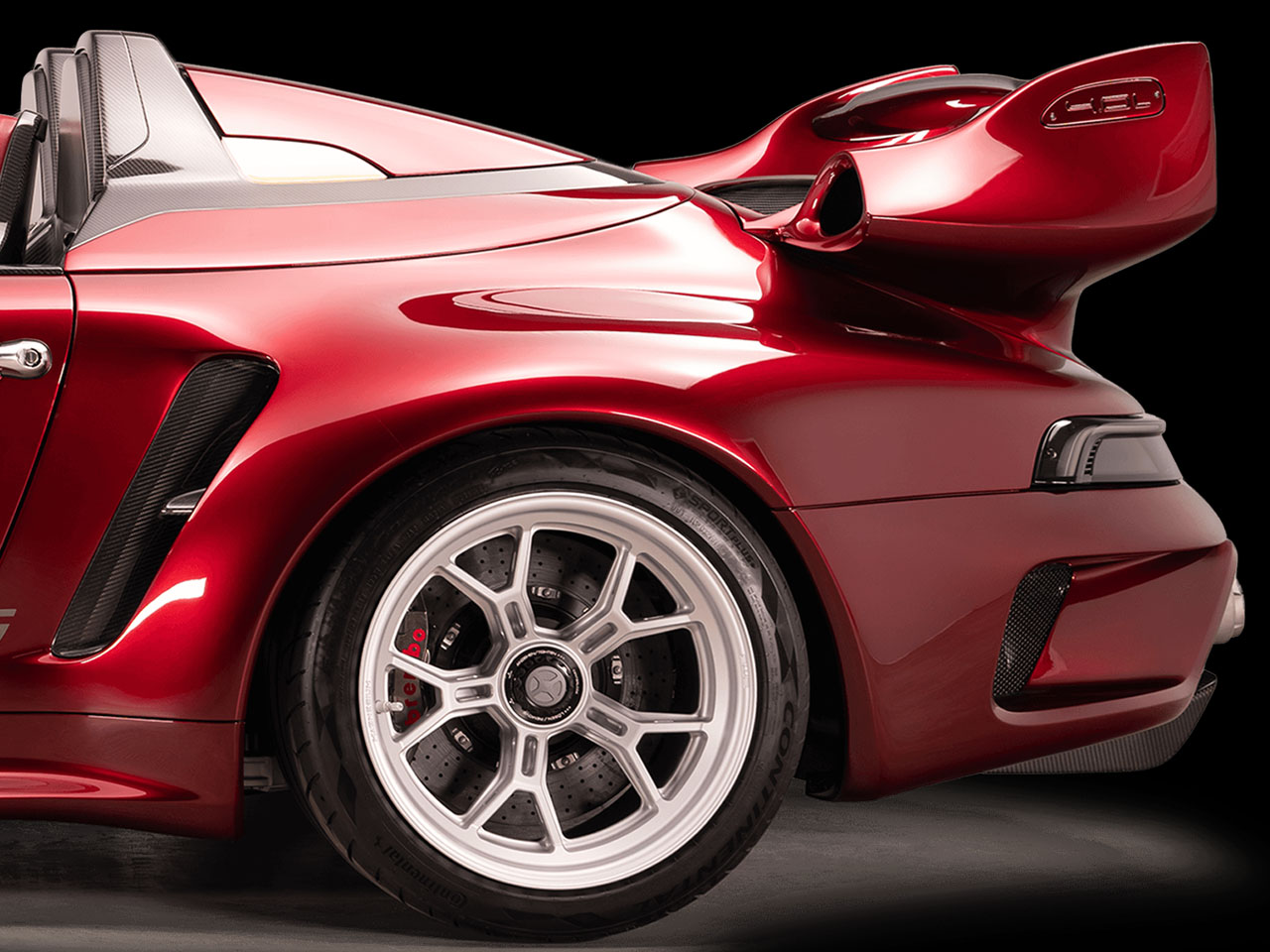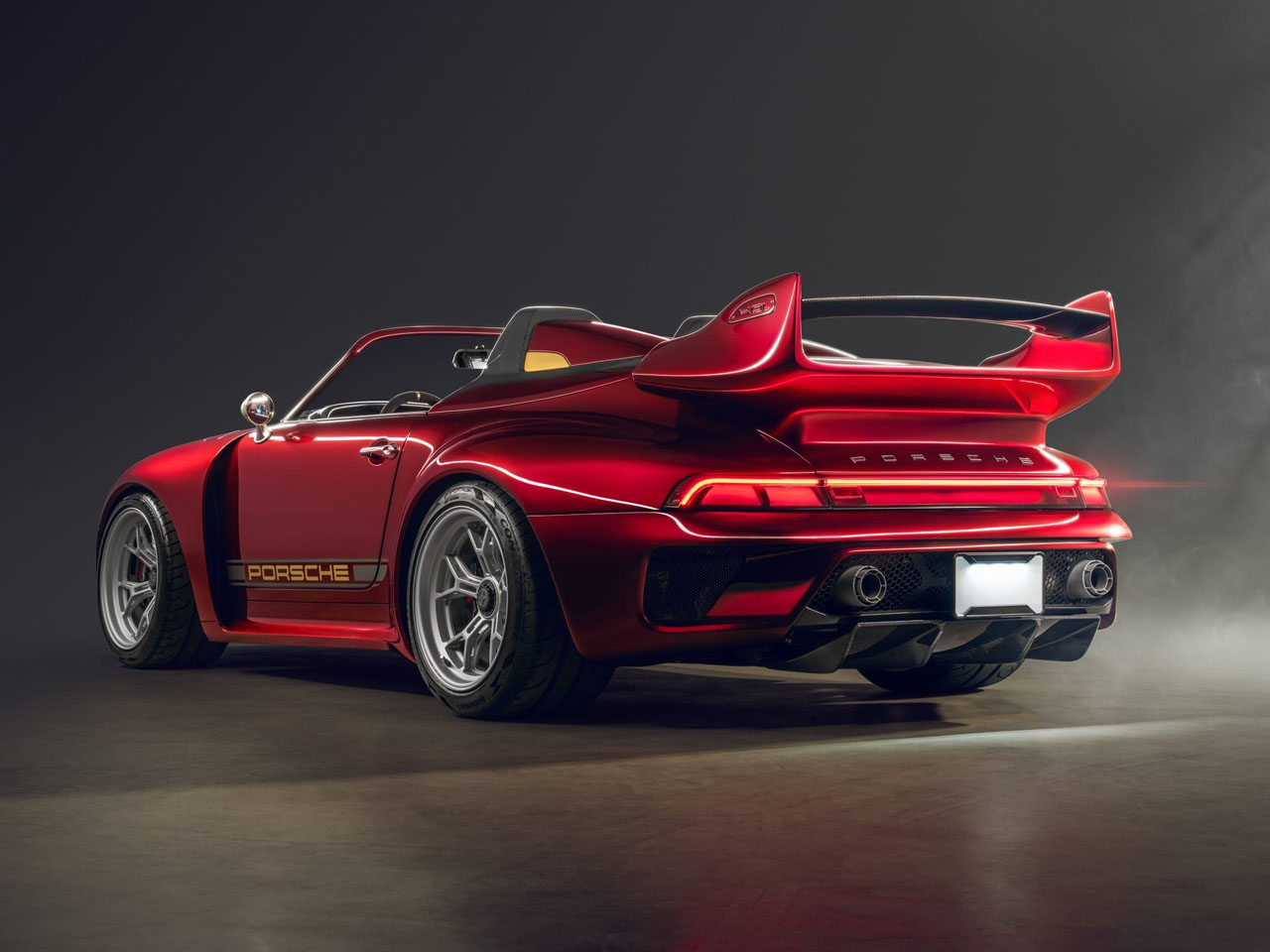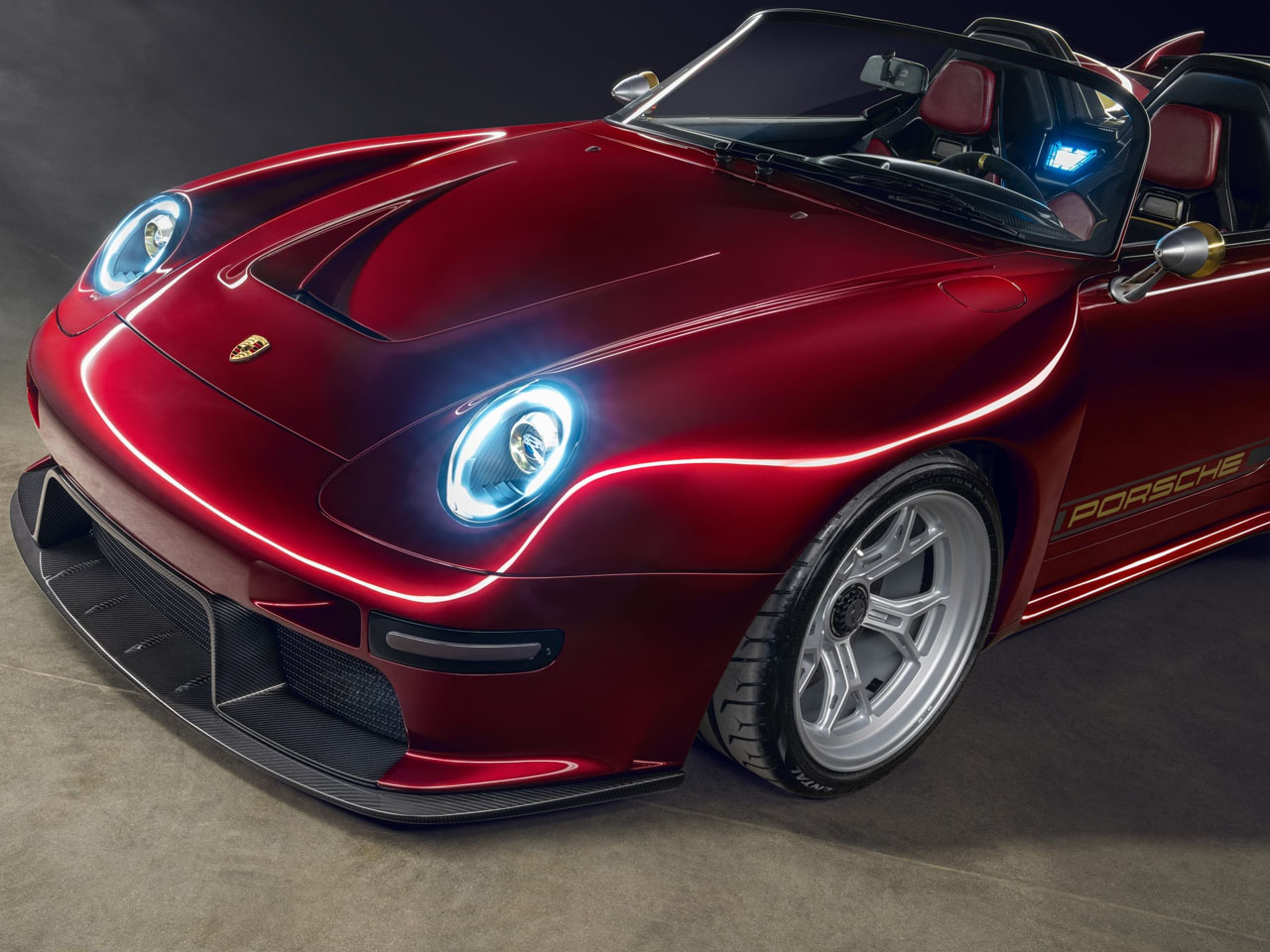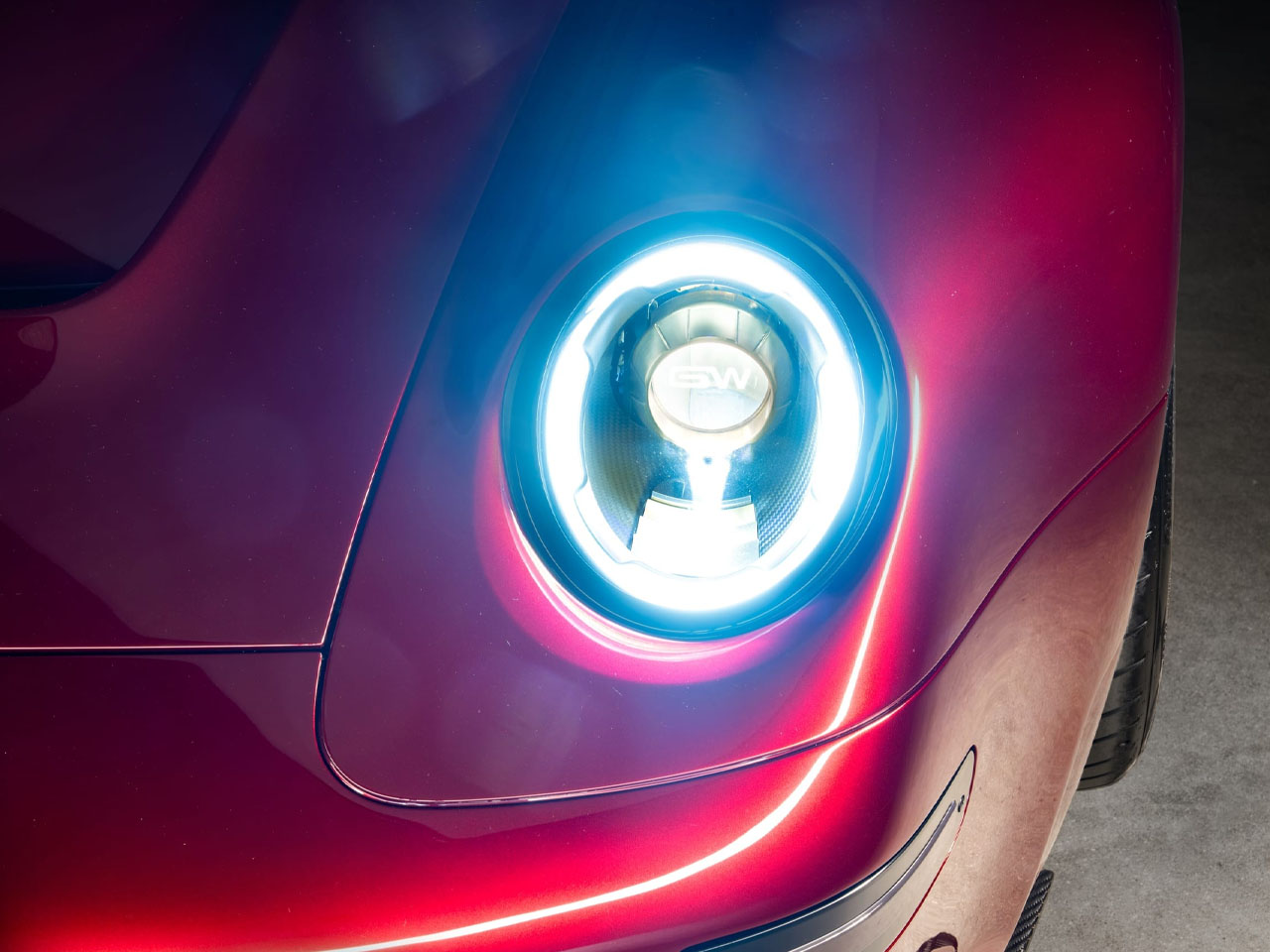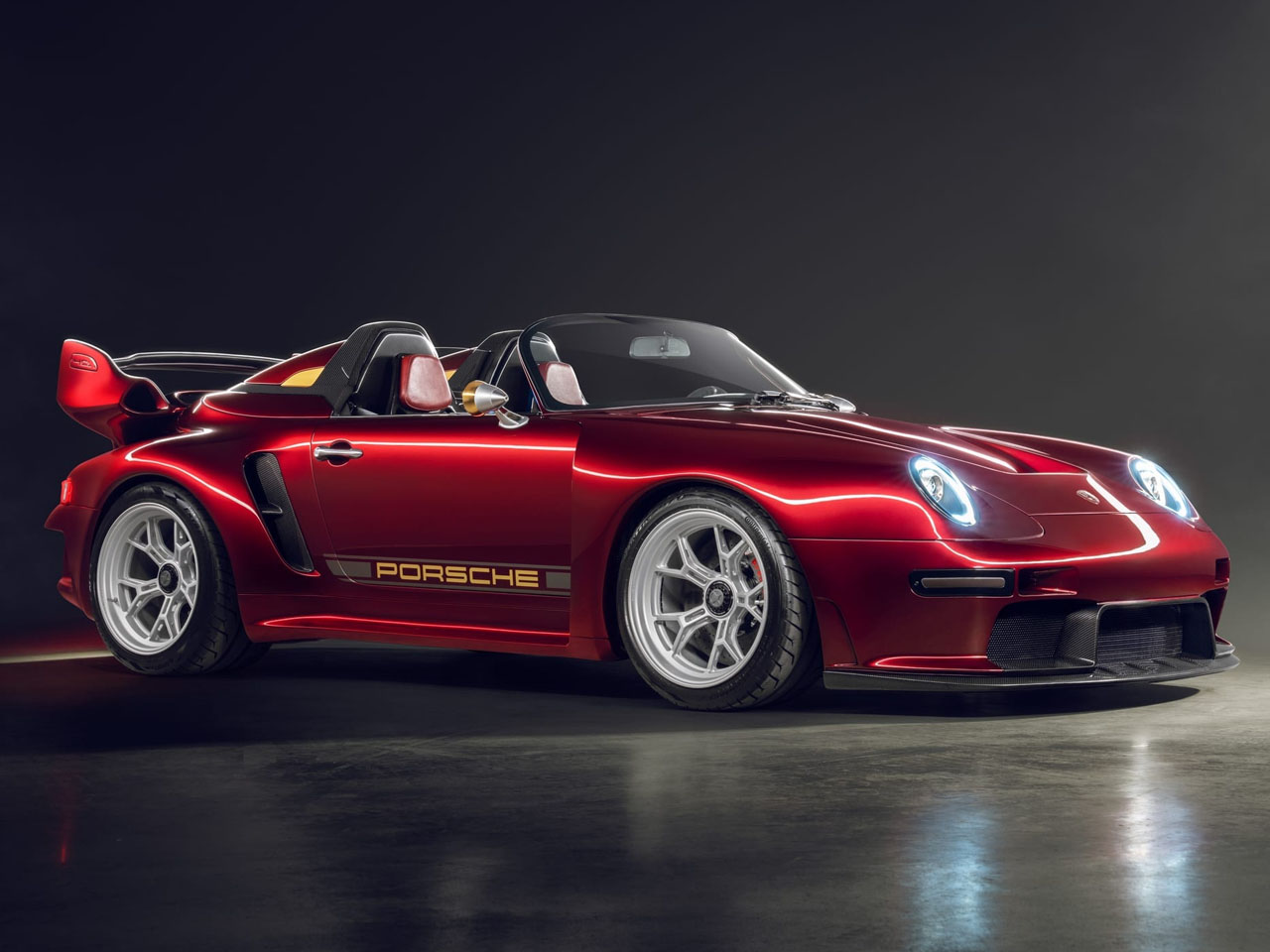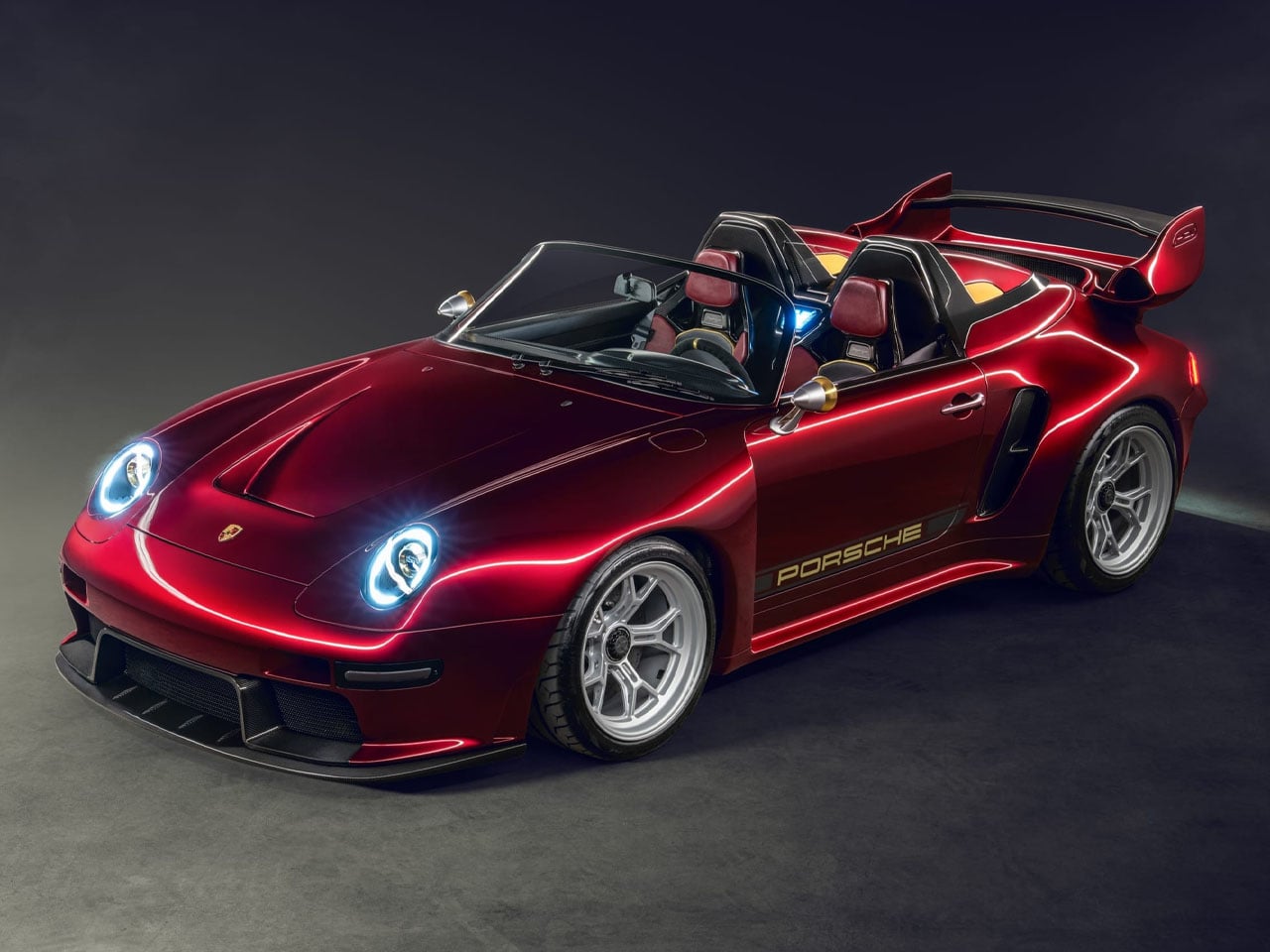
There’s always been a theatrical edge to Gunther Werks’ reinterpretations of the Porsche 911 (993), but Project Endgame pushes that idea into full cinematic territory. Conceived as a one-off Speedster commission and effectively the closing statement for the California-based restomod specialist’s open-top series, it fuses extreme performance engineering with a design language. Something that openly channels Iron Man’s energy in both form and function.
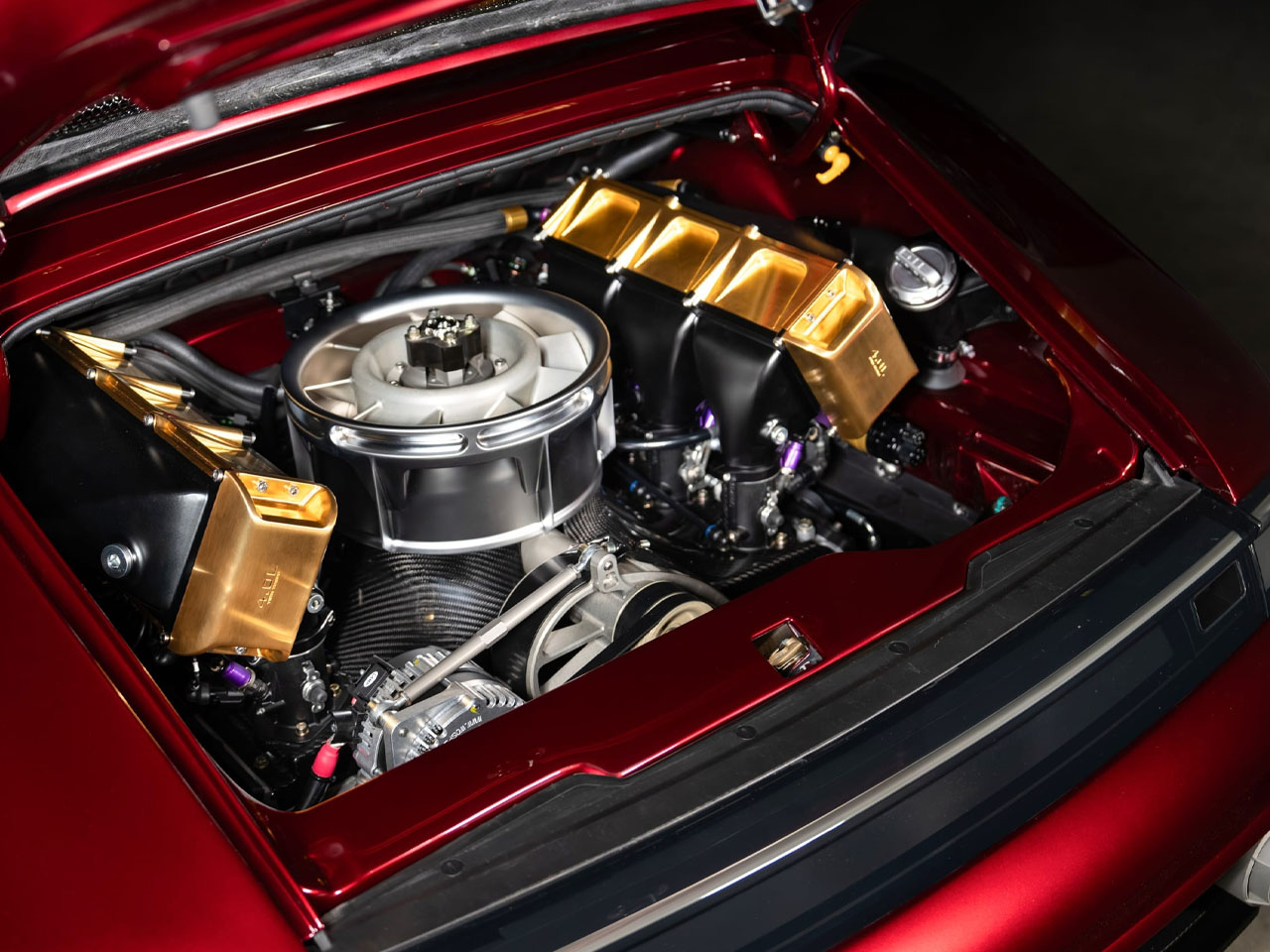
Built on the bones of a 993-generation 911, Project Endgame undergoes a complete transformation. Its most radical element is the twin-turbocharged 4.0-liter air-cooled flat-six, developed in collaboration with Rothsport Racing. Producing an immense 840 horsepower and 660 lb-ft of torque, the engine delivers its output through a six-speed manual transmission. This preserves the tactile, mechanical connection that defines analog driving, which purists absolutely value.
Designer: Gunther Werks
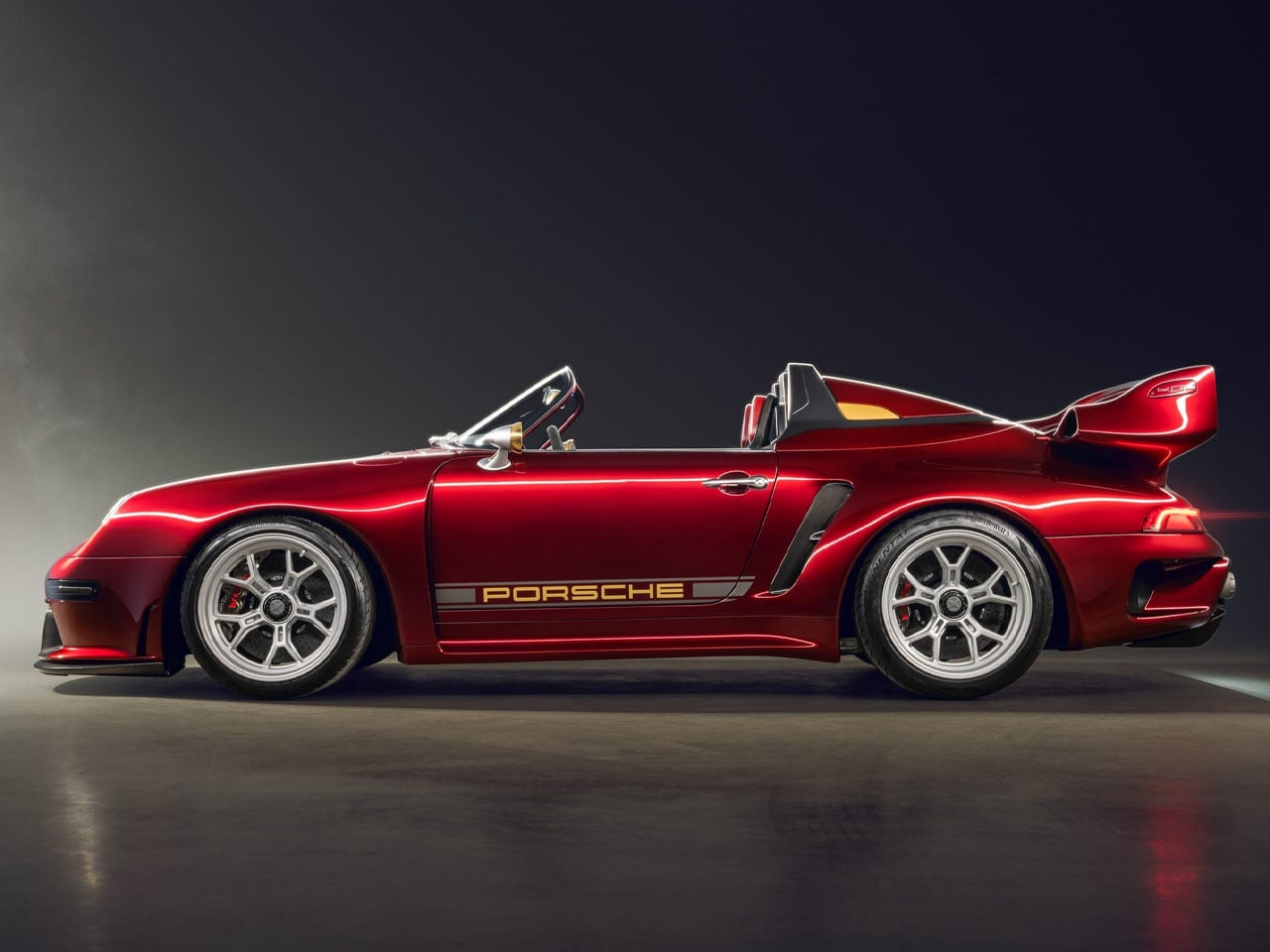
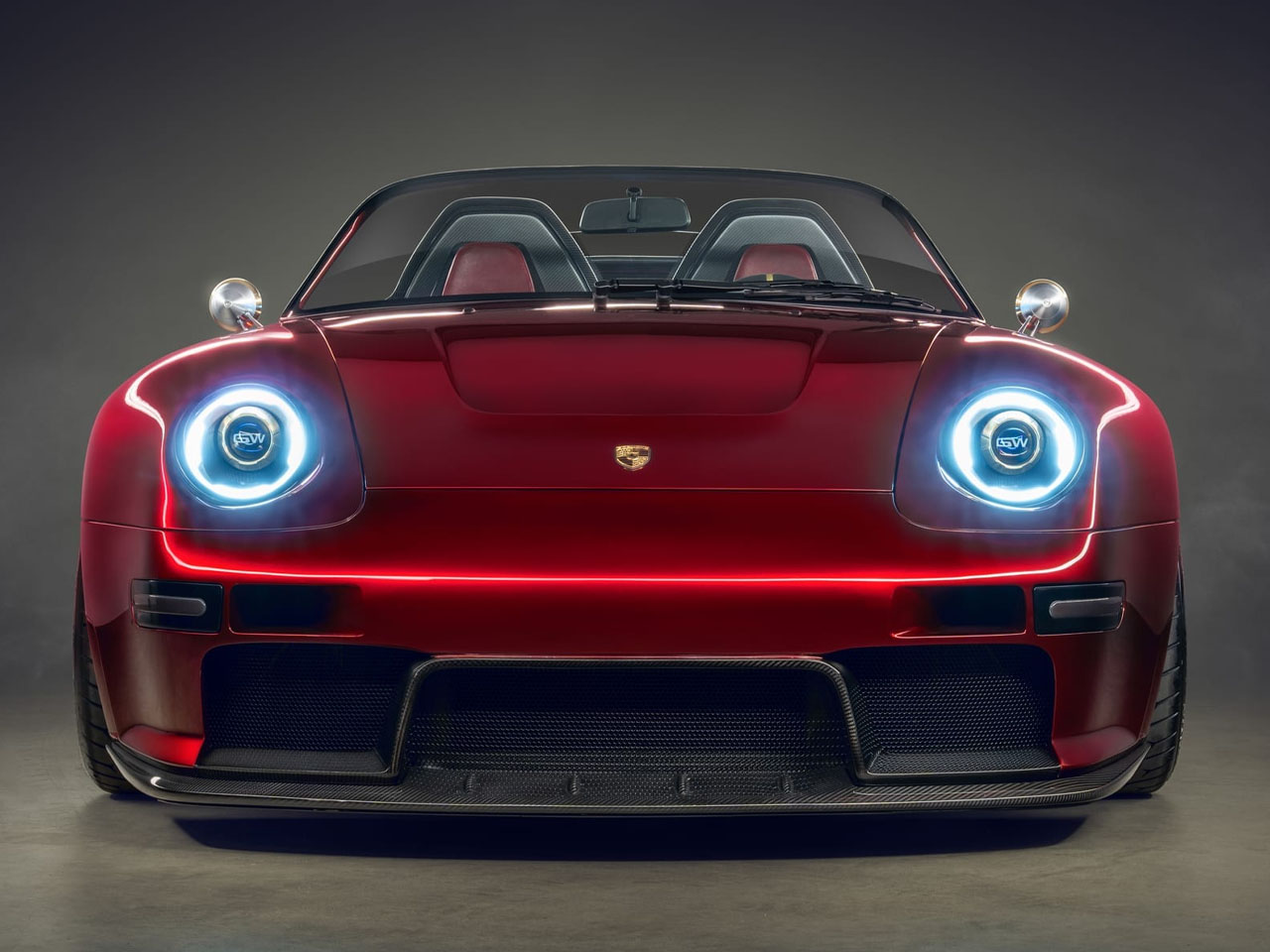
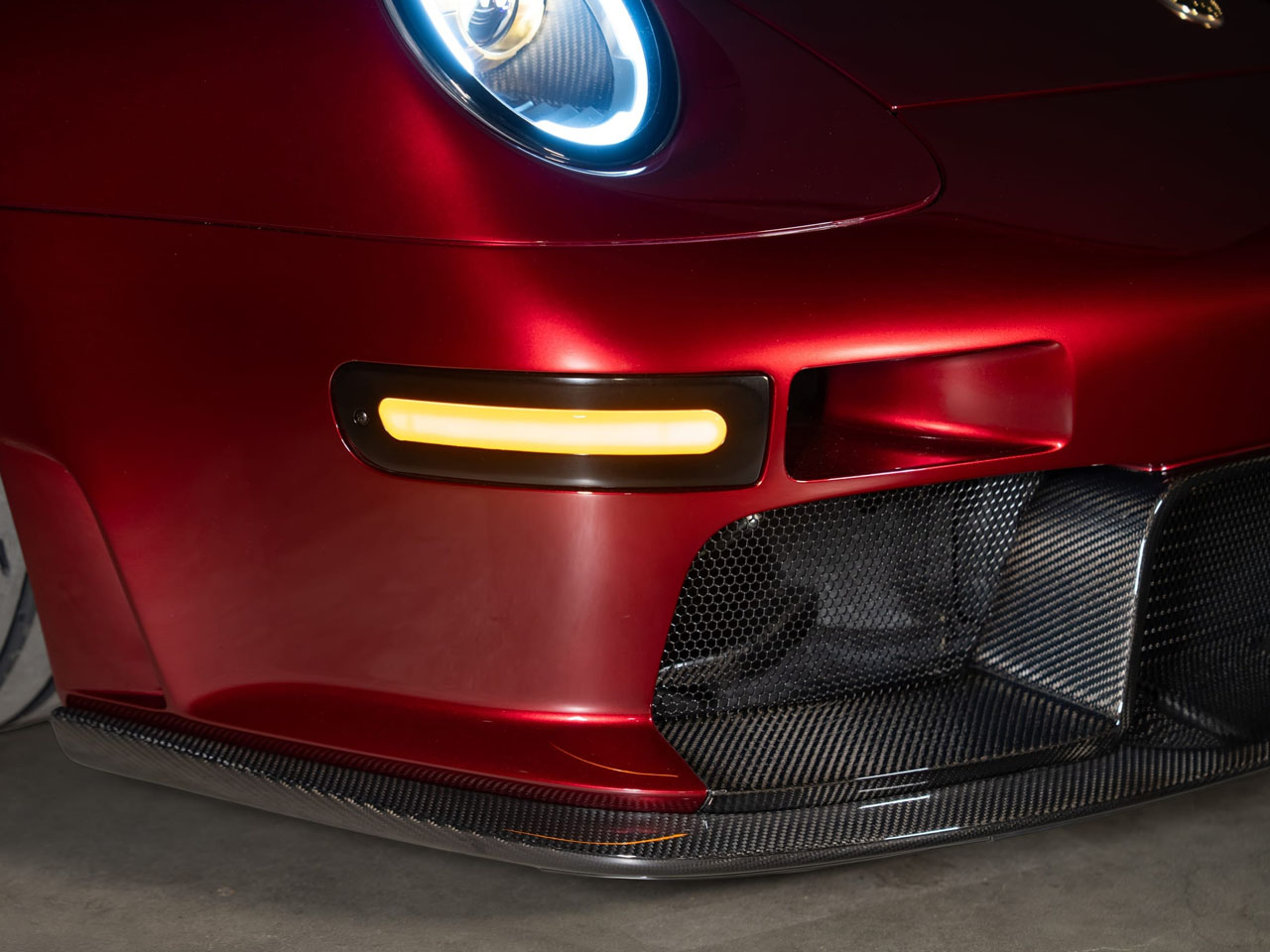
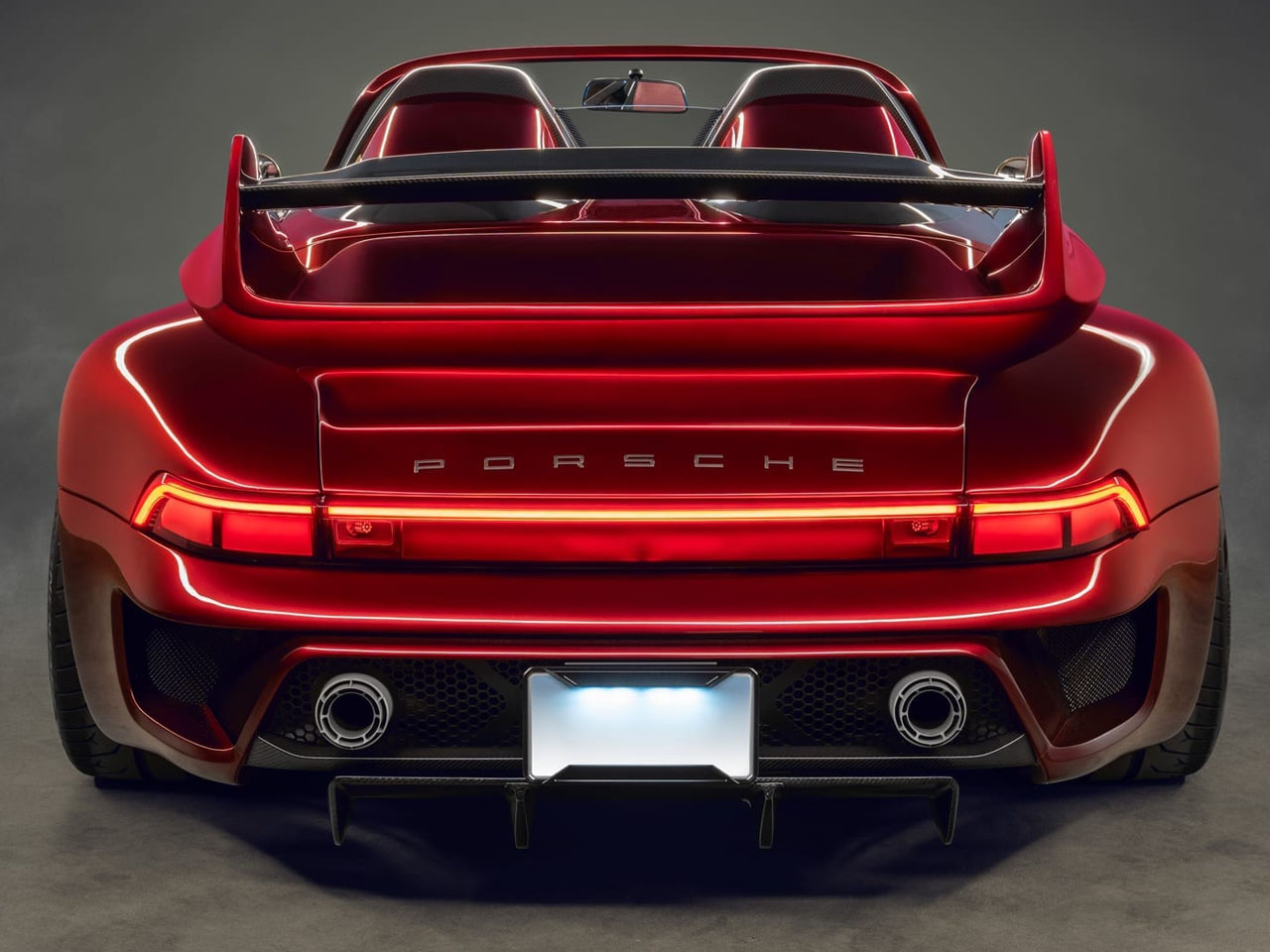
This combination of old-school air cooling paired with modern forced induction in more ways than not mirrors Iron Man’s own blend of legacy ingenuity and futuristic power. A classic example of how engineering evolves into something far more advanced. Weight reduction is equally obsessive with the experienced tuner. Extensive use of carbon fiber throughout the body keeps the car at roughly 2,600 pounds, creating a power-to-weight ratio that borders on hypercar territory. The aggressive stance, widened bodywork, and sculpted aerodynamics echo the armored silhouette of Iron Man’s suit.
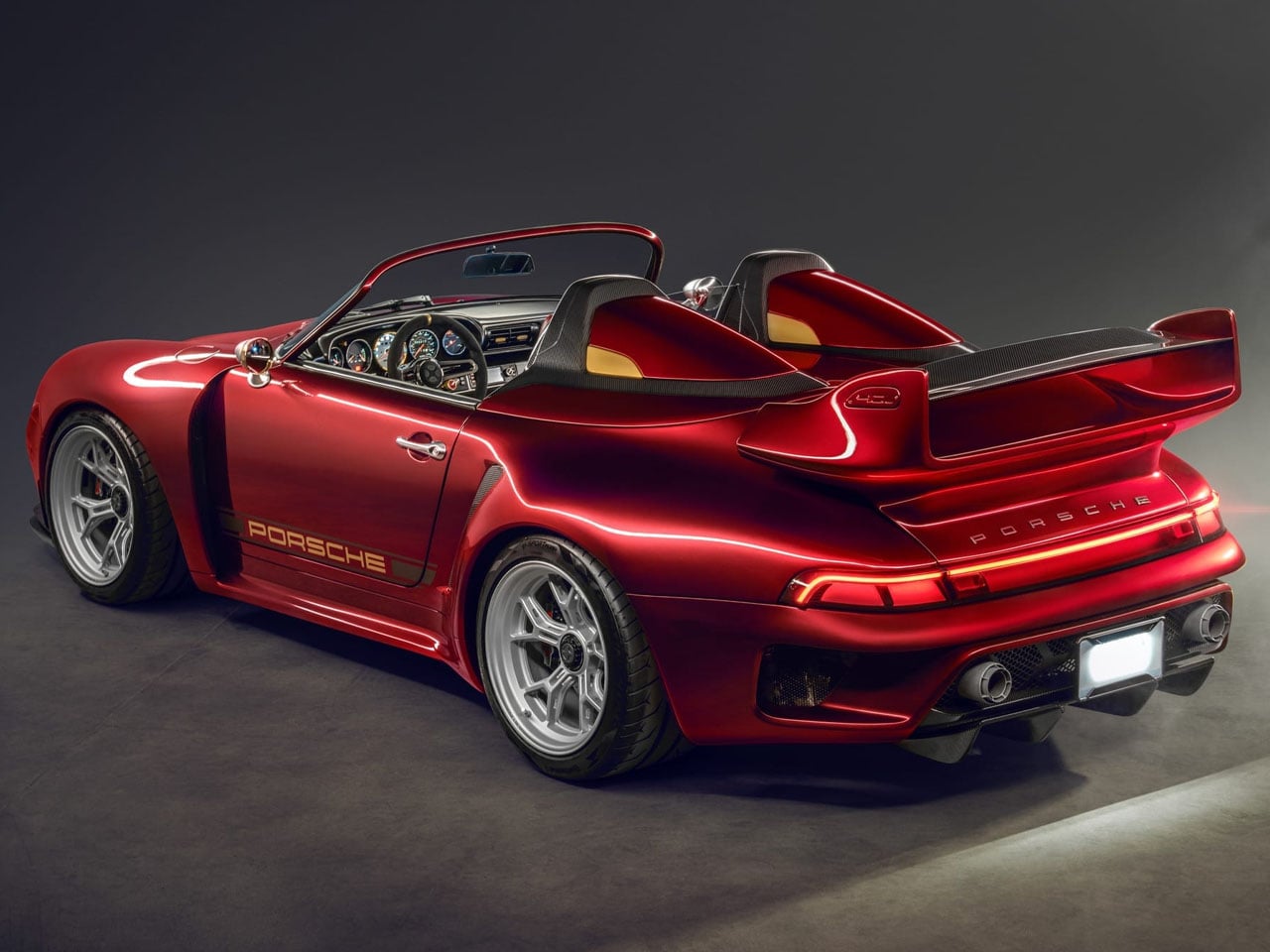
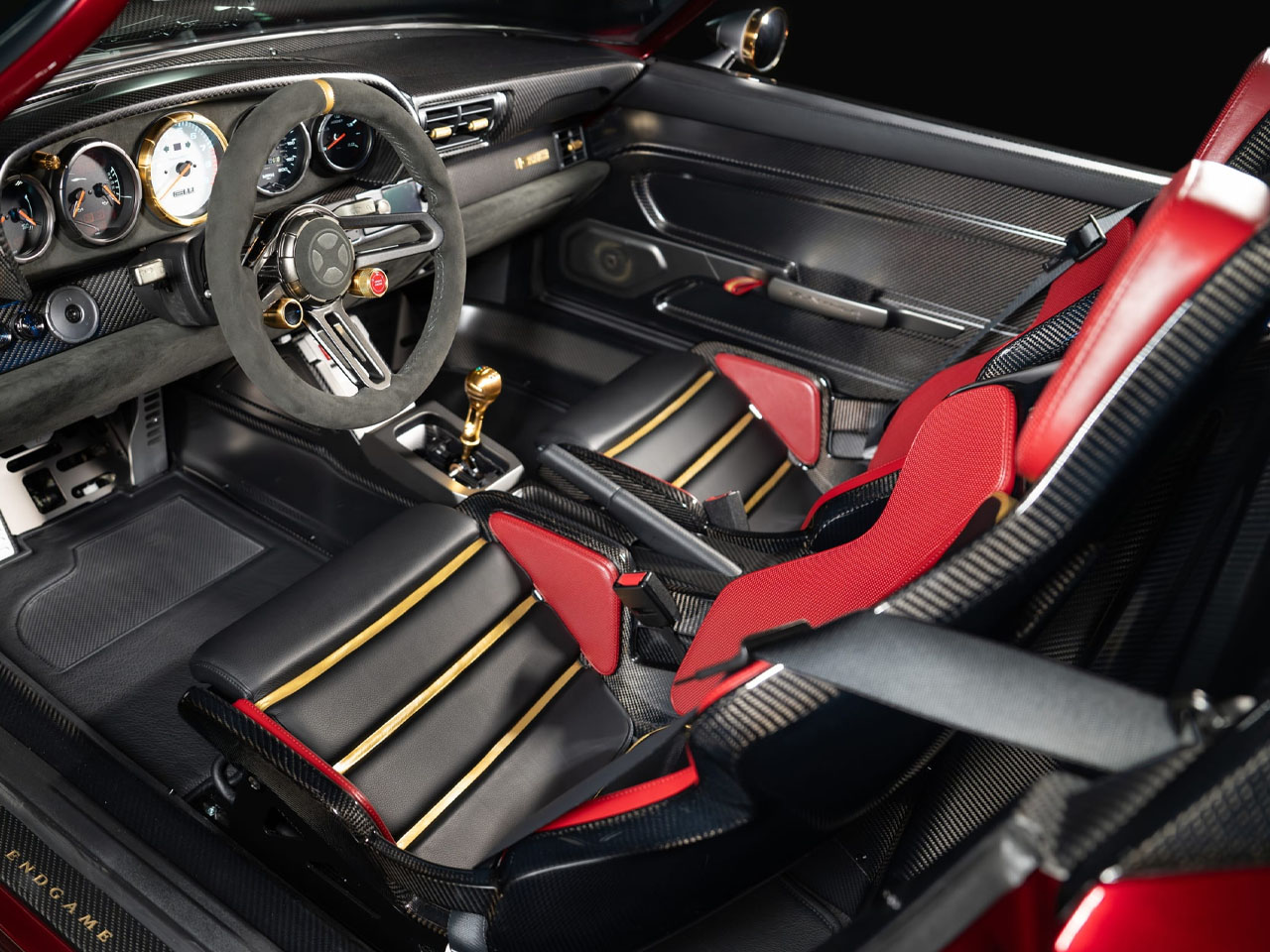
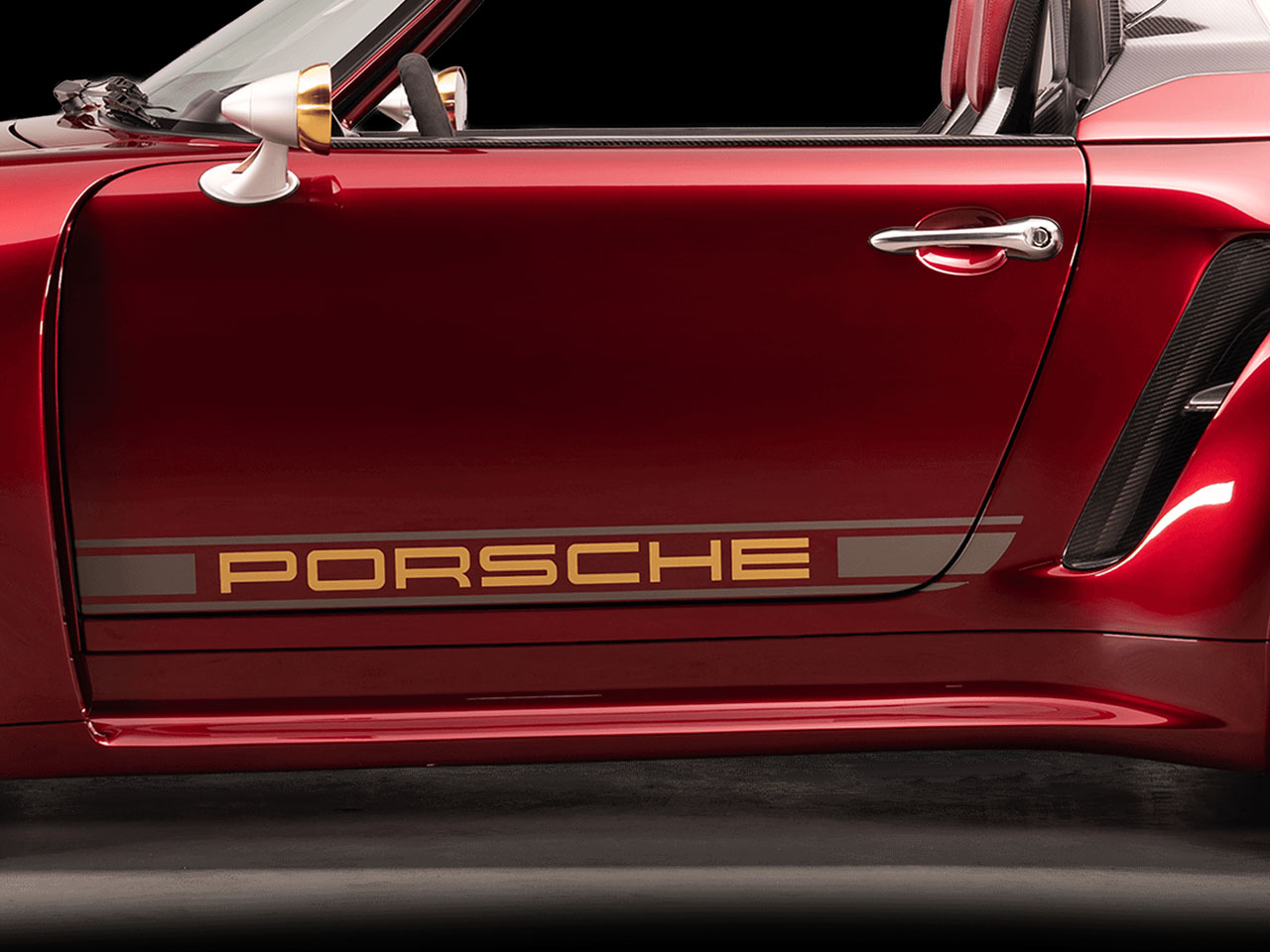
The mirrored ethos of a machine that’s muscular, purposeful, and unmistakably engineered for speed and impact. The Speedster configuration, with its low windscreen and open cockpit, adds a sense of exposure that parallels the vulnerability beneath the armor, reinforcing the duality between raw human control and overwhelming machine capability. The Iron Man influence becomes even more explicit in the detailing. The exterior’s red-and-gold finish directly mirrors the superhero’s iconic suit, but it’s not just cosmetic.
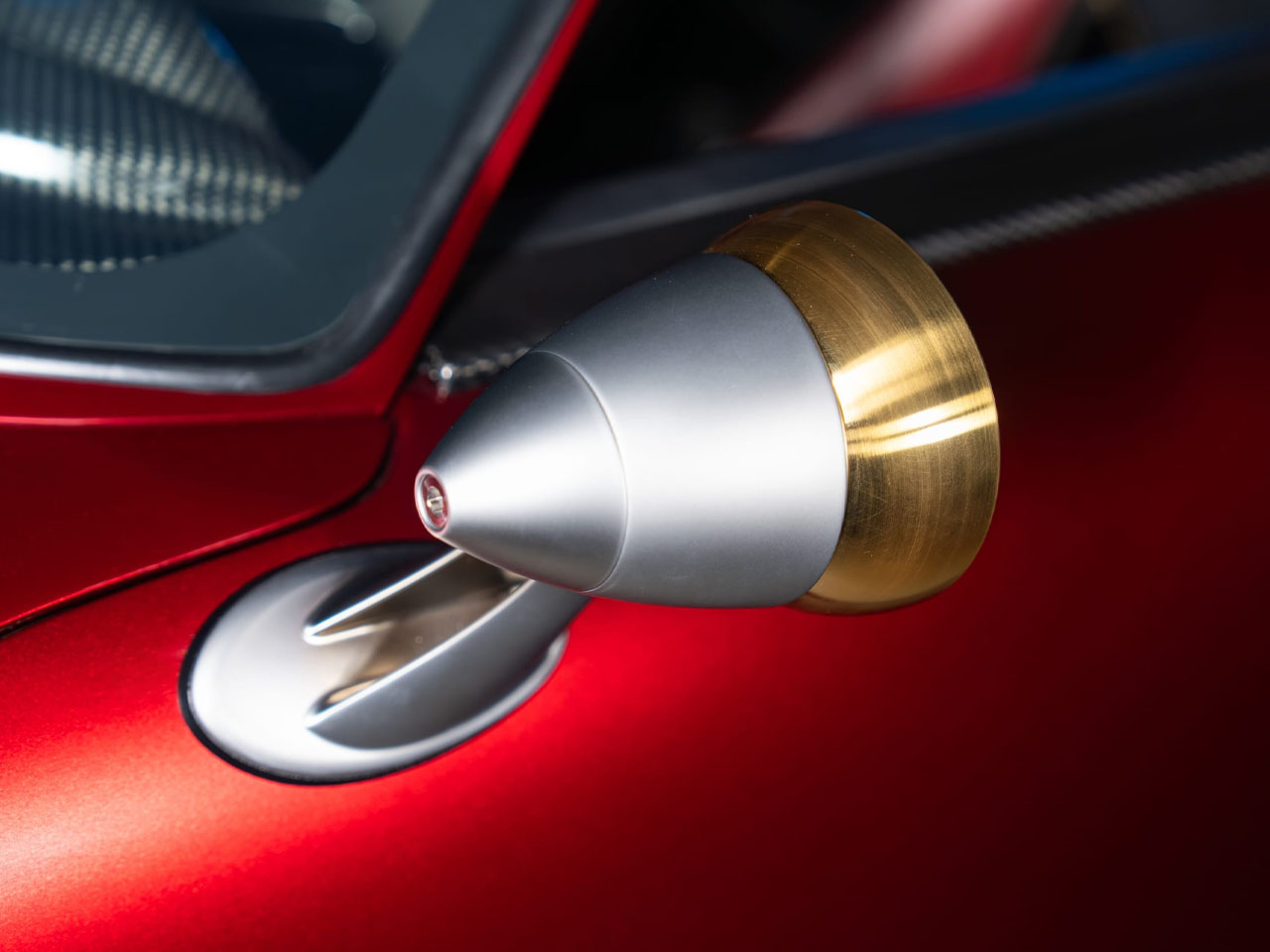
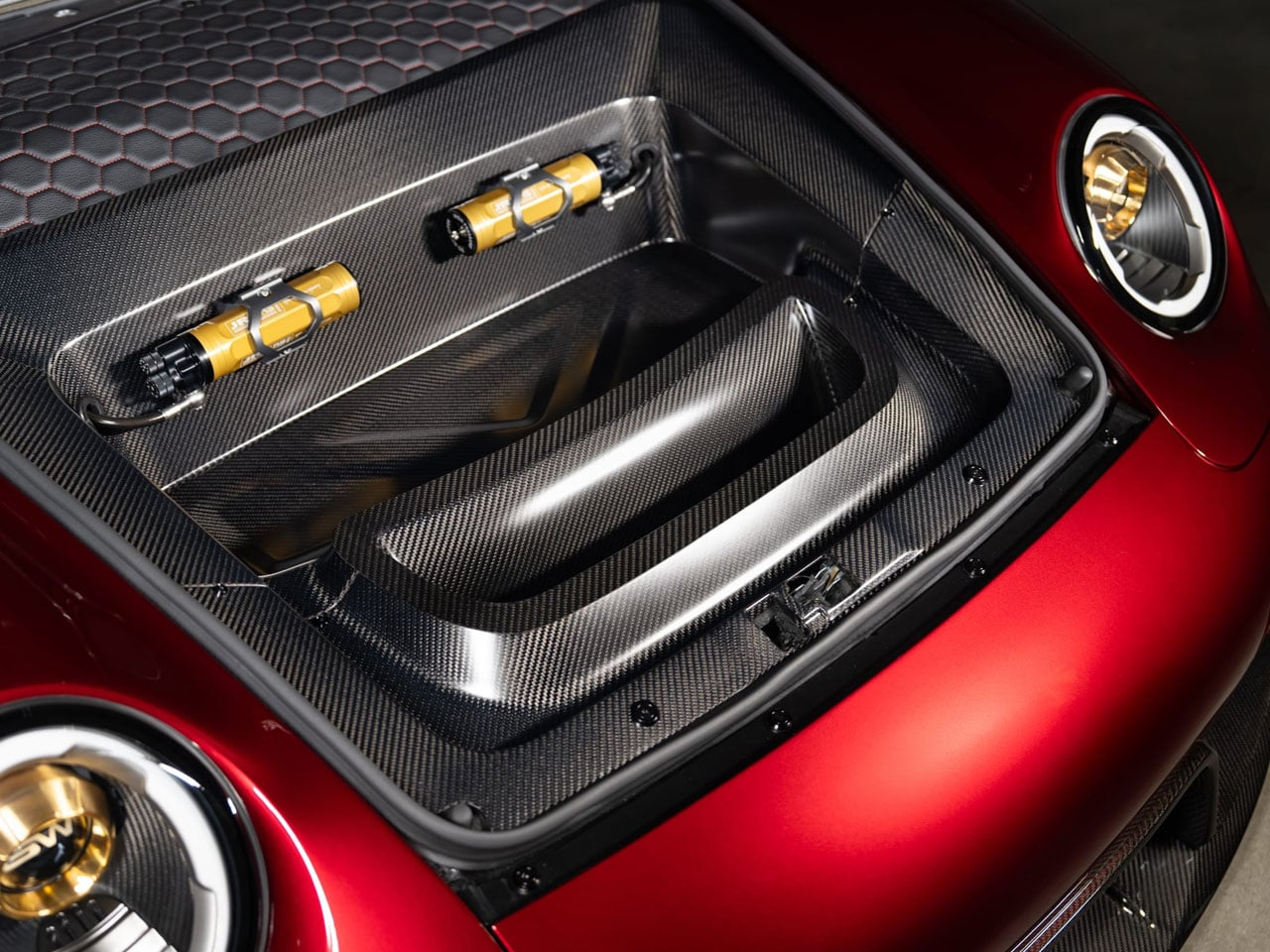
Functional components such as intercoolers receive gold plating, a detail that reflects both performance optimization and visual storytelling—much like Tony Stark’s tendency to fuse engineering necessity with stylistic flair. The interplay of metallic tones across the bodywork gives the car a glowing, almost reactor-like presence, as if energy is constantly pulsing beneath its surface.
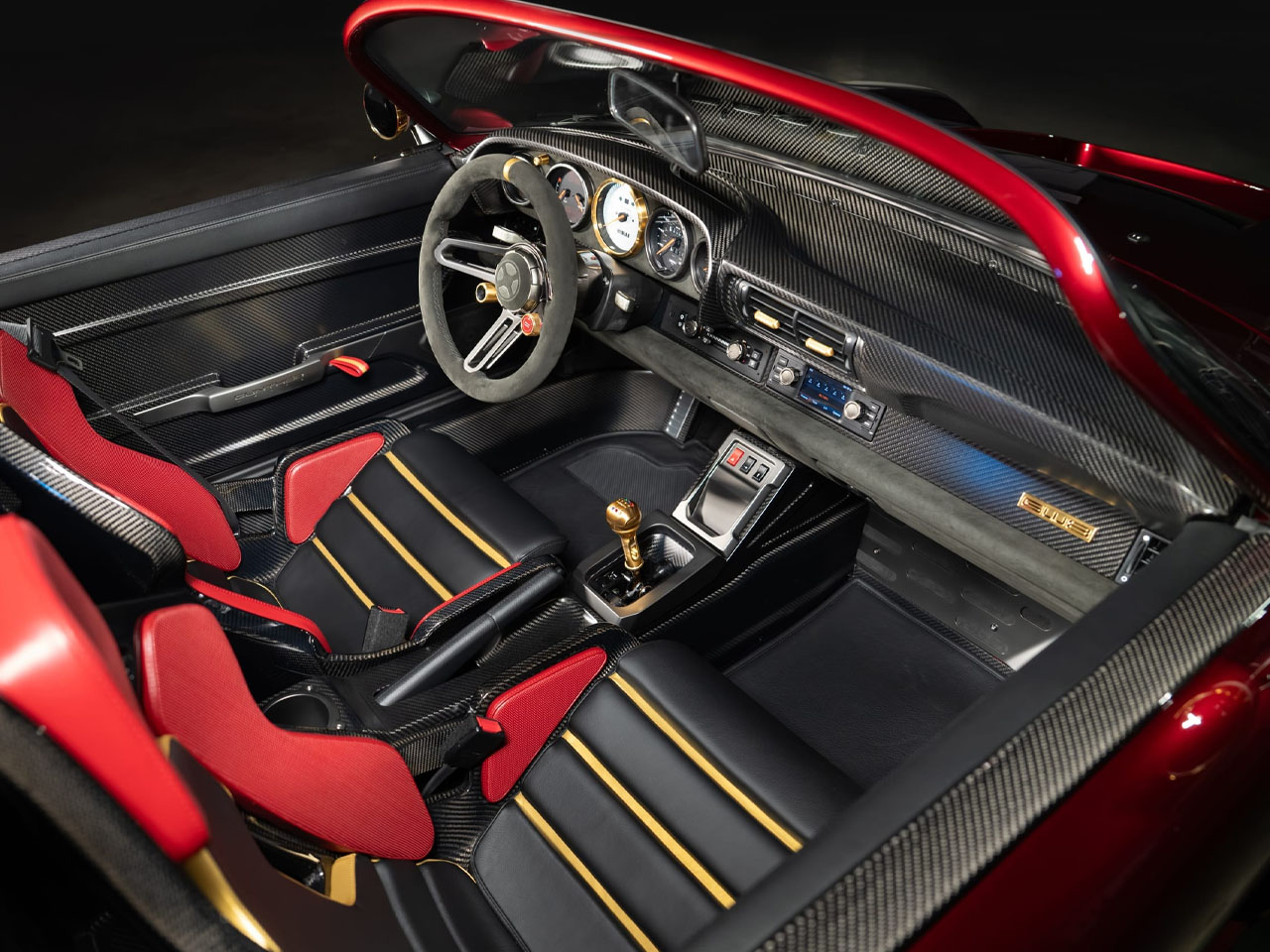
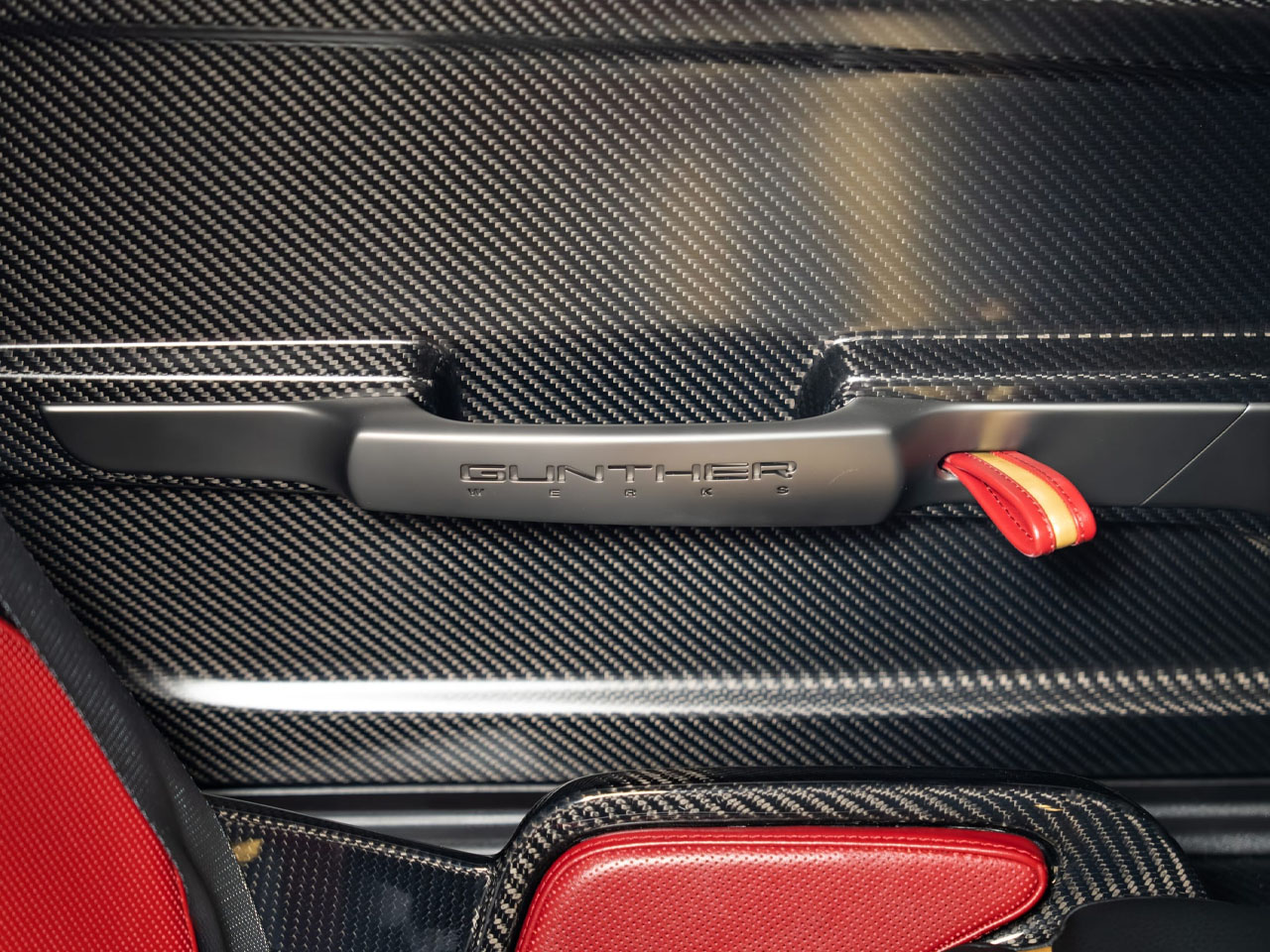
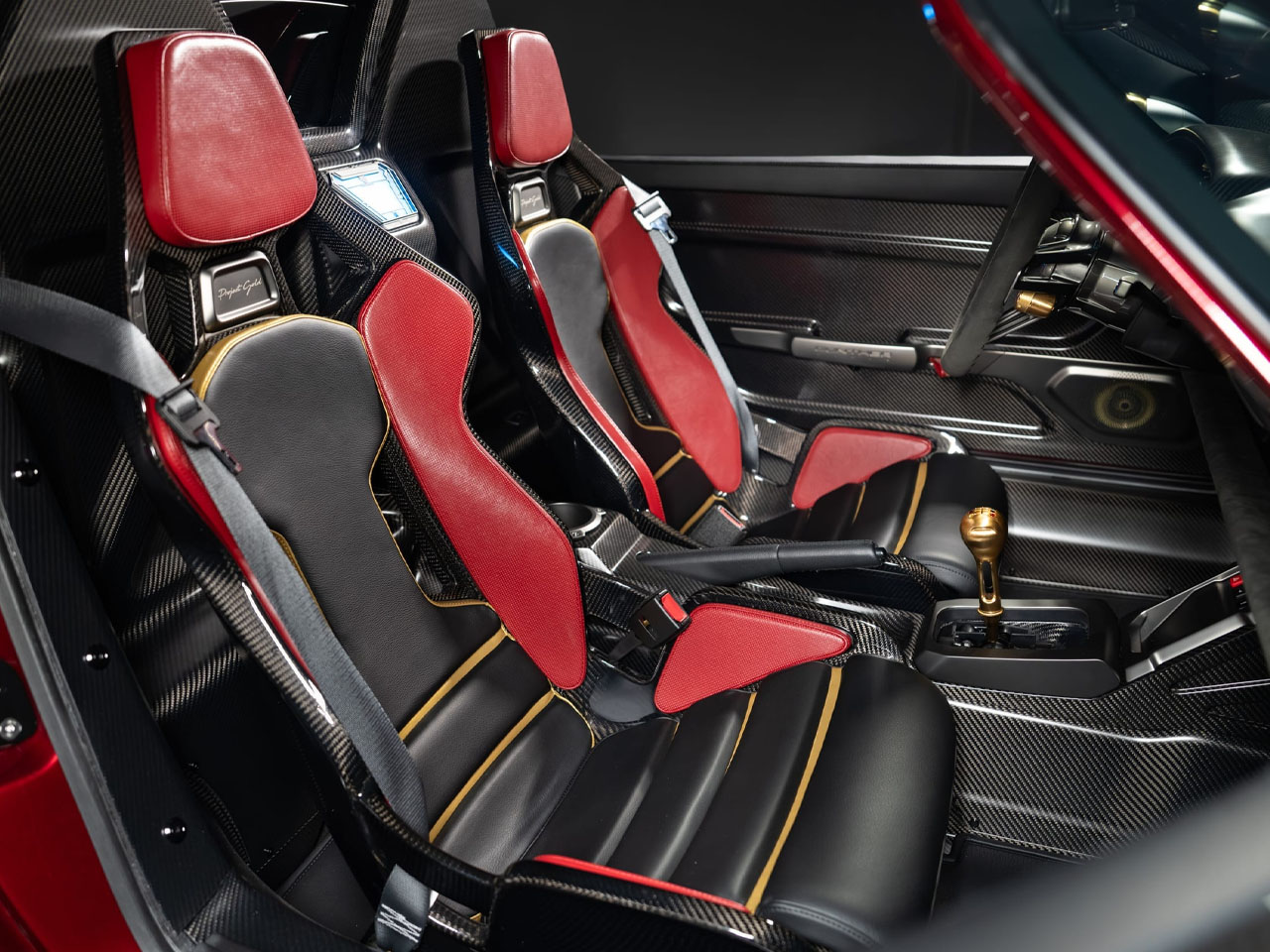
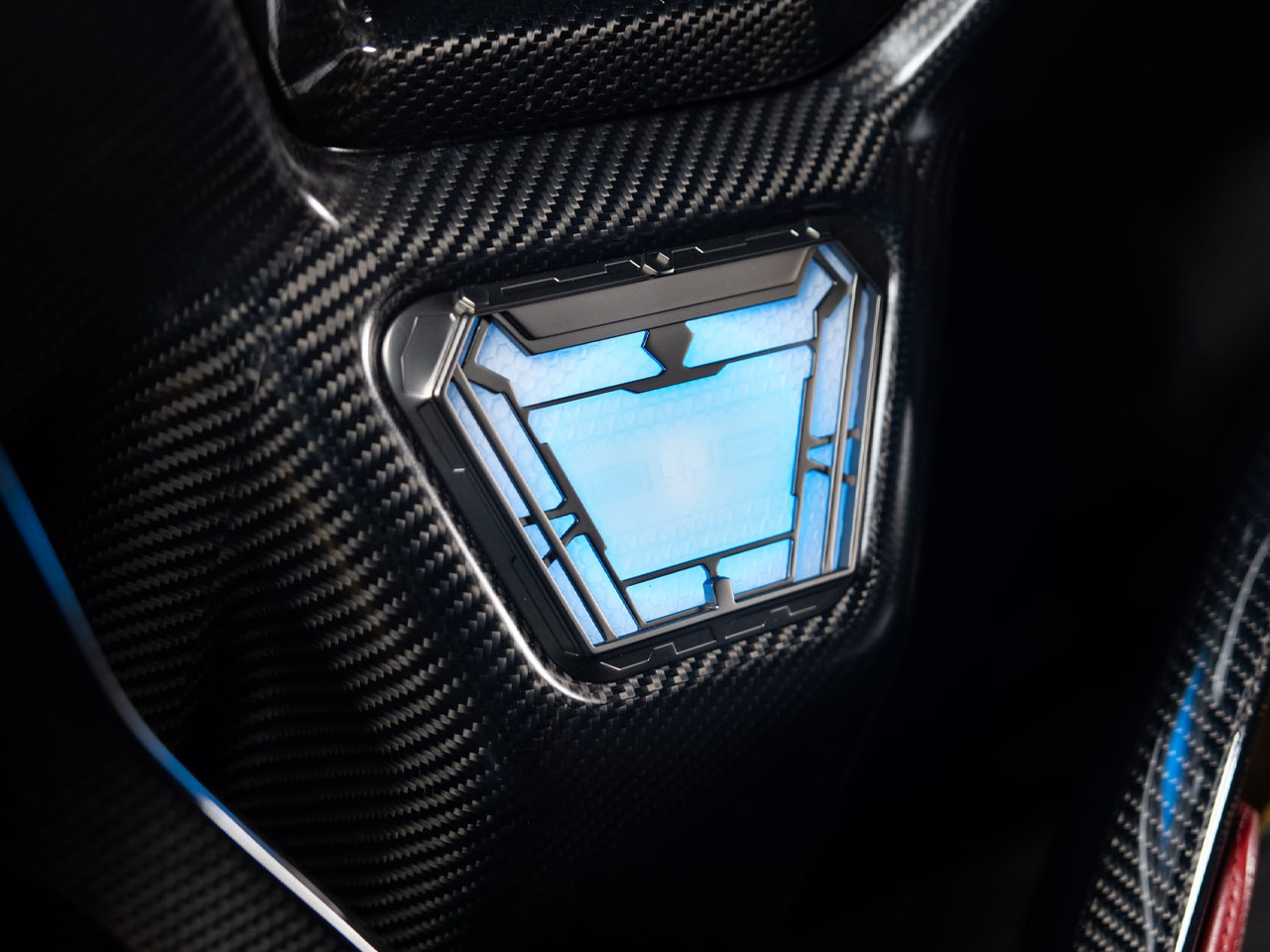
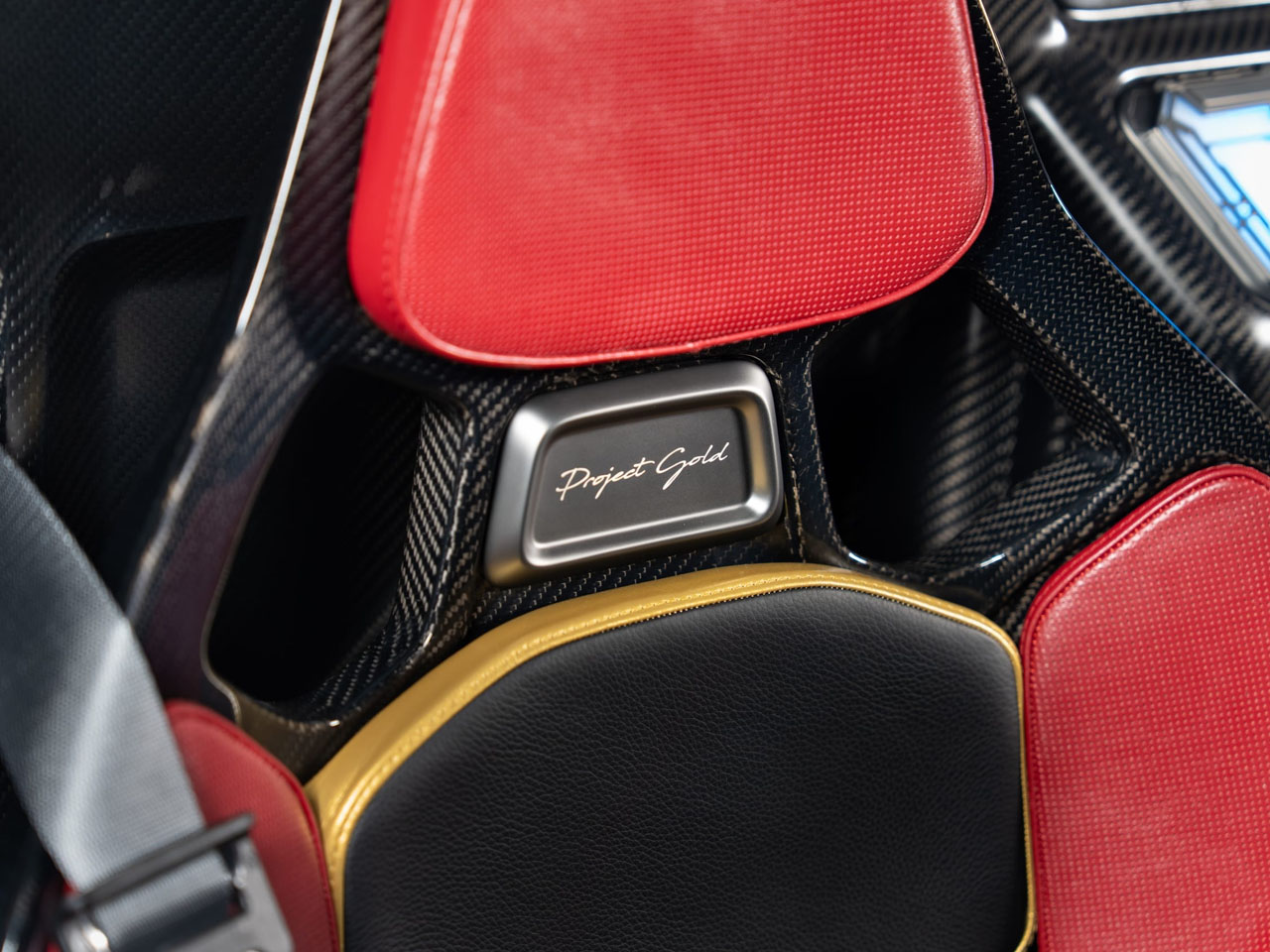
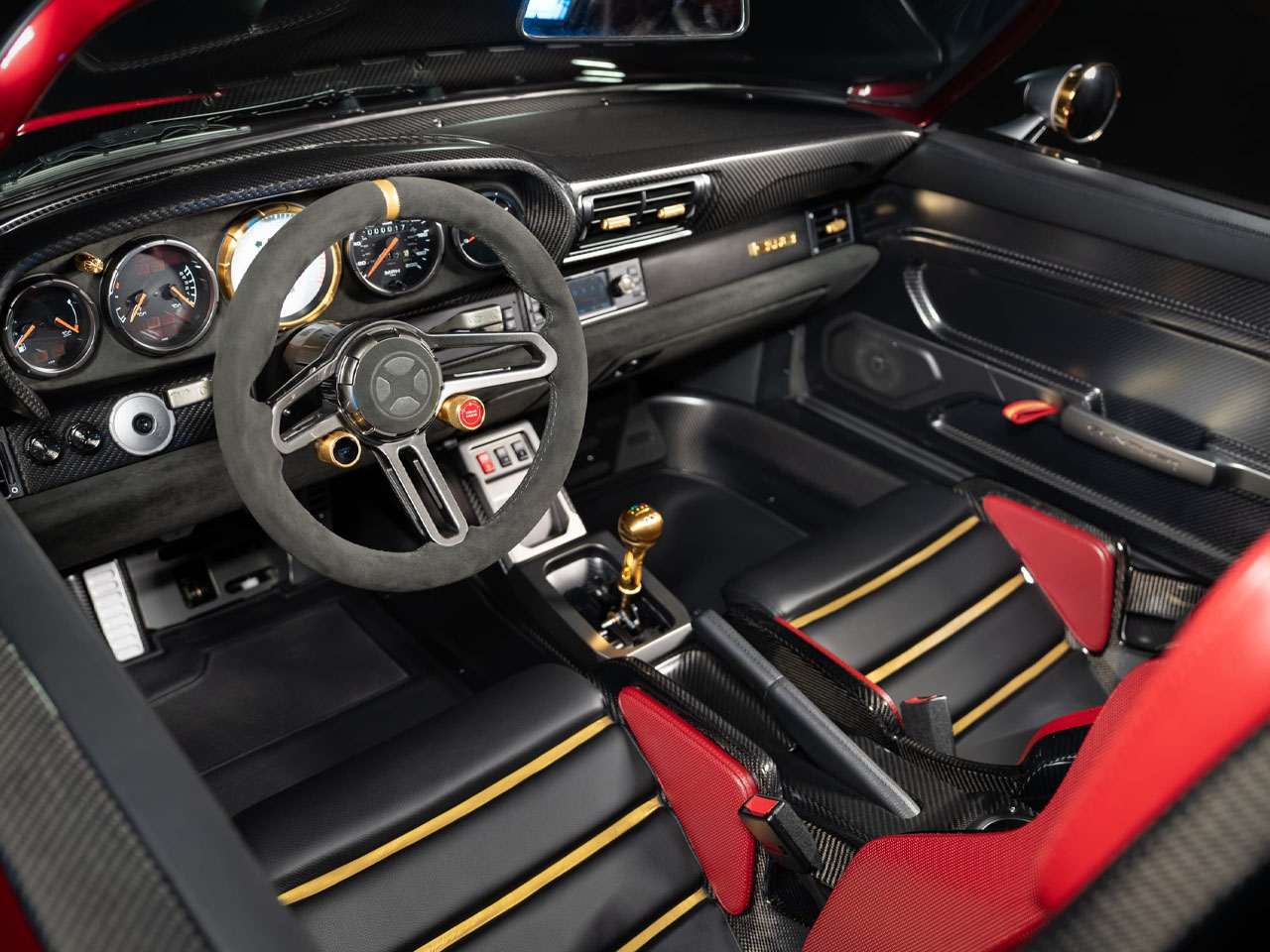
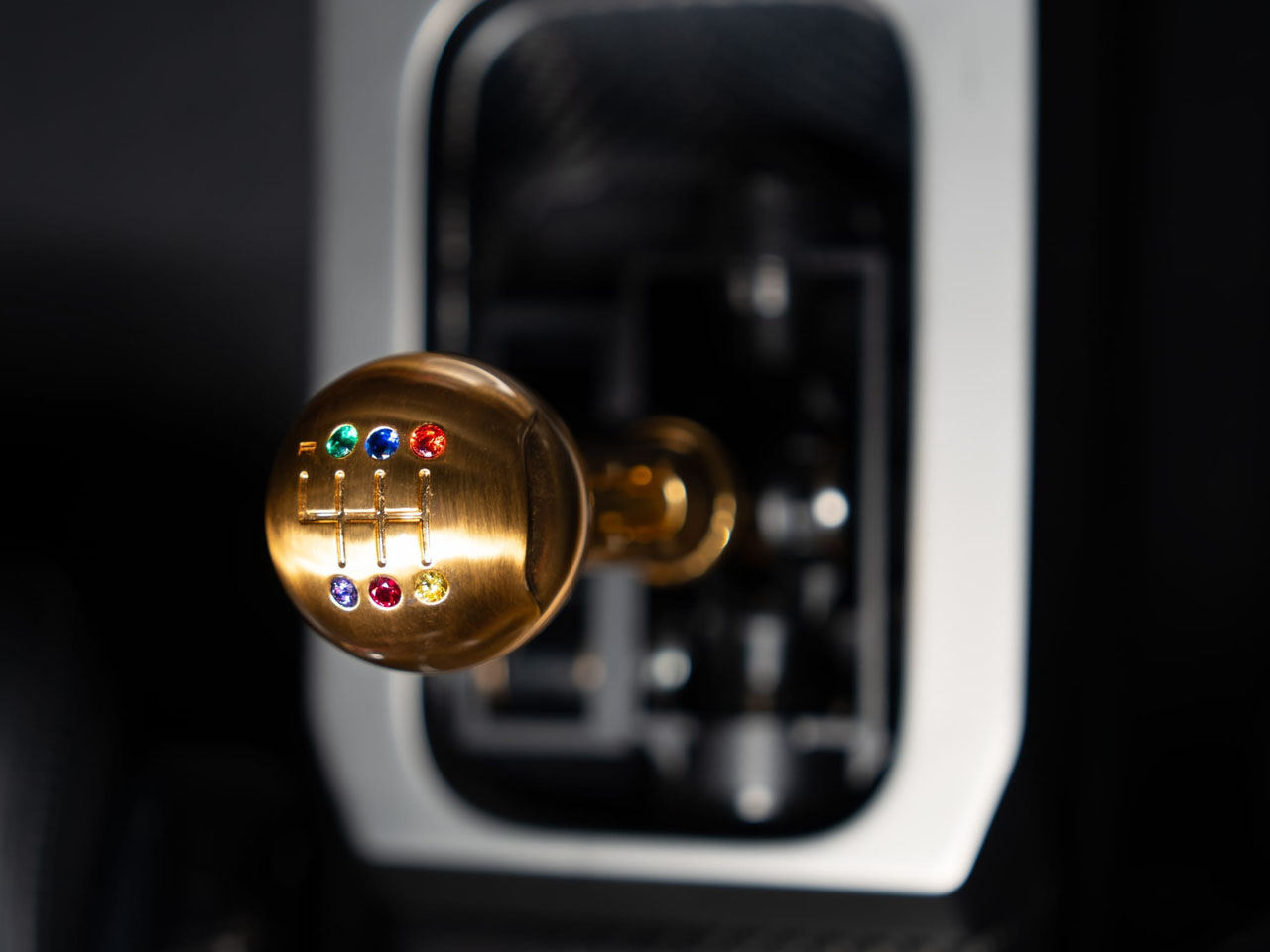
Inside, the cabin is a symphony of narrative space. A central design element between the seats evokes the arc reactor, the fictional energy source that powers Iron Man’s suit. This sculptural feature isn’t merely decorative; it anchors the interior’s identity, turning the cockpit into a symbolic command center. The gear shifter, embedded with gemstone accents, subtly references the precision and complexity of Stark’s technology, while bespoke materials and finishes throughout the cabin create an environment that feels engineered rather than assembled. Every surface, control, and accent appears intentional, reflecting the meticulous craftsmanship associated with Stark Industries.
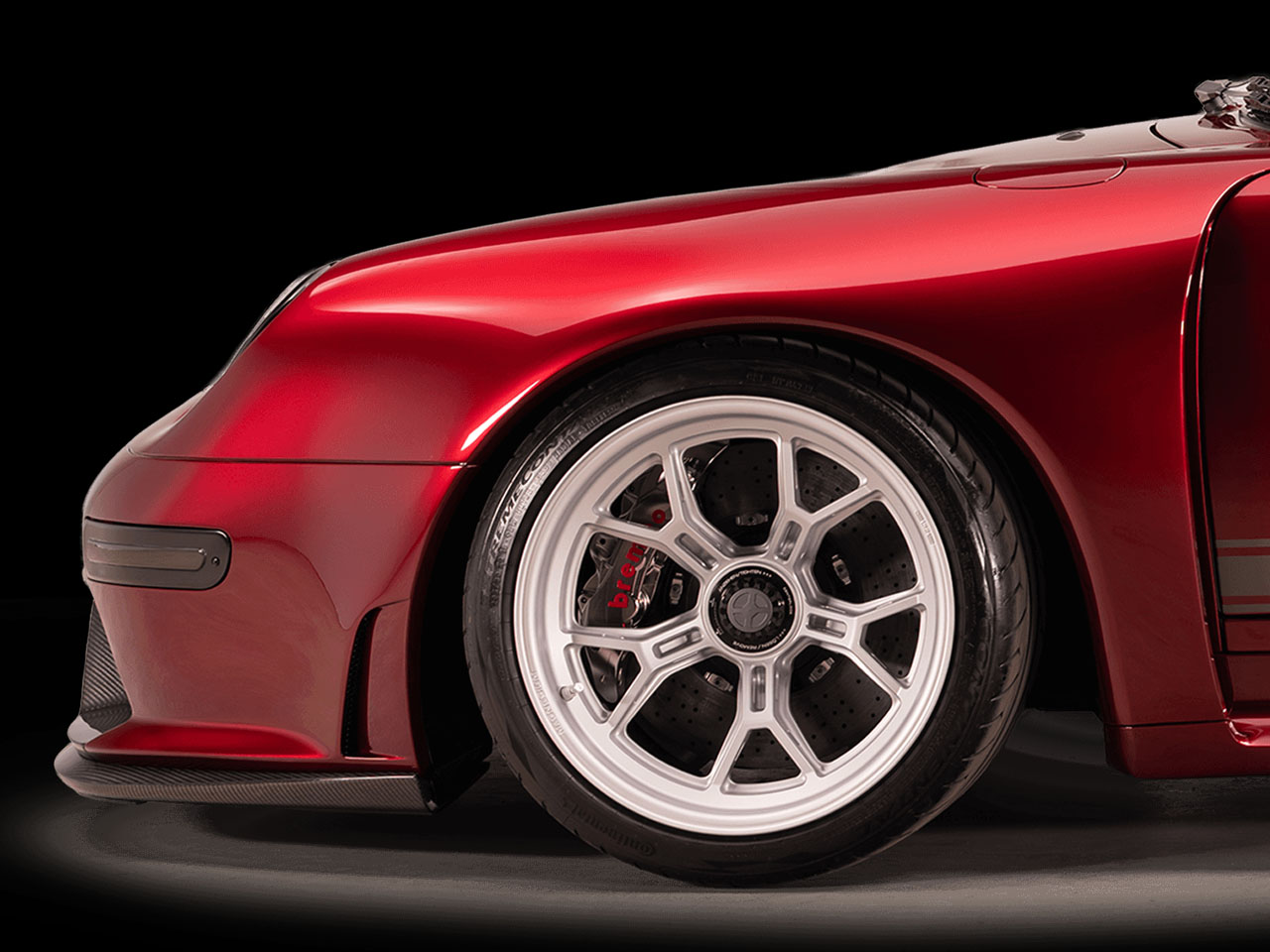
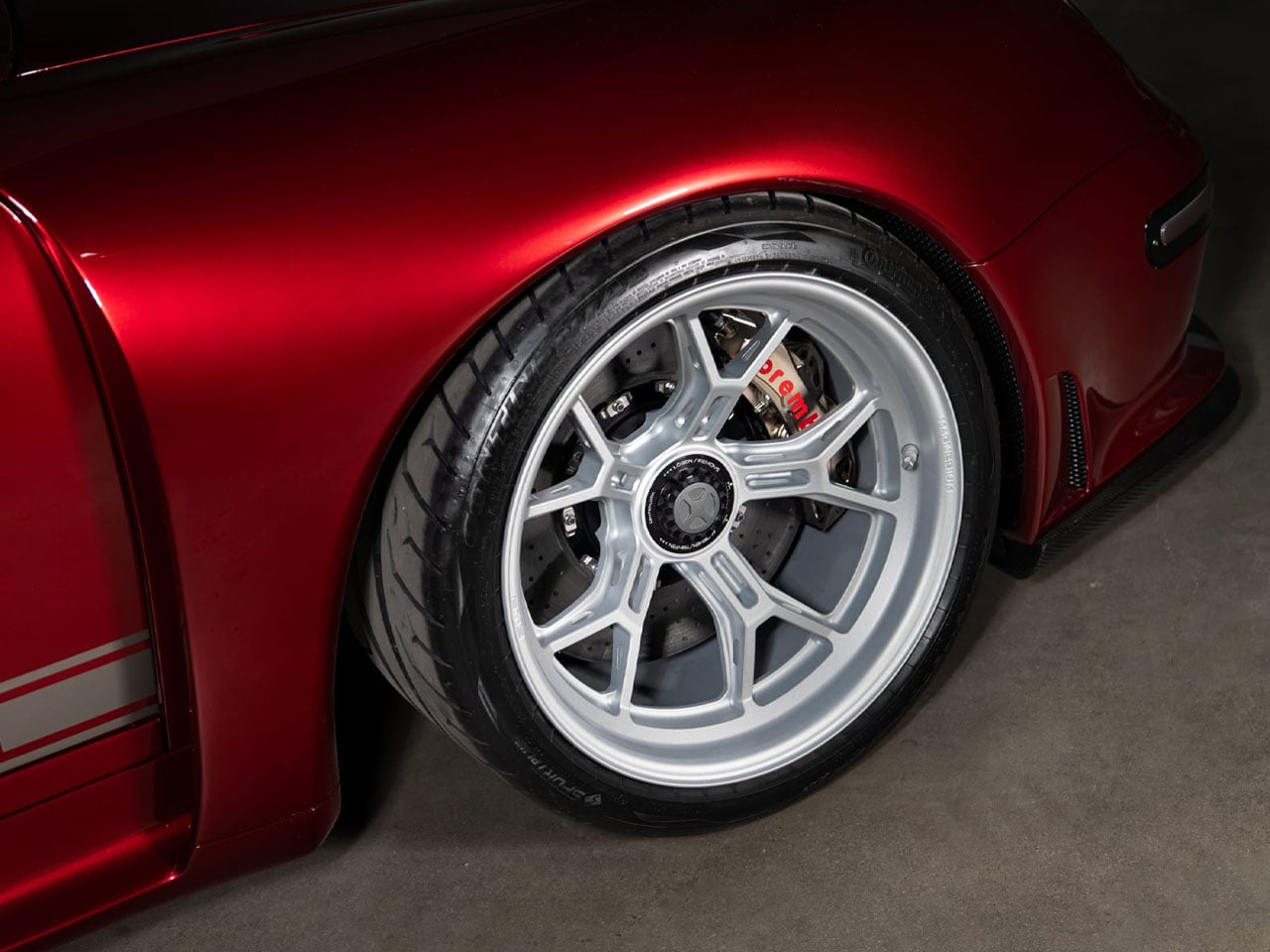
Despite its dramatic theme, Project Endgame remains grounded in performance authenticity. The chassis, suspension, and braking systems are all engineered to handle the immense power output, ensuring that the car’s capabilities extend far beyond its visual impact. It’s not a static showpiece; it’s a fully realized driver’s machine that demands engagement and rewards skill.
As the final evolution of Gunther Werks’ Speedster program, Project Endgame serves as both a technical milestone and a creative culmination. It demonstrates how far the restomod concept can be pushed when engineering excellence meets narrative ambition.