

A skillet handle is useful right up until you try to shut the lid on your camp box. A camping pillow poses the opposite problem: it has to fill the space between your shoulder and your sleeping pad, then take up as little room as possible in your bag. Those small negotiations make for some of the most interesting outdoor gear. You can see exactly what each designer chose to keep, shrink, or take apart.
For November 2026, we picked five designs for the ordinary jobs that make a weekend outside go smoothly: cutting cord, cooking dinner, getting comfortable, finding something to listen to, and keeping drinking water handy. These are editorial picks, not a ranking based on field tests or a list of November launches. The emphasis is on campsites and short outings rather than ultralight expeditions.
1. The Cubik Knife
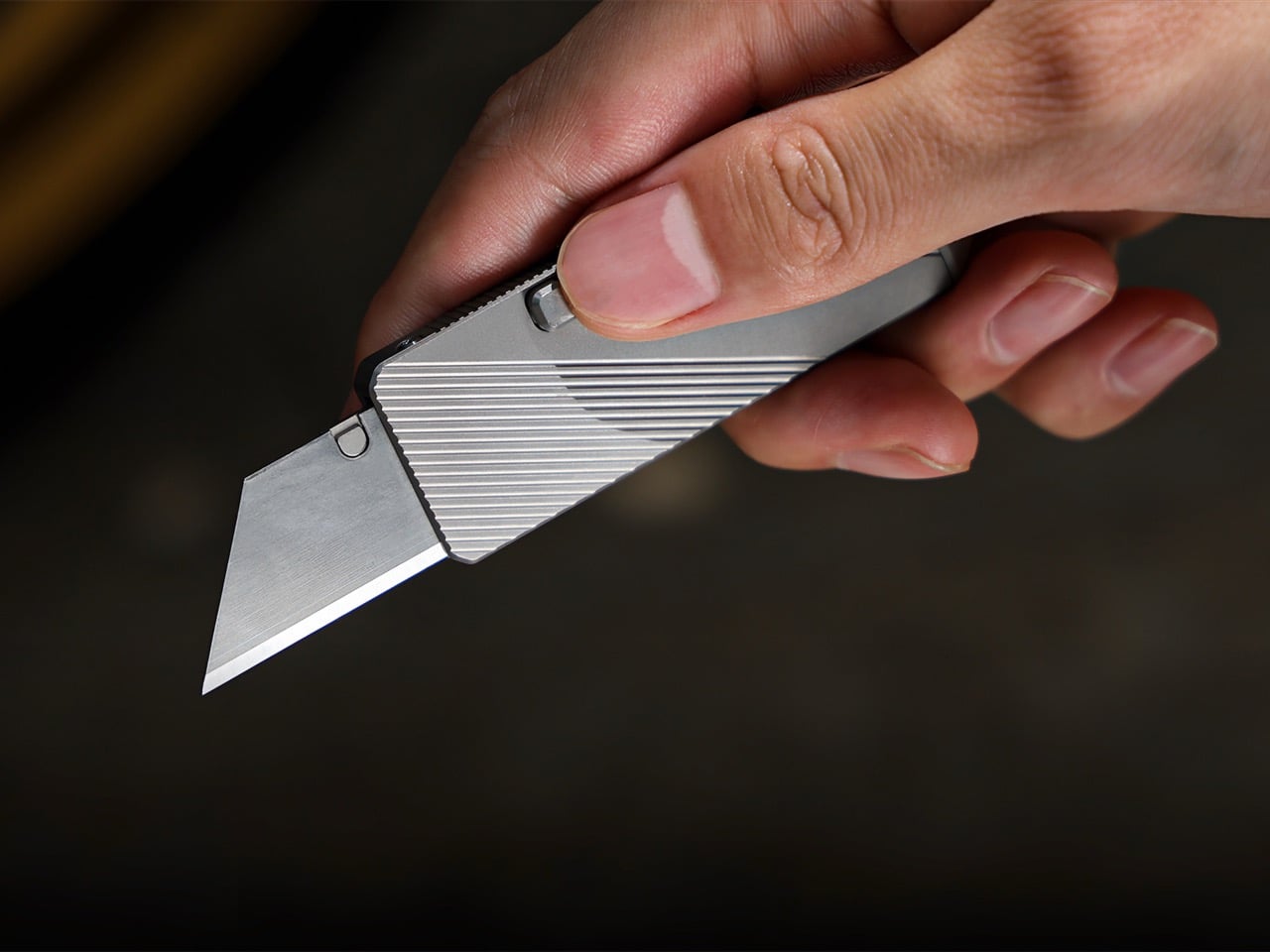
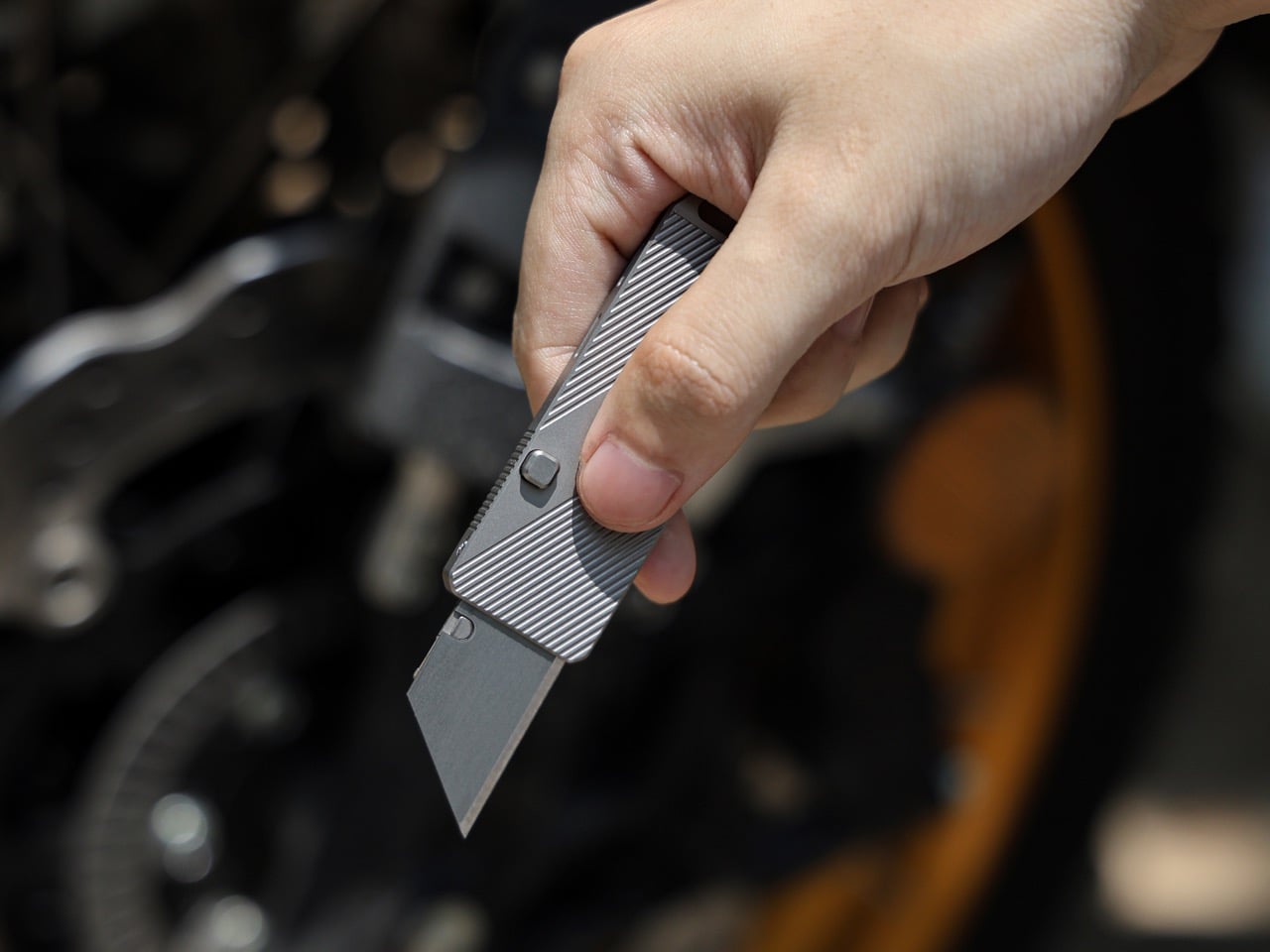
At 2.6 inches long and about as thick as a stack of a few credit cards, the Cubik by IF is closer in profile to a thumb drive than a typical folding knife. Its blade slides along the machined titanium body instead of pivoting out. Gravity moves it, and IF says the mechanism locks the blade in either position. The layout makes sense for a tool meant to spend most of its time tucked away until you need to trim some cord or open a stubborn package.
The most practical decision is the least flashy one: IF uses a replaceable SK5 utility blade. A dull edge doesn’t retire the titanium body, and you don’t need to sharpen a small blade at camp to get the tool back in service. That makes the Cubik easier to justify as a dedicated cutter than as a substitute for a multitool.
What we like
- The slim, 1.65-ounce body takes up little room in a repair pouch.
- A replaceable utility blade lets you keep the handle when the edge wears out.
What we dislike
- The short body gives you less handle to hold than a full-size utility knife.
- It’s a dedicated cutter, so you’ll still need a separate tool for repairs that call for pliers or a screwdriver.
2. Compact Modular Grill Plate
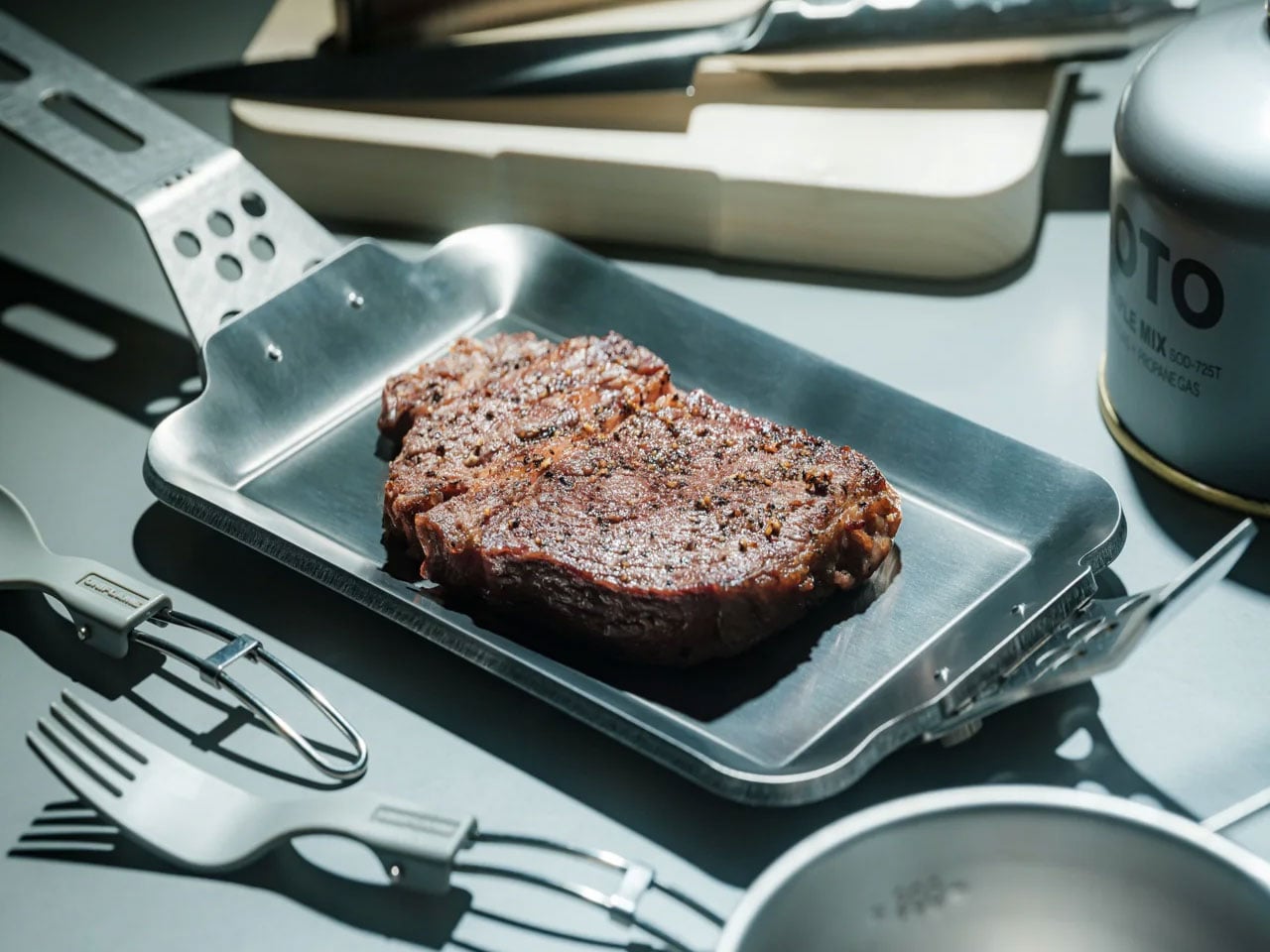
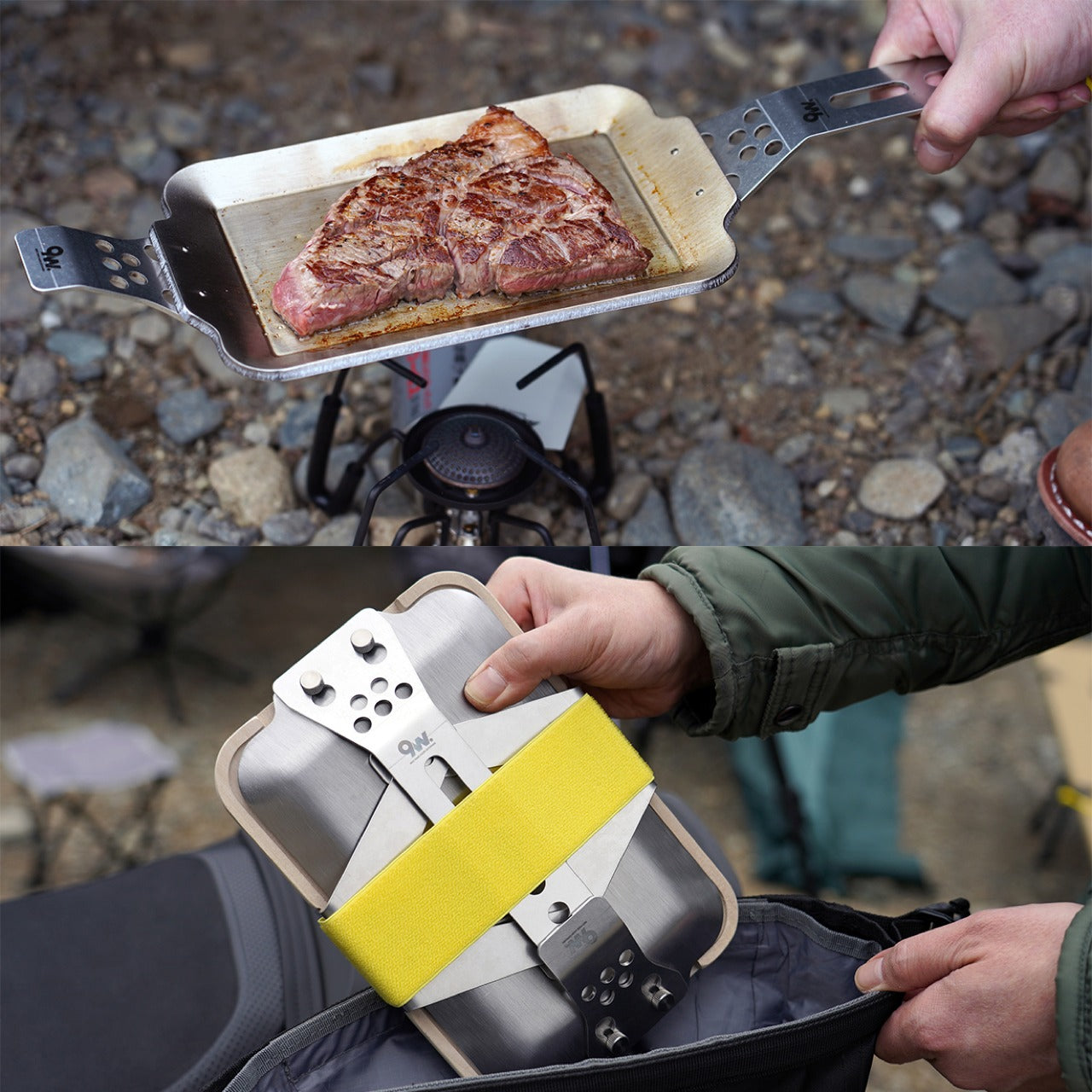

On the Compact Modular Grill Plate, the handle is something you attach for cooking rather than something you have to pack around. The Japanese manufacturer makes both long and short handles that attach without tools. Take them off and the rectangular plate can lie flat in a camp box or kitchen drawer. The Basic set includes both handle lengths. The Special set adds a cutting board and belt.
The plate sandwiches aluminum between two layers of stainless steel. Fujinos uses the aluminum to spread heat across the cooking surface and a magnetic outer layer so the plate works on induction. It’s also designed for gas burners and campfires. That range makes the plate more useful than a piece of cookware that spends most of the year waiting for a camping trip. At roughly 9.2 by 5.7 inches, though, it’s better suited to breakfast for one or two than to feeding the whole campsite.
Click Here to Buy Now: $100 Black Friday: Free $20 calendar with every order. Discover select pricing on bestselling designs
What we like
- Detachable handles solve the awkward storage problem without folding the cooking surface.
- The same plate can move from a camp burner to an induction cooktop at home.
What we dislike
- The small cooking surface means working in batches for a group.
- At about 610 grams before you add a handle, the plate saves space more readily than weight.
3. Camp Napper
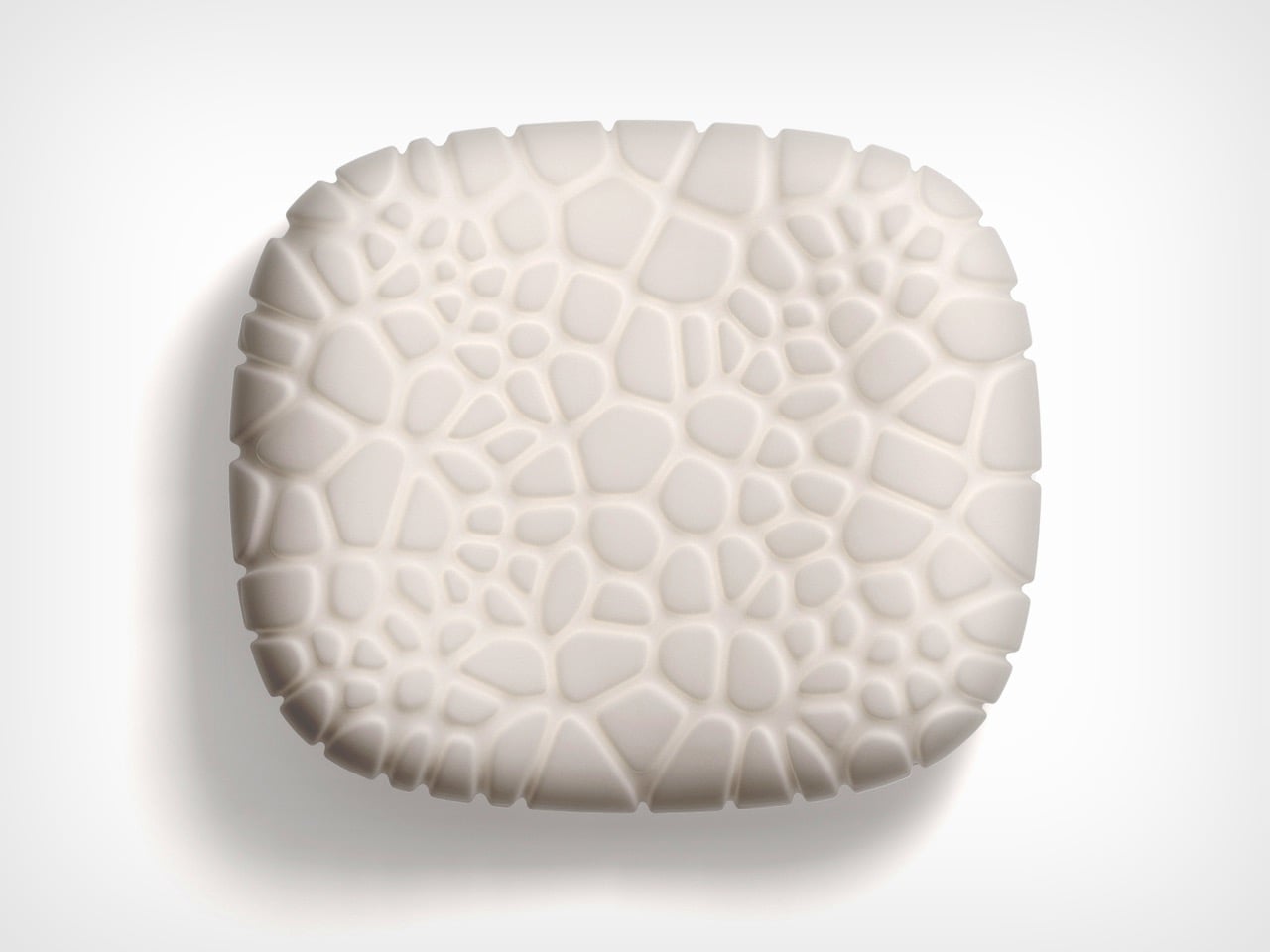
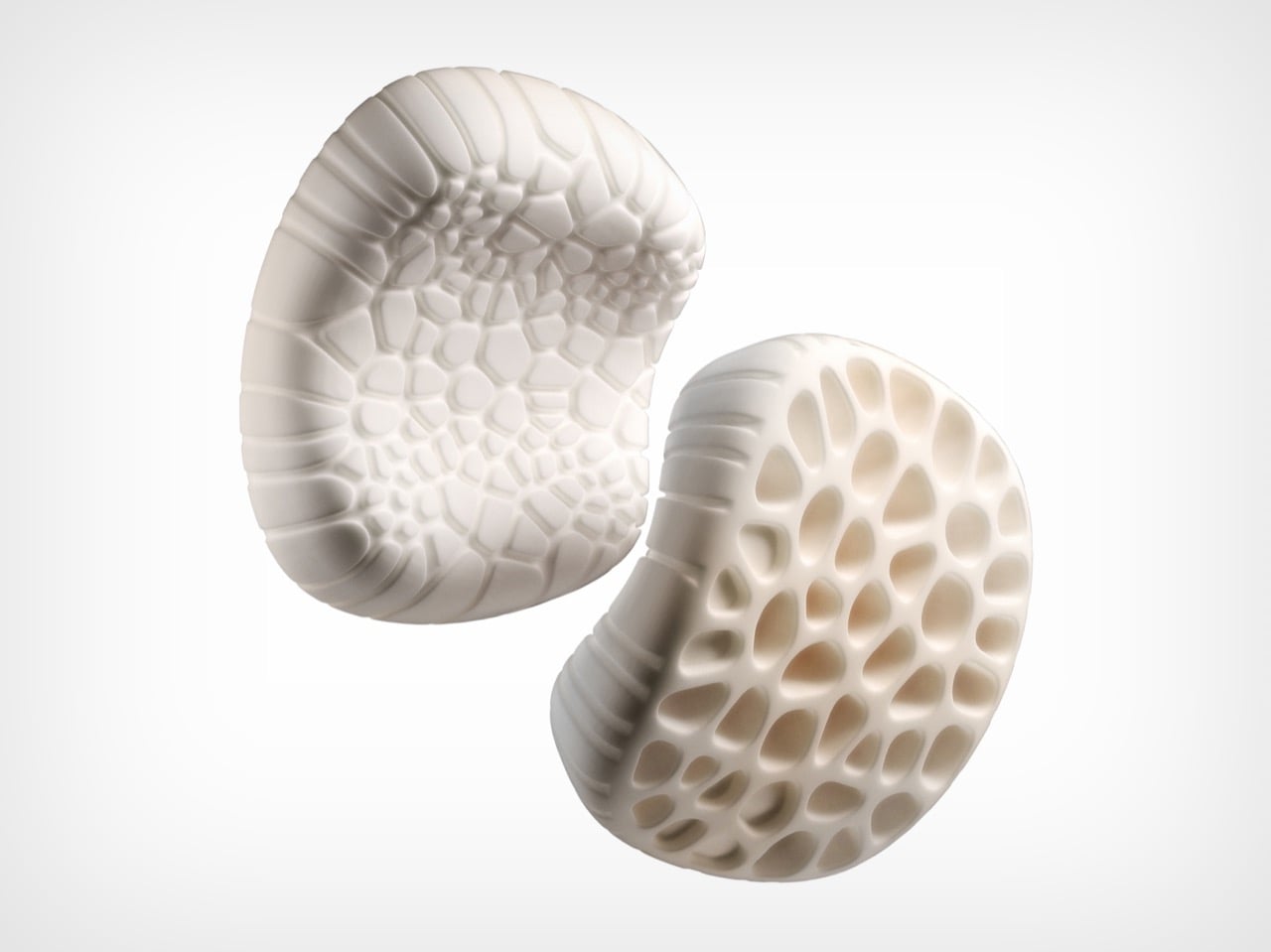

The Camp Napper looks more like a specimen from the forest floor than something you’d put under your head. Chen Xu and the design team took cues from fungal spores for the raised pattern, and hollow plant stems for the foam structure. The grooves between the raised areas are intended to let air move along the surface. On the reverse, recesses of different depths and changes in foam thickness create areas meant to feel different under your head and neck.
The appeal is that the memory foam supplies the shape without an air chamber to inflate. Small rubber grips are intended to keep the pillow from shifting against a sleeping pad, and the design team lists a packed size of about 4 by 4 by 8 inches. It’s a plausible fit for a weekend when you have room for a proper pillow and would rather keep your spare fleece out of the stuff sack.
What we like
- The molded foam gives you different support zones without needing an inflation valve.
- The grippy underside addresses the nuisance of a pillow sliding off a sleeping pad.
What we dislike
- At roughly 14 ounces, it’s a substantial item if you’re counting every ounce in your pack.
4. RetroWave 7-in-1 Radio
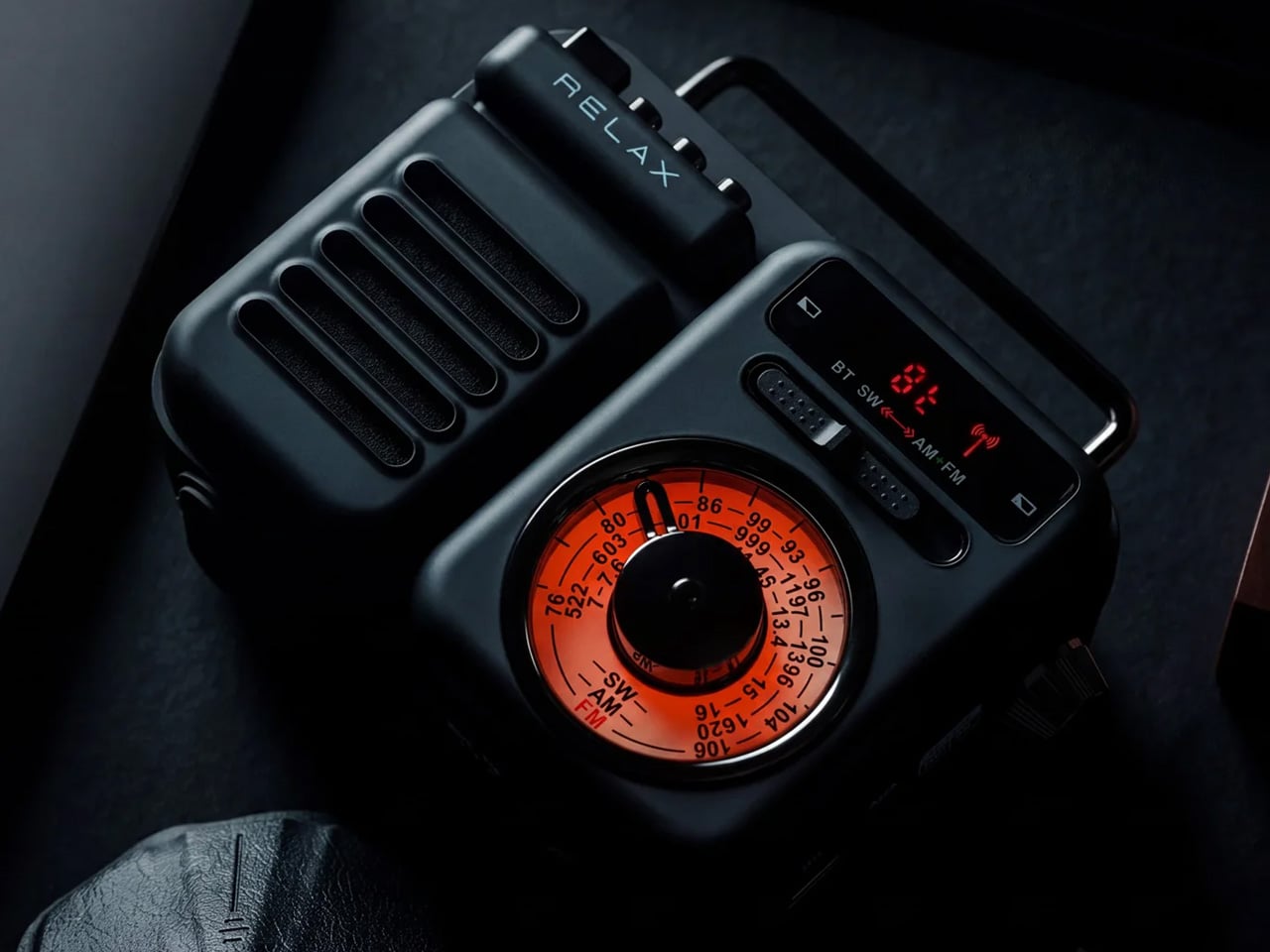
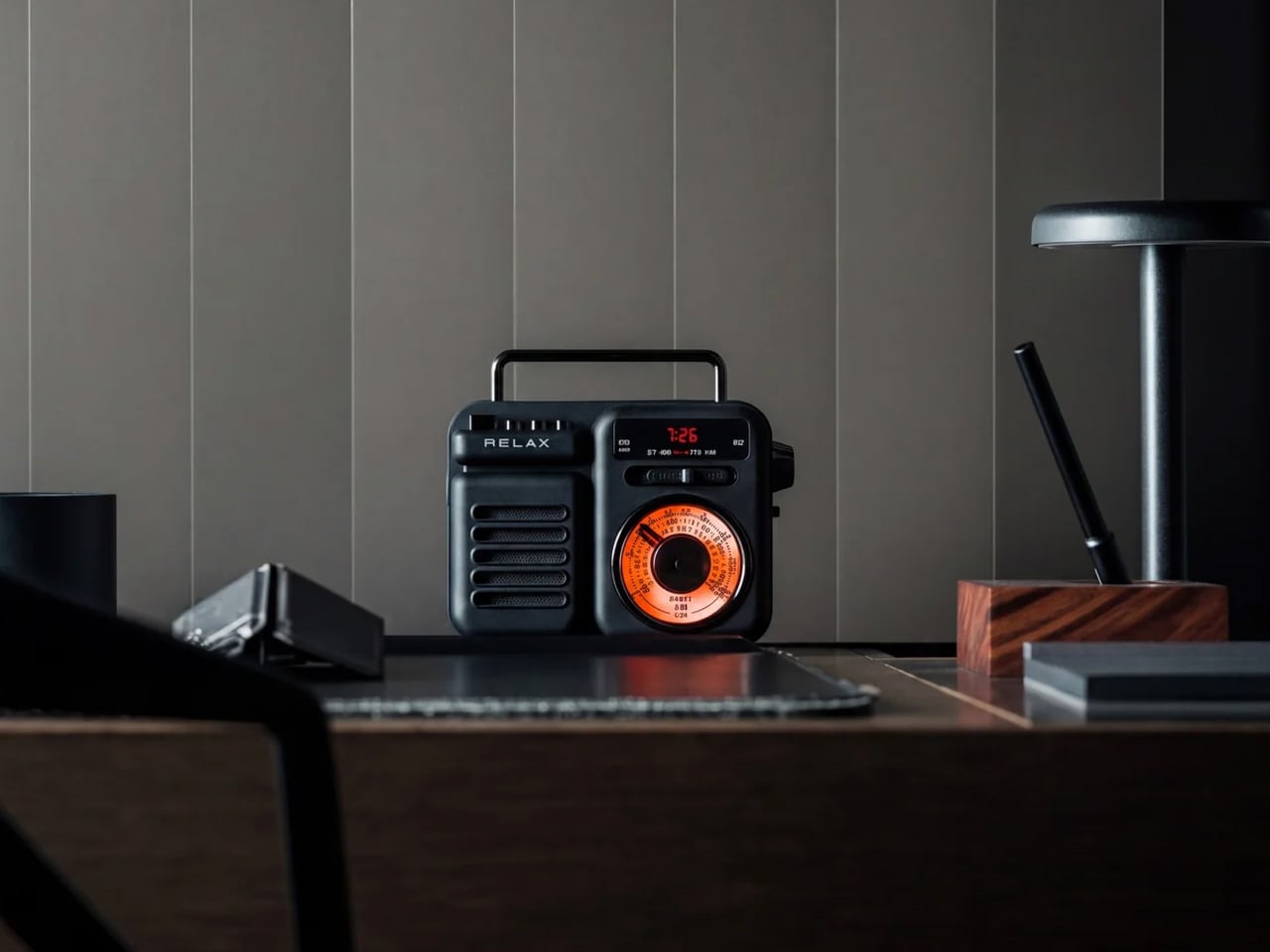
The best reason to bring the RetroWave is the tuning dial. At a campsite with reception, you can turn it to find a local station without reaching for your phone. The radio receives AM, FM, and shortwave, doubles as a Bluetooth speaker, and plays MP3 files from a USB drive or microSD card. At about five inches wide, it’s a sensible size for a picnic table where dinner, mugs, and a deck of cards are already competing for space.
There’s an LED flashlight, an SOS siren, and a 2,000 mAh battery that can share some power with a phone. The charging hierarchy matters more than the feature count: USB is the main way to recharge the radio, the hand crank is a fallback, and the solar panel is supplemental. It offers about 20 hours of broadcast radio at moderate volume but only about five hours of Bluetooth playback at 75 percent volume. How you listen matters more than the biggest number on the spec sheet.
Click Here to Buy Now: $89 Black Friday:Free $20 calendar with every order. Discover select pricing on bestselling designs
What we like
- Broadcast radio and local MP3 playback give you two listening options that don’t depend on mobile data.
- The built-in flashlight makes the radio useful after you’ve switched off the music.
What we dislike
- The solar panel is supplemental, so plan to charge the radio over USB before leaving.
- The advertised Bluetooth runtime is roughly a quarter of the broadcast estimate under the seller’s stated conditions.
5. LARQ Bottle PureVis 2

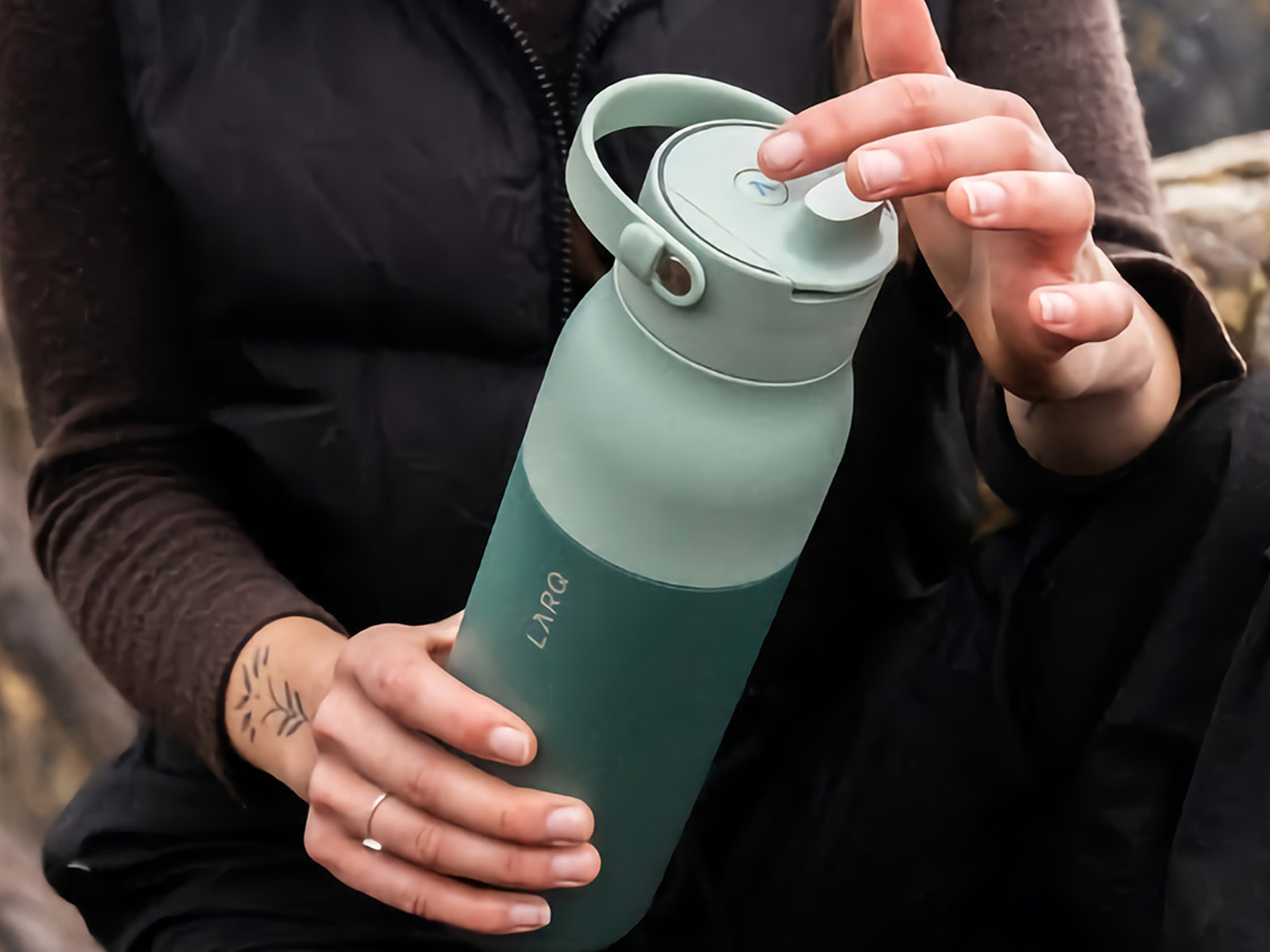
LARQ splits the work between the cap and the straw. The cap houses a UV-C LED that runs a brief automatic cleaning cycle every two hours. The removable straw contains a filter that works as you sip, reducing chlorine and other specified contaminants according to LARQ. The rest is a familiar double-wall stainless steel bottle, available in 23- and 34-ounce sizes. Its clearest outdoor use is somewhere you can start with drinking water, like a campground with a potable tap or a trailhead where you fill up before setting out.
The cap also measures water levels and reports intake to the LARQ app. It takes a reading on a flat surface, a detail that makes the tracking feel better suited to a desk or picnic table than to a bottle you keep pulling from a moving pack. The filter and insulation are the more useful reasons to bring it. For trips where you’ll depend on untreated streams or lakes, plan your water treatment separately. Clear-looking water isn’t necessarily safe to drink.
What we like
- The removable filter straw lets you switch between filtered sipping and using the bottle without the filter.
- The automatic UV cycle doesn’t require you to remember to start it between refills.
What we dislike
- LARQ recommends replacing the included filter after about 25 gallons or two months.
- The cap still needs charging and hand washing, even with the automatic cleaning cycle.
Leave room in the camp box
For a drive-in campsite, a useful packing test is to put everything for dinner on the kitchen counter before it goes in the car. The grill plate might fit neatly, but the stove, fuel, utensils, and food still need their own space. For a walk-in site, run the same exercise with the sleeping kit. A foam pillow is an easier choice once you’ve seen what it displaces beside the pad and sleeping bag.
The other question is what you’ll actually use between trips. A radio that lives on the kitchen counter is more likely to be charged when you reach for it. A grill plate you’ve already cooked on at home won’t be a mystery once the sun goes down. That’s a useful reason to favor gear that fits your ordinary routine: the first night out doesn’t have to double as an instruction session.