
A mouse that stays bulky after the laptop closes is asking a lot of a small bag. So is a charger with exposed prongs, or an accessory that needs another accessory before it becomes useful. Portable tech deserves a stricter audition: it should pack sensibly, solve a recognizable problem, and offer enough value to justify carrying it past the front door. These five designs make their cases in different ways.
Our picks favor a clear design decision over a long feature list. Some tackle familiar frustrations, like packing a mouse or checking charging power. Others make room for more particular habits, from mobile gaming to listening to an entire album on disc. This is an editorial selection, not a hands-on ranking or a list of simultaneous launches. The useful question is which one addresses something you actually do every day.
1. OnePlus Ice Card Mini
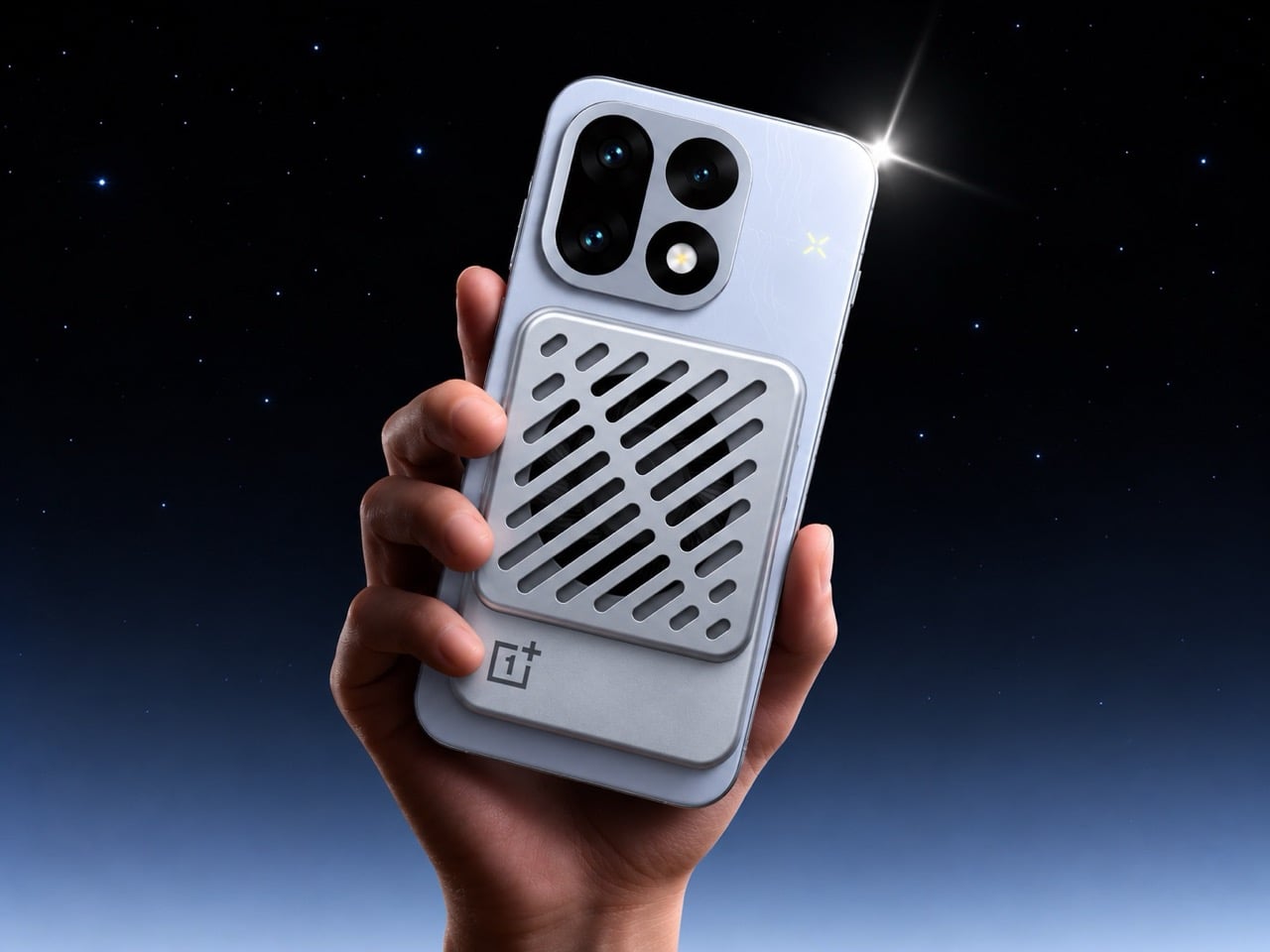

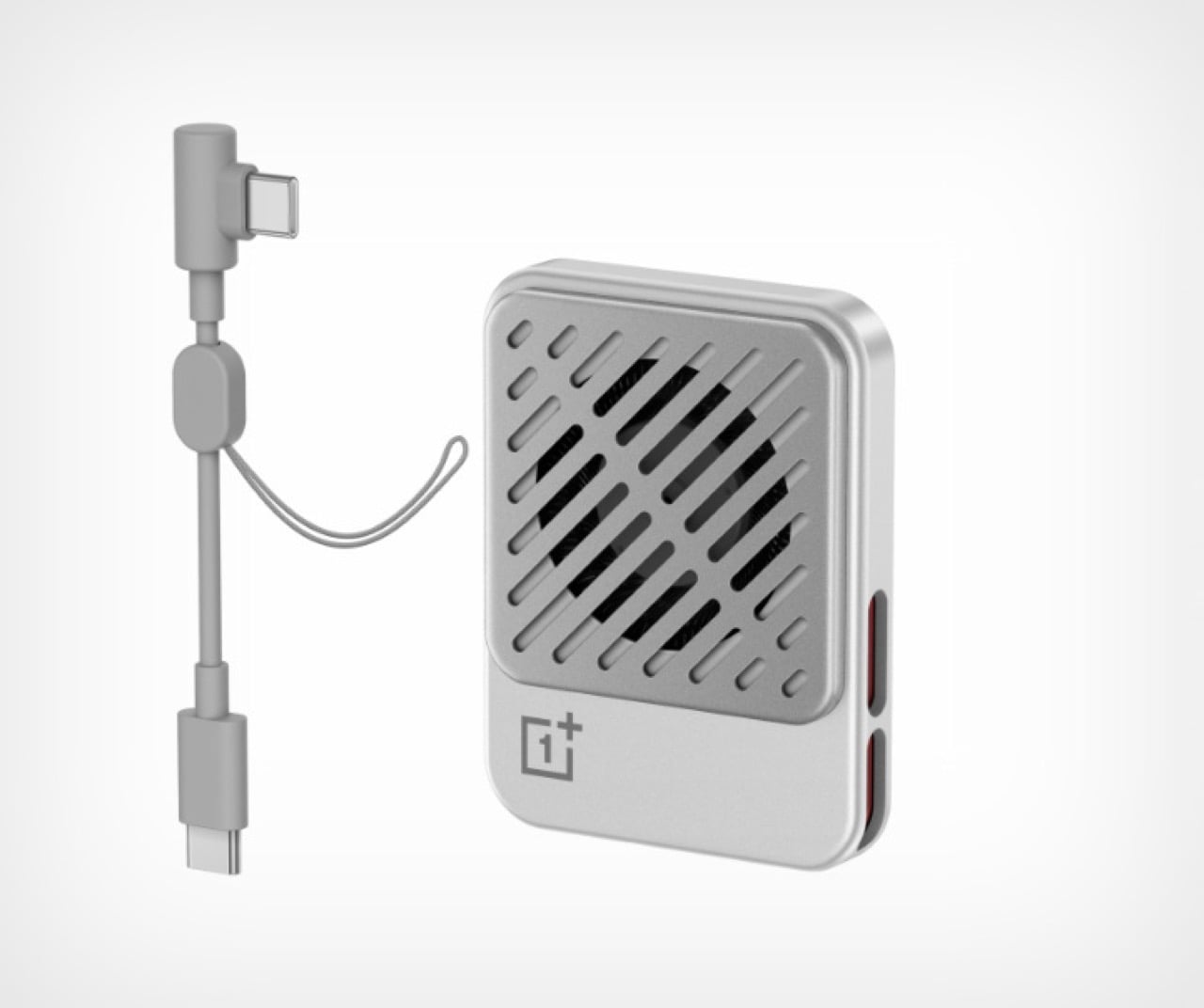

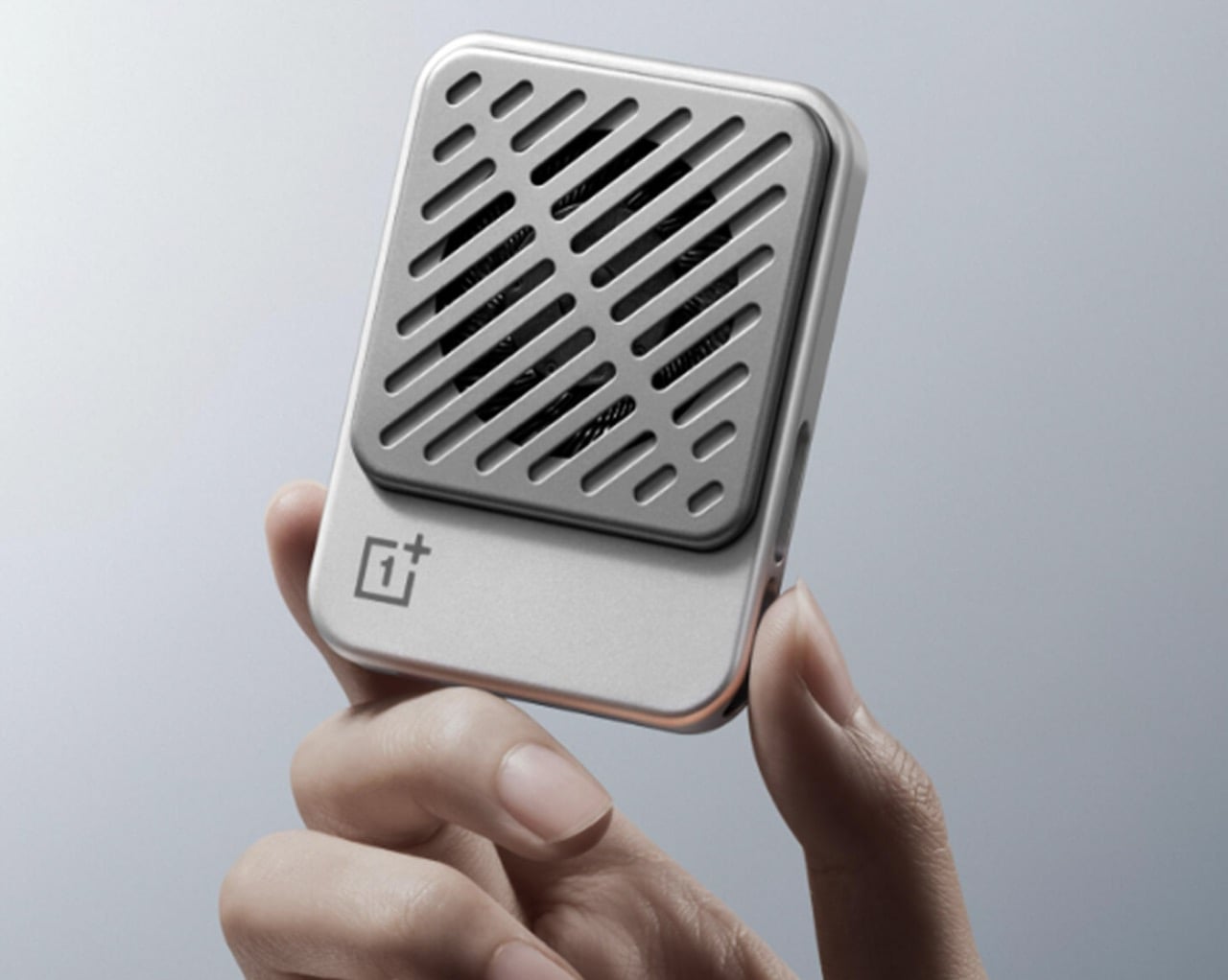
OnePlus’s Ice Card Mini puts a thermoelectric cooling chip and a fan into a magnetic accessory weighing about 50 grams. At 70 by 53.4 millimeters, it has a smaller footprint than a bank card, with a body measuring 9.7 millimeters thick away from the raised intake. Listed in OPPO’s China store, it targets phone gaming without the spring clamps of bulkier coolers. The appeal is straightforward: dedicated cooling hardware that doesn’t demand a dedicated compartment in your everyday shoulder bag.
USB-C power is the consequential choice here. The cooler can draw from the phone, a power bank, or a wall adapter, rather than requiring a proprietary supply. That flexibility makes it easier to pack, although powering it from your handset means sharing the handset’s battery. An included magnetic plate accommodates phones without built-in magnets. Cooling effectiveness will depend on the phone and setup, so the reason for inclusion is its compact construction, not an unverified promise of higher frame rates.
What we like
- Compact magnetic body weighs about 50 grams.
- USB-C offers several power-source options.
What we dislike
- Phone-powered use consumes handset battery.
- US retail availability remains unverified.
2. OrigamiSwift Mouse
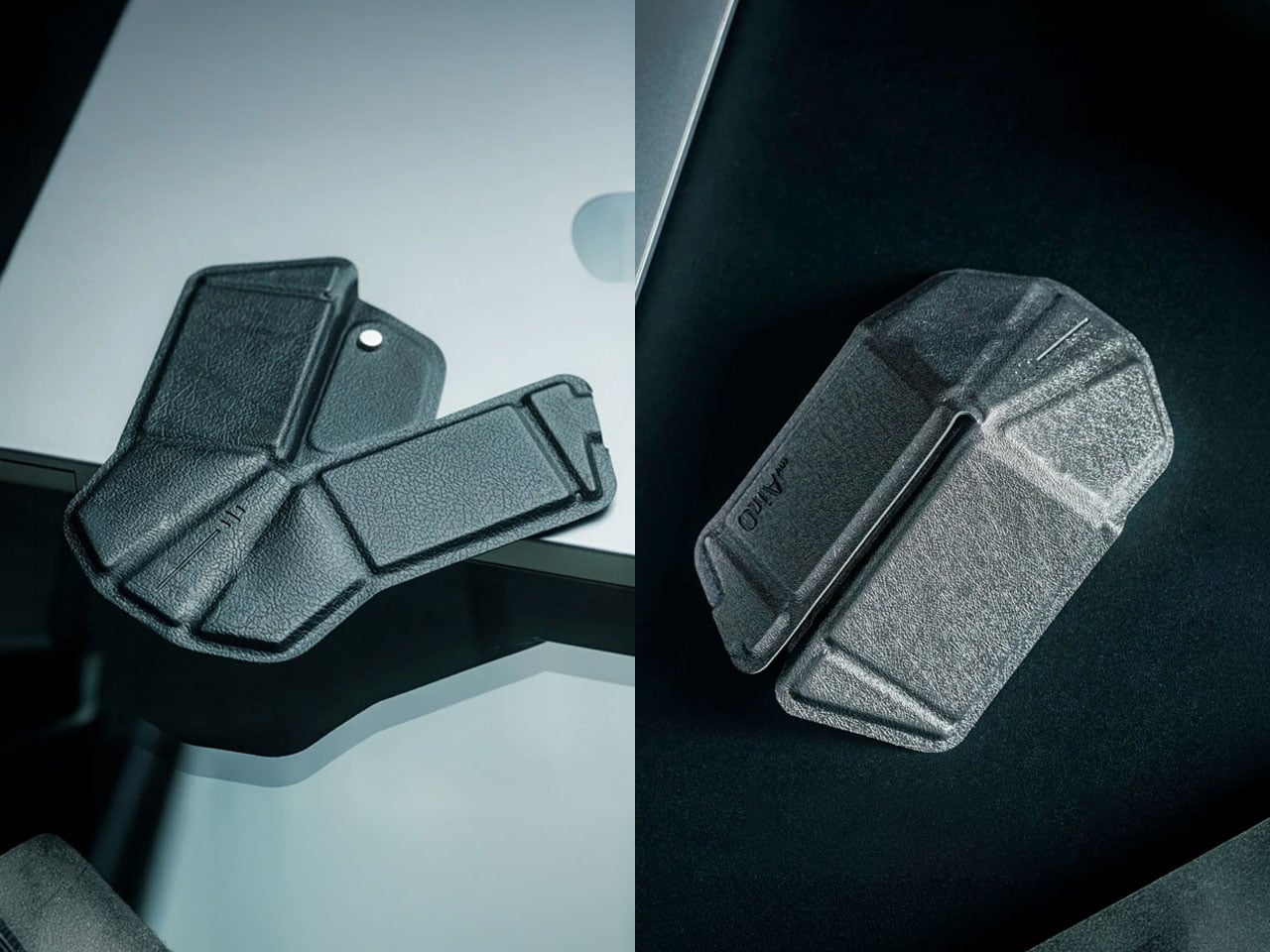

Horace Lam’s OrigamiSwift Folding Mouse changes shape instead of merely shrinking a conventional mouse. Its folded panels create a raised, triangular body for use, then flatten for storage. The listed weight is just 40 grams, while the flattened body is 0.18 inches thick, increasing to 0.39 inches around the sensor. For a laptop sleeve or a crowded document pocket, that geometry is the point. You’re packing a flatter object instead of finding space around a permanently domed conventional mouse body.
Bluetooth 5.2 handles the connection, and USB-C recharges the built-in battery, which the shop rates for up to three months per charge. That avoids adding a dedicated charging cradle to the packing list. The tradeoff is personal: an angular folding structure won’t necessarily suit the same grip as your usual mouse. Its flattened footprint also grows to roughly 4.8 by 5 inches, so think of it as thin rather than tiny. It makes most sense alongside a frequently carried laptop.
Click Here to Buy Now: $85.00 Black Friday: Free $20 calendar with every order
What we like
- Folds flat for storage beside a laptop.
- USB-C charging; no separate cradle required.
What we dislike
- Flat footprint still needs pocket space.
- Unconventional shape makes grip preference important.
3. Lenovo ThinkTab X11

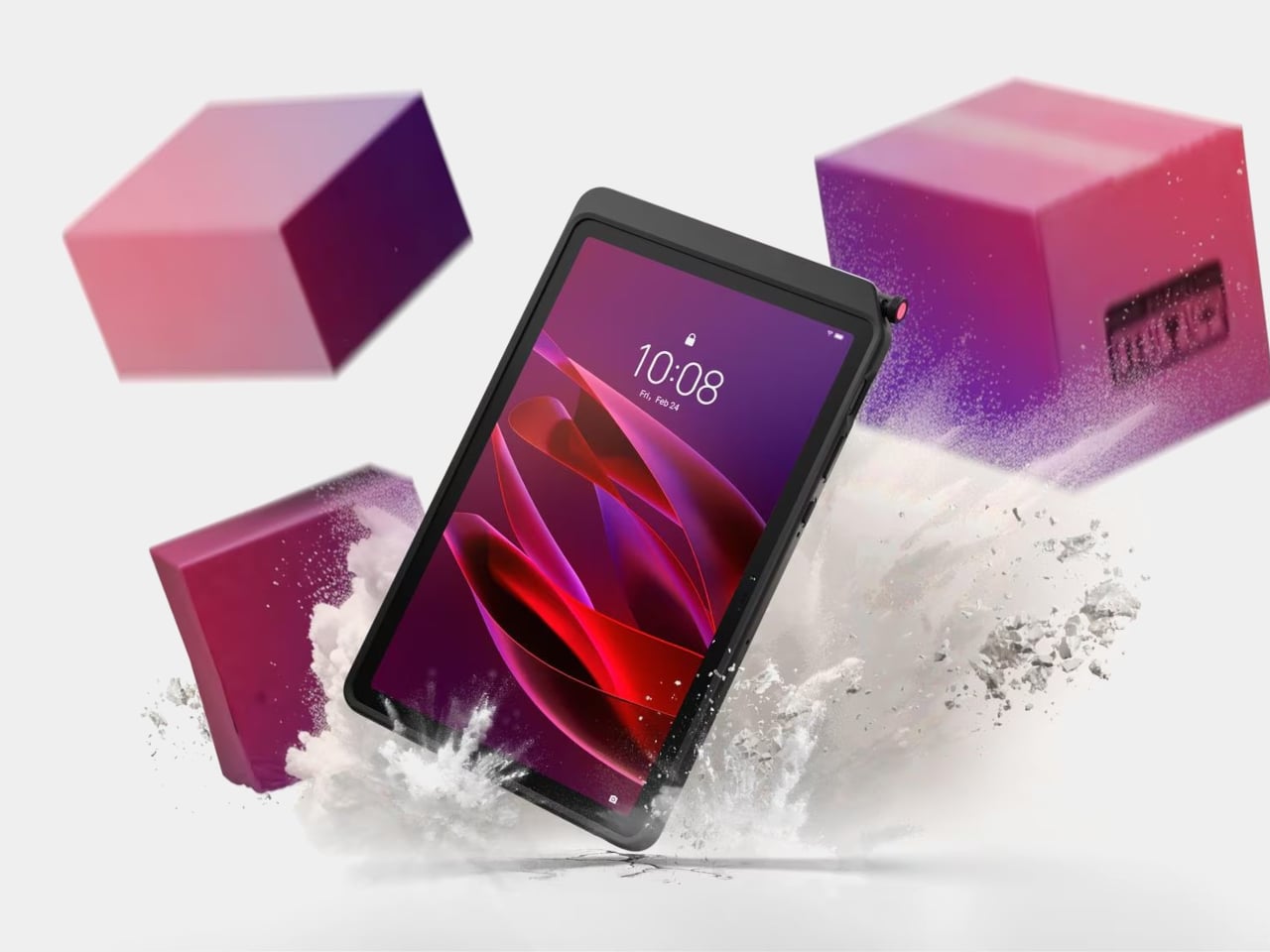
Lenovo’s ThinkTab X11 is the substantial piece in this collection: a 10.95-inch Android tablet built around fieldwork rather than sofa browsing. Its most useful departure is a screwless, removable 10,200mAh battery. That makes replacing a depleted or aging pack possible without opening a glued enclosure. Lenovo also specifies glove and wet-touch support, plus two USB-C ports for charging and peripherals. For someone carrying plans, forms, or inventory software between sites, those choices matter more than shaving another millimeter off thickness.
The unusual feature is battery-less operation: connected to an appropriate external power supply, the ThinkTab X11 can run with its battery removed. That’s useful when the same tablet moves from a bag into a powered vehicle mount or fixed workstation; it isn’t a claim of cordless operation without a battery. Lenovo lists IP68 protection and MIL-STD-810H testing with the rugged case. At approximately 650 grams before extra protection, this earns its space through working flexibility, not through being especially small.
What we like
- Removable battery supports straightforward pack replacement.
- Dual USB-C ports preserve peripheral connectivity.
What we dislike
- Around 650 grams before case accessories.
- Battery-less mode requires continuous external power.
4. Portable CD Cover Player

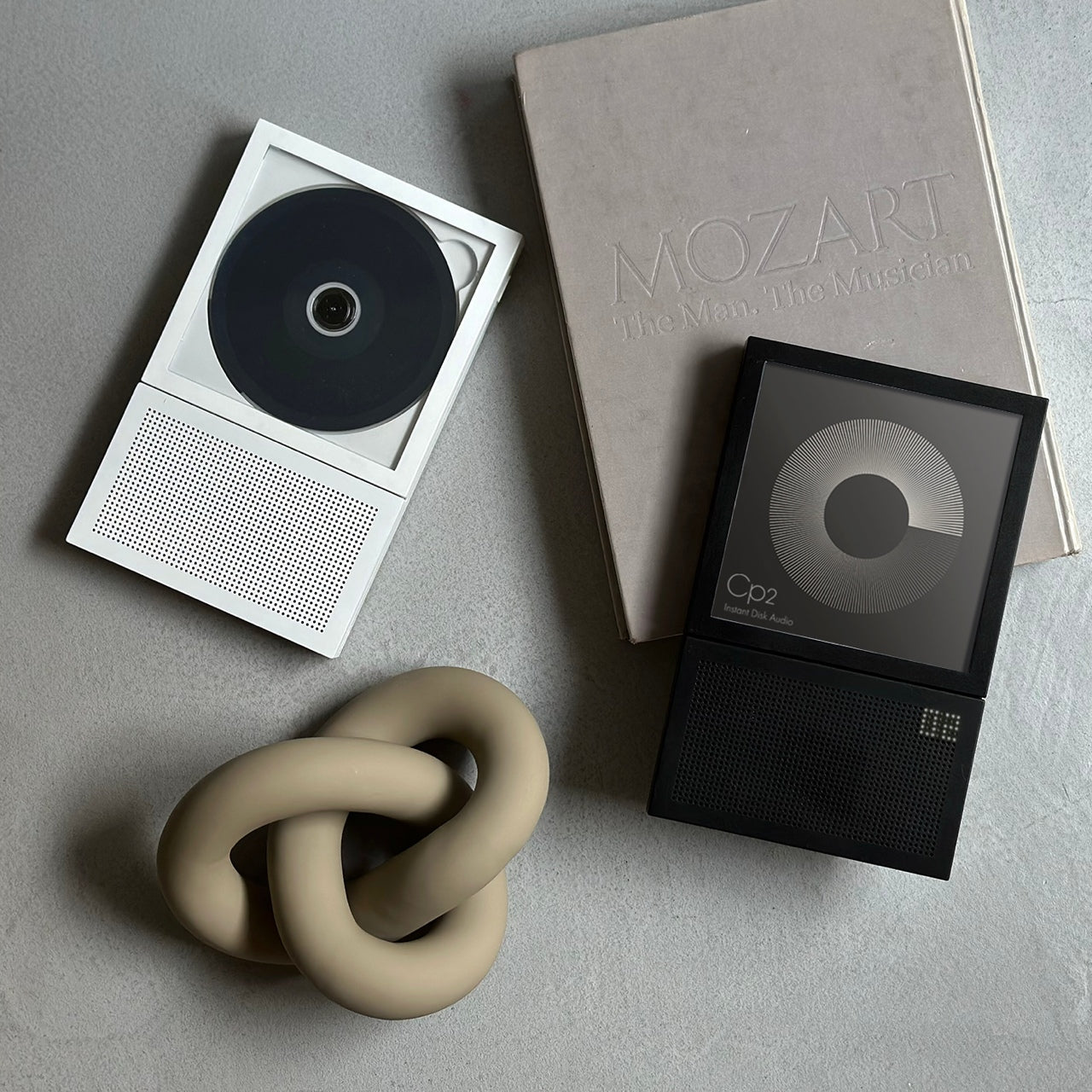

The Portable CD Cover Player gives the album booklet a job beyond sitting inside a jewel case. A front pocket displays the cover while the player handles the disc, turning a listening device into a small display you can carry. It includes a speaker, Bluetooth 5.1, and a 3.5mm headphone output. That makes it usable without packing a separate speaker, while leaving options for private listening once you settle into a hotel or workspace.
At about 8.8 by 5.5 by 1 inches, it belongs in a bag, not a trouser pocket. USB-C charging and a 1,800mAh battery keep the setup self-contained; the shop quotes six to seven hours of speaker playback or seven to eight hours over Bluetooth. The listening setup stays separate from your phone. The extra bulk only makes sense if physical albums are part of your routine. For that listener, carrying the artwork alongside the music is the reason to carry it.
Click Here to Buy Now: $199.00 Black Friday: Free $20 calendar with every order
What we like
- Displays the album’s physical cover art.
- Built-in speaker keeps playback self-contained.
What we dislike
- Large footprint for a portable player.
- Spare discs add to your packing.
5. Anker Nano Charger
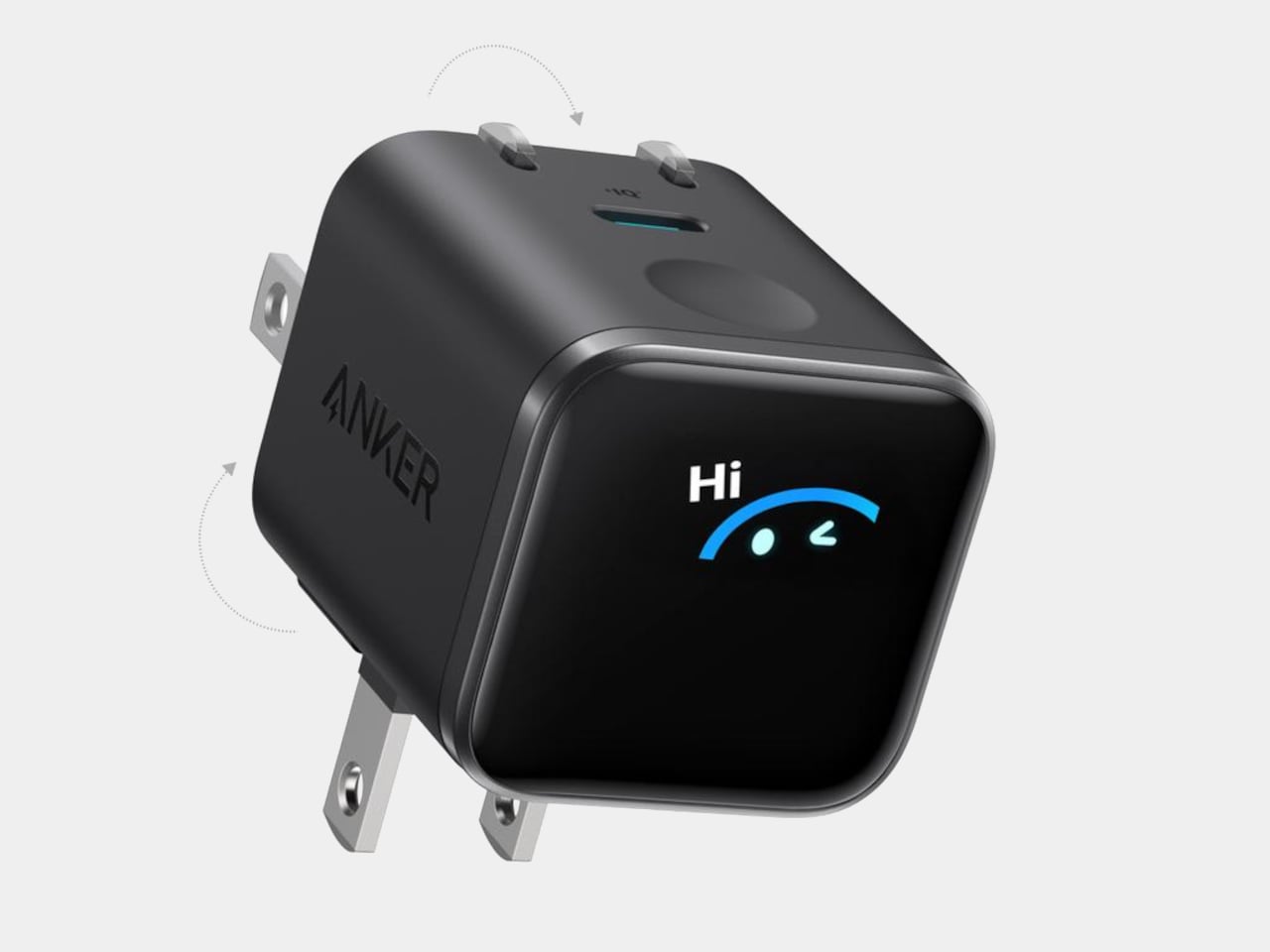
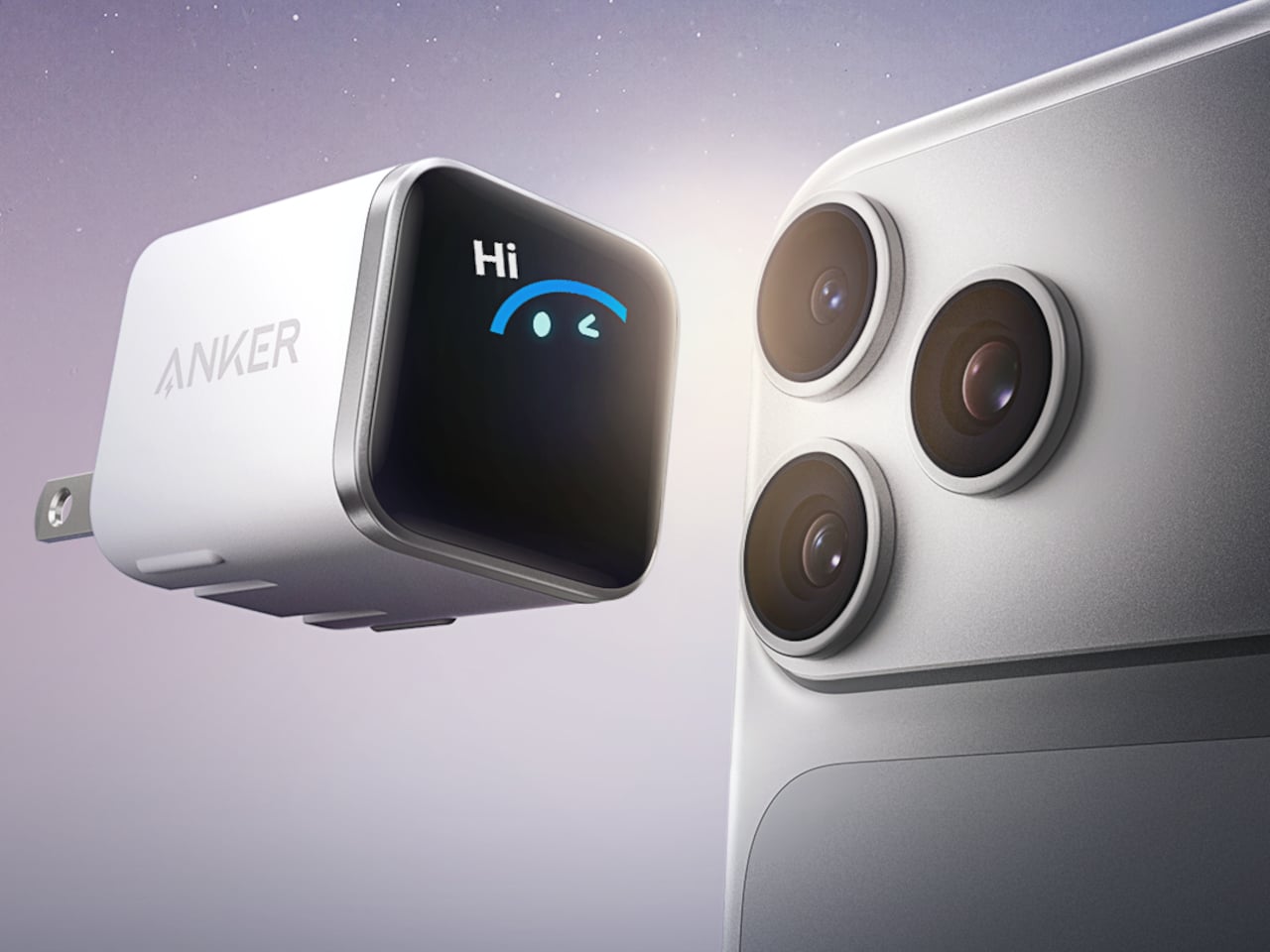
Anker’s Nano Charger earns its place by improving an object most people already carry. This is the 45W model with a smart display and a plug that folds through 180 degrees, not one of Anker’s similarly named power banks. It weighs 75 grams and measures roughly 1.34 by 1.40 by 1.57 inches. Folding the prongs makes that little block easier to tuck into a tech pouch, without exposed metal competing for space with cables, earbuds, and whatever else collects there.
The display provides a live wattage reading, with additional charging information depending on the connected device. It makes power delivery visible at the outlet, useful when checking a connection or comparing different devices’ charging behavior. Its single USB-C port supplies up to 45W, with actual speed governed by device compatibility and charging conditions. There’s no cable included, and no stored power for charging away from an outlet. Pick it for a compact charging kit, not as a multi-device charging station.
What we like
- Folding prongs keep the packed shape compact.
- Display makes charging wattage easy to check.
What we dislike
- Only one USB-C output.
- Cable must be packed separately.
Pack for the Day You Actually Have
Before adding anything, look at the bag you already carry. A flat pocket, a padded sleeve, and a cable pouch impose different limits, and a gadget’s smallest dimension rarely tells the whole story. Count its charger, adapters, and spare media too. The most useful addition may replace something awkward you already own, rather than introduce a new category of equipment that needs its own maintenance and an extra packing ritual.
There’s room for pleasure in that calculation, too. A device you use to enjoy an album can justify its place as honestly as one you need for work. The distinction is frequency and intention: will you reach for it, and does the design make that habit easier to keep? Choose the object that answers those questions convincingly. Leave something behind if its best feature is looking useful on a packing list.