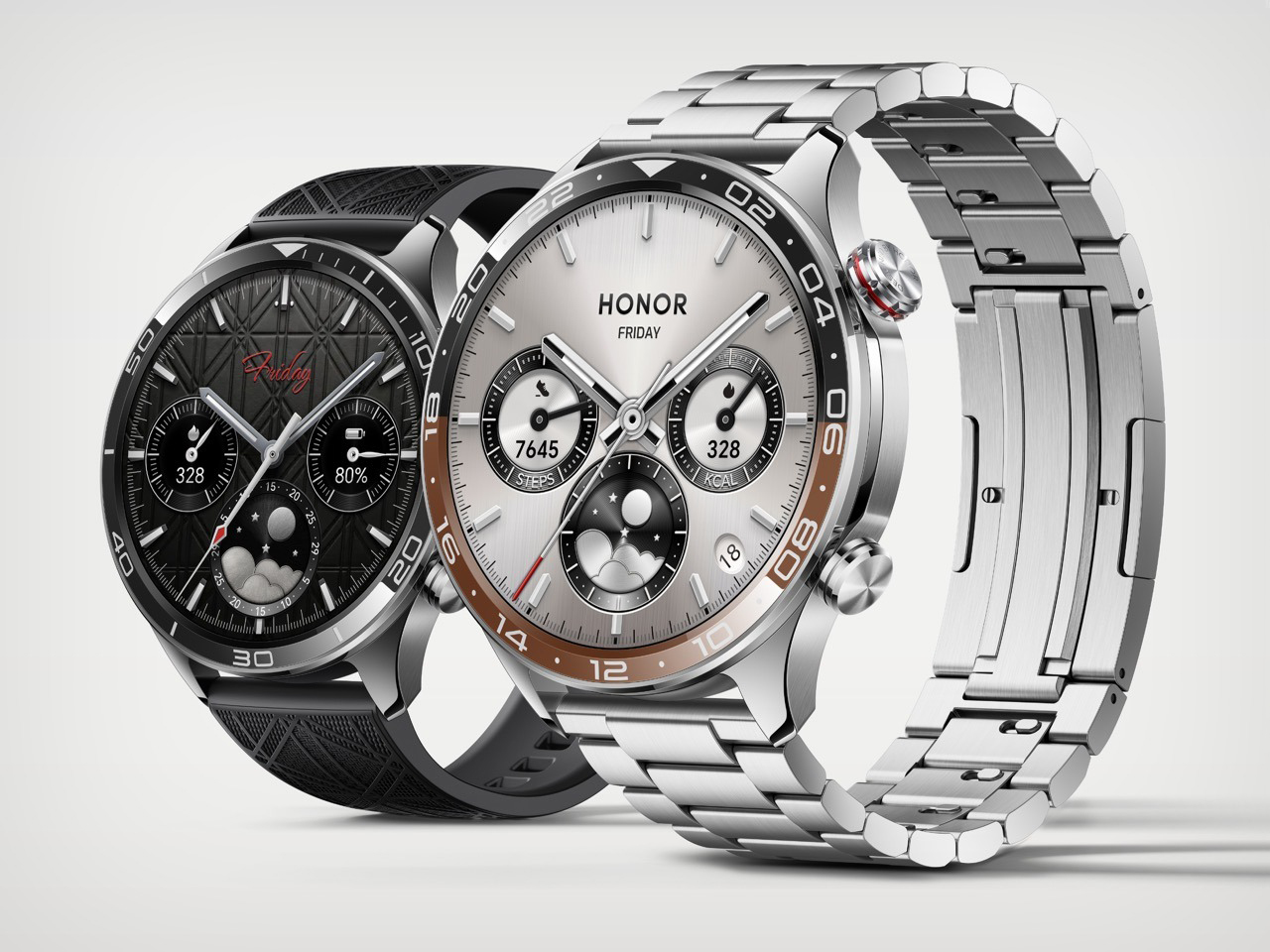

Smartwatch makers have spent 2026 in a full-blown brightness arms race, and at this rate someone’s going to need welding goggles just to check the time. Apple sits at 3,000 nits on the Watch Ultra 3. Garmin pushed to 4,500 with its microLED Fenix 8 Pro. Samsung planted a flag at 5,000 with the Galaxy Watch Ultra 2 this summer. Now HONOR has strolled in with the Watch 6 Pro and a display rated to peak at 5,500 nits, which tops all of them, at least on paper.
The trick behind that number is a dual-layer OLED, two light-emitting layers stacked so each one works less hard. It’s built by Visionox using a lithography process also used in chipmaking. HONOR wraps it in a nanocrystalline ceramic bezel sintered at 1,400°C, a stainless steel front case, and an octagonal crown that looks lifted from a luxury dress watch. Battery life is rated for up to 18 days, and the watch supports notifications from an HONOR phone and an iPhone at the same time. It launches across the UK and Europe today from £329 (€379), but HONOR still doesn’t sell its wearables in the US, so Americans can only import it or envy it.
Two OLED Layers and a Trick Borrowed From Chip Fabs
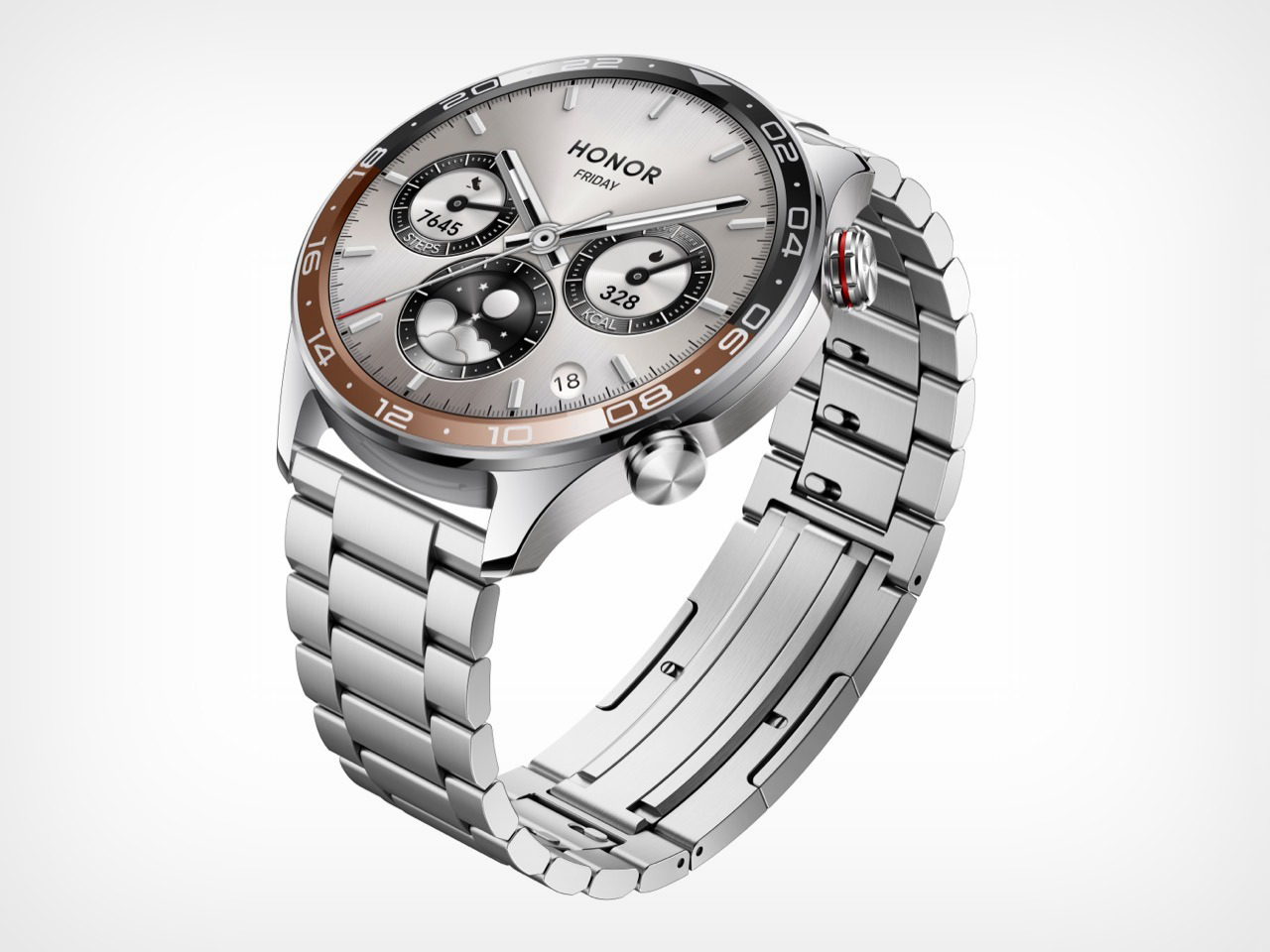
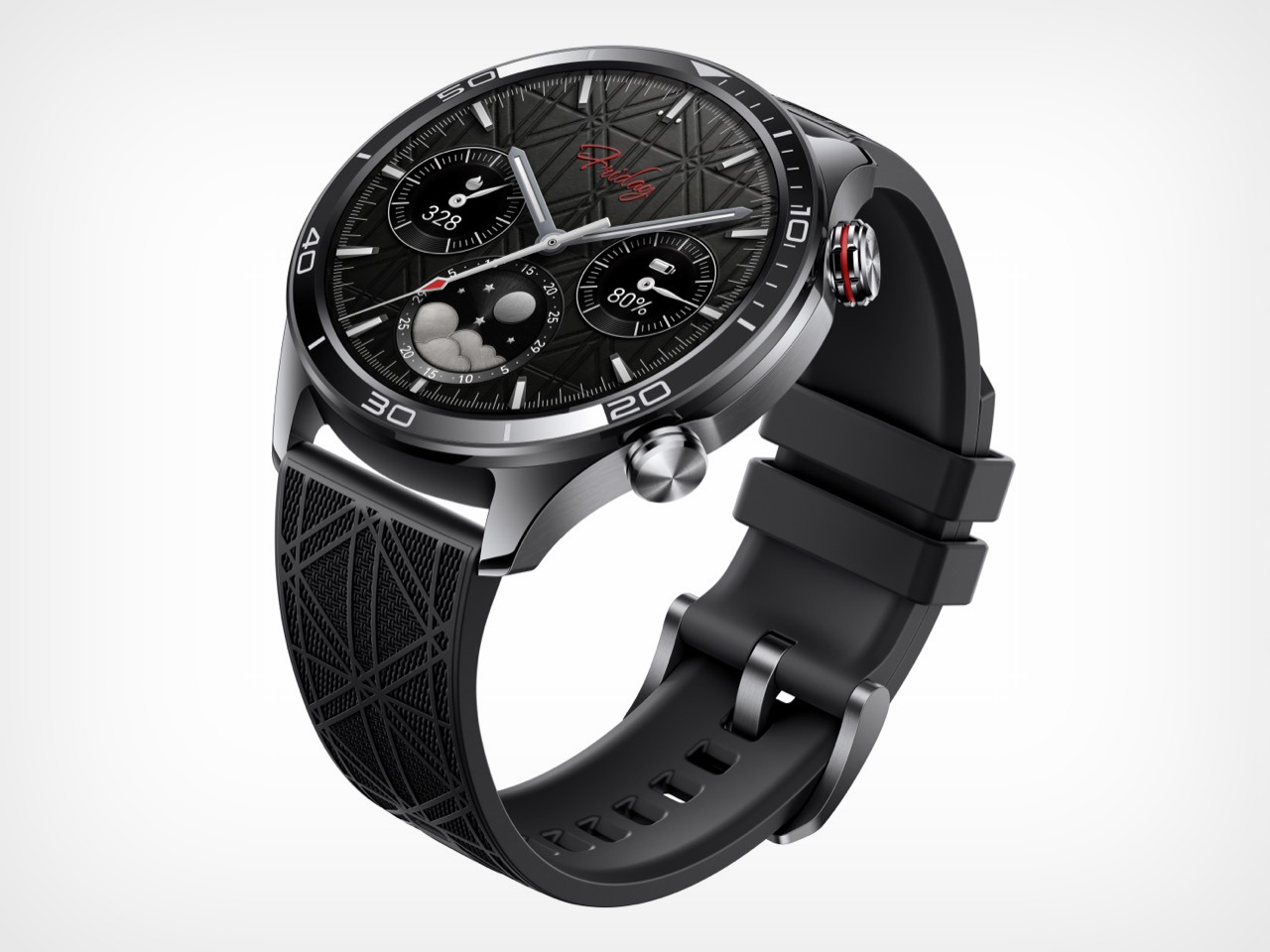
Tandem OLED is simple in principle. Instead of one emissive layer, the panel stacks two, joined by a charge generation layer, so the same brightness comes from less current per layer. Less stress can mean more brightness headroom, longer life, and less risk of burn-in. Apple brought the technology to the M4 iPad Pro in 2024, and HONOR says the Watch 6 Pro is the first wearable to use it. The 1.5-inch LTPO panel runs at 466 x 466 pixels (310 PPI), with HONOR claiming 4,500 nits across the whole screen and peaks of 5,500 nits in local highlights.
The cleverer part is how the pixels get made. Most OLEDs are built by evaporating organic material through a fine metal mask, a thin stencil that can sag and limits how much of each pixel can glow. According to Omdia, HONOR’s panel comes from Visionox’s ViP process, which swaps the stencil for photolithography, the patterning method used for silicon chips. Visionox says this lifts the light-emitting share of each pixel from about 29% to 69%. Pair that with tandem stacking and the company claims roughly four times the brightness of a standard panel. The aim is a brighter watch without needing a bigger battery.
A Ceramic Bezel With Rolex on Its Mind
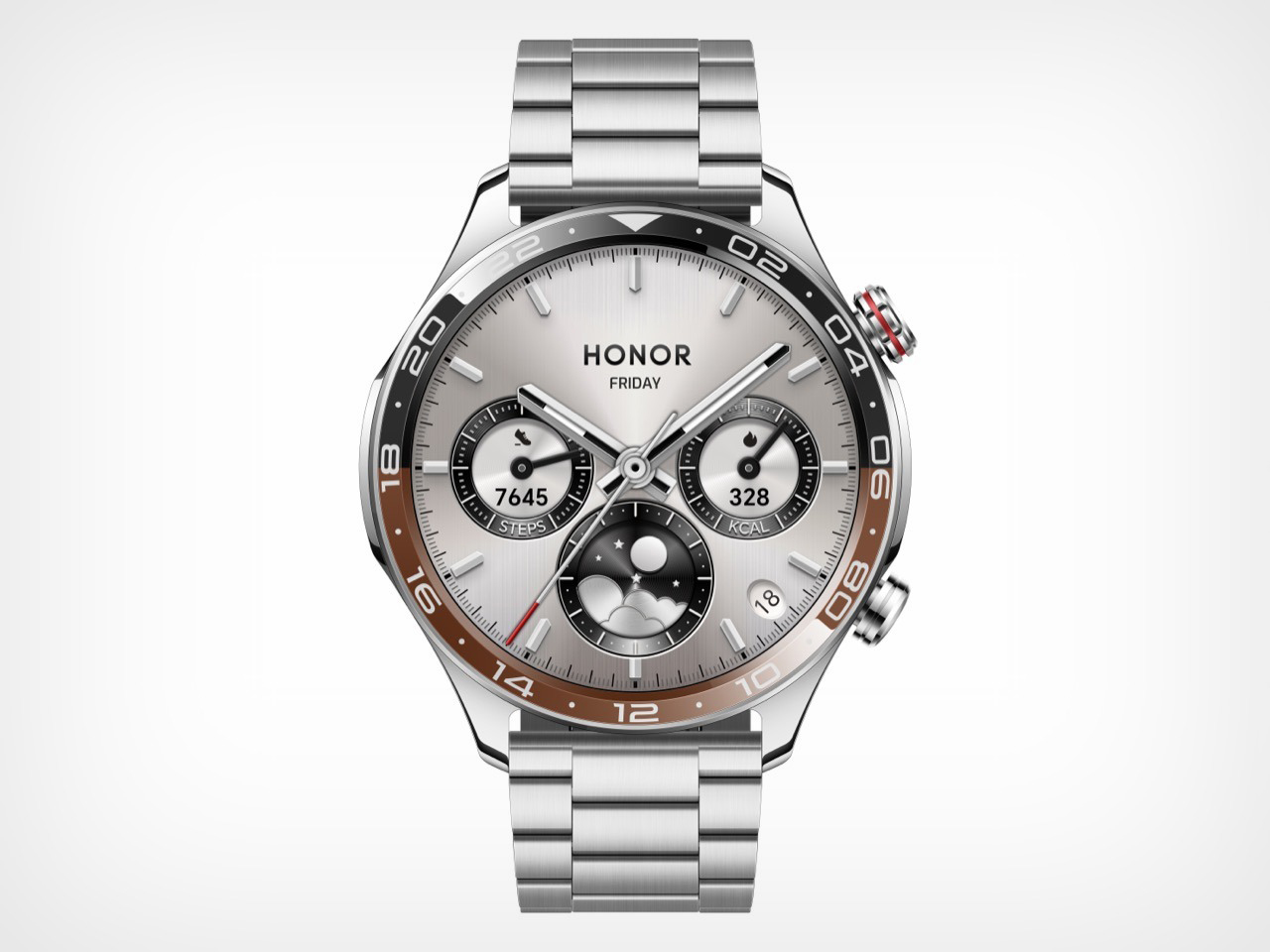
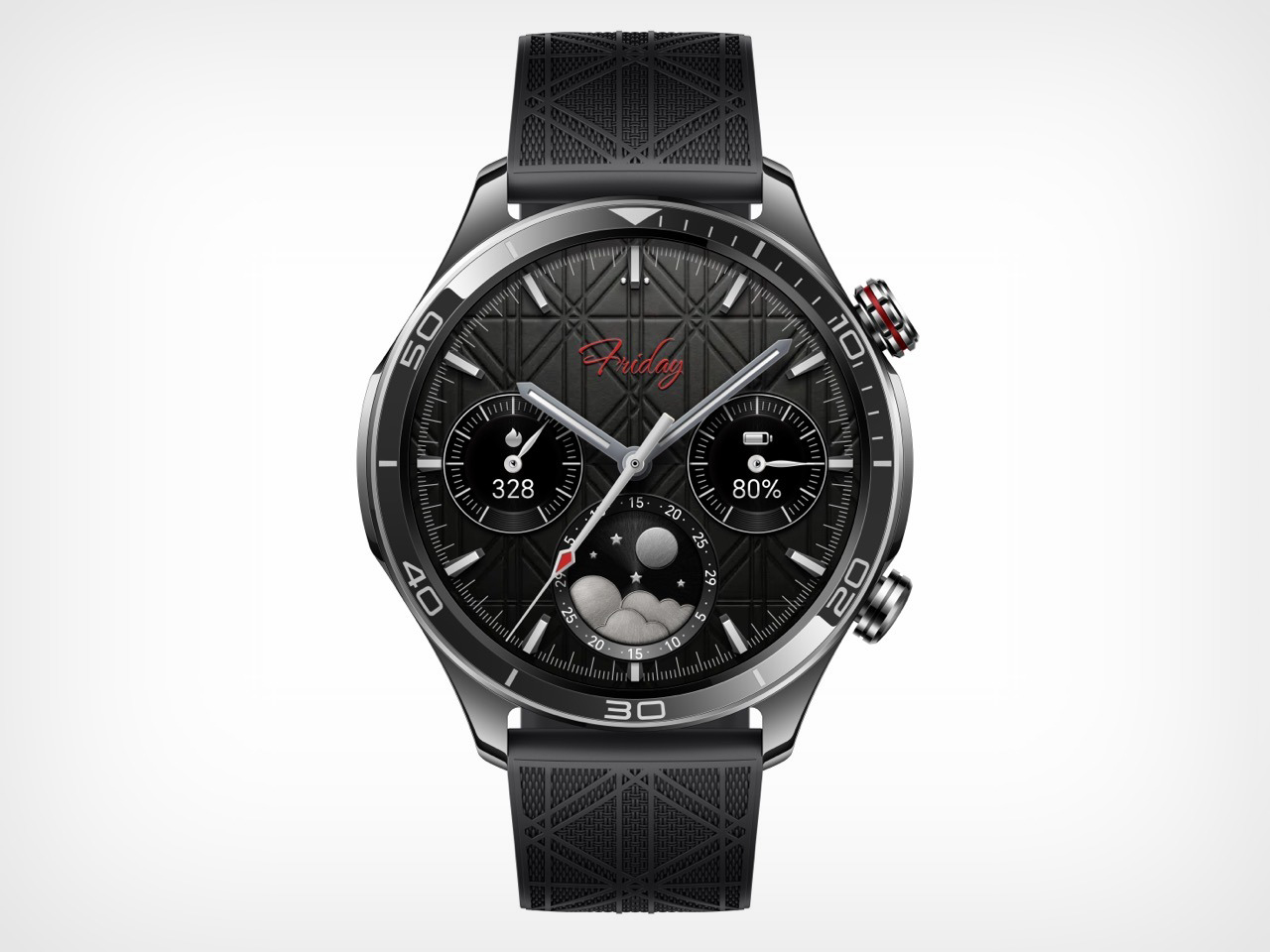
That bezel is nanocrystalline ceramic, sintered at 1,400°C (2,552°F) for what HONOR describes as a dense, glossy, scratch-resistant finish. On the Silver model it’s a two-tone black-to-brown ring with a 24-hour scale, and I got instant Rolex GMT-Master II “Root Beer” flashbacks. Rolex introduced its Cerachrom ceramic bezels in 2005, and ceramic has been luxury shorthand for fade-resistant, scratch-resistant elegance ever since. HONOR leans into the costume with chronograph-style watch faces, complete with subdials and a moonphase. The whole thing is clearly pitched at people who’d rather wear a watch than a gadget.
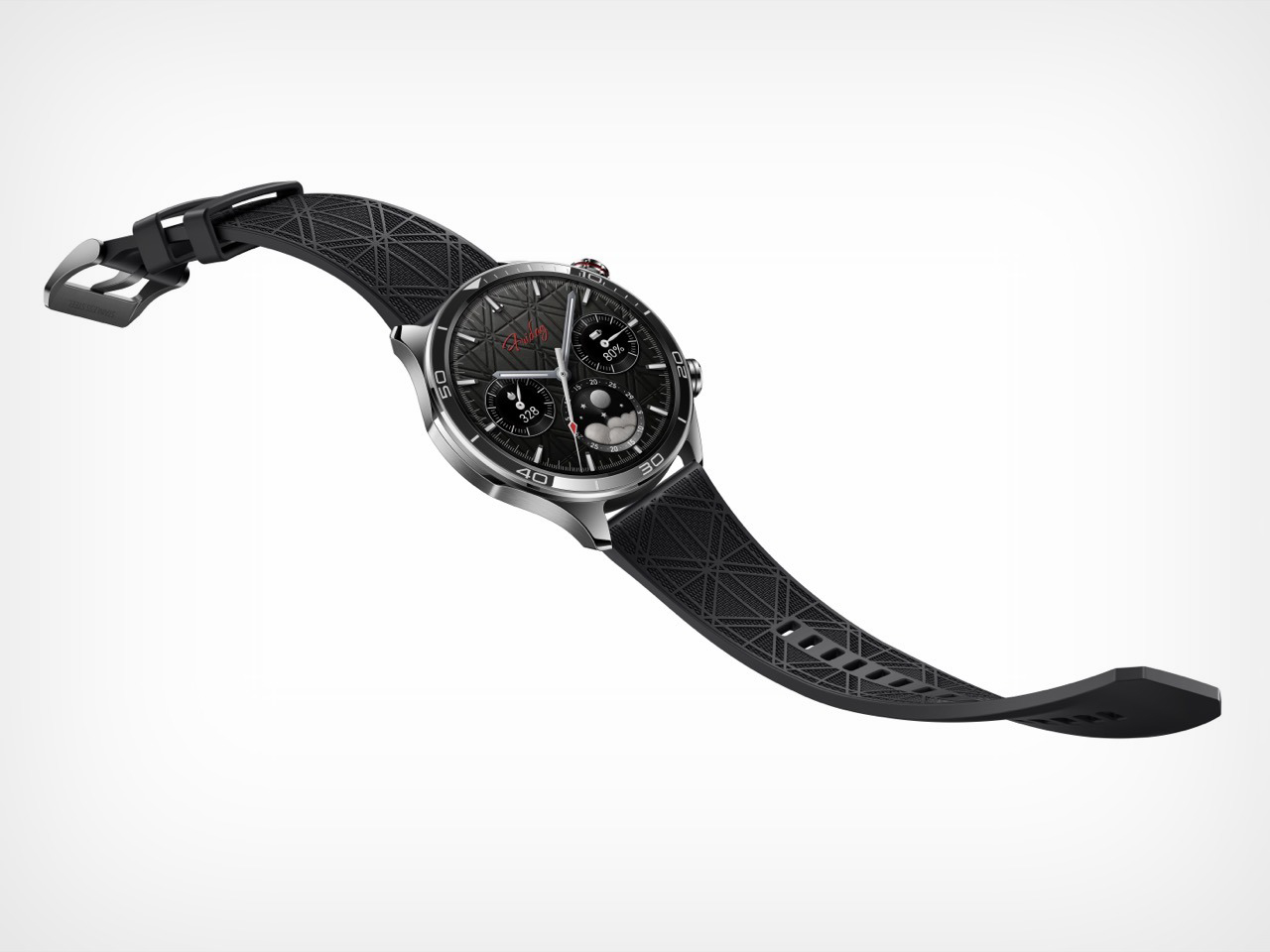
The case measures 1.82 x 1.82 x 0.46 inches (46.3 x 46.3 x 11.6mm) and weighs 1.8 ounces (50.9g) without the strap. The diamond-cut octagonal crown has crisscrossing horizontal and vertical cuts, which HONOR says took inspiration from modernist architecture. A side button handles shortcuts, and the polymer back helps keep weight down where nobody sees it. Strap options are a black fluoroelastomer band with a woven texture, made with laser engraving and nano-imprinting, or a stainless steel bracelet. Standard 22mm lugs mean you can swap in any compatible strap you already own.
Coaching, Two-Phone Pairing, and Half of Samsung’s Price
Under the glam, the Watch 6 Pro supports more than 120 sports modes. HONOR’s AccuTrack system uses dual-band GPS and a three-antenna layout designed to maintain a fix as your wrist turns. Runners get posture analysis, lactate threshold heart rate, and AI voice coaching, while football players get pitch heat maps and badminton players get swing recognition across more than six shot types. It carries a 5ATM water-resistance rating, supports contactless payments with Visa and Mastercard via Fidesmo, and syncs to Strava. The neat party trick is dual-phone notifications, letting one watch serve an HONOR phone and an iPhone at once.
All this runs on a 515mAh battery rated for 18 days in its ultra-long mode, 10 days of typical use, or 7 with the always-on display enabled. That headline figure is about half of what the cheaper HONOR Watch 6 is rated for, so don’t expect the same endurance alongside those 5,500 nits. The Black model costs €379 (£329, roughly $440), the Silver steel version is €429 (£379, roughly $505), and launch vouchers cut €100 off both through December 31. Samsung’s Galaxy Watch Ultra 2 asks €749 for a rated 5,000 nits, and Huawei’s Watch GT 6 Pro charges the same €379 for a rated 3,000. That puts the highest brightness rating of this bunch on a watch costing roughly half as much as Samsung’s, and Samsung should be a little nervous.