
A building material designed to break down in water sounds like a homeowner’s nightmare. In Neri Oxman’s research, controlled decomposition can be a design goal. Her work on biopolymer structures addresses a problem that survives an object’s useful life: the material left behind. I like the ambition of designing an exit strategy into an object, even if I wouldn’t want an experimental wall anywhere near my plumbing.
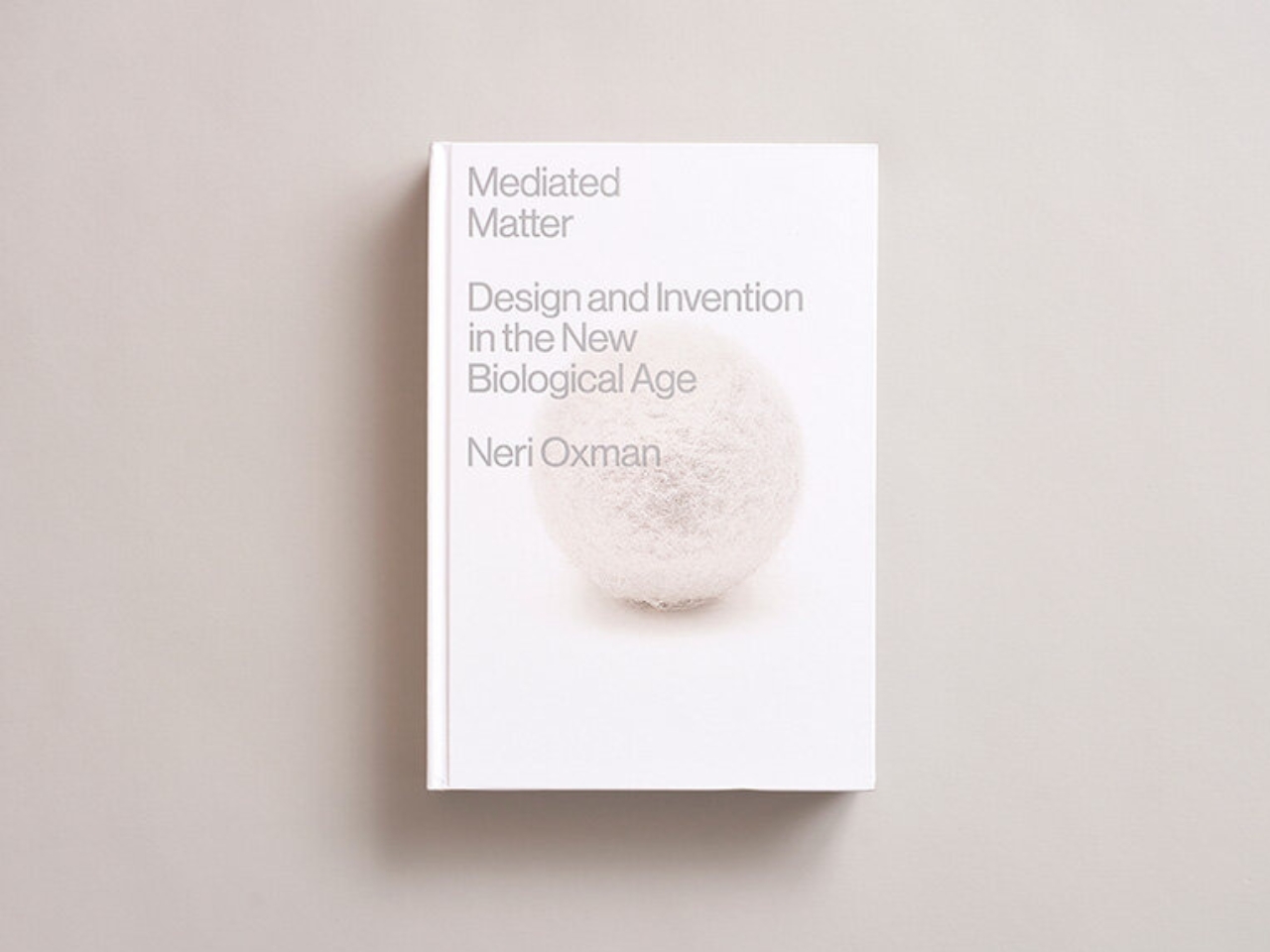
Her book, Mediated Matter: Design and Invention in the New Biological Age, gathers the thinking and research behind that ambition. This 612-page hardcover surveys more than two decades of work spanning biology, computation, and fabrication. This is a record of experiments and possibilities, rather than a catalog of construction products ready for your next renovation.
Designer: Neri Oxman
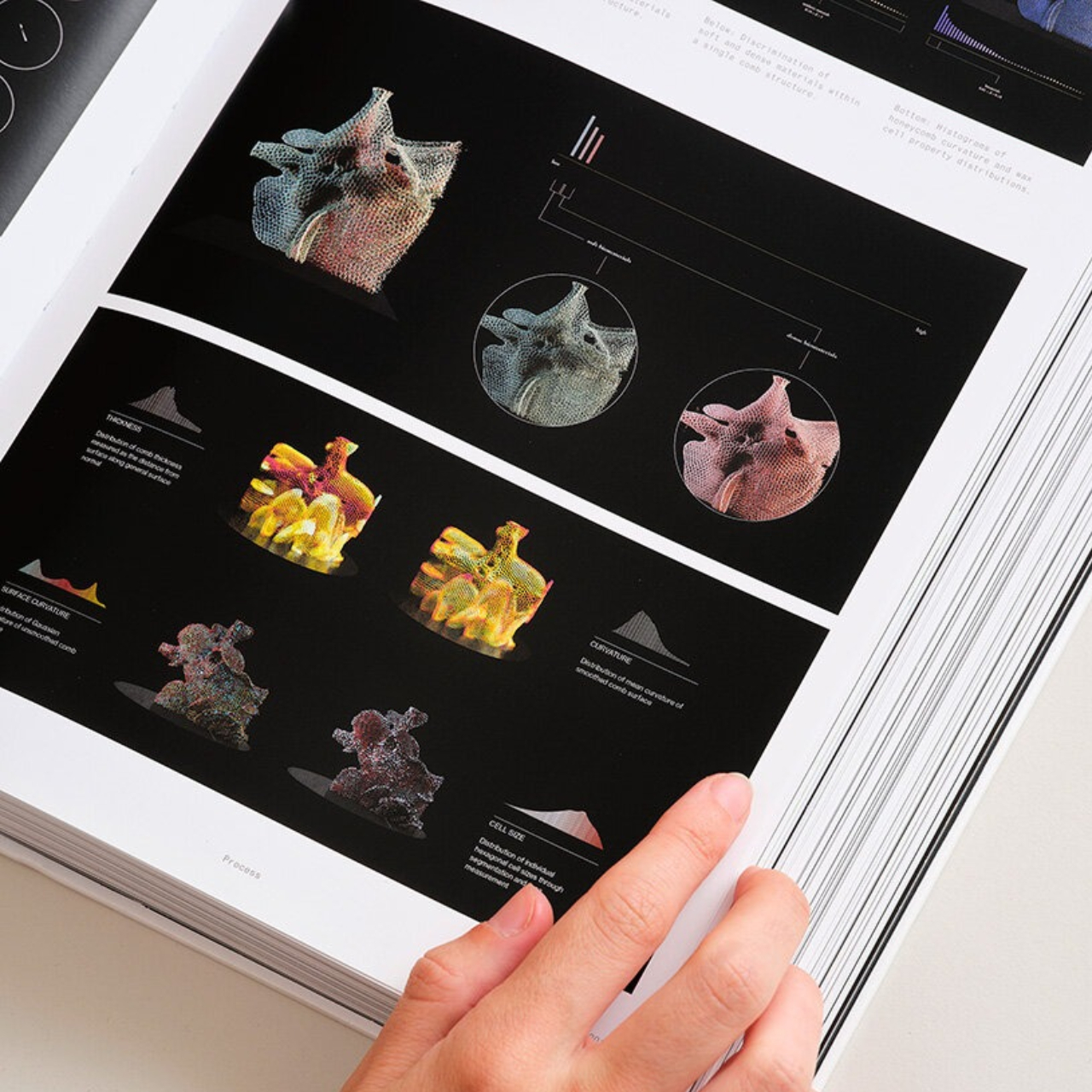

Oxman calls her approach Material Ecology. Developed through her work with the Mediated Matter Group at MIT, it considers how materials, fabrication methods, and environmental conditions can shape one another. The appeal, for me, is that it moves the conversation past appearances. A building can borrow the silhouette of a leaf; the more demanding proposition is to learn from how living systems make and organize material.
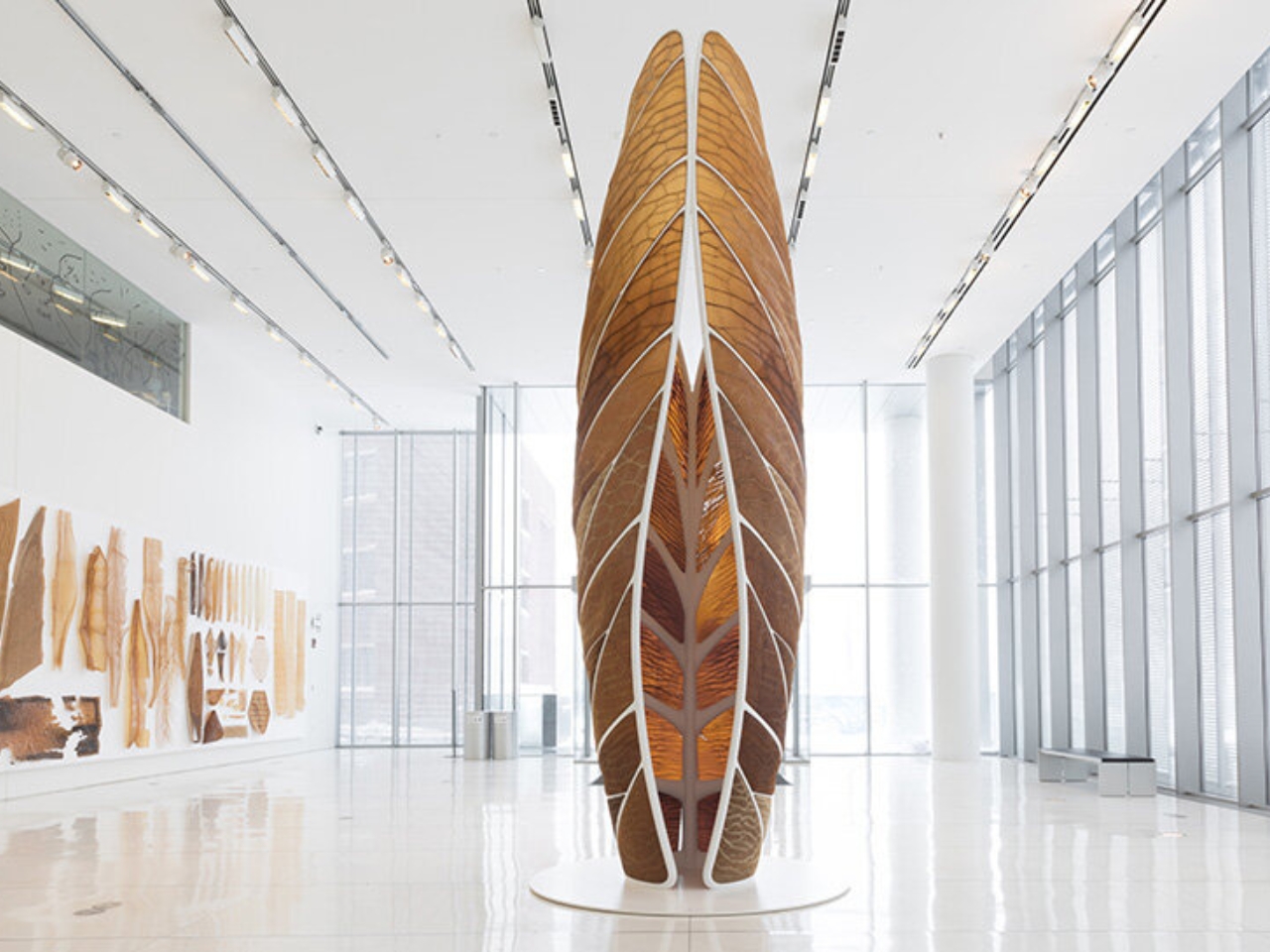
Aguahoja gives that proposition a physical form. Oxman and her team developed a robotic, water-based fabrication process using ingredients including cellulose, chitosan, and pectin. These are biological polymers associated with plant matter, crustacean shells, and fruit. Instead of merely choosing a material from a supplier’s sample book, the researchers vary its composition and distribution during printing to control properties such as stiffness and opacity.
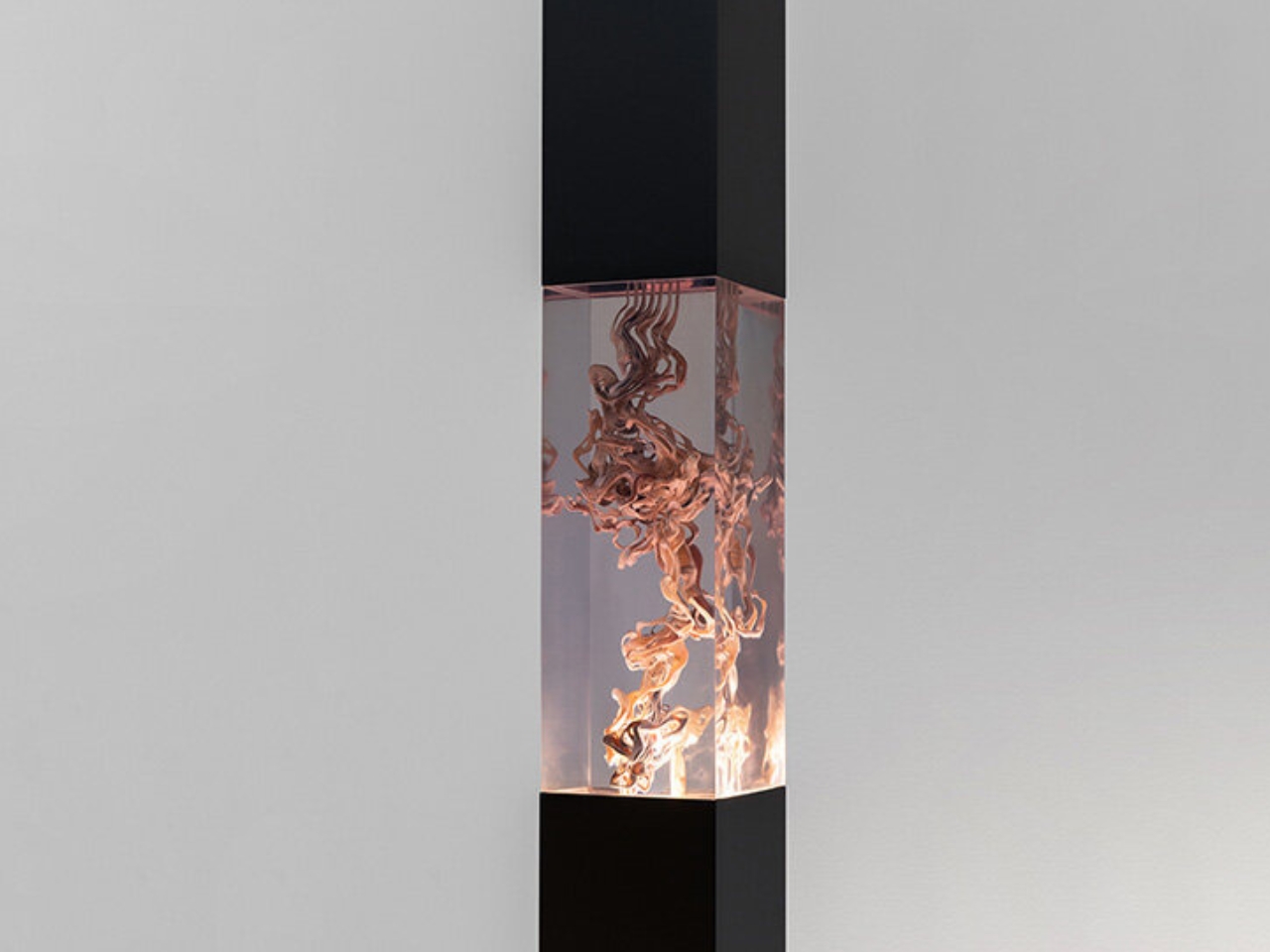

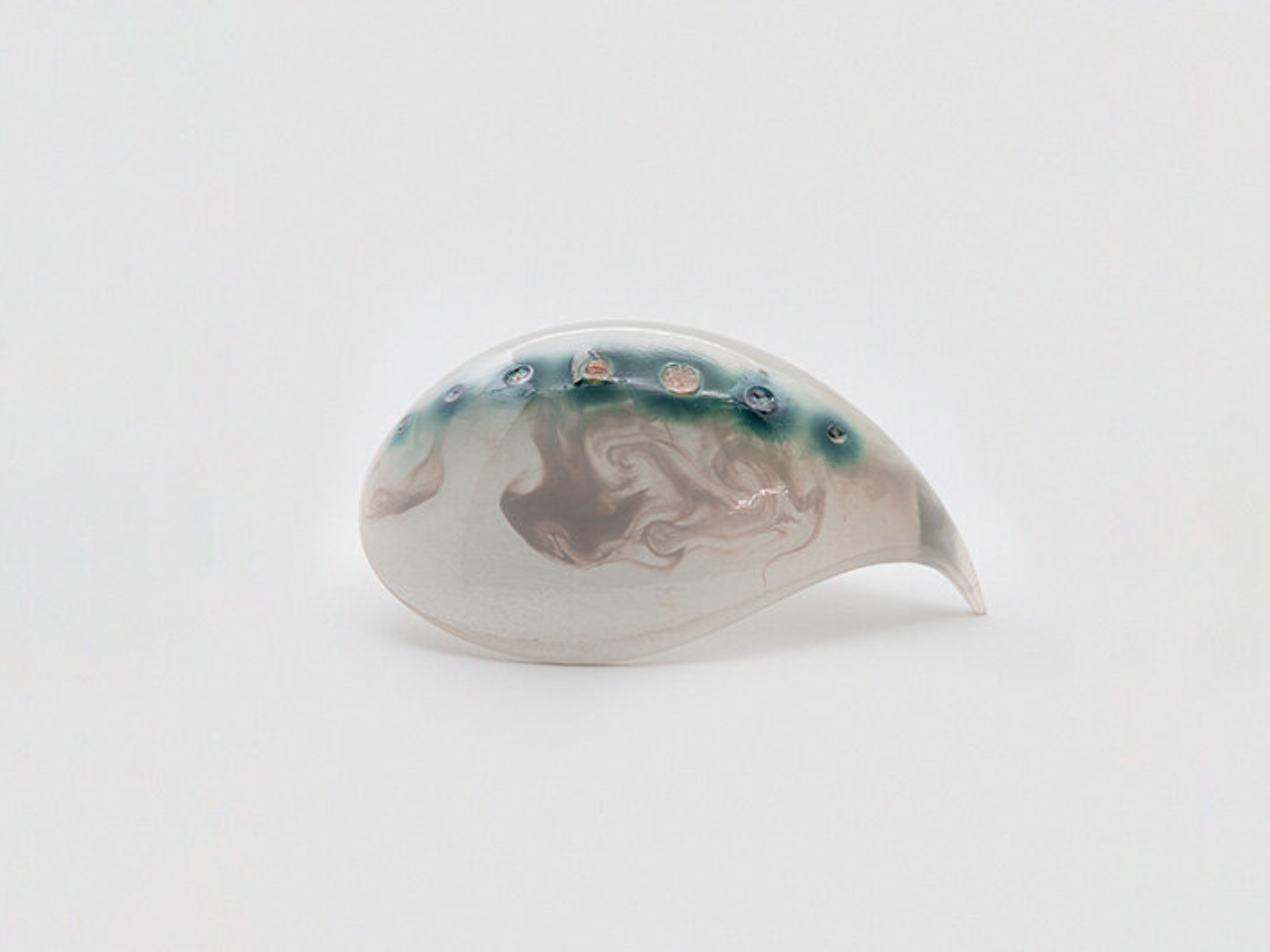
The project’s most provocative decision concerns its ending. According to the team’s documentation, Aguahoja’s biopolymer skins are designed to break down in water, with different components degrading in a controlled sequence. That doesn’t make a rain-sensitive material suitable for every application. It does make disposal part of the original design brief. I’d like that question asked of more objects long before anyone settles on their packaging.
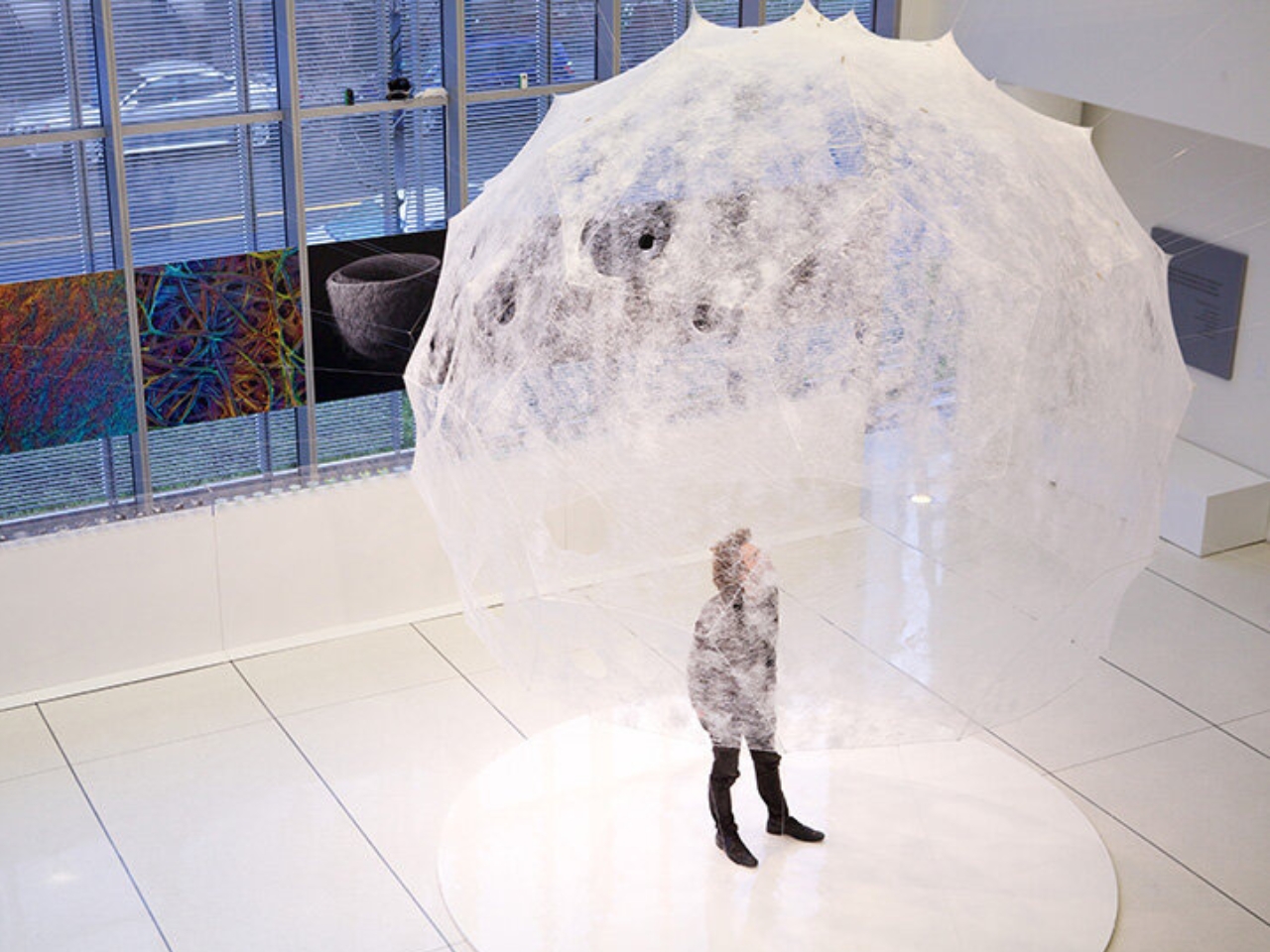
Growth becomes more literal in Silk Pavilion I. A computer-controlled fabrication process established the dome’s underlying structure, while 6,500 silkworms contributed biological fabrication. MoMA’s account explains that the team studied the animals’ responses to spatial and environmental conditions, influencing them to spin sheets rather than cocoons. The designer’s role becomes surprisingly specific: create conditions that guide another species’ behavior, rather than dictate every strand’s final position.
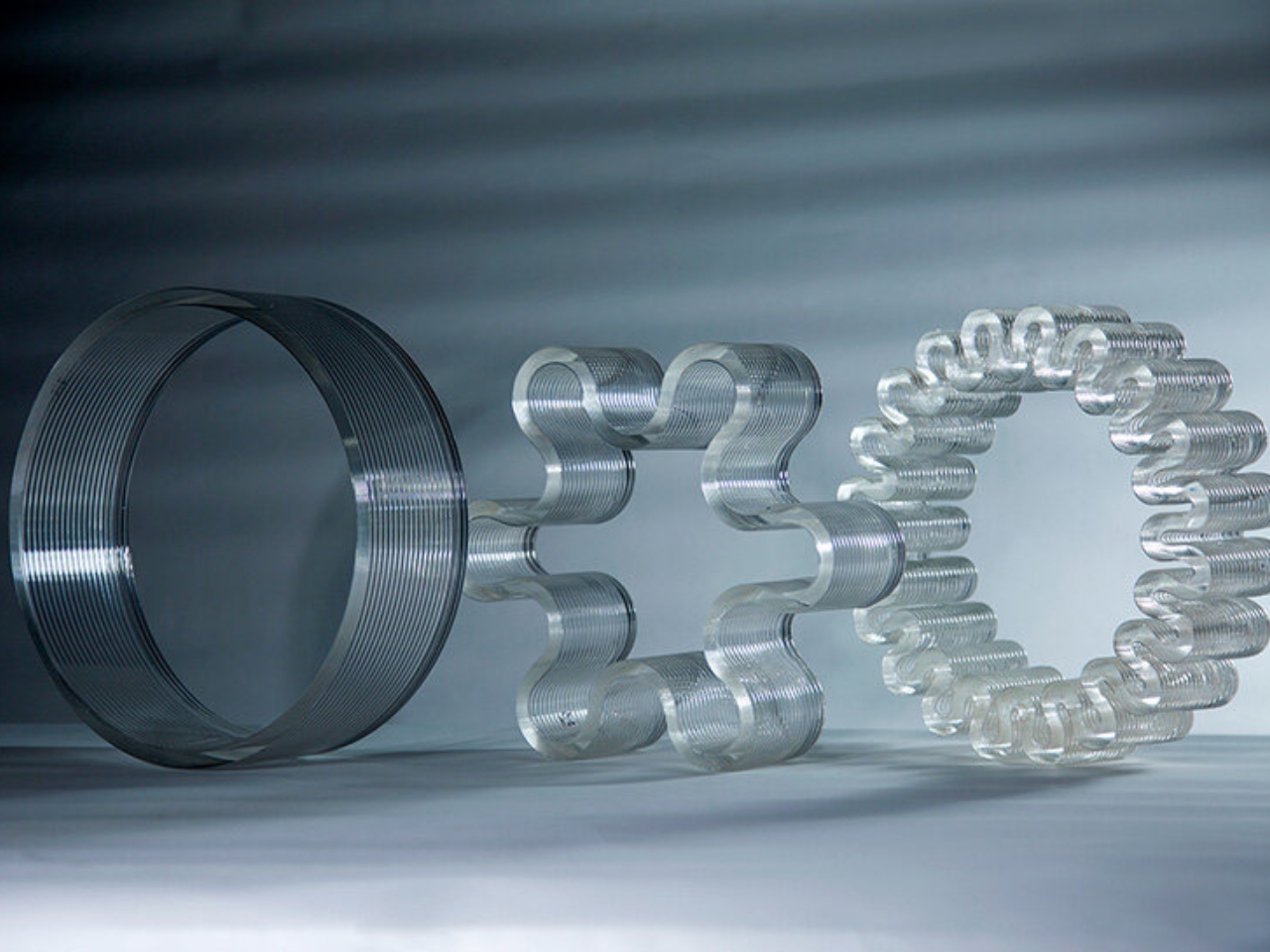
I find that shift more compelling than the easy science-fiction reading of a house that grows itself. It gives design a different kind of job, one involving observation and accommodation as much as control. There’s also a useful humility in accepting that a living collaborator won’t behave like an interchangeable factory component.
Of course, a pavilion isn’t a subdivision. For me, the unresolved questions are practical: how would these approaches handle years of use, repairs, weather, and the budgets of ordinary buildings? A material’s ability to decompose needs careful timing, especially when people depend on it for shelter. Treating these research projects as proof of affordable, durable housing would ask the evidence to carry far too much.
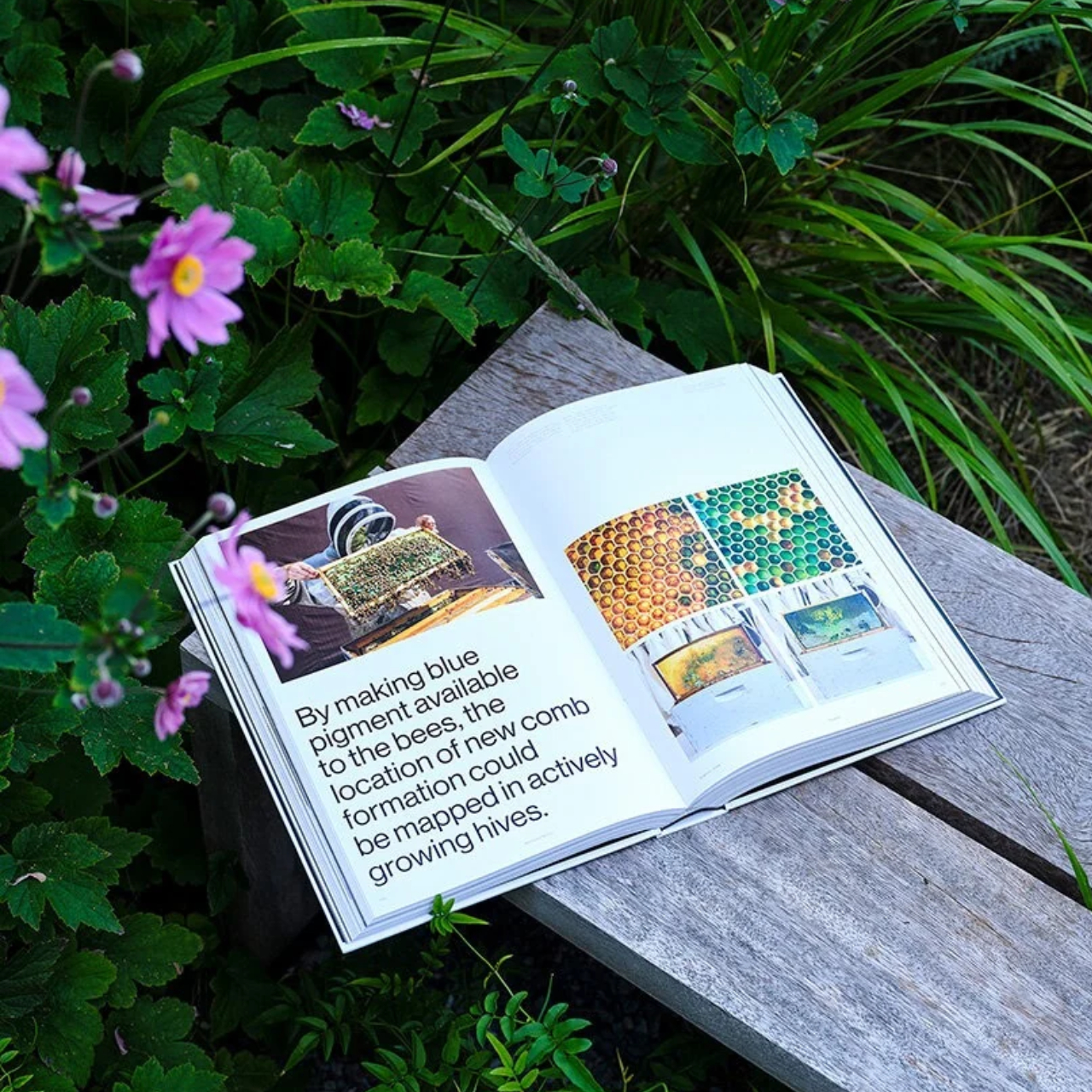
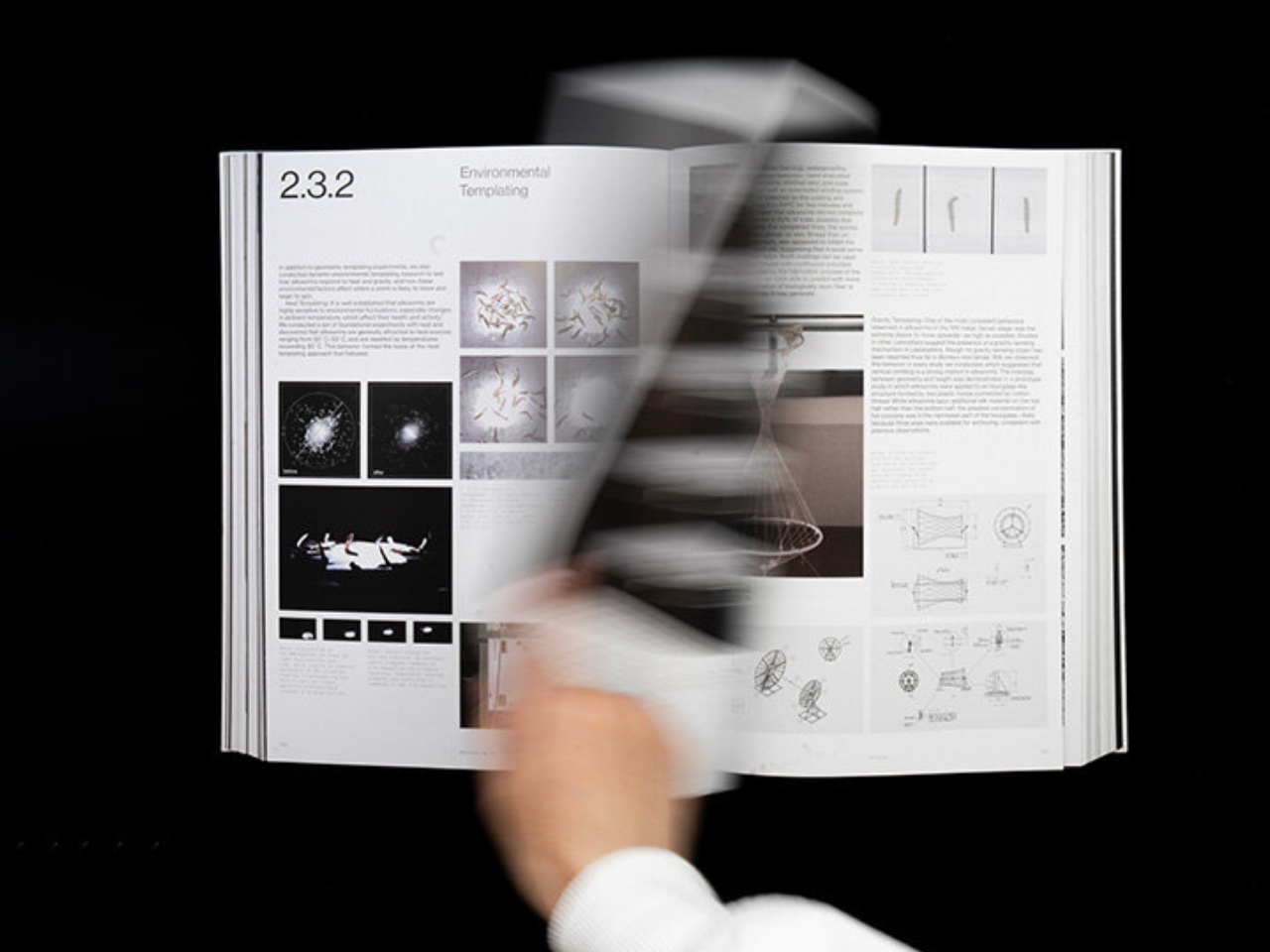
As a book, Mediated Matter offers a more accessible encounter with that research. MIT Press lists 630 color illustrations, alongside diagrams, explanatory texts, and process documents, at a $90 hardcover price. That’s a substantial coffee-table commitment. The process material is the draw for me: it promises a way into how these objects were developed, beyond the photographs that tend to circulate on their own.
I don’t need the next house on my block to behave like an organism to see value in this thinking. I’d settle for more designers considering where a material comes from, how it changes in use, and where it goes afterward. Oxman’s proposition makes that last stage feel worth designing with the same care as the first. A convincing future for an object should include what happens when nobody needs it anymore.