
A good gift often starts with something you’ve noticed: a friend fighting a stubborn key ring, a cook reaching for the same tired tongs, someone who always carries a notebook but never a pen. Those details are more useful than a gift guide’s usual personality types. They point toward objects that earn their place through use, with enough character to feel chosen rather than grabbed on the way to dinner.
The ten Japanese designs here approach that idea through materials, mechanisms, and familiar household tasks. Some belong beside the stove; others slip into a pocket or wait near the front door. These are editorial selections, not a tested ranking, chosen for specific design decisions rather than novelty alone. The aim is to help you find a present that fits someone’s existing life, without asking them to make room for another.
1. Chouchin Lantern Candle

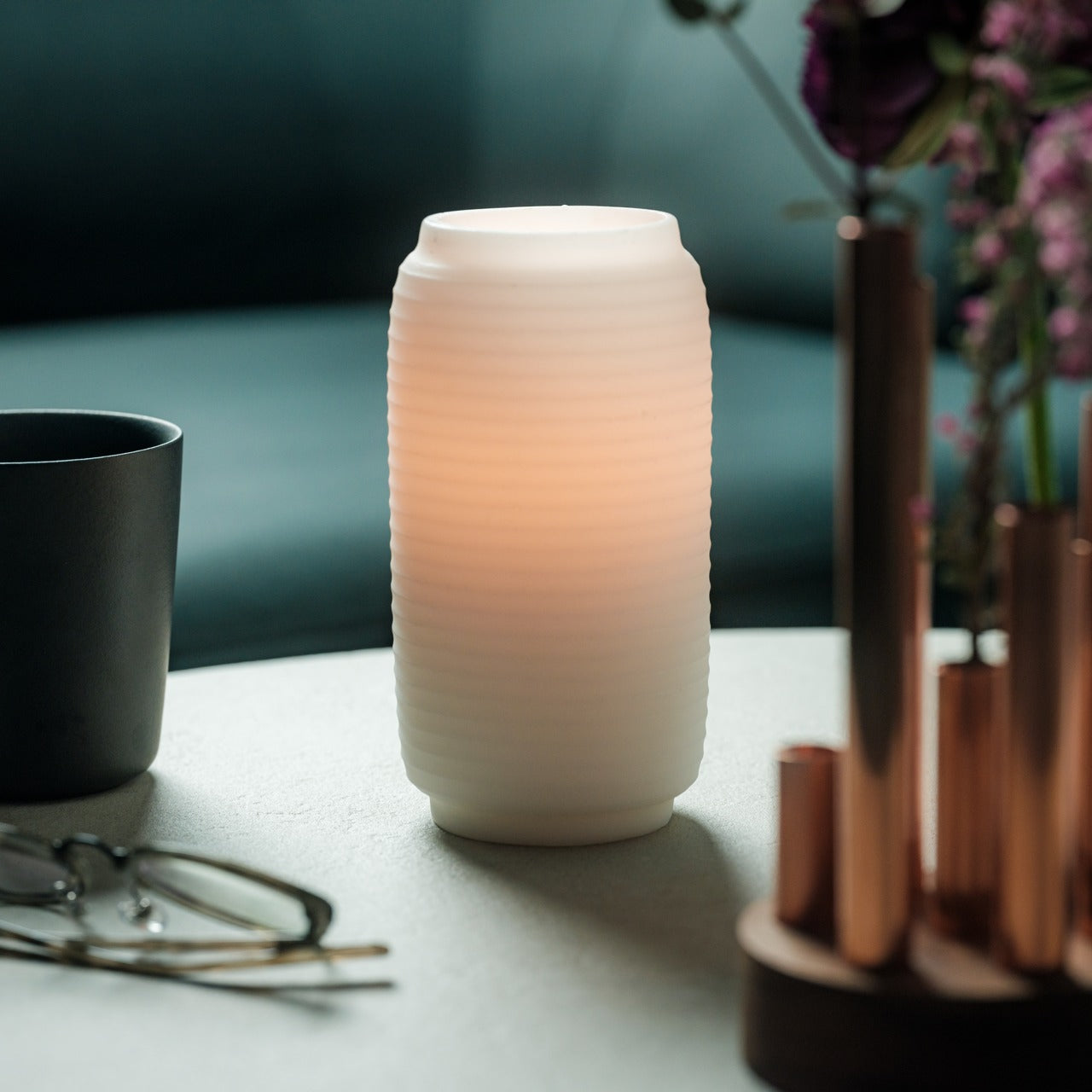

The Chouchin Lantern Candle borrows the horizontal ribs of a Japanese paper lantern and gives them a reason to exist in wax. Designed by James Kaoru Bury and handcrafted in Kurashiki, Japan, it uses inner and outer waxes with different melting points. The center burns down while the exterior remains, allowing the descending flame to illuminate the surrounding body. The lantern reference becomes clearer through use, rather than depending entirely on the candle’s unlit silhouette.
That gradual transformation makes this a thoughtful choice for someone who already enjoys candlelit dinners or a little evening atmosphere. Something is appealing about giving an object whose appearance develops after the wrapping comes off. It offers approximately 60 hours of burn time, although that remains a seller’s estimate. Choose it for a person who will actually light it, rather than preserve it untouched on a shelf. The changing relationship between flame and wax is the point of the design.
What we like
- Different wax melting points create the lantern effect.
- Handcrafted in Kurashiki, Japan.
What we dislike
- An open flame needs supervision.
- Its useful life is finite.
2. Kokuyo Hakoake Two-Way Portable Scissors
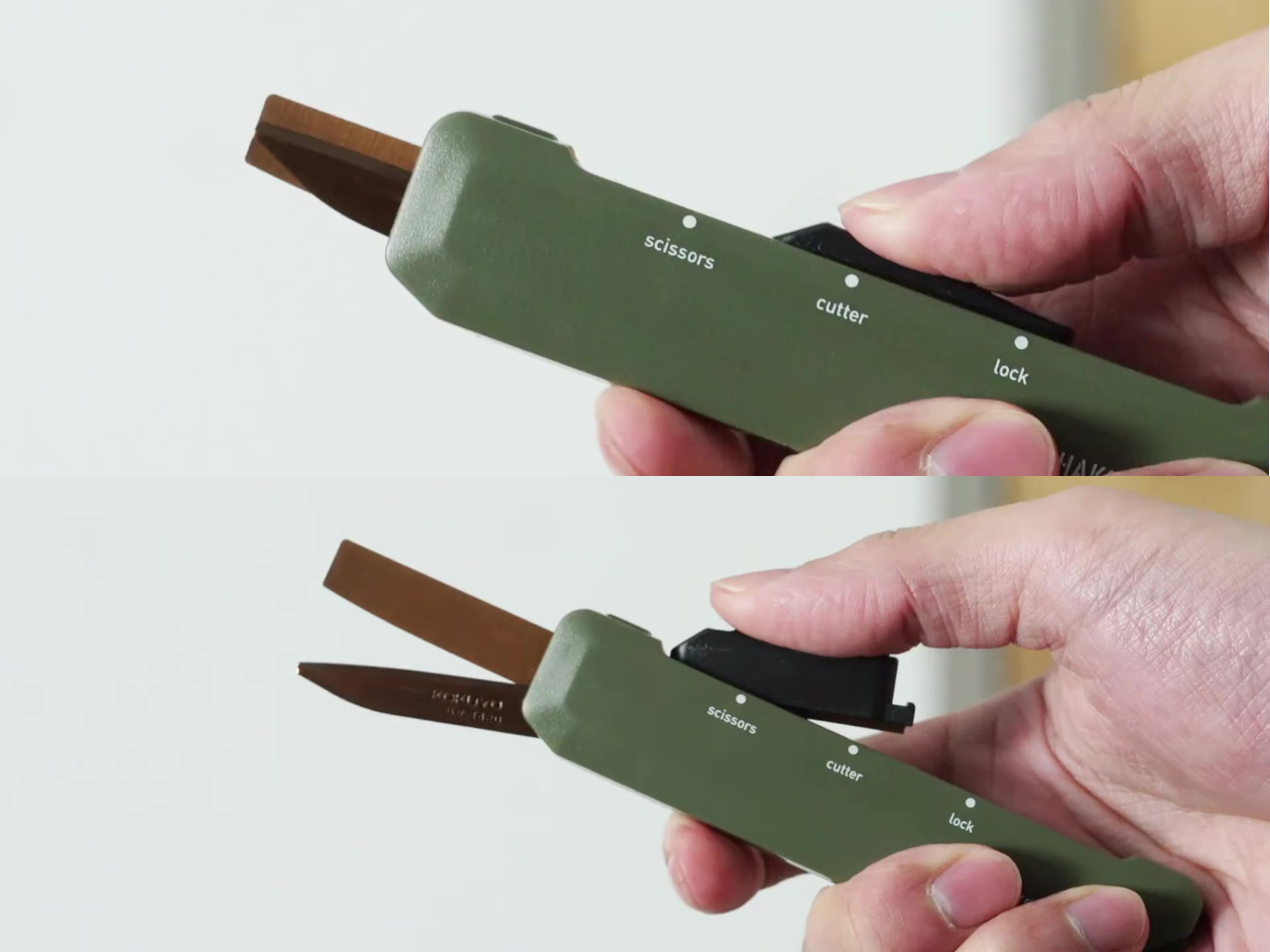

Kokuyo’s Hakoake puts two packaging tools inside a slim sliding case. Gently squeeze the handle and move the slider to switch between scissors and cutter modes, without removing a separate cap. In cutter mode, a short 3mm blade projects while the main blades remain closed. Open the scissors for clothing tags or polypropylene packing bands. The useful detail is the transition: one small mechanism handles both operations, keeping the tool compact enough for a pencil case or crowded desk drawer.
For the stationery enthusiast, this is an appealing gift because its cleverness has an immediate application. It addresses the moment between receiving a parcel and getting to what’s inside, without adding another full-size tool to the drawer. The short cutter blade limits how far it projects, but shouldn’t be treated as a guarantee against damage. Kokuyo also warns against cutting cardboard or other hard materials. This is a Japanese-brand design manufactured in China, a distinction worth keeping clear when gifting.
What we like
- One sliding control switches between tools.
- No separate blade cap to lose.
What we dislike
- Not for cutting cardboard or hard objects.
- Short blades limit larger cutting jobs.
3. Hasami Porcelain Mug in Natural
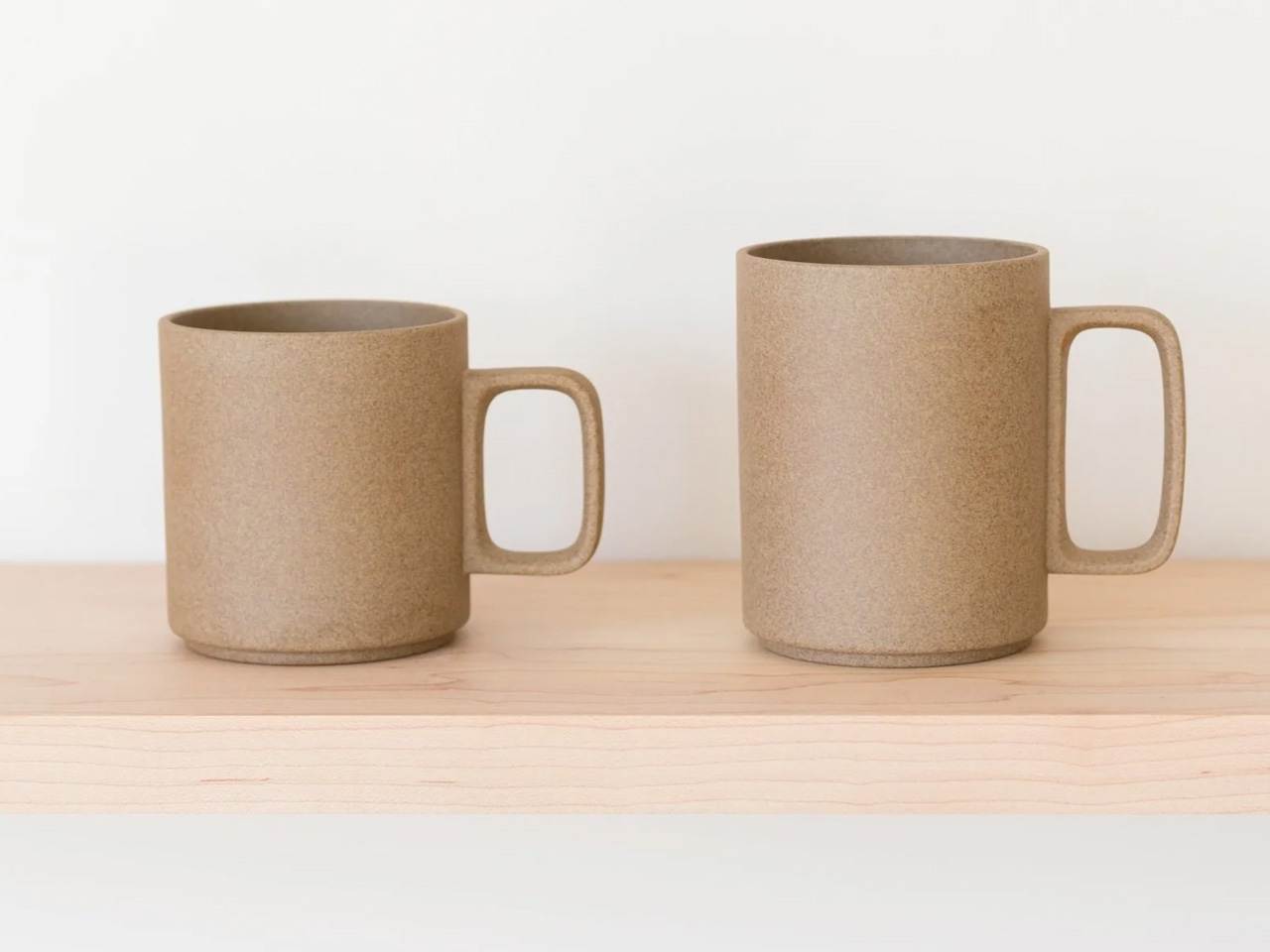
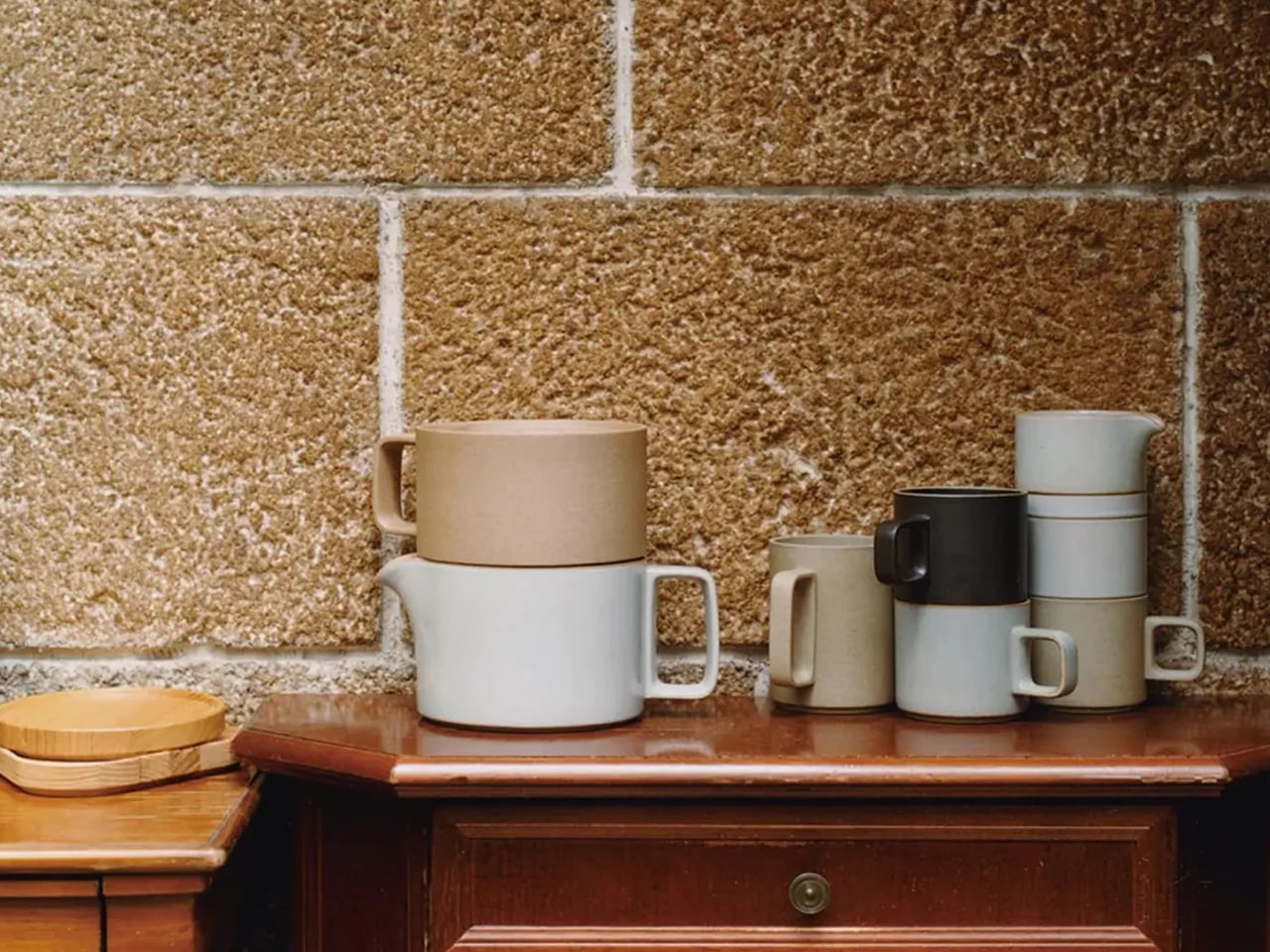
A mug is familiar gifting territory, which makes the details matter more. Designed by Takuhiro Shinomoto and made in Hasami, Nagasaki, this version uses a blend of crushed Amakusa pottery stone and clay. The Natural finish is unglazed, leaving a matte, lightly textured surface rather than a glossy coating. Its cylindrical body belongs to a coordinated system: compatible Hasami pieces of the same diameter stack together, so the proportions serve cupboard storage as well as the appearance of the cup.
This is a good match for someone who notices the objects around their morning coffee, but doesn’t want a slogan printed across them. It can stand alone as a gift or become the beginning of a collection without requiring an entire dinnerware commitment. KANSO lists it as dishwasher- and microwave-safe, keeping everyday care straightforward. The unglazed surface can gradually darken with oils and use, so choose it for someone who welcomes material changes rather than expects a permanently uniform finish.
What we like
- Compatible pieces stack within the Hasami system.
- Dishwasher and microwave safe.
What we dislike
- Unglazed texture won’t suit every drinker.
- The surface can darken with use.
4. Painless Key Ring
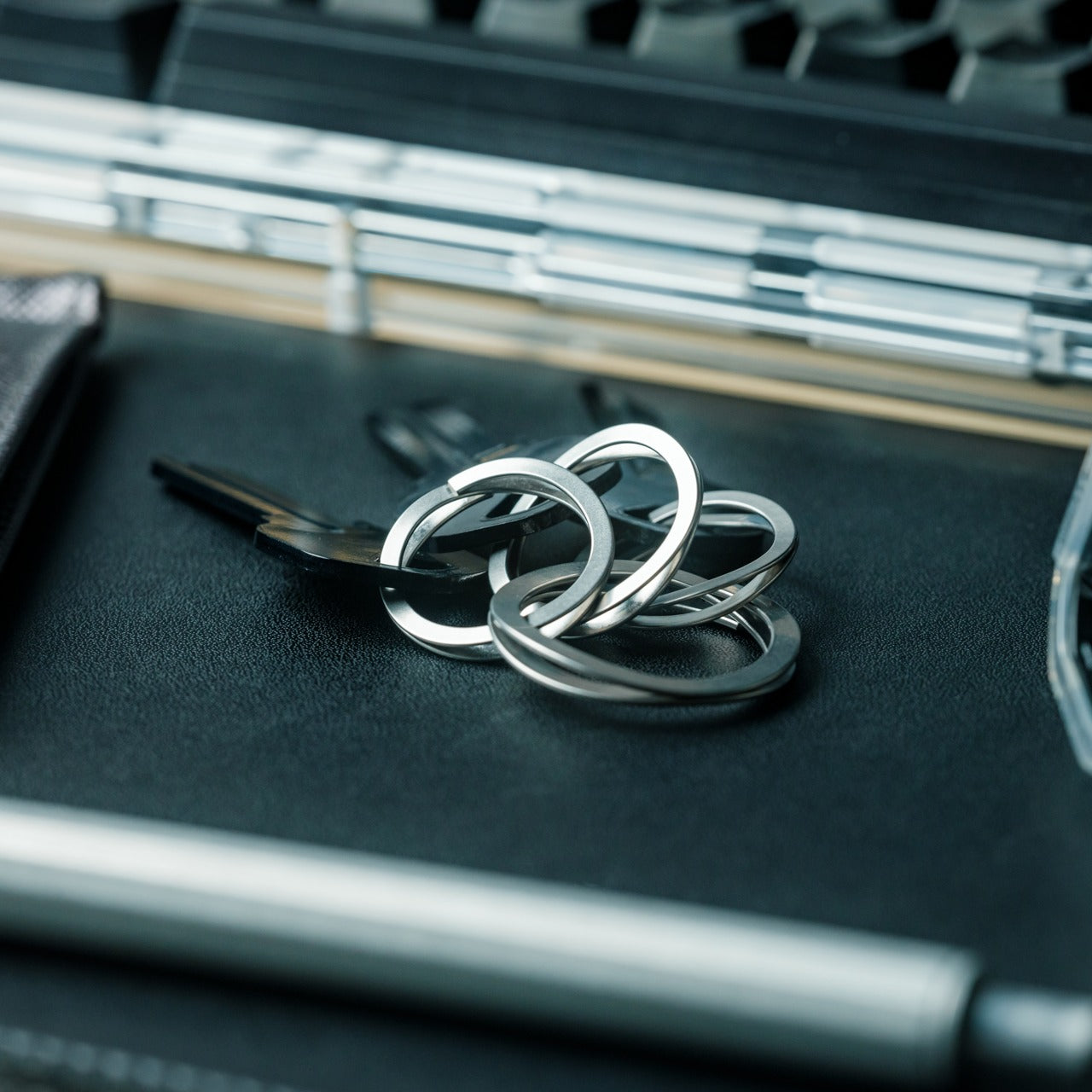
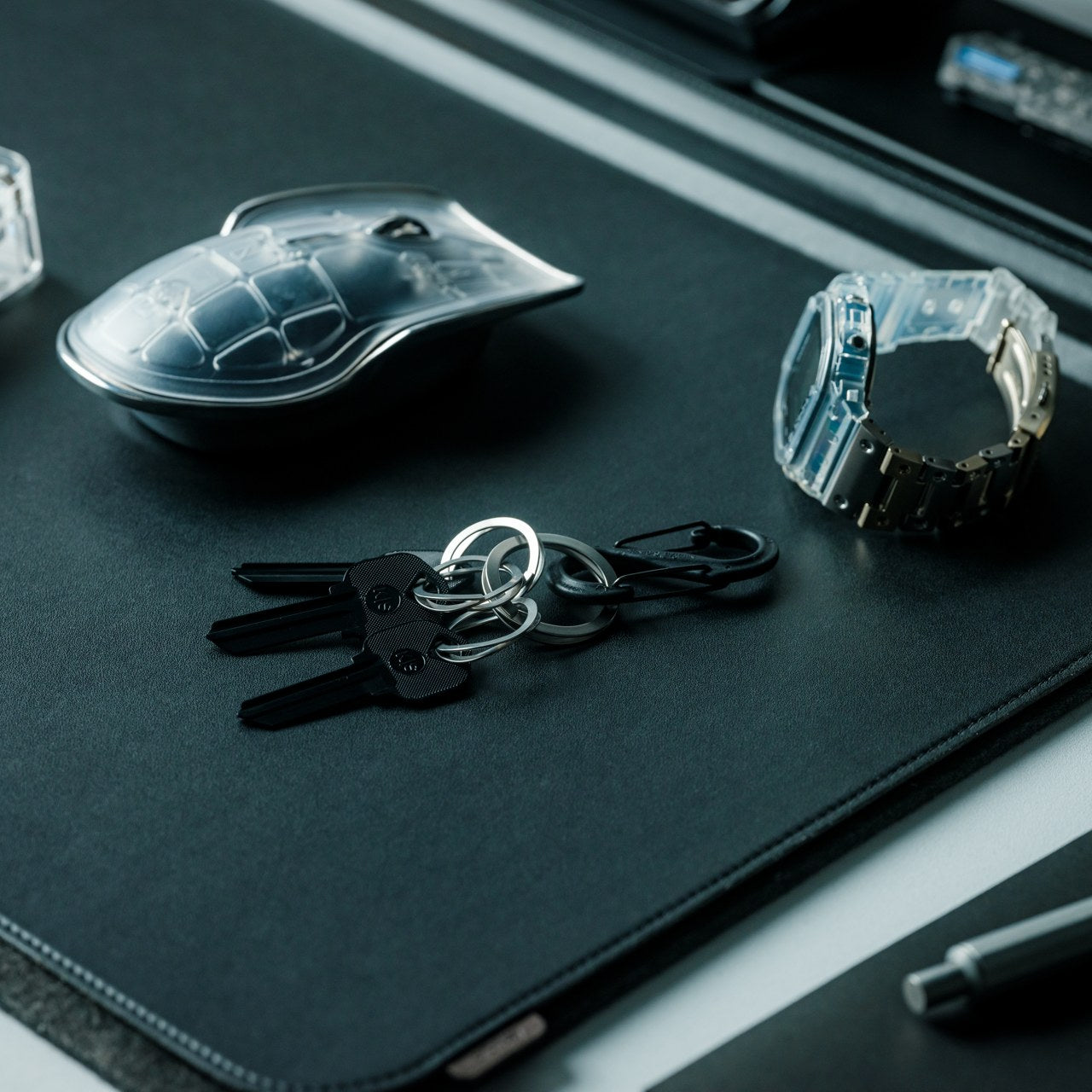
Most key rings demand a fingernail before they’ll accept a key. The Painless Key Ring changes the entry geometry with a continuous wave shape, letting a key slide into the curved section rather than requiring you to pry apart tightly sprung layers. Its construction draws on the principle of a coiled wave spring. Made from stainless spring steel, the large ring weighs 3 grams and measures 0.8mm thick, keeping the mechanism within the scale of an ordinary pocket accessory.
A small gift like this makes sense for a new apartment, a first set of office keys, or someone who regularly changes what they carry. The appeal is specific: less wrestling with the ring when adding or removing a key. It doesn’t need a screen, charging cable, or elaborate explanation to justify itself. The set contains one large ring and three smaller ones, allowing the recipient to arrange separate groups instead of threading everything onto one increasingly crowded loop.
What we like
- Wave geometry provides an easier entry point.
- Separate small rings help group keys.
What we dislike
- The single set costs $30.
- Removing keys still requires lifting the ring’s end.
5. Sori Yanagi Stainless Steel Kettle
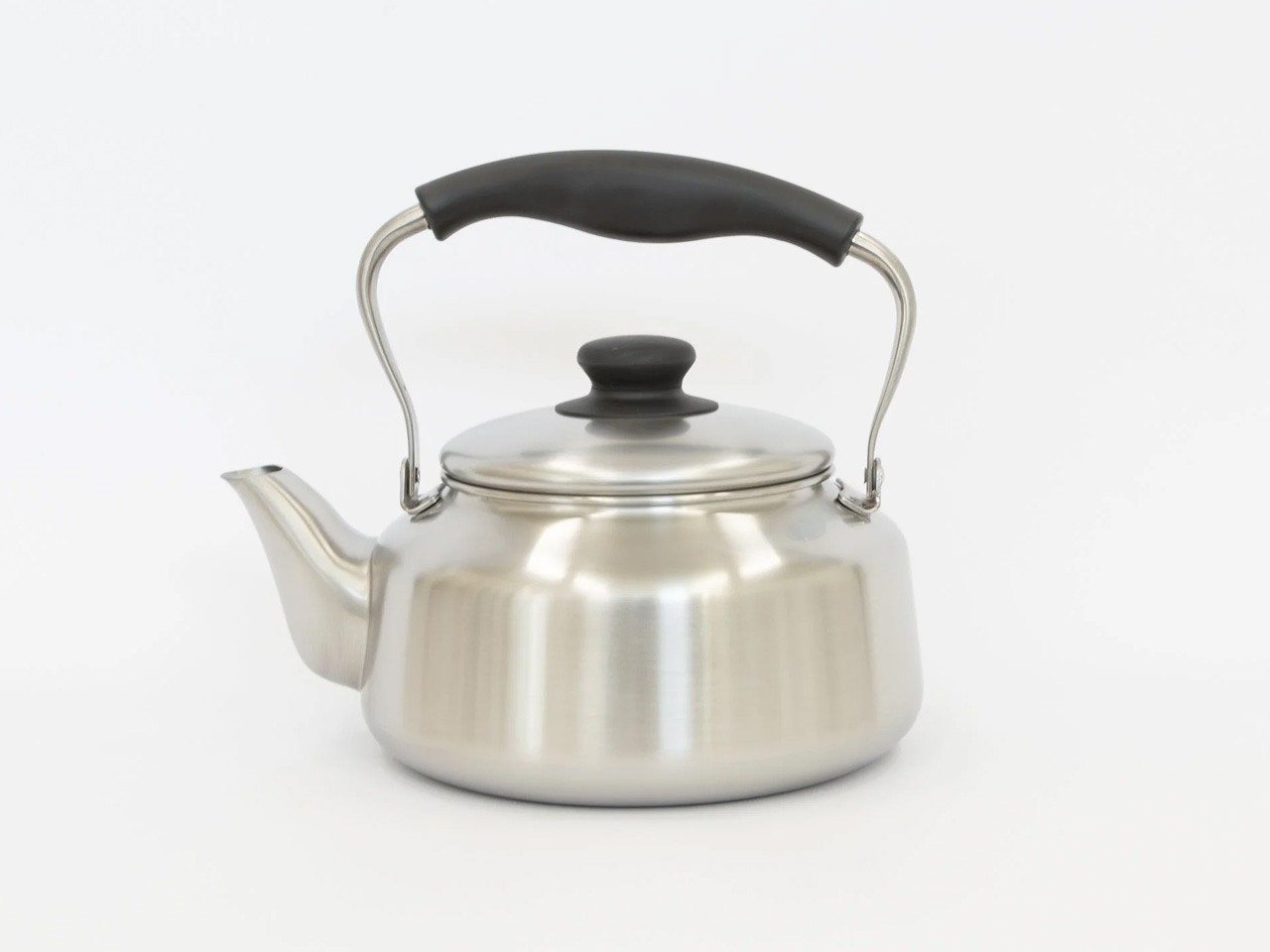
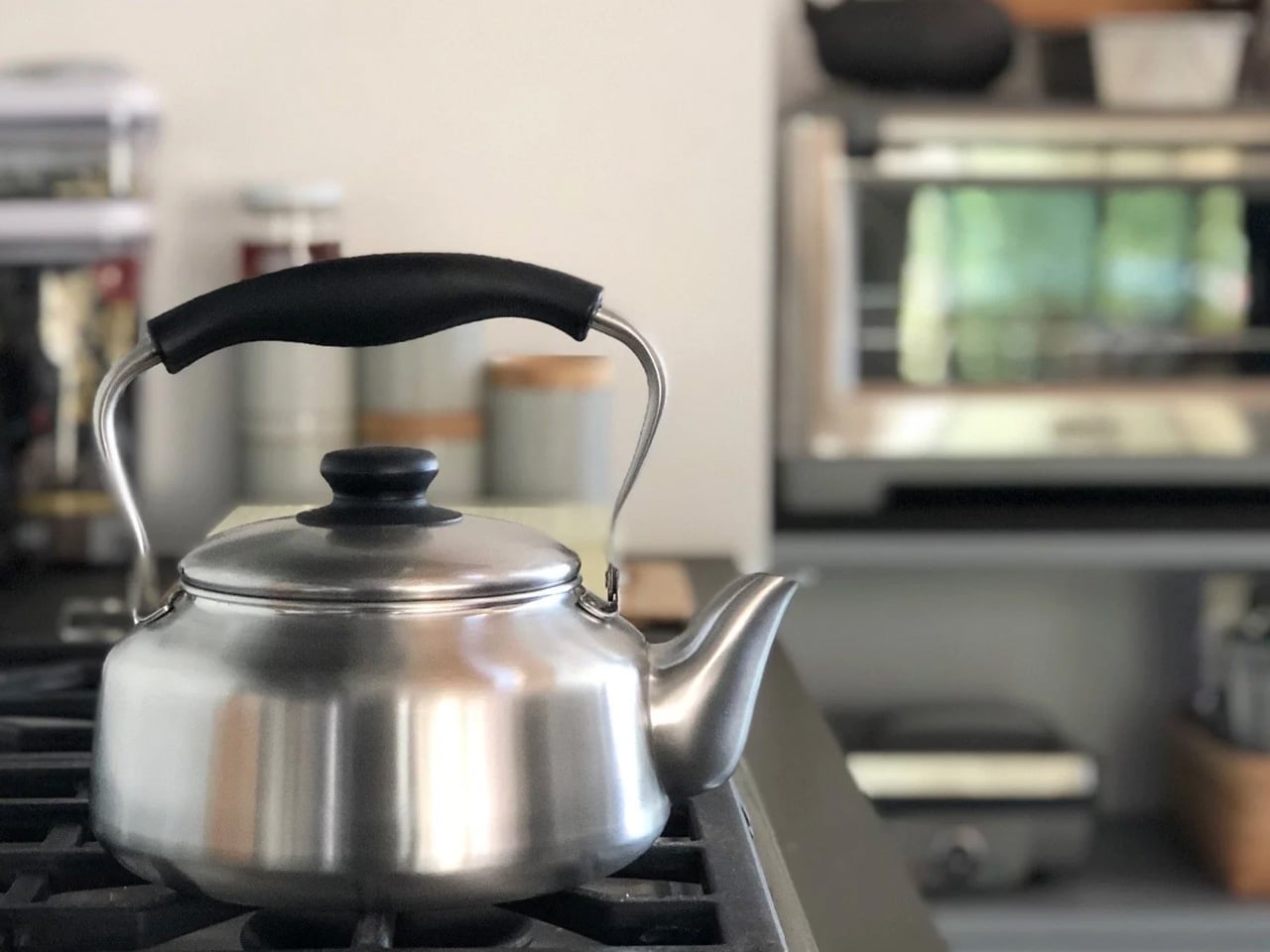
Sori Yanagi’s stainless steel kettle makes its case through the relationship between the body, handle, and pouring motion. The broad base was designed to support faster heating, according to the manufacturer’s catalog, while the shaped handle is intended to help control the pour. Its matte steel body keeps the form visually restrained without disguising its purpose. This is a stovetop kettle with a 2.5-liter full capacity, suitable for gas and induction, rather than an electric appliance with concealed controls.
Give this to someone who likes the process of making tea and is happy to remain involved while the water heats. That distinction matters because the kettle has no whistle; the retailer instructs users to watch for steam and turn off the heat when boiling begins. It asks for more attention than an automatic electric model. In return, it offers a straightforward kitchen object whose main design decisions concern handling and use, not a collection of presets the recipient may never need.
What we like
- Handle geometry gives pouring control a clear priority.
- Compatible with gas and induction.
What we dislike
- No whistle signals boiling.
- Tortoise currently lists it as sold out.
6. Nousaku KAGO Square Bendable Basket
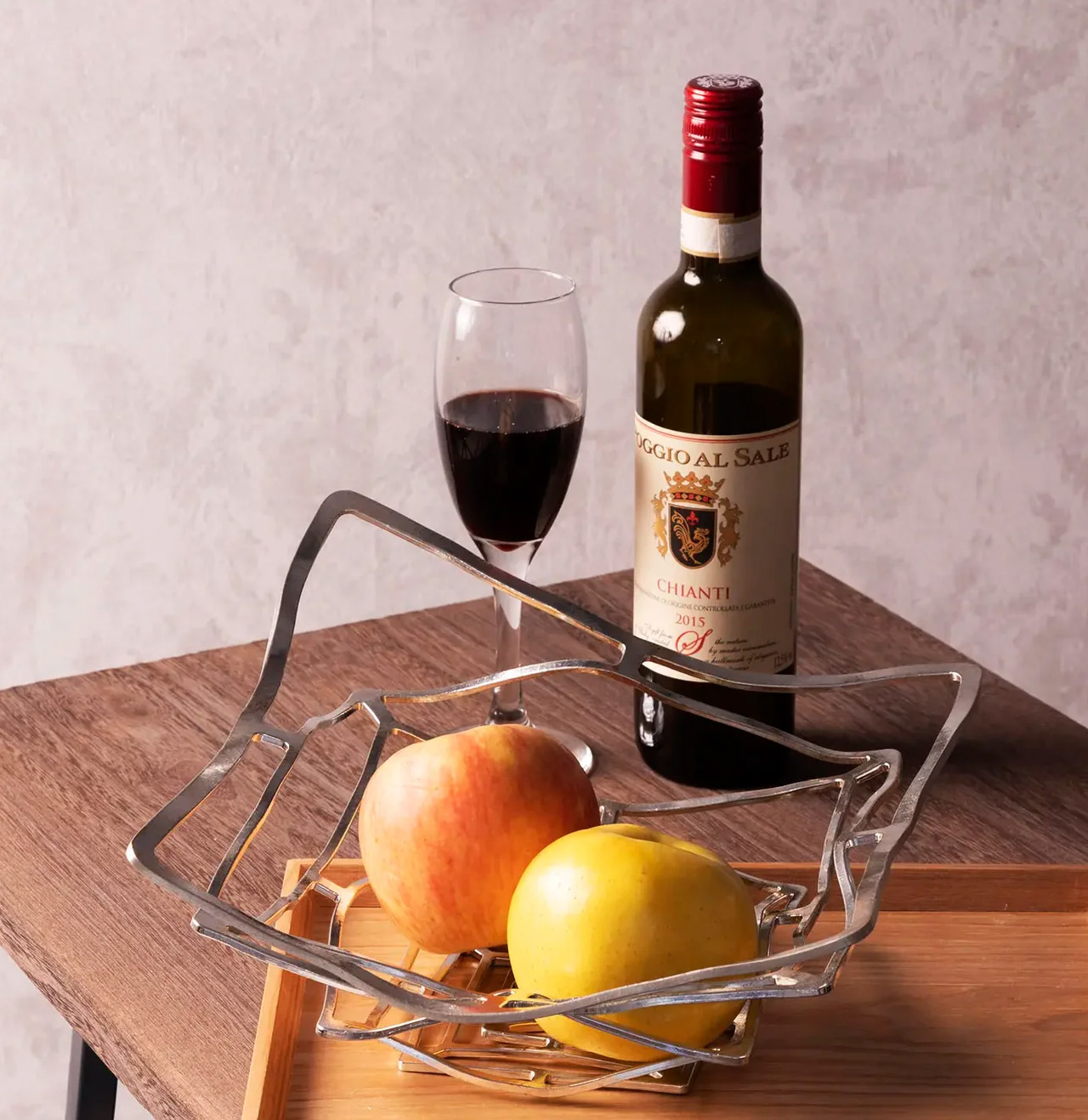

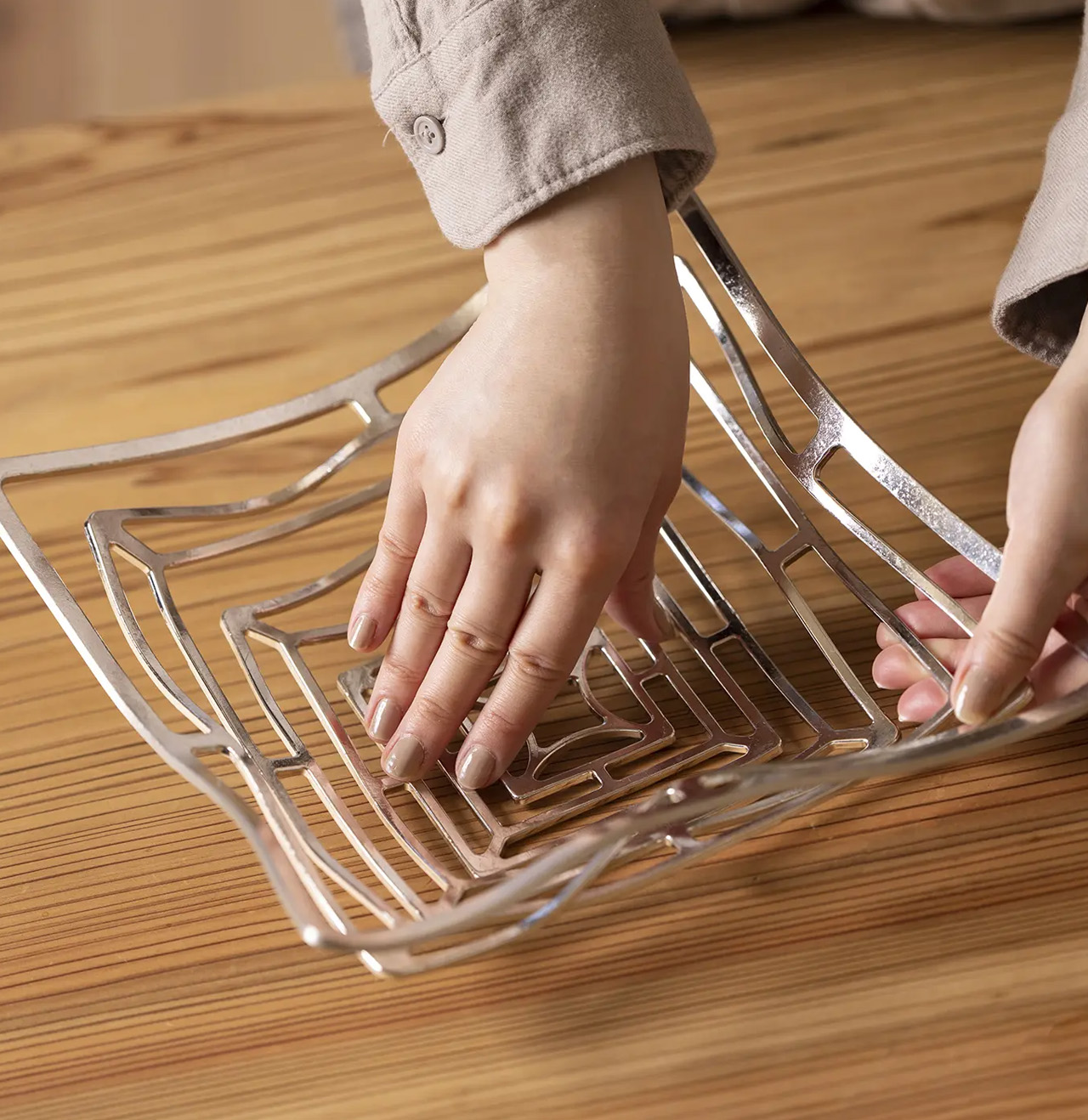
Nousaku’s KAGO Square begins as a flat metal grid, then becomes a basket through gentle shaping by hand. Designed by Rina Ono, it uses 100 percent tin, taking advantage of the material’s softness instead of adding other metals to make it rigid. The open structure can be lifted and curved into different profiles, changing both its outline and depth. It’s an unusually direct invitation to participate in a finished product: the recipient helps decide what shape the object will take.
That makes KAGO a strong gift for someone who enjoys arranging a table or handling an interesting material. Choose the size around its intended contents, since the range extends from a small square to much larger serving formats. The smaller versions make sense for little belongings; larger ones can hold fruit. Its flexibility does bring care requirements. Treat it as adaptable tableware, not a basket to handle roughly.
What we like
- Hand shaping makes the gift participatory.
- Several sizes suit different uses.
What we dislike
- Soft tin scratches easily.
- It needs protection from heat.
7. Sori Yanagi Stainless Steel Tongs
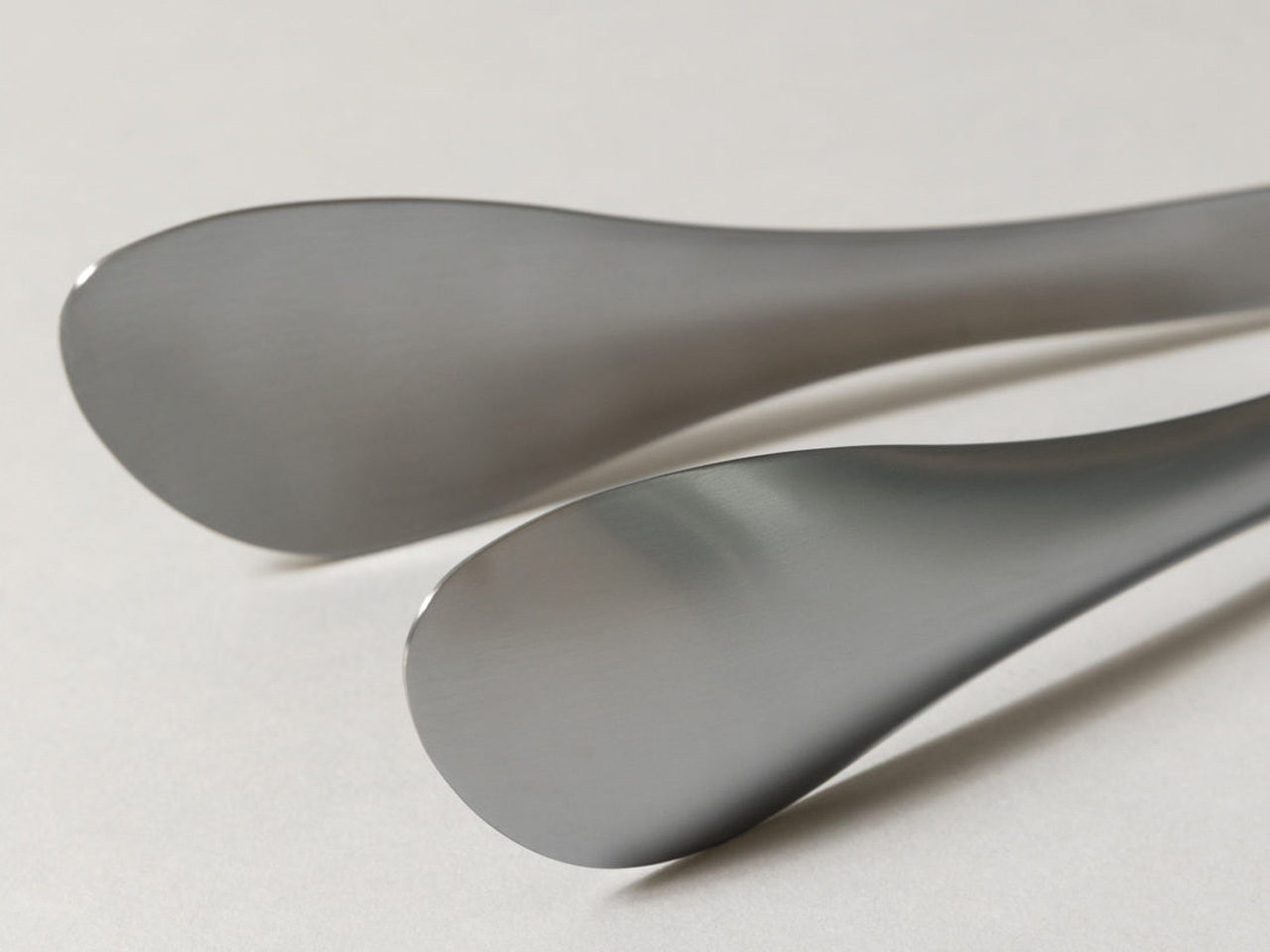
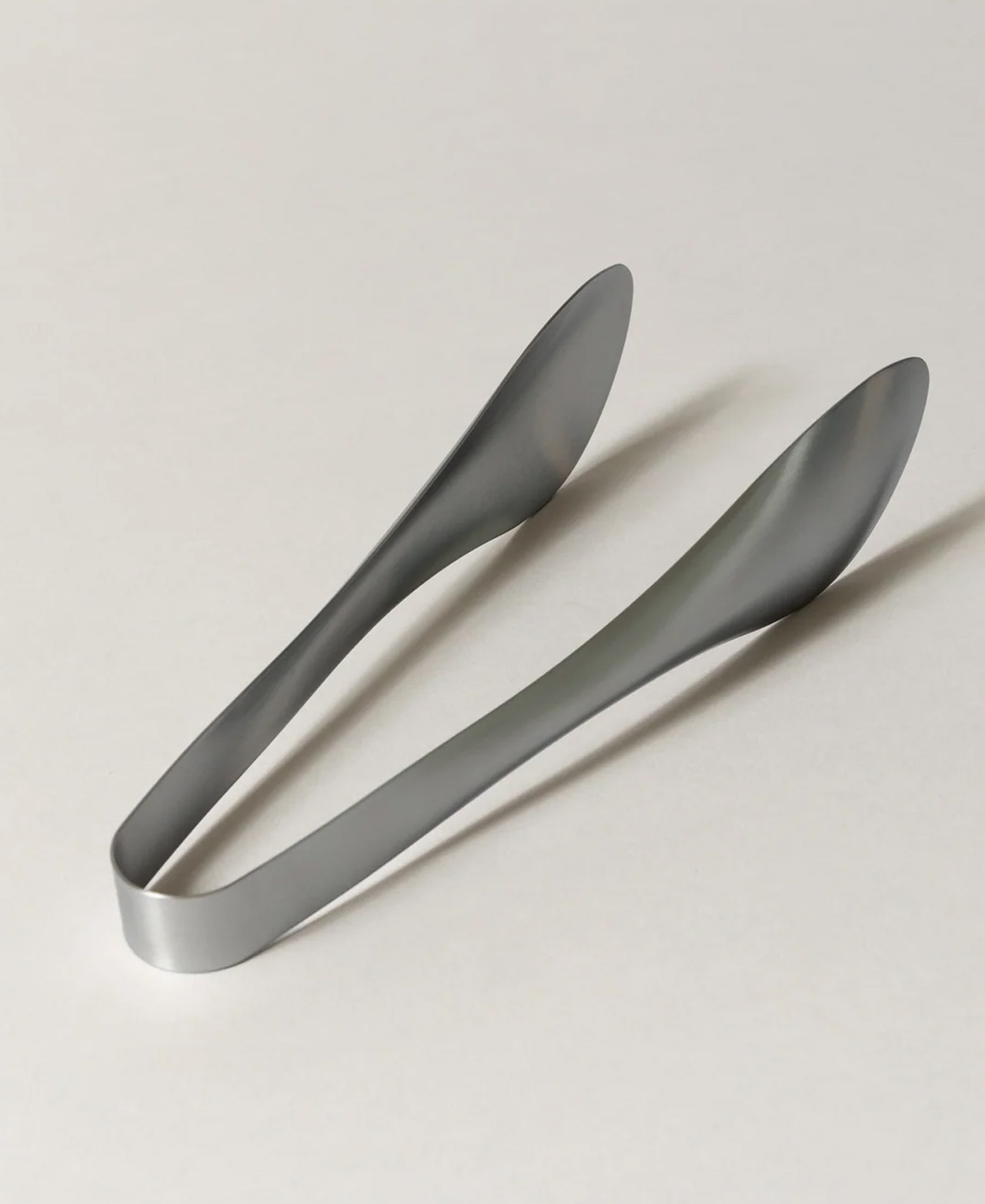

At 8.5 inches long, Sori Yanagi’s stainless steel tongs sit comfortably within the scale of everyday cooking and serving tools. Their appeal is that the same utensil can belong beside the stove and on the dining table, without a decorative handle added to make it presentable. Tortoise lists them as dishwasher-safe, an important practical detail for something likely to encounter oil, sauces, and sticky dressings. The restraint feels appropriate to an object whose job is picking food up.
These would suit the friend who enjoys cooking but already owns the obvious gifts. Instead of introducing a new appliance or specialized technique, they offer a considered version of an existing tool. Pair them with a handwritten recipe or ingredients for a shared meal to give the present some personal context. Their compact length also sets a boundary: they make more sense for close cooking and tabletop use than tasks where keeping hands far from the heat is the priority.
What we like
- Suitable for cooking and serving.
- Dishwasher-safe construction simplifies cleanup.
What we dislike
- Short reach isn’t ideal for a large grill.
- Check delicate cookware’s guidance before using metal utensils.
8. Invisible Shoehorn


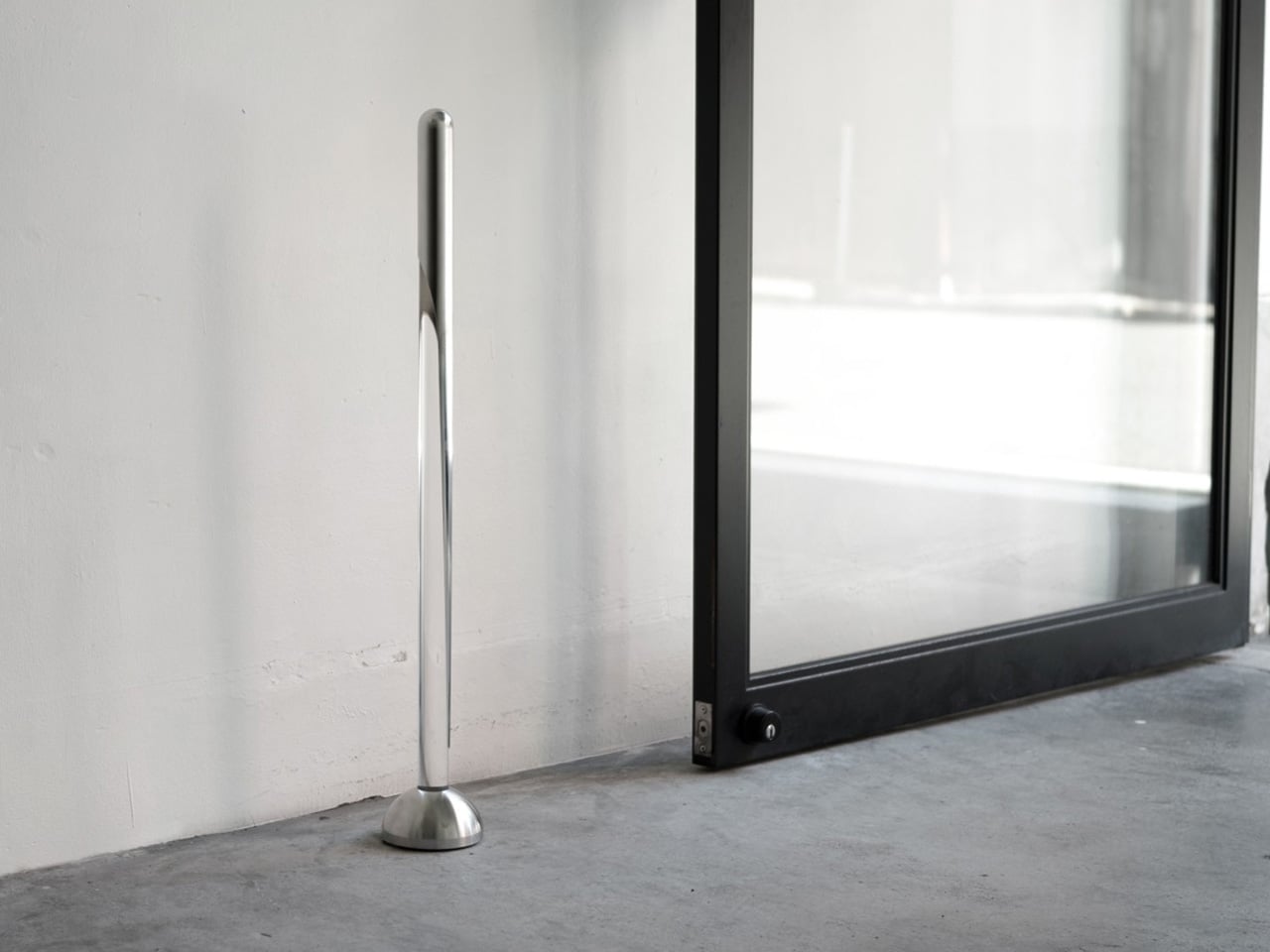
The Invisible Shoehorn gives an often-hidden household tool a place near the door. Designed by Kairi Eguchi, the Japanese-made object pairs a long stainless steel shoehorn with a transparent acrylic stand. Its roughly 70-centimeter height provides considerably more reach than a pocket version, while the polished steel and clear support reduce its visual weight. The name describes the intention rather than a literal disappearing act: the design tries to make a useful entryway object less conspicuous between uses.
For someone who already uses a shoehorn, the gift offers a more deliberate storage arrangement and a longer tool to reach for. That existing habit is important. At $299, this is too specific a purchase to make solely because the recipient owns attractive shoes. It also needs a permanent standing spot, making the available entryway space worth checking first. The strongest argument is that it keeps a frequently used tool accessible without asking the owner to leave a short plastic shoehorn on display.
Click Here to Buy Now: $299.00
What we like
- Long shaft provides extra reach.
- A dedicated stand keeps it accessible.
What we dislike
- The $299 price makes it a substantial gift.
- Requires standing space near the door.
9. TRAVELER’S COMPANY Brass Ballpoint Pen
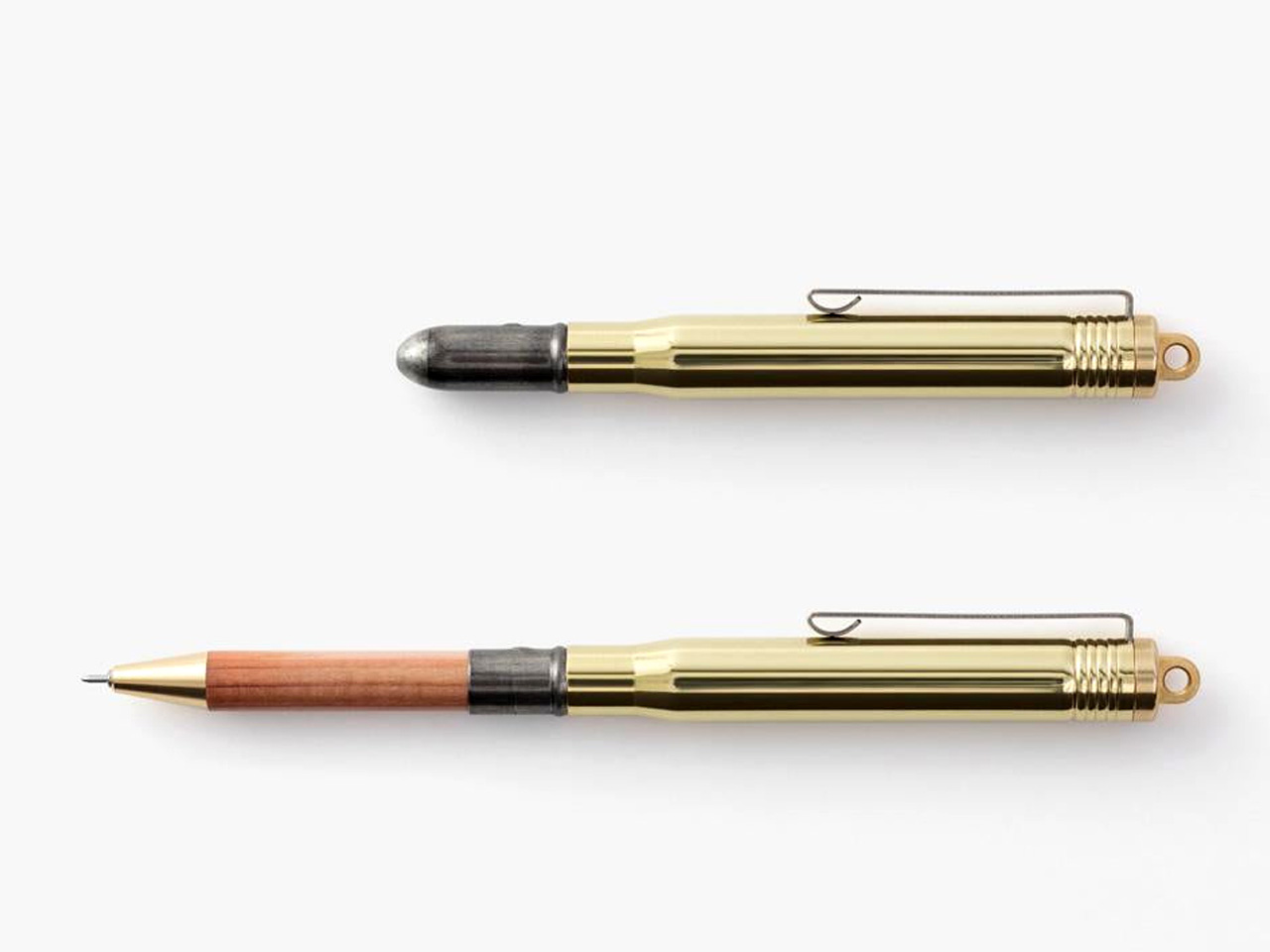
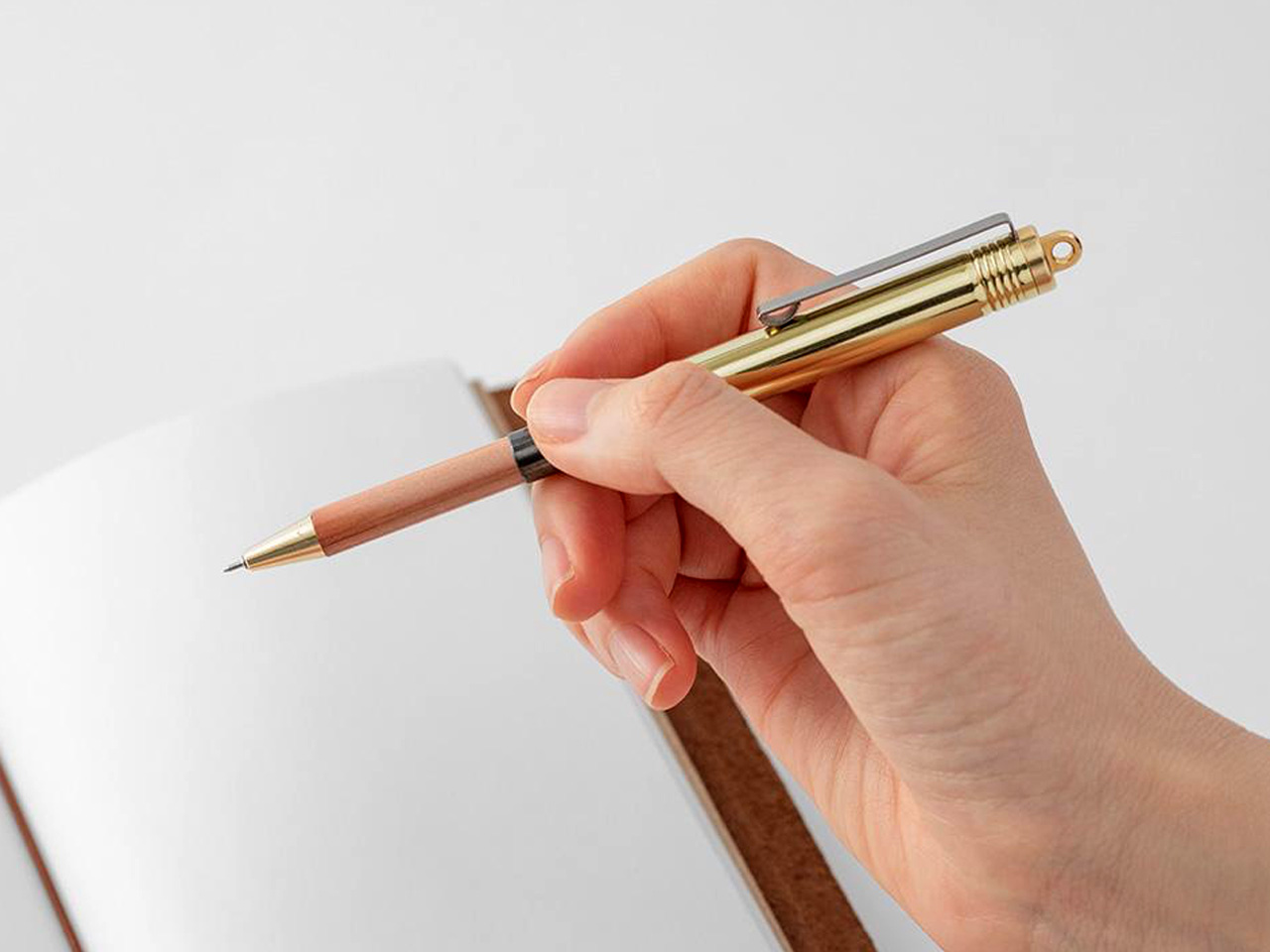
TRAVELER’S COMPANY builds this ballpoint around a compact brass holder and a separate writing section that stores inside it. Pull the pen out and fit it into its writing position when needed; put it away to regain the shorter carrying form. The design preserves the proportions of a traditional bullet pencil while using a refillable ballpoint. Made in Japan, it also includes a ring for attaching a cord or hook, giving the small object several possible ways to travel.
The material makes this particularly suitable for someone who likes possessions that show handling rather than resist every mark. TRAVELER’S COMPANY explains that oxidation gradually deepens the brass’s color, so the surface won’t remain exactly as it arrived. The Gentleman Stationer’s review also highlights the wooden writing section and fine needle-tip refill, useful distinctions from an all-metal pen. Add a notebook chosen around the recipient’s interests, but check replacement-refill compatibility rather than assuming any small ballpoint refill will fit inside.
What we like
- Compact storage form extends for writing.
- Replaceable ink gives it an ongoing use.
What we dislike
- Brass won’t retain its original bright appearance.
- Replacement refills require a compatibility check.
10. TOYO Steel T-190 Storage Box
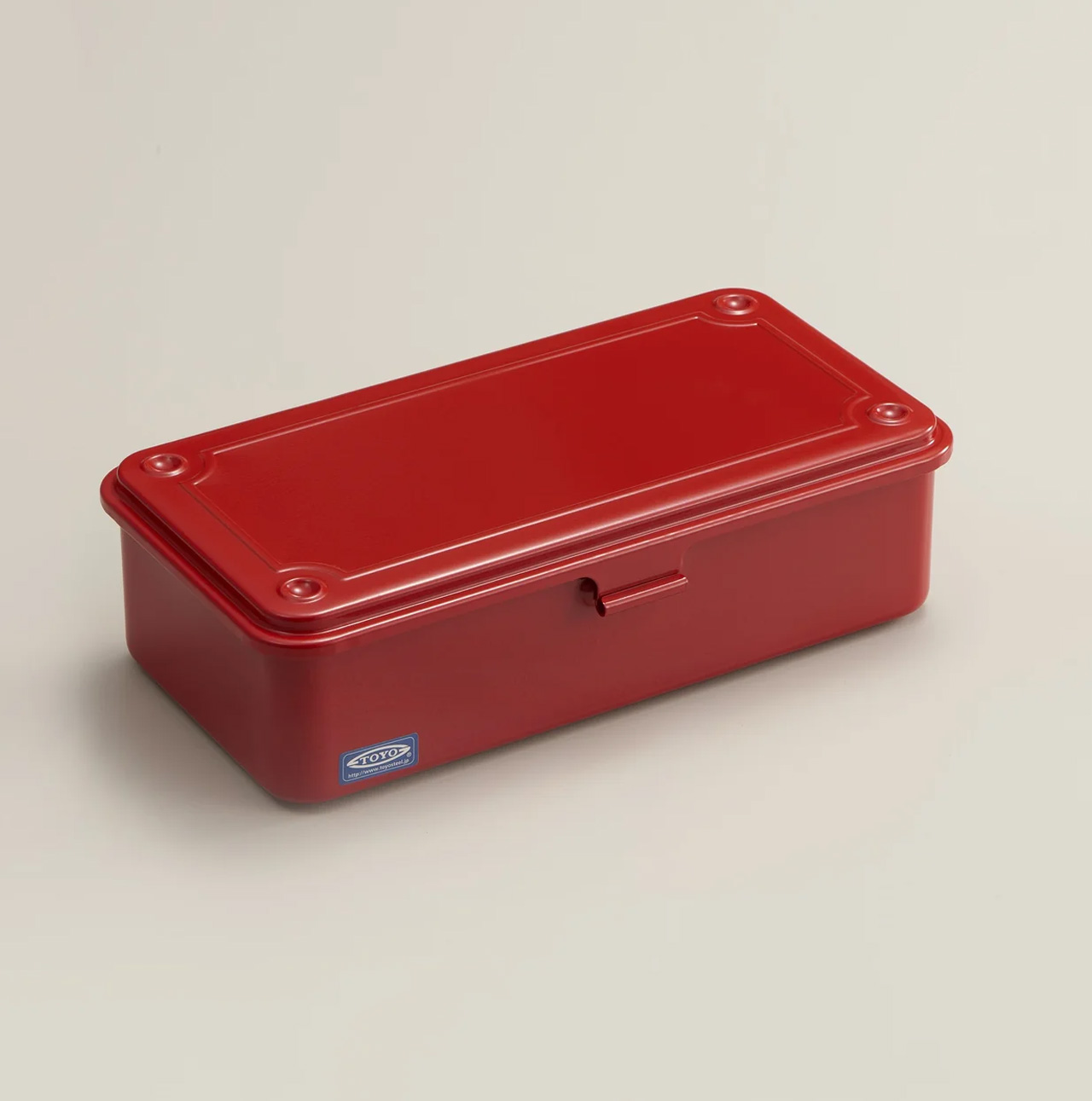

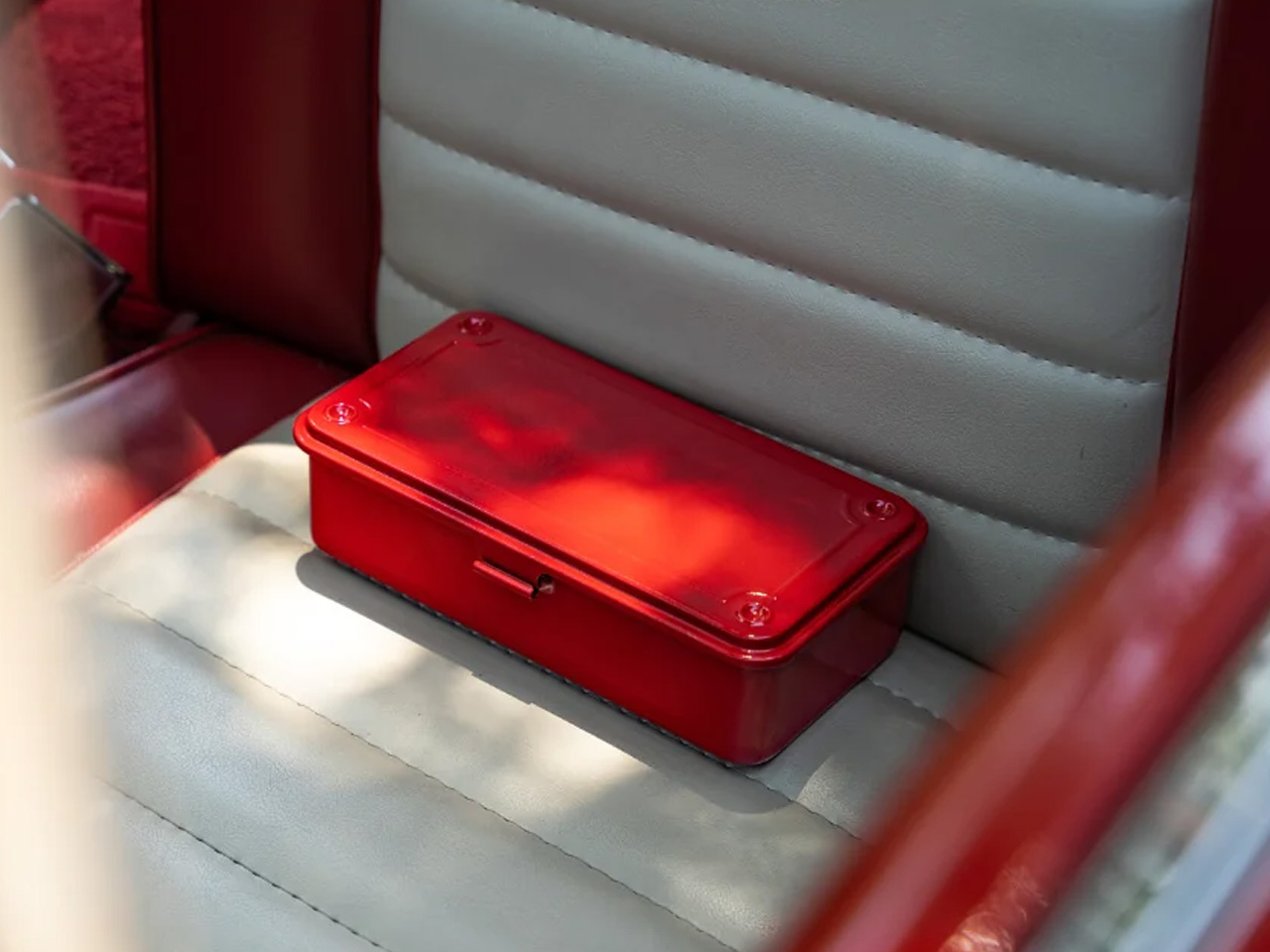
The TOYO Steel T-190 brings workshop storage down to the scale of stationery and small household supplies. Made in Japan, it has a flat lid and complementary impressions on the top and underside that allow multiple boxes to stack securely. AMEICO lists overall dimensions of 8 by 4 by 2 inches, making it a compact organizer rather than a full toolbox. Its straightforward steel construction leaves the contents, and the recipient, to determine what kind of storage it becomes.
This is one of the easiest objects here to personalize without altering the product itself. Fill it with sewing supplies, drawing materials, or a few carefully chosen desk essentials, and the container becomes part of the present rather than disposable wrapping. Choose a restrained finish for a minimal workspace, or use color to distinguish its contents. AMEICO notes that the painted surface has no clear protective topcoat and can develop chips and scratches. That workshop character should be part of the appeal.
What we like
- Stacking details support compact storage.
- Easy to personalize through the contents.
What we dislike
- Painted finish can chip and scratch.
- Shallow dimensions limit bulkier supplies.
Choose the Habit Before the Object
Before choosing, think about what the recipient already reaches for. A gift becomes more personal when it acknowledges an existing preference rather than proposes a better version of their personality. Ask a discreet question about mug size, check the space beside the shoe rack, or find out whether they prefer a fine pen. Those small checks can matter more than spending extra on a larger box or a famous name.
Leave room for the recipient to make the object their own, too. Include a recipe with a kitchen tool, write the first note on a separate card rather than inside their new notebook, and keep any care instructions with the gift. Practical details needn’t spoil the pleasure of opening it. They help the present move from its packaging into someone’s routine, which is where a thoughtful choice starts to matter.