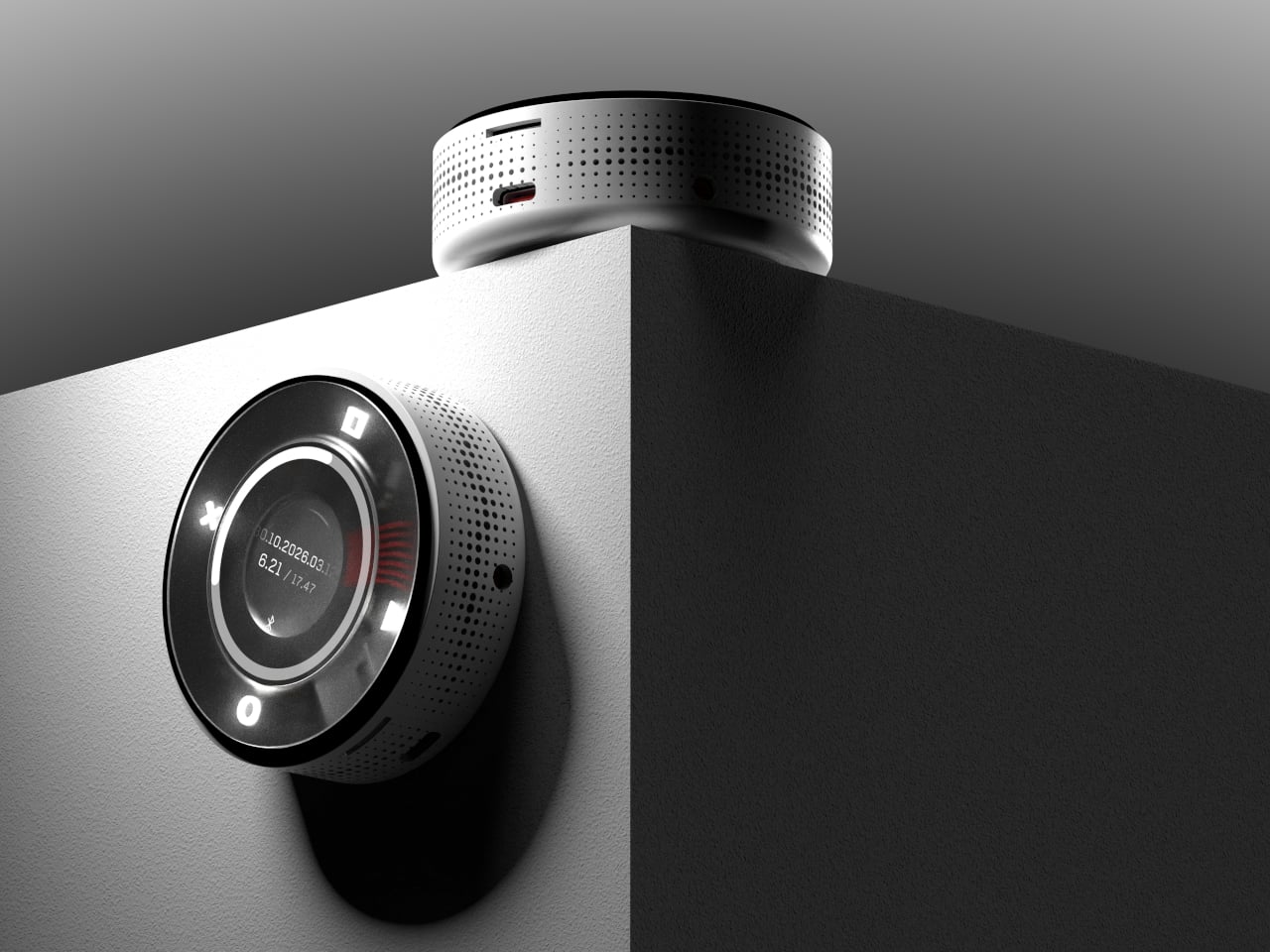

Remembering an idea shouldn’t require staring at a screen until you’ve forgotten what you wanted to say. REC DIAL proposes a more physical way to capture those passing thoughts, using a rotary disc and a central push-button display. Still a voice recorder concept, it gives your fingers something to turn and press instead of making another touchscreen the center of your attention.
The disc handles navigation through playback, volume adjustment, and recording lists, while pressing the circular display confirms a selection. That puts browsing and choosing in the same place, rather than scattering them across a tiny interface. You could work through yesterday’s voice notes with a turn and a press, keeping the screen for information instead of asking it to handle every interaction.
Designer: Vishesh Singh, Kunal Sharma
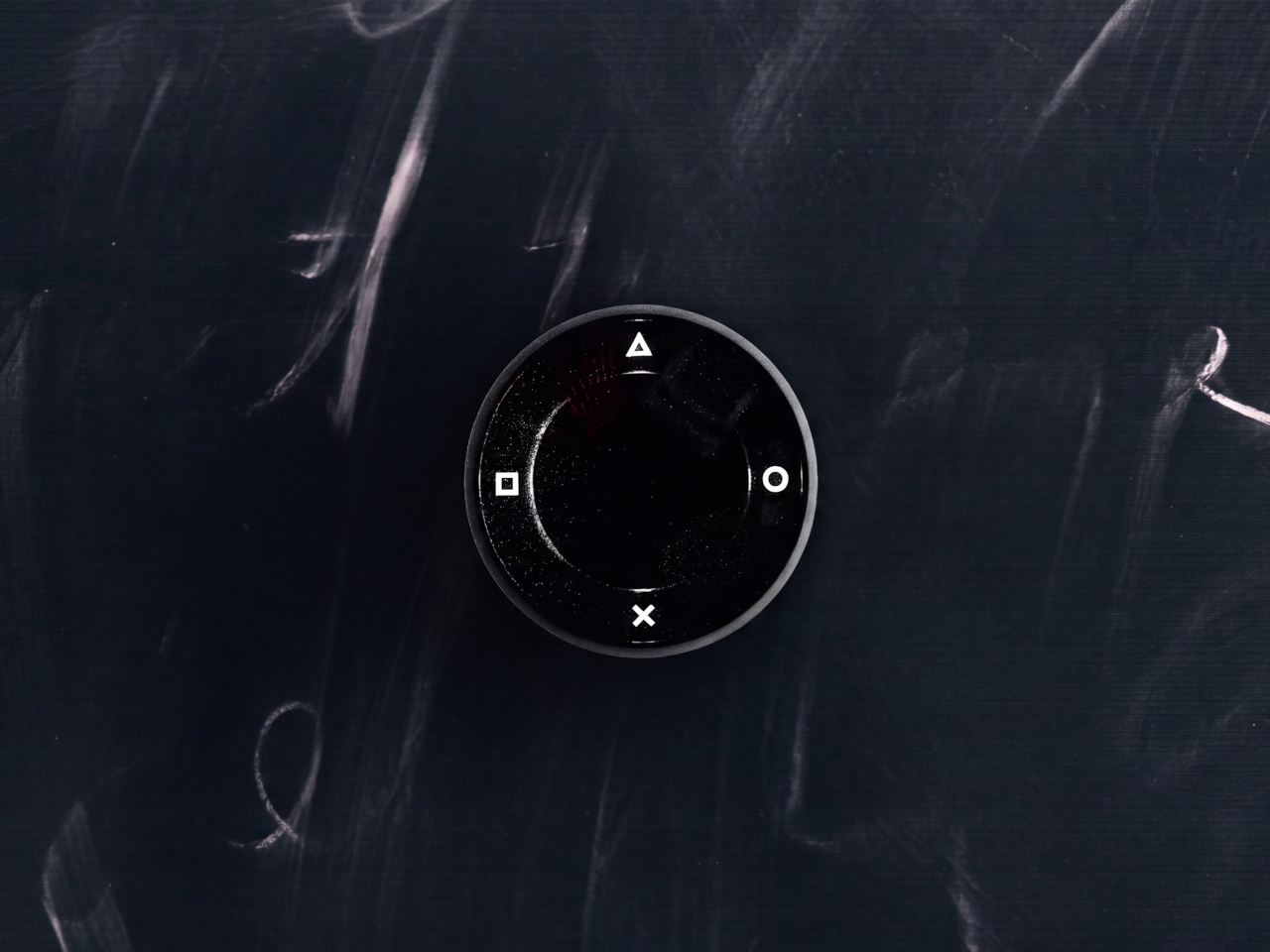
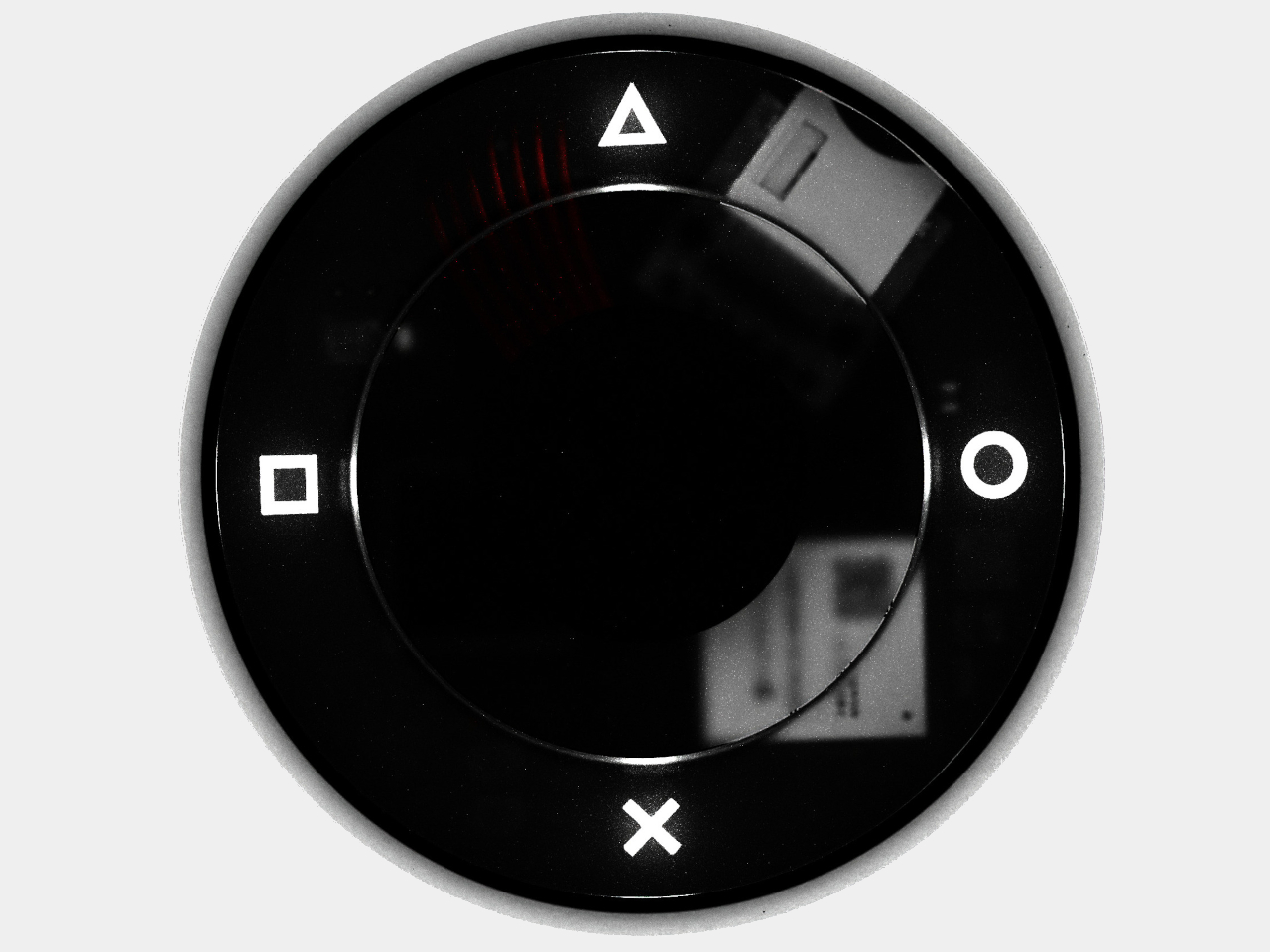
Four additional buttons keep other controls separate from that rotating interface. Their triangle, square, circle, and cross symbols give the face a faint game-controller familiarity, rather than the businesslike appearance of a traditional dictation machine. Those familiar shapes aren’t a complete instruction manual, though. The project doesn’t explain each button’s job, so calling the whole arrangement instantly intuitive would be getting ahead of ourselves.
The white outer body wraps around a black-tinted glass panel that offers glimpses of the components beneath. That translucent surface makes the electronics part of the appearance rather than simply hiding them behind a dark screen. The circular outline and rounded edges keep the contrast from feeling severe, giving the recorder a softer presence than the usual rectangular slab of office equipment.
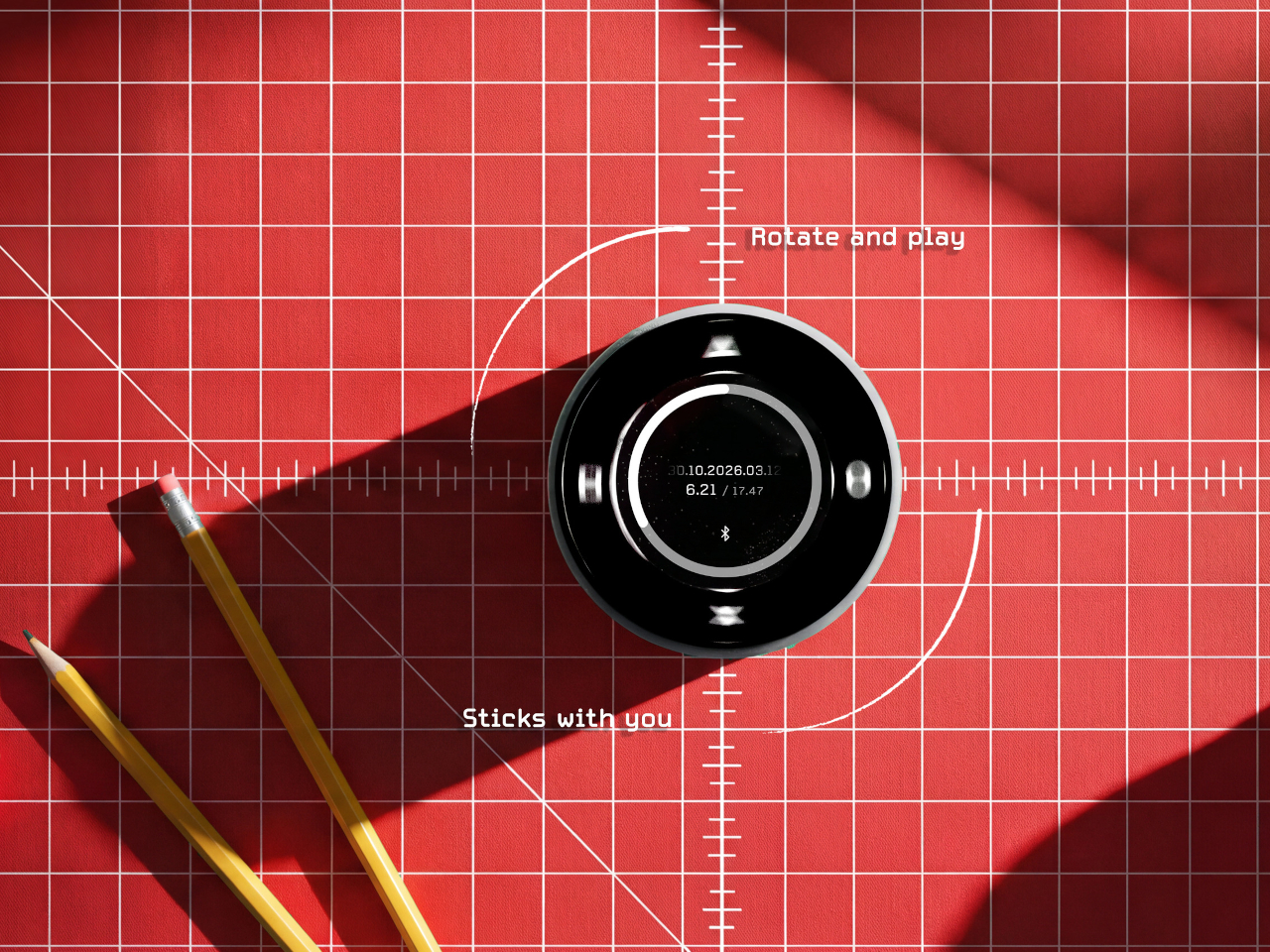

Circular detailing across the body is intended to reflect the movement of sound, giving the recorder a visual theme beyond its black-and-white finish. Rows of perforations wrap the sides, adding texture to the short cylindrical shell. There’s a faint resemblance to a miniature speaker, which makes sense for an object designed around capturing and playing back the things you want to remember.
A magnetic rubber pad expands where the recorder could live. Attached to a compatible refrigerator door, it could hold a spoken reminder for the household; worn on clothing, it could keep the controls accessible without occupying your hands. That puts the same object somewhere between a personal notebook and a family message board, depending on where you decide to leave it afterward.
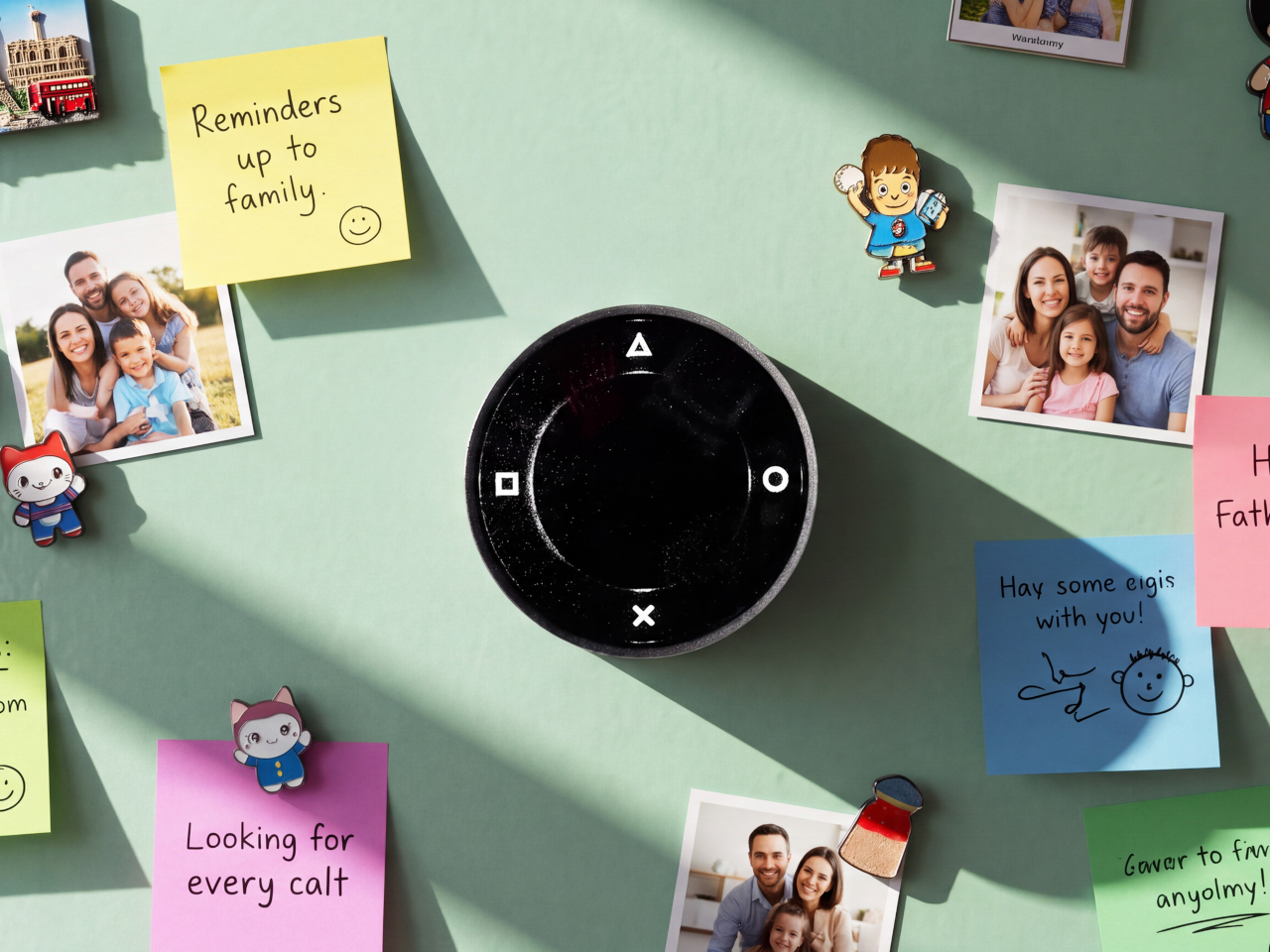
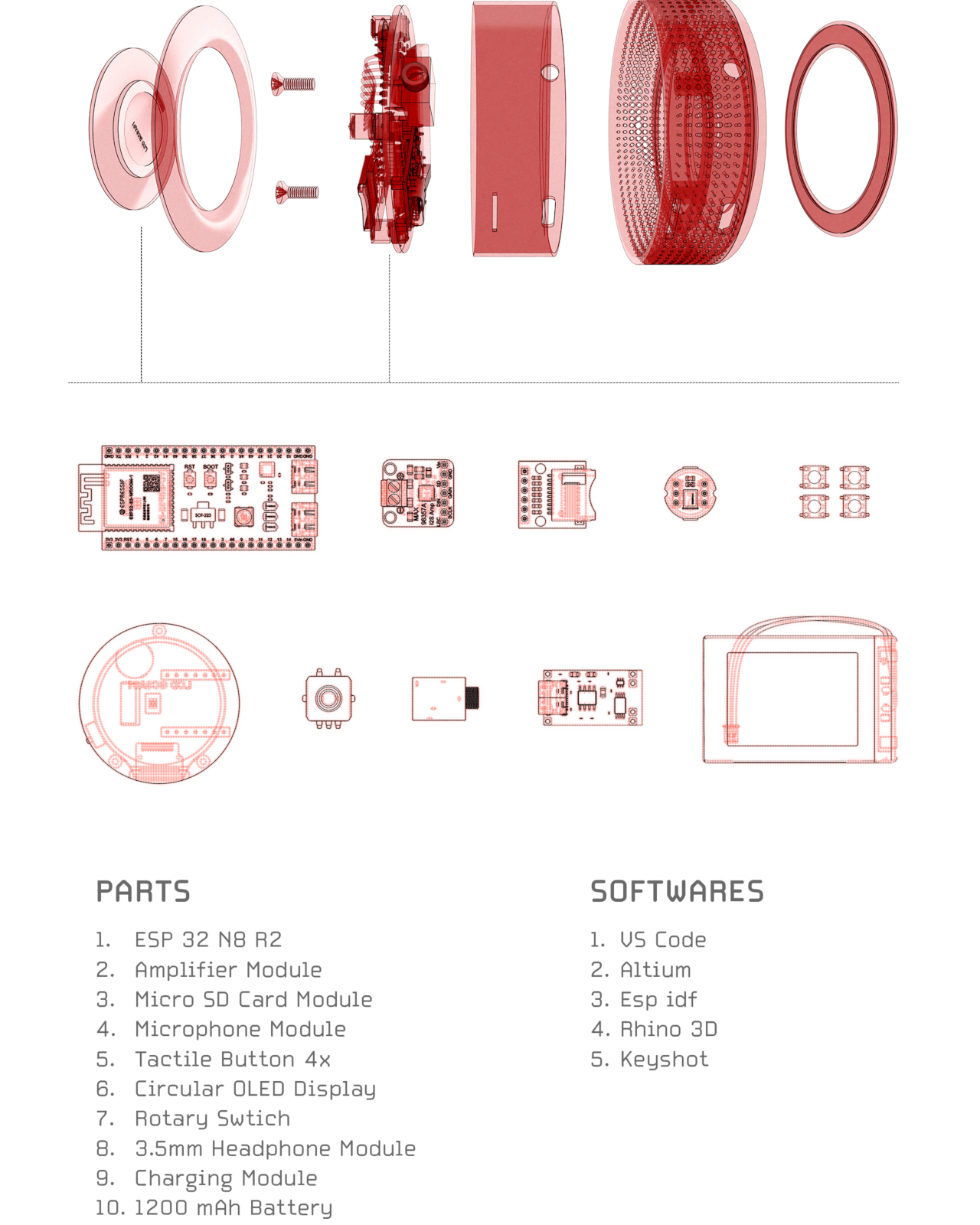
A microSD card module, a headphone connection, and a 1,200mAh battery appear in the proposed component list, keeping the basic recording hardware inside the little cylinder. That arrangement could suit someone who wants to collect voice notes separately from a phone, then listen back through wired headphones. Battery life, recording formats, and the method for transferring files haven’t been specified in the supplied material.
The real test would come when the recorder is attached to a shirt or refrigerator. Turning the dial and pressing its center shouldn’t pull the whole thing out of position. The magnetic pad and physical interface need to cooperate, rather than making one hand hold the recorder while the other operates it. Otherwise, that hands-free convenience could become an awkward juggling act.