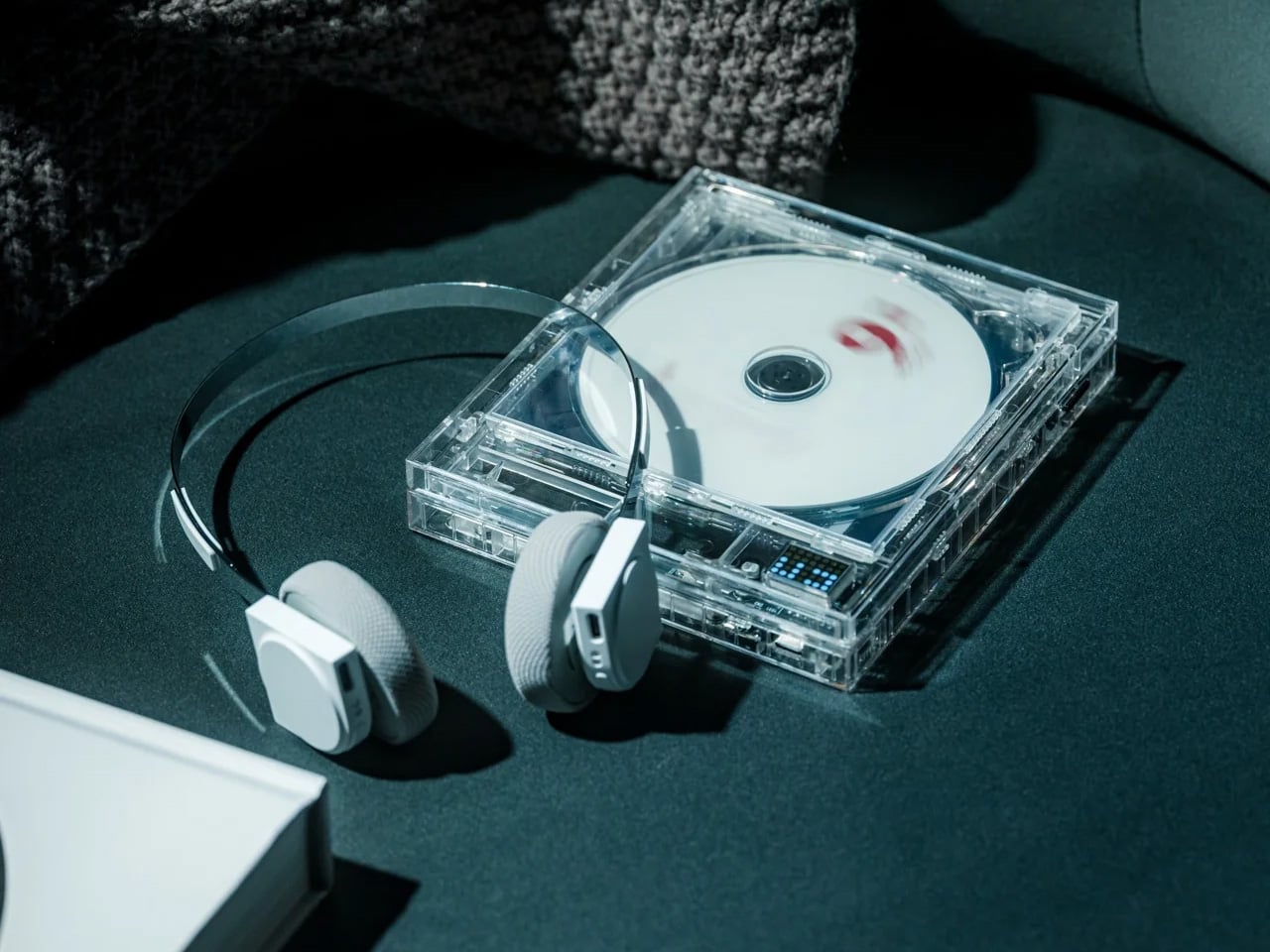

The ClearFrame CD Player gives a compact disc the sort of display space usually reserved for a favorite print. Its transparent body leaves the black circuit board visible, turning the machinery into part of the composition. That’s the appeal of transparent tech done well: the enclosure gives you something worth looking at, even before you turn the object on. There’s more to work with than another interesting choice of color.
This collection takes that idea across music, typing, charging, and gaming. The five picks use clear or translucent housings in different ways, from exposing switches to borrowing the familiar outline of a mix tape. Think of it as an editorial wish list for a more personal setup, not a ranking based on hands-on testing. These are existing product selections, with practical compromises that matter as much as their very photogenic shells.
1. ClearFrame CD Player
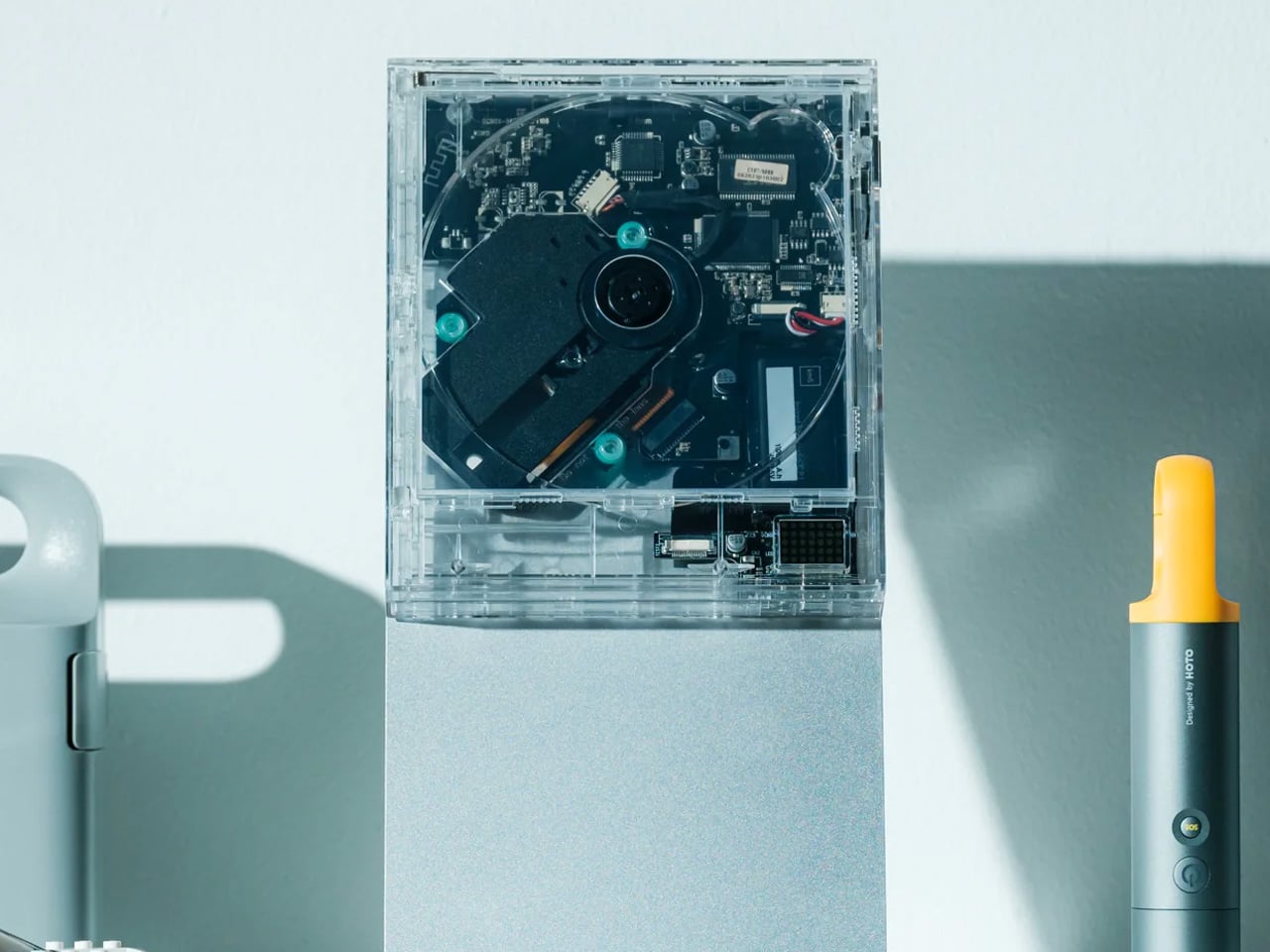
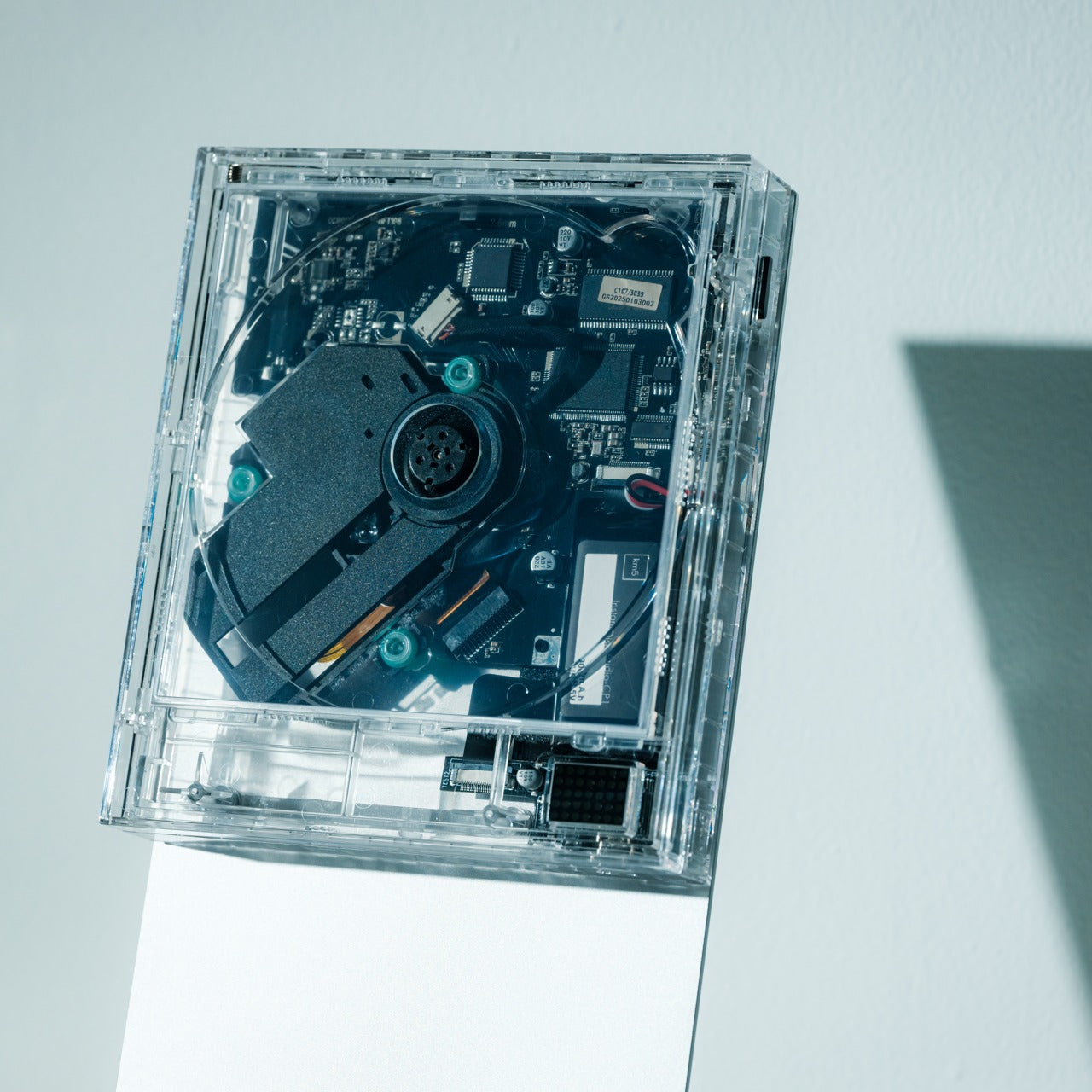

ClearFrame earns the first spot because its transparency gives physical music a convincing place in a room. The square polycarbonate housing surrounds the disc with visible black circuitry, creating a composition that doesn’t need a screen full of album recommendations to stay interesting. Leave it beside your favorite records or on a desk, and the player becomes part of the arrangement. The hardware has enough visual structure to hold its own without an elaborate listening corner built around it first.
Bluetooth 5.1 output sends music to compatible wireless speakers or headphones, while a 3.5mm jack keeps wired listening available. USB-C handles charging, and it offers approximately seven to eight hours of playback from the rechargeable battery. Starting at $200, this is a deliberate purchase for someone who already wants to play CDs. Budget for the display arrangement: the upright stand and wall mount are optional purchases, so recreating an upright shelf setup costs more than the player alone does.
Click Here to Buy Now: $200.00
What we like
- Exposed circuitry makes the hardware part of the display.
- Bluetooth and wired outputs accommodate different listening setups.
What we dislike
- The stand and wall mount cost extra.
- A $200 starting price demands a real interest in CDs.
2. Lofree 1% Transparent Mechanical Keyboard
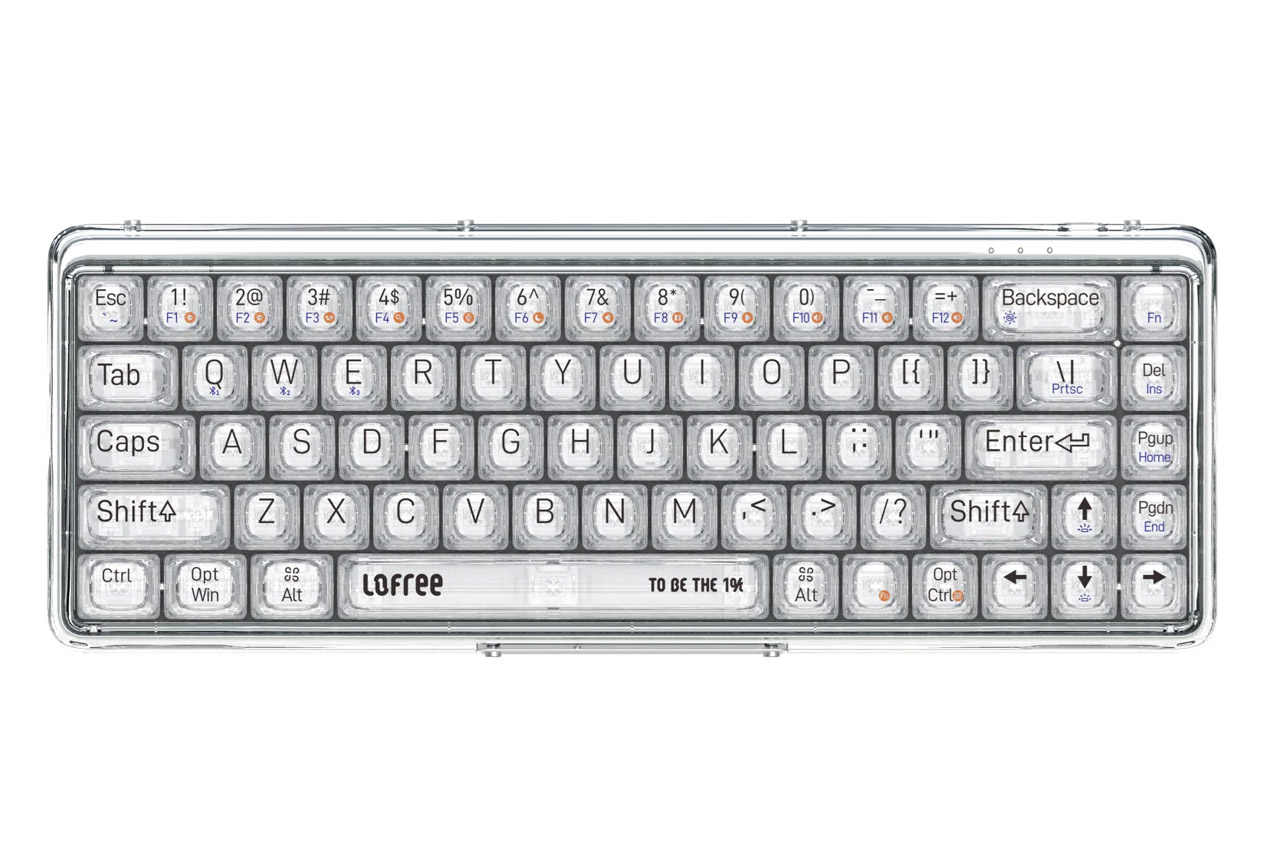

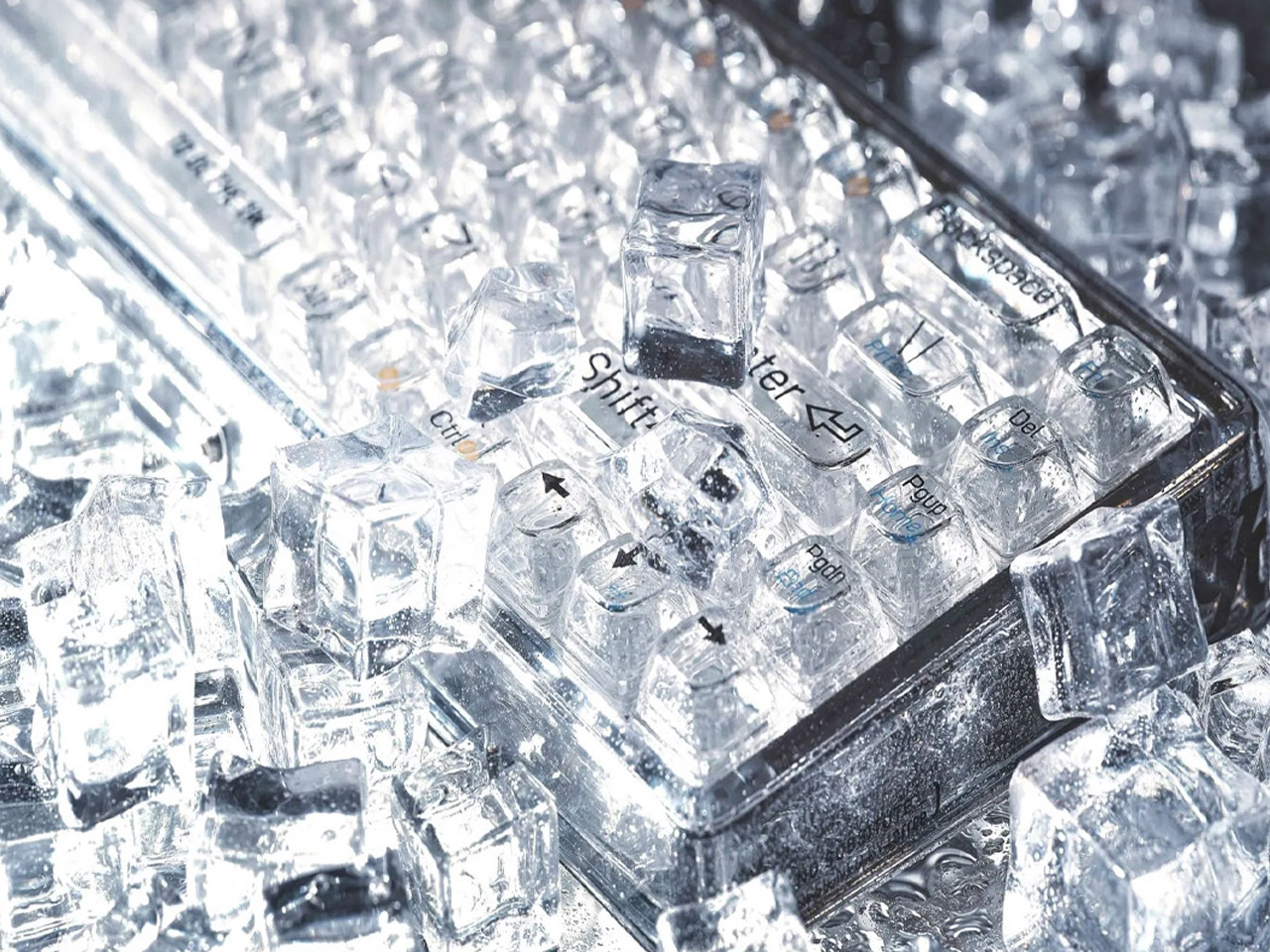
The 1% Transparent makes its case one key at a time. Lofree uses clear polycarbonate keycaps over transparent Kailh Jellyfish linear switches, with a mirrored base giving the assembly an almost icy appearance. White backlighting keeps the visual language consistent rather than throwing another color palette into the mix. The effect comes from repeating the same small transparent structure across the board, making the keys themselves the decoration. It’s a more interesting centerpiece than a keyboard wearing a decorative clear cover.
The compact 68-key layout leaves out a dedicated number pad, which makes sense if your desk also needs room for a mouse, notebook, and coffee. Bluetooth and USB-C connections let you choose between a wireless arrangement and a wired one. At $219, the important reservation is customization: Lofree’s current specifications say the switches aren’t hot-swappable. Buy it because you want this particular combination of transparent construction and linear switches, rather than expecting an open-ended platform for swapping parts later on.
What we like
- Transparency extends through the keycaps and switch housings.
- A compact layout leaves more room for other desk essentials.
What we dislike
- The switches aren’t hot-swappable.
- There’s no dedicated number pad for frequent spreadsheet work.
3. SHARGE Shargeek 170 Power Bank
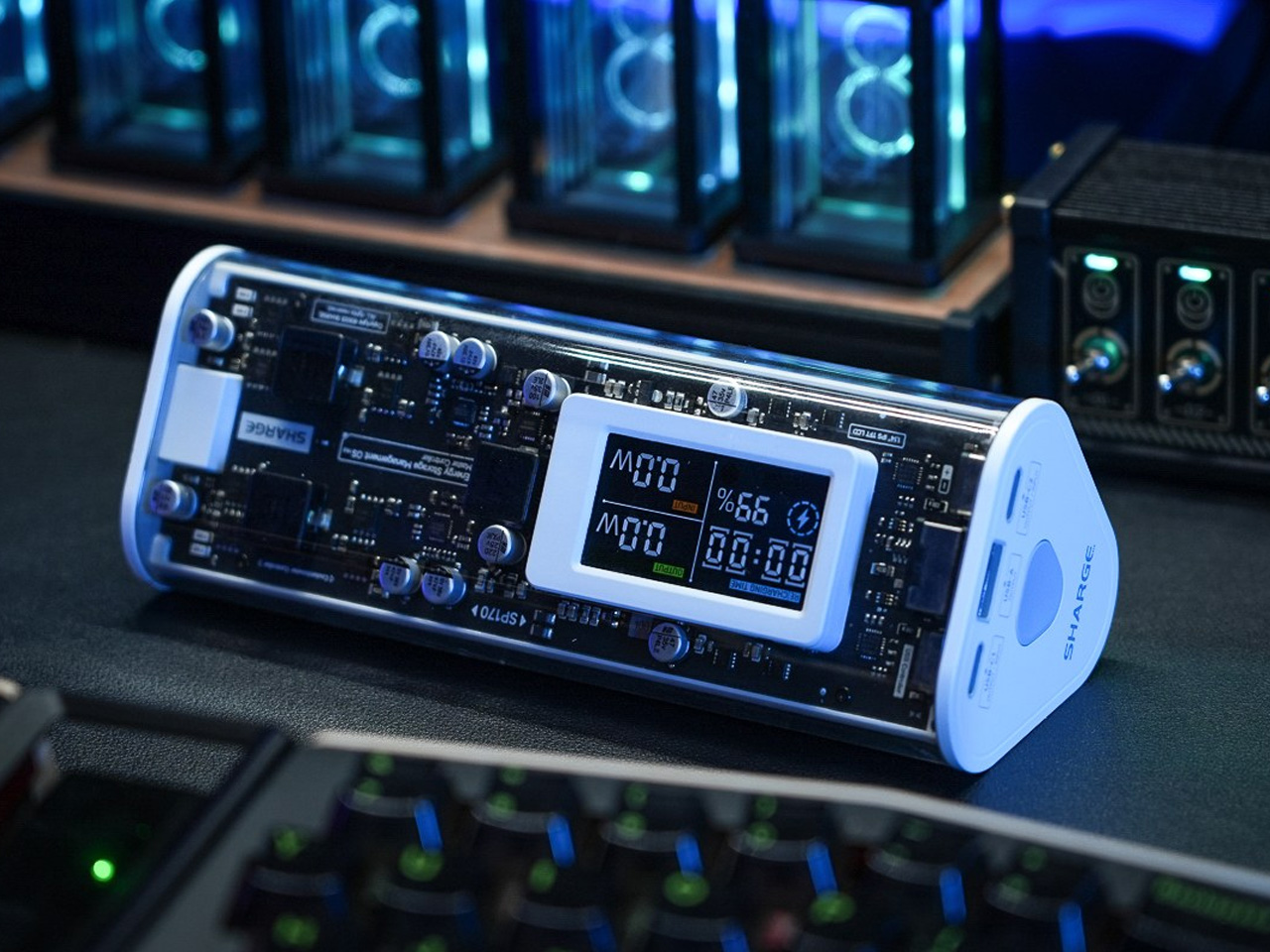


A power bank usually disappears into a bag until something needs charging. The Shargeek 170 makes a case for leaving it visible. Its transparent prism enclosure exposes the battery cells and circuitry, giving the object a recognizable structure rather than relying on graphics printed across an opaque box. A built-in display adds information to that presentation, showing power status and charging performance. There’s a useful relationship between what you see through the case and what you read on the screen.
SHARGE lists a 24,000mAh capacity, two USB-C ports, and one USB-A port, with up to 170W combined output. That headline figure isn’t the maximum for one laptop: a single USB-C port tops out at 140W, subject to compatible equipment. The tradeoff is its listed 680-gram weight, making this a bag-carried accessory rather than an easy pocket companion.
What we like
- Three ports accommodate a mixed collection of devices.
- The display makes charging information visible at a glance.
What we dislike
- Its 680-gram weight adds a noticeable load to a bag.
- The 170W headline refers to combined output, not one port.
4. Side A Cassette Speaker

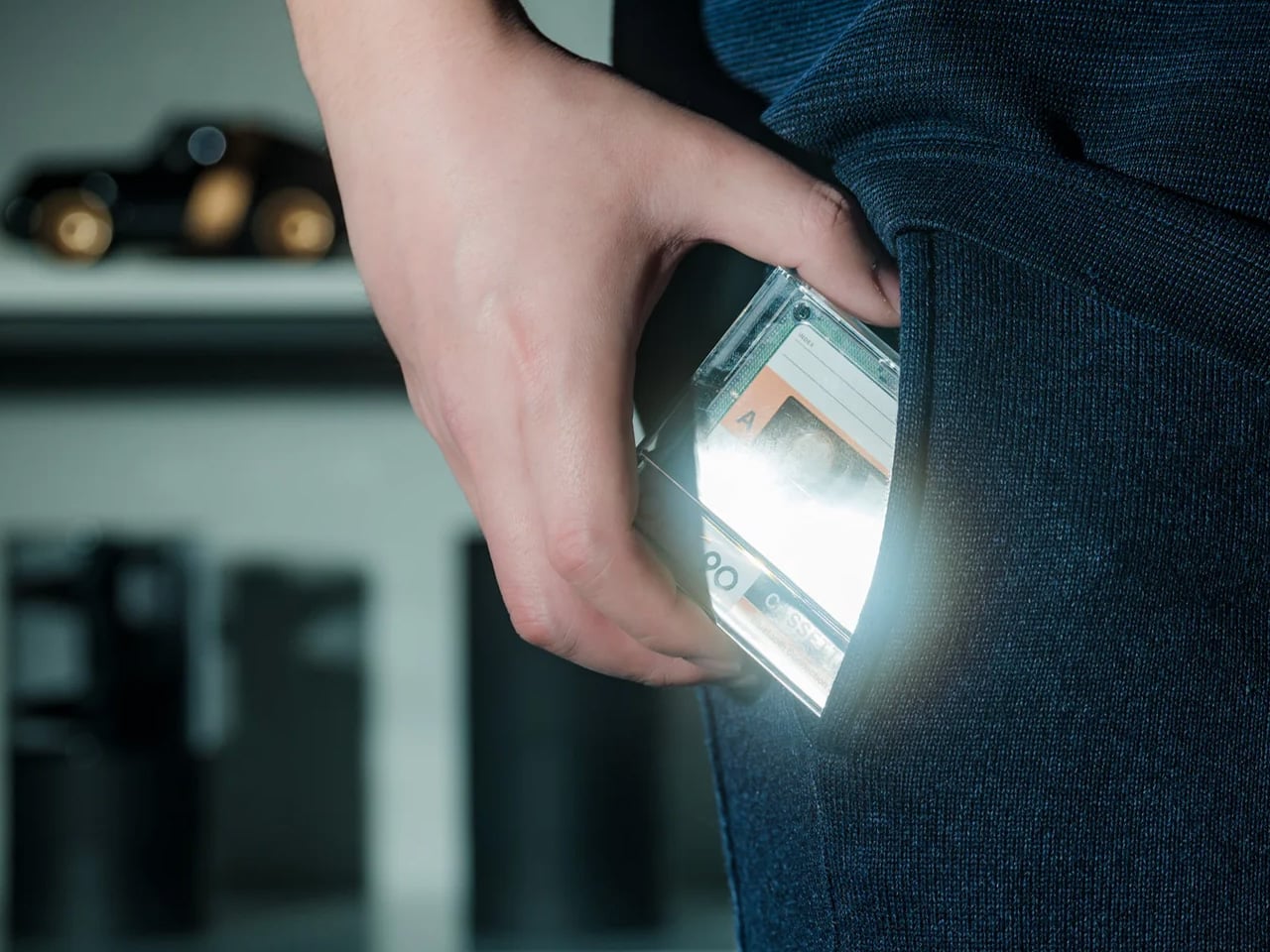
The Side A Cassette Speaker borrows the cassette’s identity without asking you to start a tape collection. Its transparent shell and familiar label surround a digital speaker, not a tape mechanism. That distinction makes it a very different purchase from the ClearFrame: this one brings the appearance of physical media to music you already play digitally. The clear storage case doubles as a stand, turning the speaker and its packaging into a small desktop arrangement rather than two separate objects.
At $49, it’s a less expensive way into the transparent audio look. Bluetooth 5.3 handles wireless playback, while a microSD slot lets you give it a selection of MP3 files without using a phone as the source. That second option makes the mixtape reference more convincing: you can assemble a collection specifically for this little object. It offers up to six hours of playback and a two-hour recharge, though those figures shouldn’t be mistaken for independently measured battery results.
What we like
- The included storage case also works as a display stand.
- microSD playback gives it a phone-free listening option.
What we dislike
- Despite its appearance, it cannot play cassette tapes.
- Card playback supports MP3 files only.
5. GameSir Pocket Taco in Voltage Purple
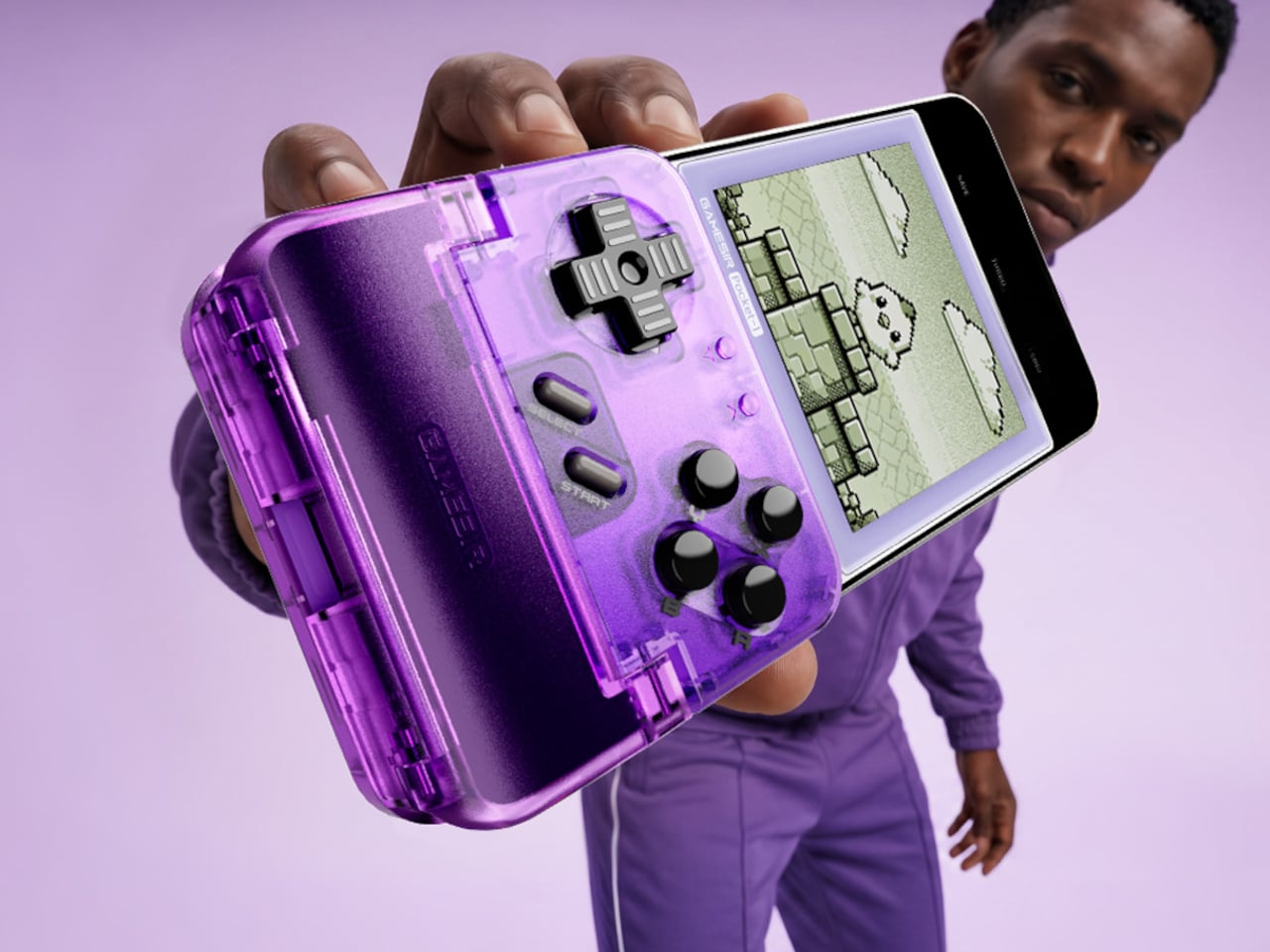
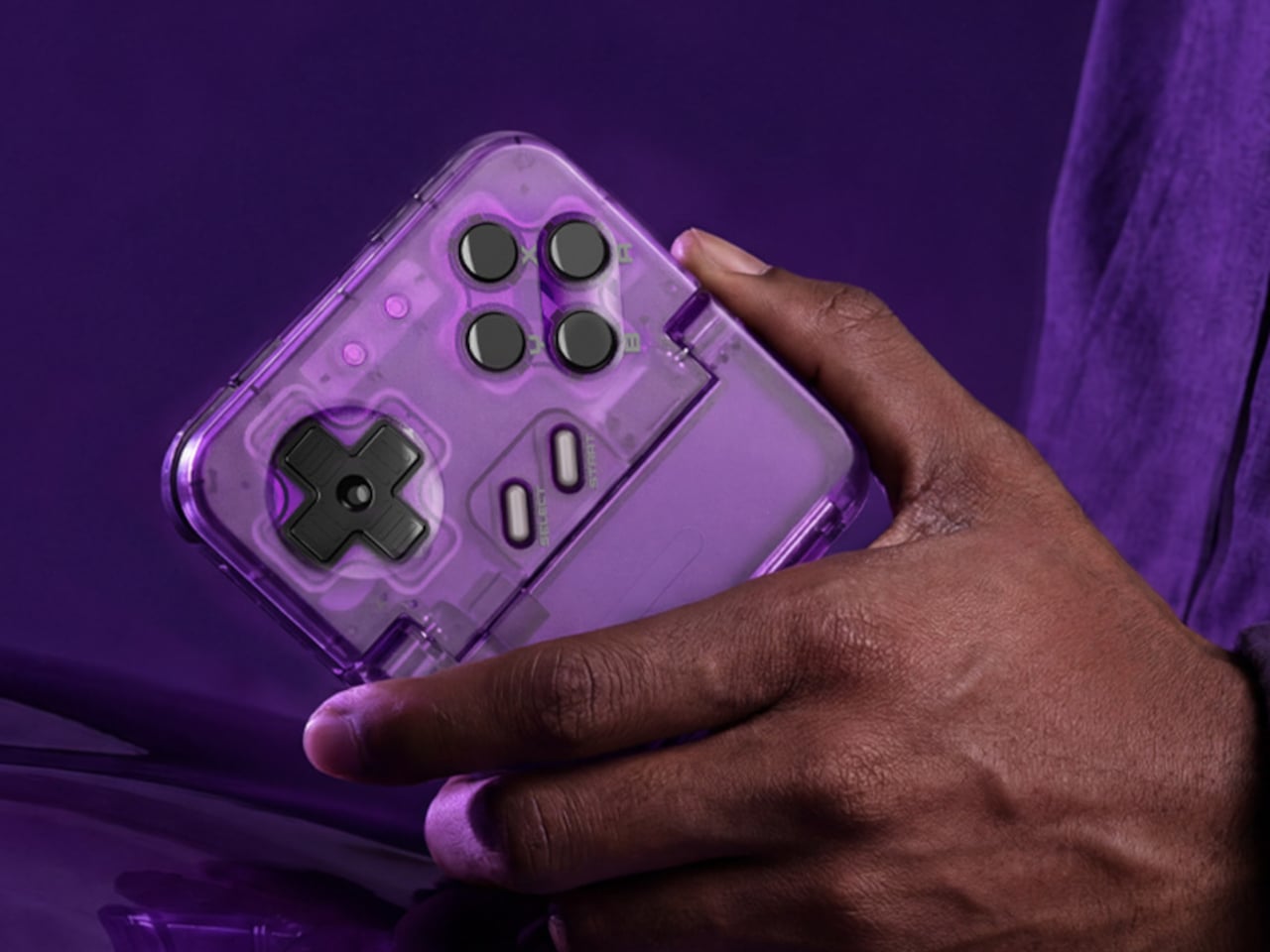
GameSir’s Pocket Taco supplies the color this collection needs. The Voltage Purple version uses a translucent housing around a clamp-style controller that attaches below your phone, creating a vertical handheld silhouette. The black D-pad and face buttons remain visually distinct against the purple body, so the exposed construction doesn’t overwhelm the controls. Unlike an accessory that merely changes how a phone looks, this changes where your thumbs go, giving supported games physical inputs beneath the screen instead of over it.
The official listing prices Voltage Purple at $34.99 and specifies Bluetooth connectivity, a 600mAh battery, membrane face buttons and D-pad, plus tactile-switch bumpers and triggers. GameSir lists the controller at 62.2 grams, keeping the accessory itself relatively light. Its usefulness depends on what you play, though. The portrait arrangement is more convincing for suitable retro games than landscape-first titles, and the button-led layout lacks analog sticks. Check your phone and game compatibility before treating it as a universal mobile controller.
What we like
- Translucent purple gives the collection a welcome change of color.
- Physical controls create a distinct portrait-gaming setup.
What we dislike
- The vertical format won’t suit every mobile game.
- There are no analog sticks for games that depend on them.
Look Past the Clear Shell
Before buying, decide what job you want the object to do when nobody is looking at it. A beautiful player still needs music you want to hear, and an unusual controller needs games that suit its layout. That sounds obvious, but a strong product photograph can move those questions surprisingly far down the list. Start with the activity, then decide how much the exposed hardware adds to your enjoyment afterward.
You also don’t need an entirely transparent setup to make the idea work. One carefully chosen object can supply enough visual detail for a desk or shelf, leaving everything around it quieter. Give that object room, keep the cables considered, and resist buying matching pieces simply to complete the theme. The purchase should make sense after the initial fascination fades, when you’re using it rather than arranging another photograph again.