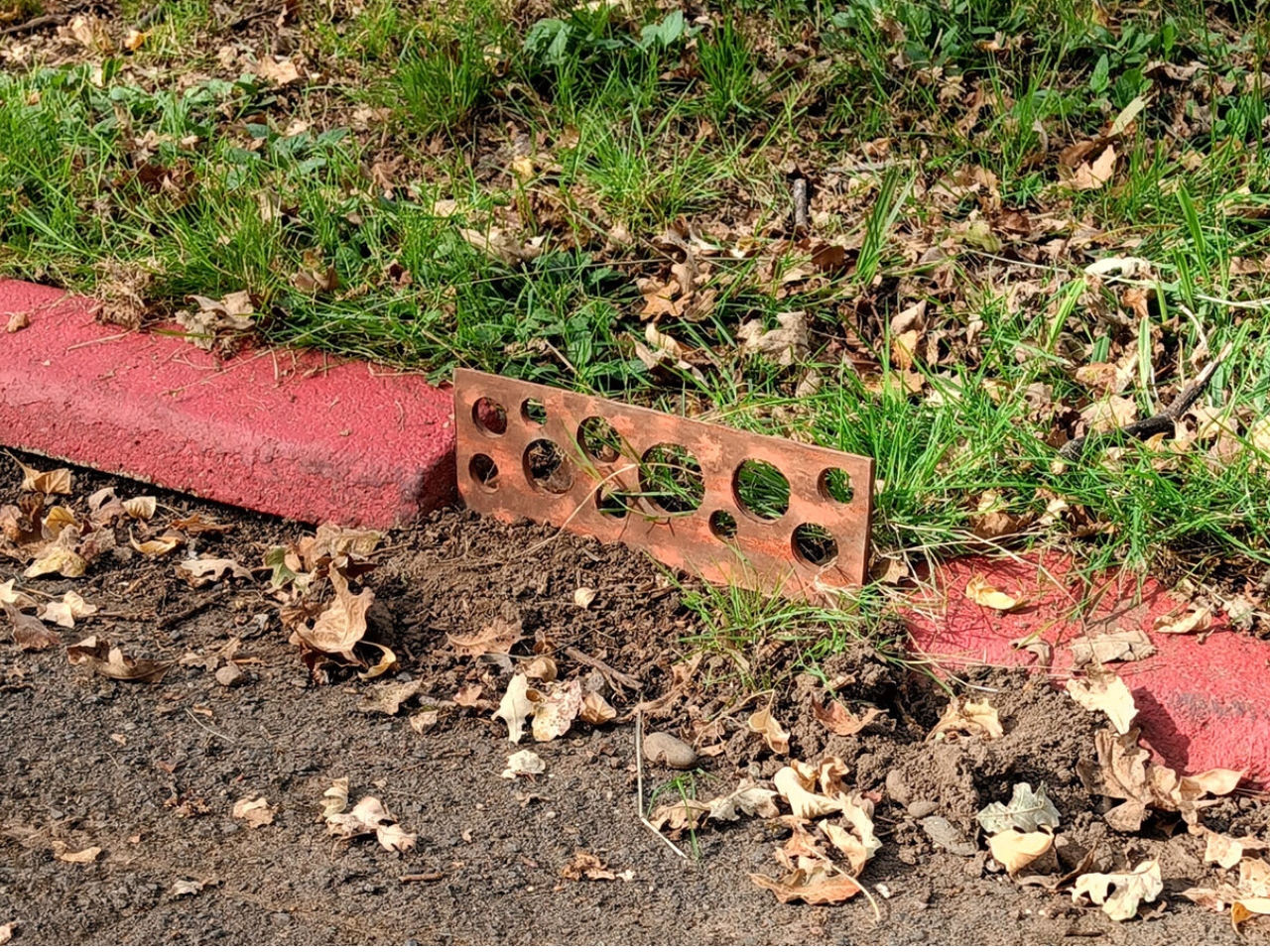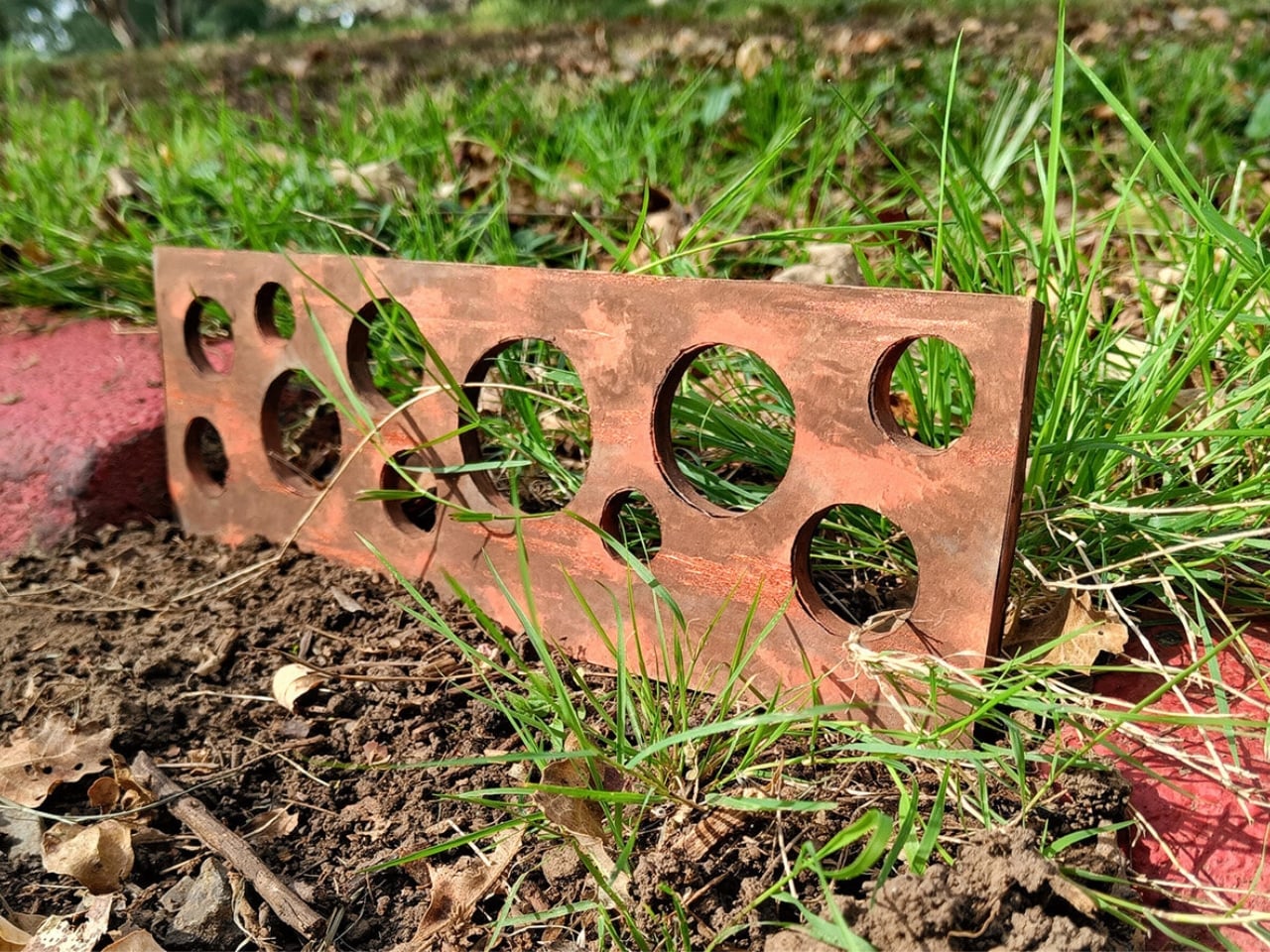

A plant pushing through a crack in the sidewalk usually looks like a maintenance problem. Sara Fernandes treats it as a design brief. Her prototype, Giving Nature a Voice: Let Them Through, replaces a solid concrete curb with perforated Corten steel, giving low-growing vegetation a route across an otherwise closed edge. It addresses a small but revealing problem: the hard boundaries separating pavement from soil leave little room for plants to cross.
I like the modesty of that starting point. A curb is hardly the object you expect to carry an interesting argument about urban living. It’s background equipment, something to step over or avoid catching a wheel on. Giving it a second look feels worthwhile precisely because it’s so unglamorous. You don’t need an elaborate architectural proposal to reconsider how much control a paved edge should have over the ground beside it.
Designer: Sara Fernandes
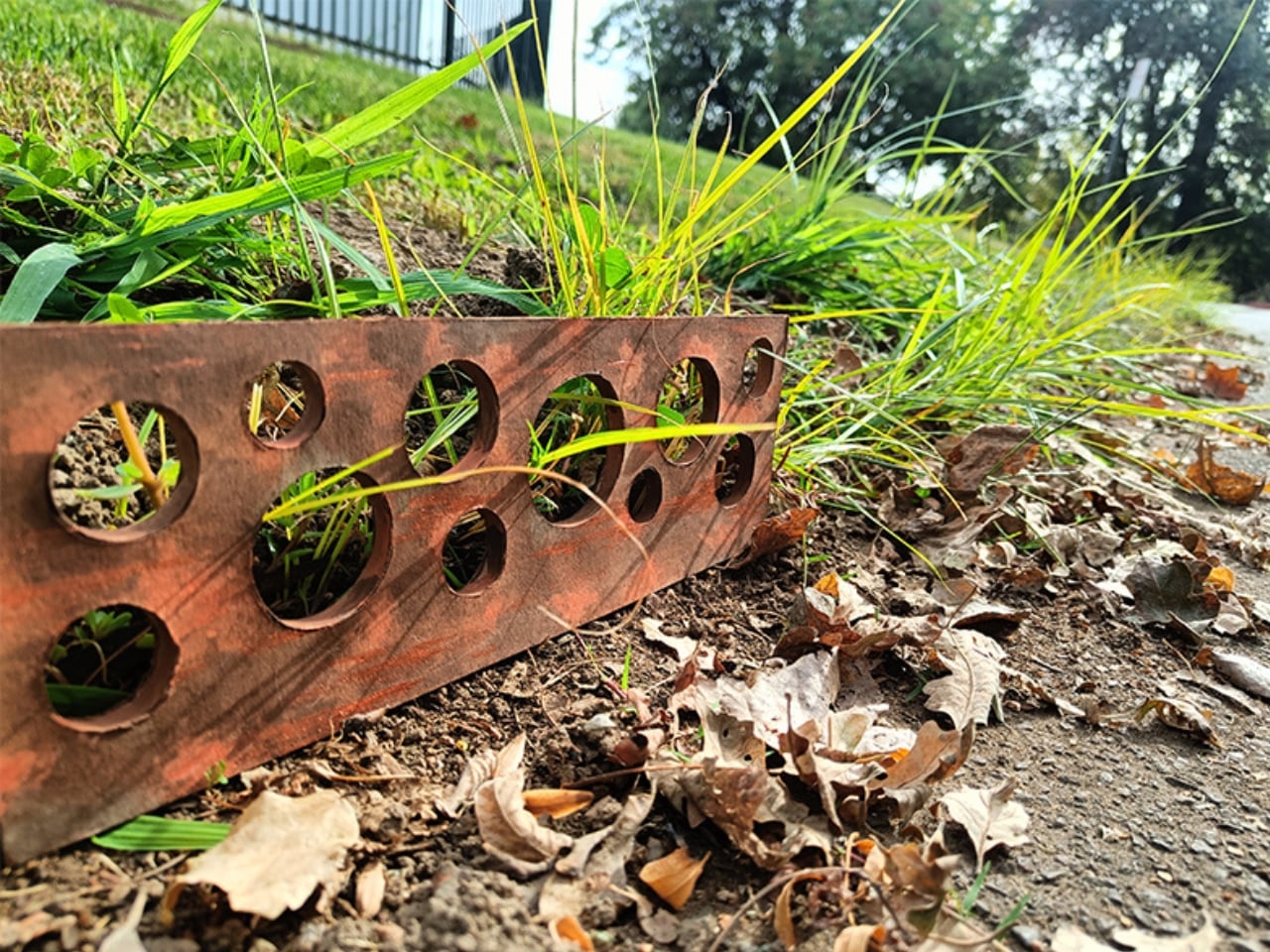
Fernandes’s inspiration came from observing plants emerging through fractured concrete. Rather than waiting for a boundary to deteriorate, she designed openings into it. That’s an appealing shift in attitude. The scrappy little patch of green becomes a useful clue instead of an imperfection to erase. I’m drawn to design that starts by paying attention to what’s already happening, especially when the response is as legible as making a few holes.
Those holes are circular, vary in diameter, and sit irregularly along the steel profile. The project describes them as passages for adjacent soil and low vegetation. The mechanism is refreshingly easy to understand: the edge remains, but it isn’t continuous. To me, that makes the proposal more interesting than simply removing a section of curb. It asks how a boundary might remain recognizable while allowing some movement through it. The irregular spacing also avoids turning the idea into a perfectly repeated decorative motif.
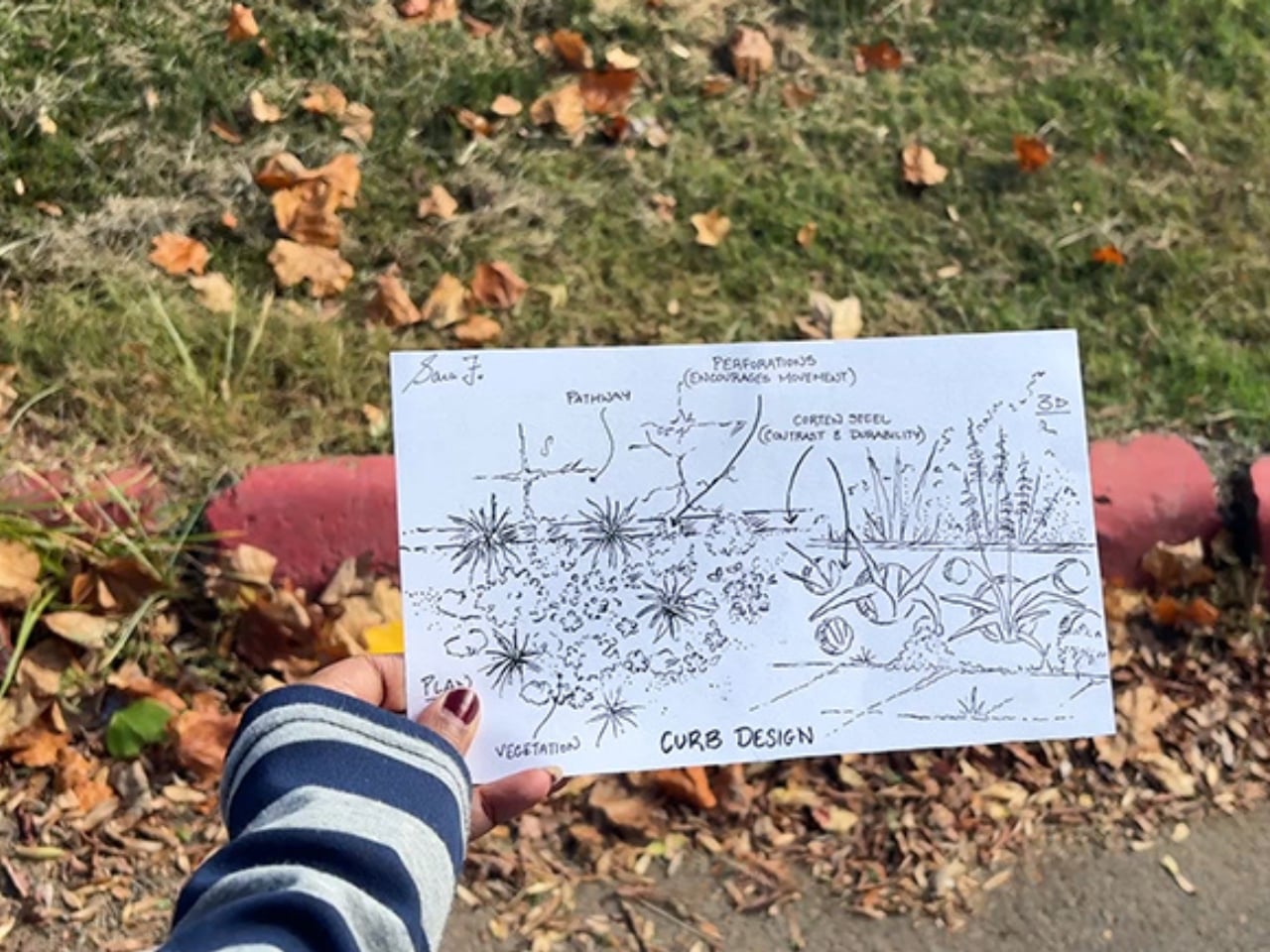
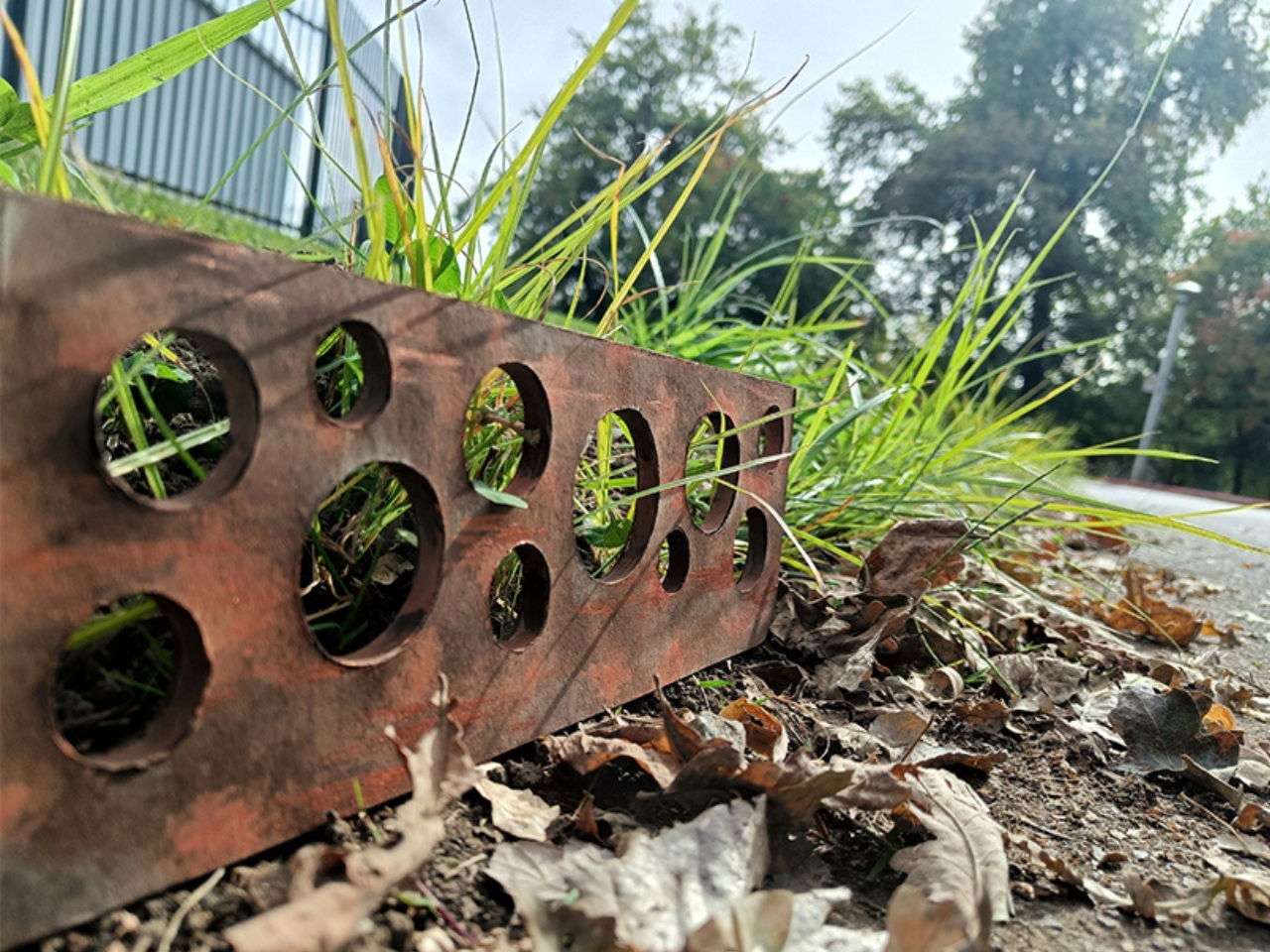
The material choice supports that thinking. Fernandes uses weathered Corten steel, with a patina described as connecting the tones of earth and pavement. I think that’s a sensible visual direction for an object intended to accommodate plants. A pristine finish would introduce a different expectation, one in which every mark might feel like damage. Here, a weathered surface seems better suited to the proposition. It gives the designer a way to acknowledge change without making the curb look unfinished.
My enthusiasm does come with a practical condition: I’d want the surrounding sidewalk to stay comfortably usable. A planted edge might be lovely, but navigating it shouldn’t become another task for someone using a wheelchair, pushing a stroller, or walking with limited vision. Any developed version would need to consider where growth is welcome and where a clear route takes priority. That doesn’t undermine the idea. It gives the next version a more demanding, and useful, brief.
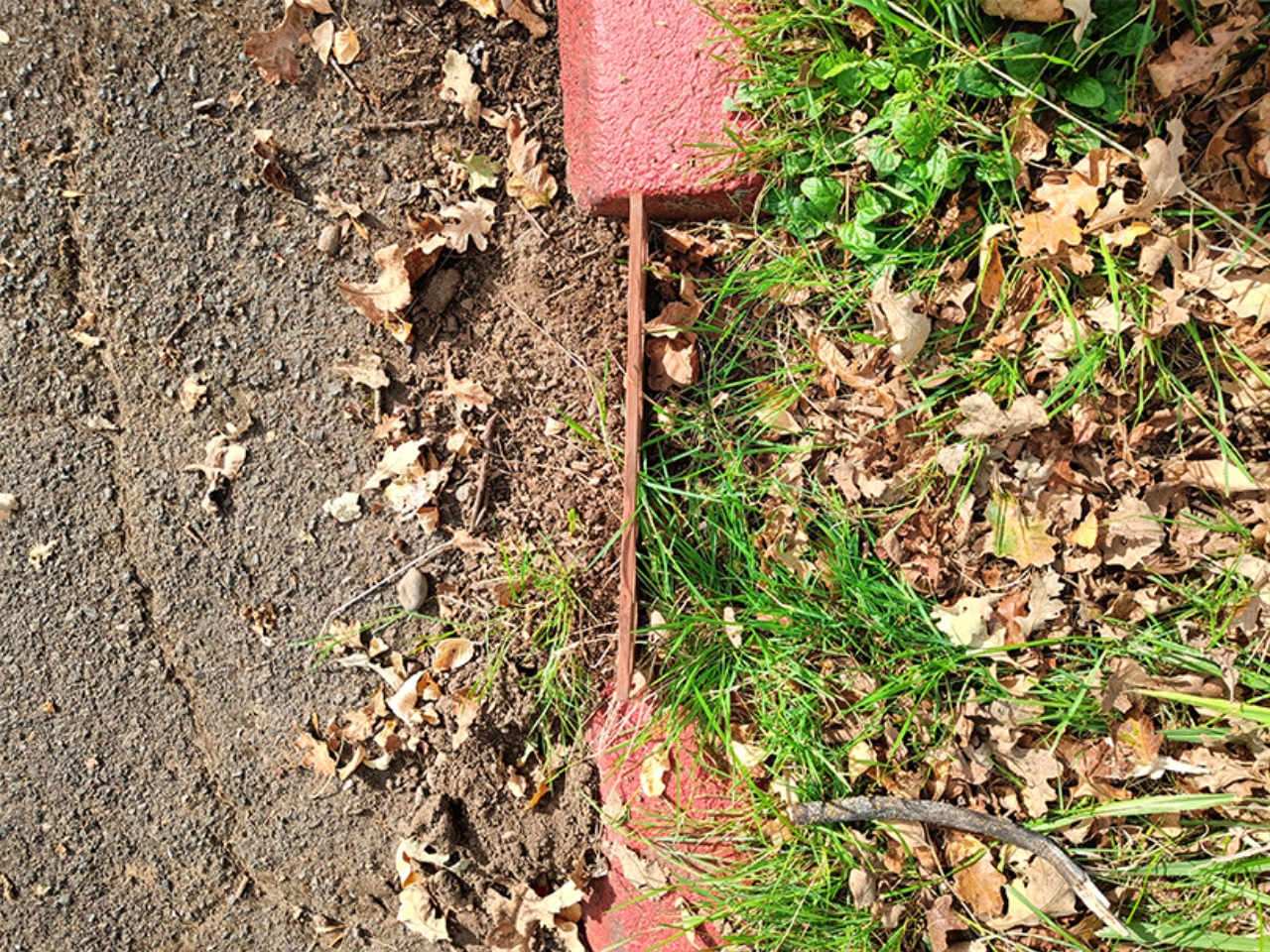
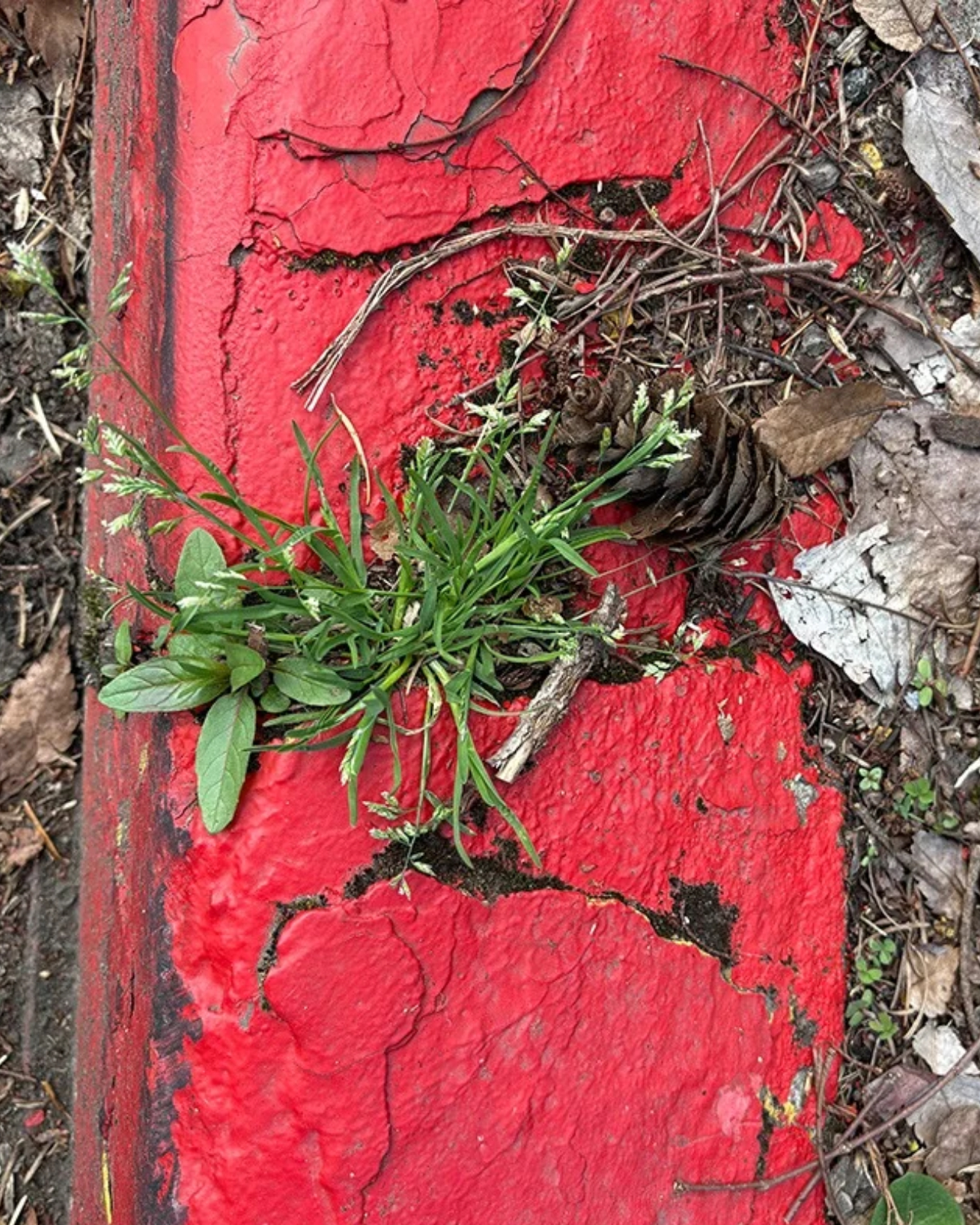

Maintenance would deserve equal attention. I’d want to know how the openings behave when leaves collect around them, how loose soil is managed, and what happens when the plants grow beyond the intended area. These are questions for testing, not reasons to dismiss the prototype. They’re also where a charming design gesture could become something more convincing. The person responsible for keeping a path usable ought to have a say in how its edges are designed.
For now, the project is presented as a conceptual prototype rather than a mass-produced municipal curb. That distinction matters: its strongest contribution is a physical way to reconsider a familiar boundary, not a demonstrated promise of better drainage or a healthier urban ecosystem. Those larger claims would need evidence of their own. I’m happy to appreciate the narrower achievement. A small intervention can be worth discussing without being assigned responsibility for fixing an entire city.
I’d be interested to see a longer test installation, with room for both plant growth and the ordinary mess of daily use. That would reveal how much openness an edge can accommodate before it needs adjustment. Even at this stage, Fernandes has made a curb worth noticing. The holes give plants somewhere to go, and give the rest of us a reason to look down.