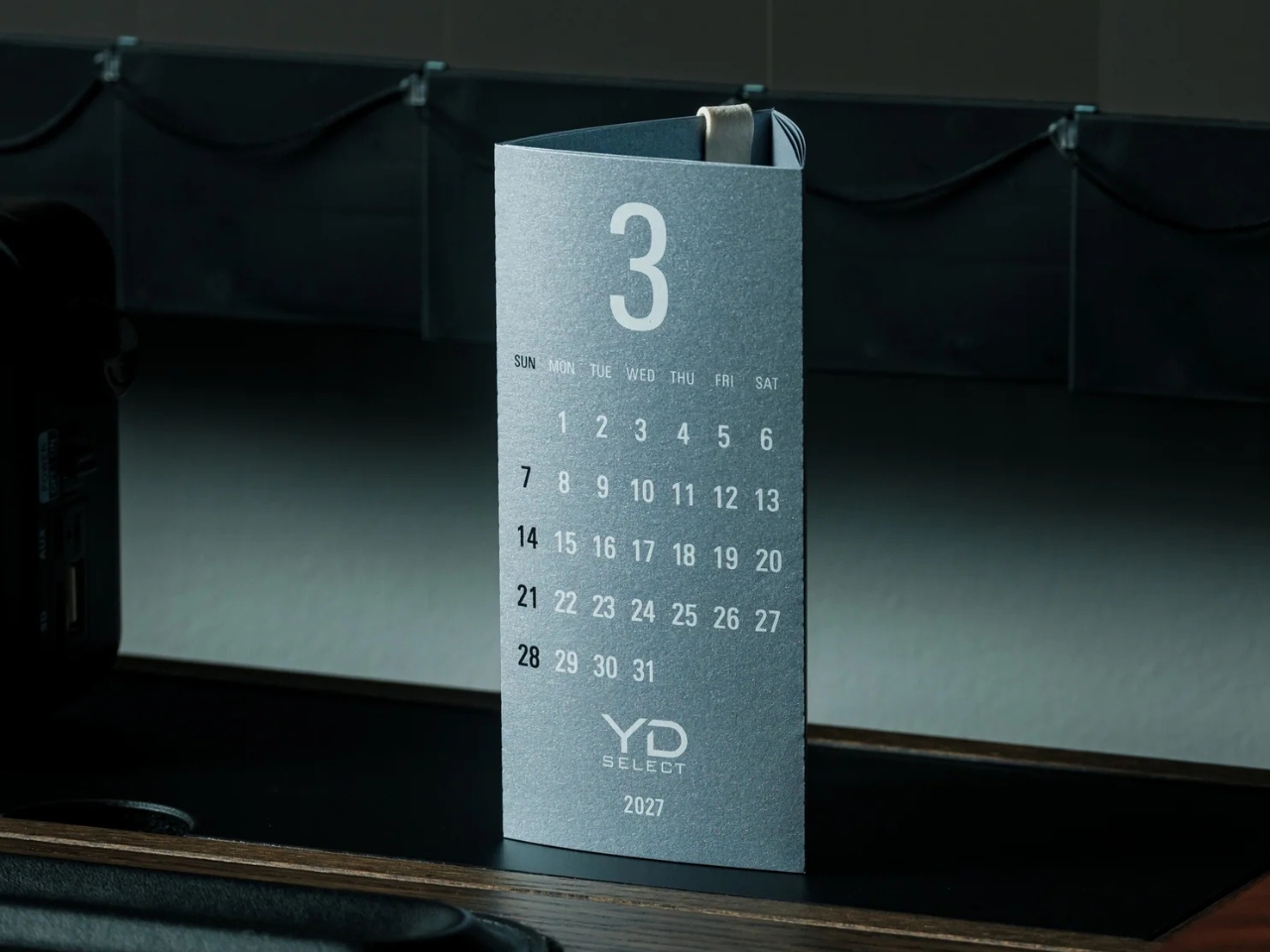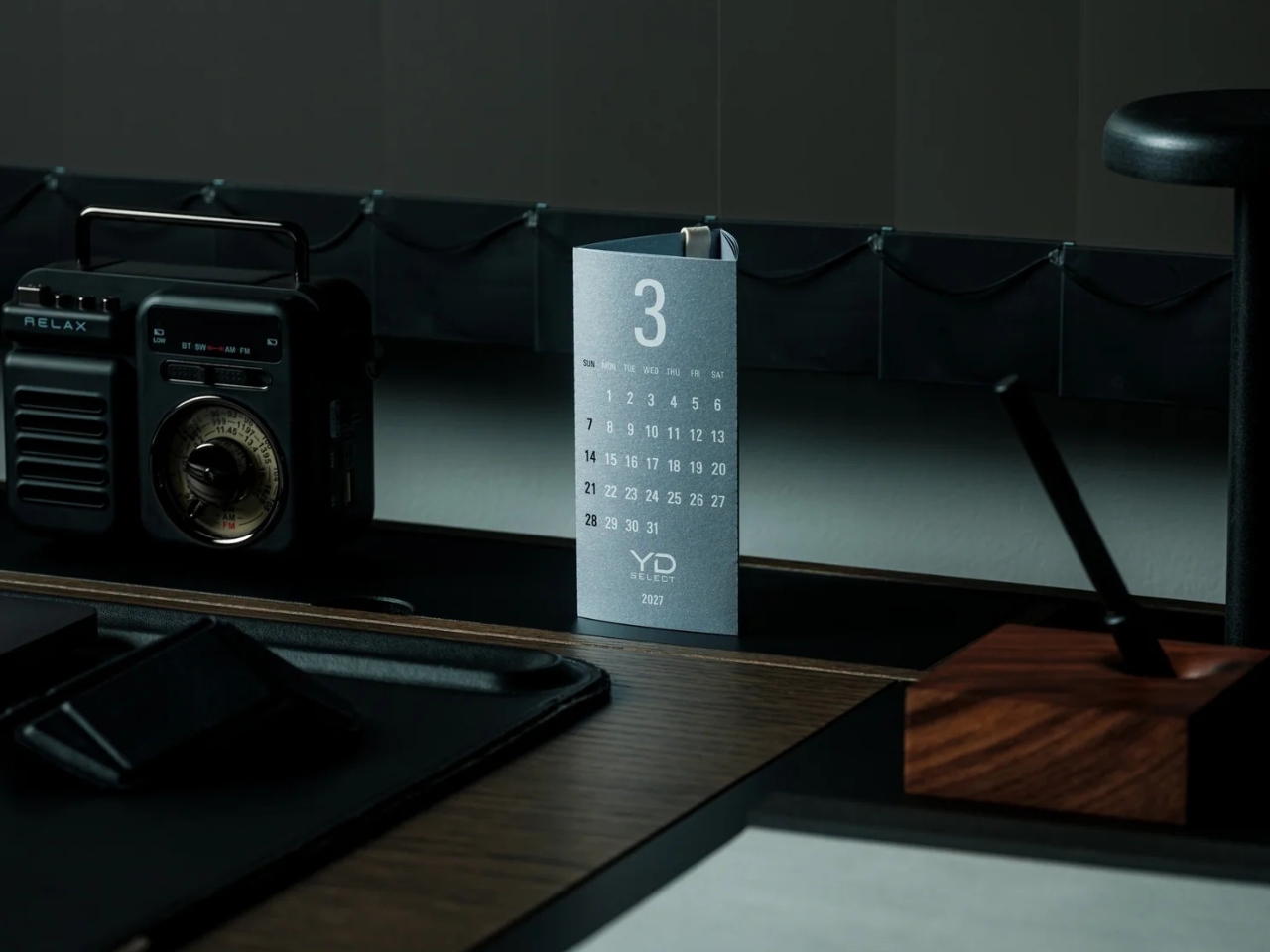

TriAngular makes a calendar out of a narrow paper triangle, which sounds like a stationery trick until you consider the desk it’s meant to occupy. Between a laptop, a notebook, and whatever charging cable has claimed permanent residency, another stand feels like a commitment. A calendar that supports itself and keeps nearby months accessible makes a reasonable case for that remaining patch of space.
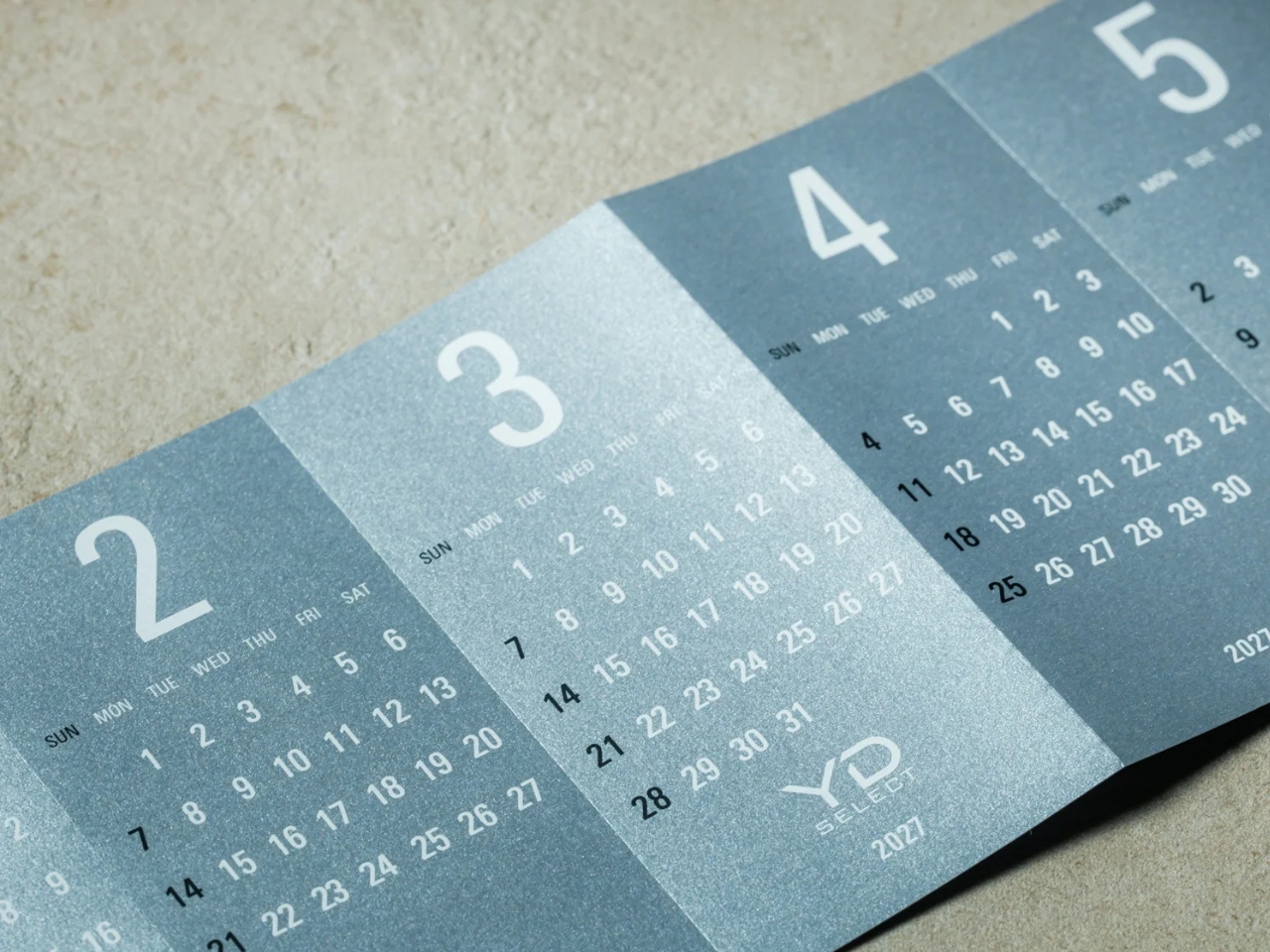
From stationery brand Replug, the TriAngular Calendar 2027 is listed at $20. Three months wrap around three faces, so checking another month means rotating the calendar. That addresses a second, smaller frustration: reaching for a phone just to find out which weekday a date falls on. You don’t see every face simultaneously, but neighboring months remain a turn away.
The construction is my favorite detail. The paper forms the triangular structure, held together with a clip that’s also made of paper. There’s no separate base to disguise or decorative frame to justify. Folding gives the printed sheet its support. I appreciate a design where the interesting shape earns its place through a practical job, especially when that job is as unglamorous as standing upright.
At 2.4 inches wide, 4.9 inches tall, and 2.1 inches deep, it’s small enough to consider for a desk where space is already negotiated inch by inch. The upright proportions are sensible: the information rises above the surface rather than spreading across it. I’d rather give a date reference a narrow vertical presence than sacrifice a broad rectangle of working space.
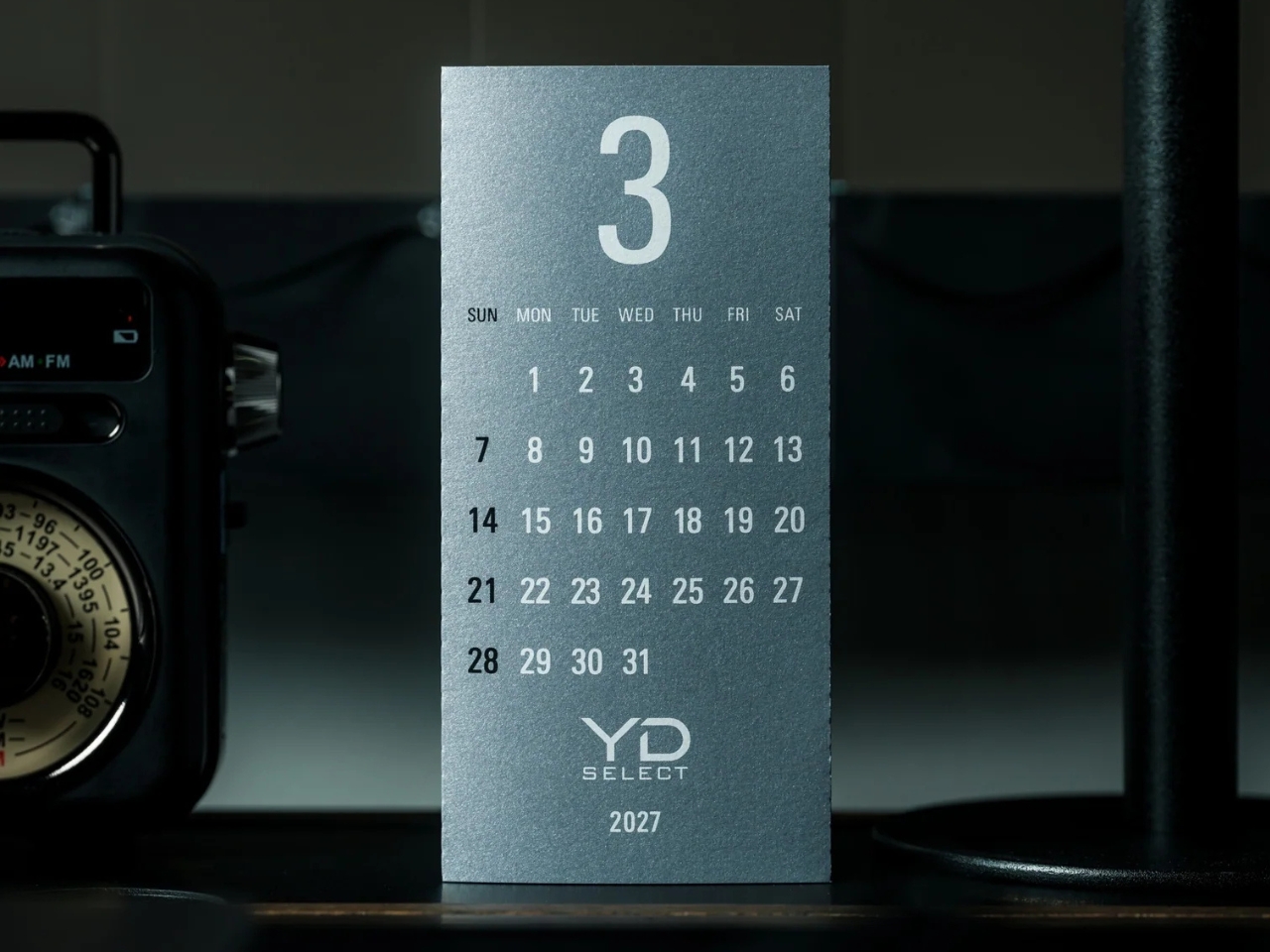
The silver material is specialty paper, rather than a metal casing. Replug says the calendar is hand-silkscreened, with sheets individually dried and white ink applied twice on silver paper. Made in Japan, it brings a little printmaking craft to an everyday object. That attention seems appropriate for something whose appearance depends so heavily on numerals and their background. There’s very little else for the printing to hide behind.
Compared with Google Calendar, which supports shared schedules, dated tasks, and events pulled from Gmail, TriAngular has a much narrower role. Google’s product makes sense for coordinating appointments and keeping other people informed. The paper triangle is for checking dates while you’re already doing something else. I wouldn’t abandon a digital calendar for it, but I can see the appeal of letting a separate object handle that quick reference.
Each month has perforations so it can be removed once it’s passed. January and February 2028 are included, keeping the calendar useful for looking ahead at the end of 2027. The tear-away interaction appeals to me more than another decorative flourish would. Removing a finished month gives the object a small routine, while keeping the calendar oriented toward what’s coming next.
The clean layout does come with a compromise. This edition has no national public holidays printed, including US holidays. If you’re checking when an office might be closed or planning around a long weekend, you’ll need another reference. I’d miss those markings, even while appreciating the uncluttered presentation. A country-neutral calendar makes sense, but holiday information is genuinely useful.

I haven’t handled a sample, so I can’t judge how securely it stands, how neatly the perforations tear, or how easily the white printing reads under a desk lamp. Those are meaningful questions at this scale. A compact footprint is welcome only if checking the date doesn’t involve pulling the calendar closer every time.
The $20 price makes the decision more about how much you value the object than how urgently you need its function. I like the restraint of the proposition. You get a date reference whose folded construction deserves a closer look, without having to adopt an entirely different planning system. The TriAngular Calendar 2027 can sit beside the laptop and leave the appointments there.