
“Color Ink” sounds like something you’d find in an e-book reader, but Lenovo’s newly announced tablet takes a different route. The Xiaoxin 10.1 Color Ink Soft Light Edition uses an LCD, pairing an anti-glare surface with three viewing modes. The idea is to let the same screen move between animated lessons, illustrated books, and plain text without asking everything to look equally colorful.
That starts at the surface, where a nearby lamp or bright window can compete with whatever you’re trying to read. Lenovo’s AG anti-glare treatment is intended to reduce that interference rather than simply change the picture’s colors. That’s no small matter, since turning a page gray doesn’t stop a reflection from landing across it.
Designer: Lenovo

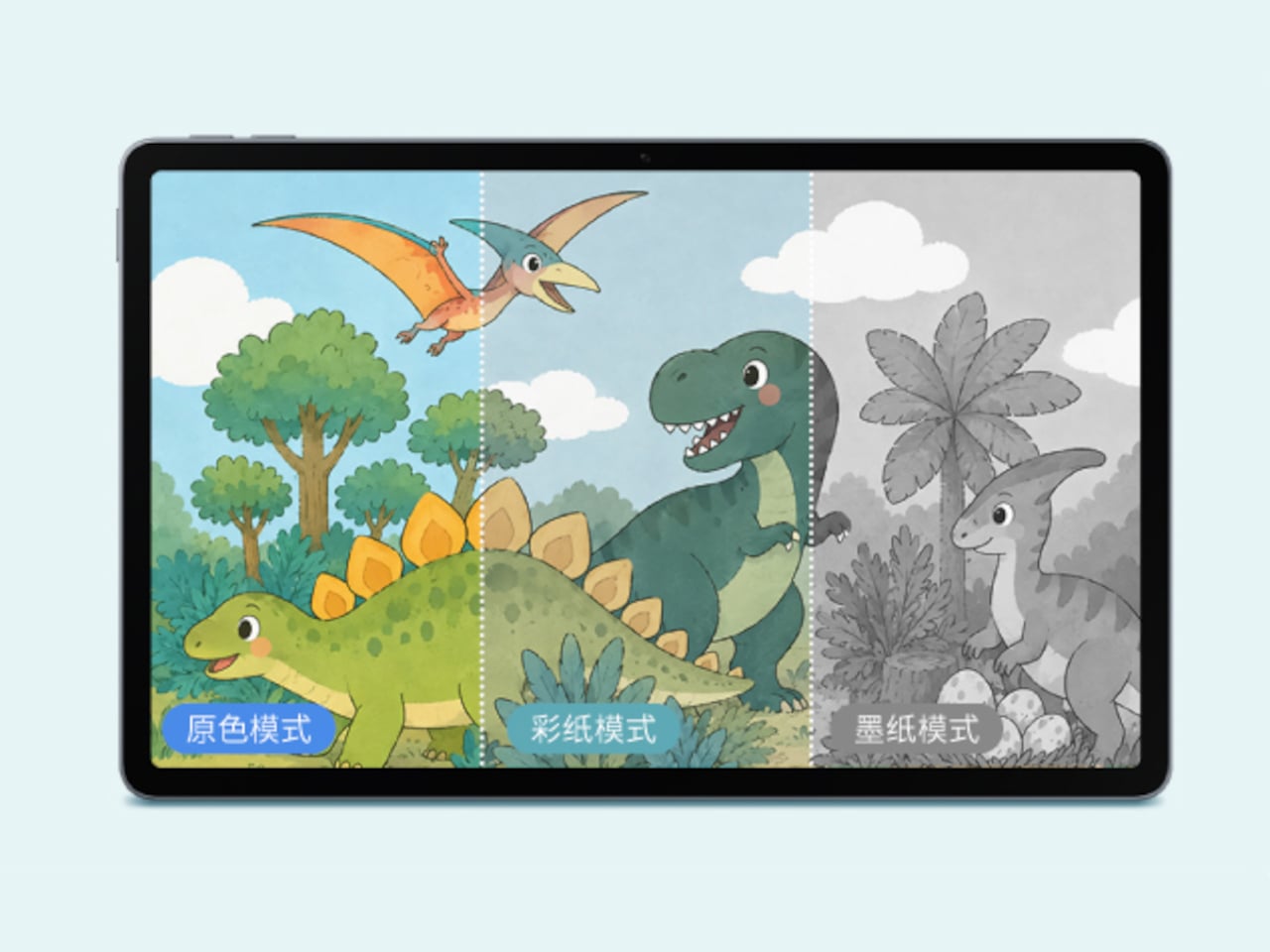
The software handles the character of the page. Original Color mode is aimed at animation and drawing, while Color Paper mode gives illustrated stories and science books a more muted palette. Finally, Ink Paper mode removes the color for text-only content. Instead of committing the whole device to one appearance, Lenovo lets readers choose how much color belongs in front of them. This strategy is similar to TCL’s NXTPAPER technology, though TCL has started to migrate from LCD to OLED.
The 10.1-inch panel packs 2136×1280 pixels, with a 120Hz refresh rate and a typical brightness of 500 nits. Those are familiar tablet specifications, suited to content that moves as well as pages that stay put. Scrolling through a comic or watching an animated explanation doesn’t require leaving behind the same device you were using for a full chapter of text.

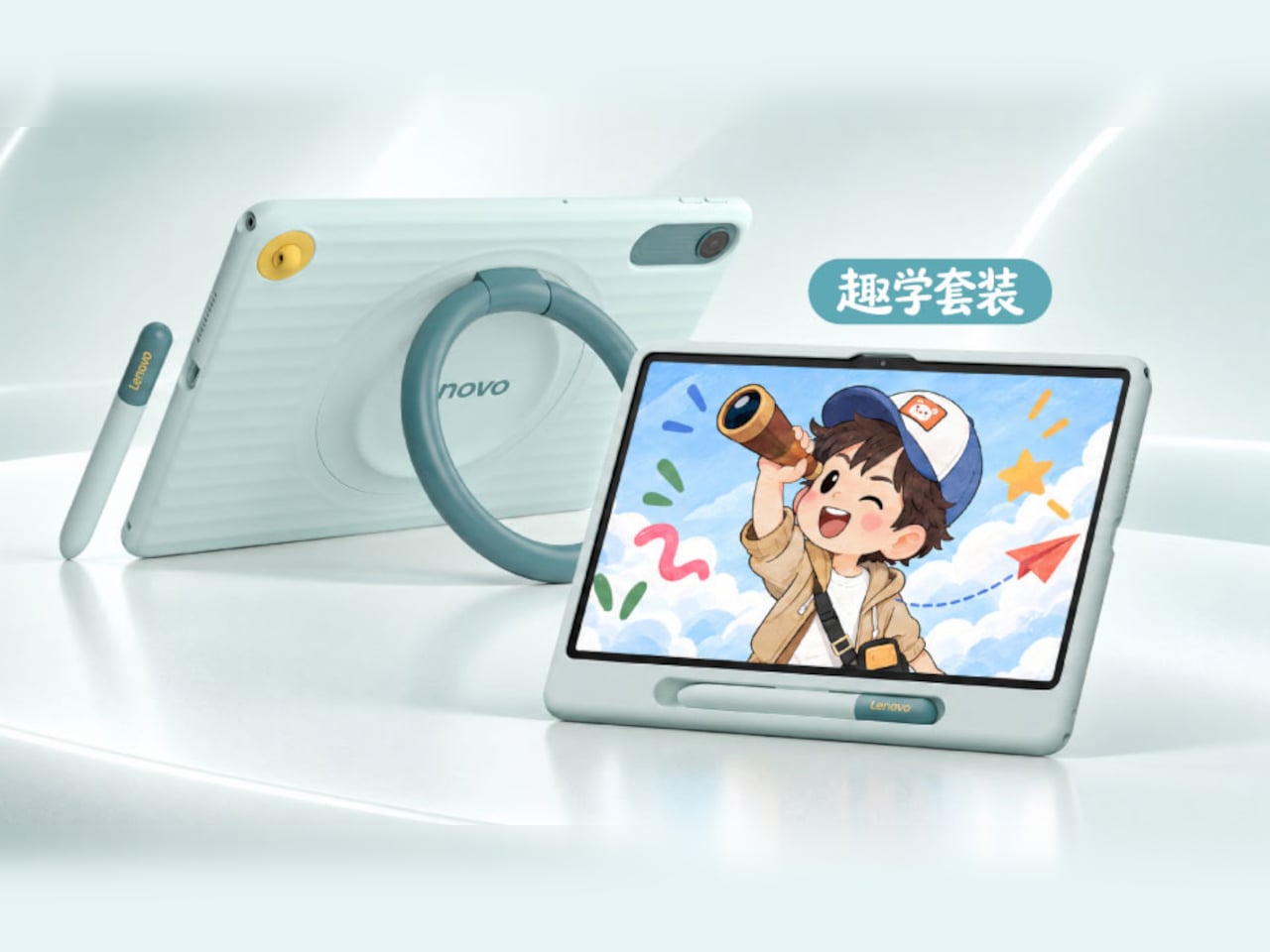
The optional learning bundle brings a more physical answer to the same tabletop routine. Its protective case has a large rear ring that serves as a stand, keeping the screen upright while a child follows a lesson. A recessed slot along the front stores the included pen, a useful bit of housekeeping for an accessory that’s otherwise easy to leave somewhere else.
Lenovo’s Tianjiao Academy gives that setup its educational purpose, with learning resources and AI tools for spoken practice, homework explanations, encyclopedia questions, and turning doodles into pictures. Parents can manage time, applications, and content, including remotely. Those controls concern how the tablet is used, not what its screen looks like, a practical complement to display modes that don’t remove the temptations of apps.
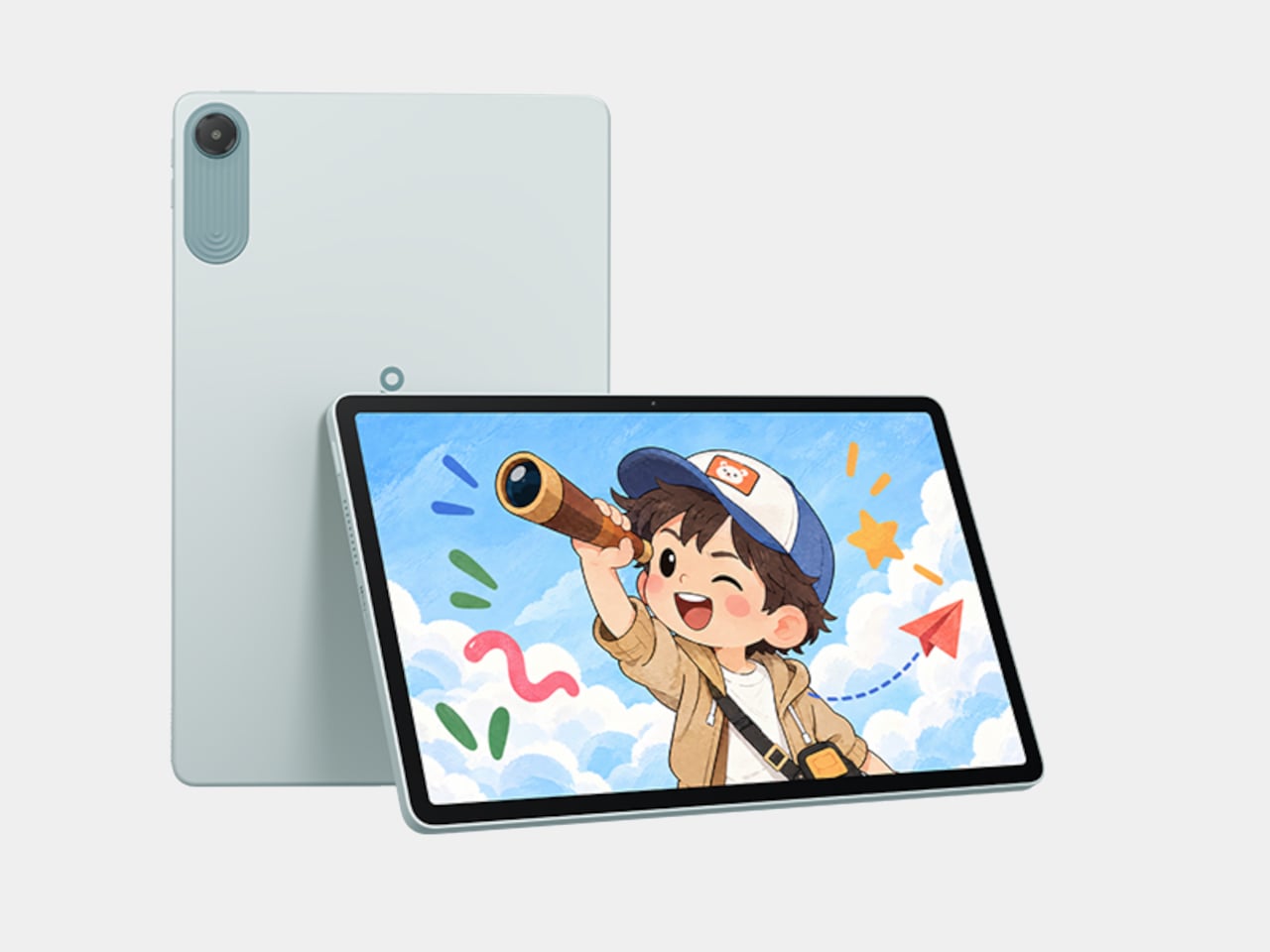
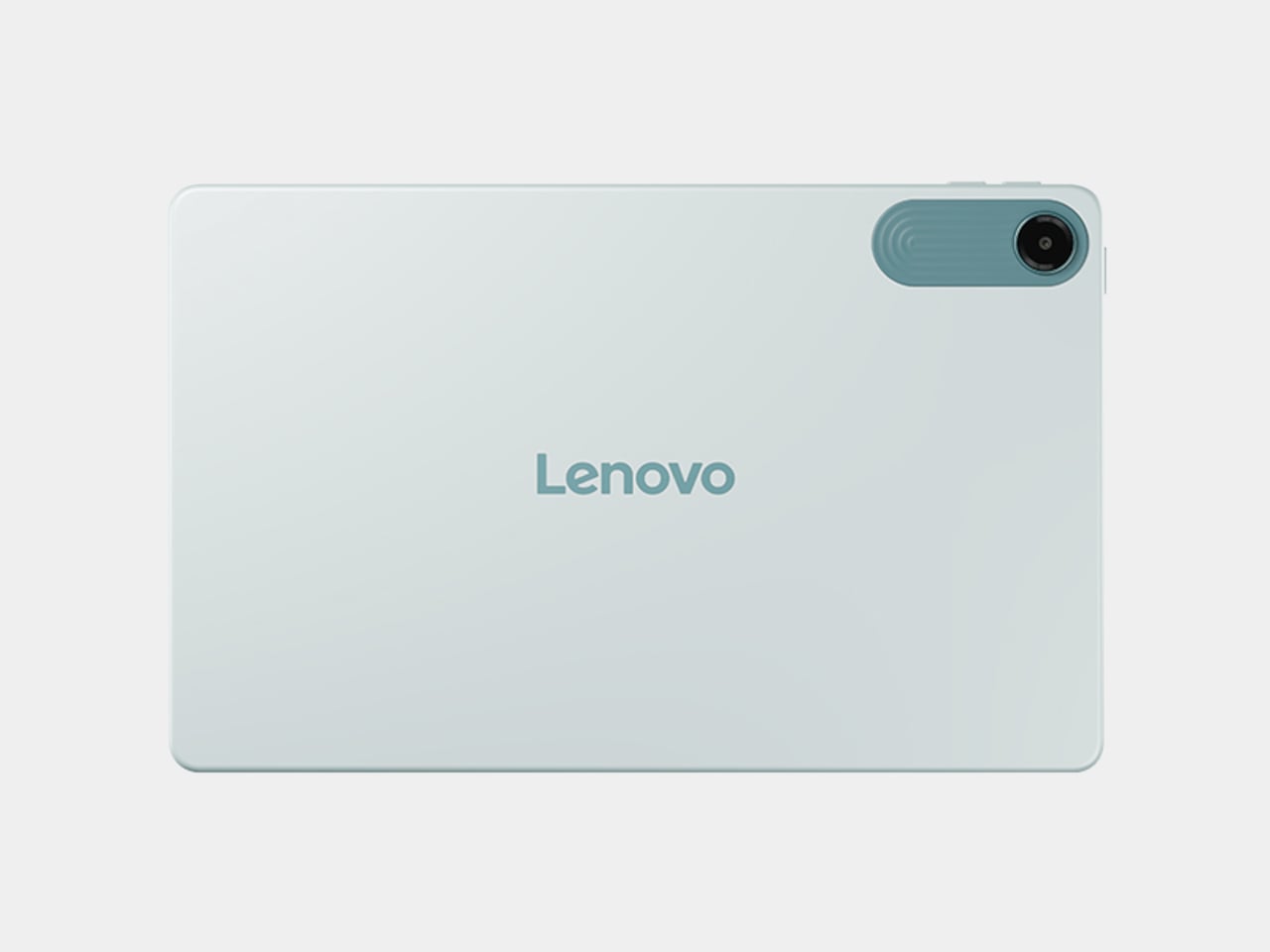
The rest of the hardware is familiar tablet territory: a MediaTek Helio G300 processor, 6GB or 8GB of RAM, and 128GB of expandable storage. There’s a 7,060mAh battery and, pleasantly, a 3.5mm headphone jack for wired listening. Blue and gray finishes keep the tablet itself relatively restrained, leaving the chunkier case and pen to give the learning bundle its more playful identity.
Sales are scheduled to start in China on October 30, 2026, with pricing and US availability unannounced. Lenovo also notes that some learning resources and AI functions require payment, while the case and pen aren’t standard accessories. The screen can change its appearance, but the cost of building that little learning station still needs a closer look.