Answering a call on your smartphone can easily turn into checking messages, opening an app, and forgetting why you picked it up. ADHD ONE keeps that familiar temptation out of your hand, at least while you’re talking. This DIY, 3D-printed Bluetooth handset borrows the shape of a 1980s brick phone, letting you answer iPhone calls while the touchscreen stays tucked away nearby.
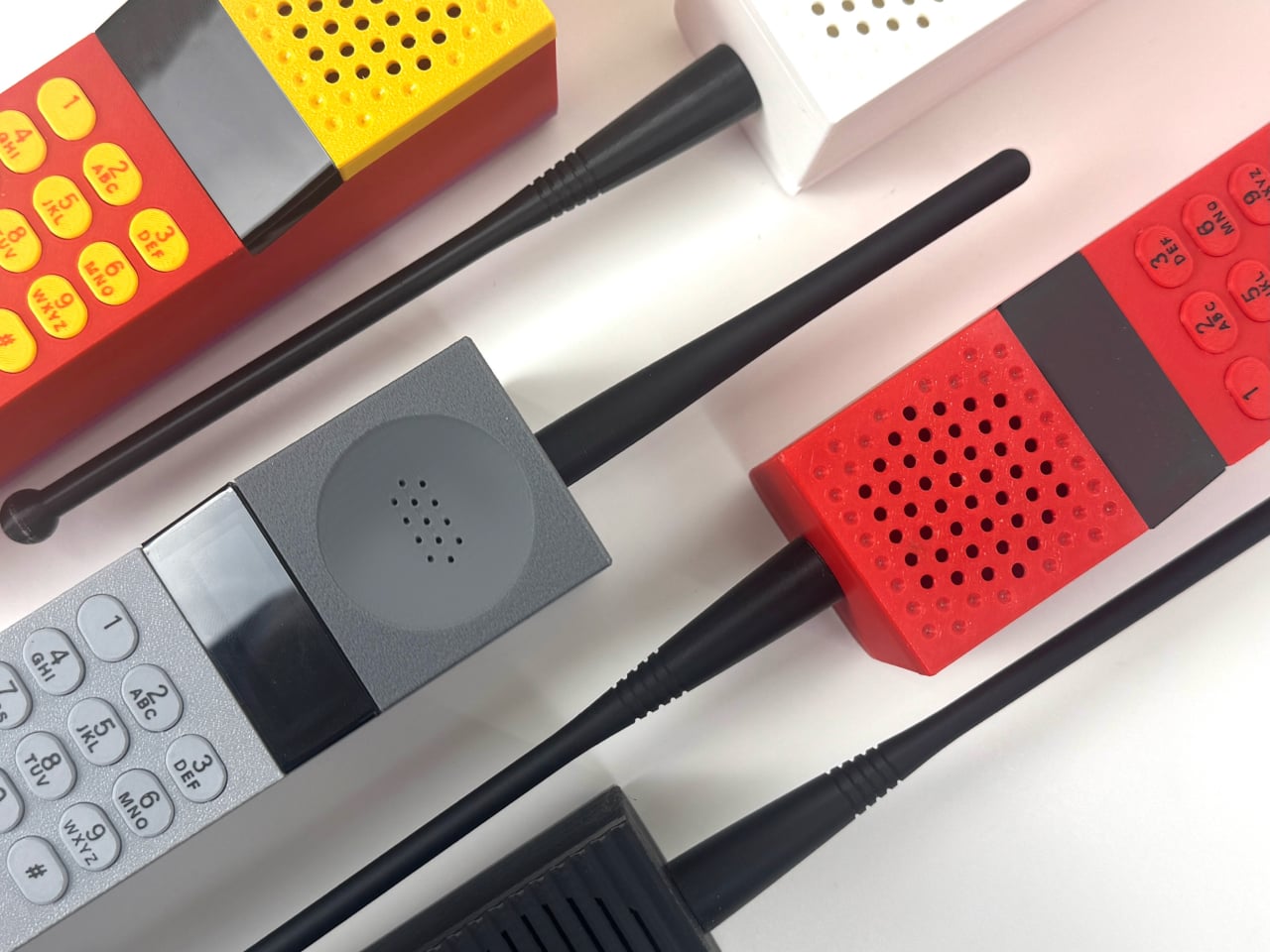
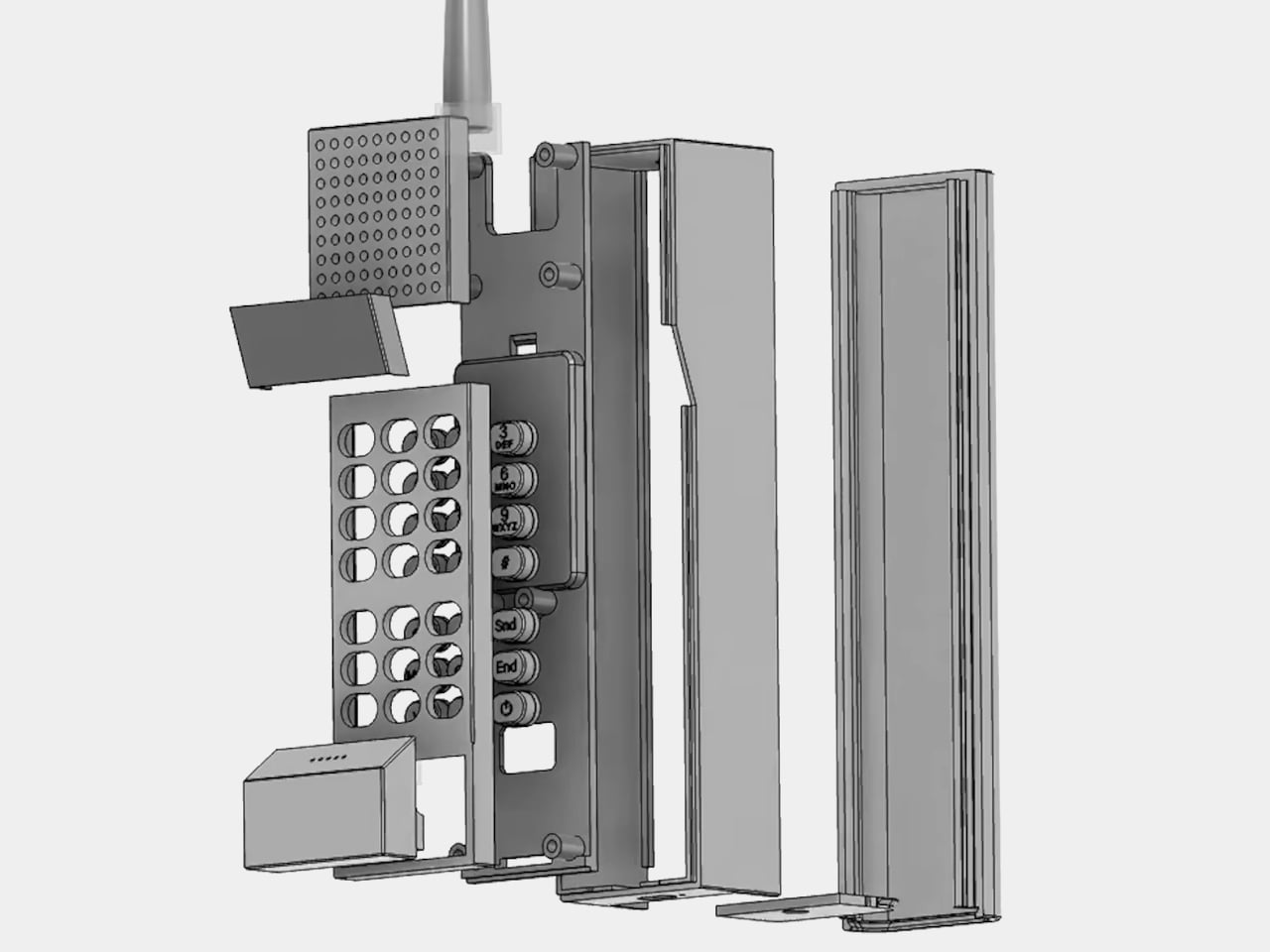
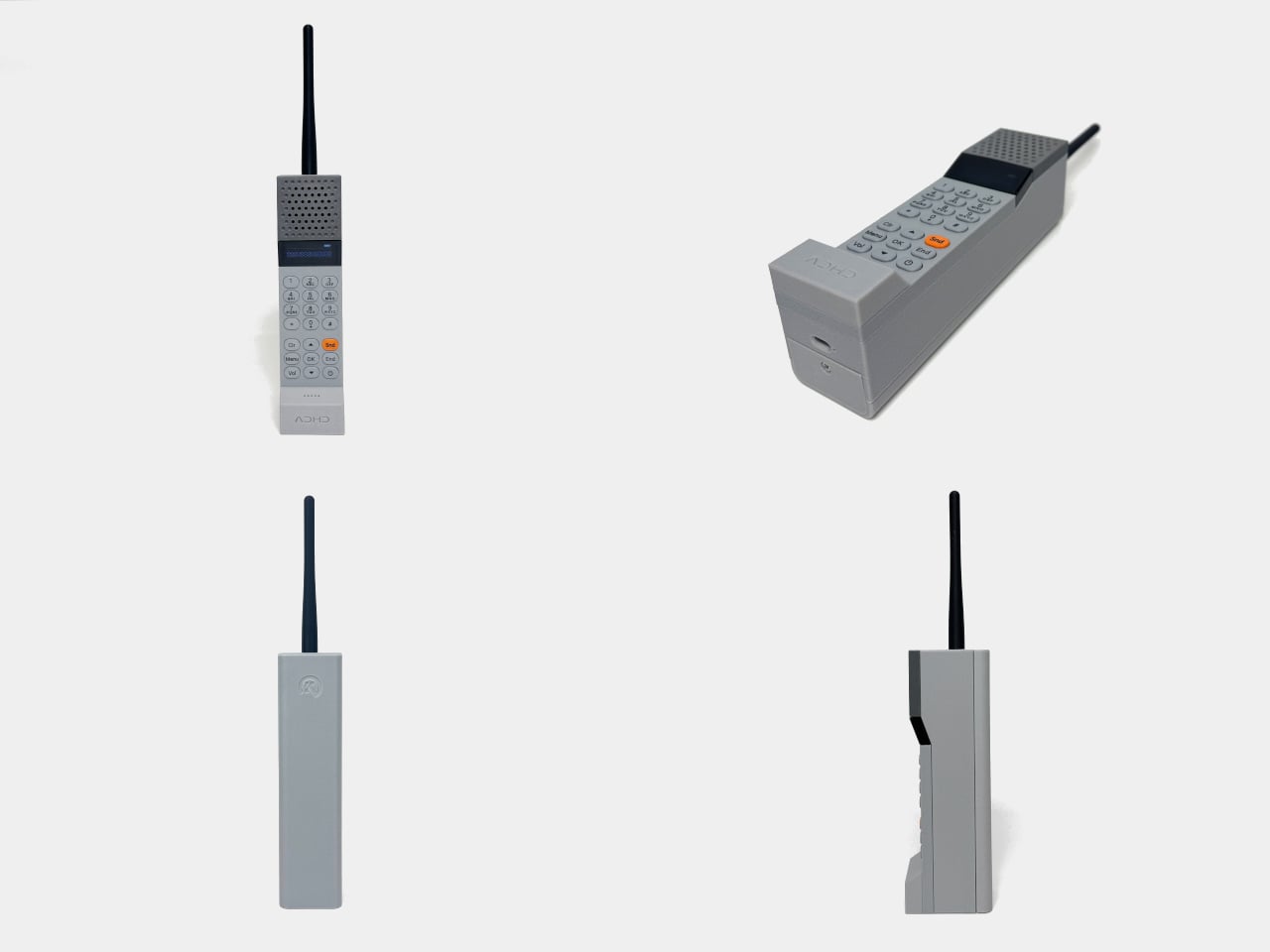
The deliberately bulky body puts a speaker grille at the top and a projecting mouthpiece at the bottom, with a narrow OLED display between the grille and keypad. Rounded physical buttons take over from glass, giving dialing and ending a call their own controls. It’s a very recognizable arrangement, even if younger owners might wonder why anyone would willingly carry something this conspicuous.
Designer: Kevin Noki
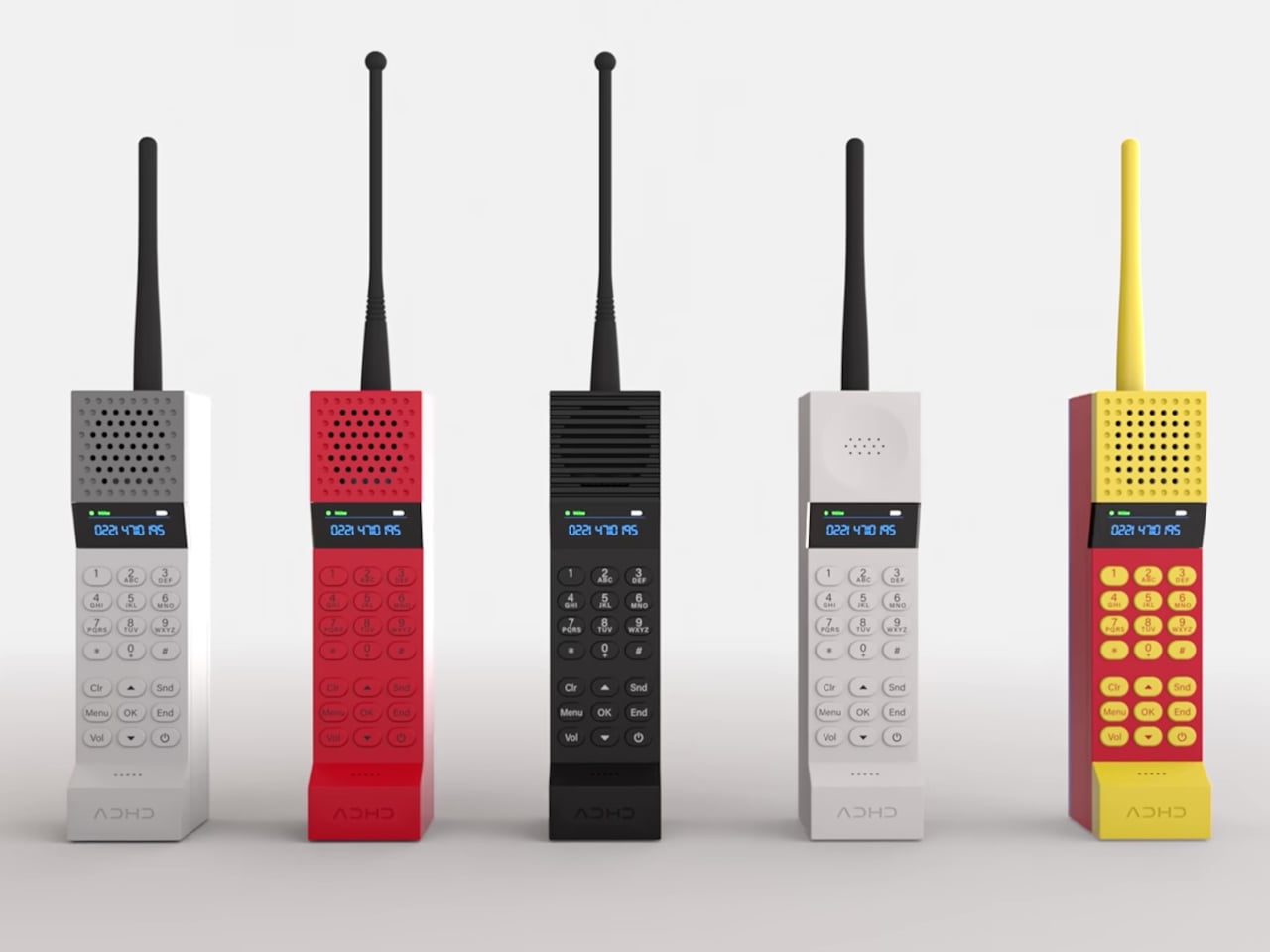
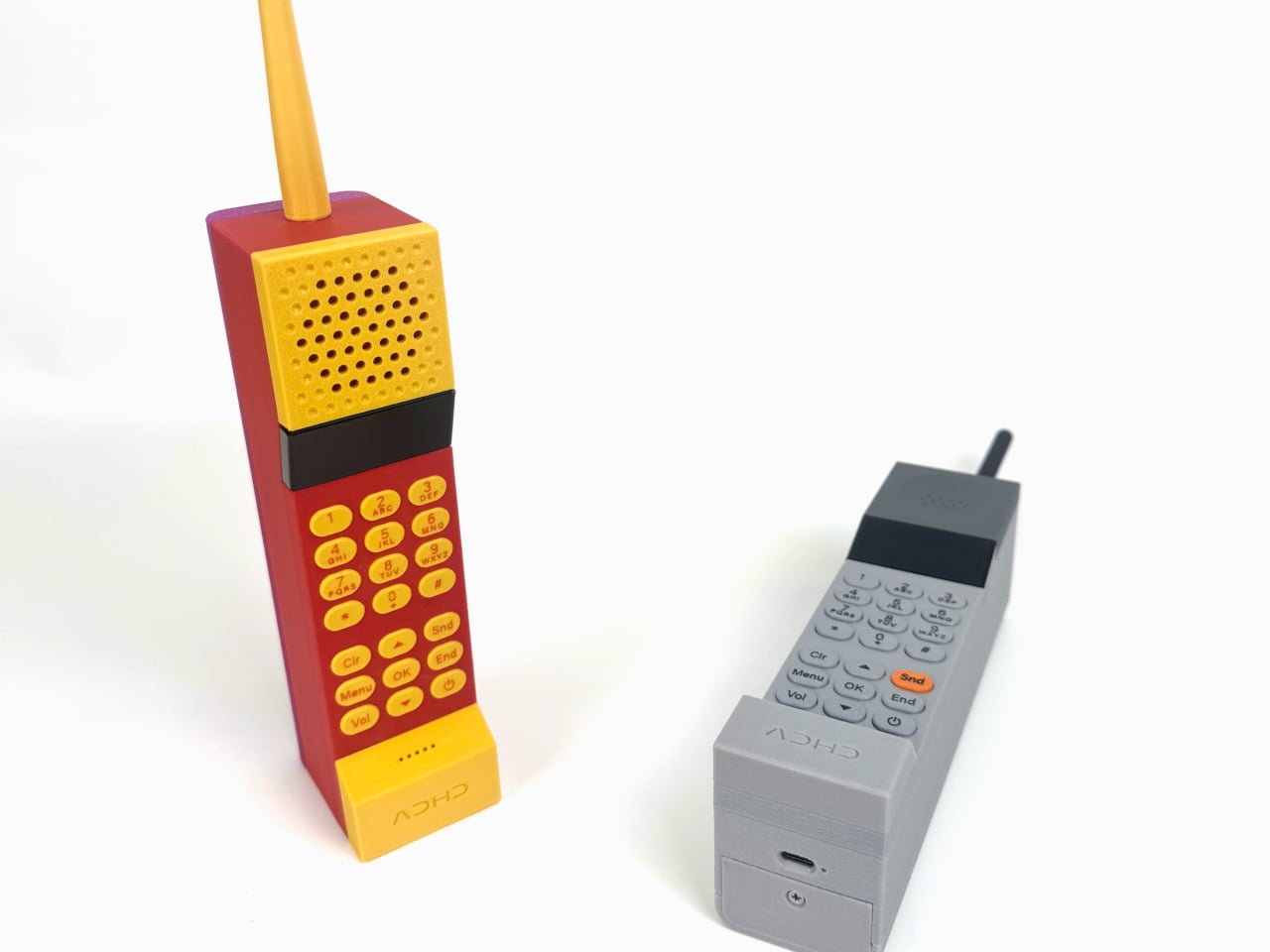
Of course, the oversized antenna doesn’t mean you’ve escaped modern technology completely. The handset connects to an iPhone over Bluetooth, so that phone still handles the cellular connection and must remain within range. You can leave it in a drawer while reading or working, with the iPhone’s Focus settings deciding which callers are allowed to interrupt your afternoon in the first place.
That retro character isn’t fixed to a single appearance, either. The printable enclosure comes with three speaker grille styles, ranging from perforations to horizontal stripes, plus three antenna designs. There’s even a housing that leaves the antenna opening closed. Builders can choose a cleaner outline or keep the exaggerated silhouette, although removing that long protrusion does take away a rather obvious visual joke.
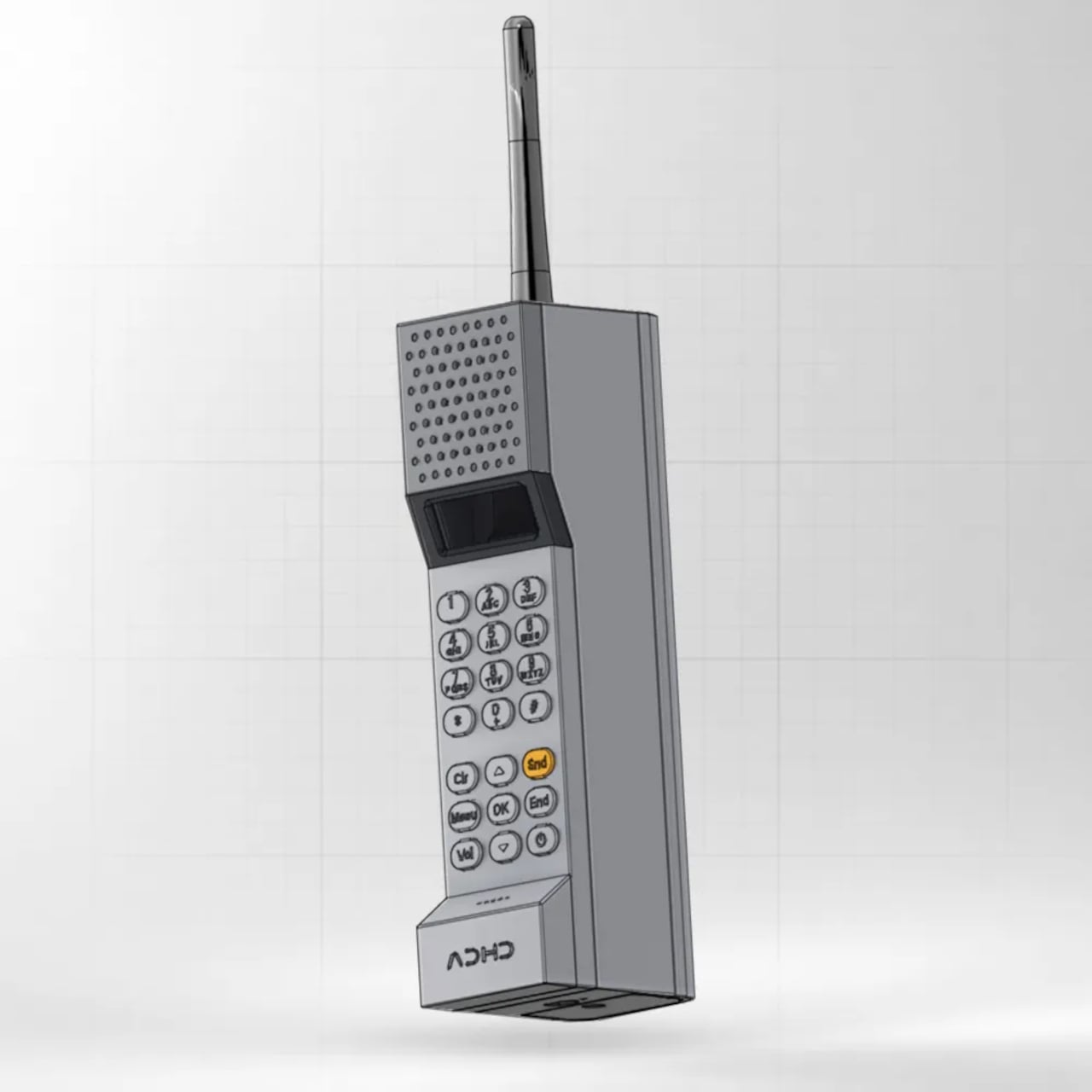
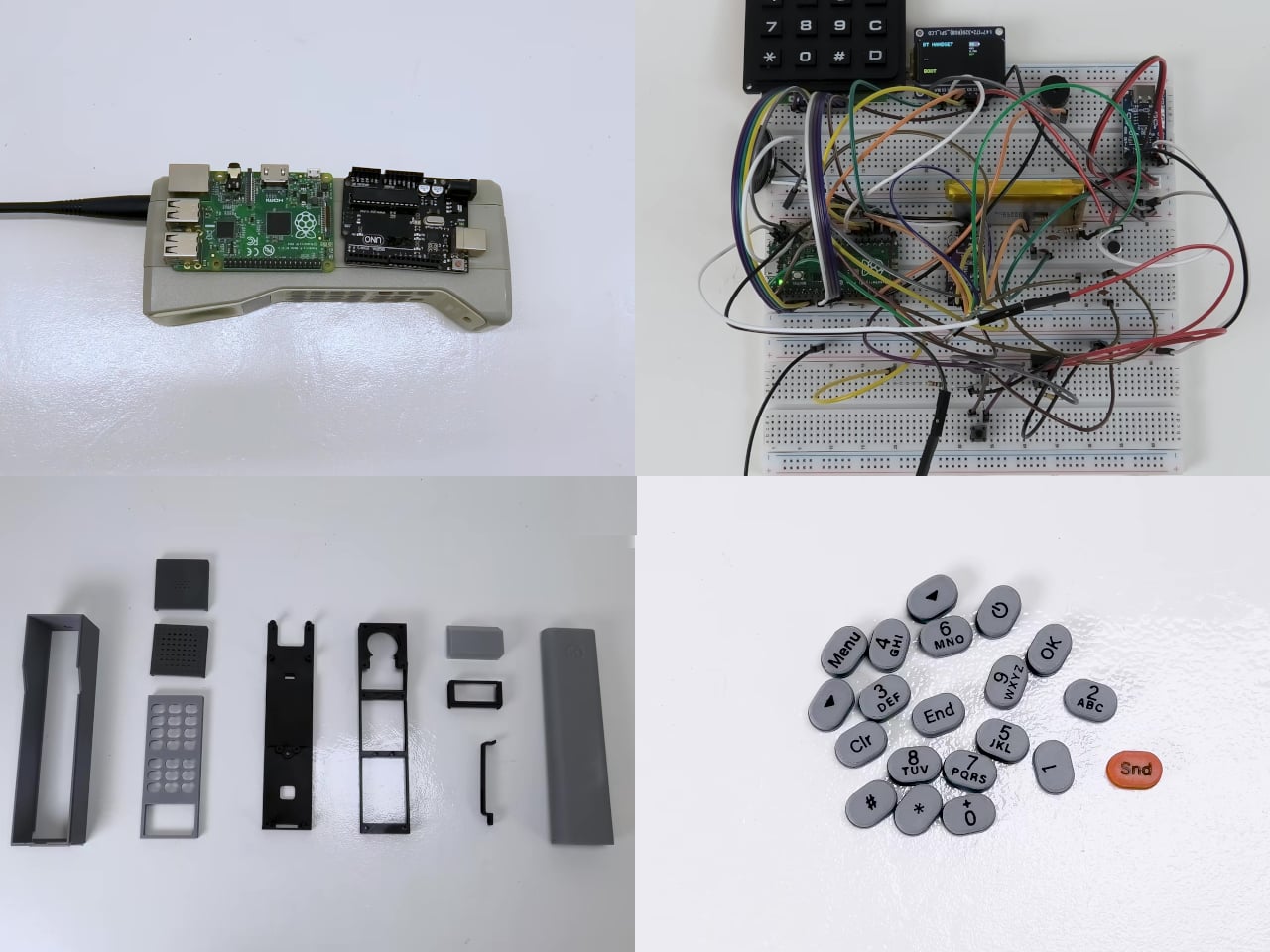
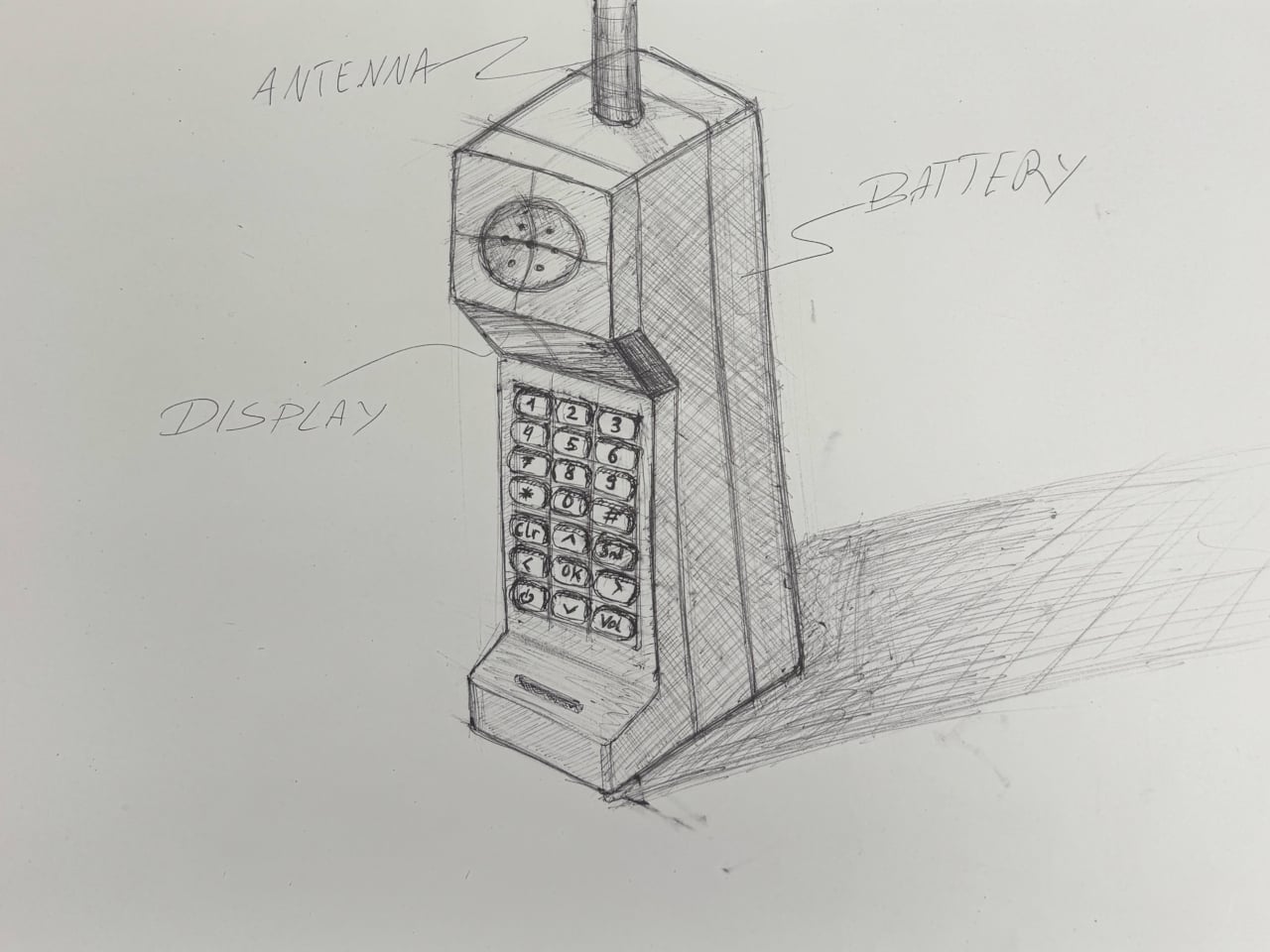
The shape also came together through a surprisingly hands-on process. Before committing to the printed enclosure, its proportions were explored using foam and a hot-wire cutter. That’s an old industrial design habit with a practical purpose: you can hold a full-size shape and remove material as needed. A digital model can describe a handset without telling you how it occupies your hand.
Getting one, however, involves more than choosing a color. The available product is a €29.99 (around $34) digital download, not a finished handset. It includes printable parts, compiled firmware, circuit-board manufacturing files, a component list, and a build guide. You’ll need to source the required electronics and assemble everything yourself, while editable design files and firmware source code aren’t part of the package.
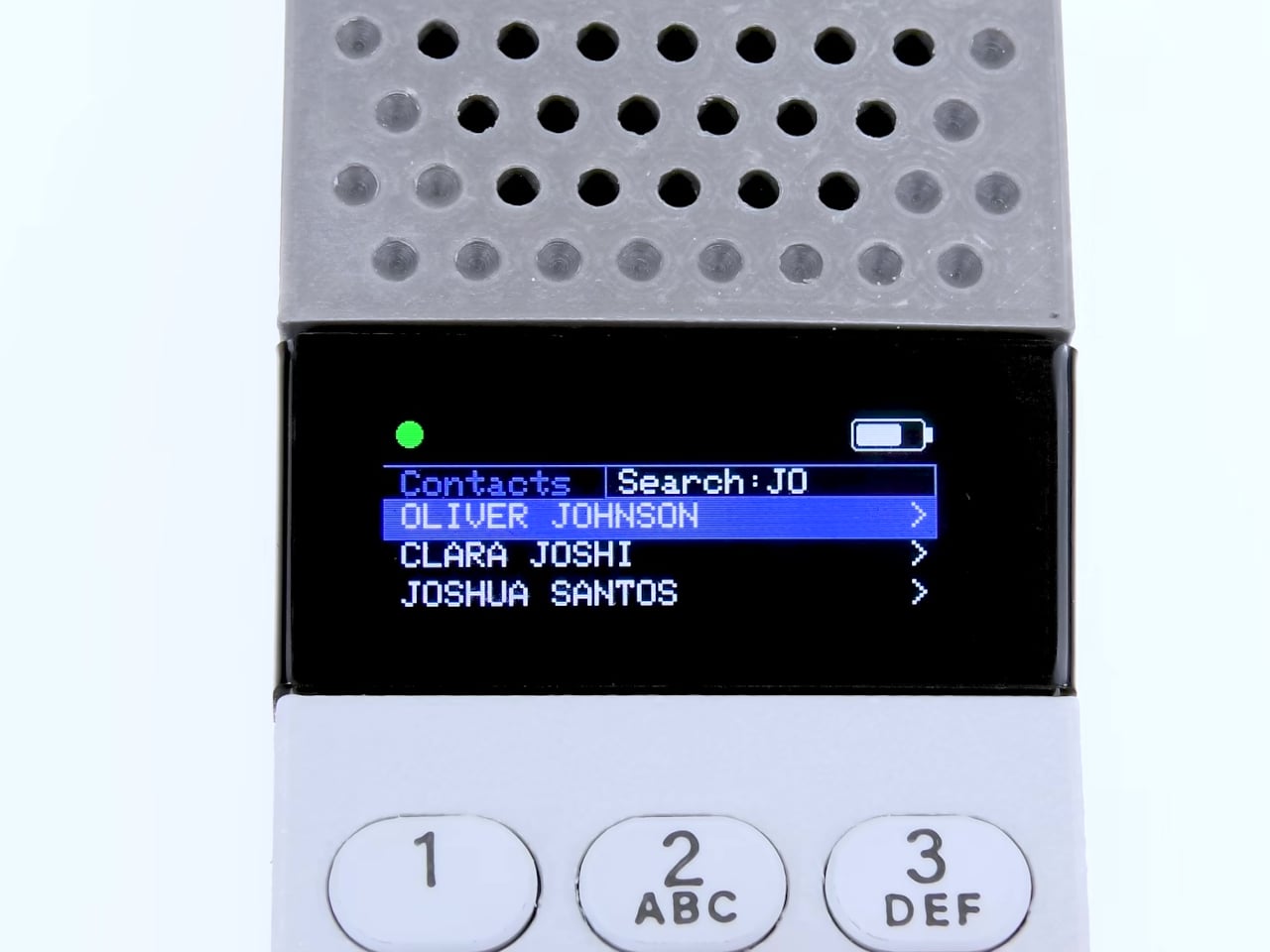
A boxed DIY kit isn’t available, and its release hasn’t been scheduled. There’s also a standalone 4G version under development, according to the maker, but that shouldn’t be confused with this Bluetooth build. For now, the brick remains an accessory to the smartphone you’re avoiding. Leaving your iPhone at home and taking only this handset would miss an important detail.
Having a separate handset does mean finding room for another device and remembering to charge it. Its bulky outline also makes the idea easier to imagine on a desk than in a jeans pocket. But once you’ve finished talking, there isn’t a social feed waiting behind the call screen. You can put the brick down without deciding what else to do on it.