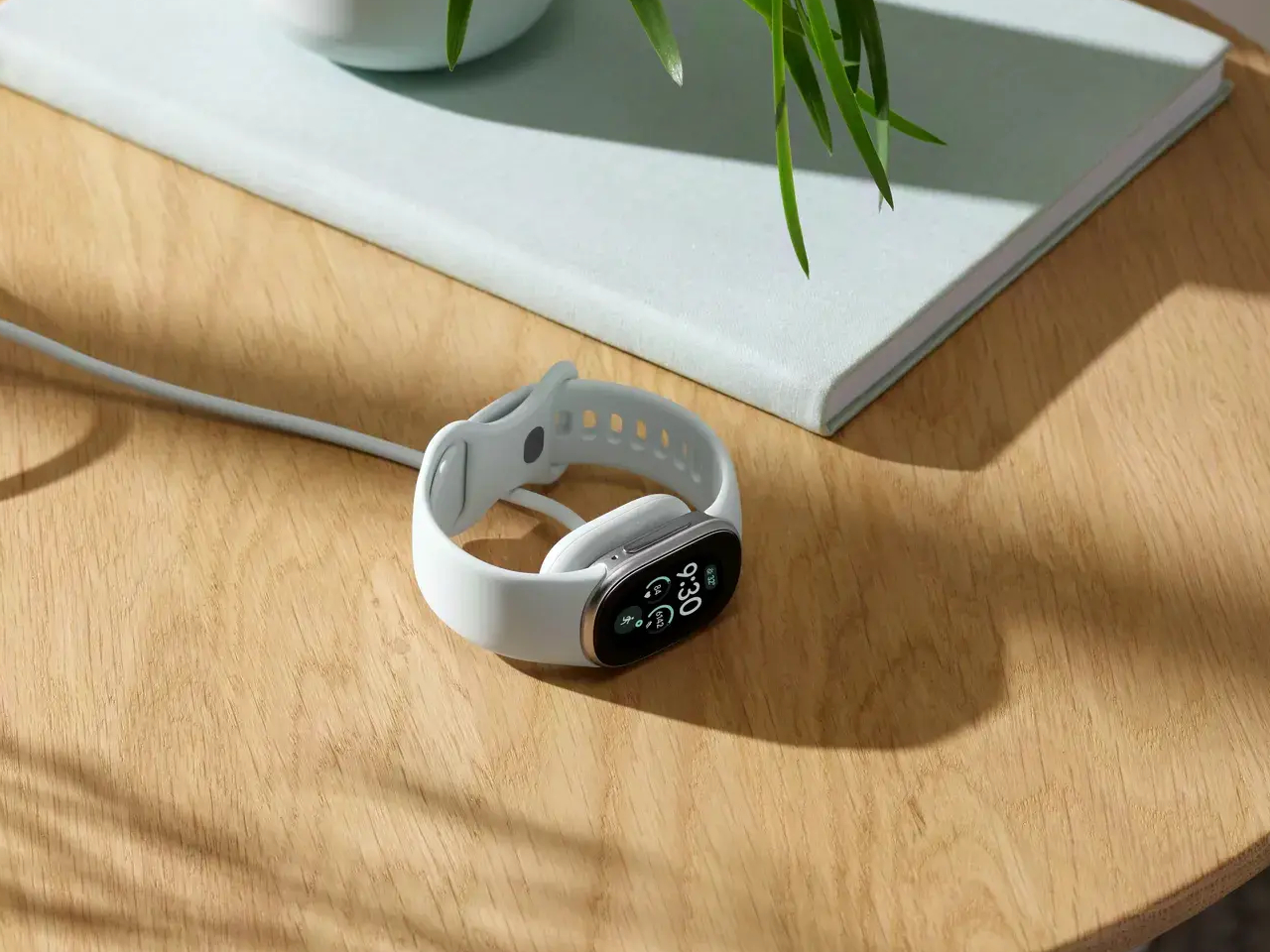
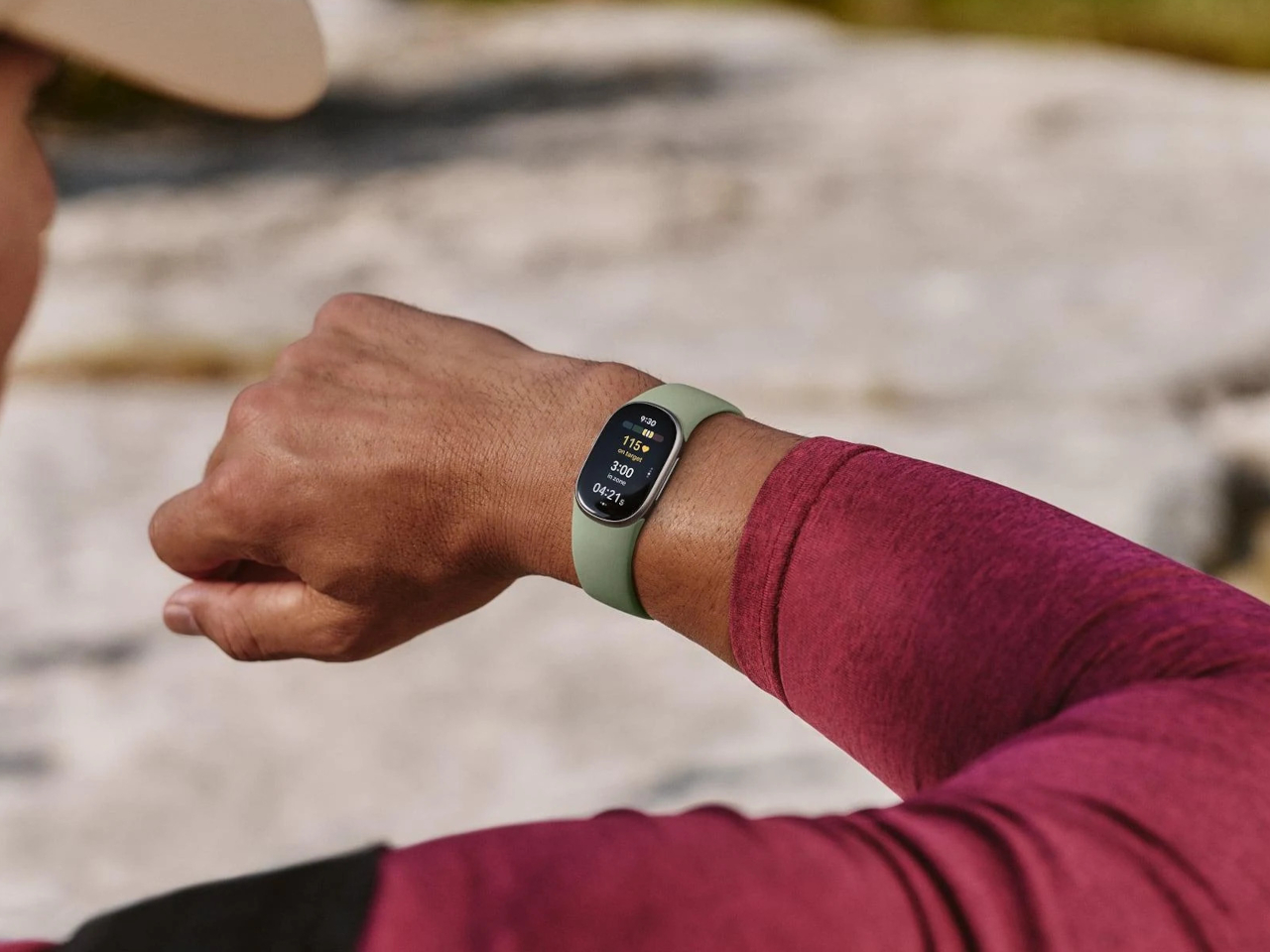
Smartwatches can put plenty of information on your wrist, but sometimes all you want is a quick look at your workout without the size of a full smartwatch. Google’s Fitbit Edge takes that middle ground, pairing a compact screen with a physical button. More importantly, it’s designed with a replaceable battery, a definite game changer among wearables today.
The elongated aluminum case has rounded ends that flow into the band, avoiding the separate watch face and strap appearance of a traditional timepiece. At roughly 0.46 inches thick and 0.62 ounces without the band, it isn’t exactly paper thin. Google specifies recycled aluminum for the housing, a detail that applies to that particular component rather than every part of the device.
Designer: Fitbit (Google)
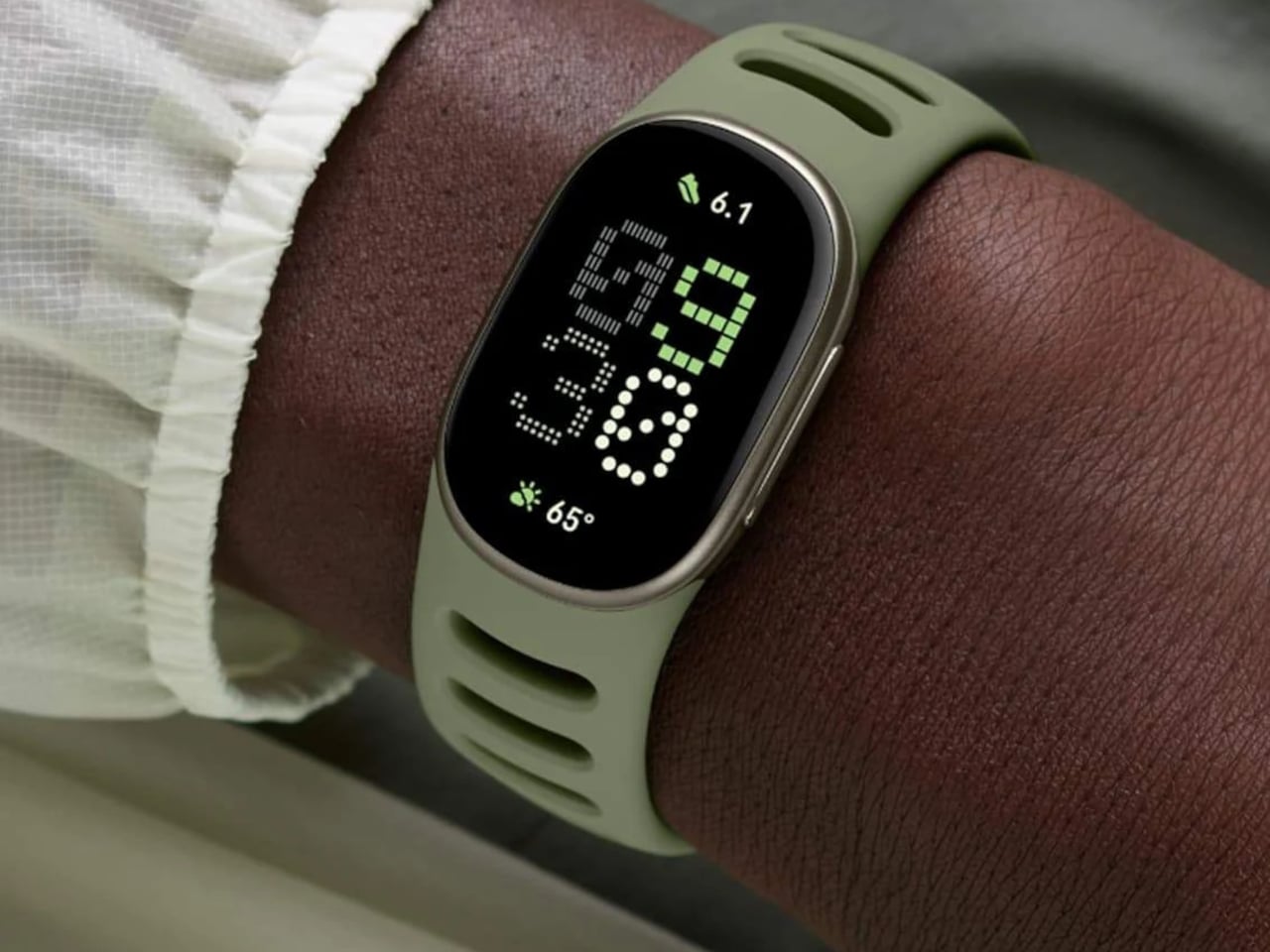

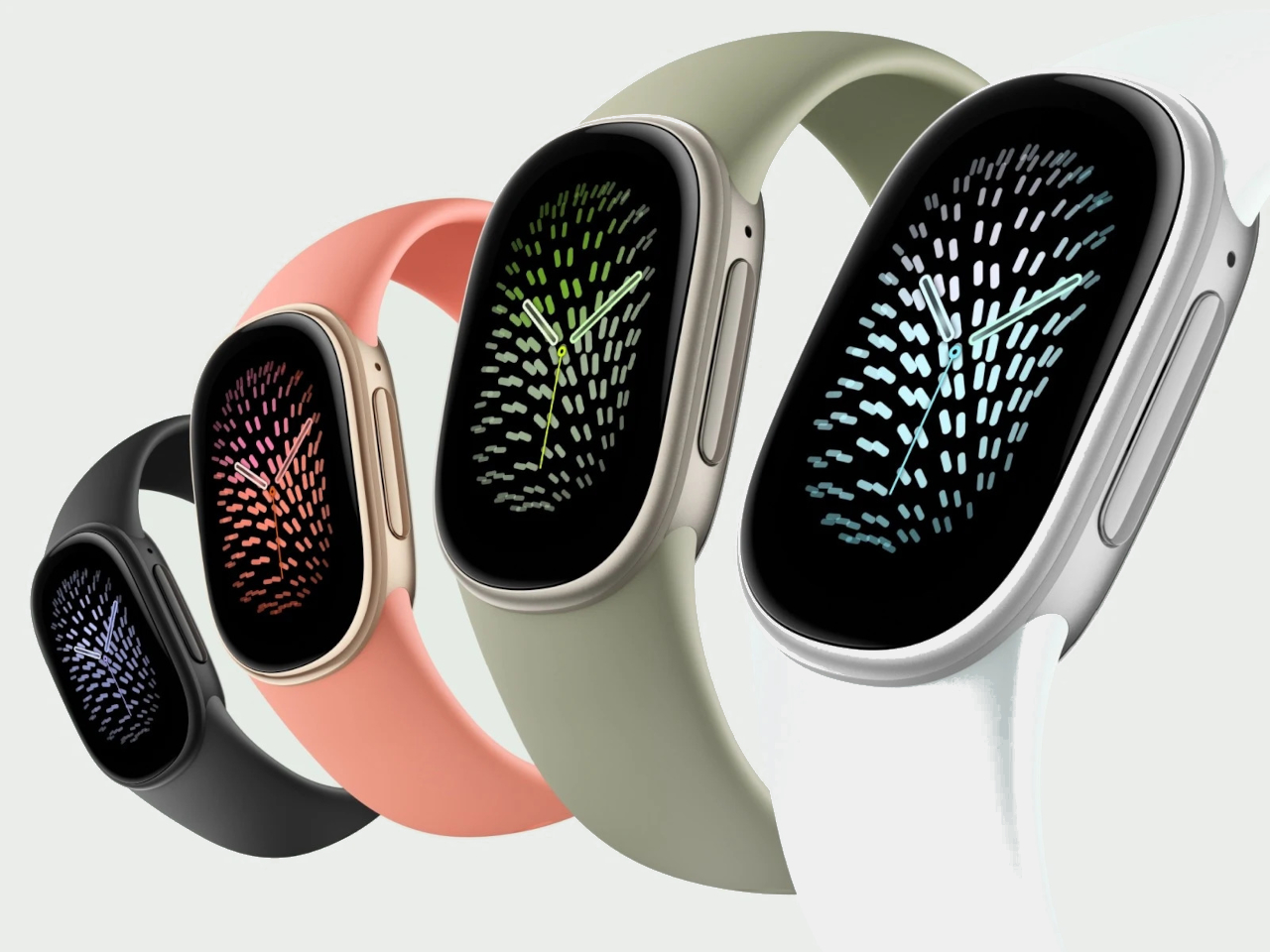
Of course, the most obvious difference from a screenless band is the 1.34-inch AMOLED display. Customizable clock faces put steps and heart rate beside the time, so checking your progress doesn’t necessarily involve digging through menus. Swipe across, and tiles bring up sleep and recovery information. The interface gives those numbers room without trying to fit an entire phone onto your wrist.
The side button is a welcome bit of old-fashioned control in all that glass. Press it to wake the display or return to the clock face; during exercise, it handles pausing. Built-in GPS also means recording a run doesn’t require carrying your phone. An altimeter tracks elevation changes, adding context when your usual route includes hills, or you’re taking the stairs instead of the elevator.
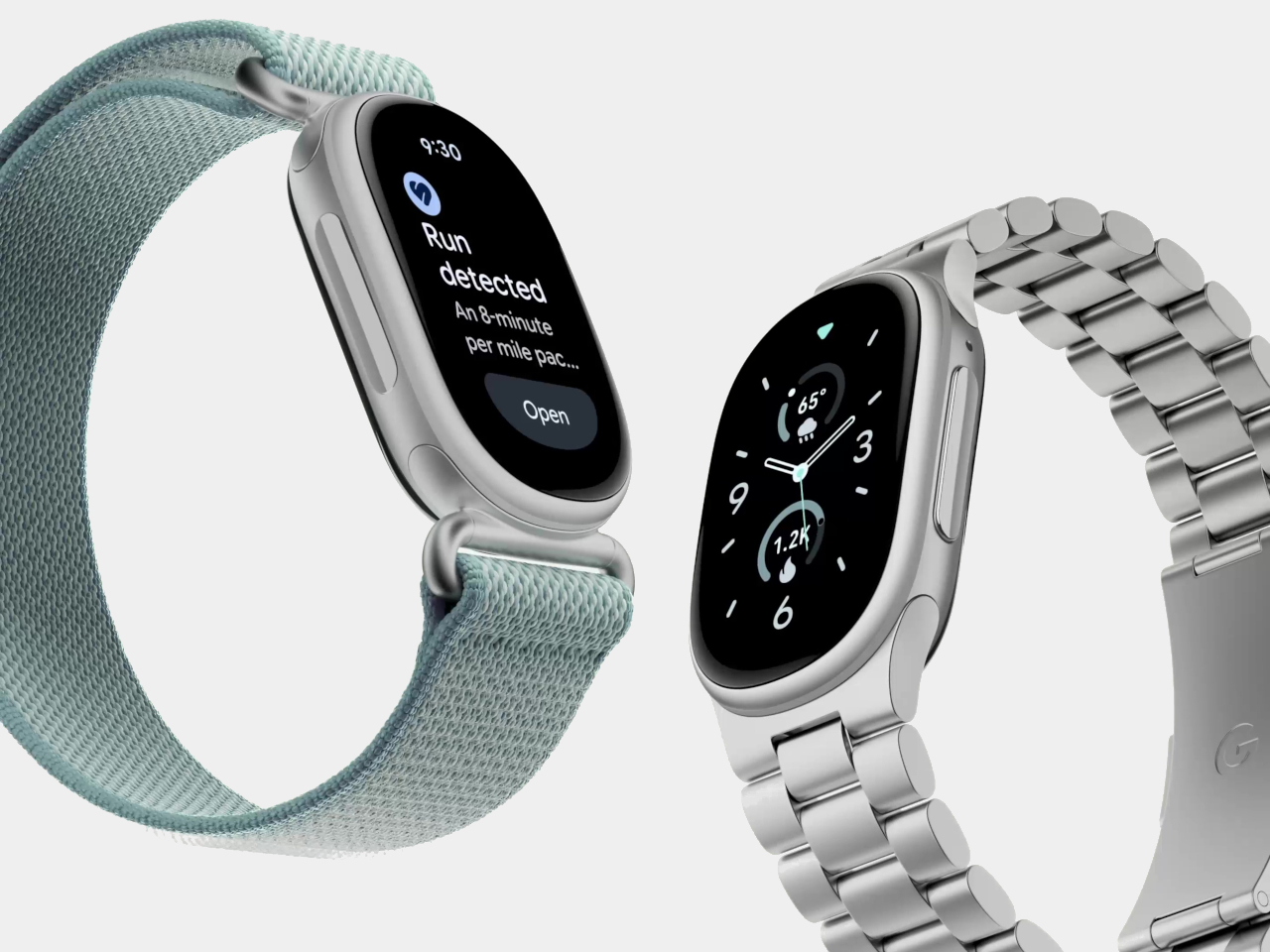
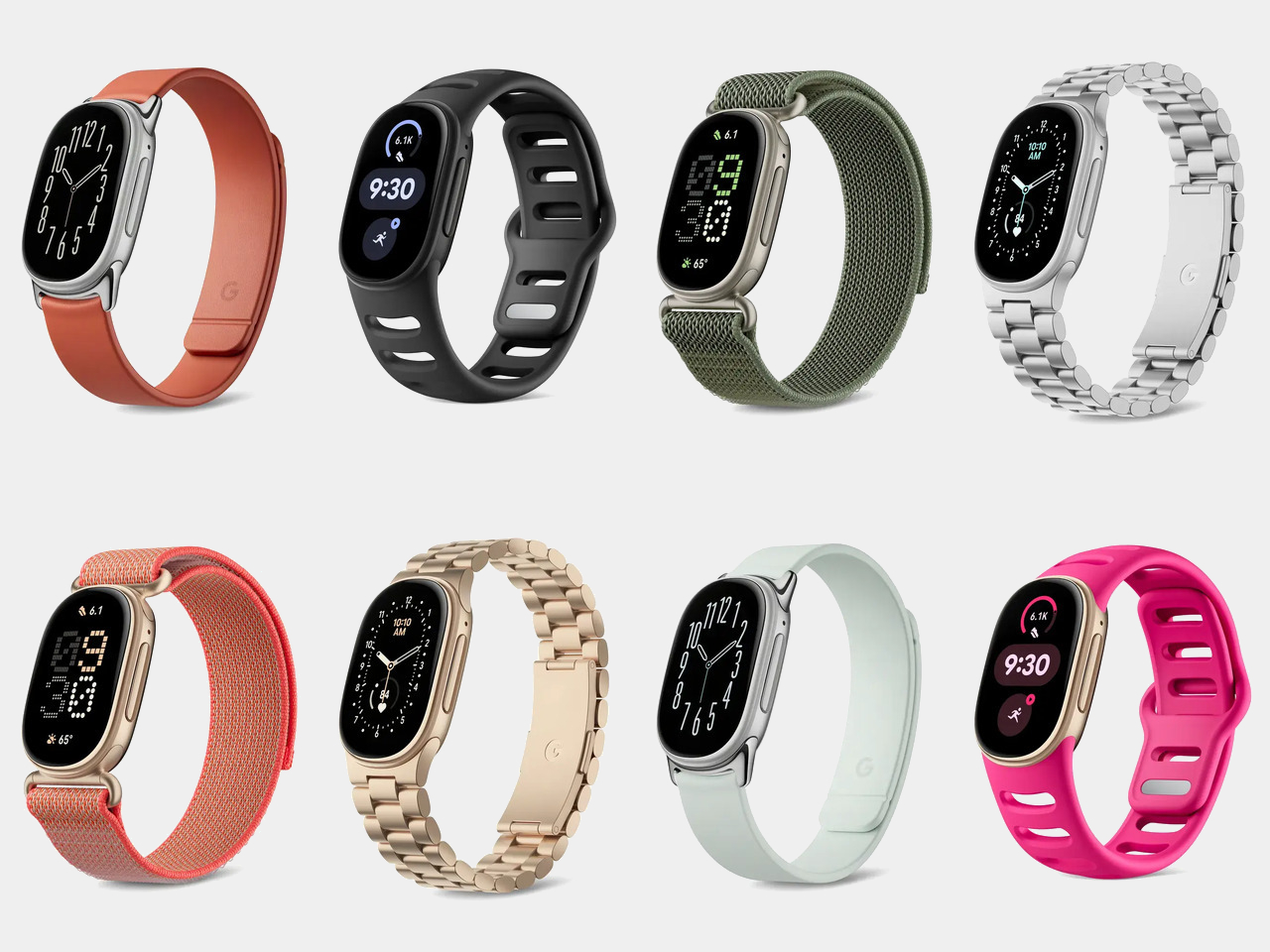
The bands are another way to keep the tracker from looking permanently dressed for a workout. Silicone comes in the box, while optional magnetic bands and metal links change the character of the same small case. Release latches underneath let you detach a strap, and replacements click into place. You don’t have to replace the electronics just because your tastes or clothes have changed.
Heart rate monitoring and sleep tracking provide information to review later, while a skin temperature sensor records nightly variations. Google’s Gemini-powered Health Coach can suggest routines, but it requires Google Health Premium after the included three-month trial. That subscription is separate from the hardware price, and the advice isn’t a substitute for medical care.
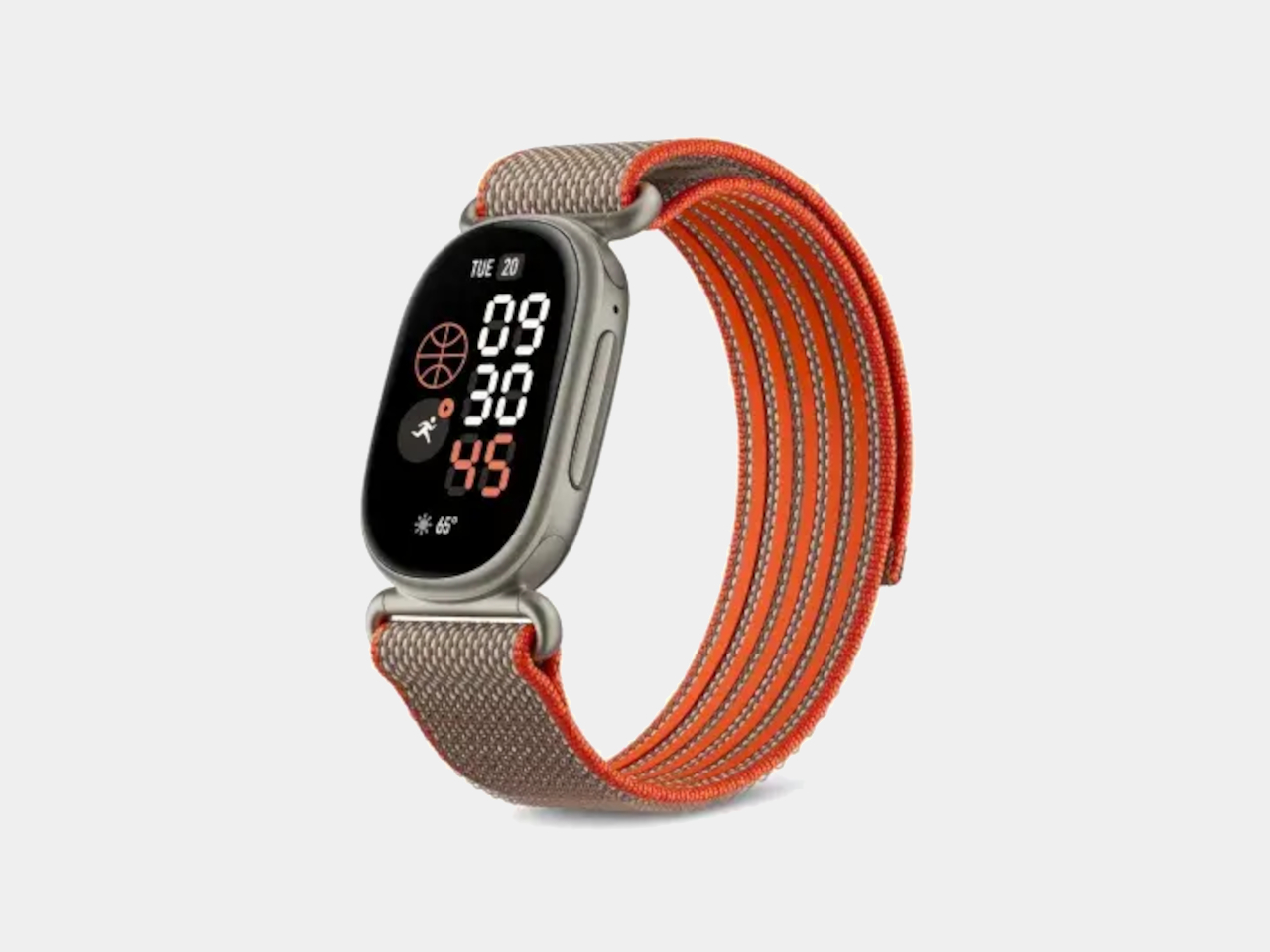
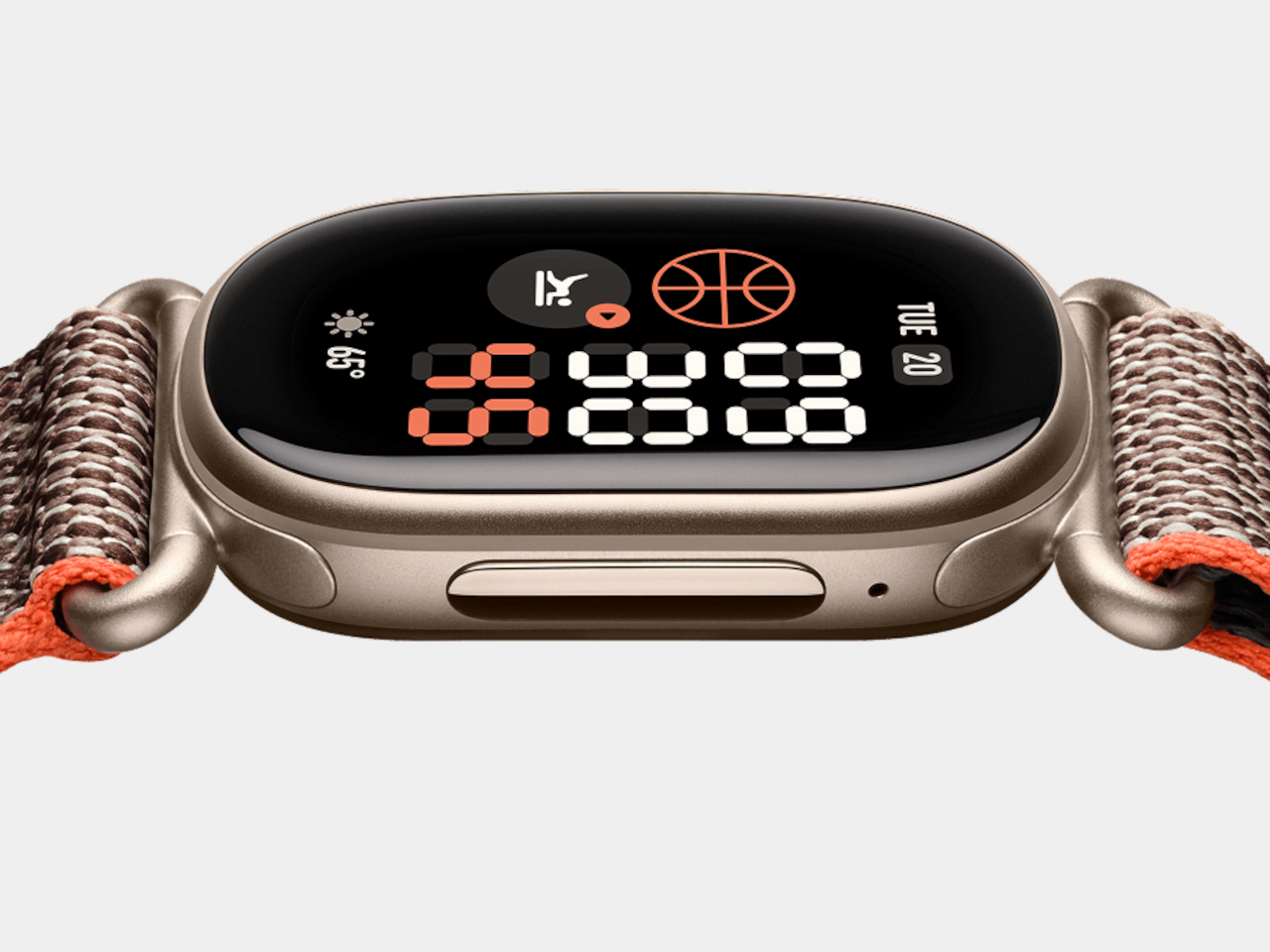
Leaving the screen on changes the charging routine. Google claims up to seven days of battery life under its test conditions, or only up to two days with the always-on display enabled. A five-minute charge promises up to a day’s use when the battery is low. Having the time permanently visible is convenient, but you’ll be visiting the charger more often.
The other battery decision concerns what happens after years of charging. Google calls Edge its first repairable fitness tracker, with a replaceable cell inside a modular layout. That doesn’t mean popping open a cover and swapping batteries at breakfast. Tools and technical expertise are required, and repair options vary by region. Of coursre, you’ll still need access to the right replacement parts, too.