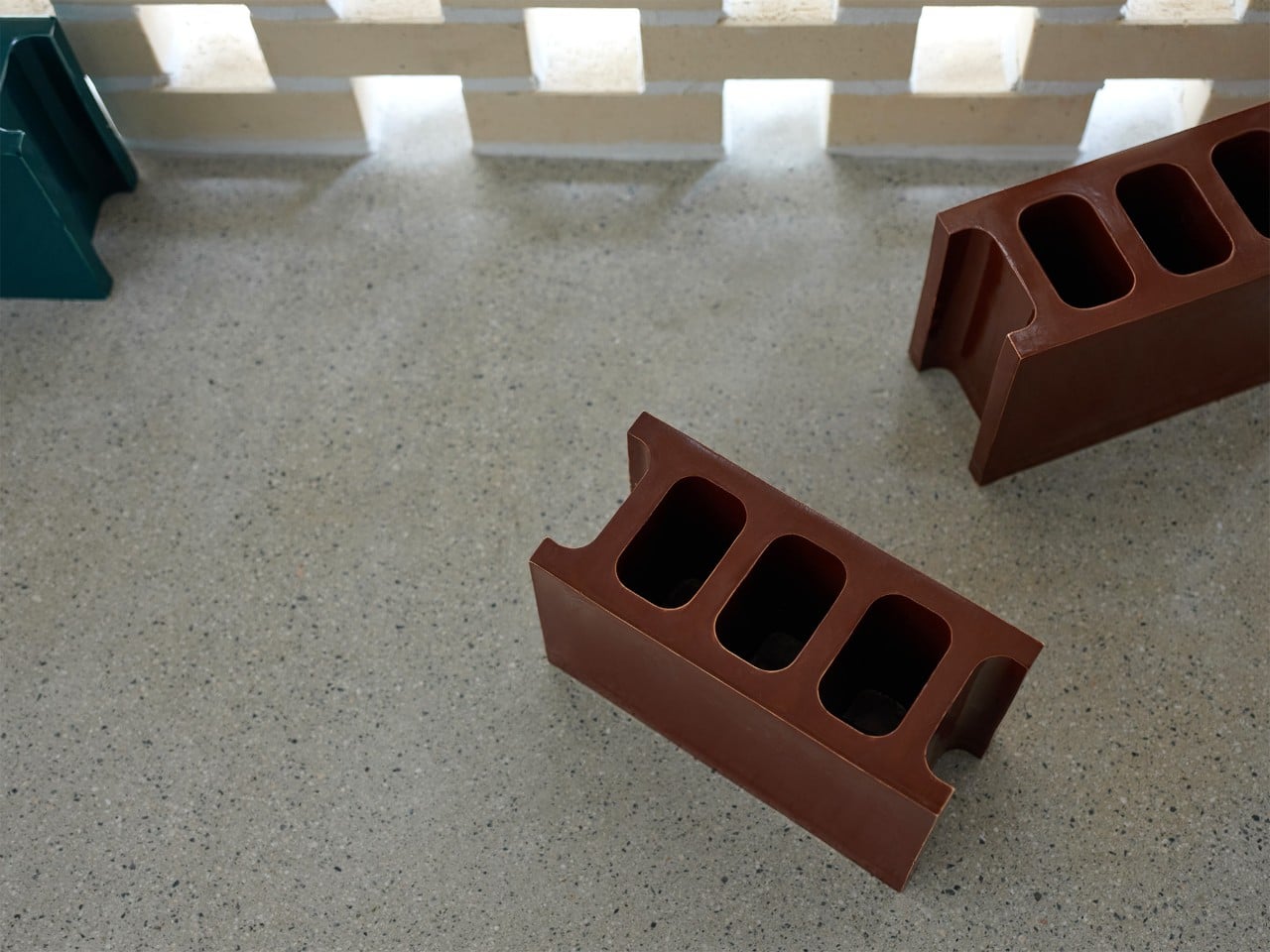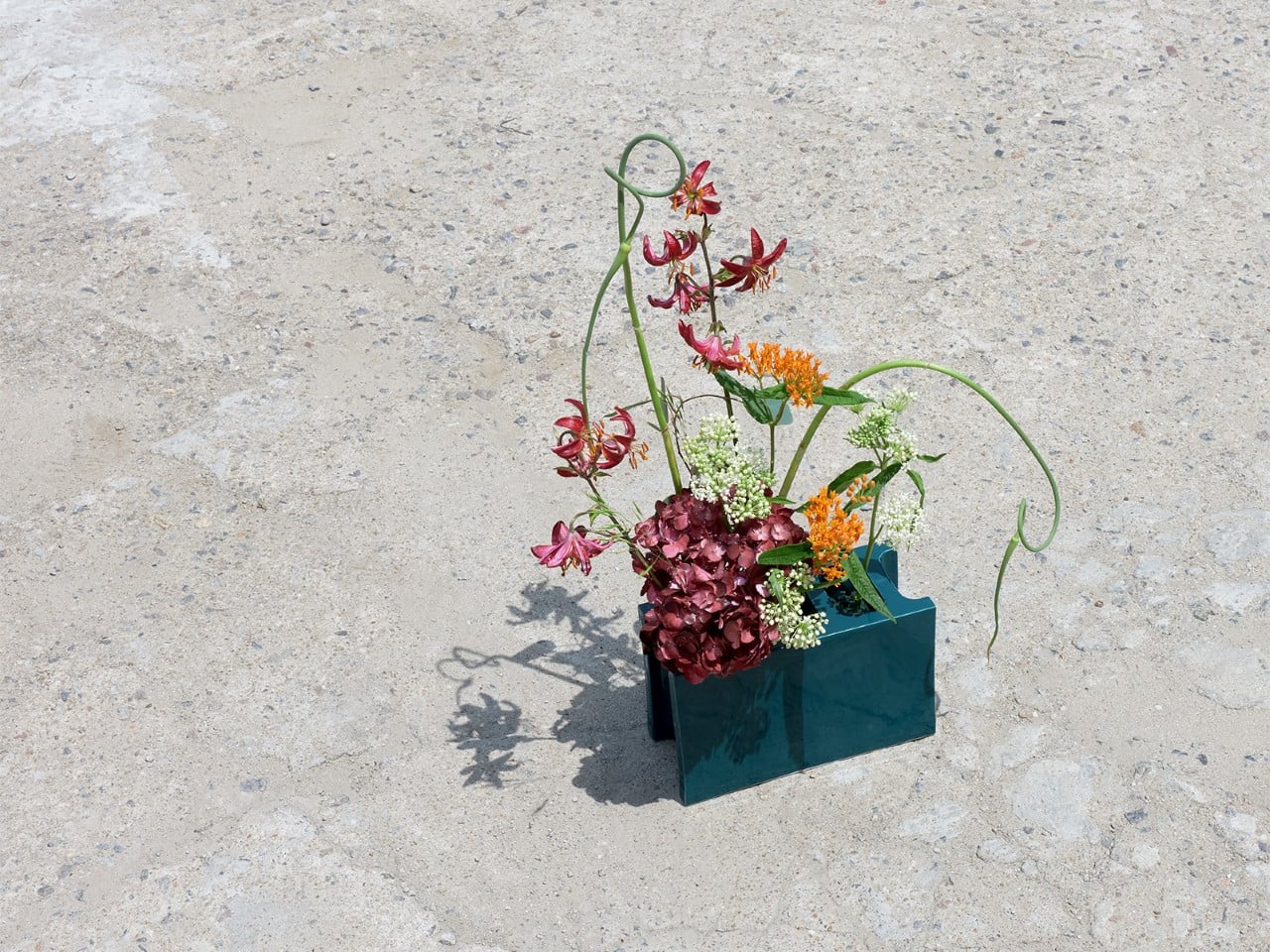

Concrete blocks are useful, but few people would think to put one on a dining table, let alone fill it with flowers. Brick, a ceramic vase modeled on the familiar masonry unit, makes that unlikely arrangement feel oddly natural. Its rectangular body keeps the block’s open cavities, turning hollow spaces into places for stems. A construction material’s blunt shape suddenly has a much gentler job.
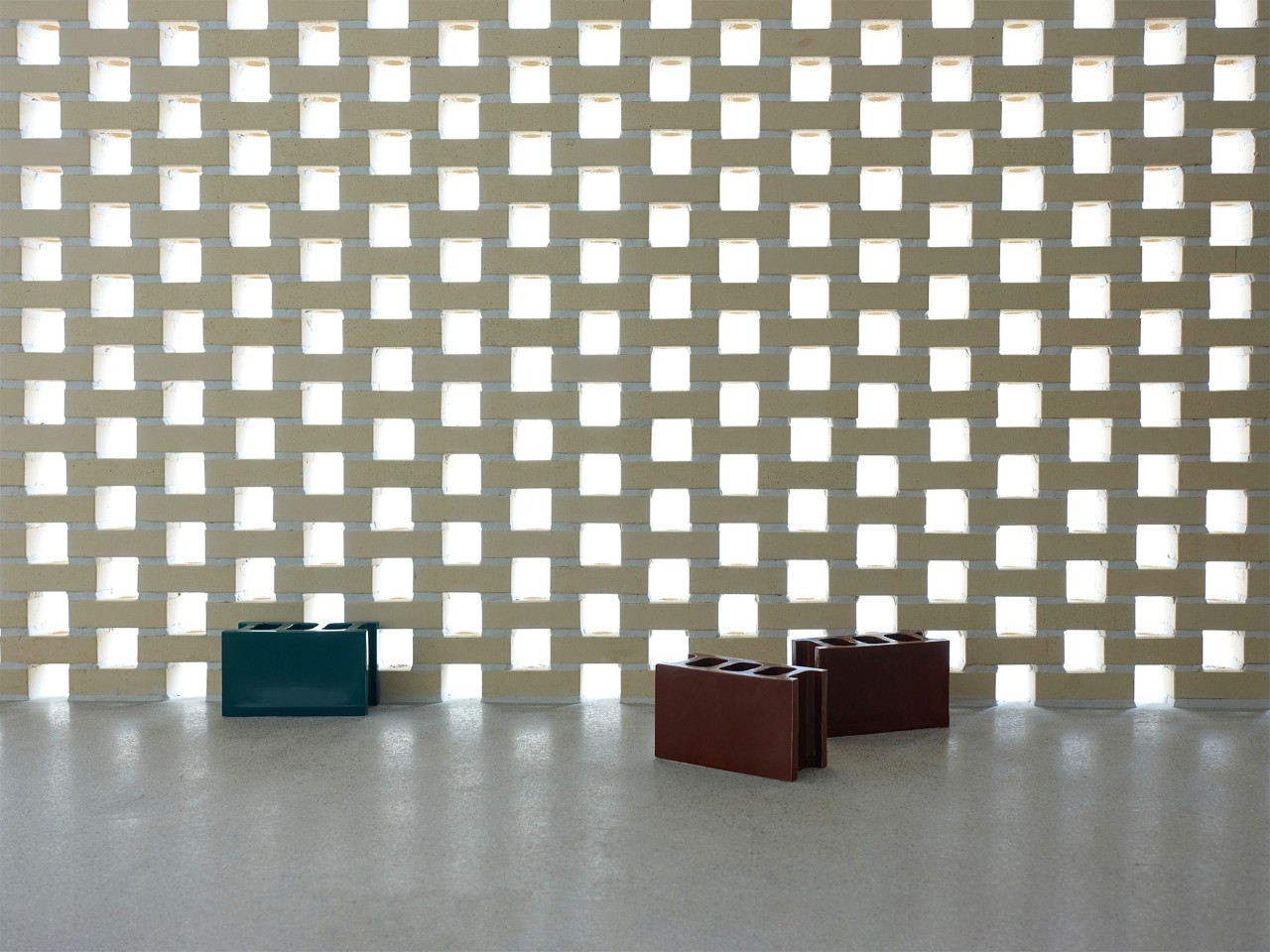
That change of material does most of the work. A concrete block is coarse and built to become part of a wall. In ceramic, the same outline becomes an object you can bring into a room on its own. White, reddish-brown, and deep teal versions offer different moods, but none disguises the vase’s origins. You can recognize the shape before noticing the flowers.
Designers: Jaewon Yeo, Byungwook Gang, Kikang Kim (GANG Studio)
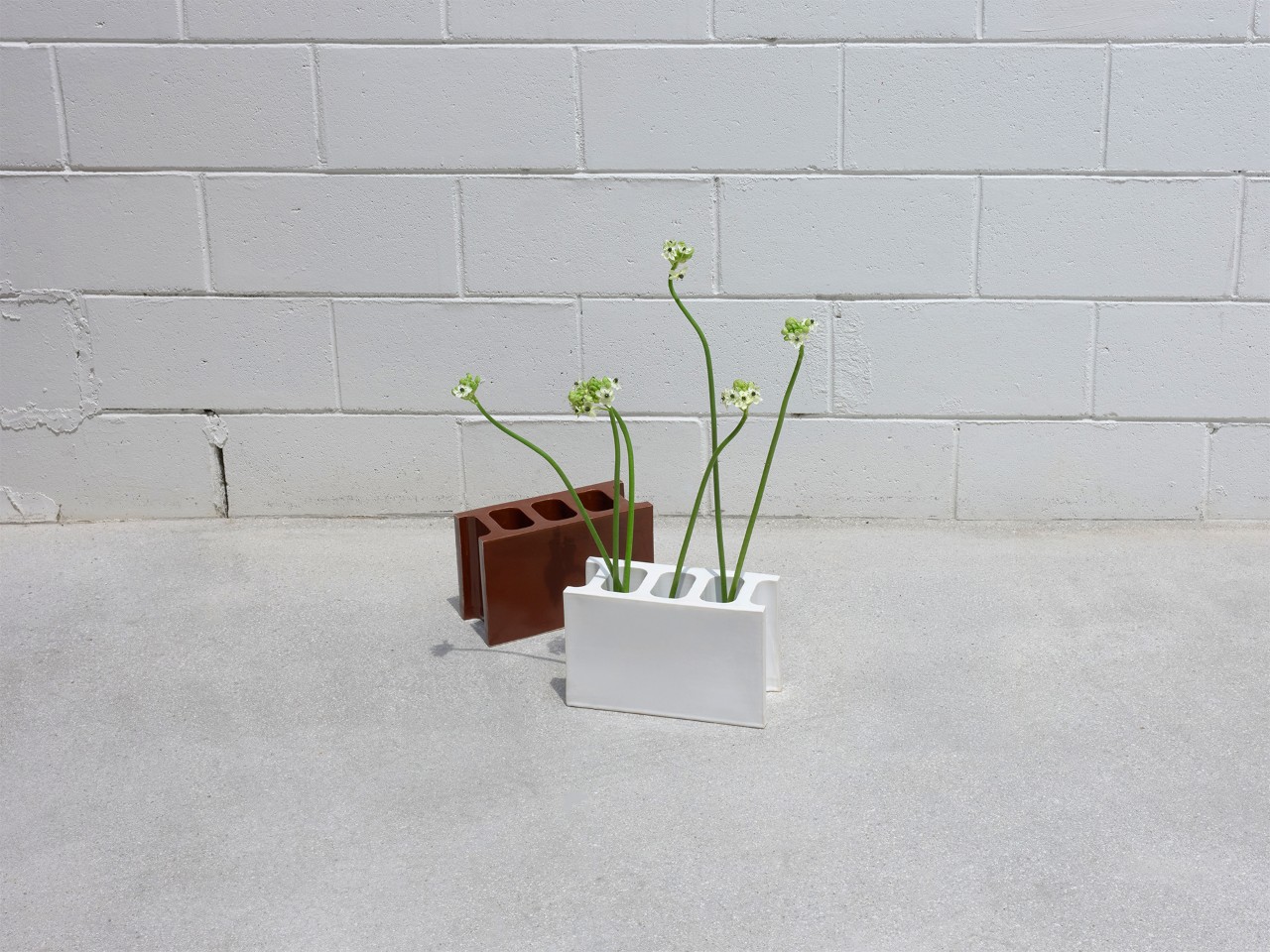
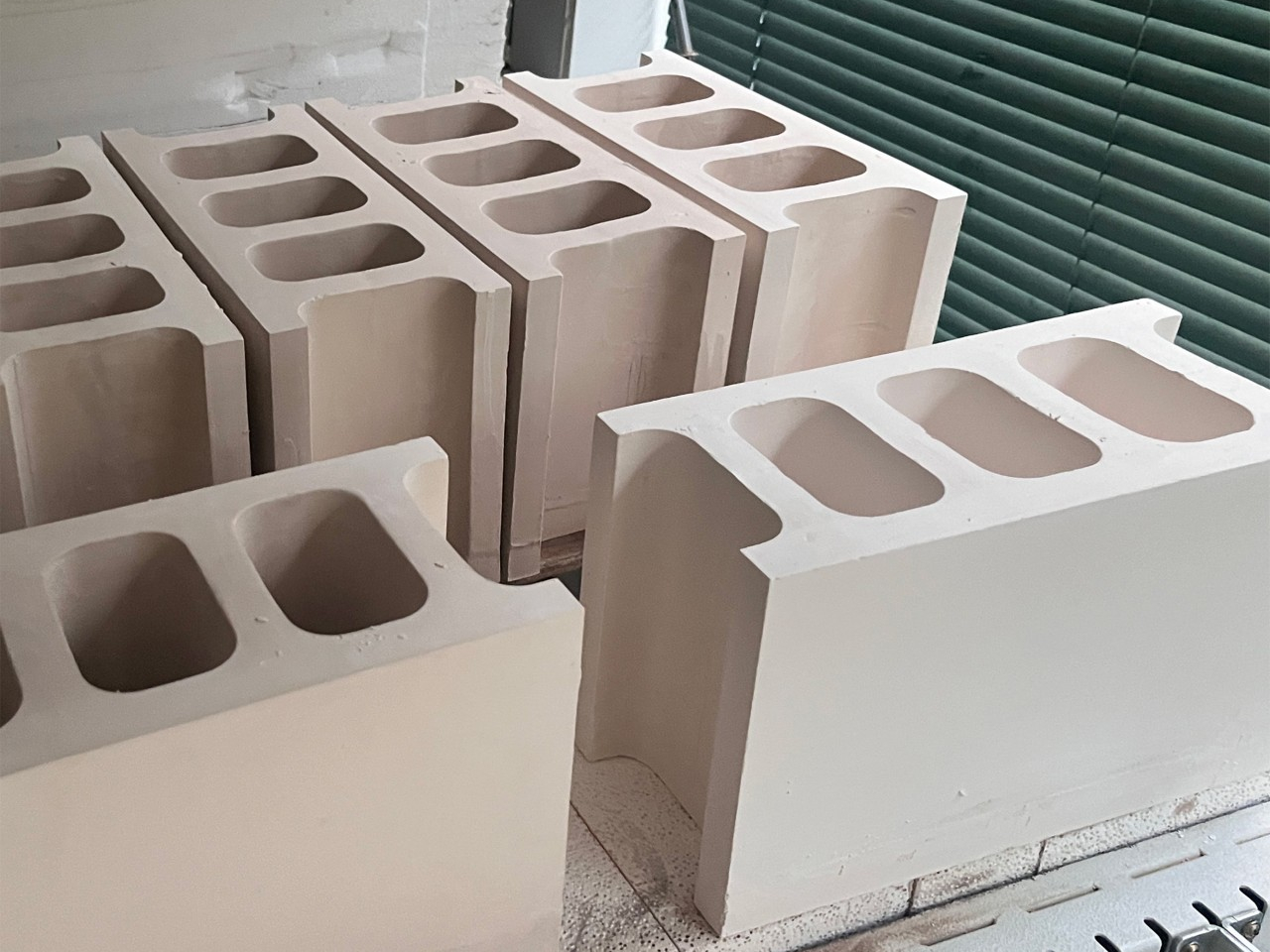
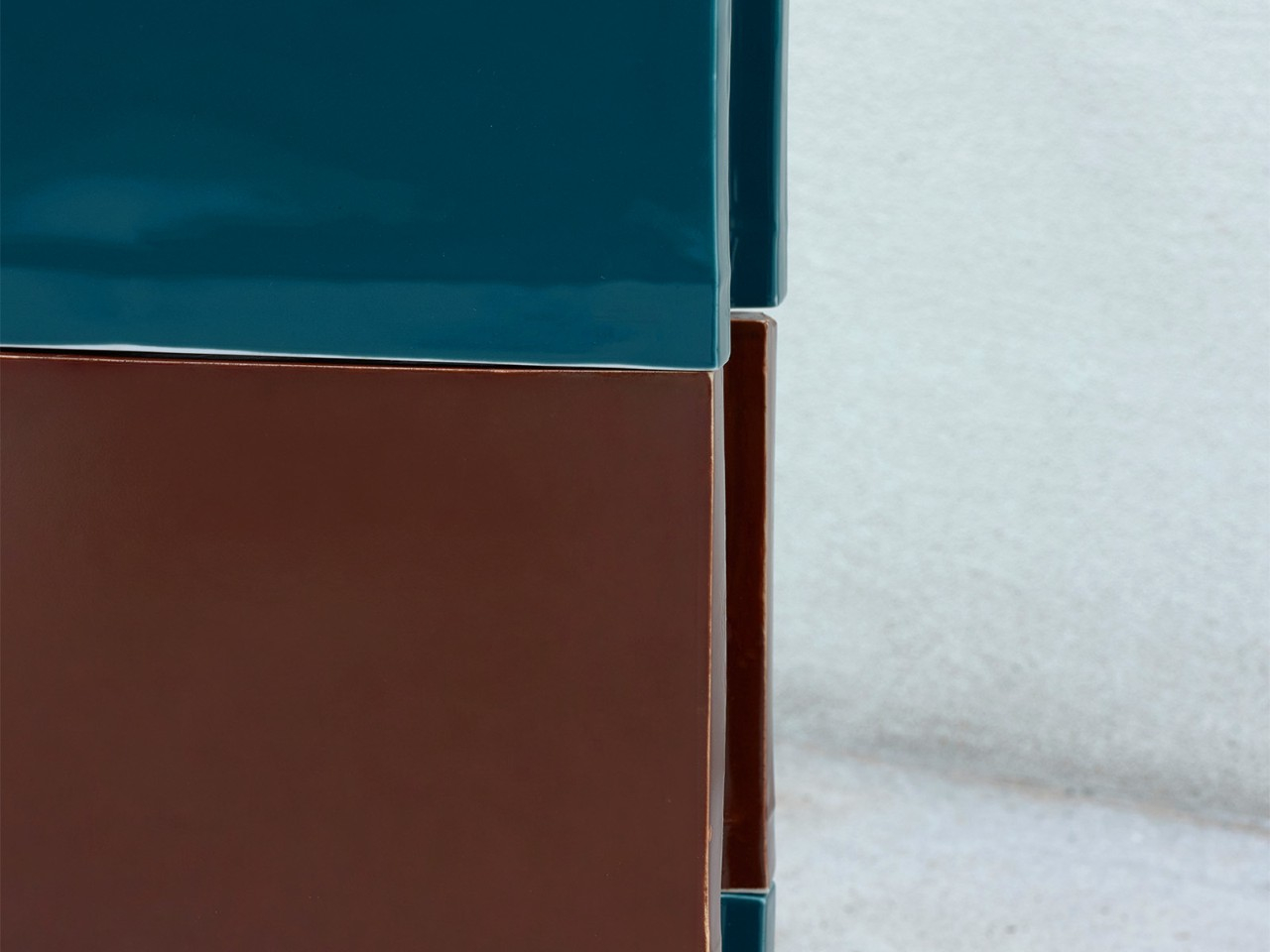
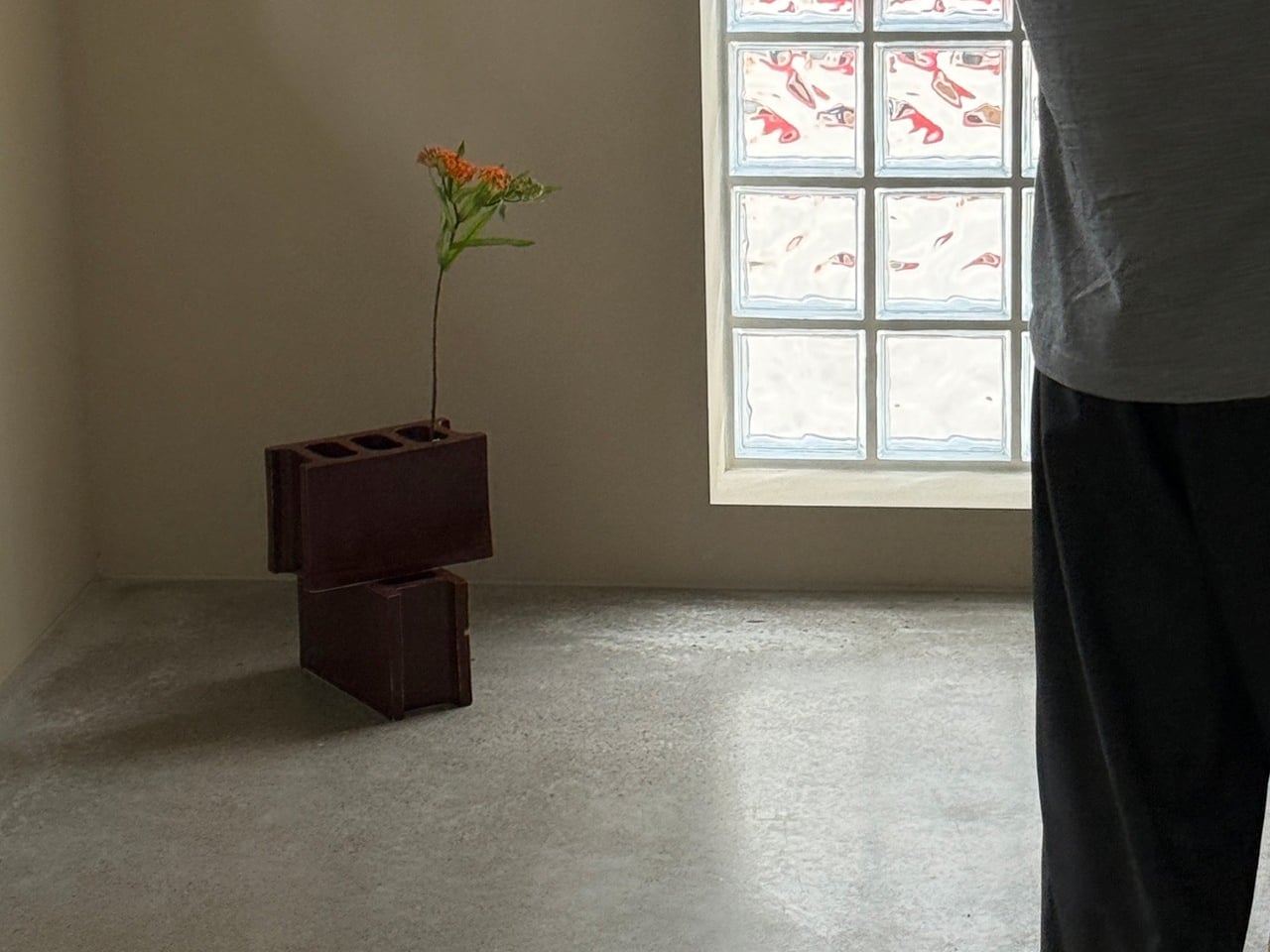
The openings give those flowers a bit of structure, too. Instead of pushing a handful of stems into one wide mouth and hoping they spread evenly, you can give each a place to stand. A few tall blooms can lean in different directions while the block keeps their bases apart. Even a small bunch has a way to occupy the whole vase.
Set Brick on a shelf, and the contrast between its straight edges and wandering stems becomes the point. The ceramic stays resolutely rectangular while the flowers bend wherever they please. On a desk, a few cuttings could bring some life to an otherwise spare corner without requiring a large bouquet.
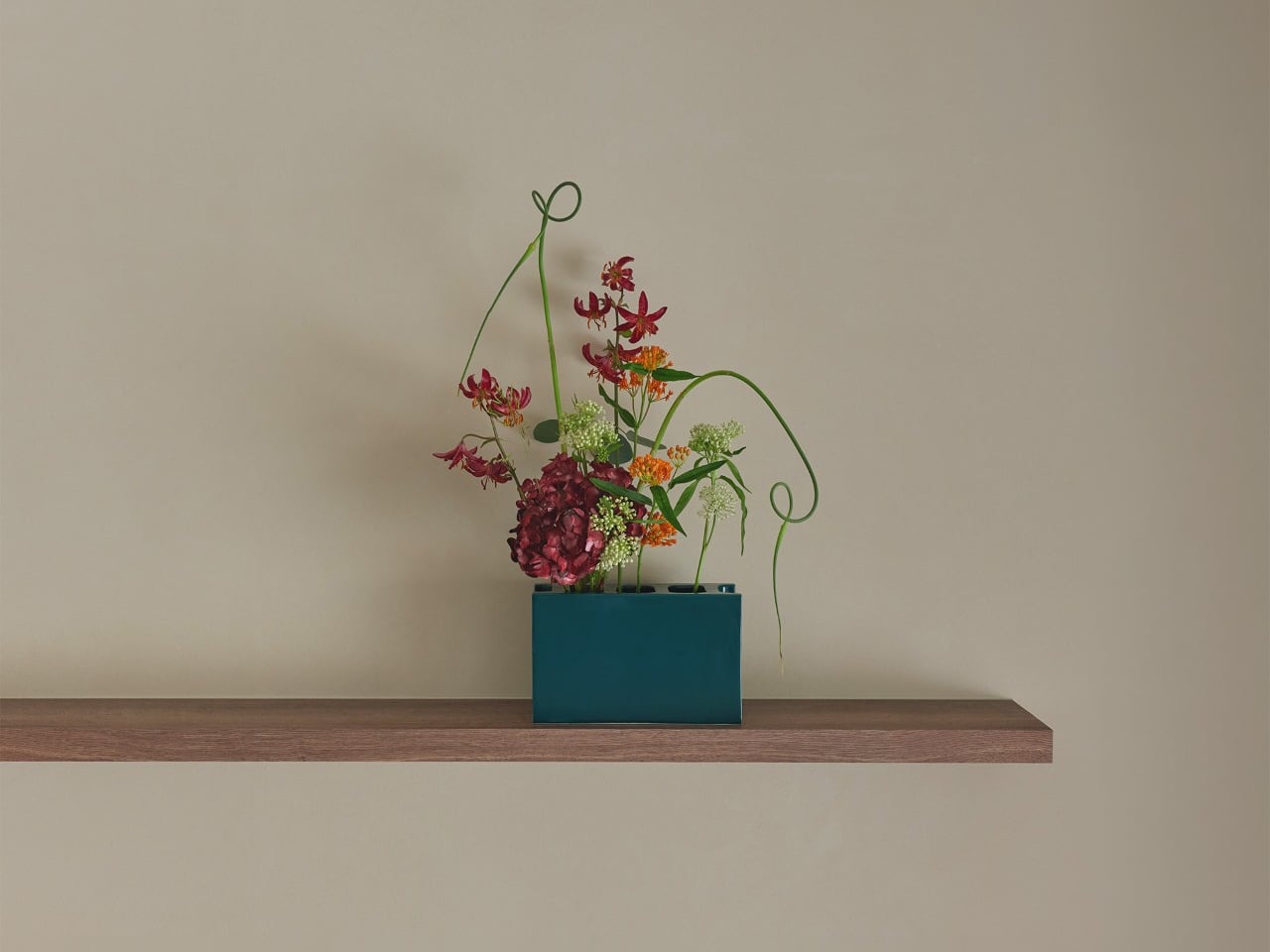
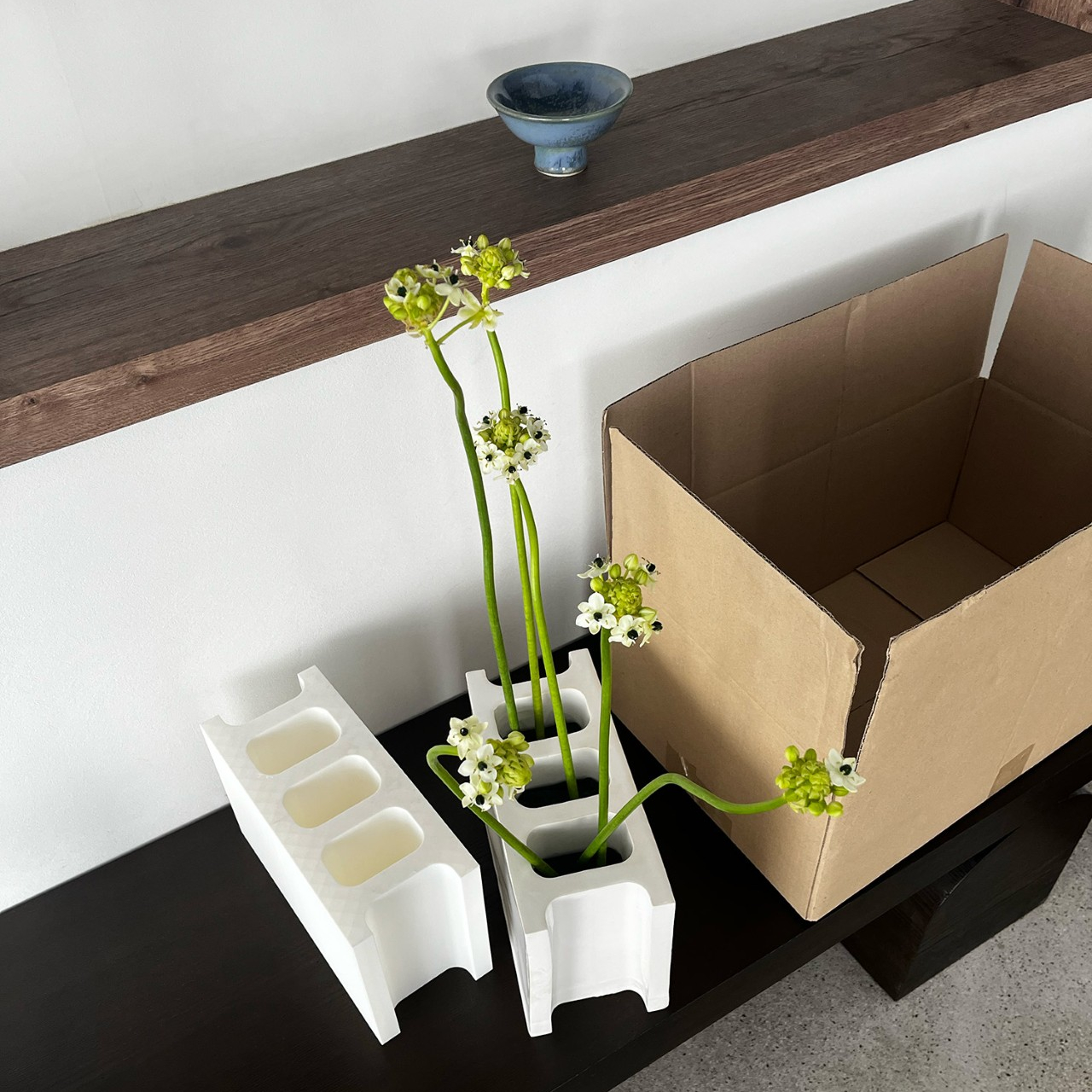

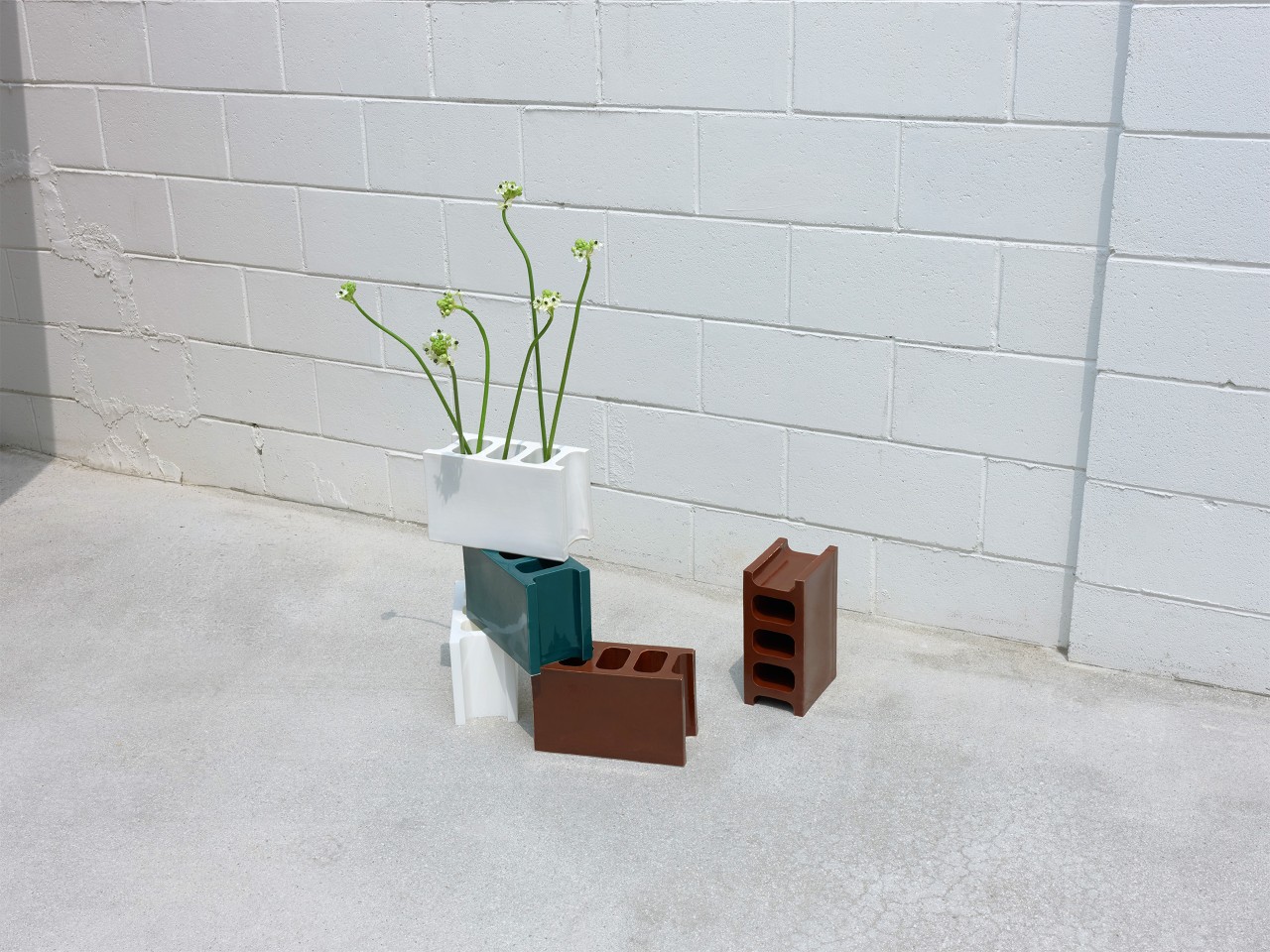
Brick has a presence even when the flowers are gone. The cavities break up what could have been a plain rectangle, while grooves at the ends preserve another detail of the block’s familiar form. Place several colors together, and they start to resemble a collection of miniature building materials. Of course, these pieces belong on furniture, not inside a wall.
That distinction gives the project its humor. We usually overlook a masonry block until it’s stacked with dozens of others, doing a job that depends on repetition. Brick asks you to consider one by itself. Its ceramic surface and color draw attention to a shape that normally fades into the background, while the flowers make the old industrial associations feel a little less severe.
It’s easy to imagine reaching for a Brick after bringing home a few loose flowers. Give the stems separate openings, let them settle at different angles, and the block’s rigid outline does the rest. Nothing about the shape has changed beyond its size, material, and purpose, yet it feels far removed from the wall it might once have helped build.