
Some of the most personal furniture purchases come with the least personal tool. You bring home a crib, spread the pieces across the floor, and end up pressing a skinny metal Allen key into your fingertips while trying to line up the next bolt. It slips. Your hand cramps. The person who offered to help gets assigned to holding a board steady, because turning the key feels like a job for whoever can grip hardest.
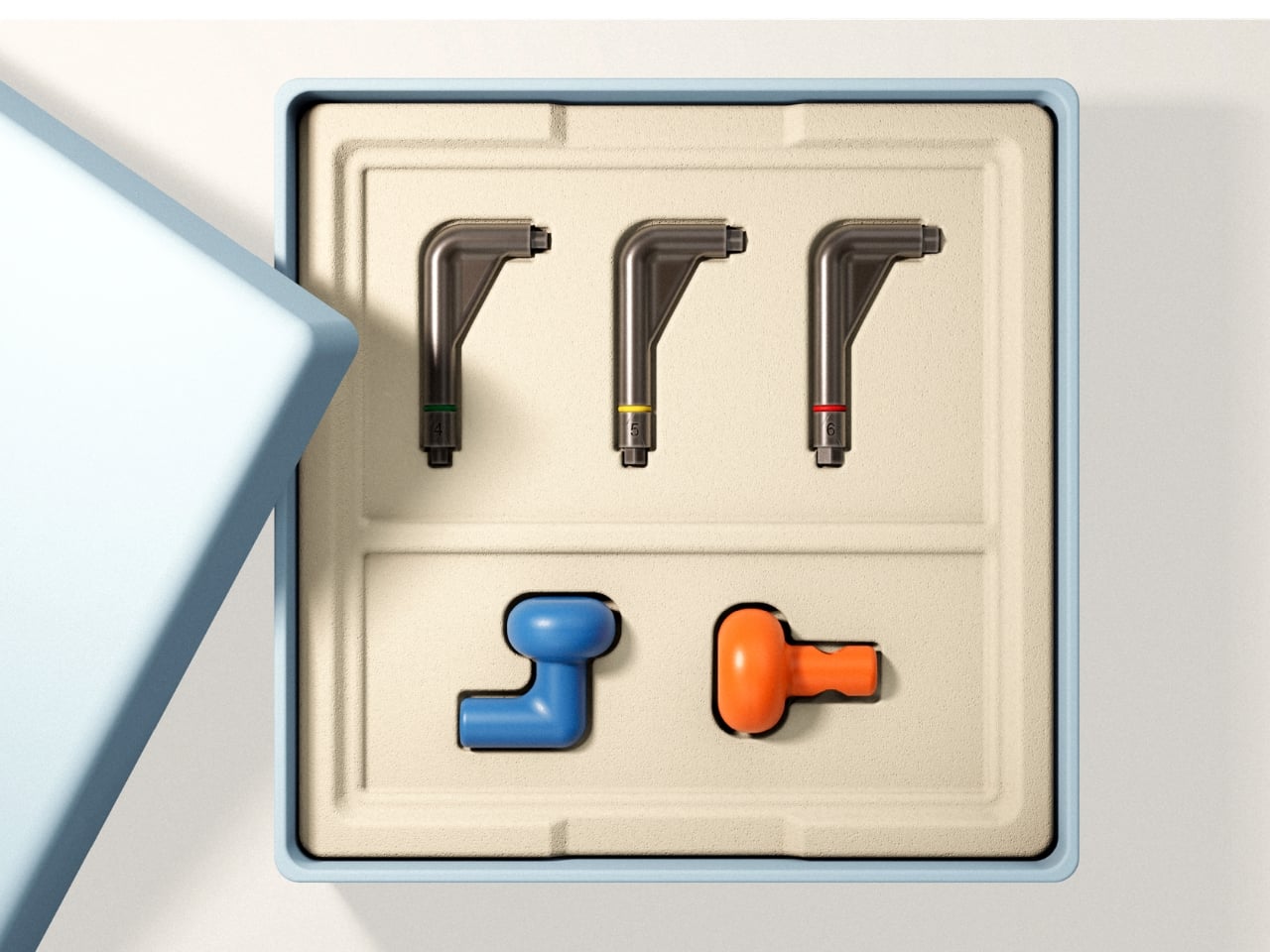
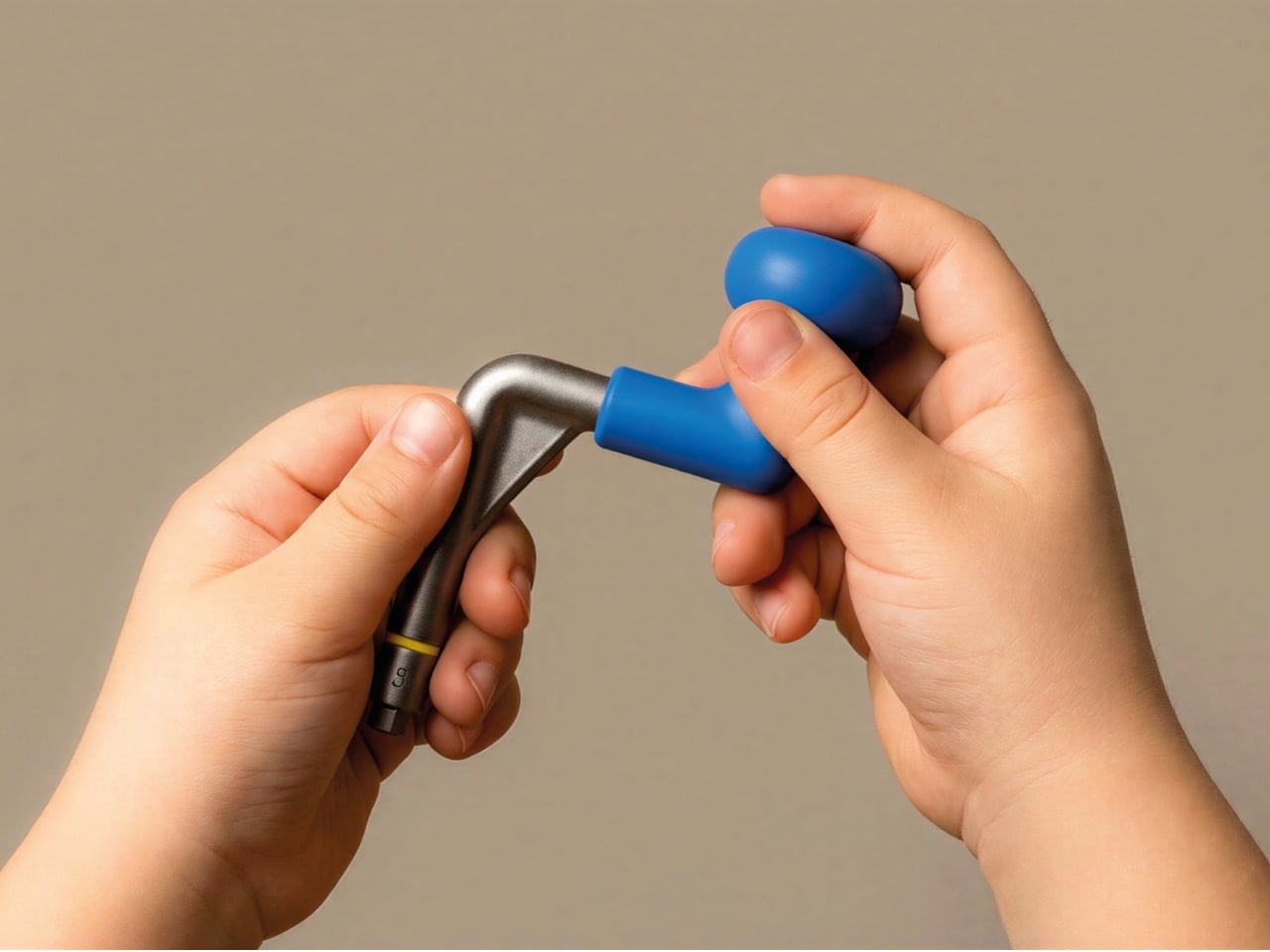
Siddhi Ravi’s Turn Kit offers a gentle correction. It pairs three Allen keys, in 4, 5, and 6mm sizes, with two chunky attachments that slide onto either arm of a key. Instead of pinching metal through a series of awkward rotations, you get a comfortable handle and a downward cranking motion. The aim is simple: less slipping, less hand strain, and a better chance that more than one person can actually take part.
Designer: Siddhi Ravi
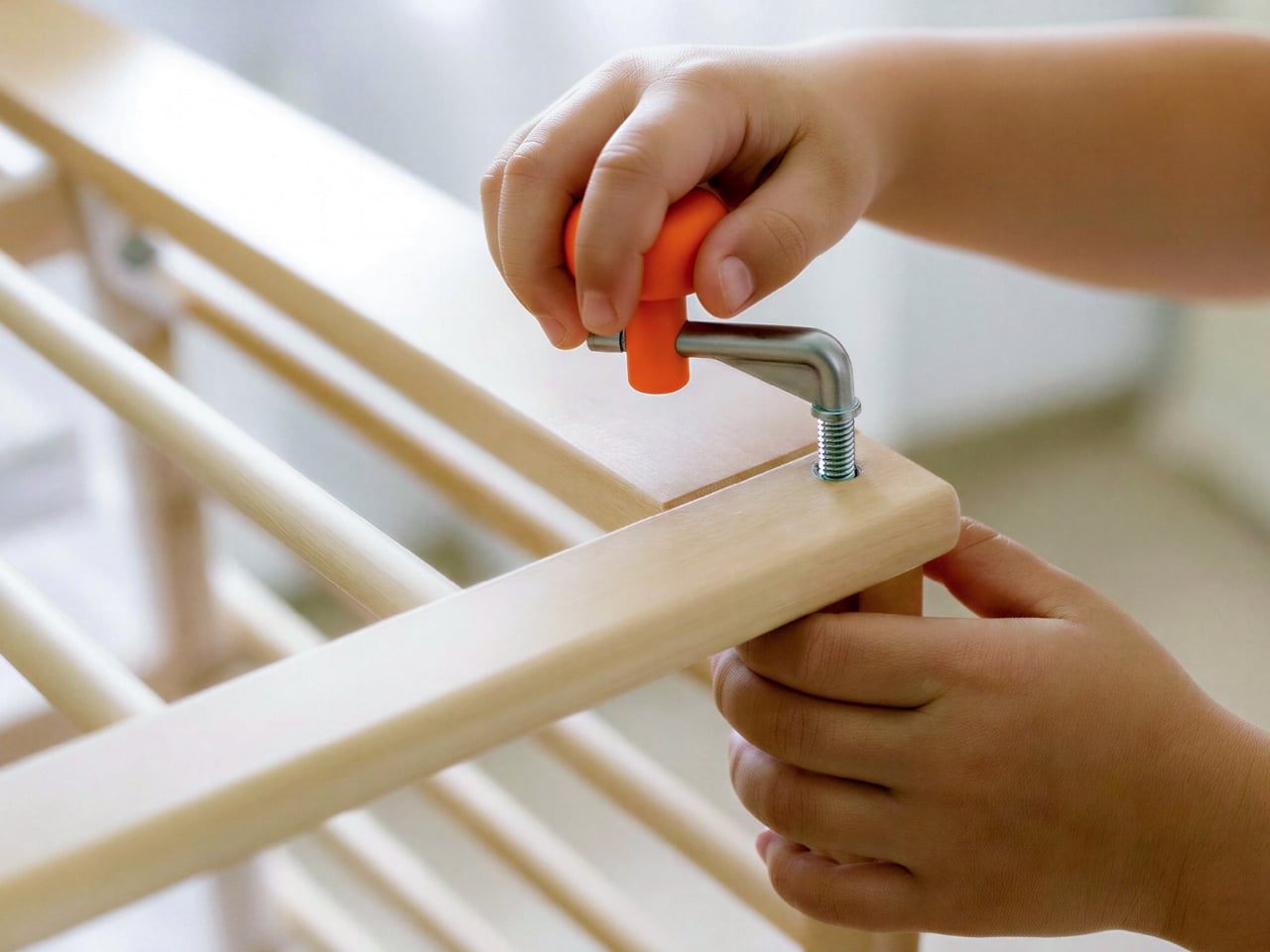
I like that Ravi hasn’t treated the Allen key as a problem to be solved by a motor. Its basic shape has stuck around since 1909. The trouble starts when that little shape meets a real hand, especially after the twentieth bolt. The Turn Kit leaves the familiar tool intact and changes the part we hold.
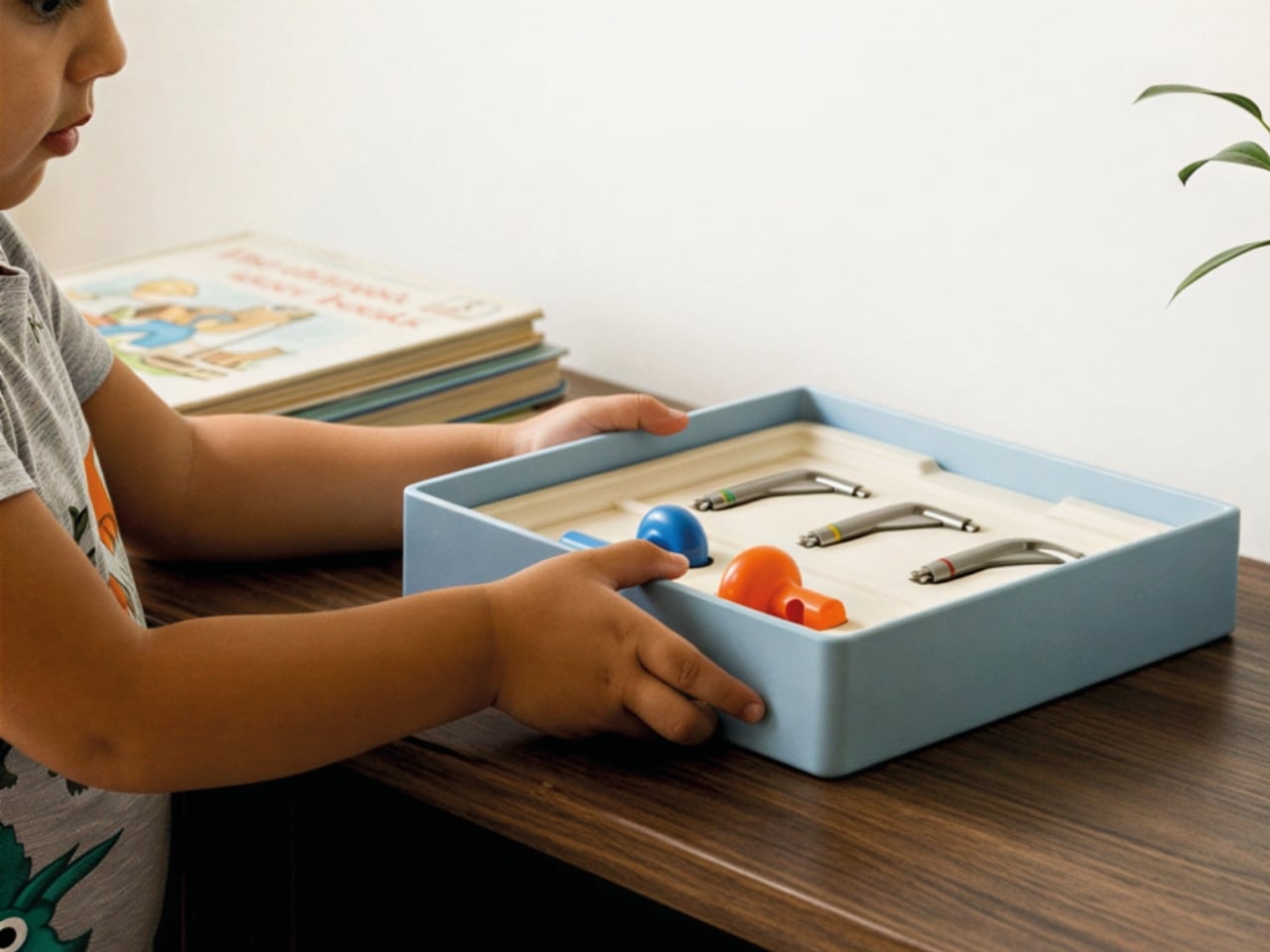
That shift looks almost playful. The keys are sleek and metallic, with colored bands to distinguish the sizes. One attachment is blue and bent like a tiny crank; the other is a rounded orange grip. Set into a pale tray inside a light blue box, the pieces look more like an invitation than the afterthought usually rattling around in a hardware bag. You can tell where everything goes at a glance.
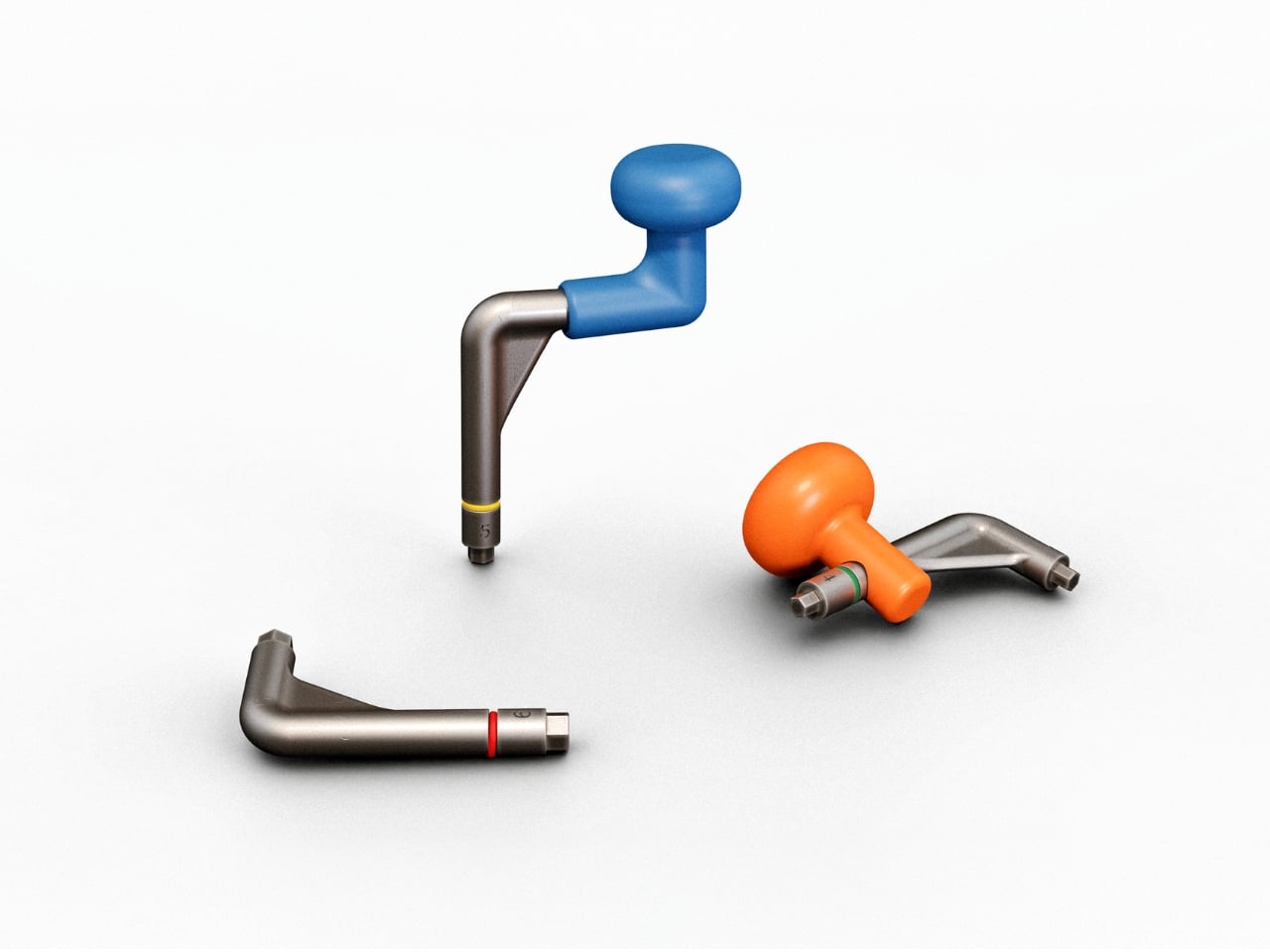
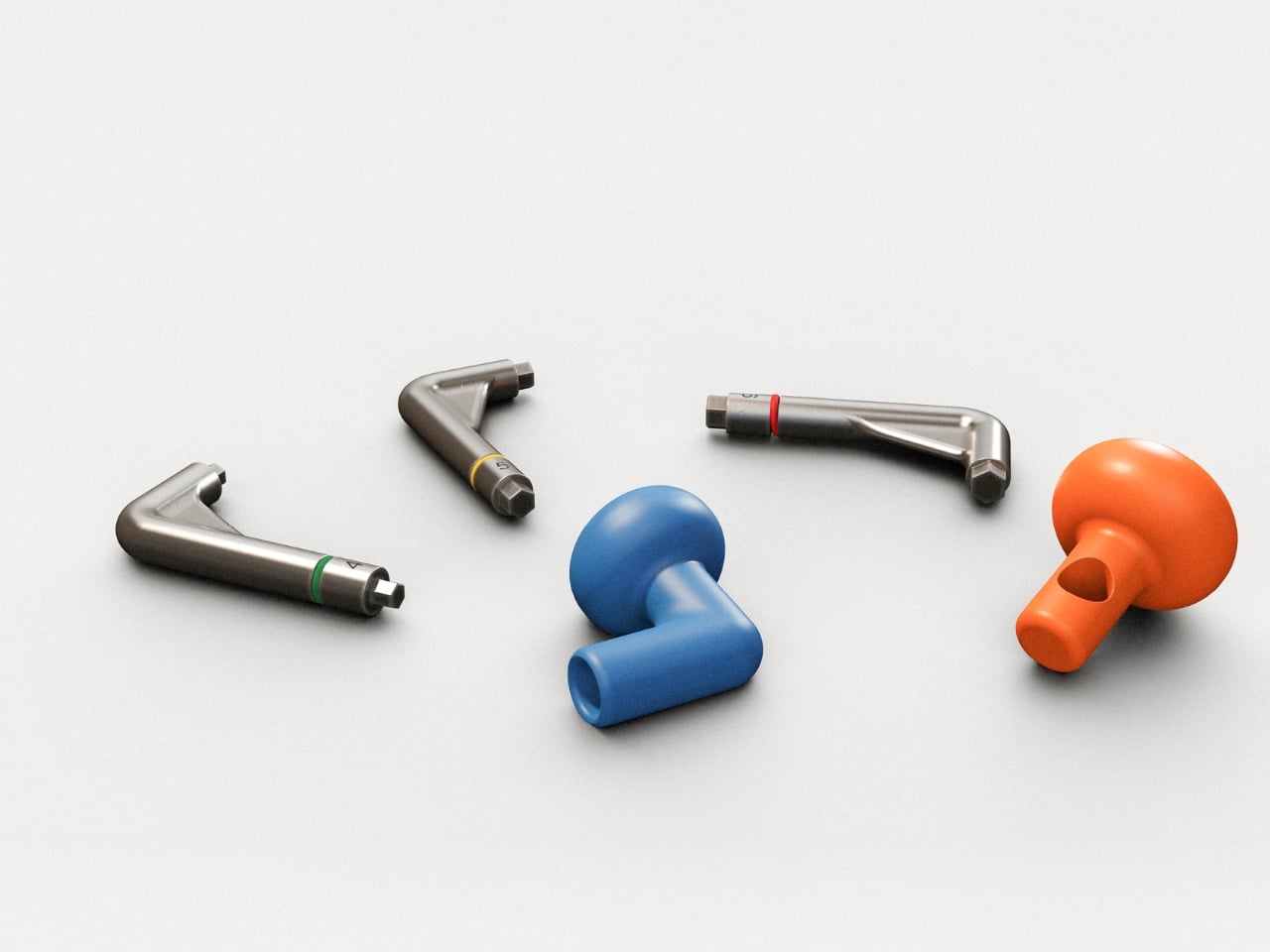
The colors matter because furniture assembly is rarely done under ideal conditions. It happens on a bedroom floor after work, with an instruction sheet sliding under someone’s knee and screws disappearing beneath the box. A tool that is easier to identify, pick up, and hold has already removed a few points of friction before anybody turns a bolt.
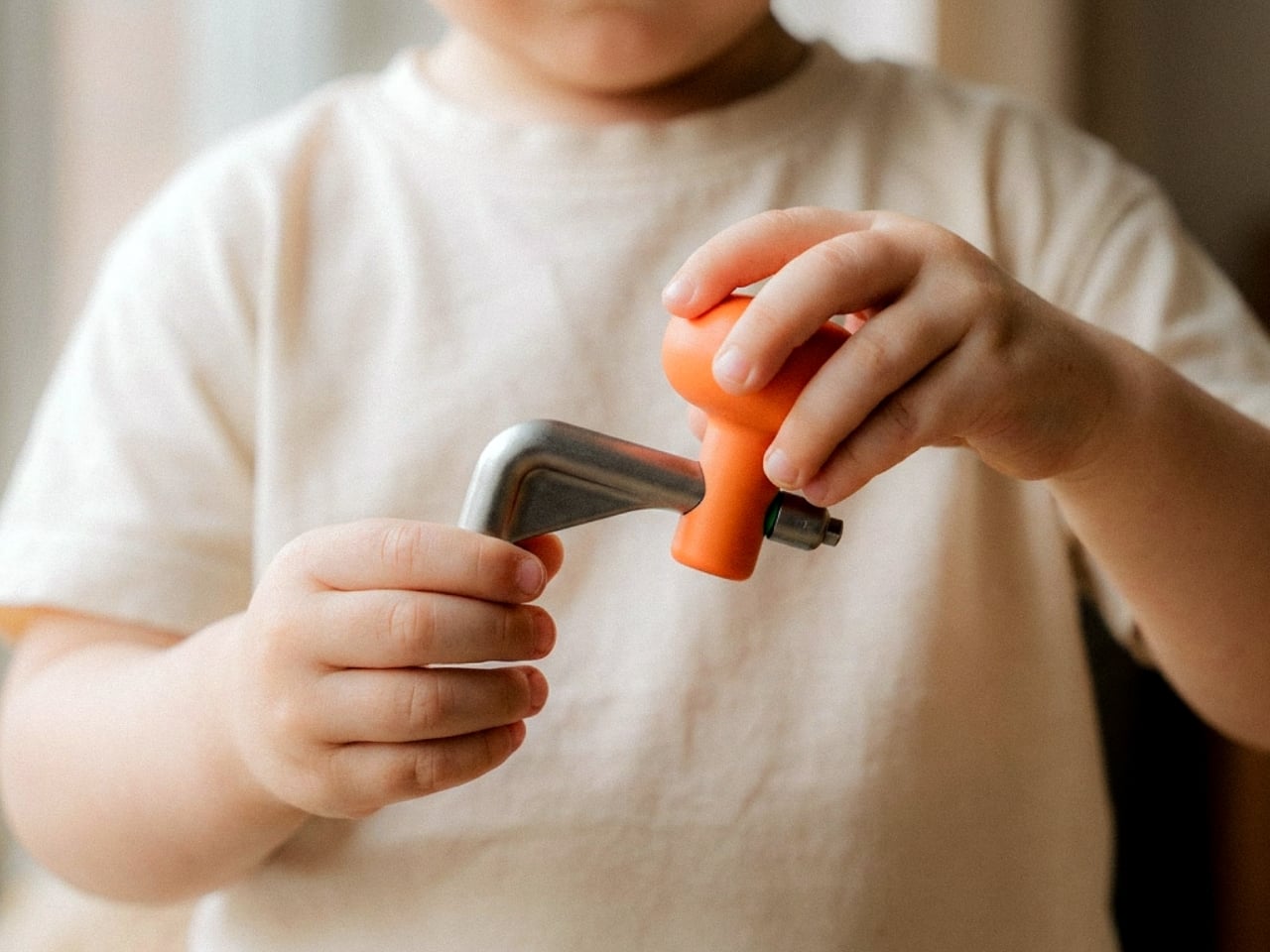
Ravi’s larger idea is about who gets to be involved. An adult with a sore wrist, a grandparent helping furnish a room, or a child eager to do more than watch may all approach the same job differently. A wider grip won’t erase every physical barrier, but it can make the first attempt less intimidating. That is a more interesting promise than simply shaving a few minutes off assembly.
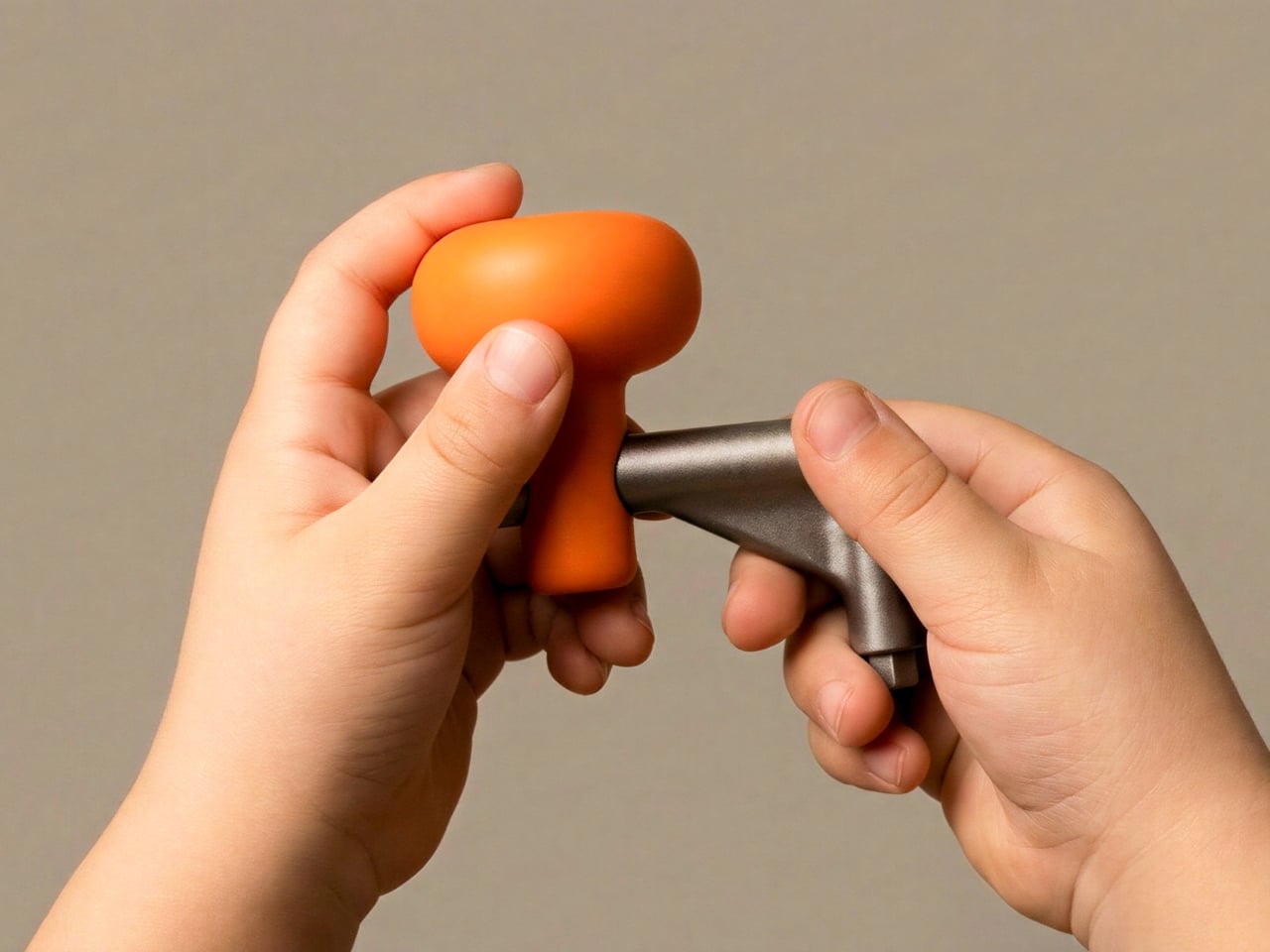
The images accompanying the project make that ambition clear. Small hands fit the orange handle, while sketches show a parent and child working together. I wouldn’t hand a child responsibility for making a crib safe; final assembly and checks should follow the manufacturer’s instructions. But helping with an appropriate step, choosing the right key, or passing a handle across the floor can give a child a real role.
That distinction matters to me. So much family-focused design uses the language of togetherness while quietly leaving the actual work to one person. The Turn Kit doesn’t make a complicated furniture project magically simple, but it does reconsider the moment when someone says, “Let me try,” and gets told the tool is too fiddly. Giving that person a usable grip is a practical form of welcome.
There are limits, of course. A larger attachment might be awkward in a tight corner, and some furniture comes with hardware outside these three sizes. This isn’t a substitute for careful assembly or a guarantee that every hand will find the same handle comfortable. Those caveats make the concept more believable, not less. Ravi is tackling a specific everyday annoyance with a specific physical change, rather than pretending one object can solve furniture assembly.
I can picture the kit getting another outing long after the crib has become a memory: a first desk, a new shelf, maybe a high chair pulled from storage for someone else’s baby. The furniture changes, but the offer stays the same. Here’s a tool you can hold. Want to help? For an object built around turning bolts, that feels like a lovely way to open up the room.