
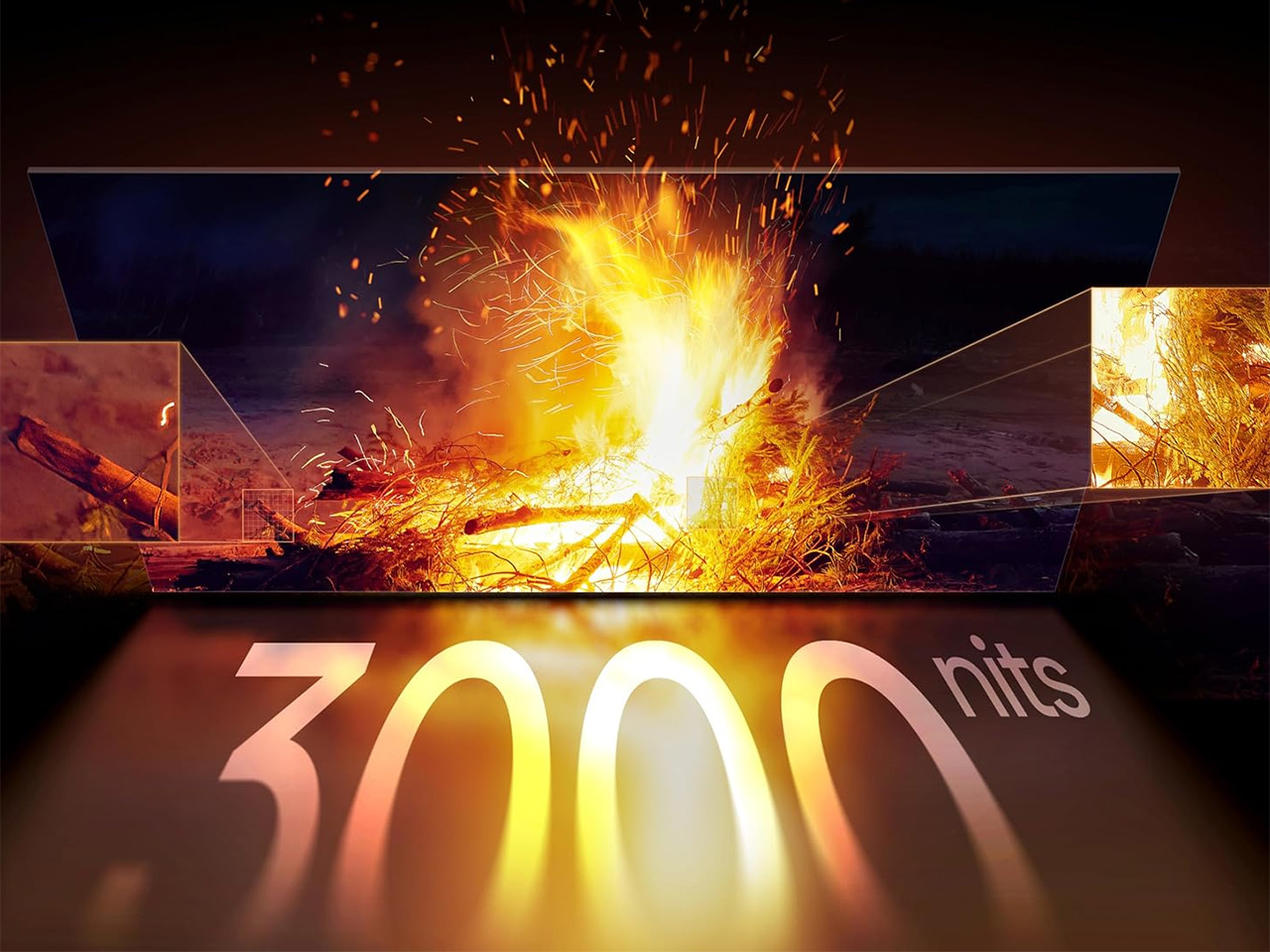
Despite what showroom demos suggest, nobody actually watches TV in a blacked-out room with the blinds drawn. Real living rooms have windows, afternoon sun, and someone walking in front of the screen mid-game. The Hisense U7SG seems to understand that, building its picture quality around the messy, bright rooms people actually watch in, not the dark theater fantasy TVs are usually sold on.
That starts with the panel itself. Thousands of MiniLEDs pack behind the screen, each one controlled with enough precision that bright highlights and deep blacks sit right next to each other without either blowing out. Hisense calls it MiniLED Pro with Full Array Local Dimming, but what it means is a sunset scene doesn’t wash out and a night scene doesn’t turn into a gray, murky mess.
Designer: Hisense
Click Here to Buy Now: $690 $1280 (47% off). Hurry, deal ends in 48-hours!
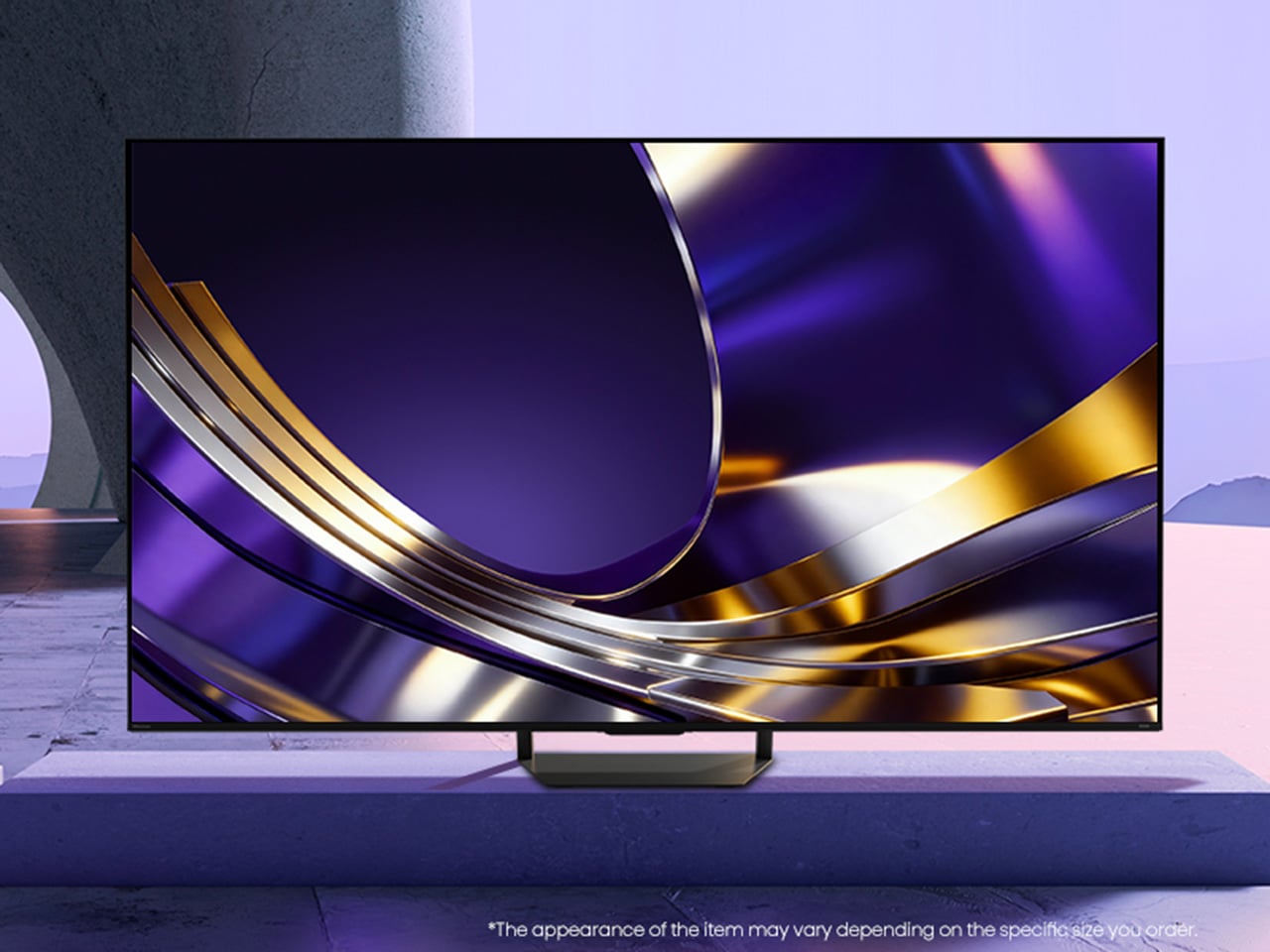

None of that matters much if the picture disappears under glare the moment the sun hits the window, which is where the anti-reflection layer earns its keep. Hisense uses a dual-layer screen treatment that goes further than the usual single-layer coating most TVs rely on, so afternoon light, overhead fixtures, and that one lamp nobody turns off stop being the enemy of a clear picture.
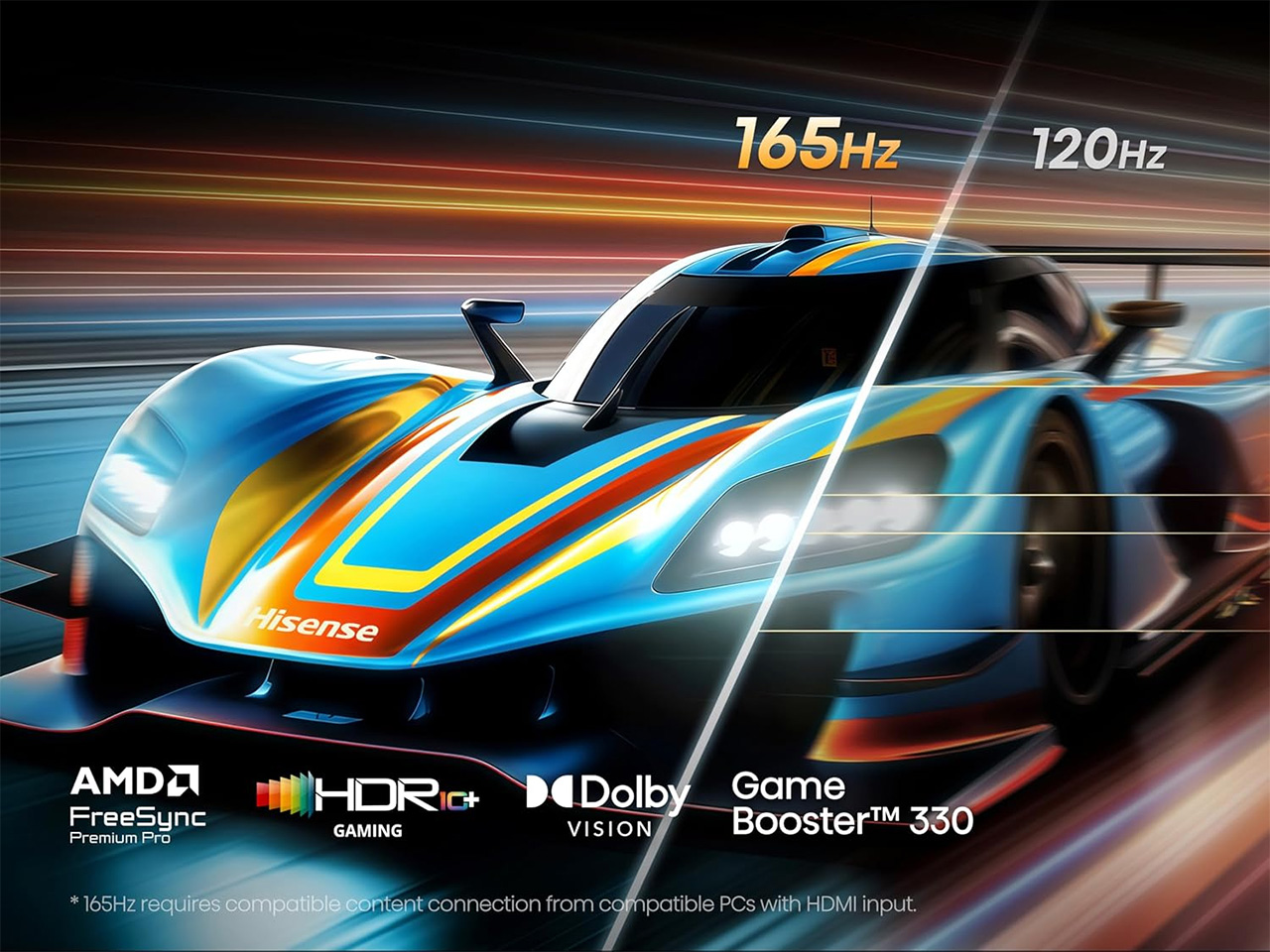
Motion is where a lot of TVs quietly fall apart once a game picks up speed. A native 165Hz refresh rate paired with Hisense’s own motion processing keeps fast breaks, corner kicks, and quick camera pans from turning into smeared pixels. It’s a small thing until you notice its absence, the kind of detail that only becomes obvious once a cheaper TV can’t keep up.
Gamers get their own reason to care. Game Booster 330 uses HSR technology to push refresh rates up to 330Hz VRR for smoother motion and less input lag, and the on-screen Game Bar lets you check FPS, VRR, and HDR settings without pausing whatever you’re playing. Four HDMI 2.1 ports also mean nobody argues over which console gets the good input, since all four handle 4K at 165Hz.
Color gets the same careful treatment. Hisense’s Hi-QLED panel is Pantone validated, which sounds like a checkbox until you notice how natural team uniforms, grass, and skin tones actually look instead of oversaturated. Add support for Dolby Vision, HDR10+, and IMAX Enhanced, and the U7SG stops caring what format your content showed up in. It just plays it, accurately, without asking you to think about it.
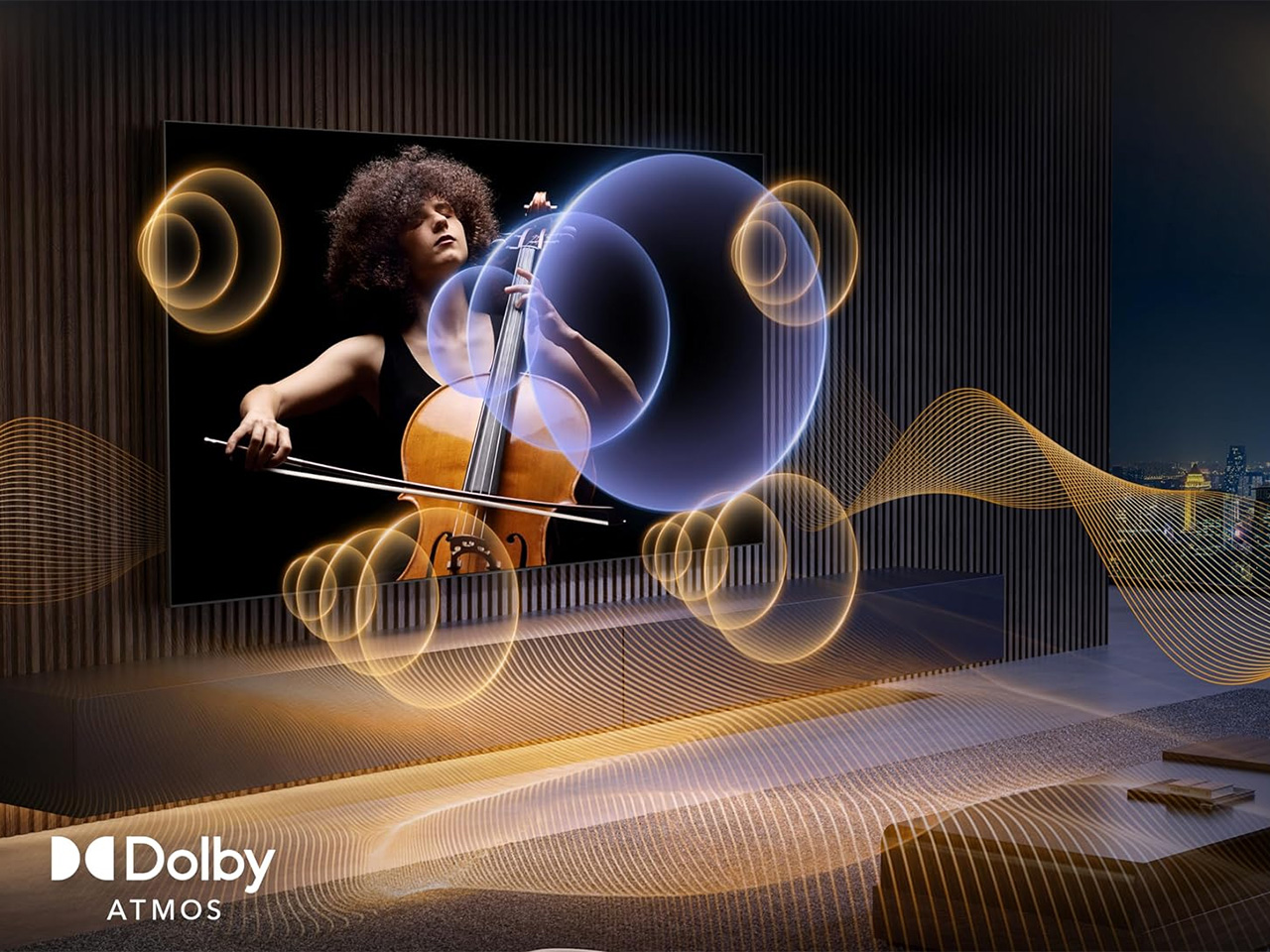
Sound tends to be an afterthought on most TVs, but not here. A 2.1.2 multi-channel setup tuned by Devialet pushes up to 60W across the room, with Dolby Atmos adding height overhead. Dialogue stays clear over crowd noise, commentary carries over stadium chatter, and reaching for a soundbar remote doesn’t feel as urgent as it usually would on a new television.
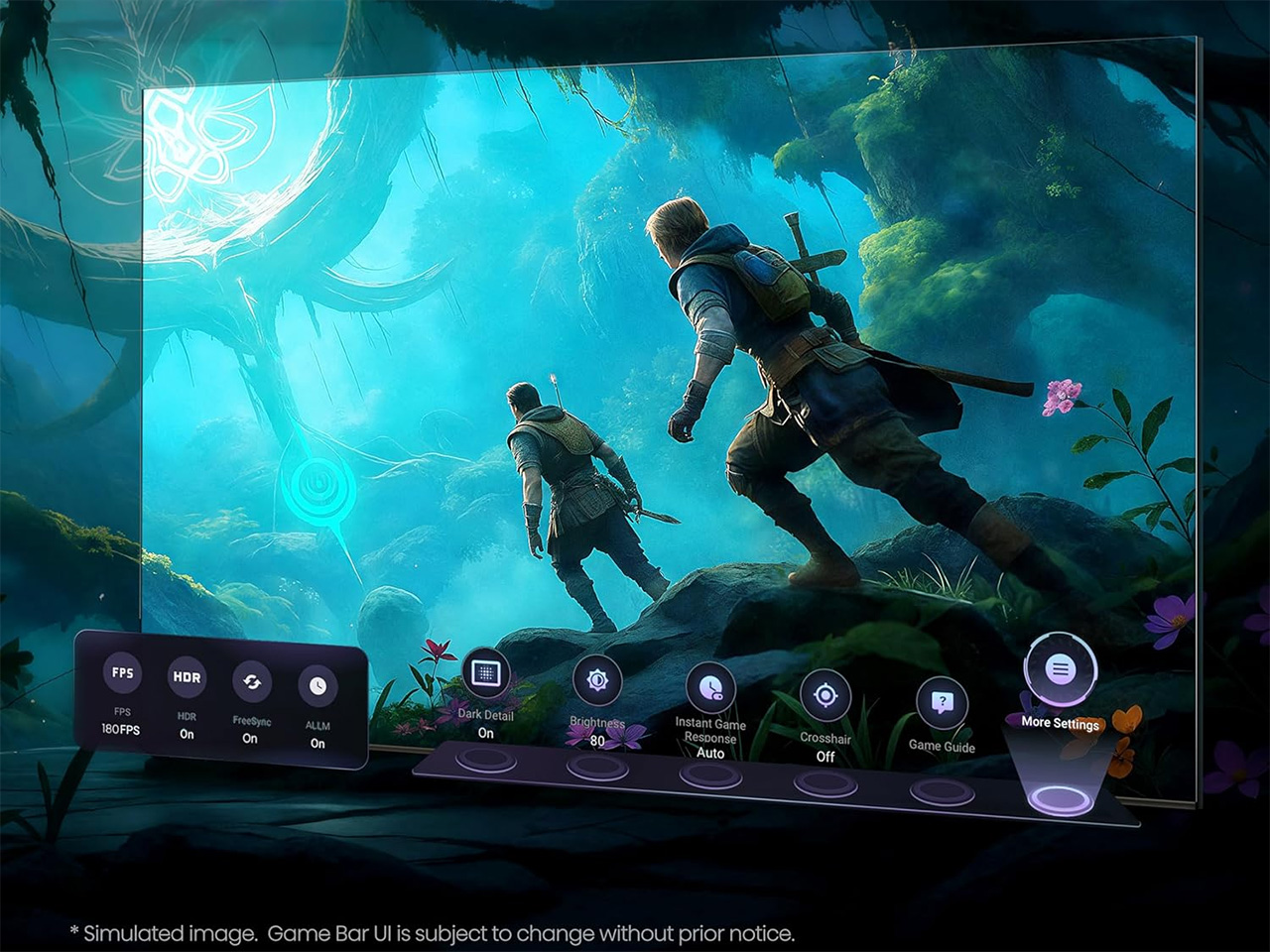
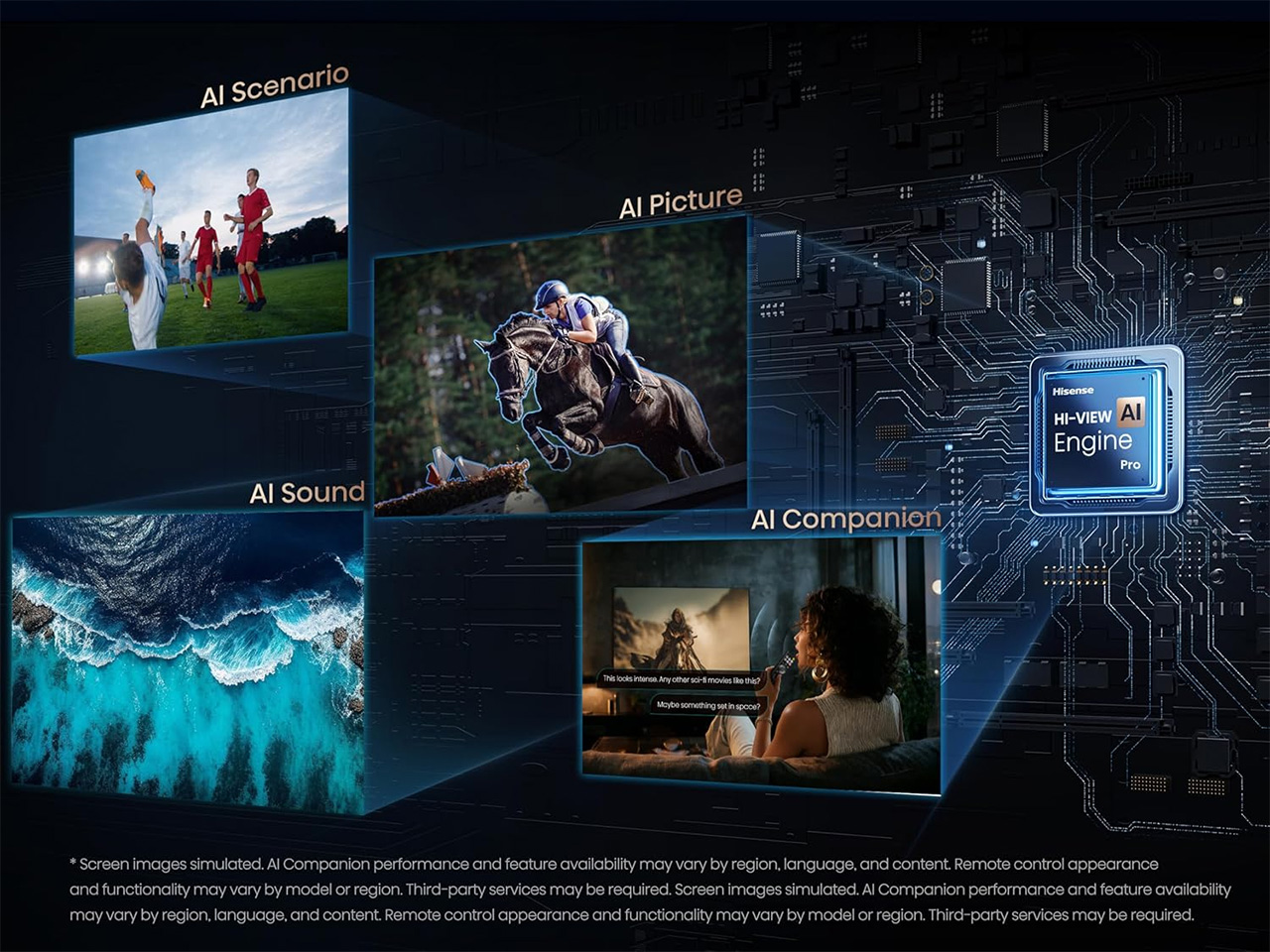
Google TV runs the show on the software side, now with Gemini built in for conversational searches instead of typing clumsy keyword strings. Ask it what to watch, and it pulls from more than 10,000 apps, or describe a vague mood and let it figure out the rest. It also answers questions on sports, cooking, or travel, a strange but welcome bonus for a television.

The U7SG also comes in sizes ranging from 55 inches up to 116 inches, which changes what the TV is for. A smaller set fits quietly into an apartment, but the larger ones turn into the obvious gathering point for a watch party or a family movie night, with a screen big enough that everyone feels like they got the good seat.
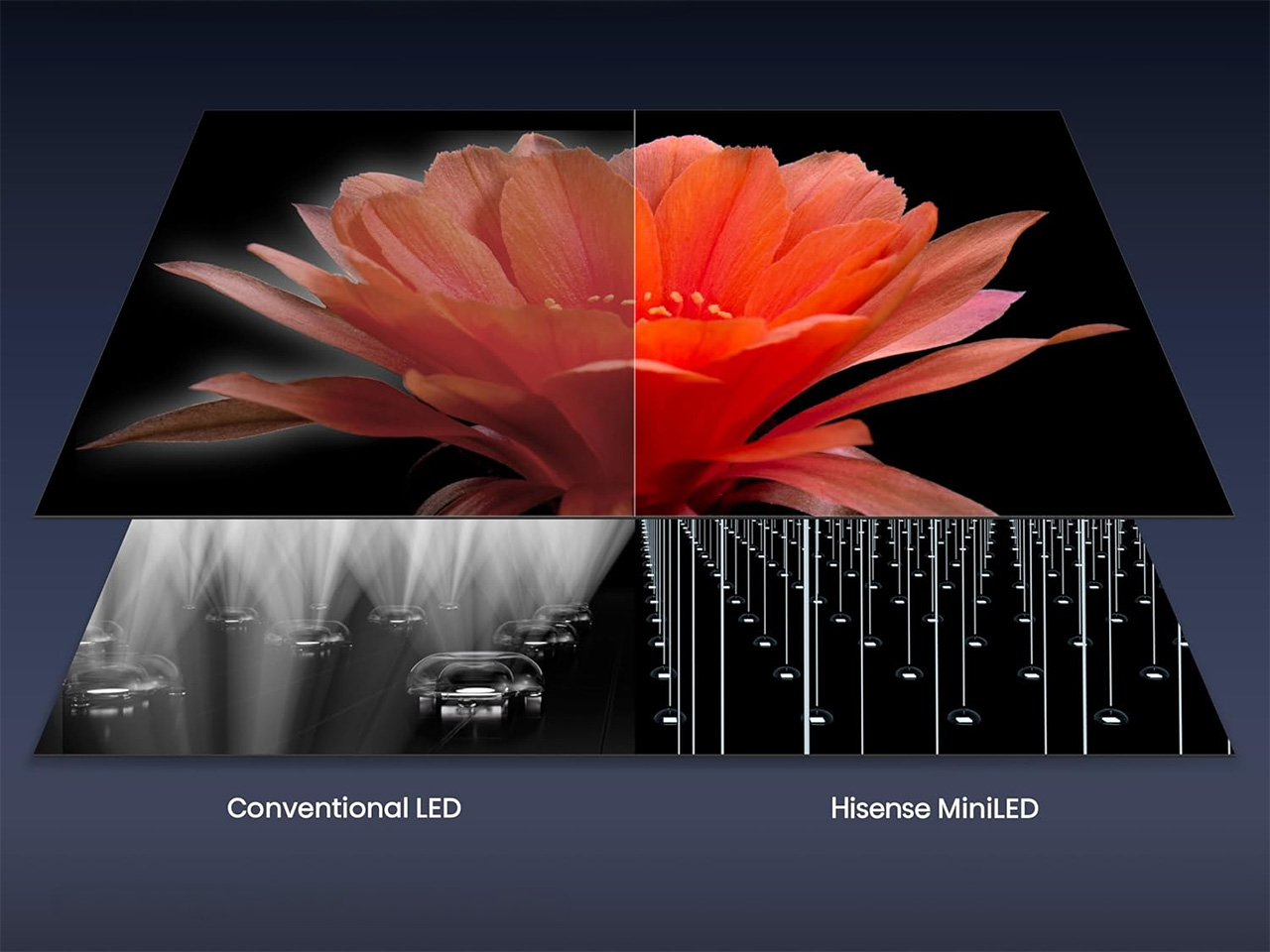
There was a time when getting all of this in one TV meant paying flagship prices for it. Hisense has spent the last few years chipping away at that assumption, one MiniLED generation at a time, and the U7SG is what that effort looks like now: a set that doesn’t force a choice between how bright your room gets and how good the picture looks in it.
Click Here to Buy Now: $690 $1280 (47% off). Hurry, deal ends in 48-hours!

