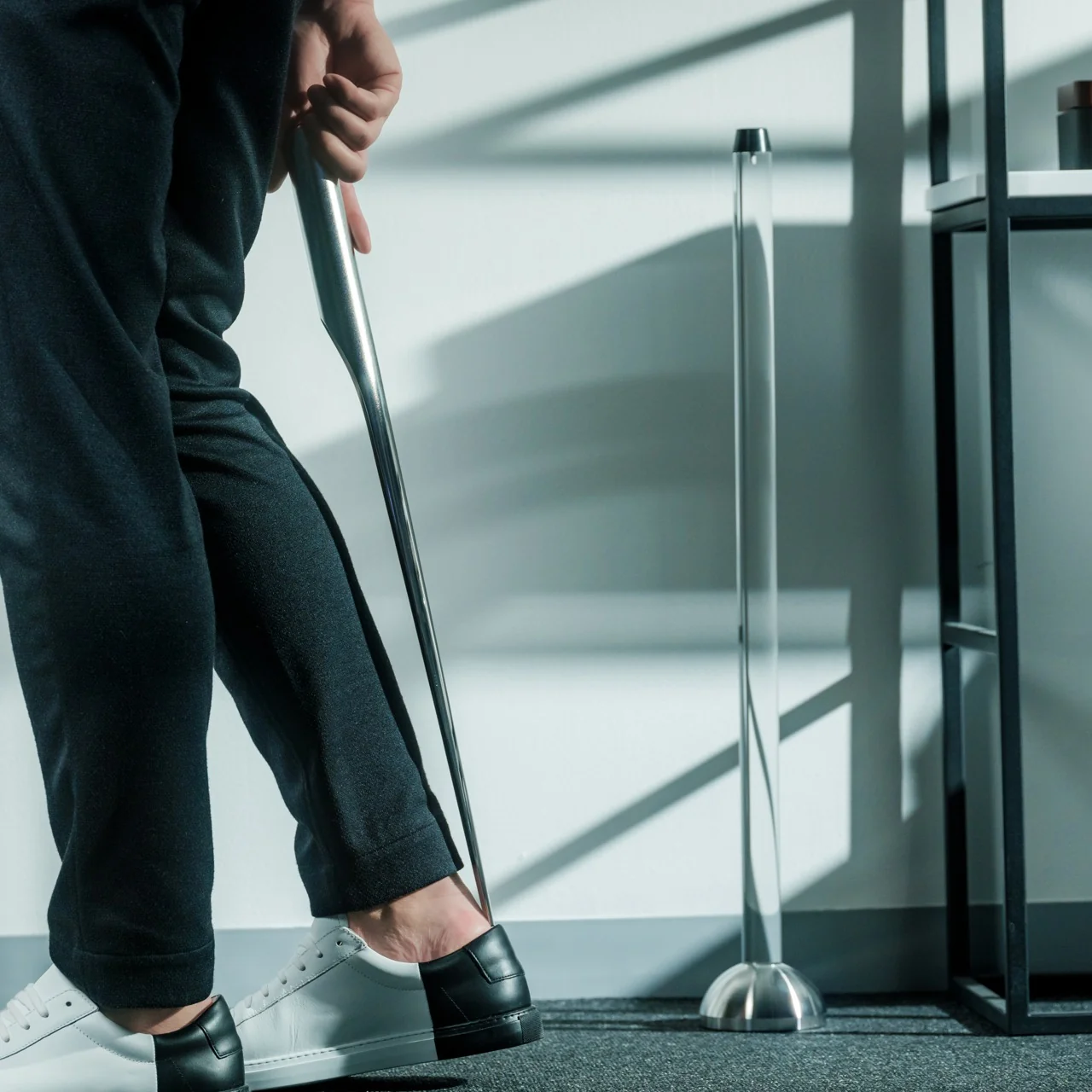

As you get older, some bones and muscles refuse to cooperate, creaking even when you’re doing something as ordinary as putting on your shoes. Using a shoehorn can be a challenge in itself, since most designs force you to bend over and strain your back just to slide your foot into a sneaker or a dress shoe. On top of that, shoehorns aren’t exactly the most attractive tools to leave lying around by your front door. You don’t need a shoehorn that’s pretty, but it sure helps to have one that either blends into your entryway or stands out as a piece of decor you’re actually proud to display.
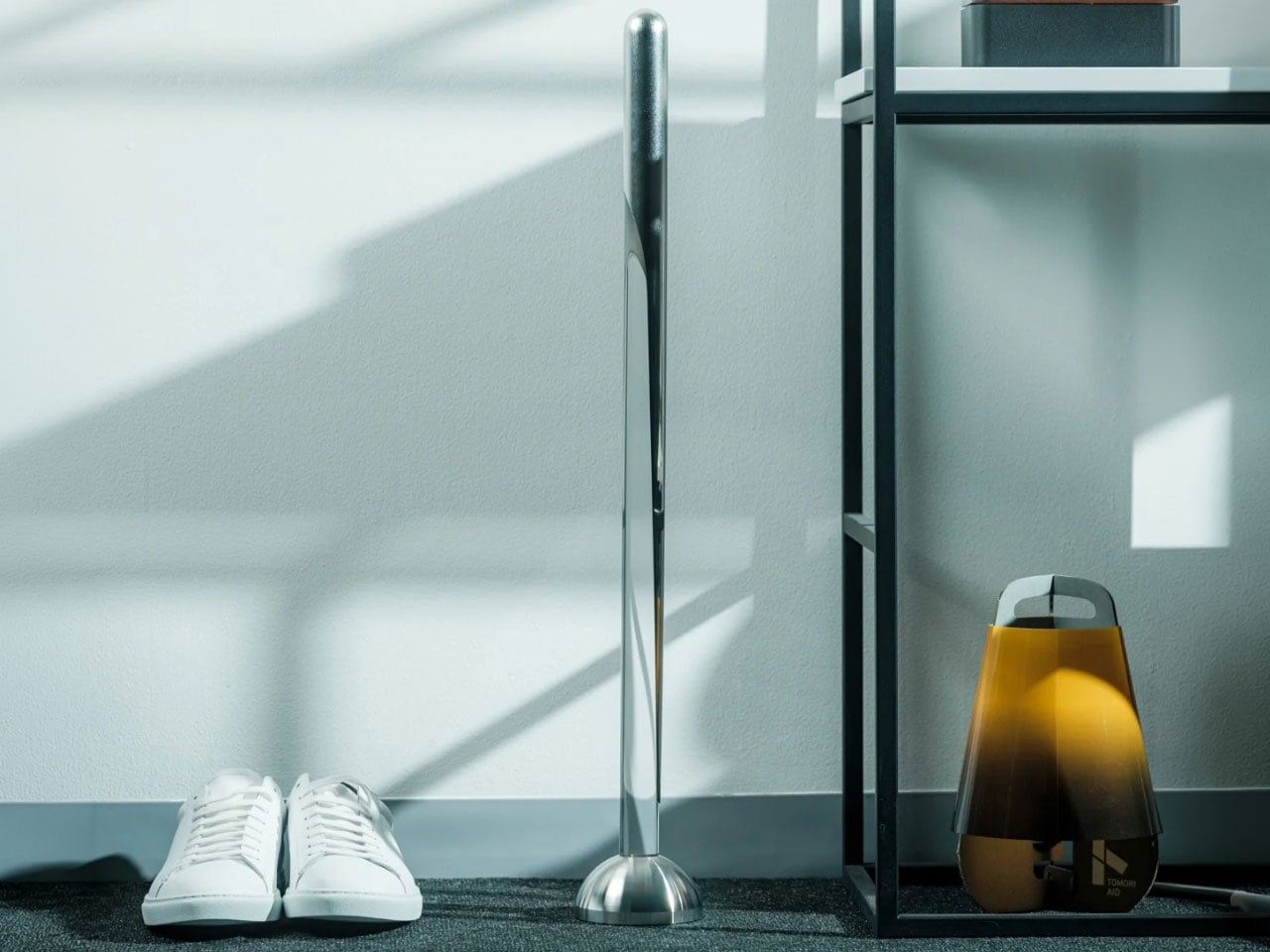
The Invisible Shoehorn is exactly the kind of tool you’ll want to display rather than hide. It’s a long-handled, stainless steel shoehorn that “disappears” into a clear acrylic stand when it’s not in use. This clever design solves both problems at once: the bending-over issue and the aesthetic issue. The optical trick makes the metal shoehorn look like it’s floating in midair, or vanishing completely, turning a purely functional tool into a minimalist decorative object you won’t want to shove into a drawer once it’s done its job.
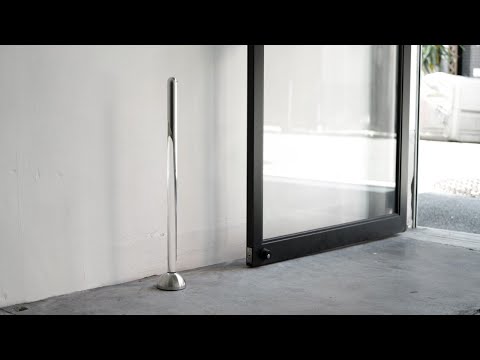
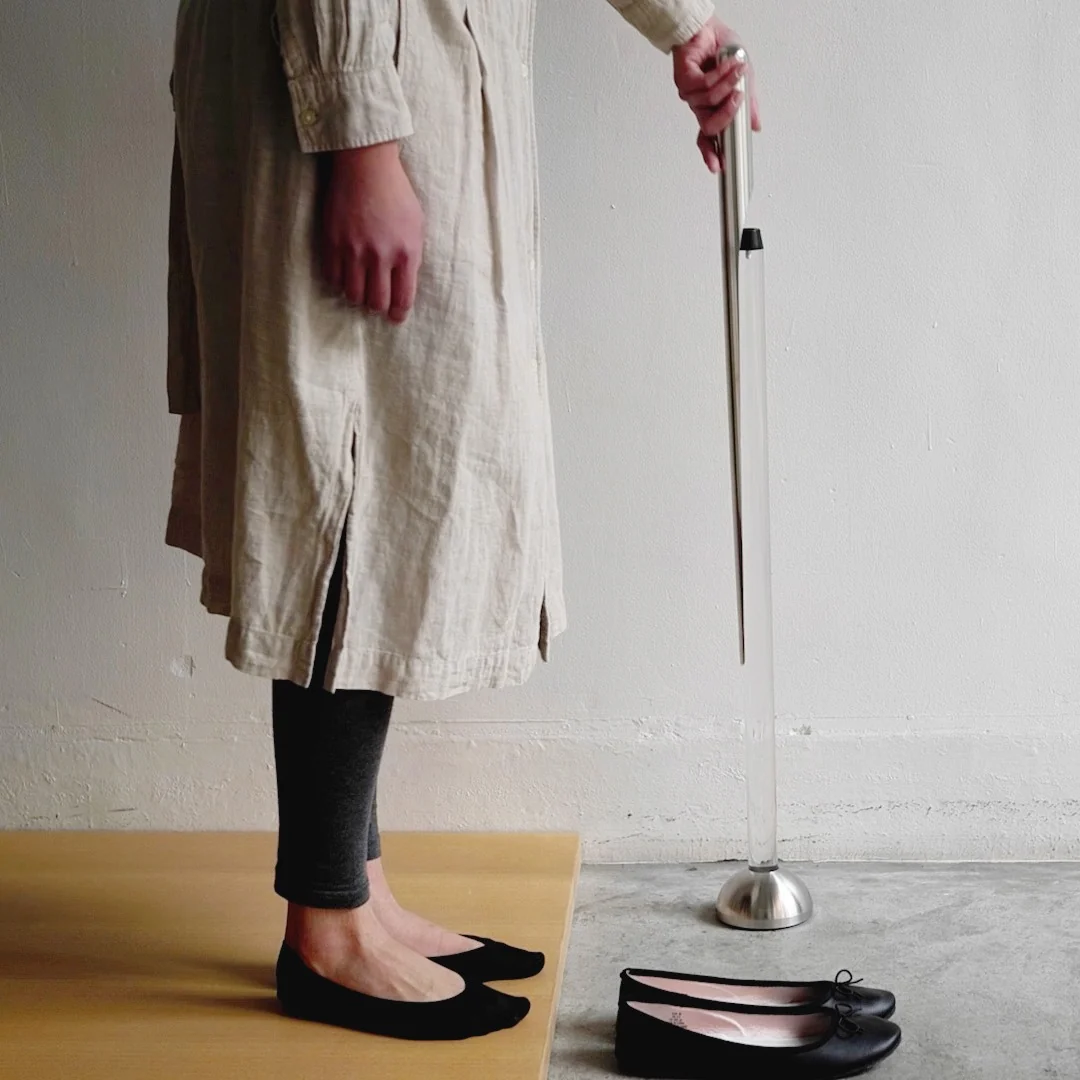
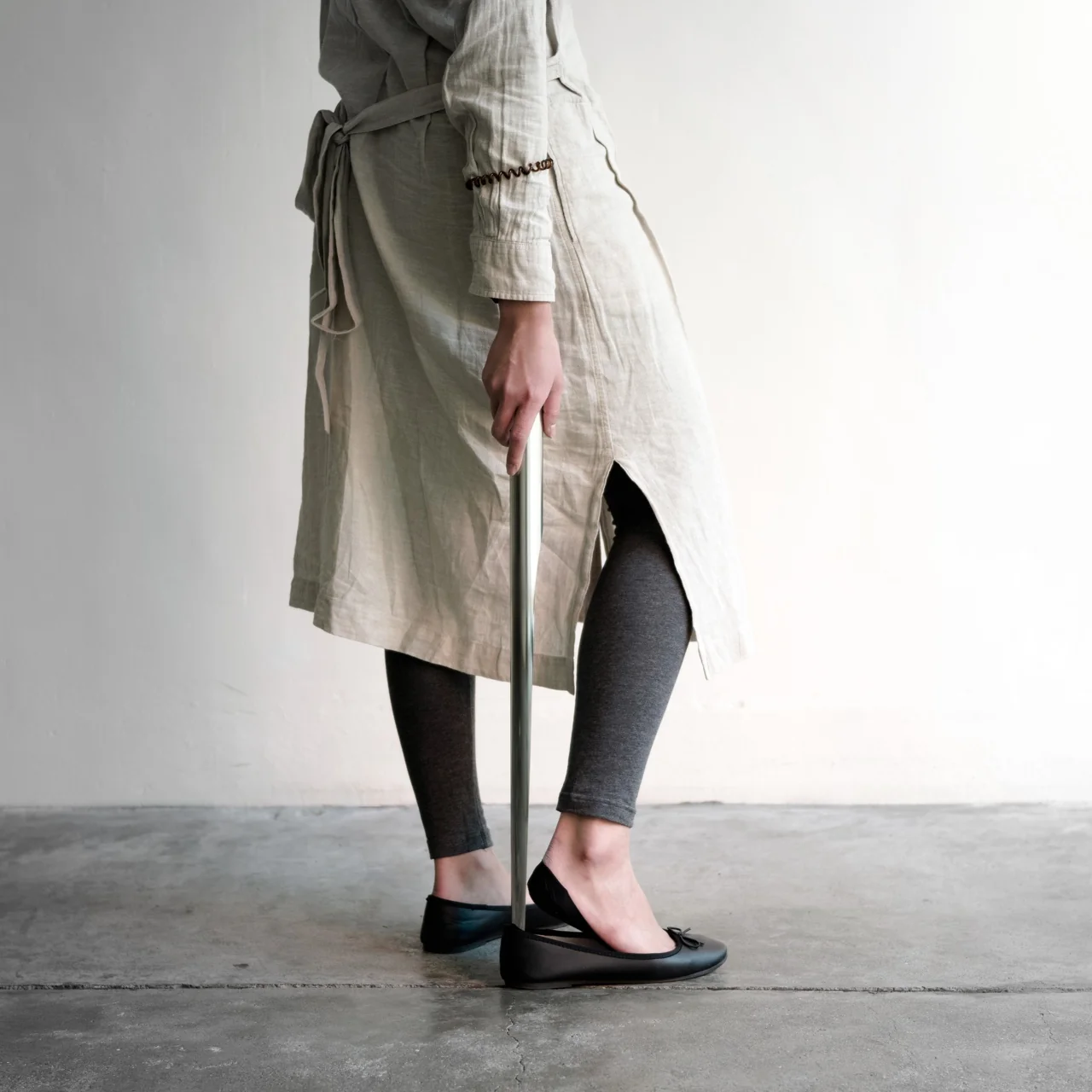

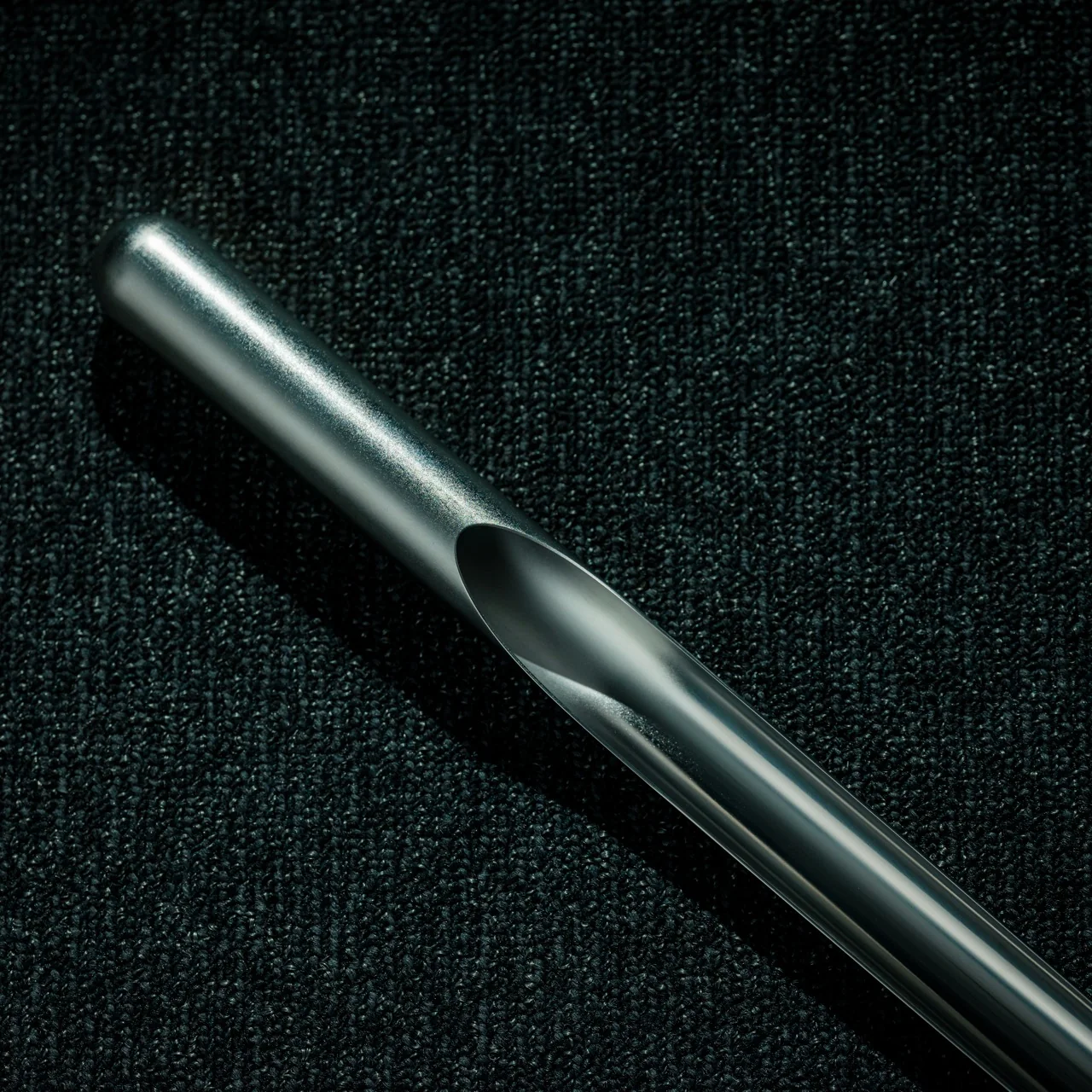
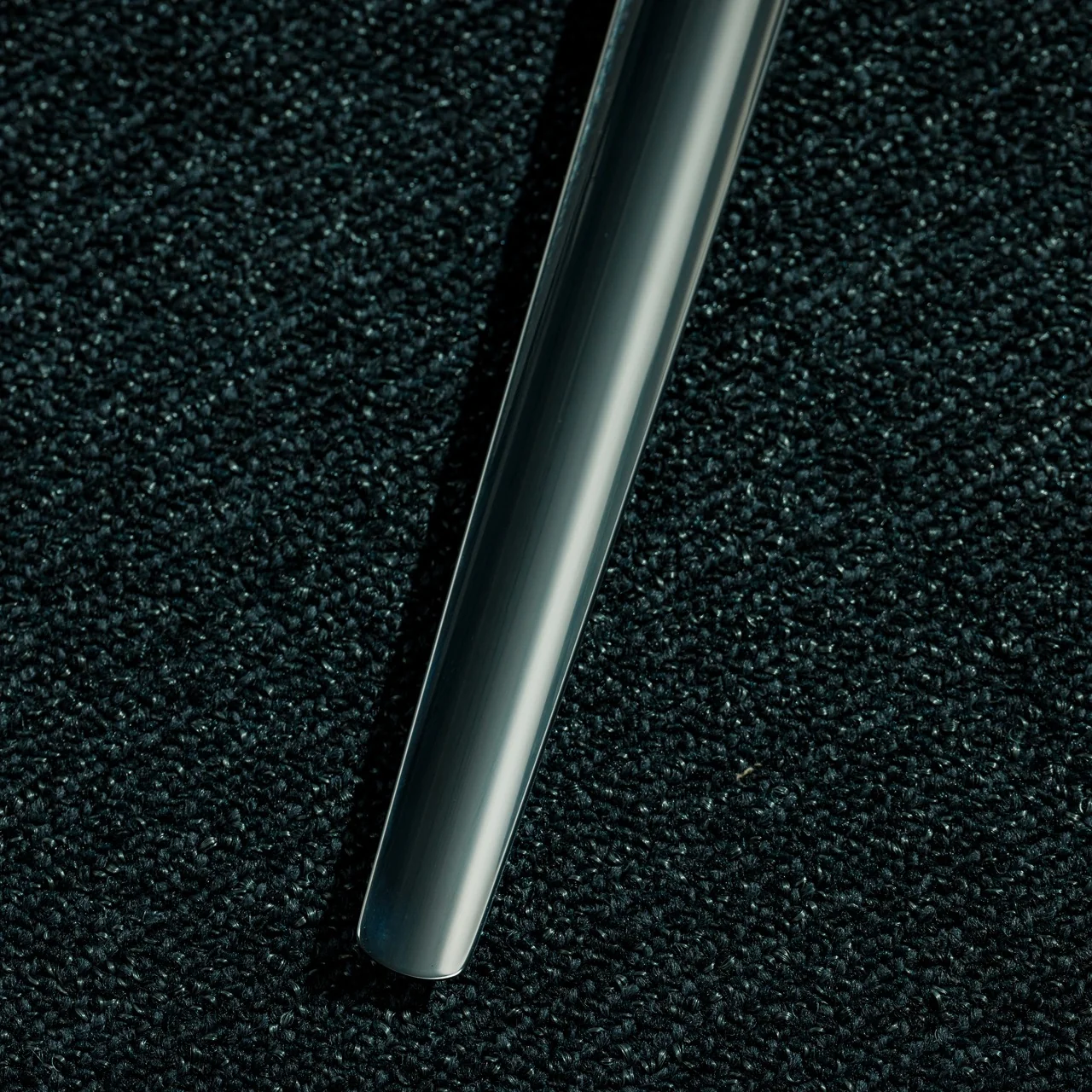
Designed by Kairi Eguchi for Takeda Design Project, the Invisible Shoehorn stands about 700 millimeters tall, or roughly 27 inches for those of us who don’t think in metric. That height is the whole point: it’s tall enough that you can slip it between your heel and the back of your shoe while standing up straight, no crouching, no wobbling, no throwing out your lower back on a random Tuesday morning. The shoehorn itself is crafted from polished stainless steel that tapers from a rounded handle down to a thin, curved tip, smooth enough that it won’t snag or run your socks the way cheaper, rougher shoehorns sometimes do.
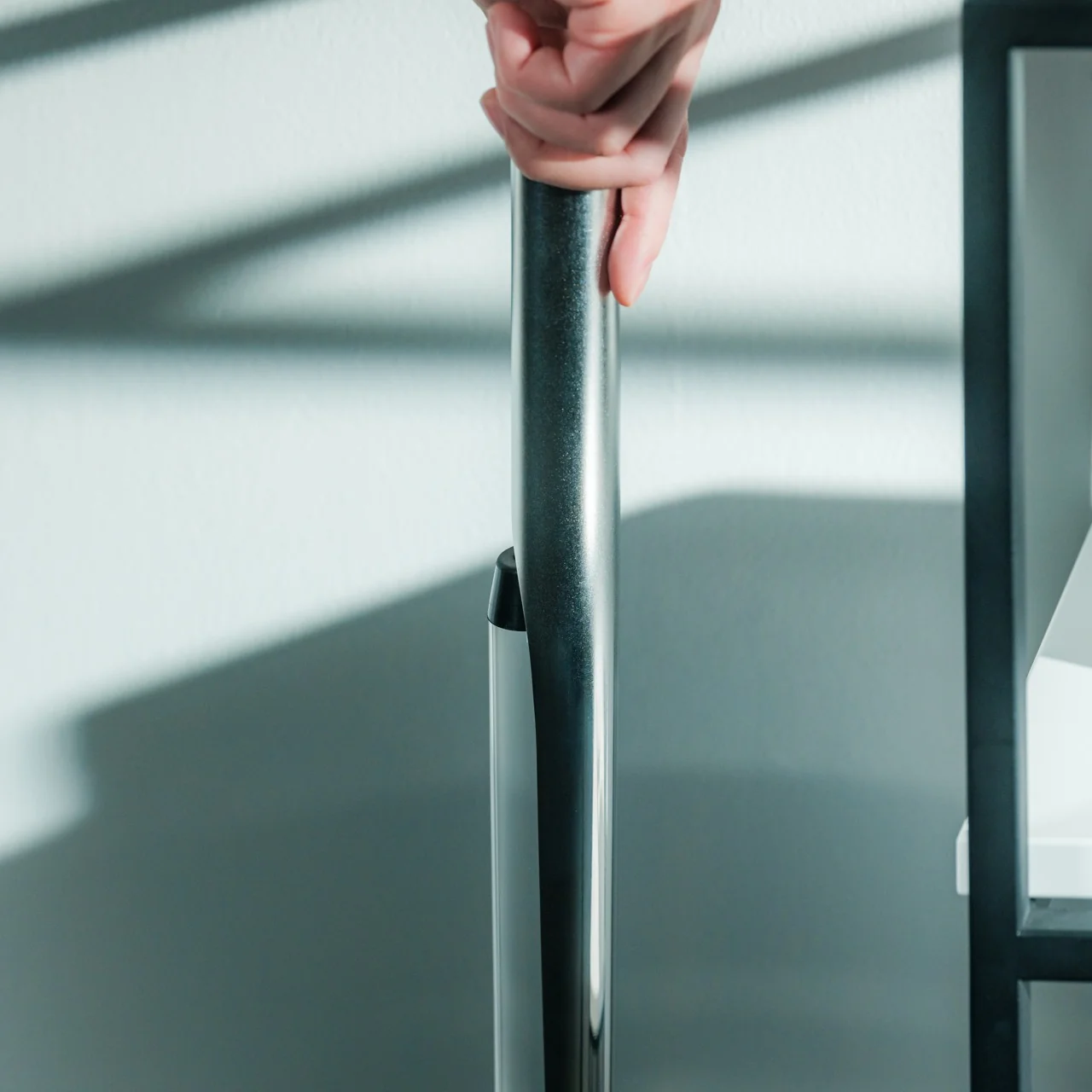
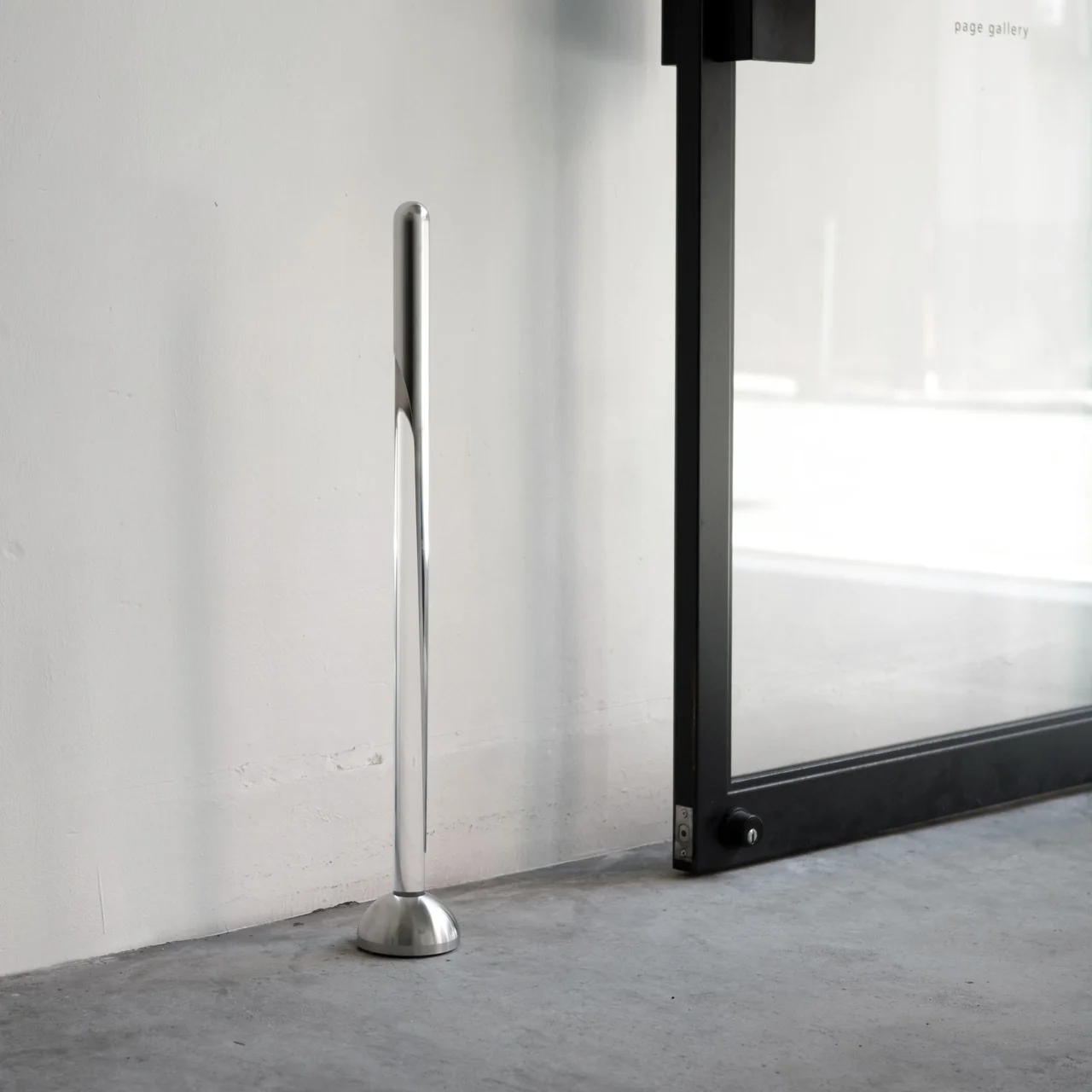
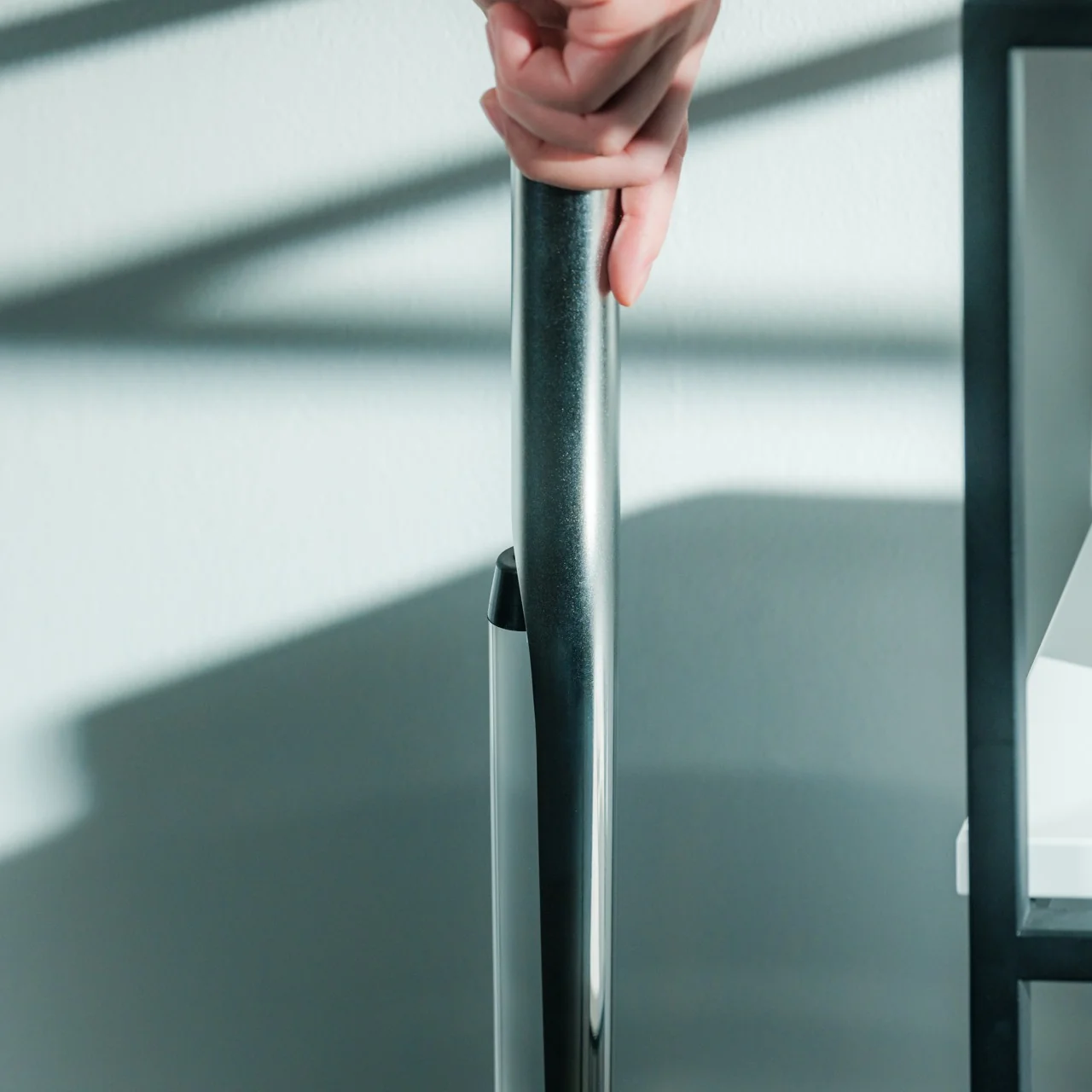
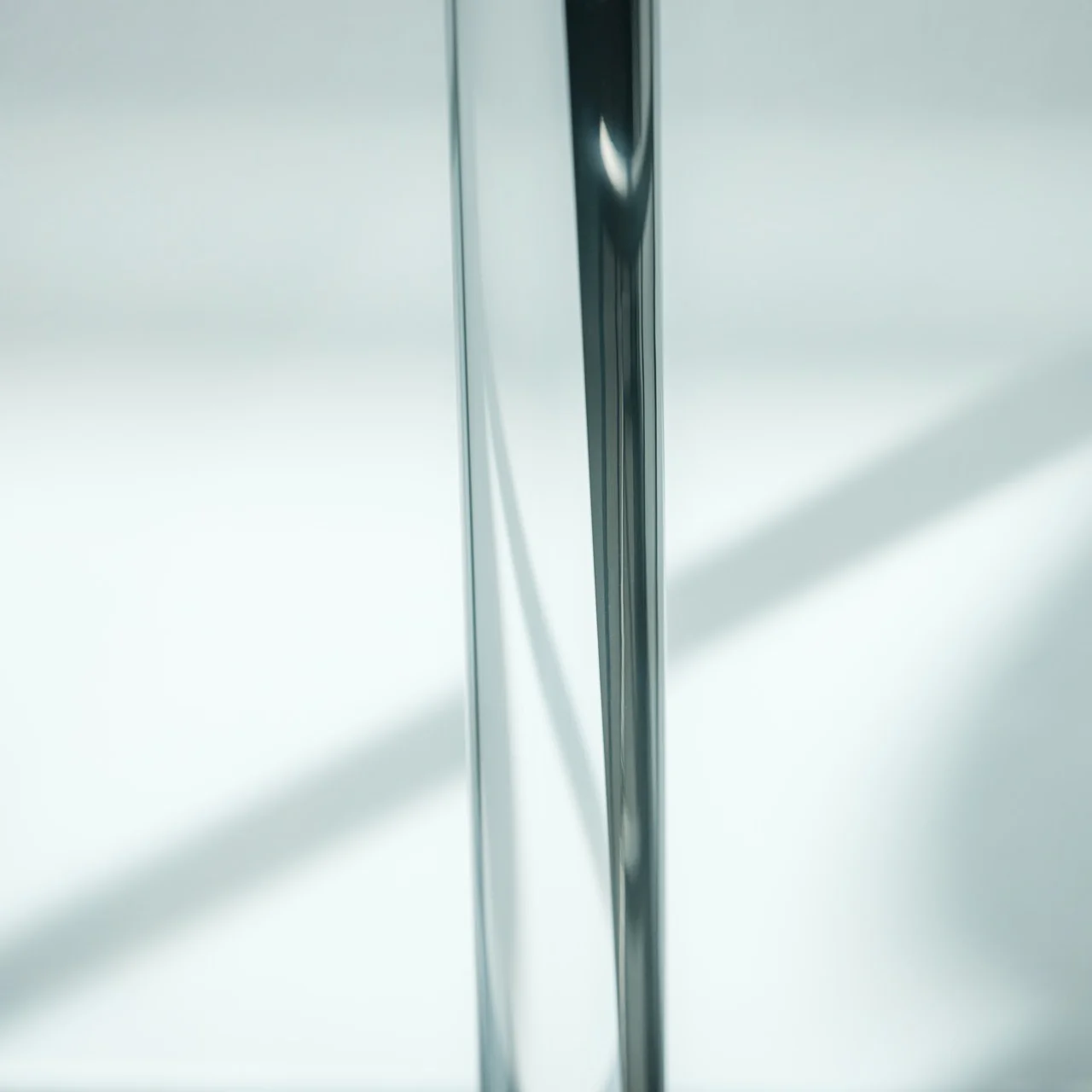
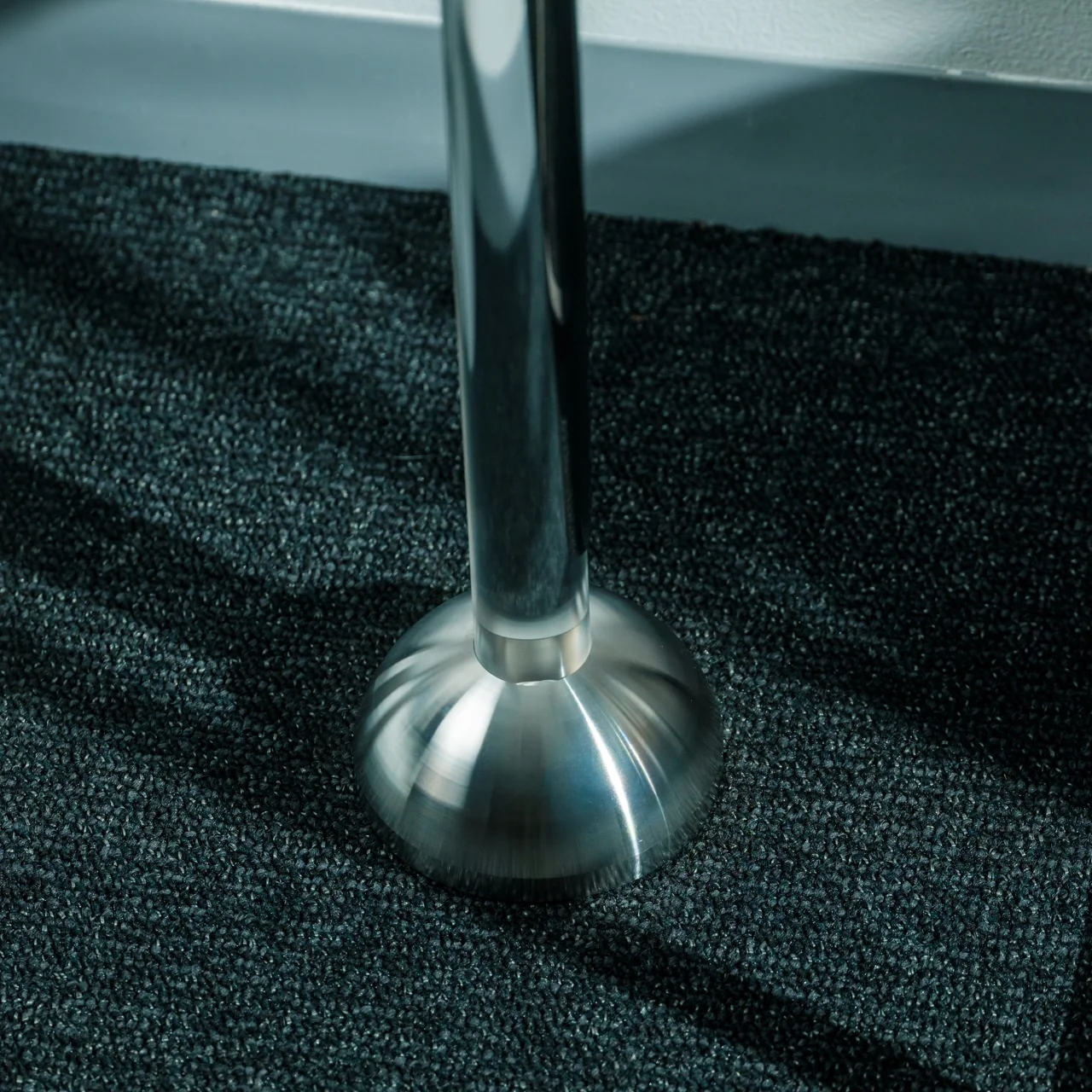
What really sets this piece apart is the acrylic stand. It’s shaped to mirror the metal shoehorn exactly, so when you dock the two pieces together, the stainless steel appears to hover in midair against the clear background. Seen from a few feet away, or in the dim lighting of a typical entryway, the whole object reads as a sleek, abstract sculpture rather than a household tool. It’s a small bit of visual sleight of hand, but it’s the kind of detail that turns something you’d normally hide in a closet into an object you’d happily leave out on a console table or shoe bench.
Compare that to the shoehorns most of us grew up with: cheap plastic ones from the drugstore, or the metal long-handled versions from mobility brands like Vive Health, which are functional but were never going to win any design awards. Even OXO, a brand practically synonymous with smart, ergonomic housewares, makes shoehorns and shoe-helper tools built around that same “no more bending” philosophy, and its versions still lean strictly utilitarian, designed to work well but never really designed to be seen. Most of these options run somewhere between $10 and $30, and they absolutely get the job done, but they’re not something you’d want sitting out in plain view. The Invisible Shoehorn, at its higher price point, is clearly aiming at a different shelf entirely. It’s less a mobility aid tucked away in a bathroom drawer and more a piece of everyday design you’d be proud to own, closer to something you’d spot in a design showcase than in a pharmacy aisle.
That’s really the appeal here. The Invisible Shoehorn benefits anyone dealing with a stiff back, tight hips, or knees that don’t love bending anymore, but it’s just as appealing to design lovers who want their entryway to look intentional instead of cluttered. It solves the everyday annoyance of a tool that’s either buried in a drawer or, worse, an eyesore parked awkwardly by the door. Instead, you get something that works exactly when you need it and quietly disappears, both literally and stylistically, when you don’t. For anyone who has ever grumbled about bending over to wrestle a shoe on, or wondered why every shoehorn on the market looks like it belongs in a hospital supply closet, this one is worth a second look.