
Washington Dulles International Airport has long been a study in contradiction — one of the most architecturally significant airports on the planet, home to Eero Saarinen’s sweeping, gravity-defying terminal, and yet one of the most frustrating to actually travel through. That’s about to change in a big way.
On July 29, 2026, the Trump administration unveiled a $22.5 billion plan to transform Dulles into what officials are calling a premier international gateway. The announcement, made alongside U.S. Transportation Secretary Sean Duffy, United Airlines, and the Metropolitan Washington Airports Authority (MWAA), represents one of the largest airport overhauls ever proposed in the United States. Less than a month later, the MWAA board voted to approve a $19.9 billion funding package, with construction on the main terminal expected to begin in late 2027 and the full project set to wrap by 2034.
Designer: United Airlines
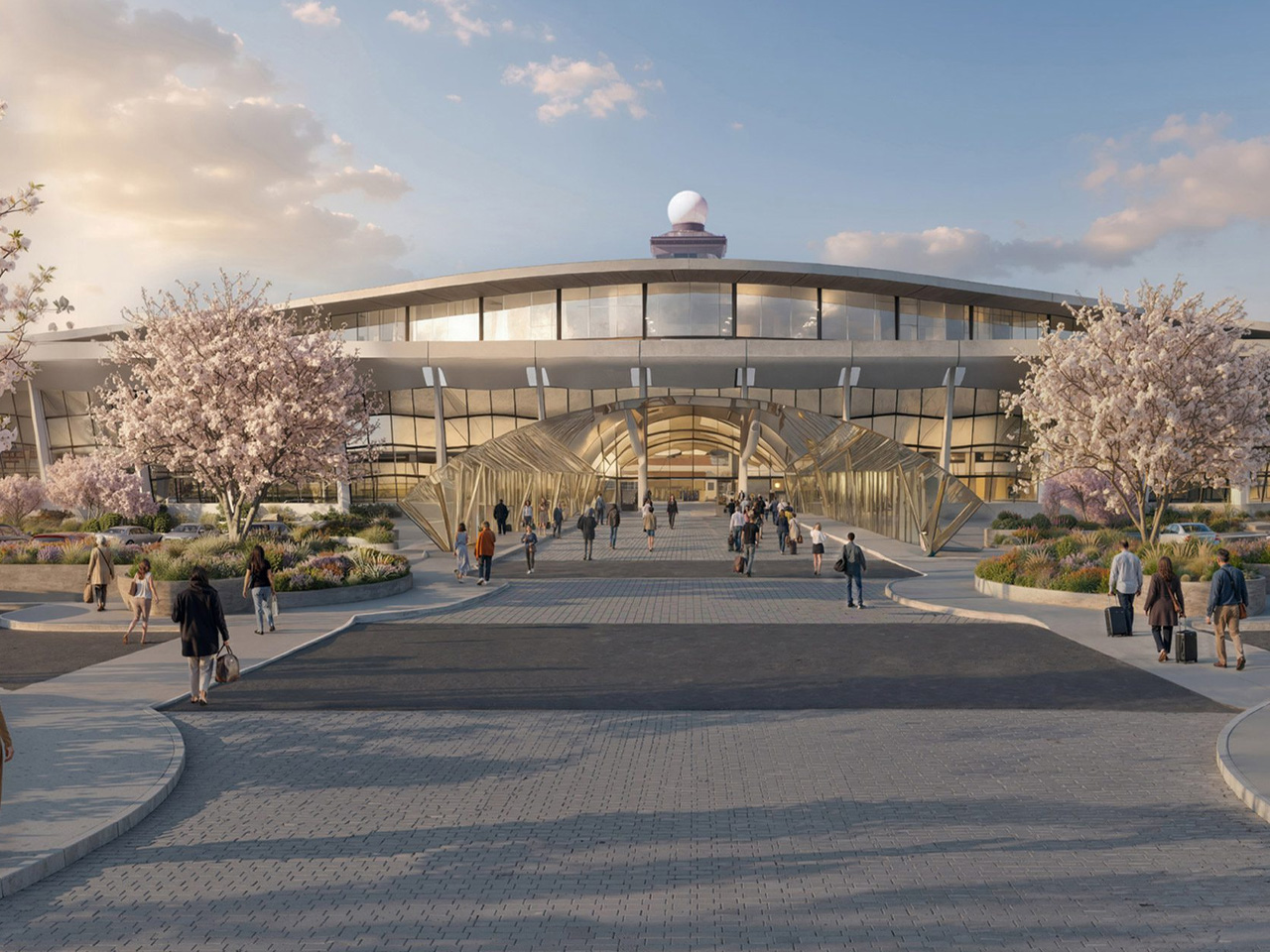
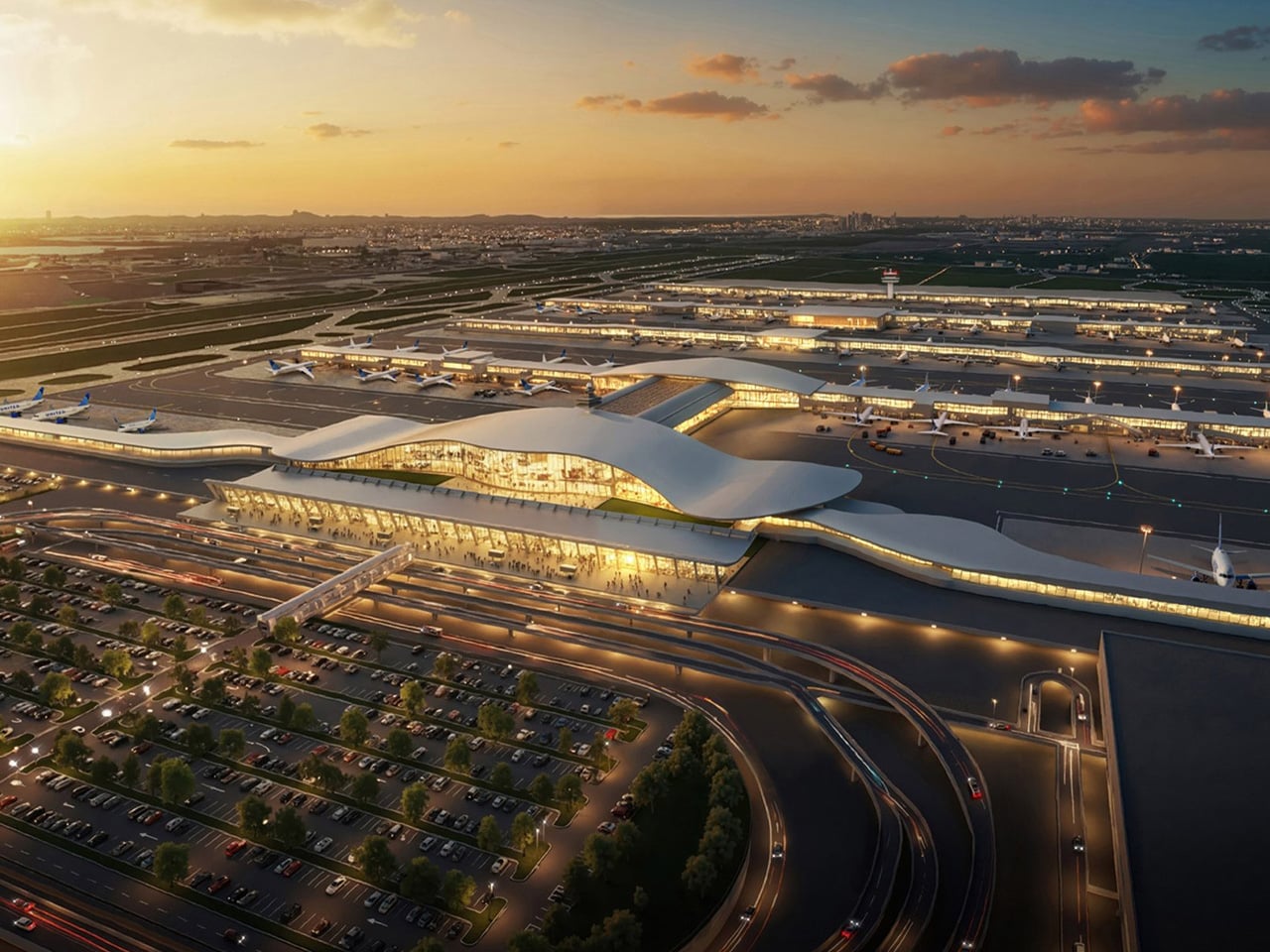
The scope is staggering. The plan calls for five million square feet of new and renovated terminal and retail space, four entirely new linear concourses, a redesigned U.S. Customs facility passengers can walk directly to, and a dramatically expanded AeroTrain system threading beneath the airport via new underground tunnels. Gone, finally, are the mobile lounges — the lumbering, bus-like “people movers” that have been shuttling passengers since 1962 and have become arguably the airport’s most universally loathed feature. In their place, a new underground U-shaped AeroTrain loop and moving sidewalks will connect travelers efficiently across all concourses.
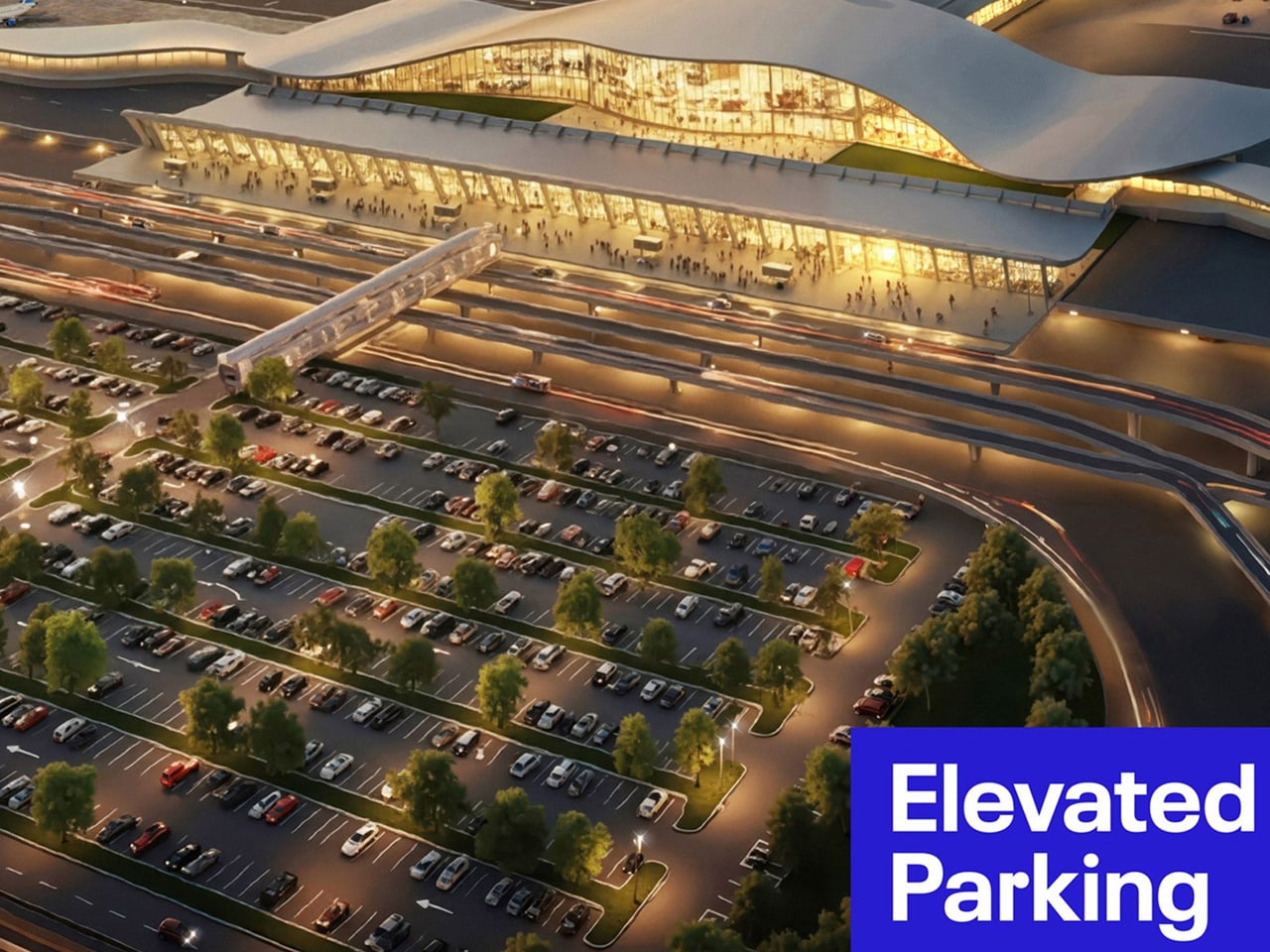
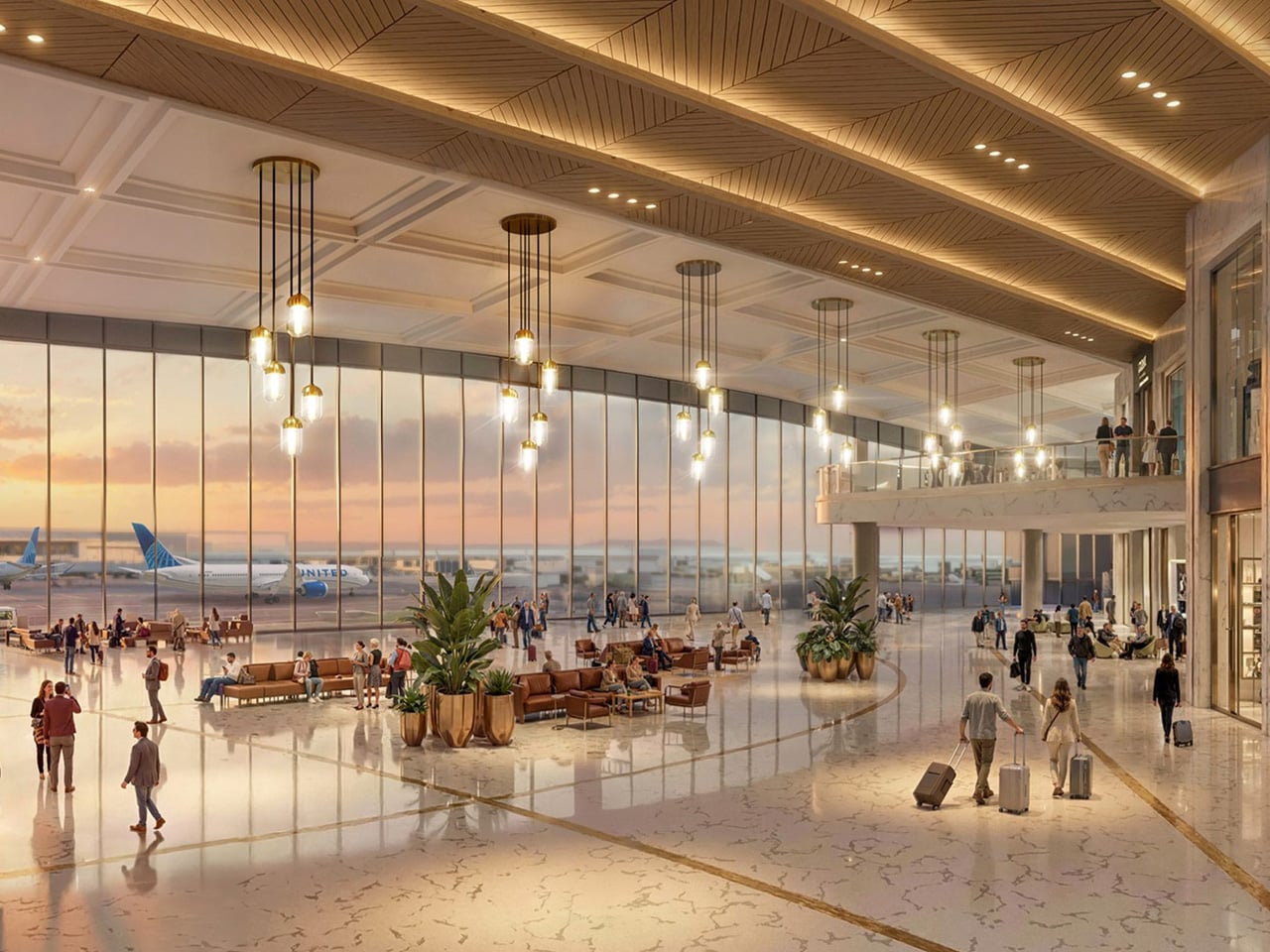
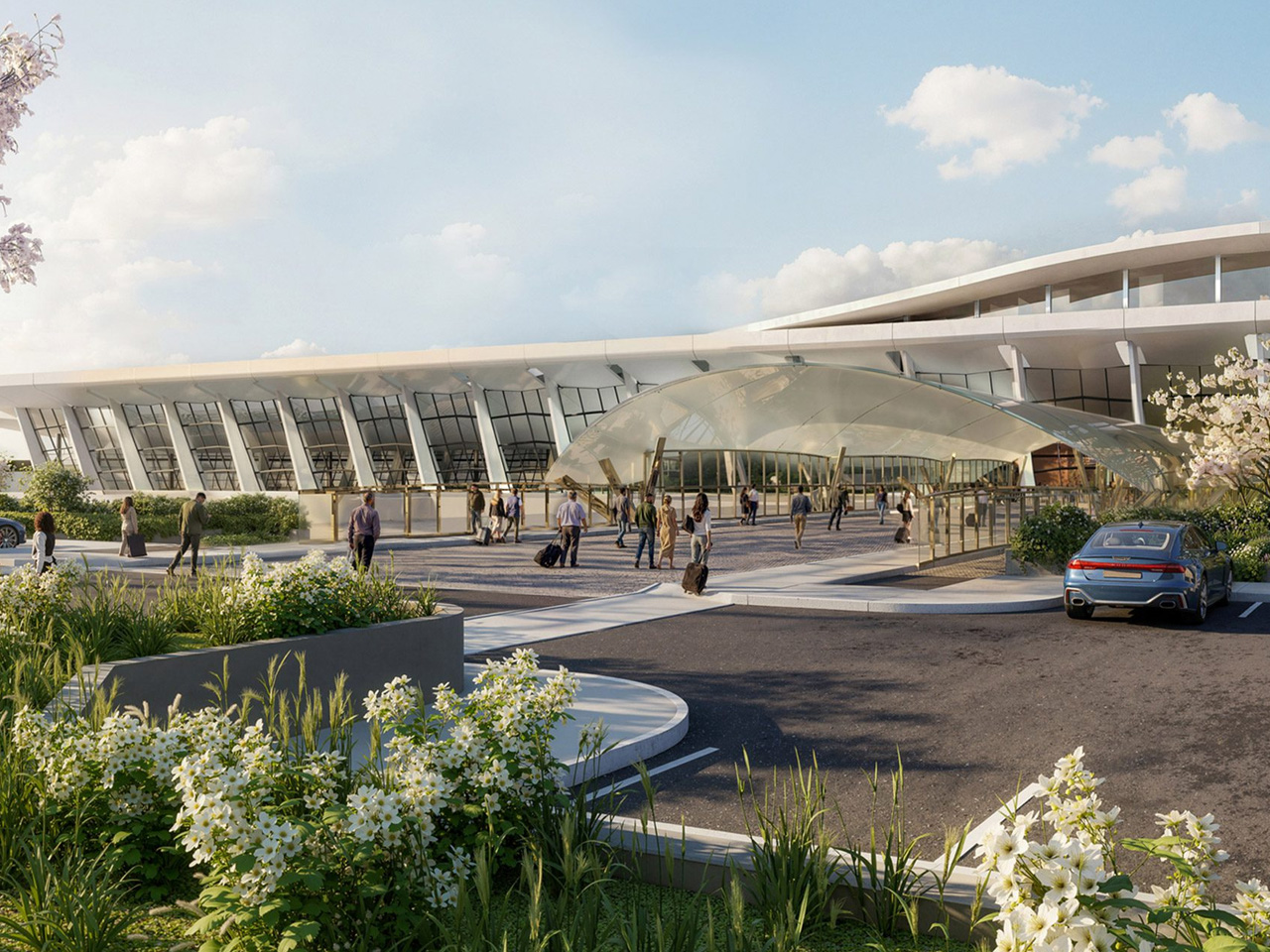
Saarinen’s iconic main terminal — its dramatic hyperbolic paraboloid roof still one of the most celebrated works of mid-century modernism — will be preserved. The interior, though, gets a full refresh: an open foyer, new airline check-in kiosks, and the kind of breathing room the existing space has never had. The parking situation, long a source of frustration for departing passengers, is also being addressed, with lots repositioned closer to the main terminal and plans for a garage that would rank among the world’s largest, with 32,000 spaces.
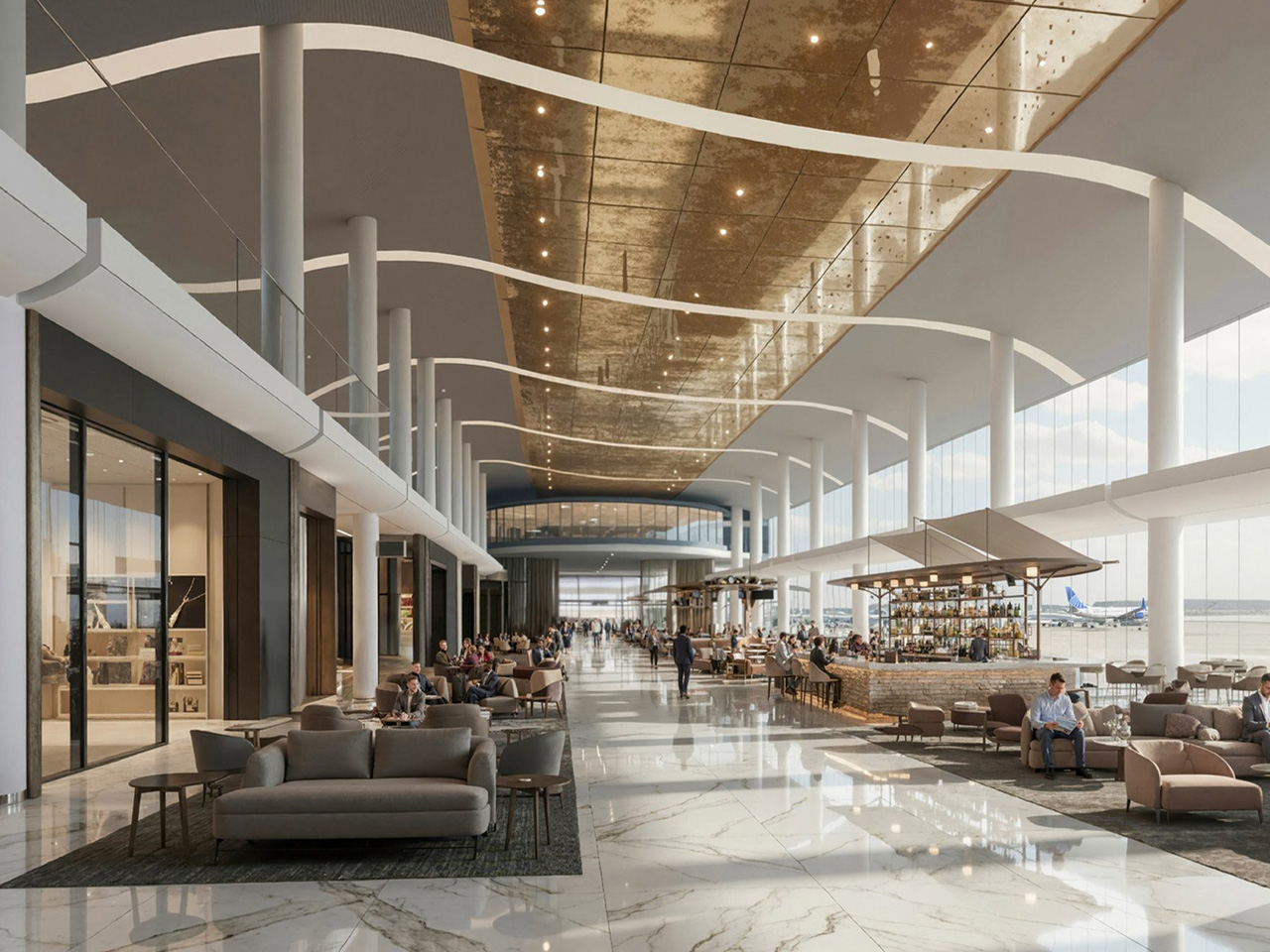
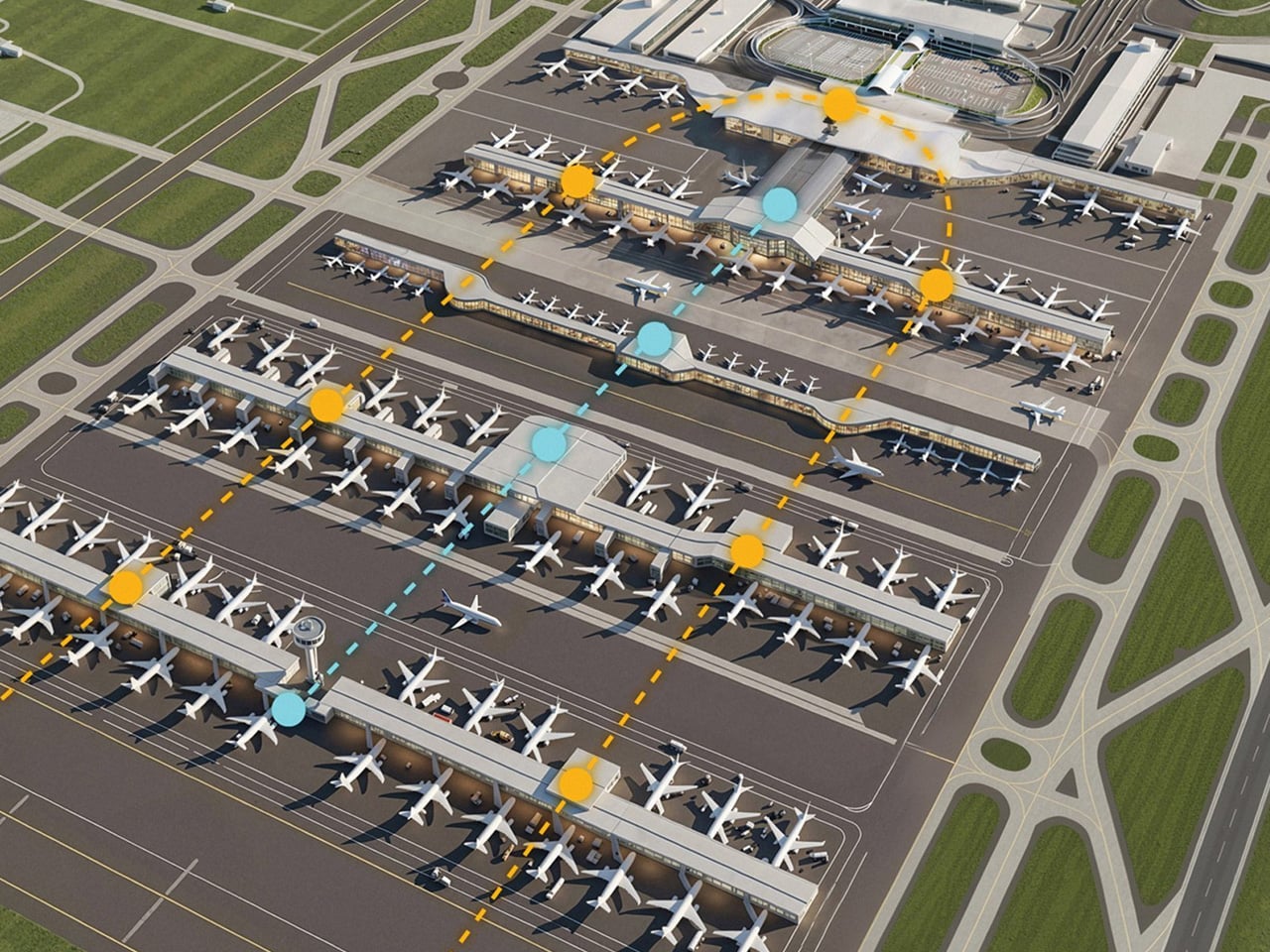
The bulk of funding will come from approximately $14.2 billion in new municipal bonds issued by the airport authority, with airlines and the federal government contributing the remainder. Dulles saw passenger numbers grow 6.4% last year to 29 million travelers — making it the fastest-growing large U.S. airport — which makes the timing feel less like political ambition and more like long-overdue infrastructure reality. When complete, Dulles could finally become what it was always designed to be: a gateway that matches the weight of the city it serves.