Nearly every DIY computer build chasing the cyberdeck label ends up looking like a prop from a gritty sci-fi film, all exposed wires and grungy metal panels borrowed straight from Neuromancer’s aesthetic playbook. This build ignores that entire tradition on purpose, wrapping a fully functional single-board computer inside a soft, orange, furry puppet head with a mouth that actually opens. It’s a cyberdeck that looks like it wandered off the set of a children’s show instead of a hacker den.
A single-board computer sits at the center of the whole thing, running the Linux side of its chip rather than tapping into the onboard microcontroller some builders use to drive servo motors. That decision kept the mechanics simple. A 5-inch HDMI screen handles the display duties, paired with a compact Bluetooth keyboard and touchpad combo for actual typing, while a USB battery bank keeps the entire rig running without hunting for an outlet mid-performance.
Designer: Natasha Dzurny
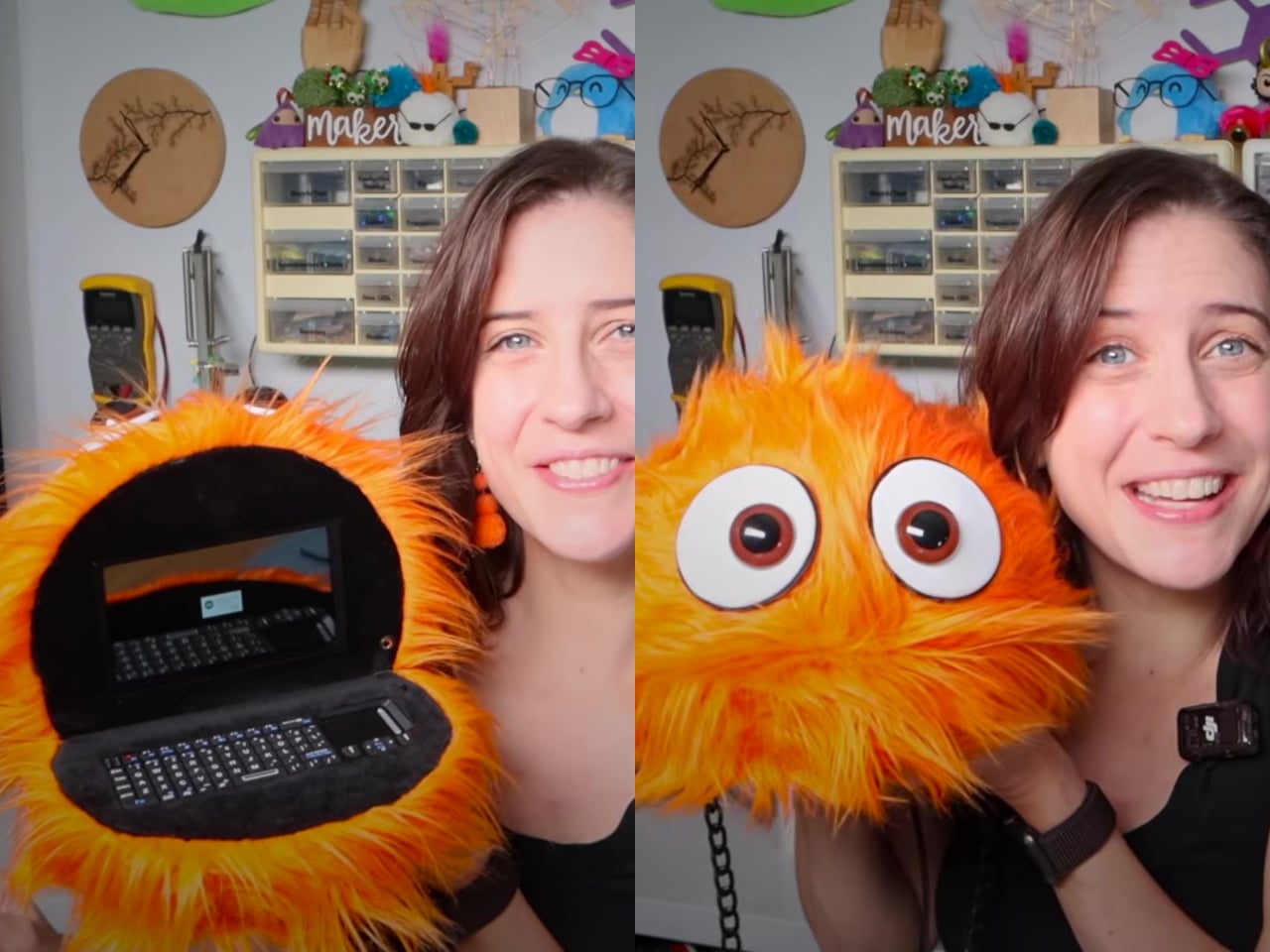


A webcam tucked into the build adds a function most puppets never get, letting its creator record herself running an actual puppet show through the lens mounted somewhere in that fuzzy head. That’s the kind of detail that turns a novelty prop into something genuinely useful for someone practicing puppetry, since reviewing your own performance afterward is a lot easier when the camera is already part of the puppet doing the performing.
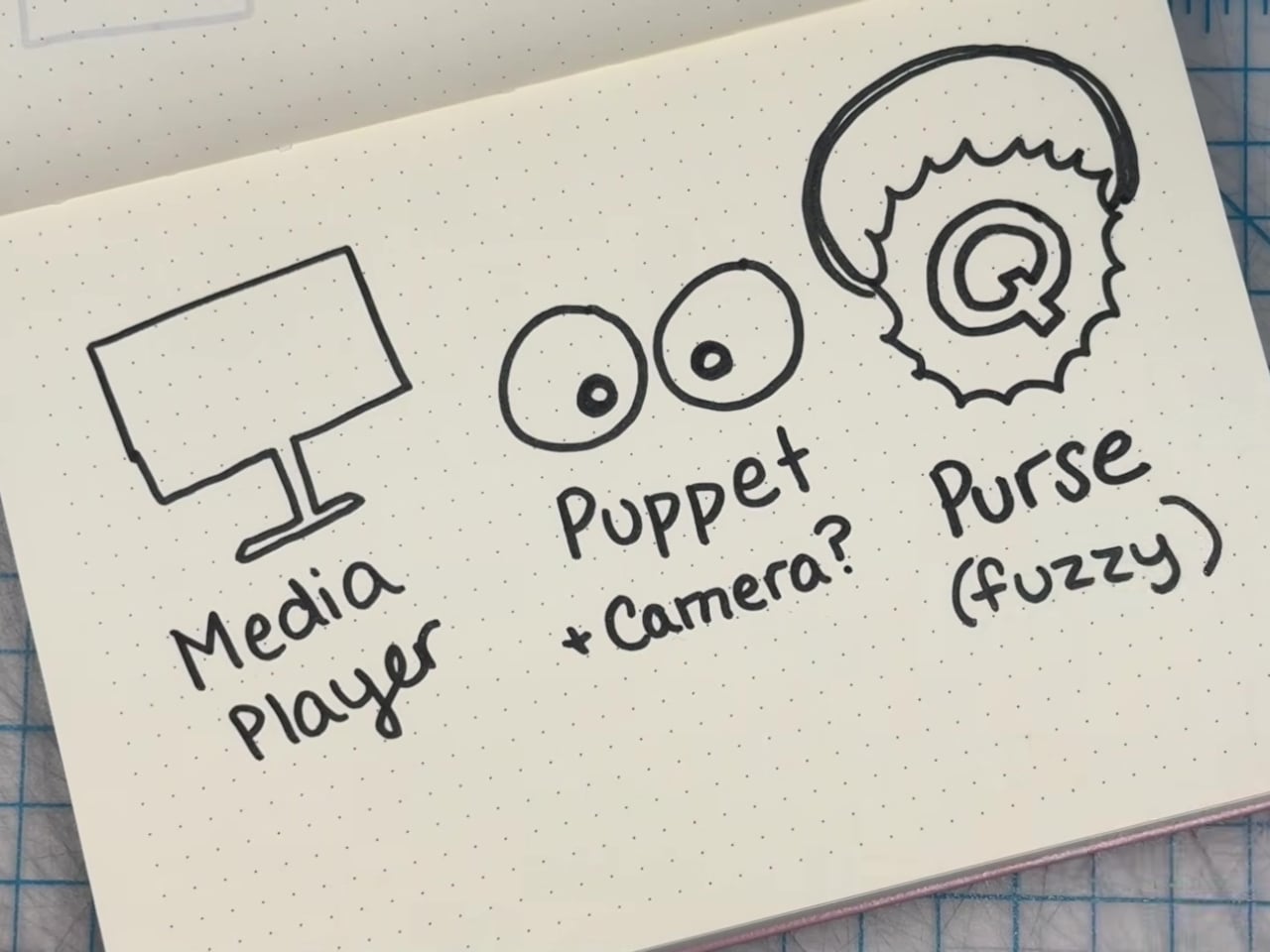
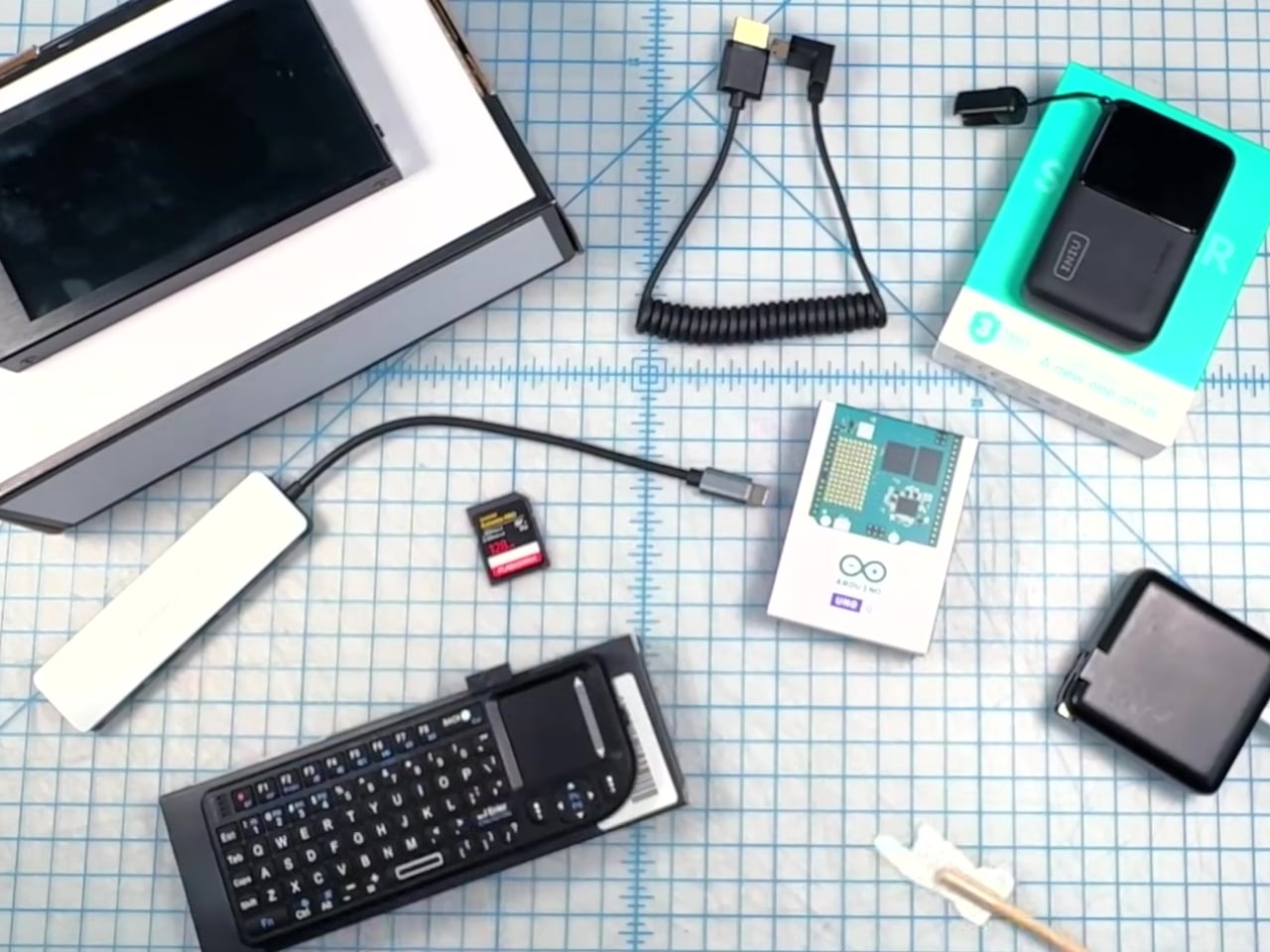
Getting all that hardware to fit inside a rounded puppet skull took real spatial planning rather than just stuffing components wherever they’d squeeze in. The head itself started as a spherical mold, cut into two halves specifically so the mouth could open and close during a performance. A frame built inside that sphere anchors the electronics in place, giving the soft fur exterior something rigid to hold onto underneath all that plush material.
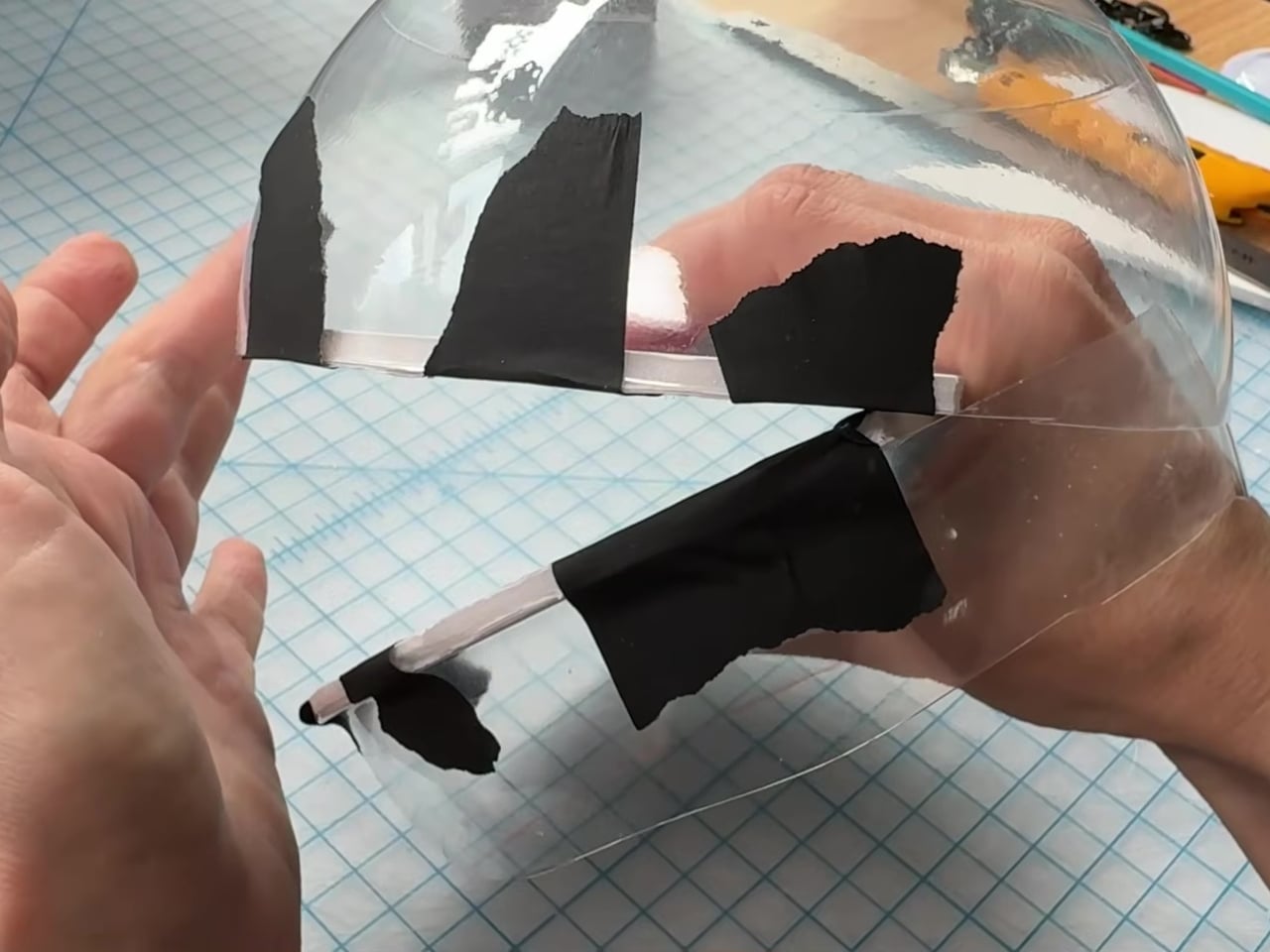
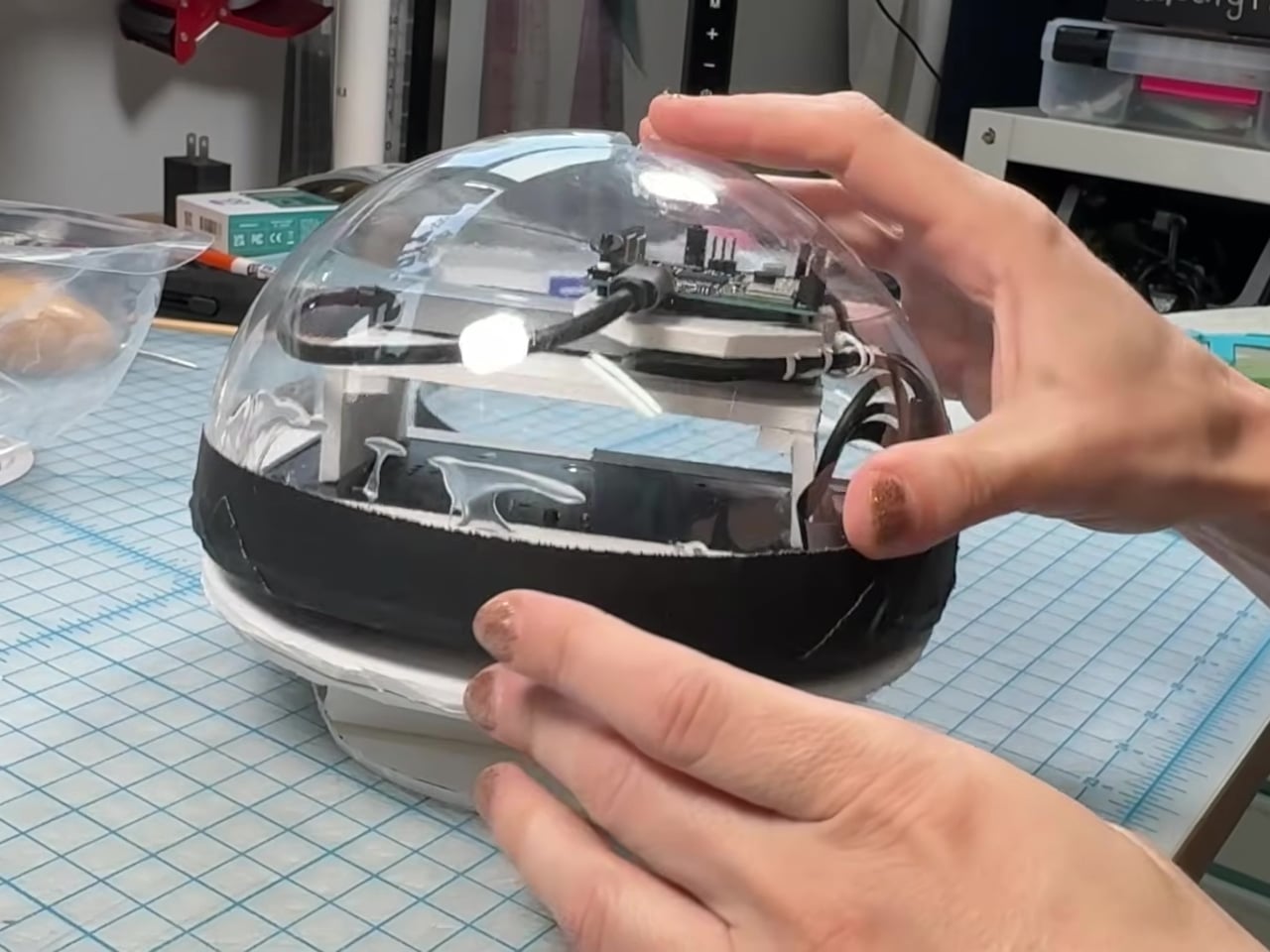
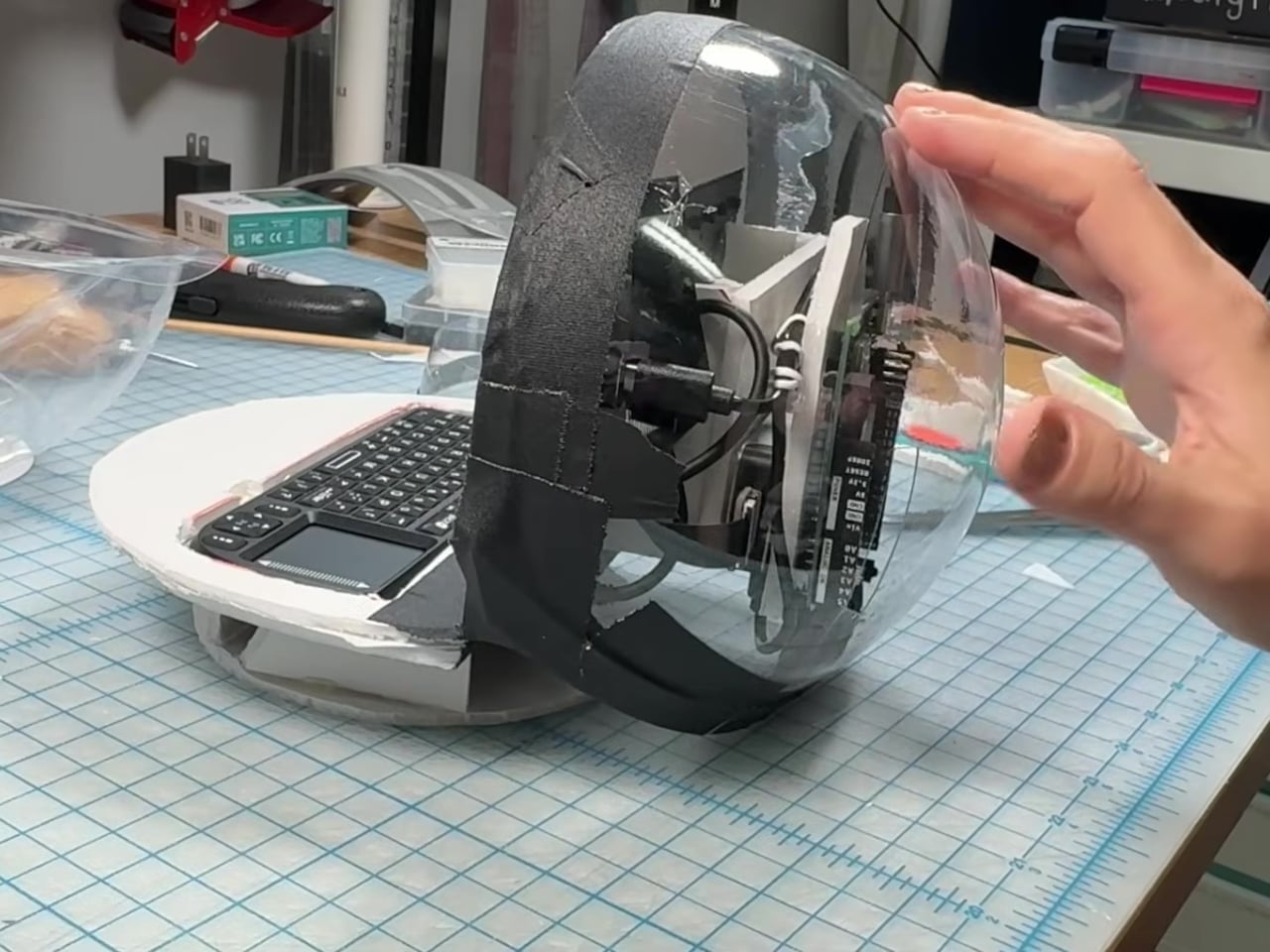
Fitting a human hand inside the same space the electronics occupy created its own puzzle, since puppeteering requires room for fingers to move the mouth while the board, screen wiring, and battery pack all compete for that same interior volume. A mounting platform above the hand cavity solved that conflict, giving the electronics their own dedicated shelf instead of floating loose around whatever space a puppeteer’s fingers happened to need that day.
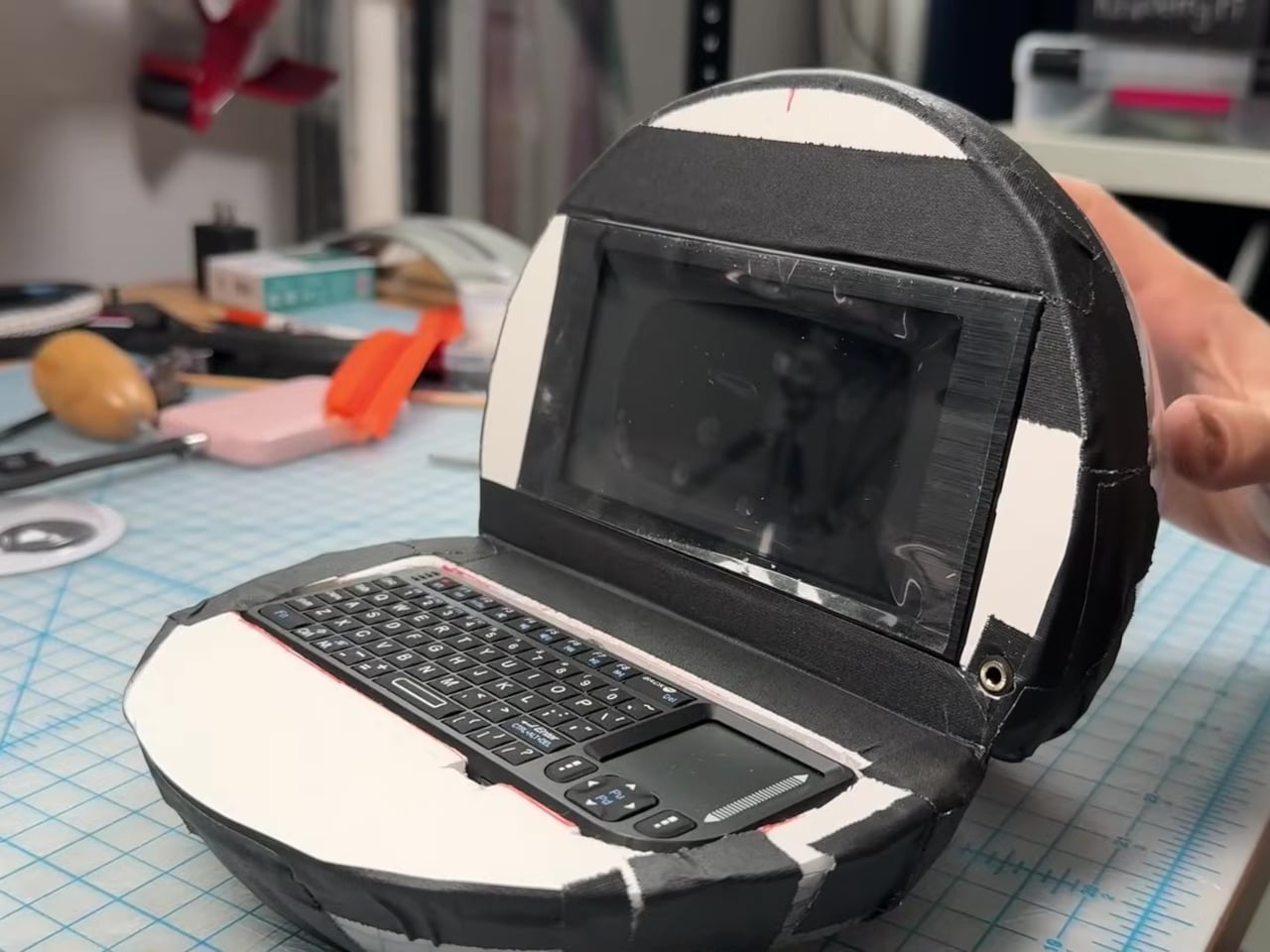
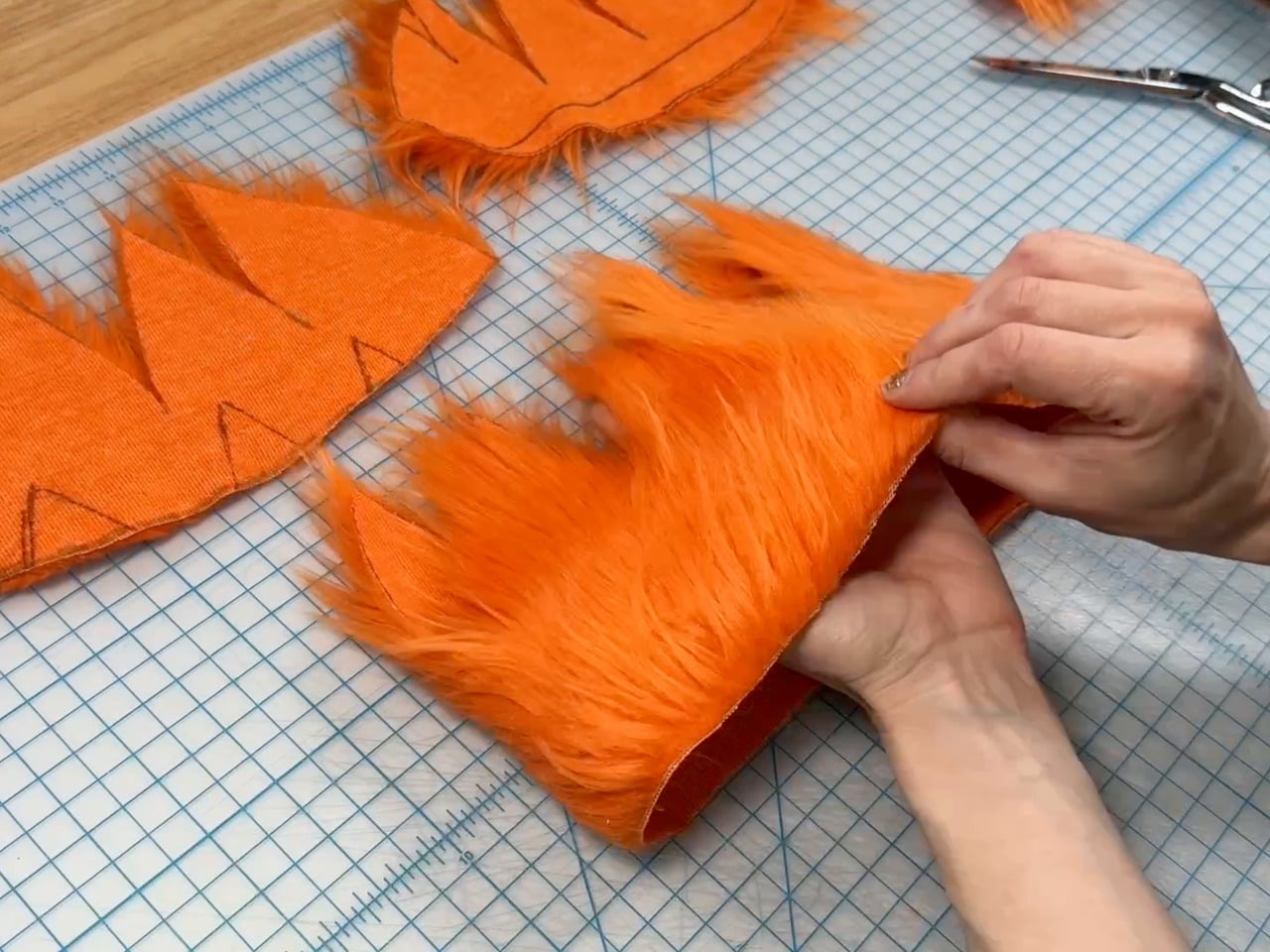
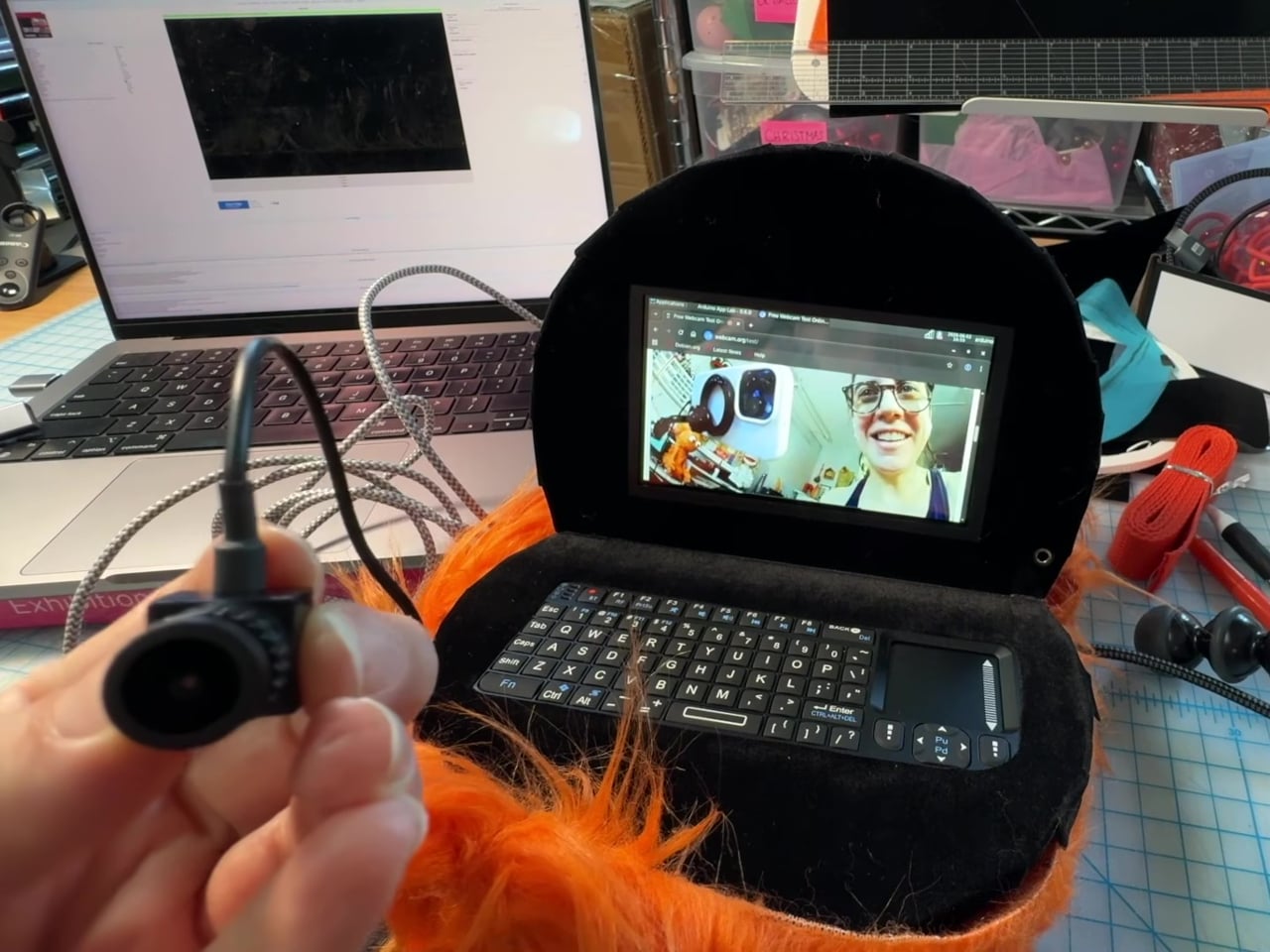
Small engineering choices reveal how seriously the functional side of this build got treated despite the whimsical shell around it. The board itself sits on a piece of foam board rather than glued directly to the frame, which keeps adhesive away from sensitive components while also helping dissipate heat that would otherwise build up inside an enclosed, fur-covered space. A modified stereo jack even gets its own reinforced pocket near the mouth so headphones can plug in without disrupting the puppet’s face.
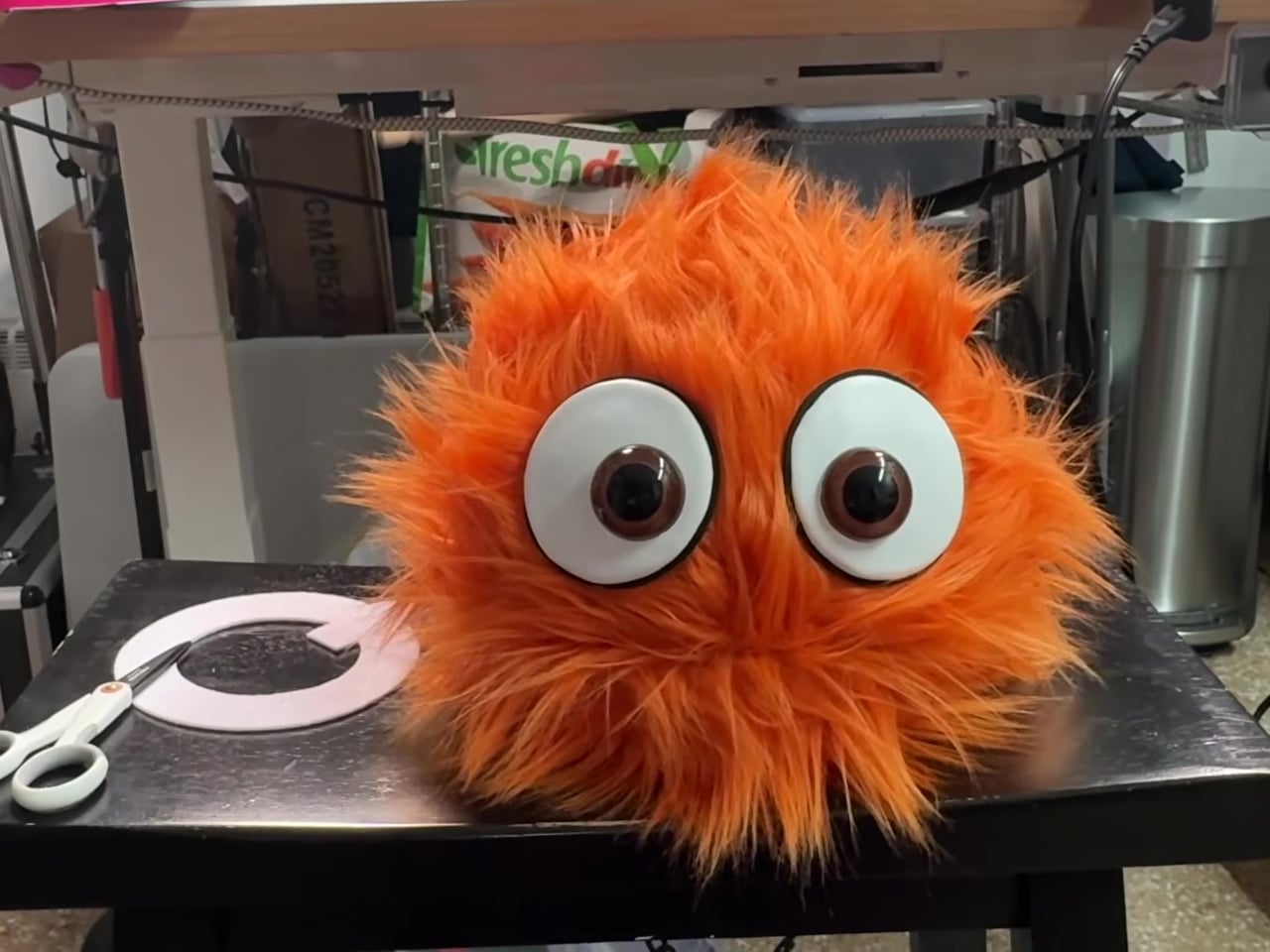
None of that hidden engineering shows once the fur and the big cartoonish eyes go on. What’s left looks entirely harmless, friendly enough to hand to a kid, right up until someone notices it also streams video, plays media, and somehow doubles as a bag you can carry over one shoulder. That kind of layered function inside a shape nobody would ever suspect is exactly what makes a build like this worth remembering.