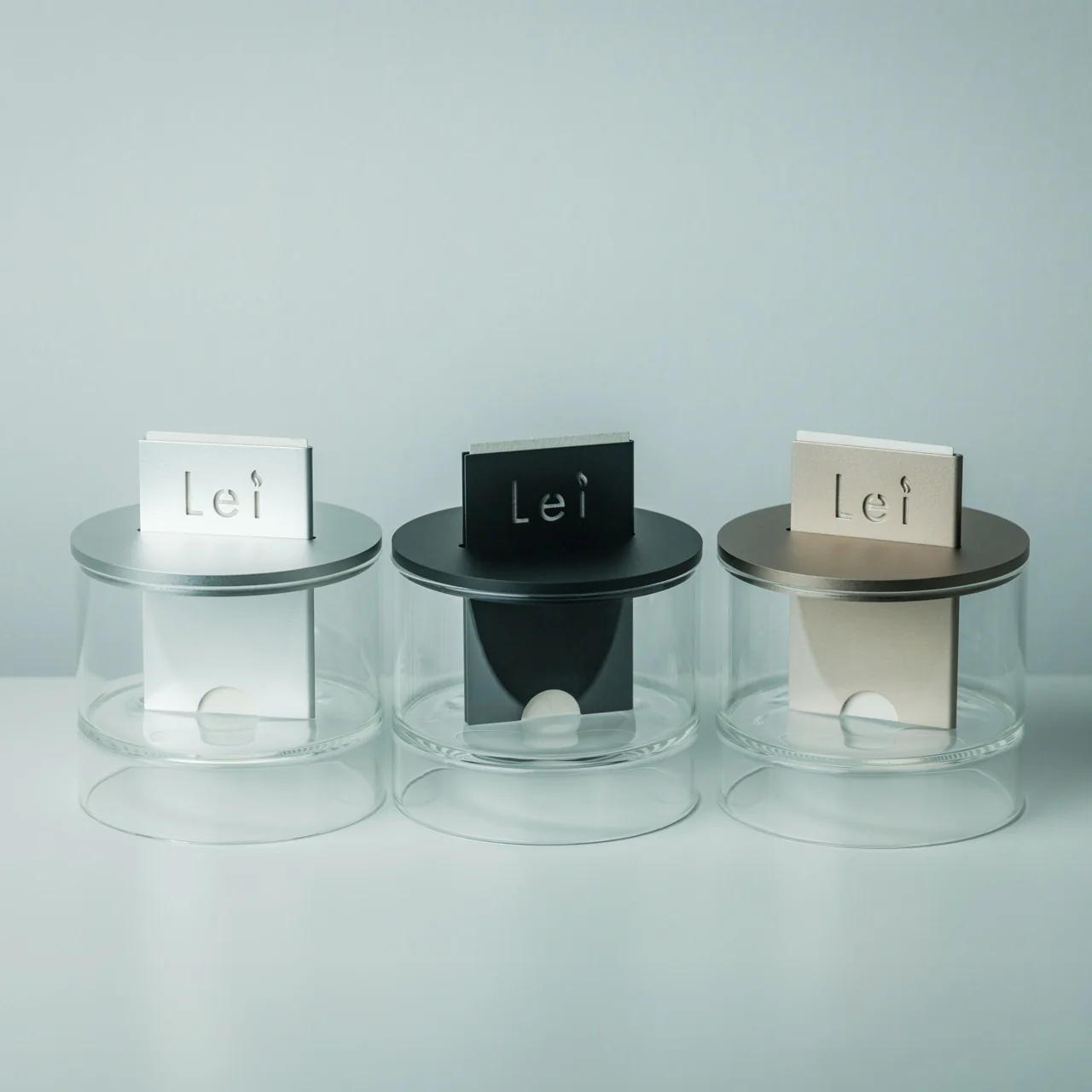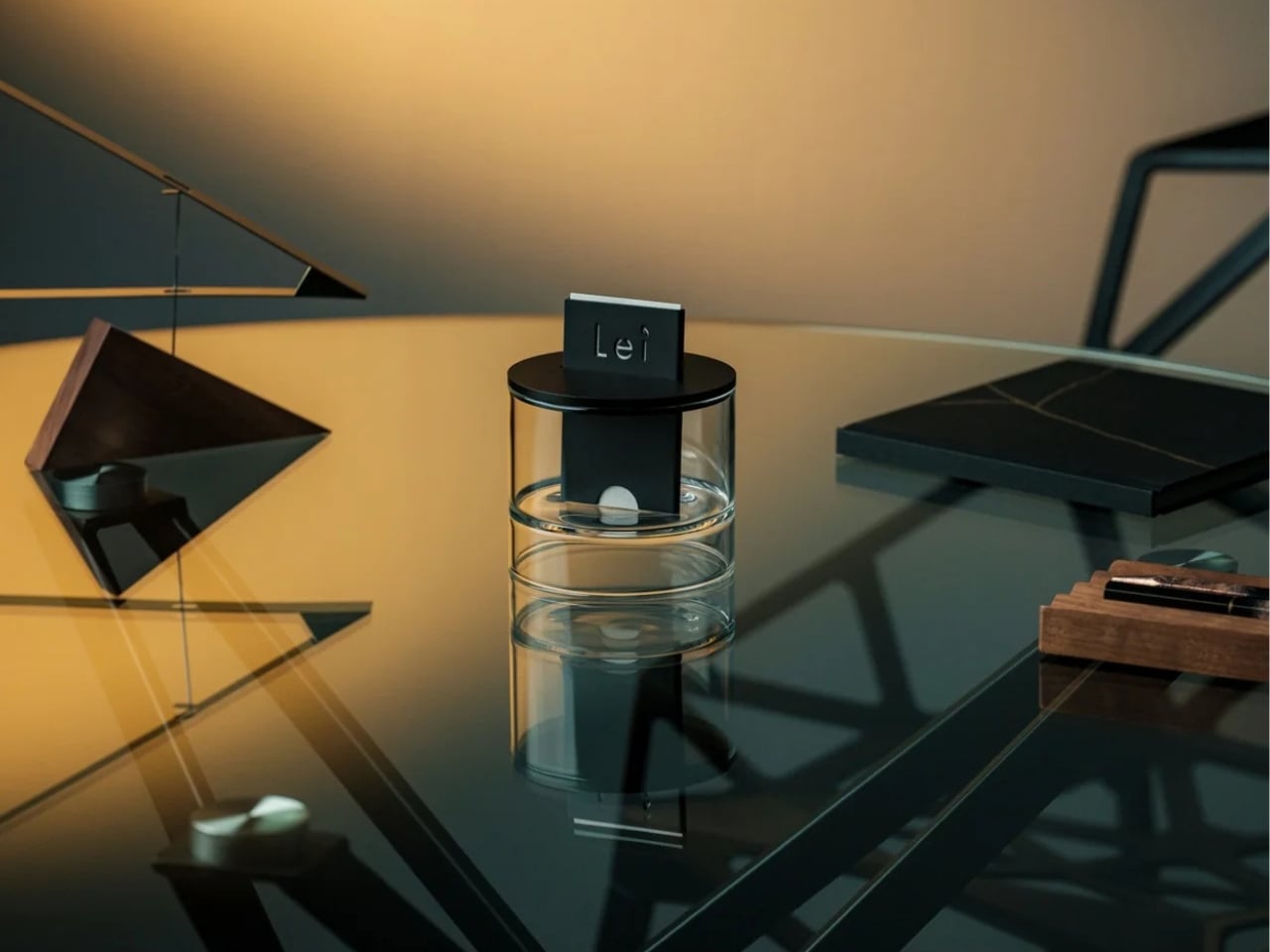

Most home fragrance today falls into one of two camps. There’s the ultrasonic diffuser blinking a soft blue LED on your nightstand, gurgling every few minutes like a tiny humidifier with opinions. Or there’s the reed diffuser, quietly leaking oil onto whatever surface it sits on, looking exactly like the reed diffuser your aunt has had since 2011. Neither one actually solves what people want, which is a room that smells intentional without turning fragrance into one more gadget you have to charge, clean, or explain to guests.
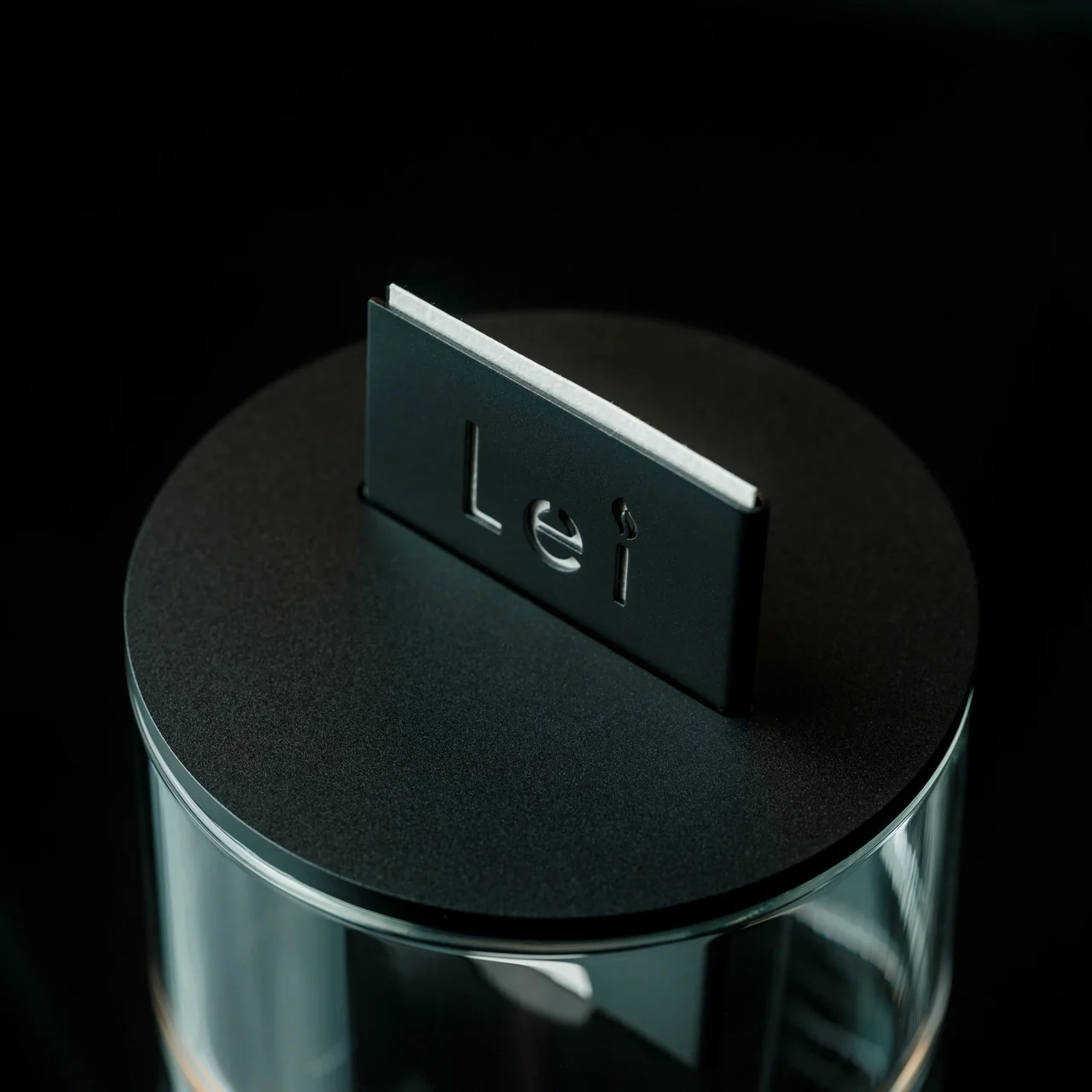
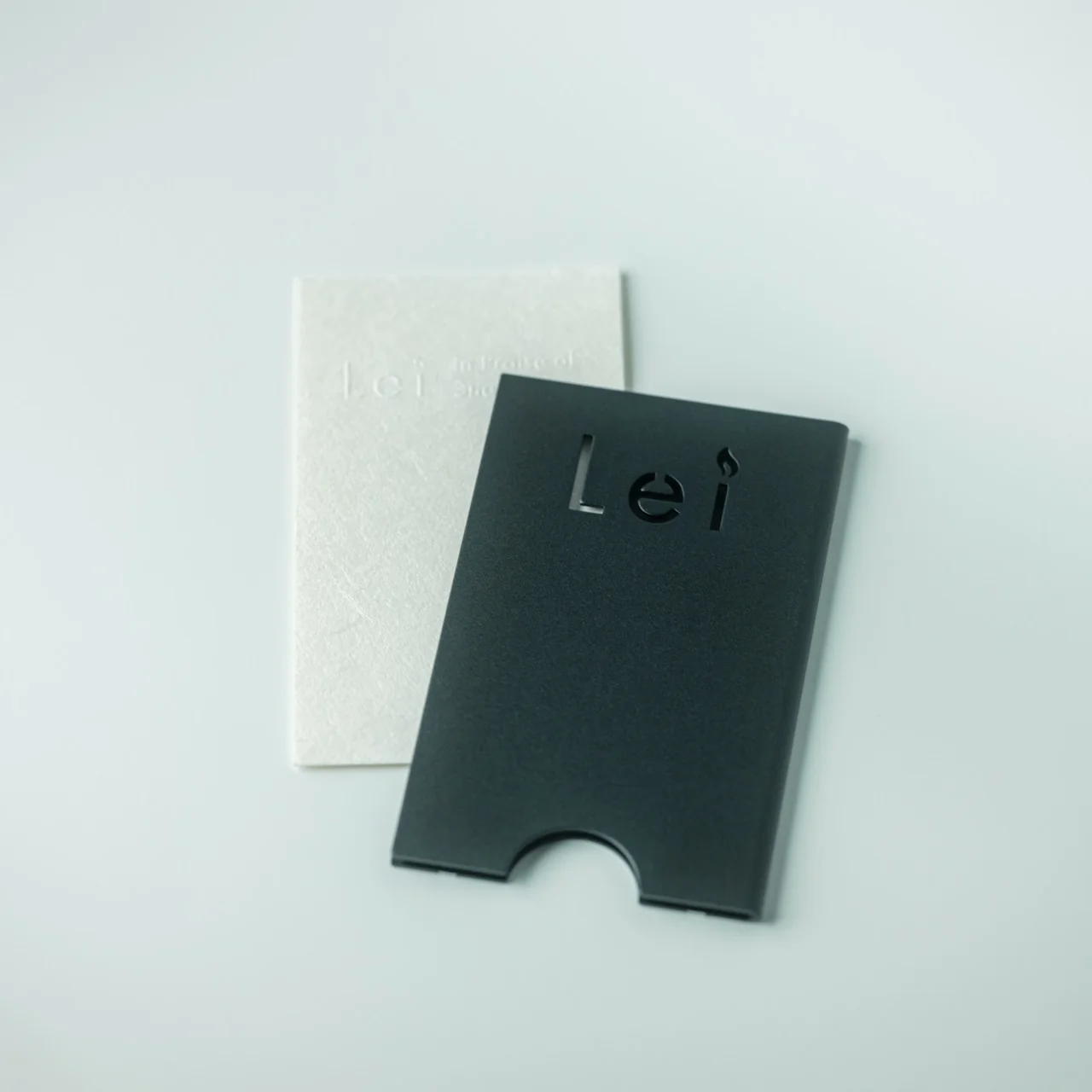
The Ritual Card Diffuser, designed by Yasuyuki Nagato and the studio SOL style, skips both problems by refusing the premise entirely. There’s no battery, no cord, no flame, no mist. You slide a handmade washi paper card into an anodized aluminum body, the same motion as tapping a train ticket or slipping a bookmark into a novel, and that gesture alone starts the diffusion. A patented mechanism pulls alcohol-based fragrance oil upward through the card using nothing but capillary action. No moving parts, no sound, no plug. It just works, quietly, in the background of your day.
Click Here to Buy Now: $125.00
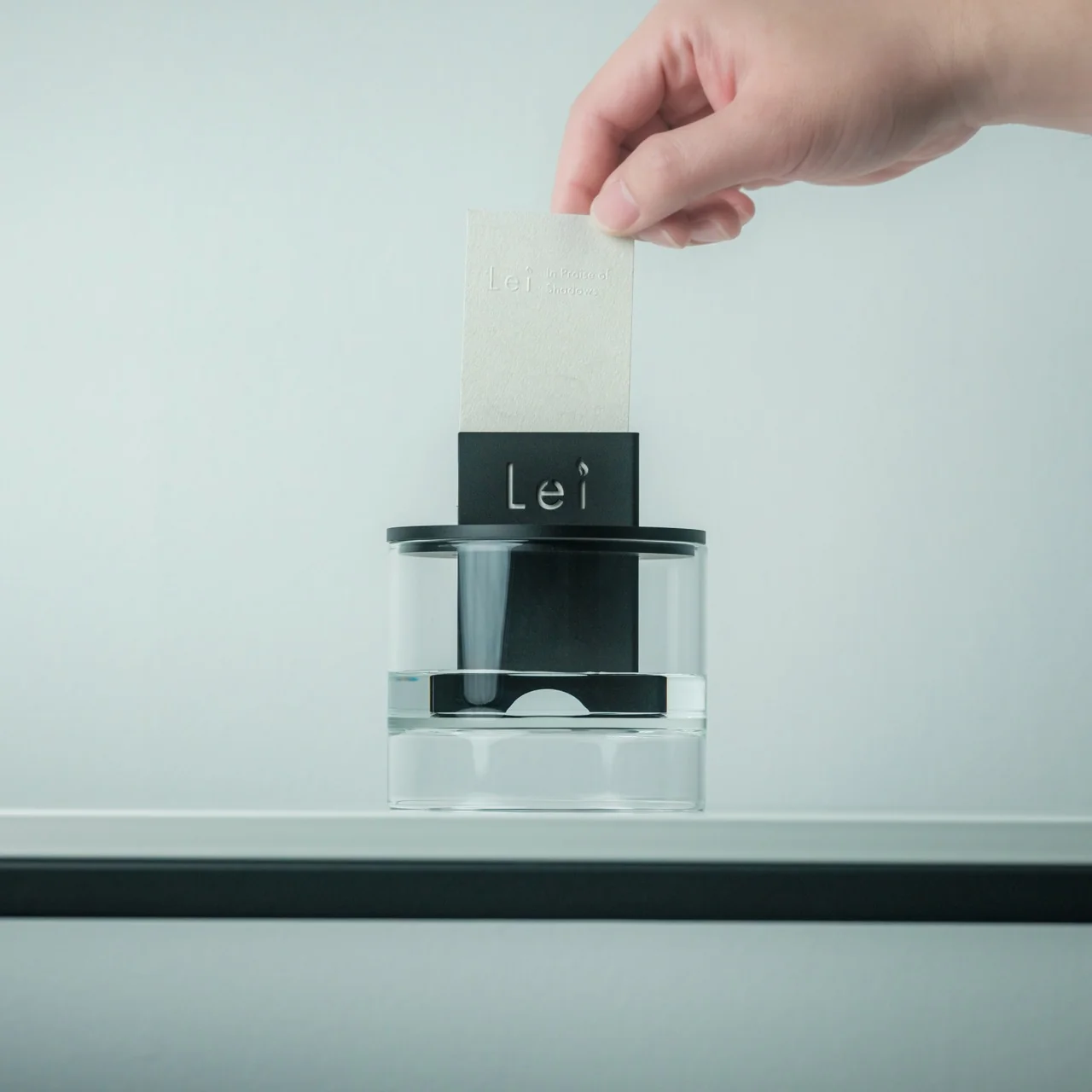

I like objects that make you do something with your hands before they reward you, and this one leans into that fully. The card-sliding motion isn’t decoration bolted onto a function, it’s the function. Most diffusers want to disappear into the wall outlet and be forgotten. This one wants five seconds of your attention, and honestly that’s a better trade than it sounds like on paper.
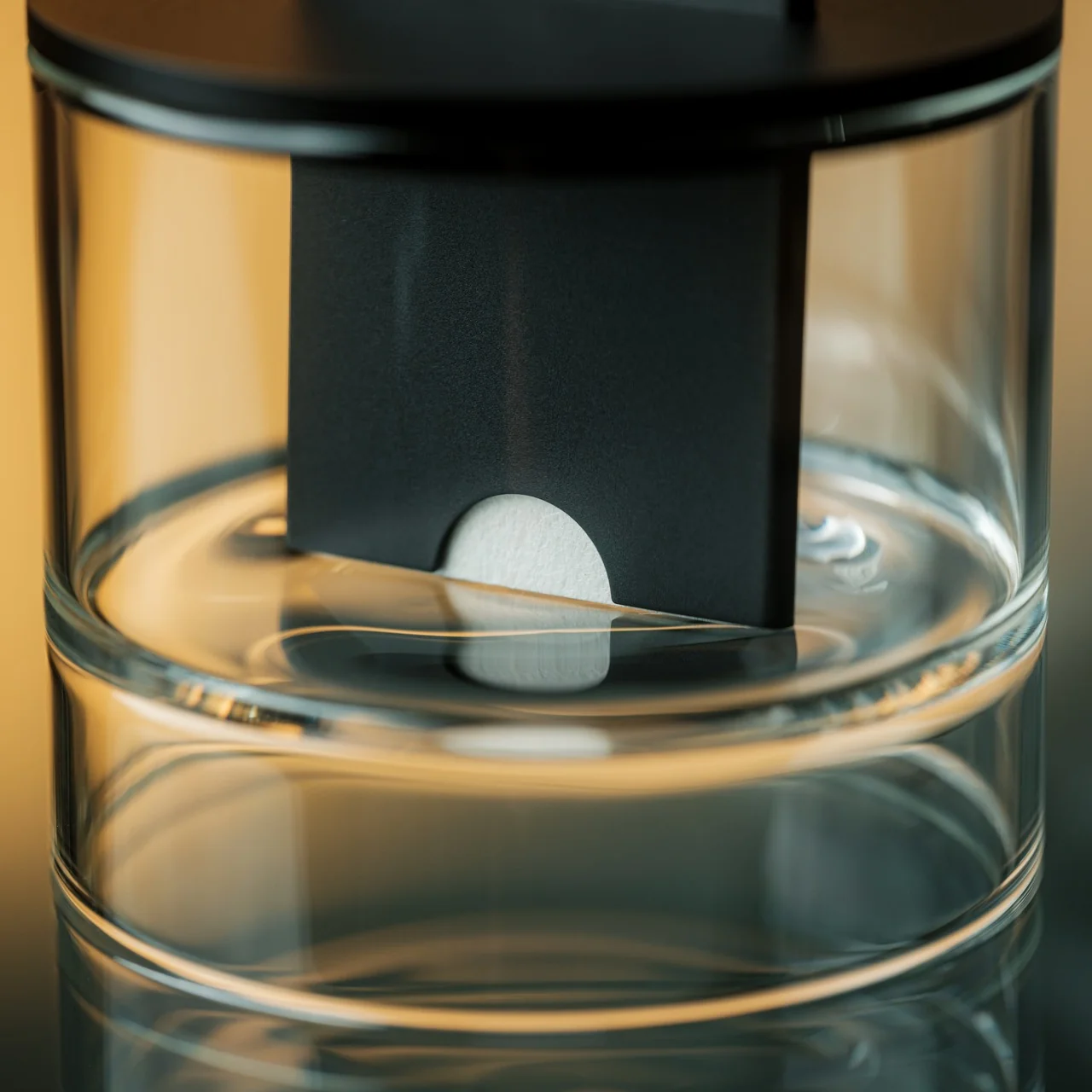

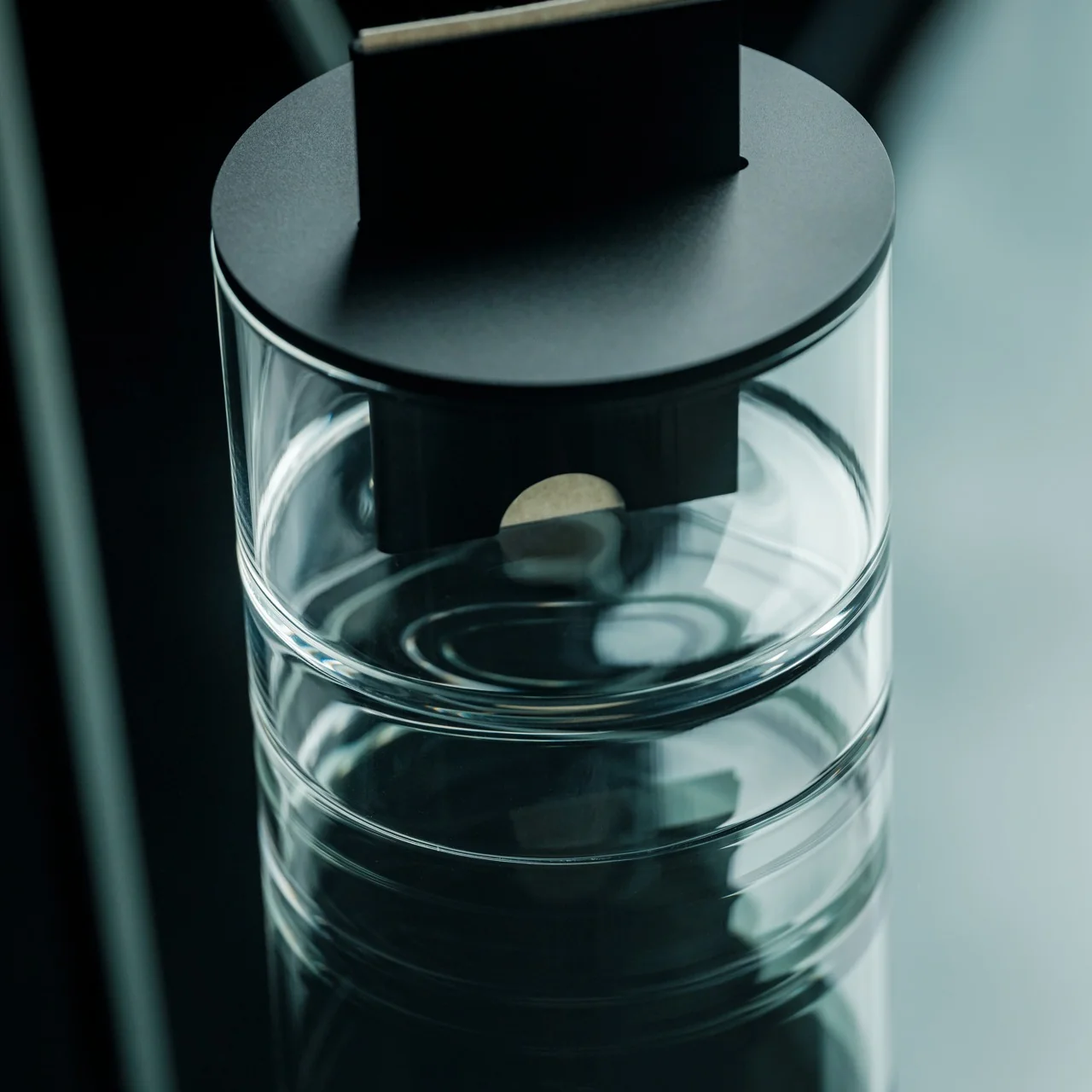
The materials back up the concept instead of just dressing it up. The body is cut aluminum with an anodized finish, which holds up to daily handling without looking scuffed after a month. Underneath sits a dual-layered glass base that makes the whole thing look like it’s floating slightly above the table, which is a nice trick for something that’s actually quite solid and grounded. The washi paper cards are handmade using traditional Japanese methods, and they diffuse scent at a slower, more natural pace than a synthetic wick would. Three cards come with the diffuser, and once one dries out, it’s not exactly trash. You can tuck it into a drawer or a bag and it still carries a faint trace of scent, which is a small detail that made me like this thing more than I expected to.
It’s worth putting this next to something like Pura, the smart plug-in diffuser that’s become a fixture in a lot of American homes over the past few years. Pura is genuinely useful. It’s app-controlled, it schedules scents, it syncs with your routine. But it also asks you to hand fragrance over to your phone, which is one more thing living on your screen and one more subscription-adjacent habit. The Ritual Card Diffuser goes the opposite direction on purpose. There’s no app, no notification, no need to open anything except a fragrance bottle. It’s not trying to be smarter than you. It’s trying to ask less of you, which for some people is the more valuable feature.
At $125, it’s not an impulse buy, and I won’t pretend the price doesn’t put it in a different category than a candle from the drugstore. But you’re paying for a mechanism that’s patented, materials that are meant to last years instead of a single season, and a design object that looks intentional sitting on a shelf, not something you’d hide in a drawer between uses.
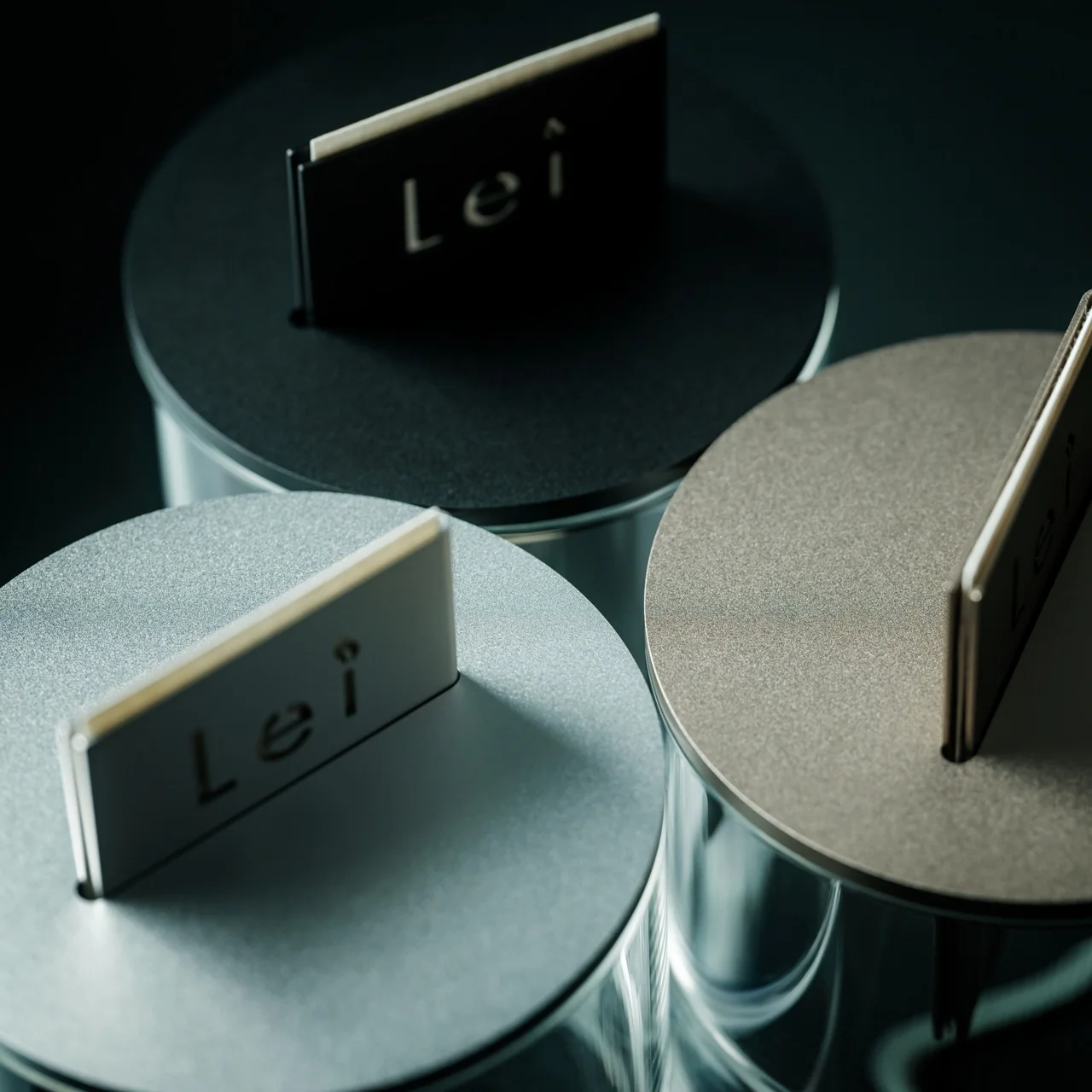
None of this means every diffuser needs to work this way, or that convenience tech is somehow the enemy. But there’s a real appetite right now for objects that don’t ask you to download anything to use them, and this Ritual Card Diffuser is a clean example of what that looks like when it’s done with actual craft behind it. It doesn’t try to impress you with what it can do. It just does the one thing it’s built for, slowly, and lets that be enough.