
Whenever I need to charge my smartphone, I still can’t resist using it, even though I know it will juice up faster if I just leave it alone. Charging time should also be the perfect excuse to stay away from my screen, but since my phone is still sitting right there, easily within reach, I end up answering messages, checking emails, or doom-scrolling through social media anyway. So what if my phone’s charger were the very tool that not only charged it up, but also nudged me to detox from my device and the digital world altogether?
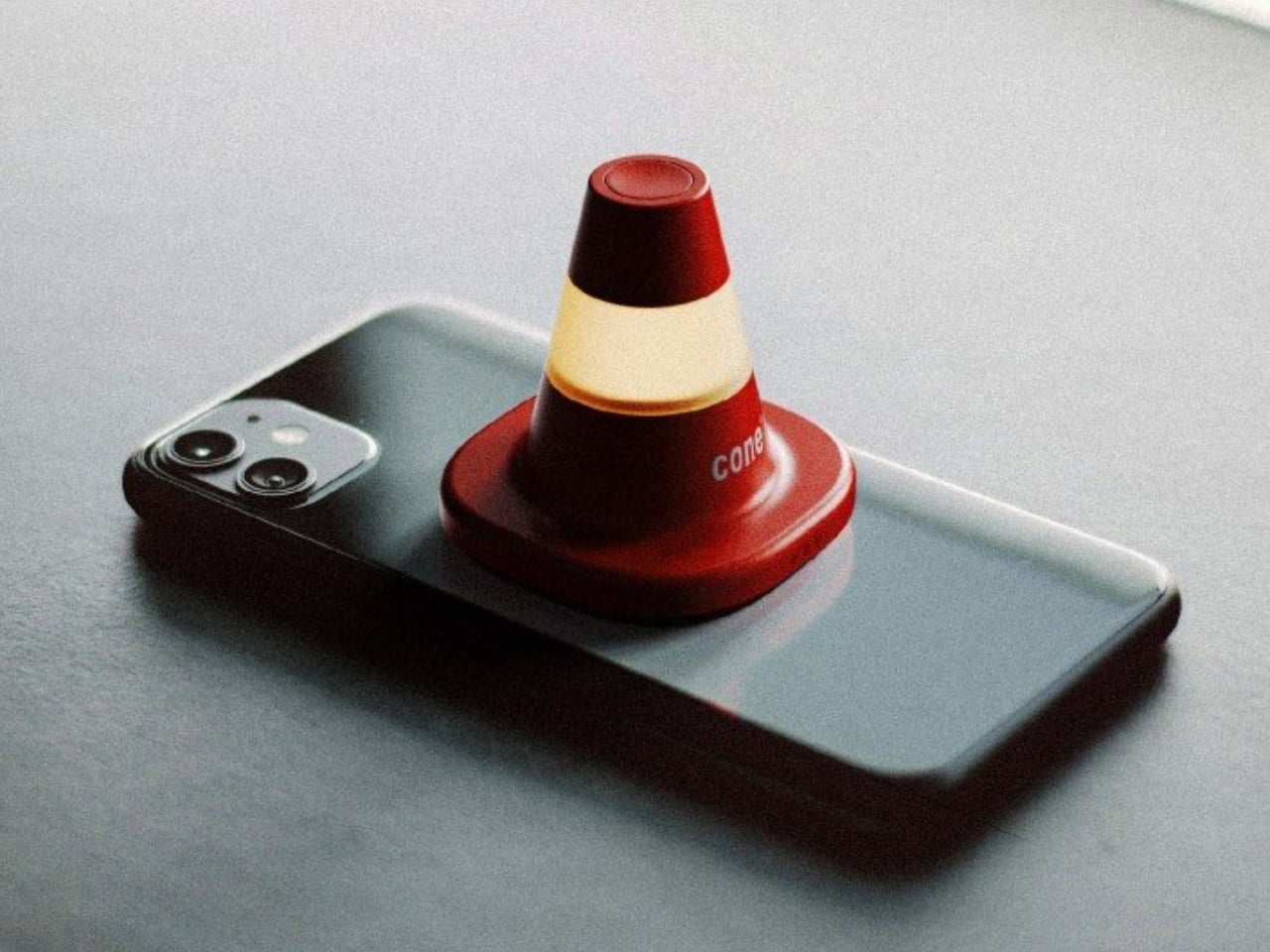
That’s the idea behind the Cone Wireless Charger and Digital Detox, a product concept by South Korean designer Minseo Jung. It’s literally shaped like the orange traffic cone we associate with “no access” or “do not use.” When you charge your phone using this small device, you also stop yourself from reaching for it, thanks to both the way it’s positioned and the actual shape of the charger itself.
Designer: Minseo Jung
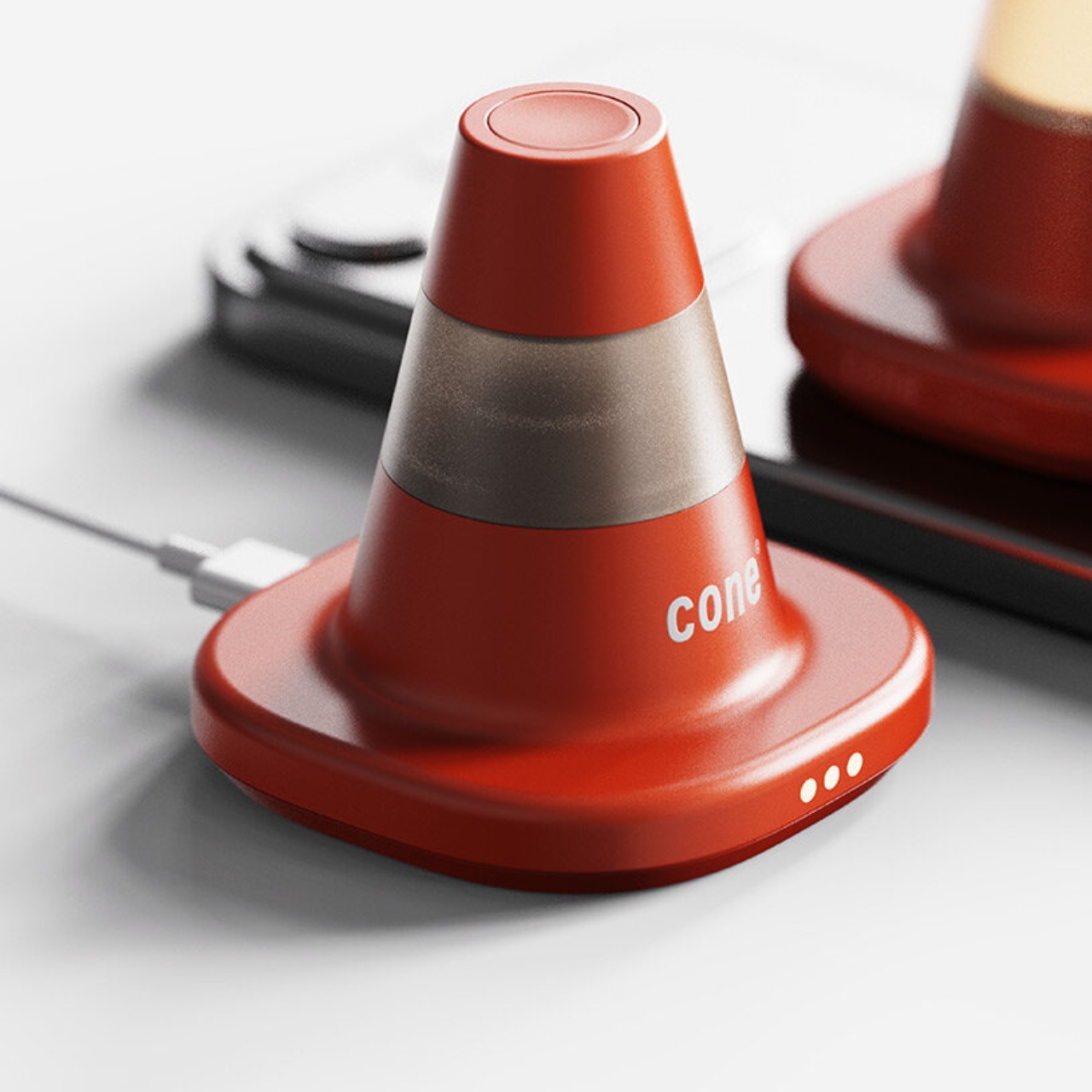

The way the Cone charger works is refreshingly simple. You place your phone face-down on the table, then set the charger on top of it. It charges your device wirelessly the entire time it’s covered. The combination of your phone’s hidden screen and the cone’s unmistakable “stay away” silhouette work together to override that automatic reflex to reach for your device and check whatever it is we usually check.
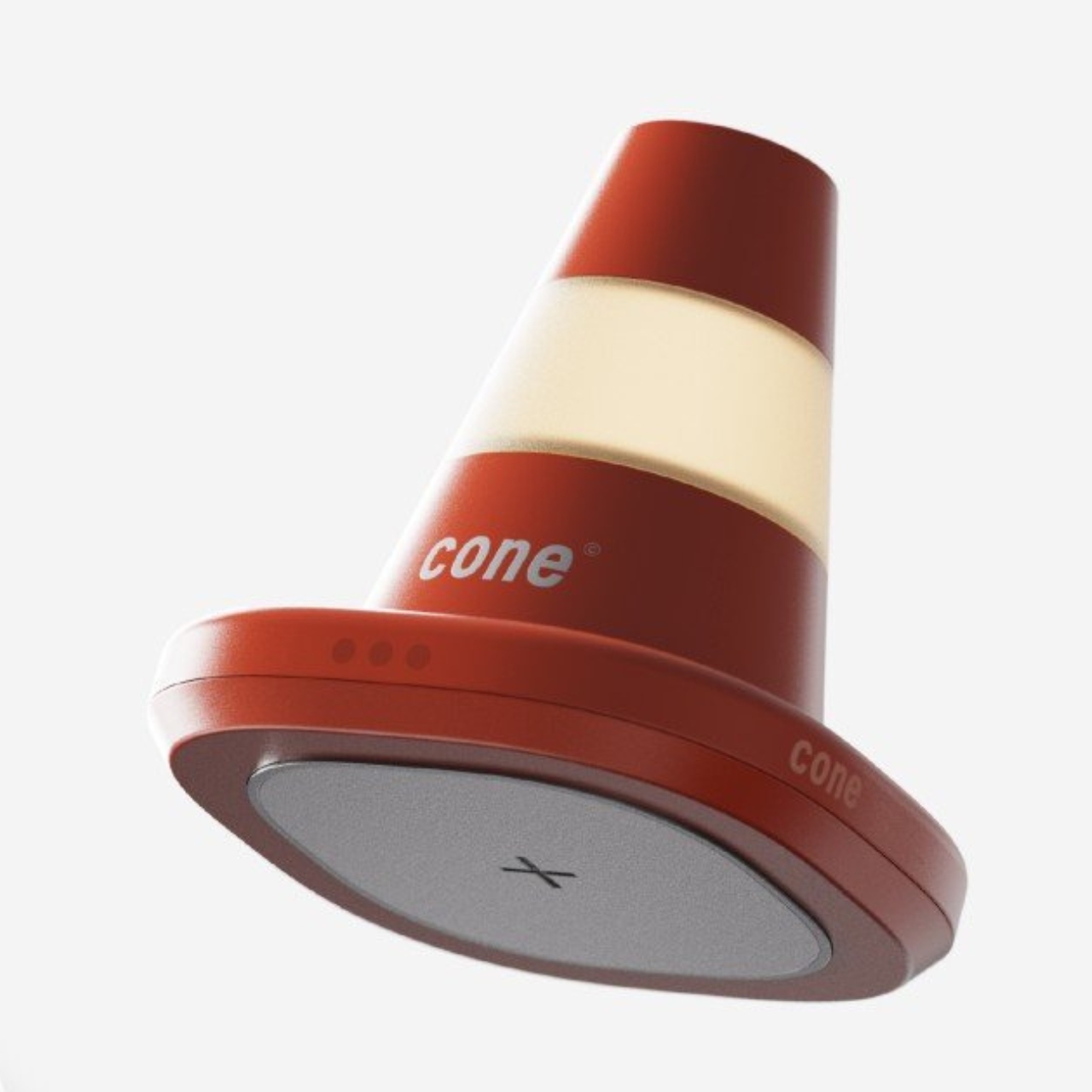
When it’s not busy charging your phone, the Cone can also double as a mini ambient light that blends nicely into a nightstand or desk setup. That dual purpose makes it more than just another single-task gadget cluttering up your already (probably) messy nightstand. It’s a charger and a lamp that happens to also curb your phone habit, not a wellness device you’re forced to make room for.
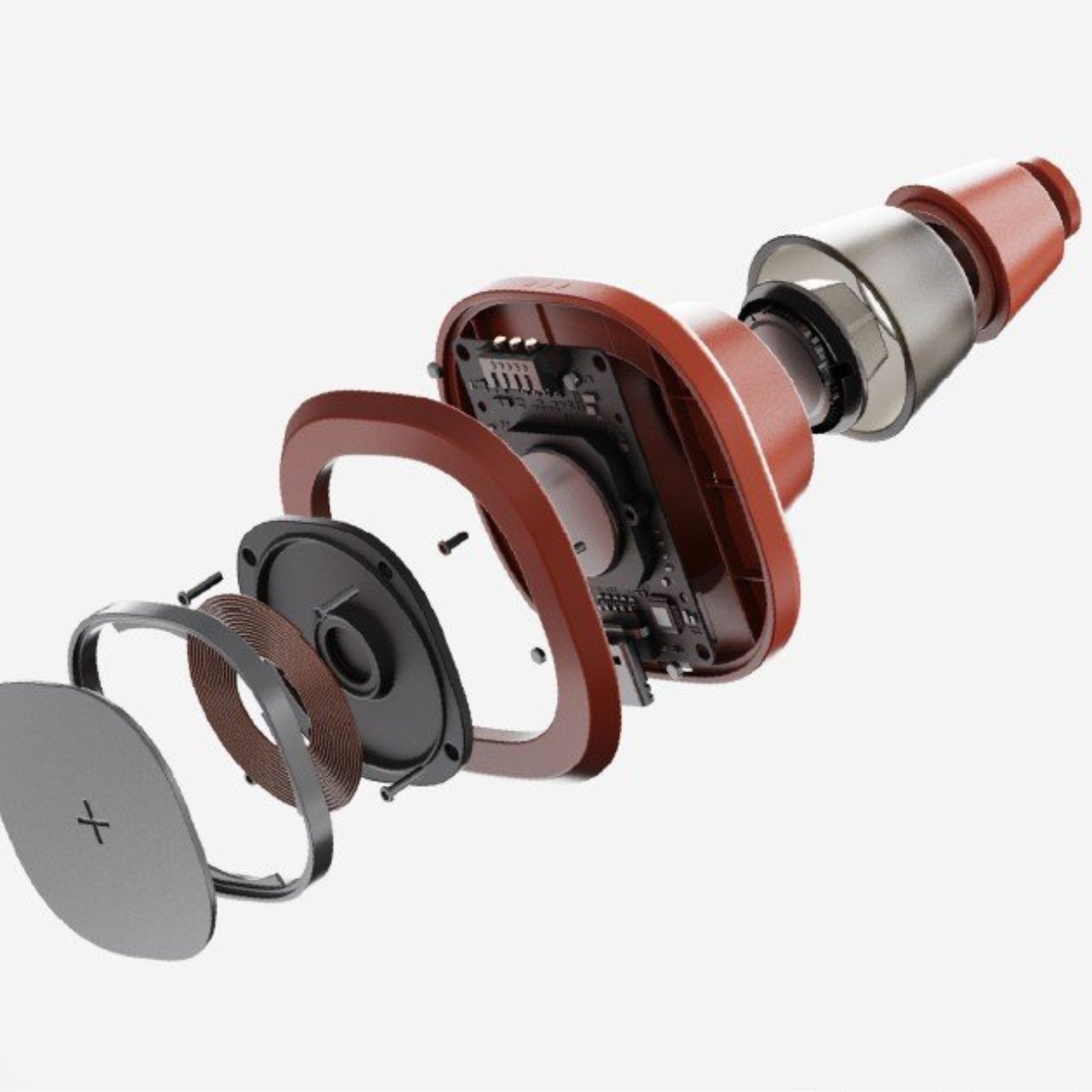
So how does the Cone stack up against the wireless chargers already crowding the market? Big names like Anker, Belkin, and Apple’s own MagSafe line are all designed with one goal in mind, which is to charge your phone as quickly, securely, and conveniently as possible. Anker’s MagGo and Belkin’s BoostCharge series, for instance, are built around fast charging speeds, magnetic alignment, and multi-device support for phones, earbuds, and smartwatches all at once. They’re excellent at what they do, but none of them are designed to change your relationship with your phone. If anything, most of these designs keep your screen facing up and glowing, practically inviting you to check it mid-charge.
The Cone takes the opposite approach. It doesn’t try to out-charge the competition with extra wattage or a longer feature list. Instead, it solves a completely different problem, which is our compulsive need to check our phones even when we know we shouldn’t. Digital wellness apps like Freedom or Forest attempt to tackle this same issue through software, locking you out of certain apps or gamifying your focus time, but they still require you to open your phone and dig through settings just to activate them. The Cone doesn’t ask you to lift a finger. Its entire strategy is physical and psychological, not digital, making it a rare case of a tech accessory that works precisely because it doesn’t add more screen time to your life.
At the end of the day, the Cone Wireless Charger and Digital Detox is a reminder that not every solution to our smartphone problem needs to be smarter, faster, or more high-tech. Sometimes, the best fix is refreshingly low-tech: a simple shape, a familiar warning sign, and a little bit of psychology working quietly in the background. Whether or not the Cone ever makes it to store shelves, it’s a clever piece of design thinking that tackles a very modern problem most of us silently struggle with every day. And honestly, in a world where our phones already run so much of our lives, having one object that gently tells us “not right now” might be exactly the kind of digital detox we didn’t know we needed.