
A dorm room rarely arrives with any intention behind it. The furniture is standard issue, the lighting is whatever the university installed, and the walls belong to someone else’s lease. None of that stops you from shaping how the space feels. Japanese design has always found calm not through more, but through better. These seven objects apply that same thinking to the smallest rooms most people will ever live in.
None of these picks need a drill, a landlord’s approval, or a subscription to anything. They are small, portable, and built around the same logic that shapes a good ryokan room: comfort comes from restraint, not accumulation. Each entry here handles one of four things — scent, light, sound, or surface — extremely well. Start with one, give it a few weeks, and notice how quickly the rest of the room reorganizes around it.
1. Battery-Free Aroma Diffuser
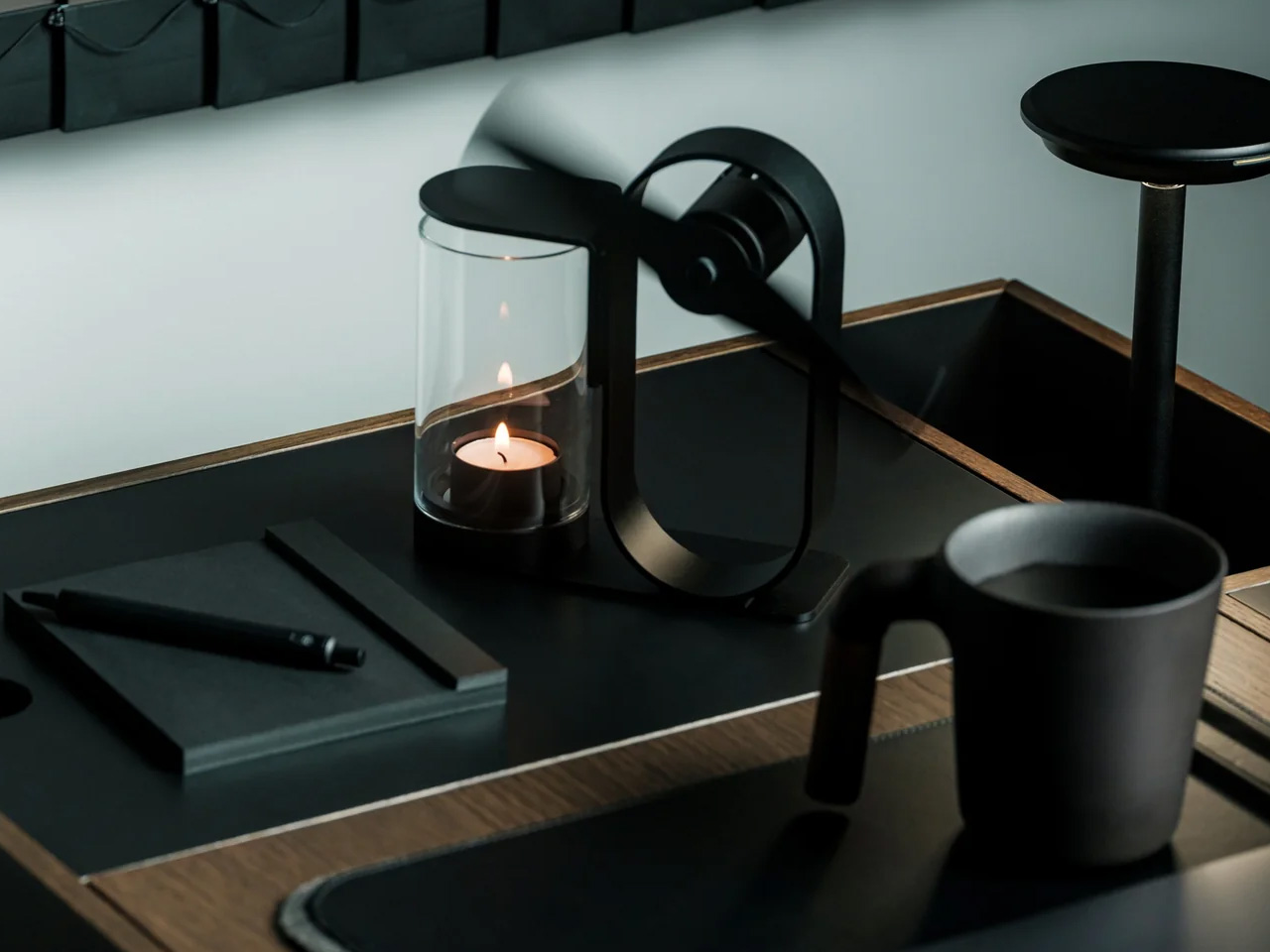
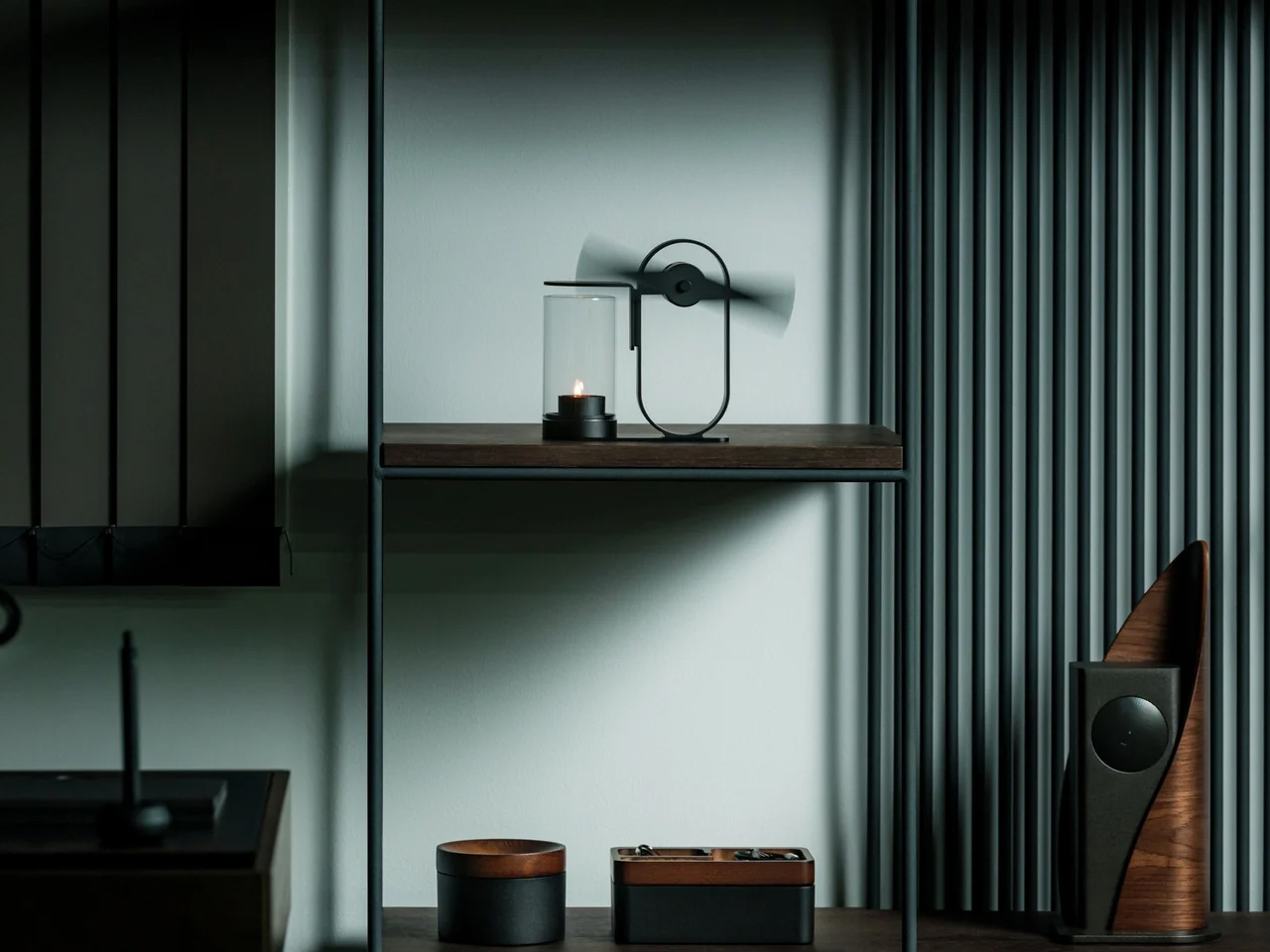
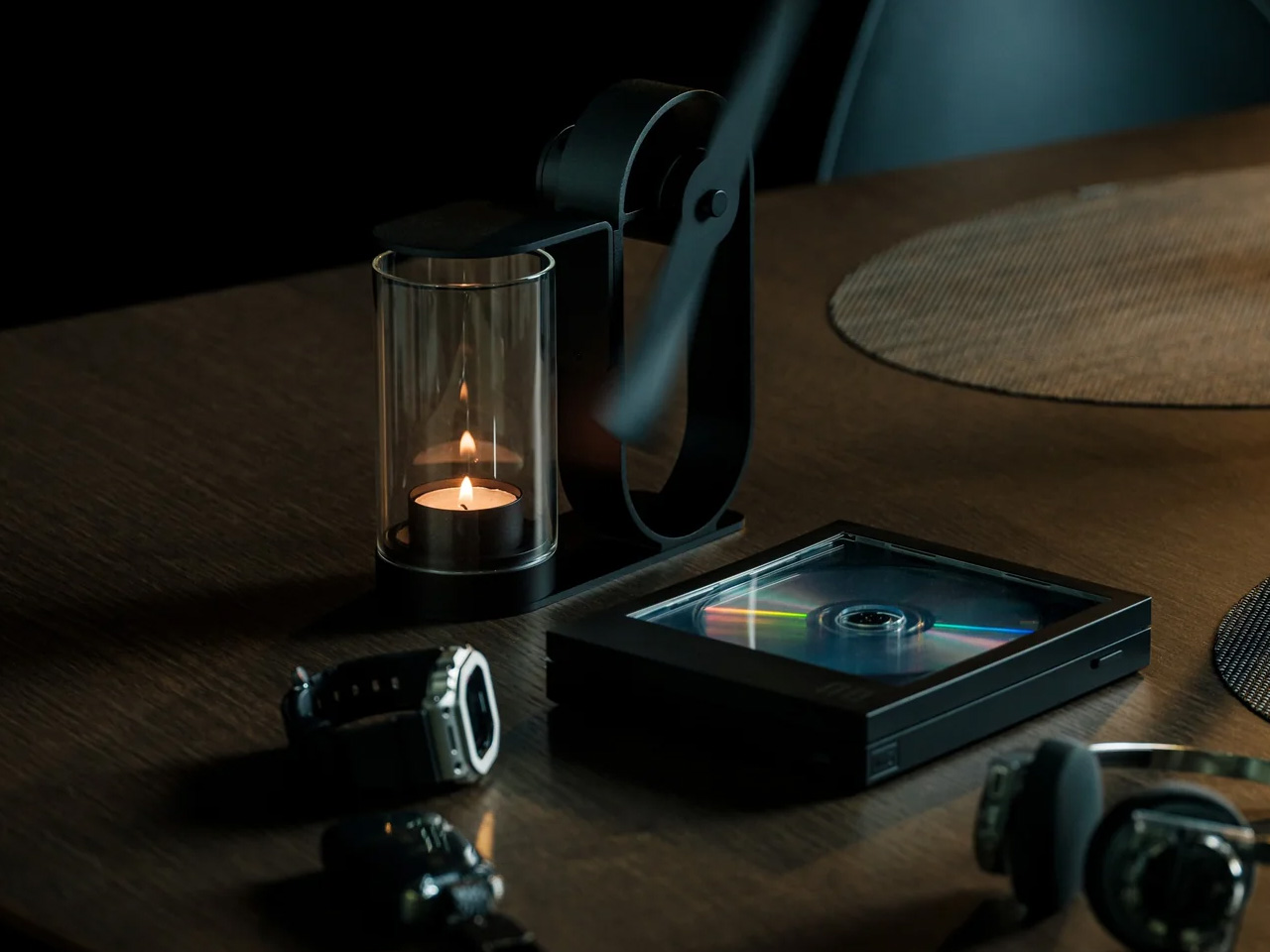
The most obvious thing about the Battery-Free Aroma Diffuser is right there in the name. No cord to manage, no batteries to replace, no USB port to compete with your laptop. A small candle sits inside a shielded housing, and the heat it generates spins a single fan blade that pushes scent further into the room than a standard candle would alone. The whole mechanism is visible from the outside, which is part of what makes it worth keeping on a nightstand in the first place.
There is something meditative about watching it work. The fan blade turns without any electricity, the scent builds slowly rather than blasting the room at once, and the exposed metalwork turns what is usually a plastic object into something closer to a piece of craft. In a dorm room where most objects compete for attention, this one earns it quietly.
Click Here to Buy Now: $290.00
What We Like
- No batteries or cords means it works anywhere, including the awkward corner beside your bed
- The exposed mechanism makes it look closer to a small kinetic sculpture than a gadget
What We Dislike
- Scent only diffuses while the candle burns, so the effect does not last through the night
- Open flame requires supervision and may conflict with dorm fire safety policies
2. REBORN PULP Acoustic Panel
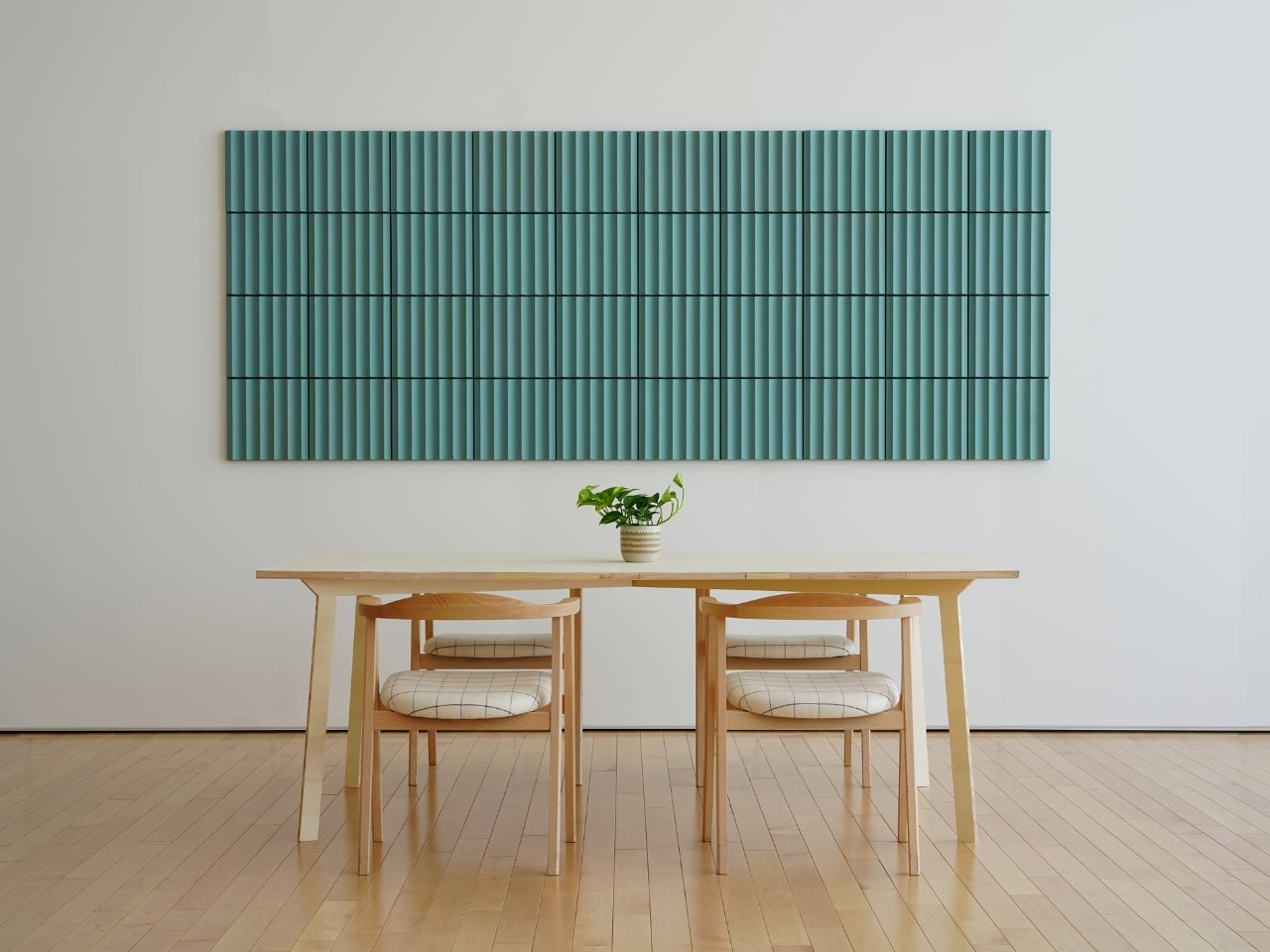
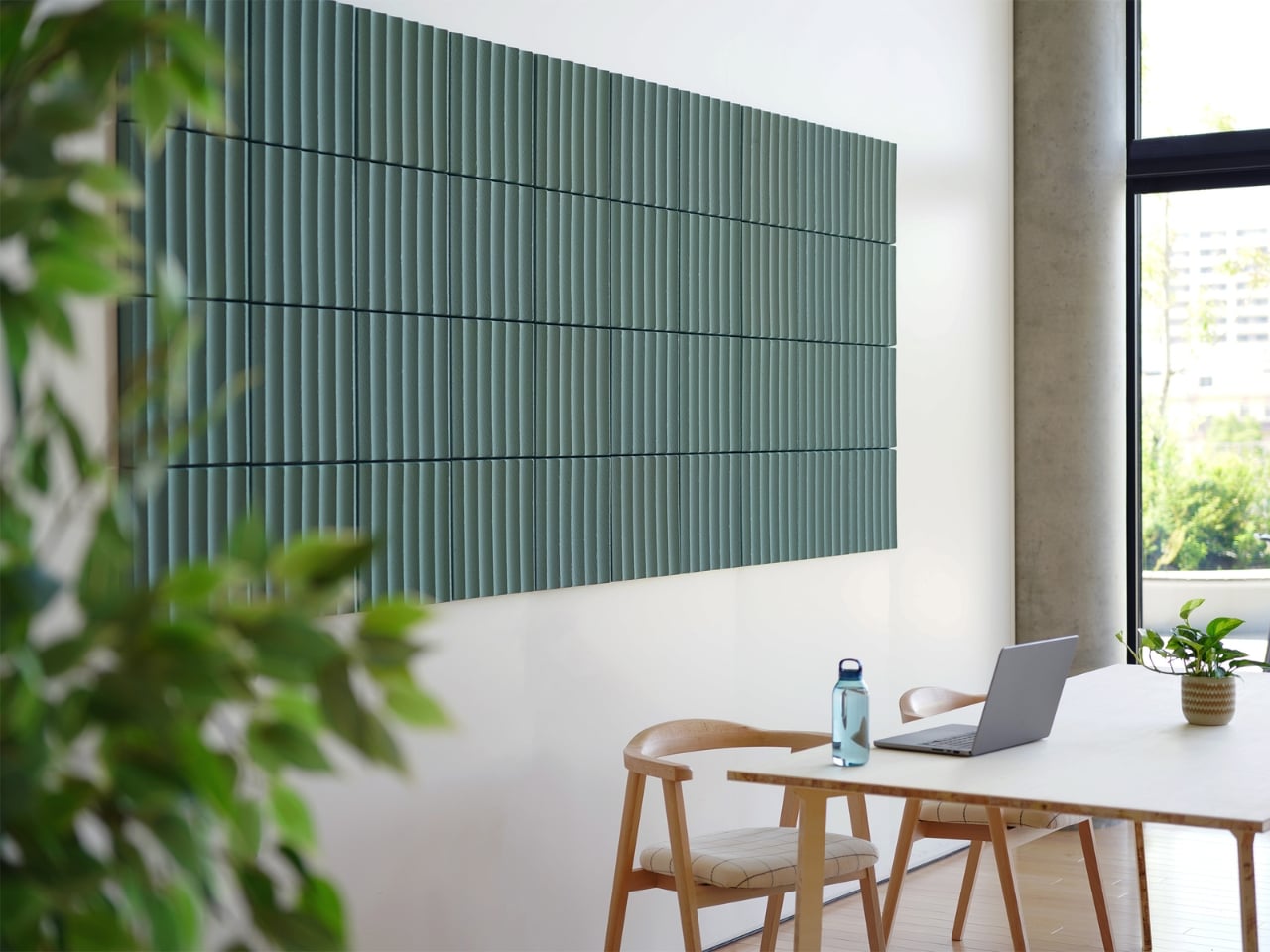
Most acoustic panels solve one problem while creating another. They dampen sound but look like something salvaged from a recording studio, and nobody wants a room that looks like that. LIBGRAPHY’s REBORN PULP takes a different position entirely. Made from 100% recycled paper pulp with no plastics and no synthetic adhesives, it is fully biodegradable. The surface carries ridges and textures that reference a raked zen garden, available in colors drawn from traditional Japanese naming: natural, pale grey, celadon, and indigo.
What that means in practice is a panel that absorbs sound and reads as intentional decor at the same time, a combination almost nothing else in the acoustic category manages. The name Reborn refers to the material itself: paper that would otherwise be discarded, pressed into panels and returned to something useful. In a dorm room where wall decor is usually a poster or nothing, a REBORN PULP panel brings texture, quiet, and a considered material story from one object on the wall.
What We Like
- The raked surface texture reads as genuine wall art, not acoustic treatment hiding behind decor
- 100% recycled paper pulp construction with no plastics, no synthetic adhesives, fully biodegradable
What We Dislike
- Availability outside Japan is still limited, making international purchasing complicated
- Pricing is not publicly listed, which makes budgeting harder before you commit to inquiring
3. Portable CD Cover Player

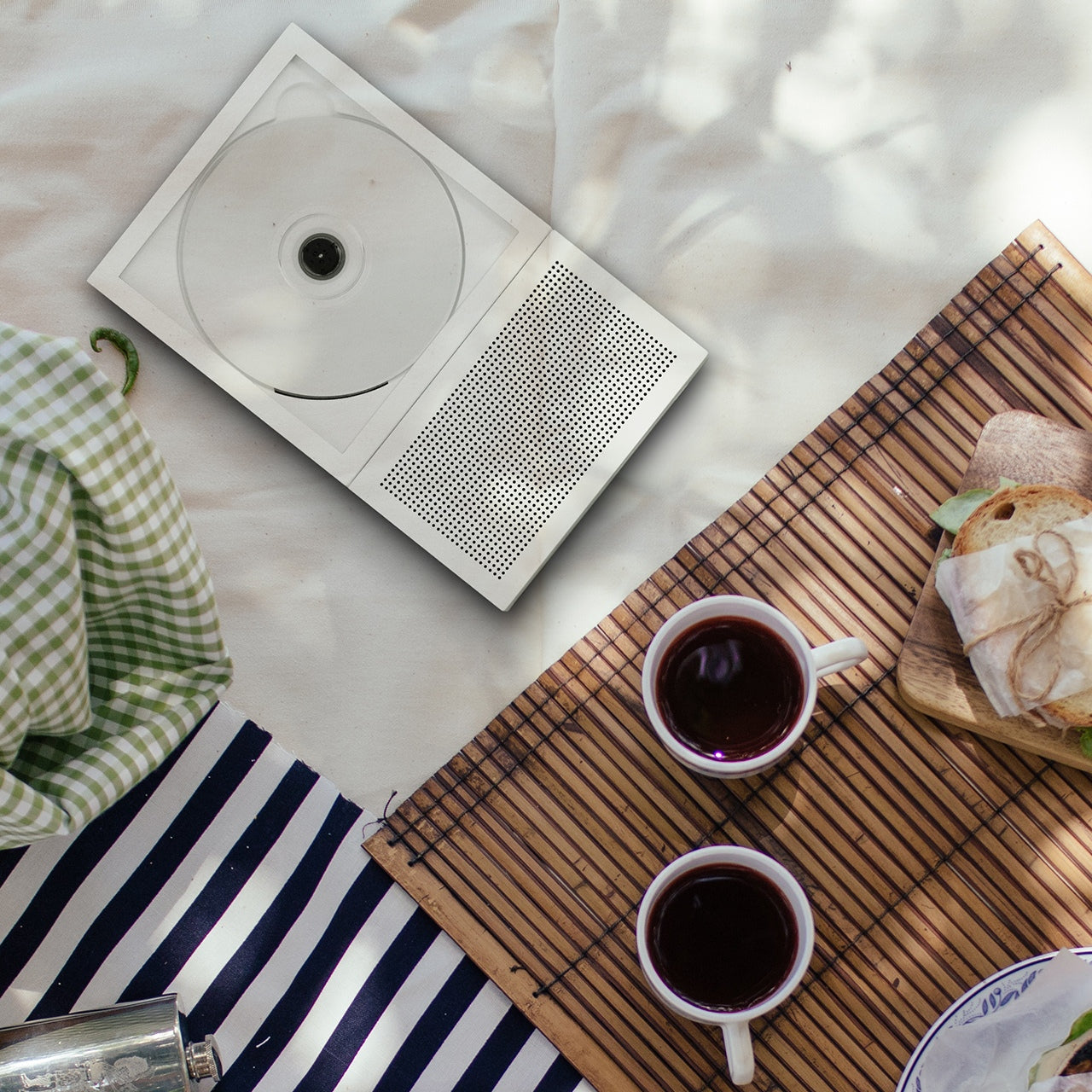

Music in a dorm room usually comes from a phone propped against a glass. The Portable CD Cover Player changes the ritual entirely. You slot an actual CD into the body of the player, slide the album jacket into a front-facing pocket, and the artwork becomes part of what sits on your desk or hangs on the wall while the music plays. A built-in rechargeable battery and speaker mean it works anywhere you put it, no outlet or external speaker needed.
The design logic here is genuinely Japanese in its thinking: one object, handled well, replaces three. A phone stand, a music player, and wall art collapse into the same device. Priced from $199, it reintroduces the physical ritual of choosing and loading a disc, which is a deliberate act in a way that queueing a playlist never quite is. That small moment of intention is exactly what separates a ryokan from a hotel.
Click Here to Buy Now: $199.00
What We Like
- Album art display turns a music player into a piece of rotating wall decor
- Battery-powered and portable, so it moves freely around the room without hunting for an outlet
What We Dislike
- Requires owning physical CDs, which most students no longer have on hand
- The built-in speaker suits a small room but is not a substitute for dedicated audio
4. Pattern as Structure Shelf
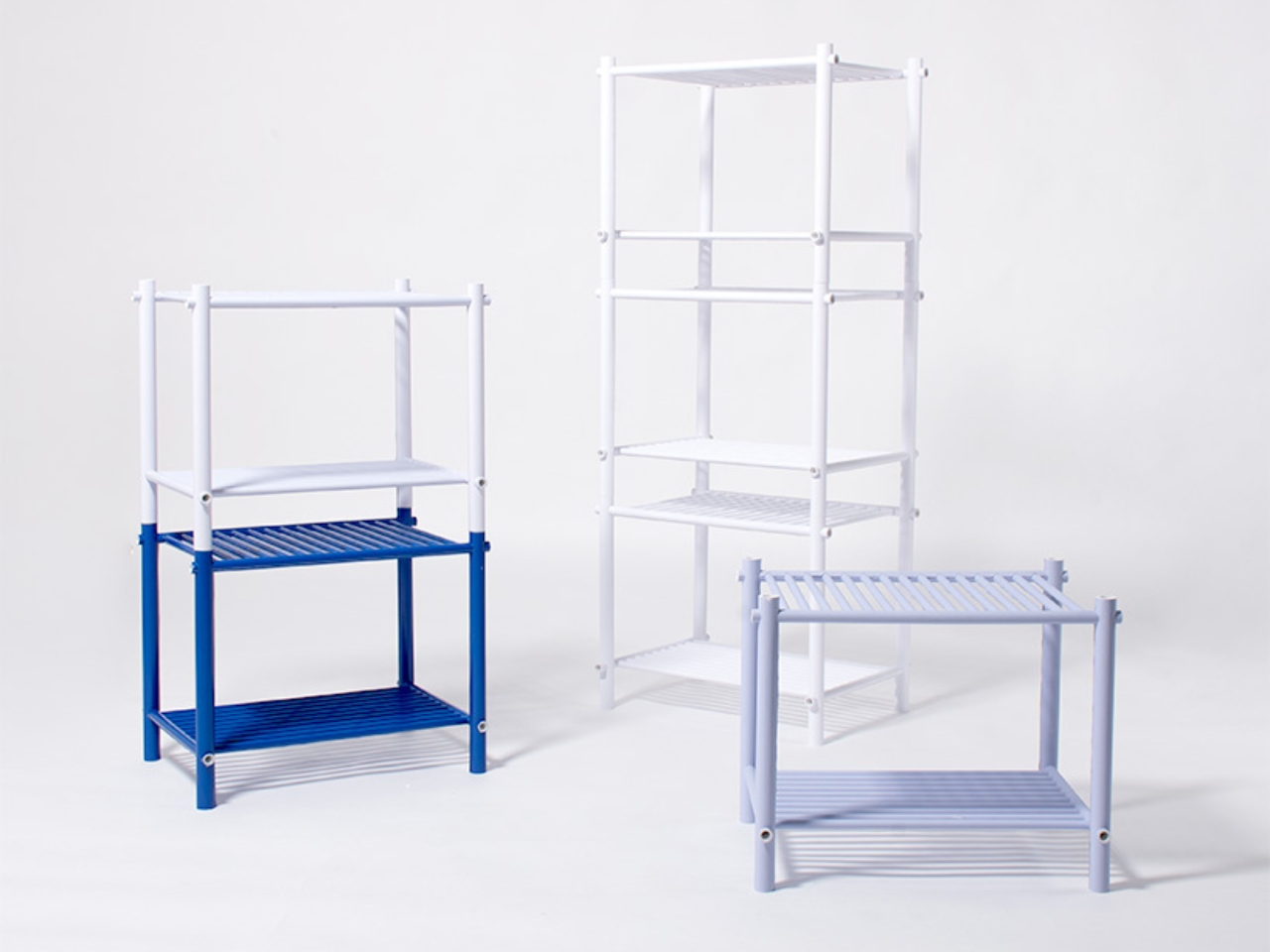

When Japanese designer Muto Yumi set out to make furniture from paper, the result was not what most people would picture. No papier-mâché, no origami folding, no salvaged cardboard called art. What she built is a modular shelf system so structurally sound and visually precise that it makes you question most of what you assumed about material strength. The whole structure is built from rolled paper rods, and the pattern printed across each rod is not decoration. It is the joint itself.
Other paper rods slot through the pattern holes, linking each piece to the next without glue or hardware. The aesthetics and the engineering are the same thing, which is a level of design clarity rare in furniture of any material. Paper does not pretend to be something else. You can see the rolled layers at the cut ends. The pattern on each rod is both surface and structure, decoration and joint, and that indivisible coherence is what makes the shelf feel genuinely resolved.
What We Like
- The pattern doubles as both decorative surface and structural joint, a design coherence almost nothing else achieves
- Fully modular and hardware-free, meaning it can be reconfigured or disassembled without tools
What We Dislike
- As a concept project, it is not yet available as a retail product to purchase
- Paper furniture requires careful handling, and a shared dorm environment adds more risk than most
5. Infinite Solas Lamp
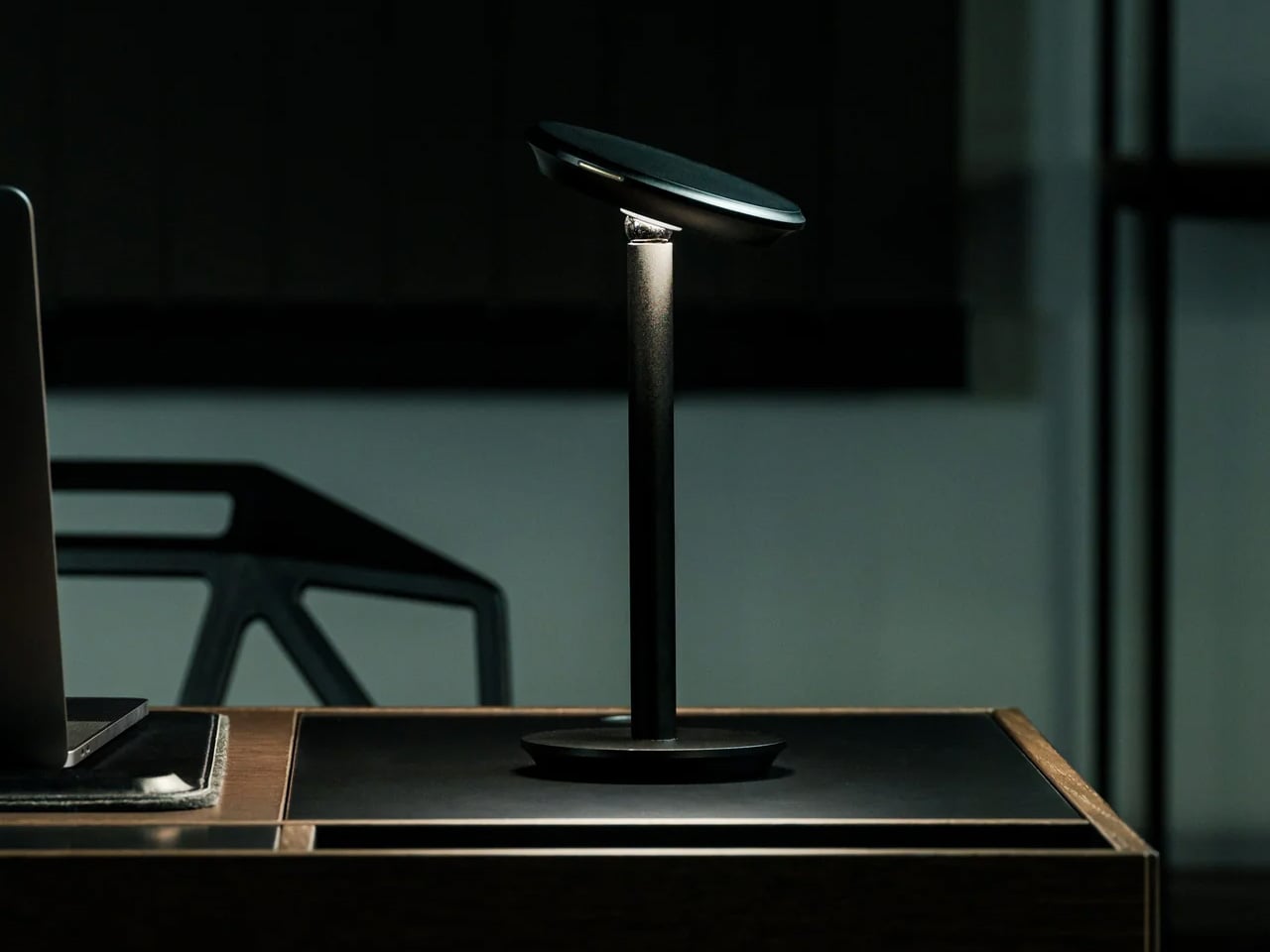
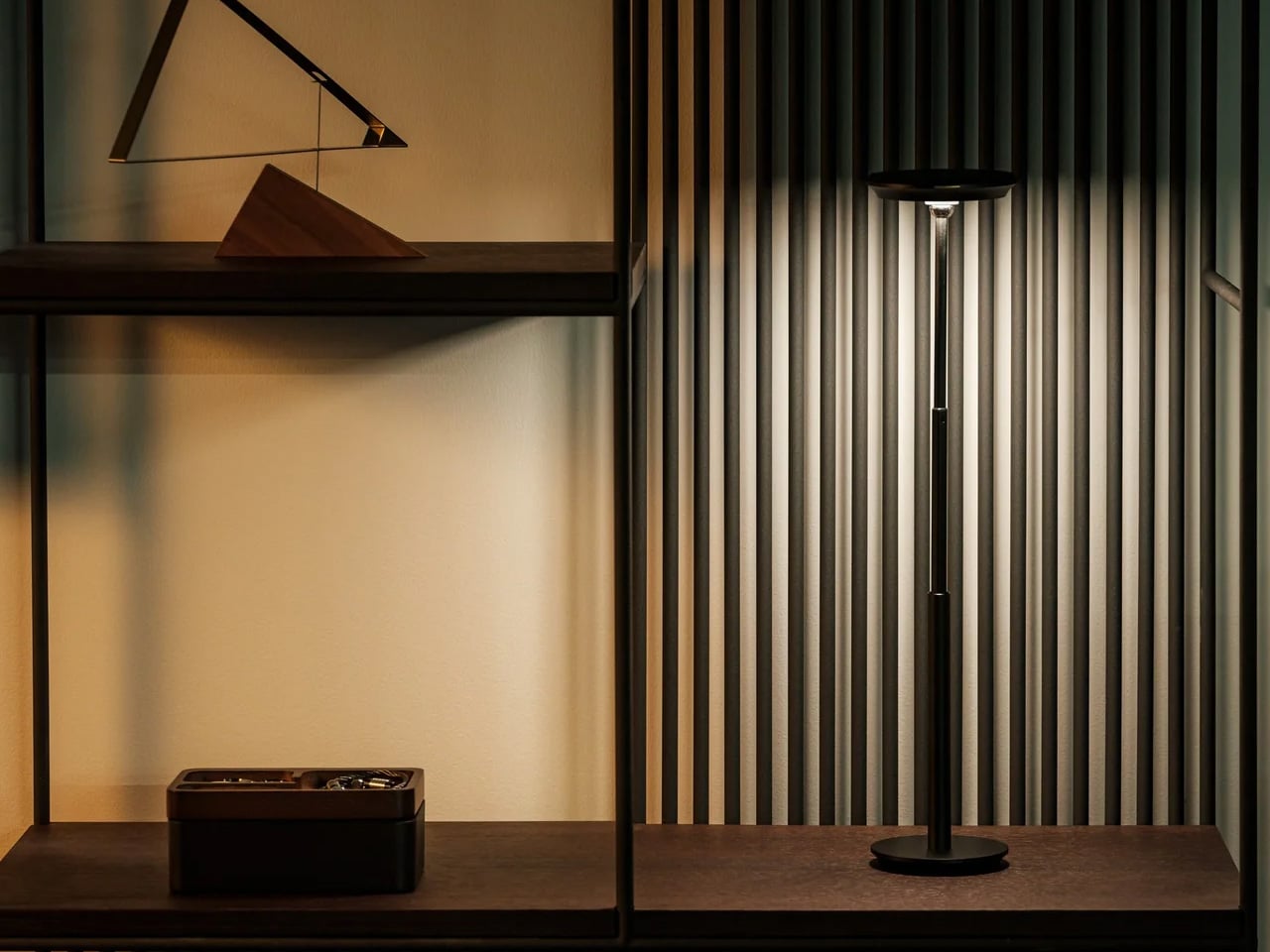
A dorm desk pulls double duty as dining table, reading surface, and workspace, often within the same hour. The Infinite Solas Lamp is built for that kind of restless room. It is fully wireless, running on a rechargeable battery that lasts up to 70 hours at low brightness or 6 to 7 hours at full, and the height adjusts between 22.5cm and 50cm so it fits wherever the moment calls for it, without the usual cord hunt before every use.
The color temperature runs from 2500K to 4000K with full dimming across the range, which means the same lamp that pushes you through a late assignment can settle into something much softer for reading in bed. The machined aluminum body with its anodized finish weighs just over a kilogram, enough to anchor a corner without needing shelf space.
Click Here to Buy Now: $325.00
What We Like
- Battery life of up to 70 hours at low brightness means days between charges in normal use
- Height adjusts from 22.5cm to 50cm so it functions equally well on a desk or nightstand
What We Dislike
- At $325, it is one of the more expensive items on this list, which strains a dorm budget
- Full brightness lasts only 6 to 7 hours per charge, so heavier use means more frequent recharging
6. Hinoki Bath Stools
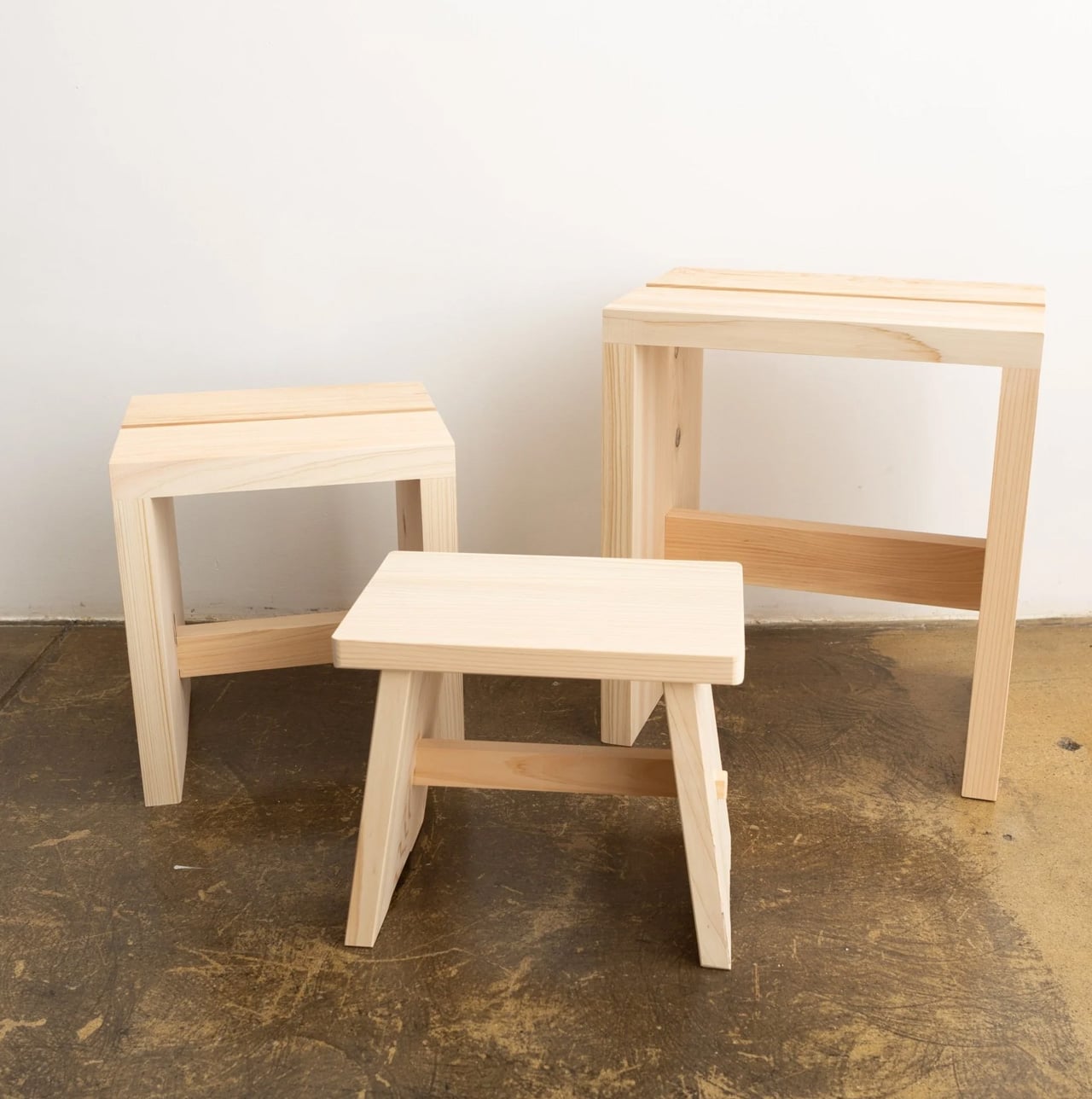

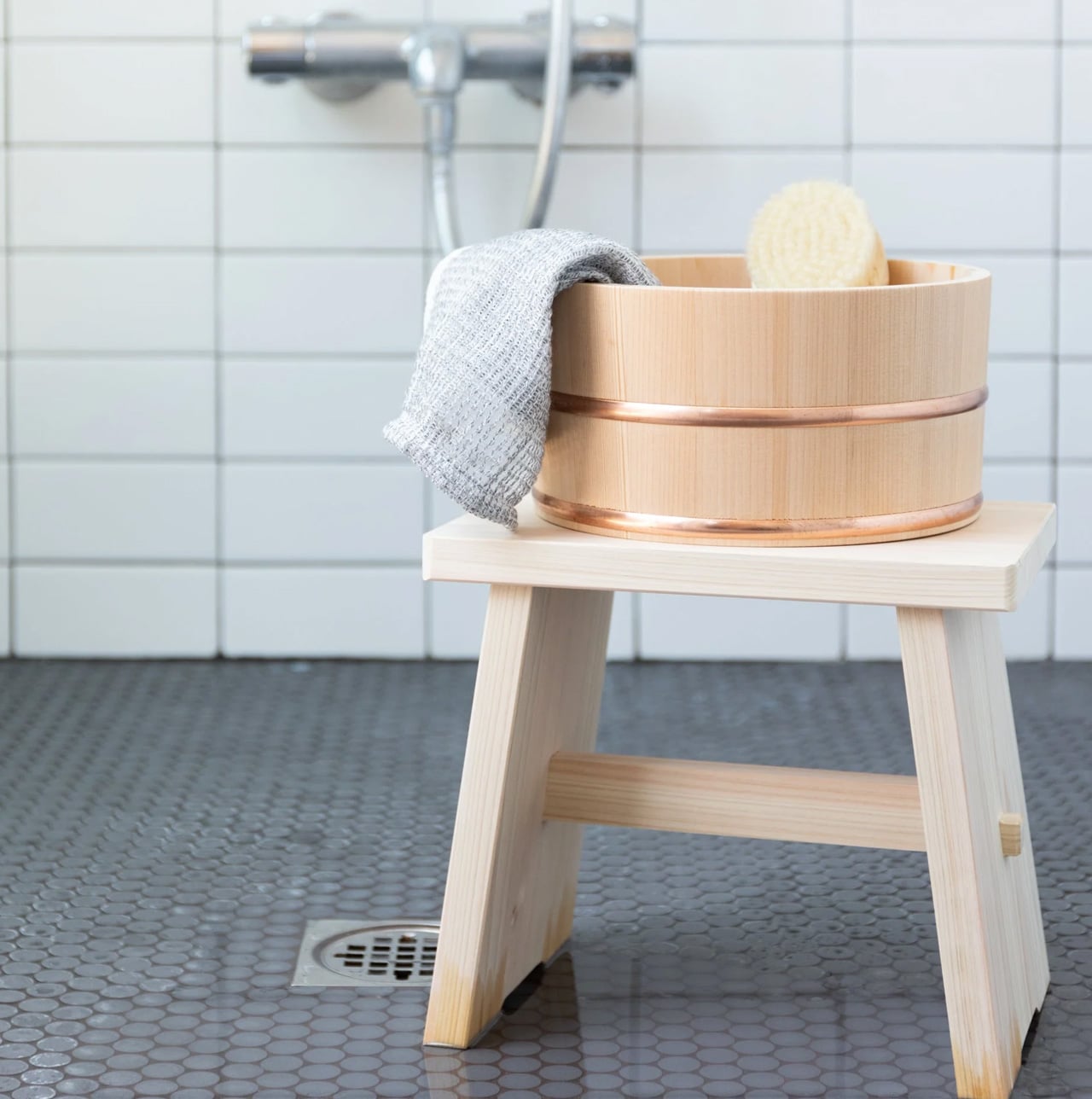
A dorm shower is not typically where design decisions get made, but that does not mean the space is beyond improvement. Hinoki cypress lines traditional Japanese bathing rooms, carrying a natural oil that resists moisture and releases a gentle, forest-like scent that intensifies with warmth and steam. Tortoise General Store stocks these stools from $90, in three sizes, from the compact Umezawa at 10.5 inches long to the taller High Stool at nearly 15 inches.
The woodworkers of Tosaryu have perfected their craft in the mountains of Kochi, Japan since the 1970s, which matters for an object used every morning. The solid hinoki does not turn slippery underfoot the way plastic bath accessories do, and the natural oil within the wood keeps releasing scent each time it gets wet. Bringing one into a shared dorm bathroom is a small change with an outsized effect on how the space starts to feel.
What We Like
- Natural hinoki oil releases a forest-like scent with heat and steam, making every shower more intentional
- Three sizes available to suit different shower setups, from compact corners to wider stalls
What We Dislike
- Solid wood requires occasional oiling to prevent drying and cracking in dry indoor climates
- In a shared dorm bathroom with communal use, the stool will need consistent care and personal supervision
7. Aji Stone Book End Large
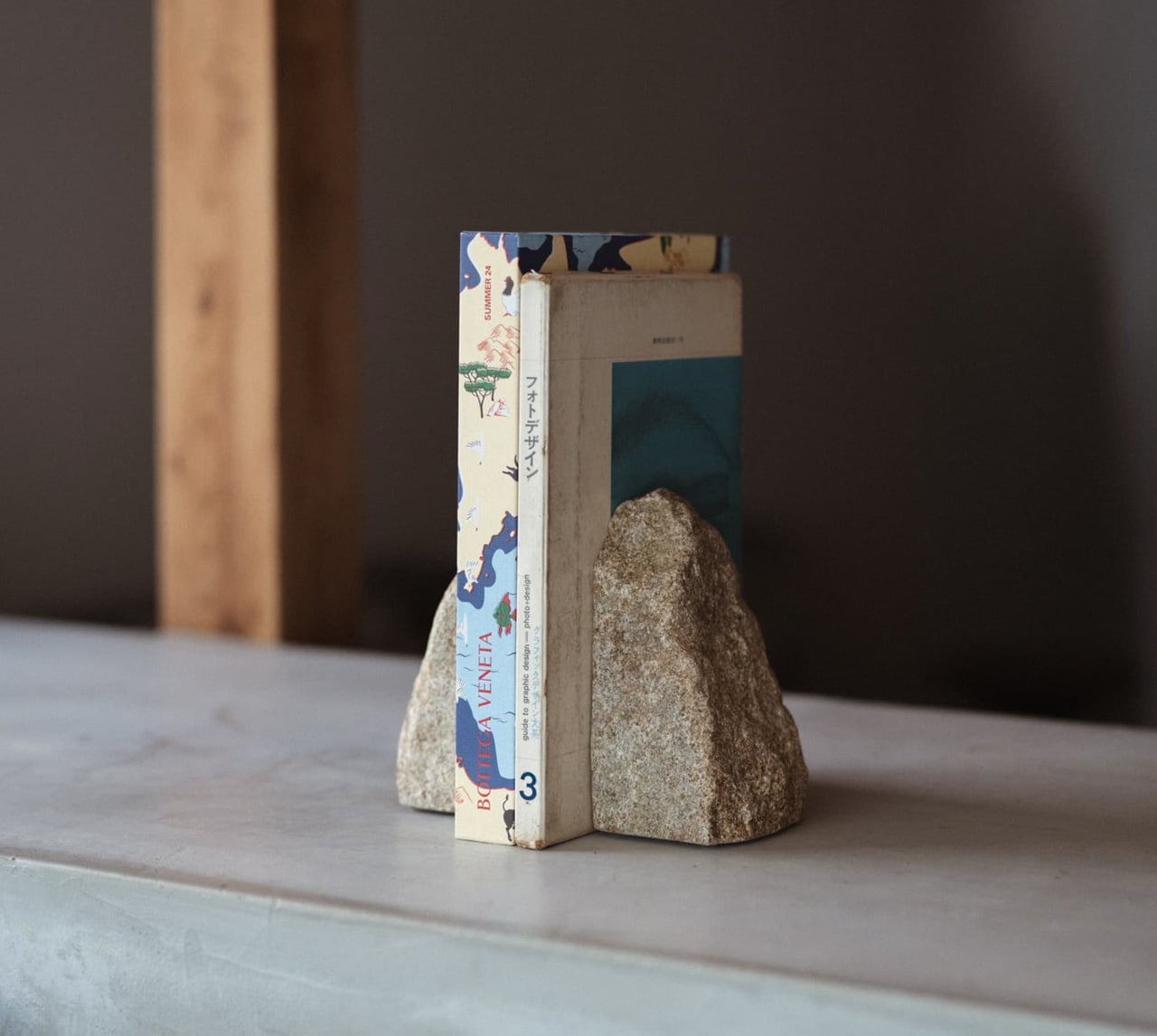

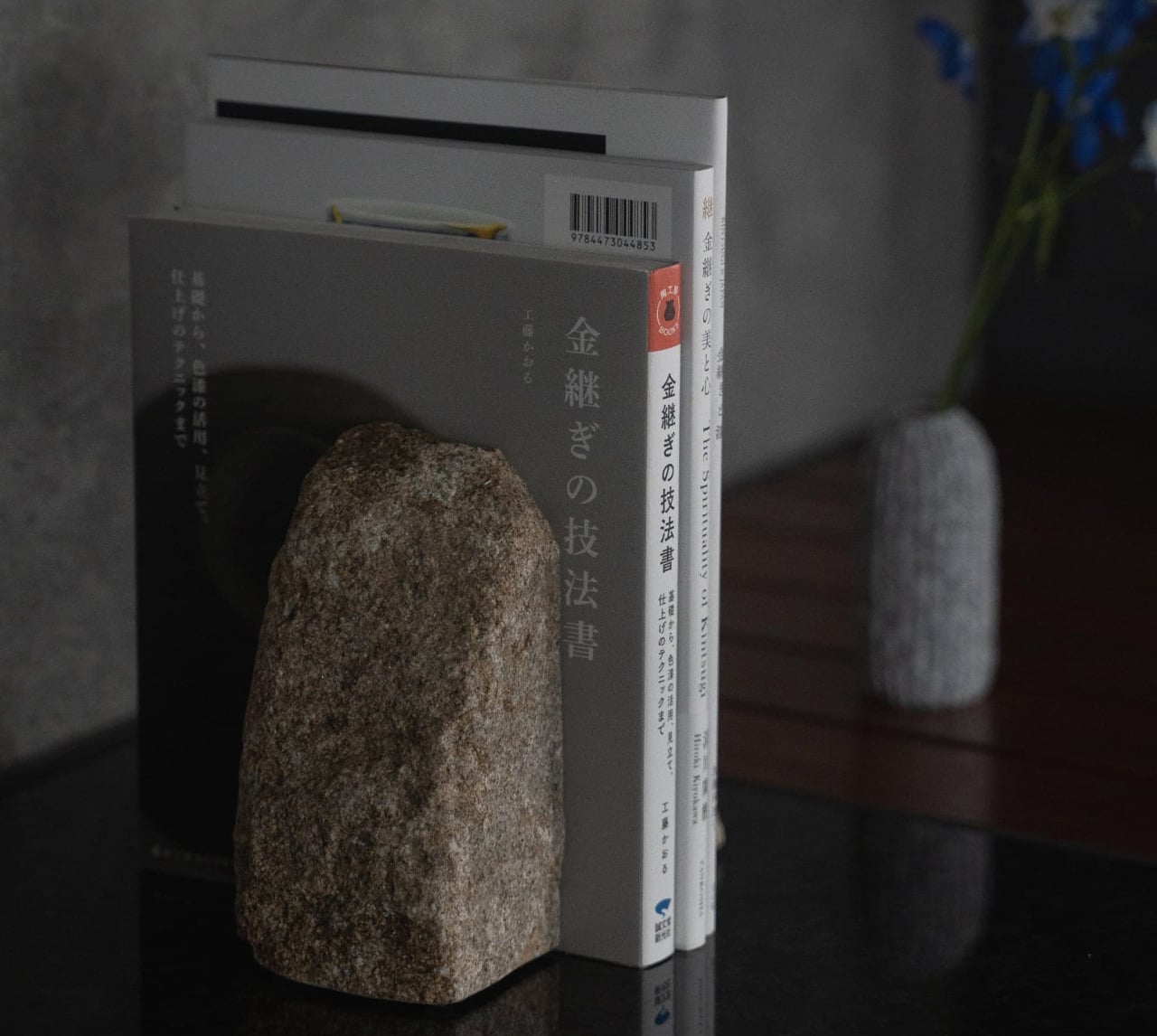
Most objects on a dorm desk either do a job or look good doing it. This one does both at once, without announcing either. The Aji Stone Book End Large is cut by Aoishima artisans from a single piece of granite quarried exclusively in the Aji and Mure regions of Kagawa Prefecture — a stone so dense and fine-grained it has been called the Diamond of Granite for over a thousand years. At 5.9 inches tall and 5.9 inches wide, it holds a shelf of design books in place with the kind of quiet authority that comes from actual mass, not styling.
The material itself is what makes it worth placing in a room. Aji stone is composed of quartz, feldspar, and biotite, and its tightly bonded crystals produce a polished surface with a speckled cloud pattern — called “ban” — that is unique to this stone alone and shifts subtly under different light. A ryokan room earns its calm partly through the weight and texture of real materials left to speak for themselves. One granite bookend on a shelf, holding a small stack of books, does more for a room’s mood than a shelf full of objects trying harder.
What We Like
- Cut from a single piece of Aji granite by Kagawa artisans, so every surface marking is unique to that specific stone
- The polished “ban” pattern shifts under different light conditions, making it a surface worth looking at even when nothing is leaning against it
What We Dislike
- At $240, this is the highest price-per-square-inch object on the list, which is a real ask for a desk accessory
- Genuine stone weight means it is not something to repack or move frequently, which matters in a room you vacate once a year
The Room You Sleep In Should Earn the Rest It Promises
A ryokan room earns its reputation not through luxury but through restraint. Nothing in it is accidental, and nothing is there simply to fill space. That same principle scales to a dorm room just as well. The objects on this list work because each one handles a single function with more care than the default version of that thing, and that care accumulates into something the room actually starts to feel like.
Start with light, since it does the most emotional work in the smallest footprint. Add scent next, because it transforms a room’s character without touching a single surface. Sound comes third. Surfaces come last, and they come slowly. The point is not to recreate a ryokan from scratch in a rented room. The point is to bring enough of that thinking with you that the place you sleep actually earns the rest it is supposed to give you.