
Lighting has evolved beyond basic illumination and has become a flexible, interactive element in modern spaces. As interiors become more compact and multifunctional, designers are prioritizing lightweight, adaptive solutions that respond to changing needs and enhance usability and atmosphere without adding visual or physical heaviness.
For contemporary users, especially Gen Z, lighting is expected to be portable, customizable, and sustainable. This shift is encouraging innovation in materials and systems, allowing lighting to function as a practical necessity and a design feature that supports emotional comfort, spatial clarity, and a more conscious approach to everyday living.
1. Inflatable and Programmable Lighting for Dynamic Use
Lighting design is increasingly focused on flexibility, with solutions that can be easily transported, installed, and reconfigured across different environments. Lightweight construction allows fixtures to adapt to spatial changes, making them suitable for compact homes, creative studios, and temporary setups where mobility and ease of use are essential.
Programmable features further enhance adaptability by enabling control over brightness, color, and ambiance. These systems allow users to tailor lighting to specific activities or moods, ensuring a personalized experience. The combination of physical flexibility and digital control reflects a shift toward responsive, user-centered lighting environments.
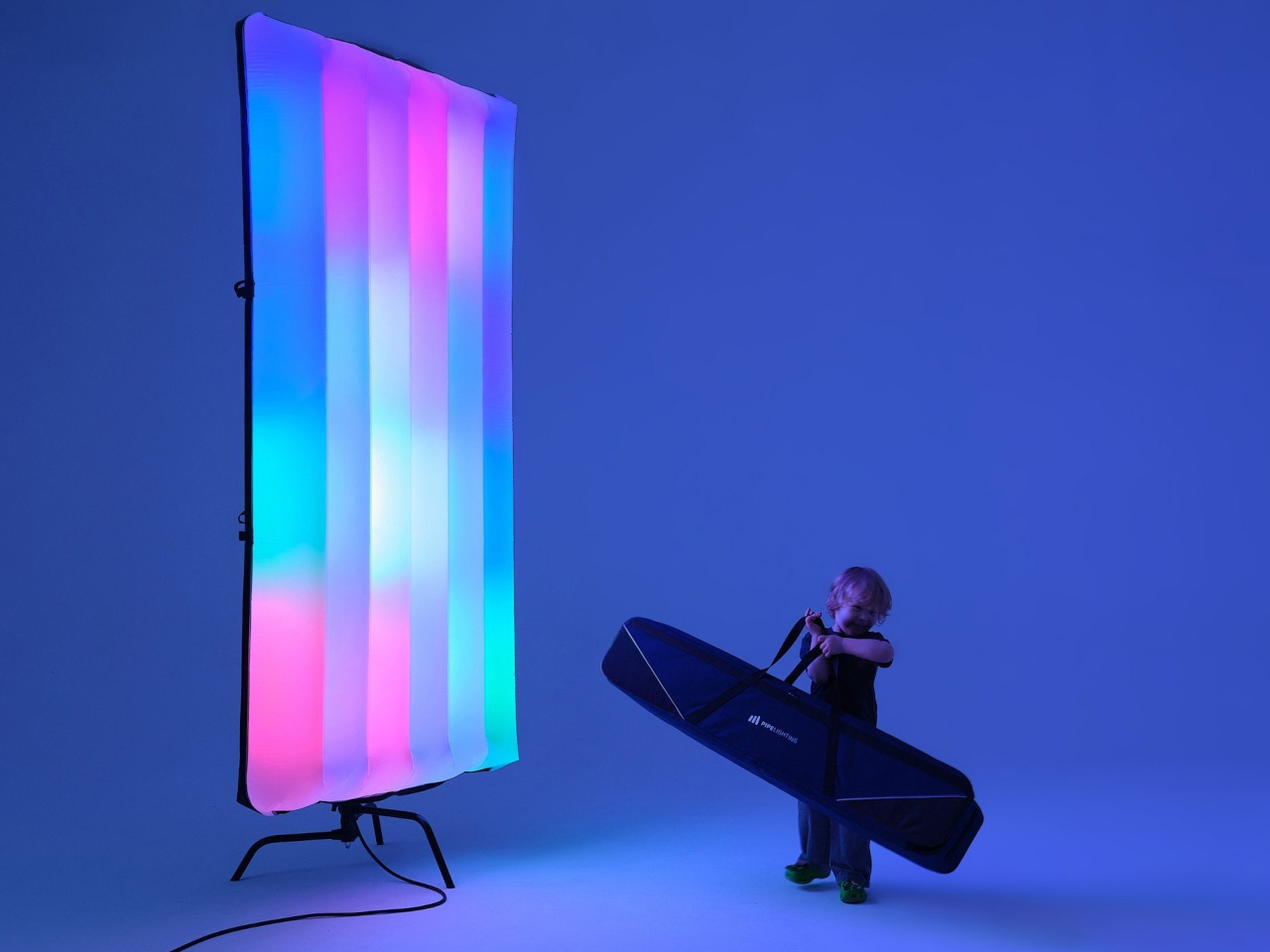
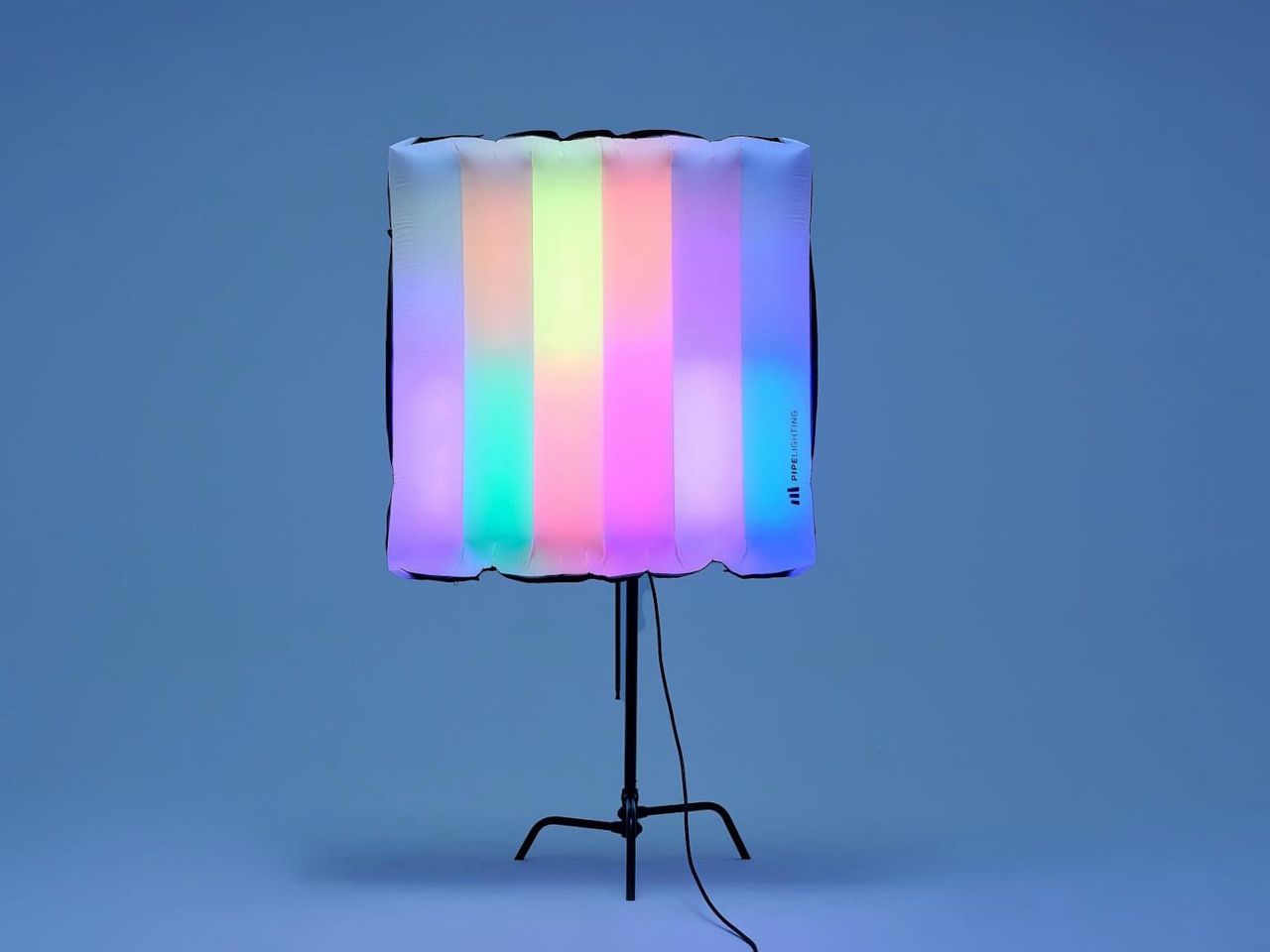
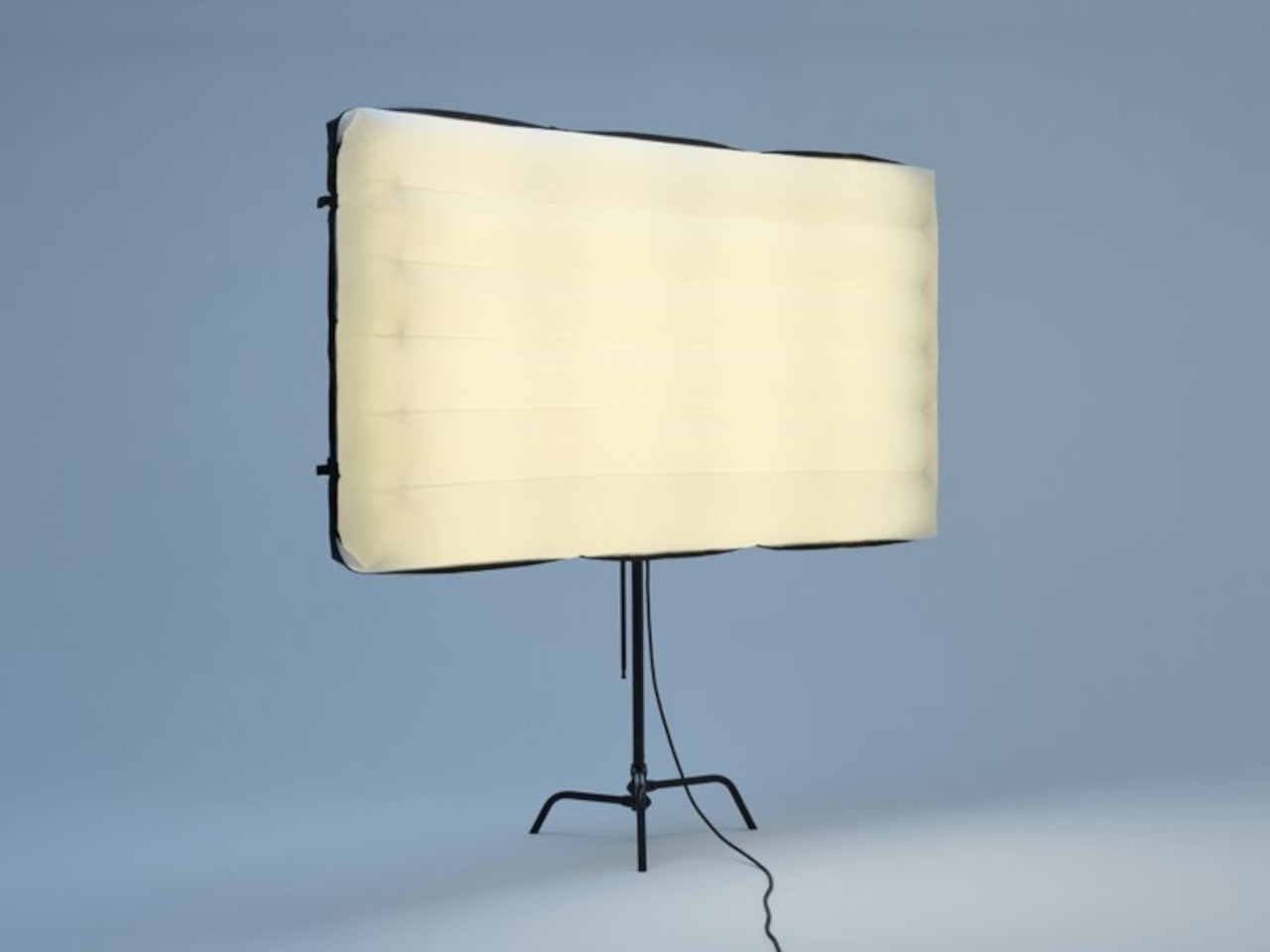
ColorPipes introduces a new approach to film lighting by combining lightweight construction with high-performance output. Designed for filmmakers and content creators, these inflatable lighting systems address common challenges associated with traditional setups, such as heavy equipment, complex installation, and limited mobility. Their compact, air-filled structure allows for easy transport and quick deployment, making them especially suitable for dynamic shooting environments and remote locations. Despite their minimal weight, they deliver strong, consistent illumination, enabling professional-quality results without the logistical burden typically associated with conventional lighting rigs.
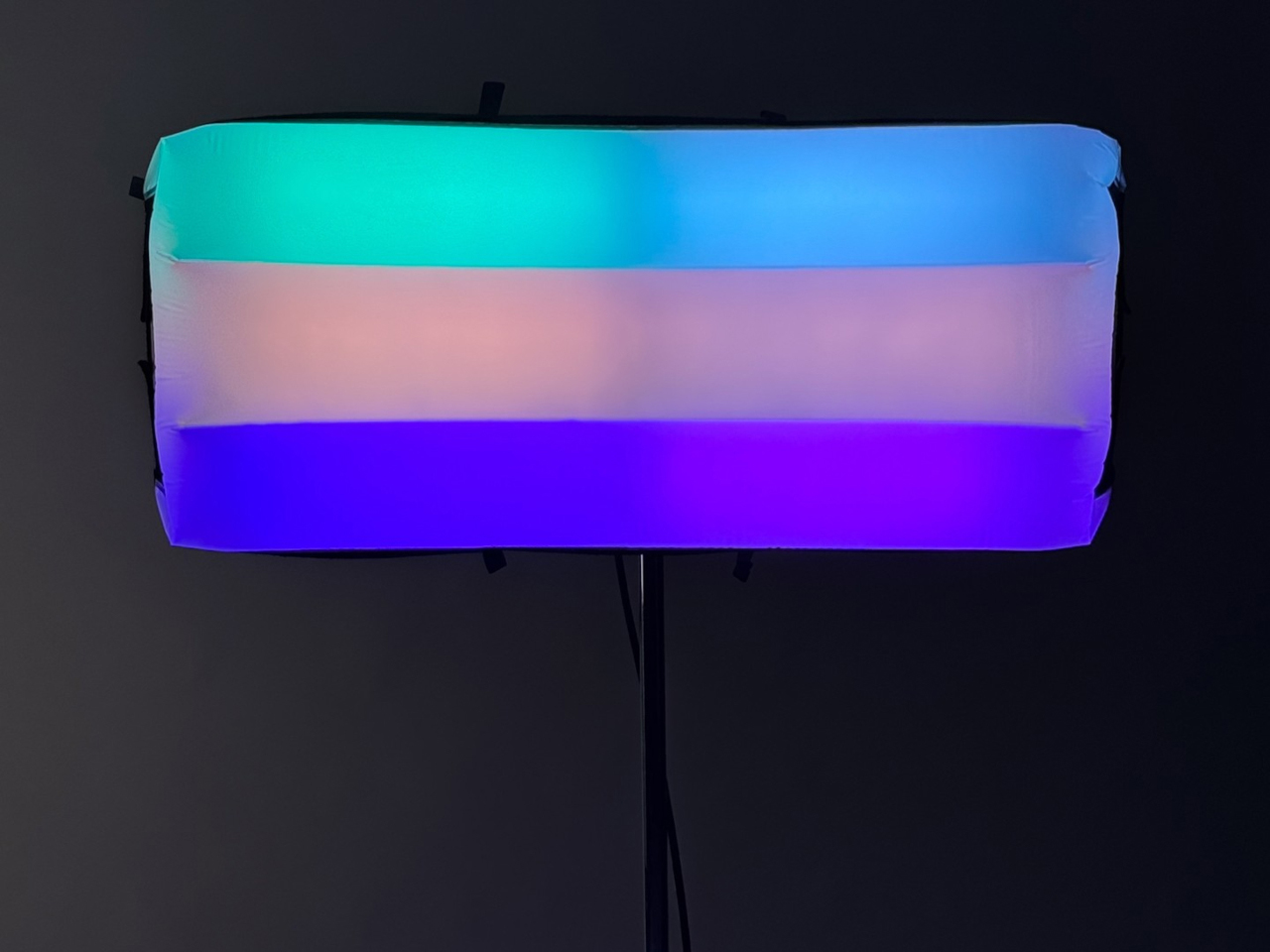
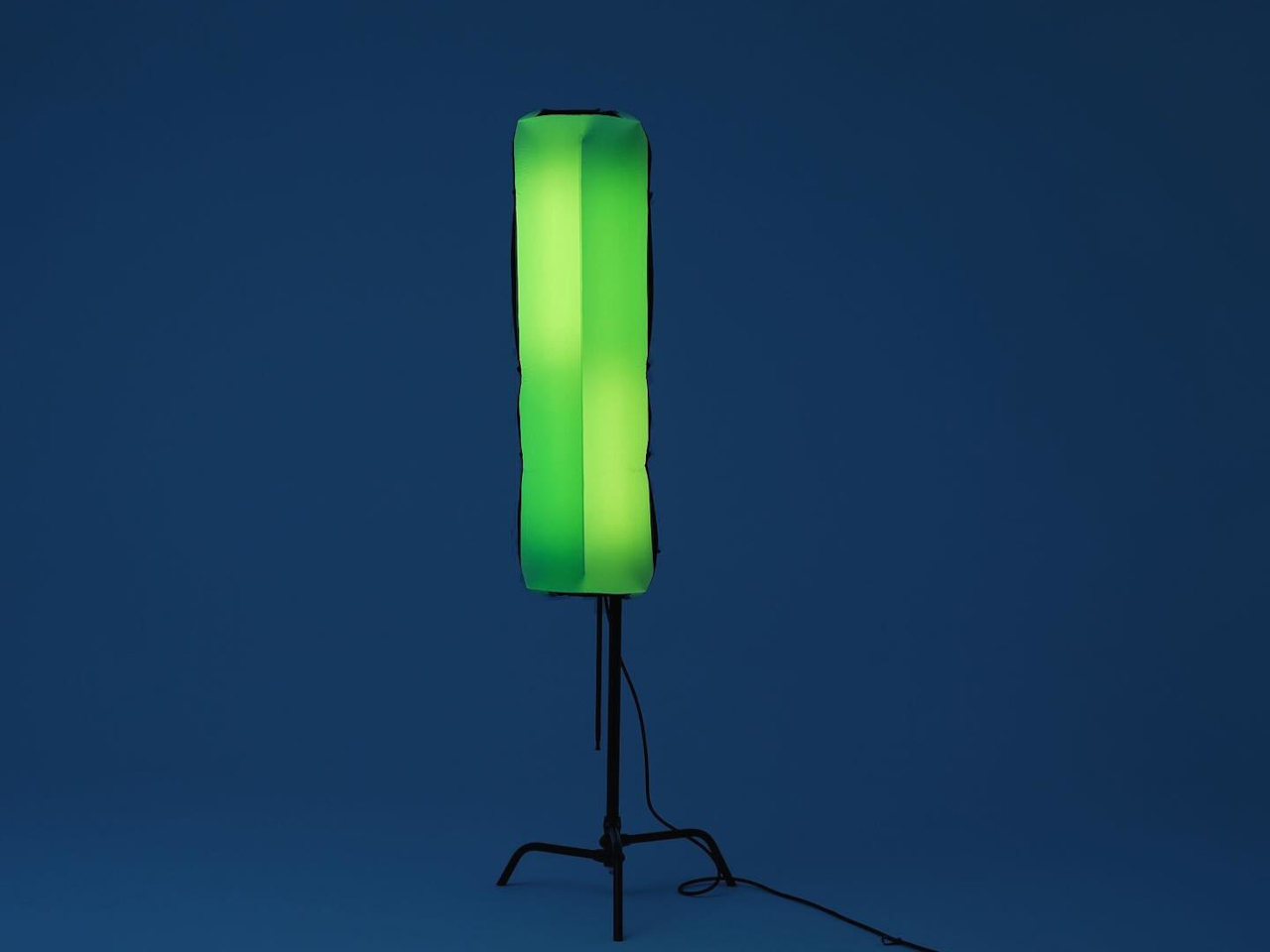
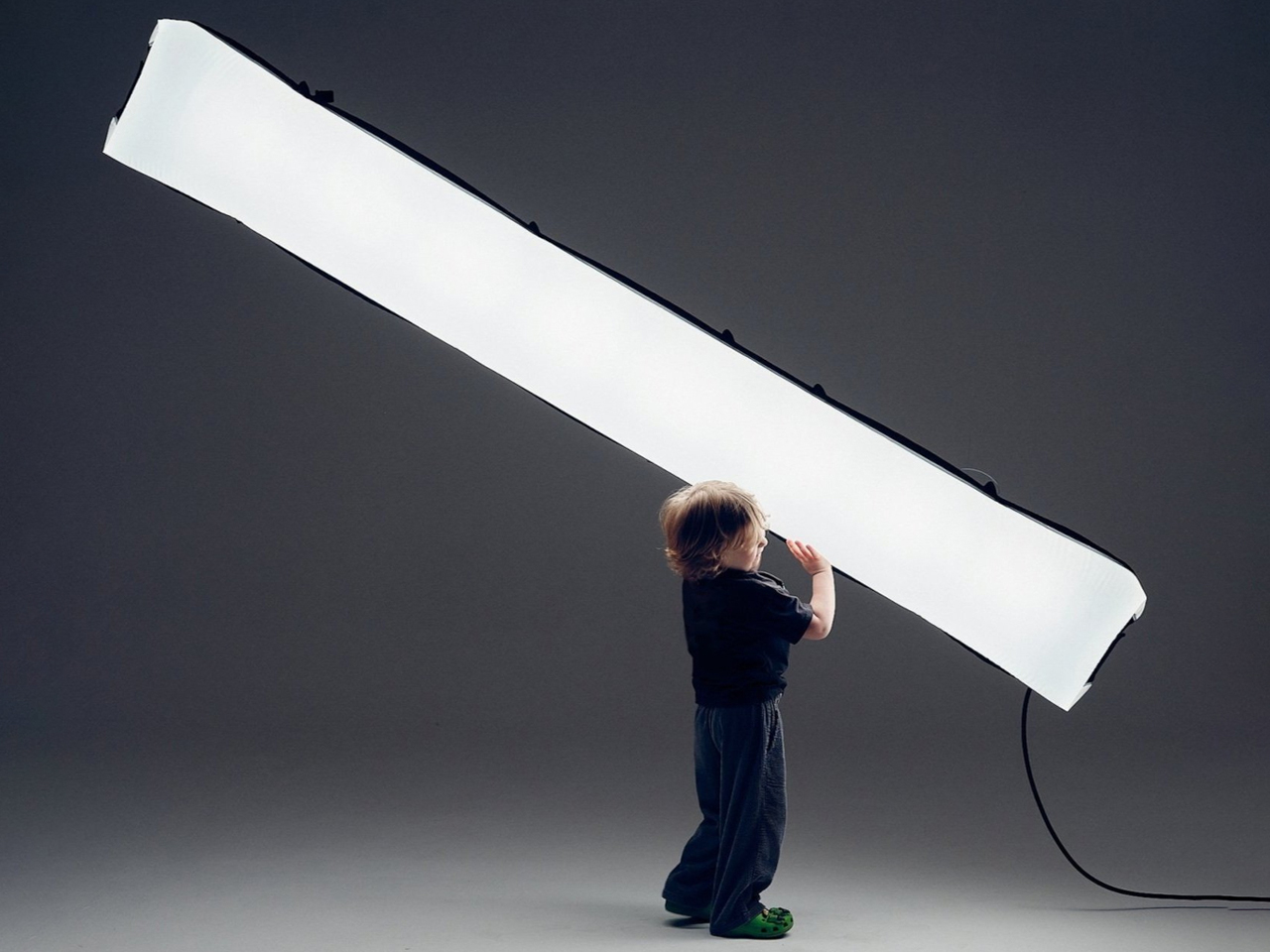
Equipped with advanced RGBWW technology, ColorPipes offers precise control over color and brightness, allowing creators to shift seamlessly between functional lighting and expressive visual effects. Their durable, waterproof construction ensures reliable performance across varied conditions, including outdoor and wet environments. Wireless control options further enhance usability, enabling real-time adjustments during shoots. With an efficient power-to-weight ratio and fast setup, these systems streamline production workflows while maintaining creative flexibility, redefining how lighting is used in modern visual storytelling.
2. Gravity-Shaped Forms and Material Efficiency
Designers are exploring how natural forces such as gravity can influence the form of lighting objects, reducing reliance on rigid structures and excess materials. This approach allows materials to behave more freely, resulting in softer, more organic shapes that feel natural within contemporary interior environments.
By embracing material efficiency, these designs minimize waste while maintaining structural integrity and visual appeal. The outcome is lighting that feels intuitive and balanced, reflecting a broader movement toward sustainable design practices that prioritize resource optimization without compromising on aesthetic or functional quality.
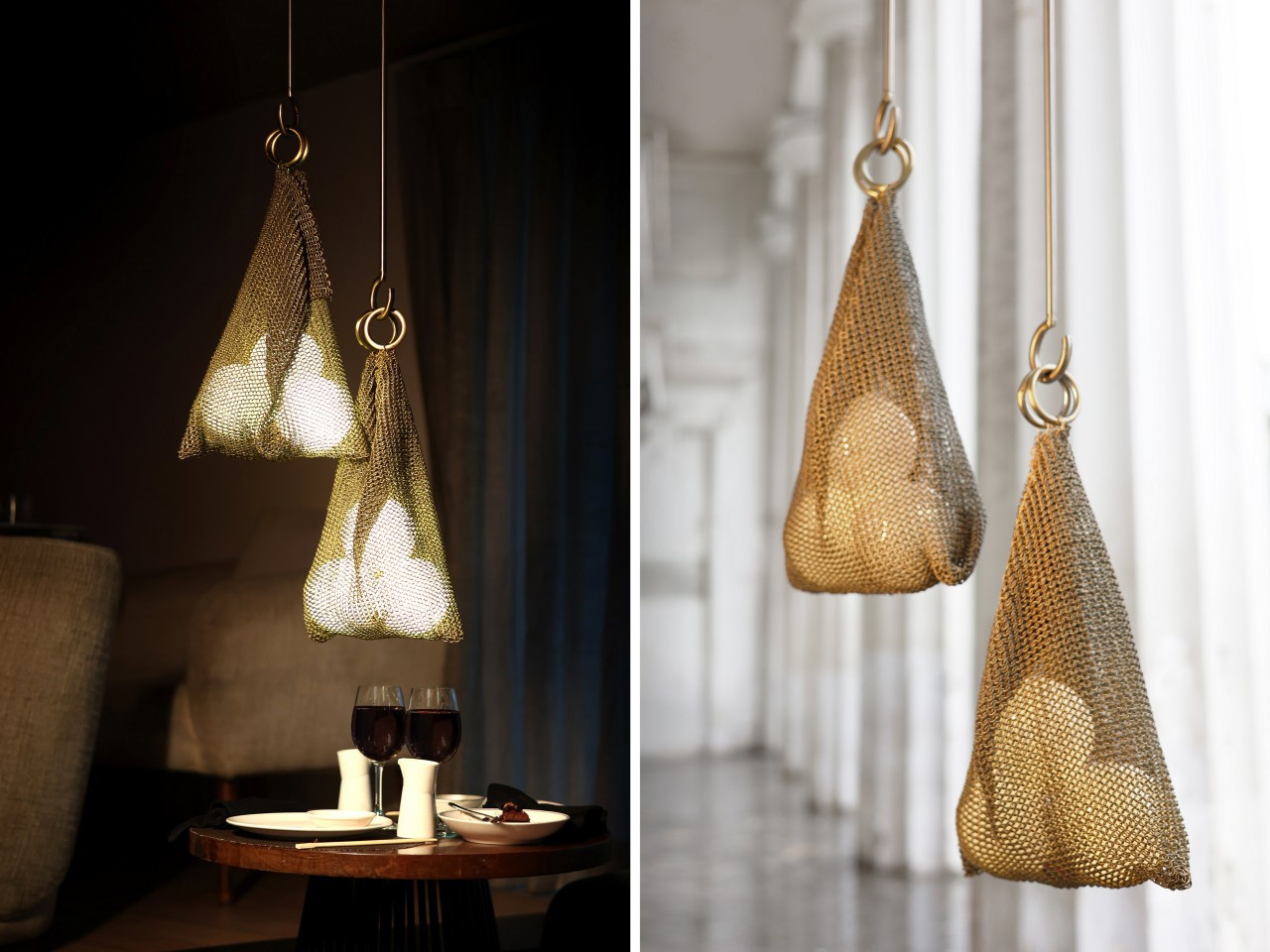
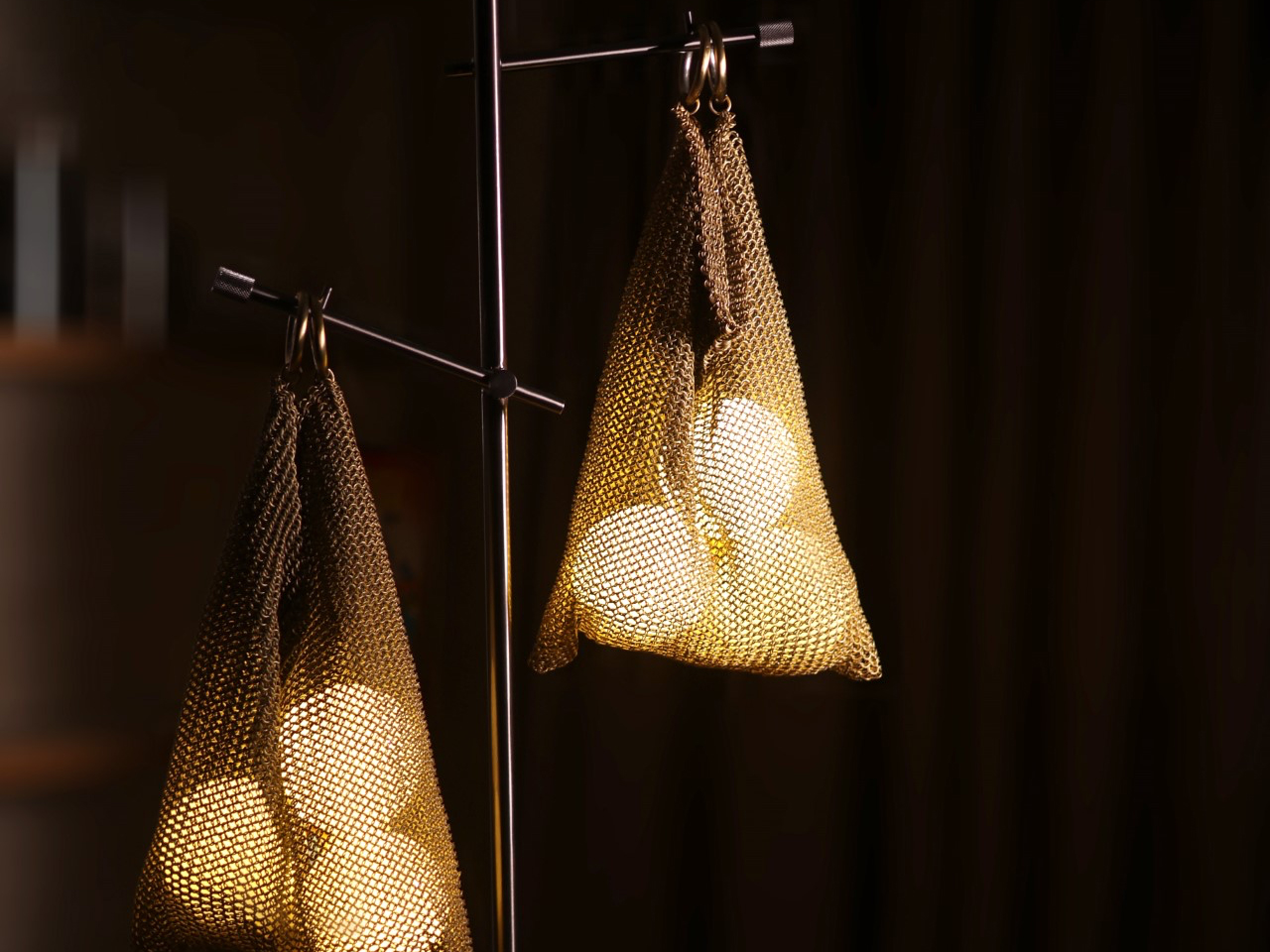
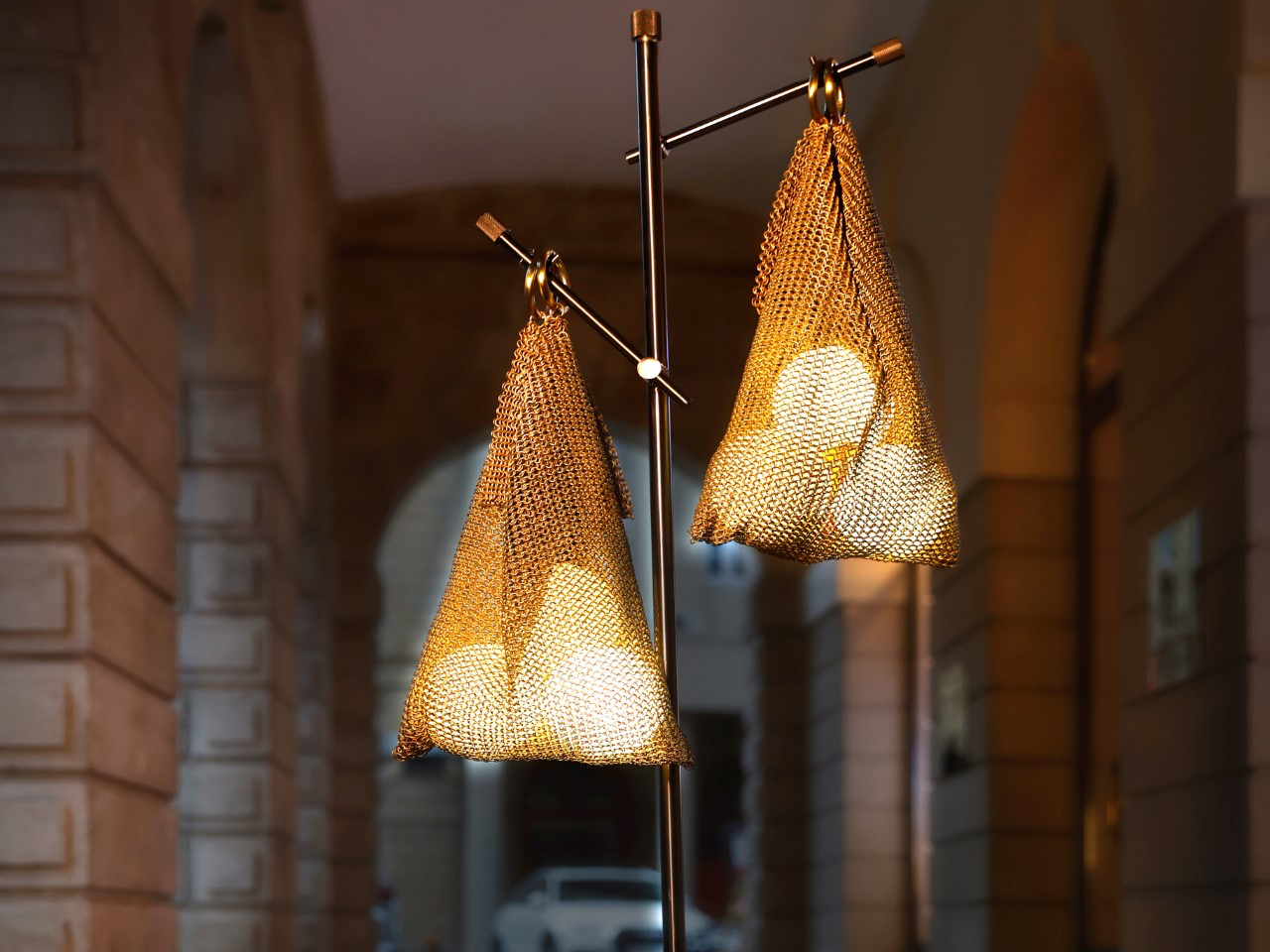
The Tote lighting piece, designed by Rhea Mehta, redefines how form and function interact in contemporary lighting design. The design allows gravity and internal elements to shape its appearance. A woven metal form encloses glowing glass orbs that both emit light and influence the structure’s fluid silhouette. This results in a dynamic object that feels soft and fabric-like, despite its metallic construction. The absence of visible industrial components such as exposed wires or fixtures enhances its sculptural quality, making the light appear seamless and almost illusory.
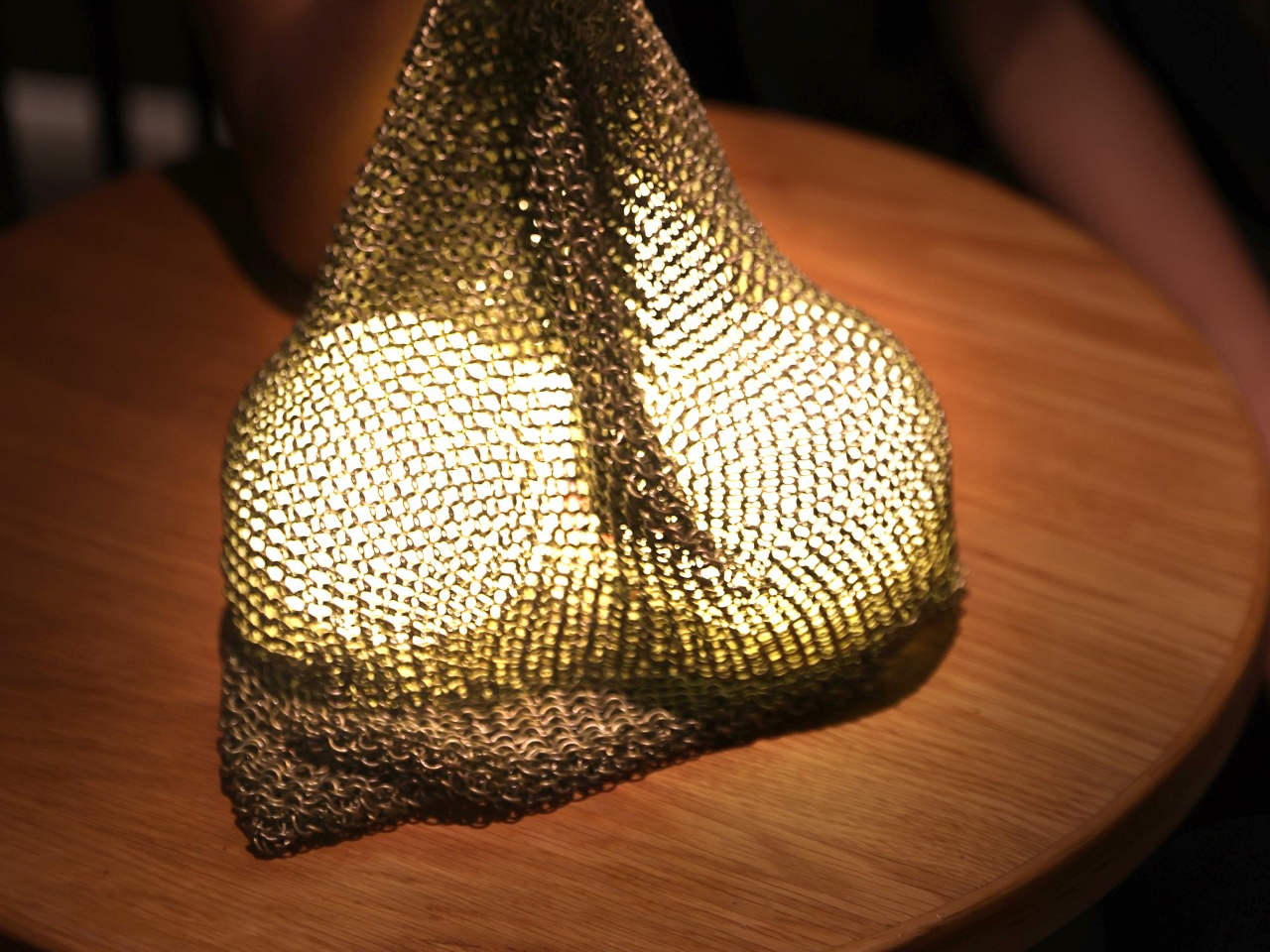
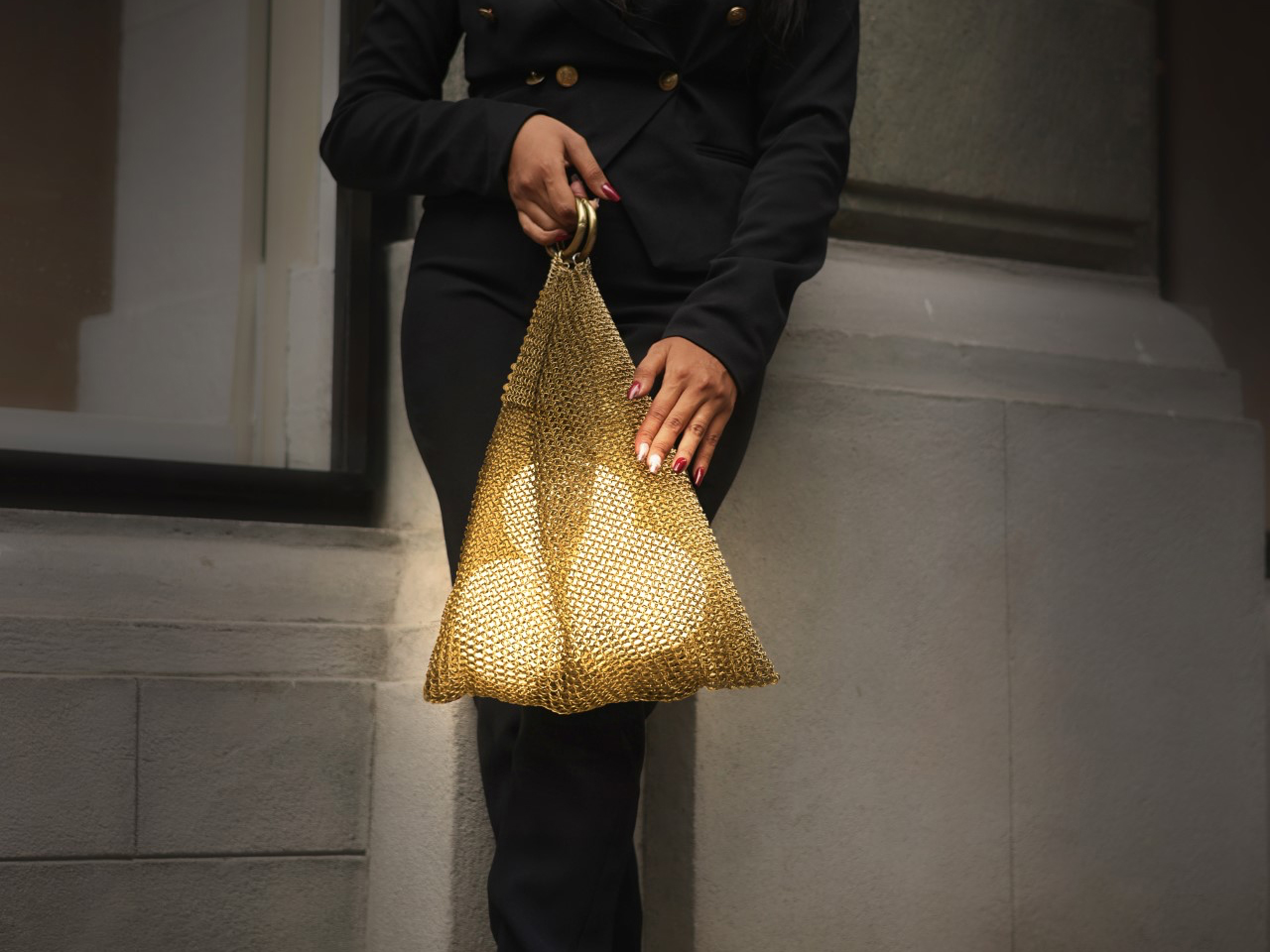
The design emphasizes craftsmanship and innovation through a concealed cable system that powers the orbs without disrupting the visual integrity. Each component, including the frame, the woven structure, and the glass elements, functions independently while forming a cohesive whole. The adaptable form allows the piece to shift between different lighting typologies, including pendant, table, or pedestal use. By combining high-quality materials with precise engineering, the design achieves aesthetic refinement and functional performance, presenting lighting as an expressive and evolving object rather than a static fixture.
3. Responsive and Autonomous Lighting Experiences
Lighting systems are becoming more intelligent, incorporating sensors and smart technologies that allow them to respond to user presence and environmental changes. These systems adjust automatically, reducing the need for manual control and creating spaces that feel more intuitive and comfortable for everyday use.
This responsiveness enhances both convenience and energy efficiency, as lighting operates only when required and adapts in real time. Such systems transform lighting into an active participant within a space, improving functionality while supporting a seamless and effortless user experience.
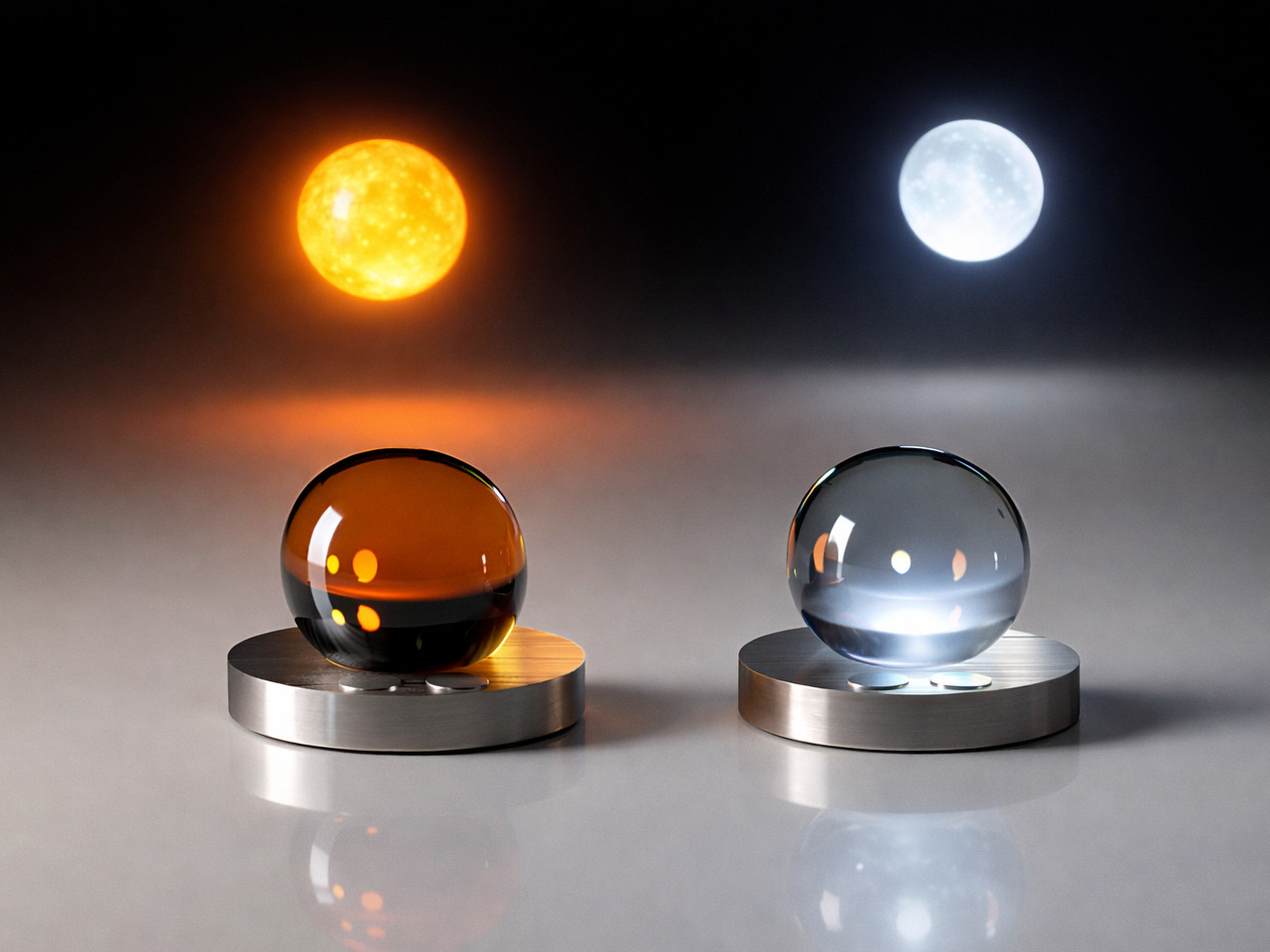
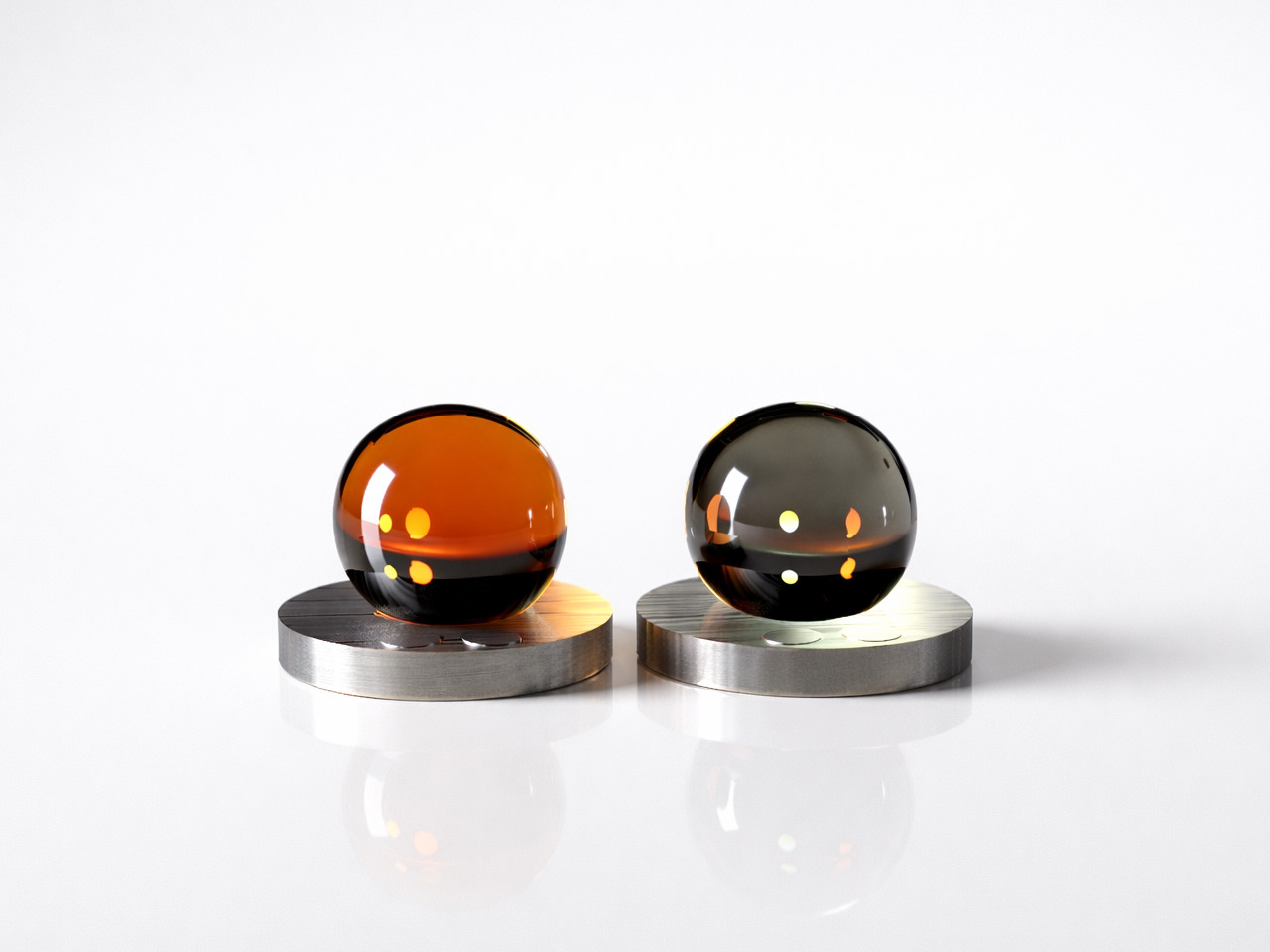
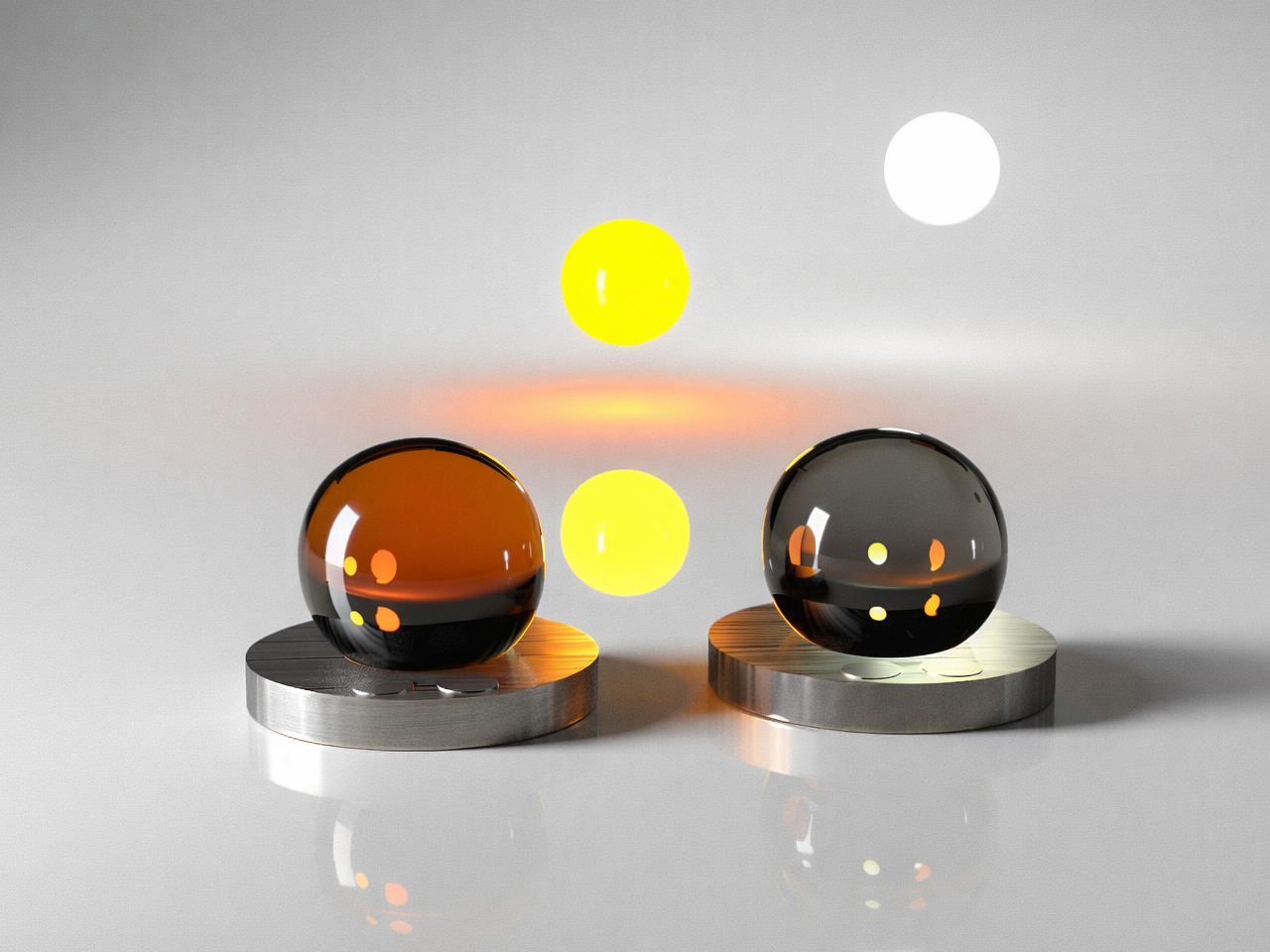
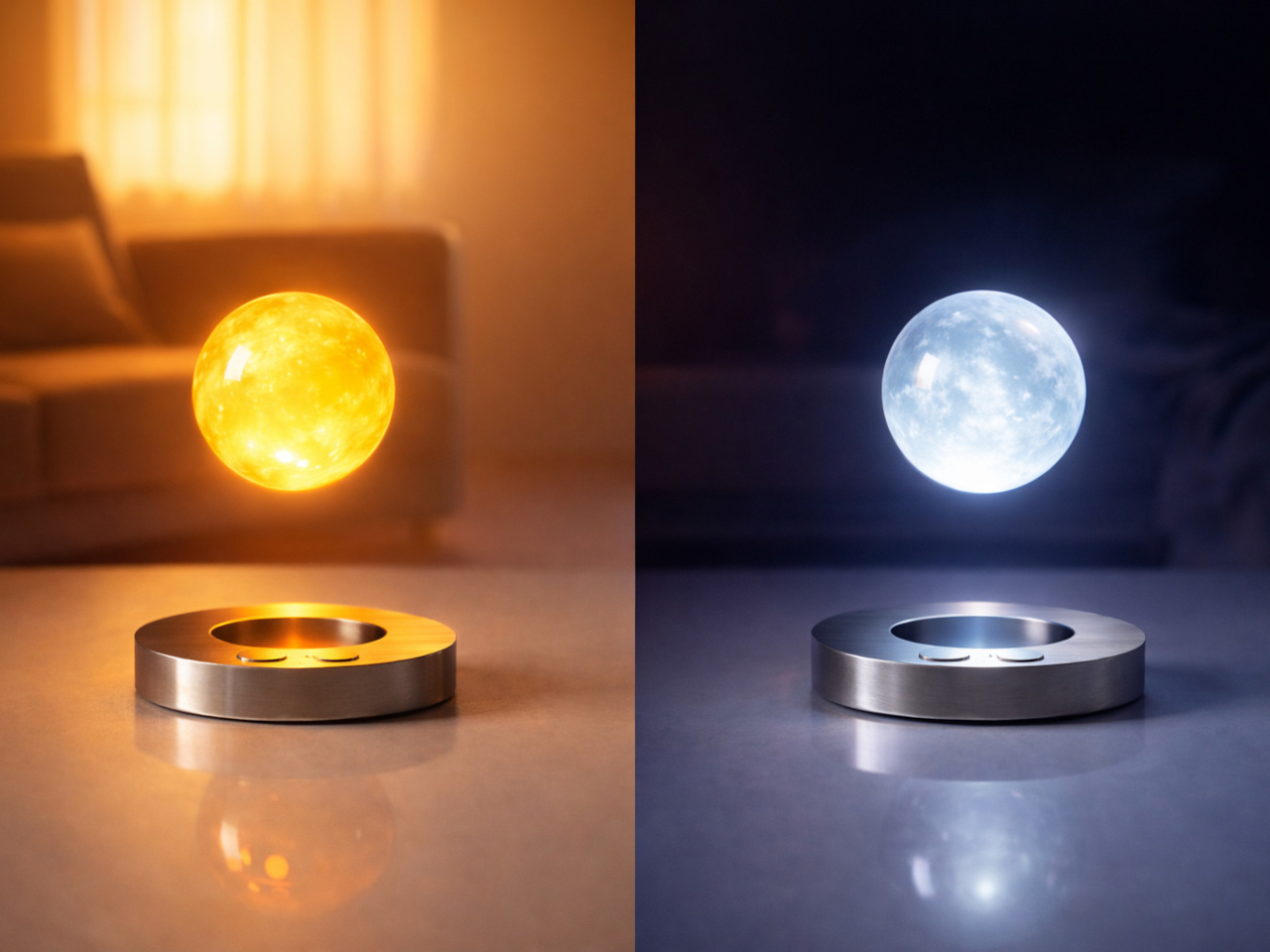
Artificial lighting has traditionally followed a fixed logic, installed in one place, requiring users to adapt around it. However, growing awareness of how light influences mood, sleep, and well-being is pushing designers to rethink its role. Ivana Nedeljkovska explores this shift through the conceptual Flying Moon & Sun, a lighting system that moves with the user rather than remaining static. Inspired by natural cycles, the design proposes a levitating, responsive light that adjusts its position and tone to suit human needs, offering a more intuitive and human-centered approach to illumination.
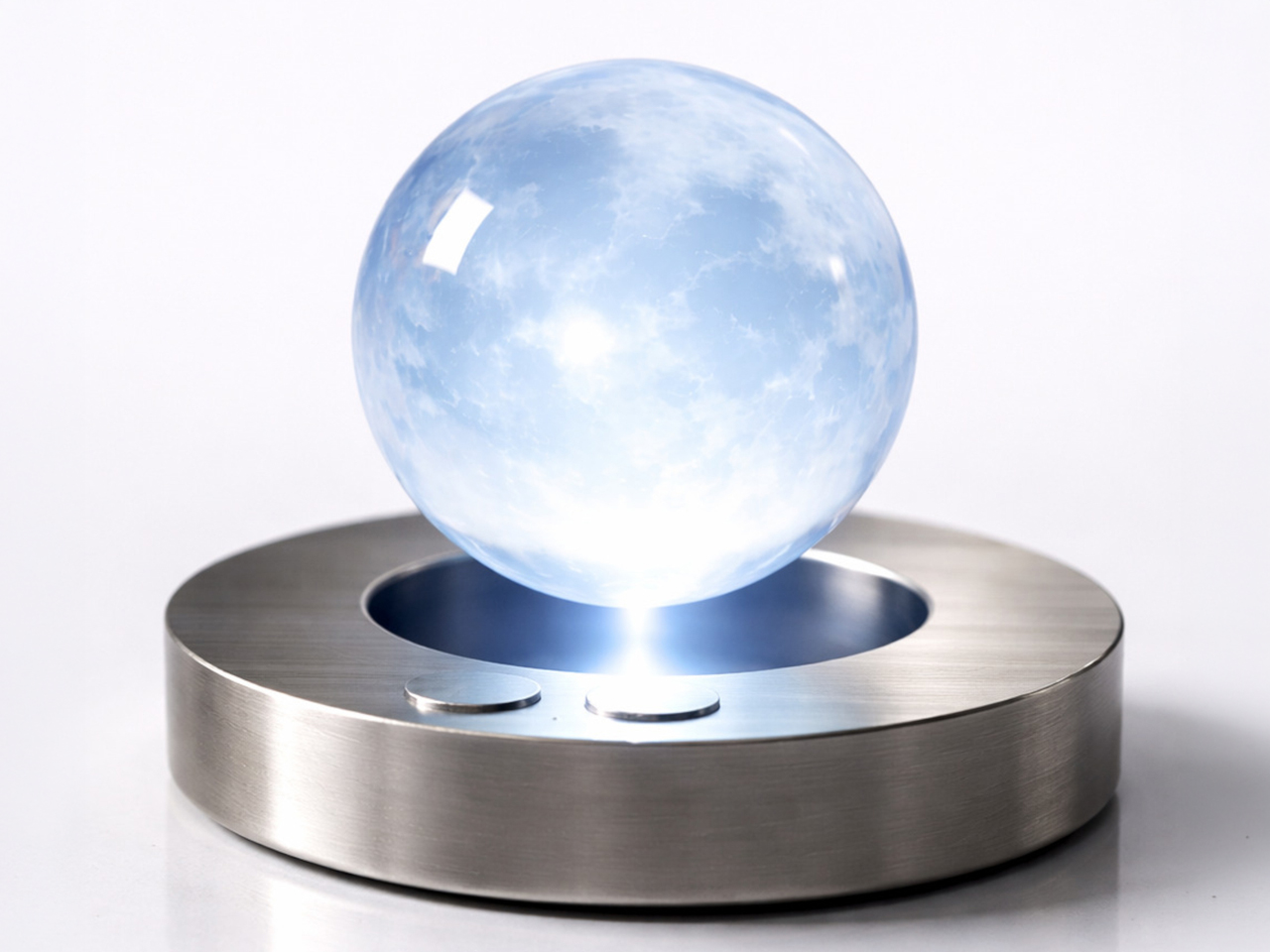
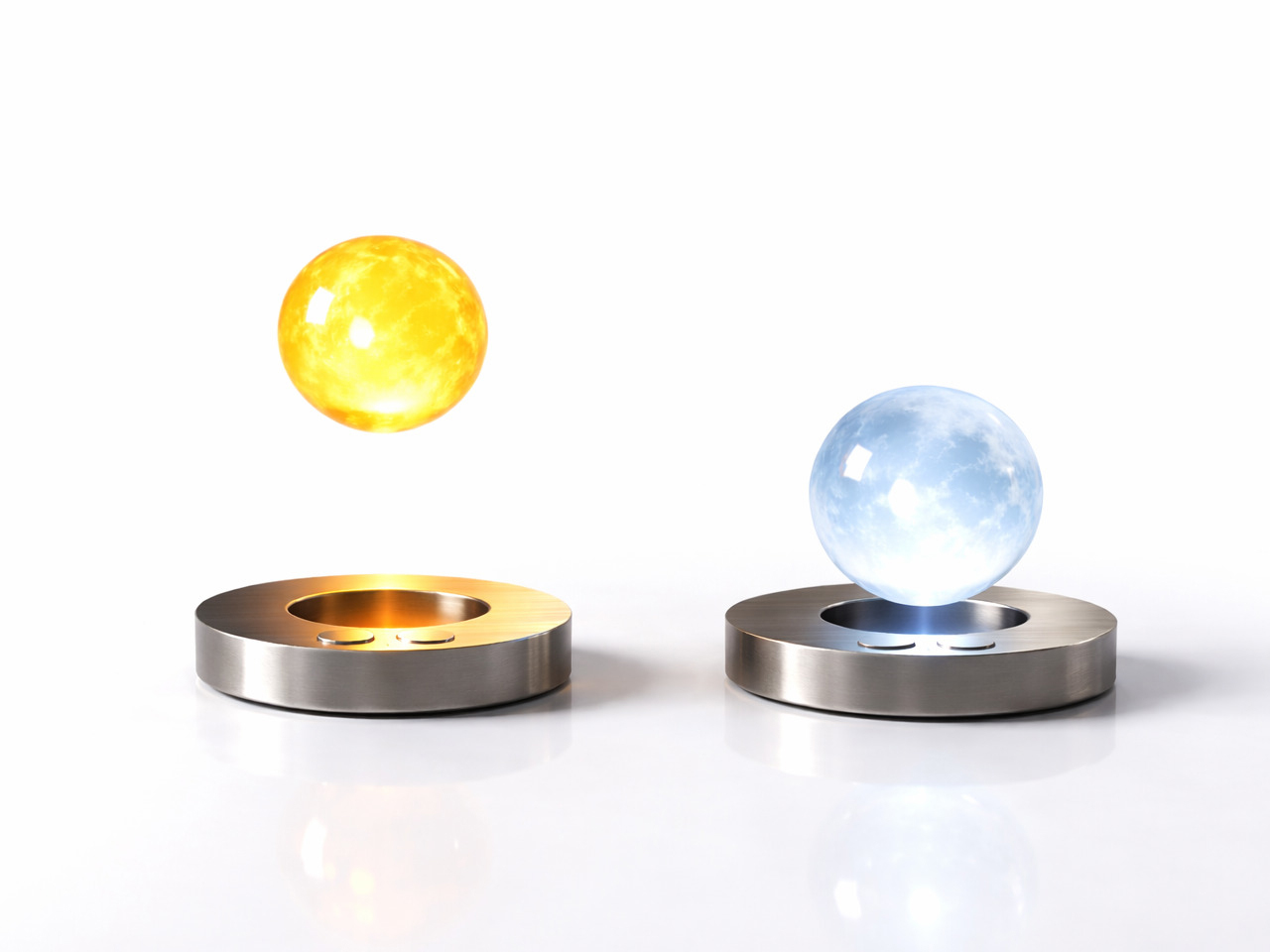
The concept features two floating glass orbs, one warm-toned and one cool, representing the sun and moon, each aligned with different phases of daily activity. Using magnetic levitation, the orbs hover above a base, reinforcing the idea of mobility and detachment from fixed placement. Designed to support circadian rhythms, the lighting transitions between energizing and calming effects. This adaptive movement also enhances accessibility, particularly for users who benefit from responsive environments. By removing controls and focusing on behavior, the design uses lighting as a supportive, almost natural presence within everyday life.
4. Integrating Architectural Lighting Elements
Lighting is increasingly being integrated into architectural components, moving beyond standalone fixtures. Walls, ceilings, and structural surfaces are designed to incorporate illumination, creating cohesive environments where light becomes an inherent part of the built form.
This integration enhances spatial depth and visual continuity, allowing designers to create cleaner and more unified interiors. By merging light with architecture, spaces achieve a refined aesthetic where illumination supports function and the overall design language without visual clutter.
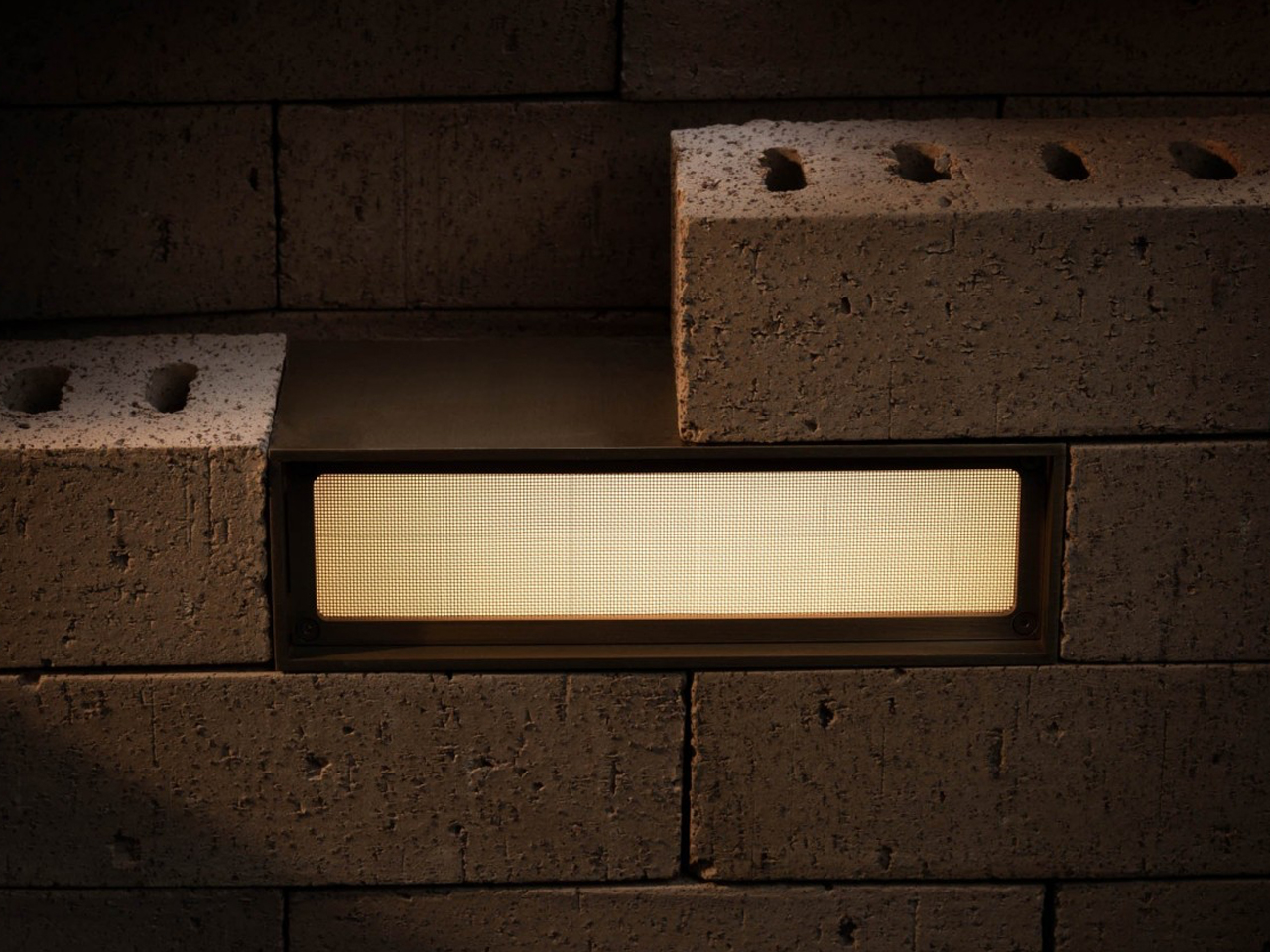
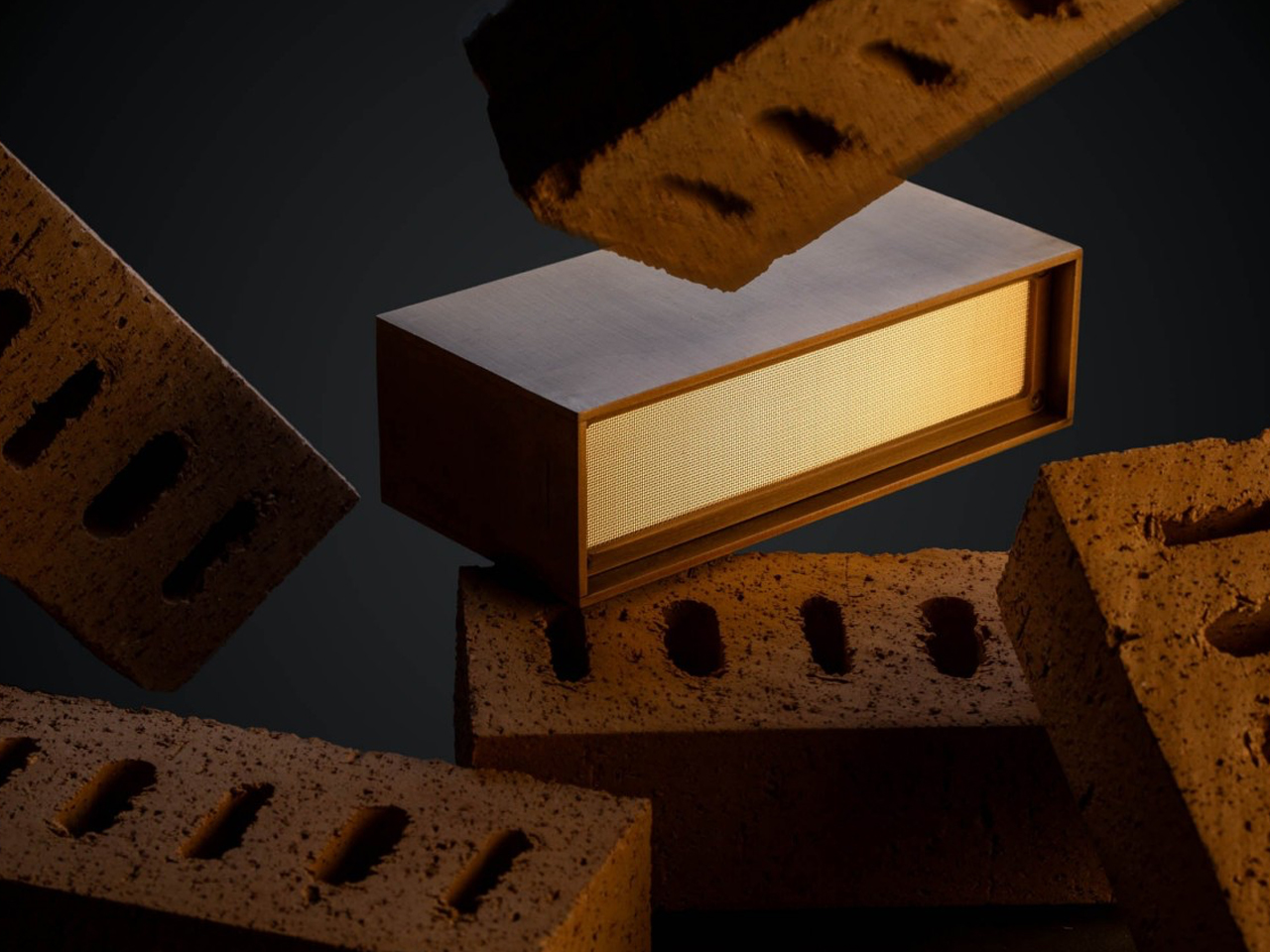
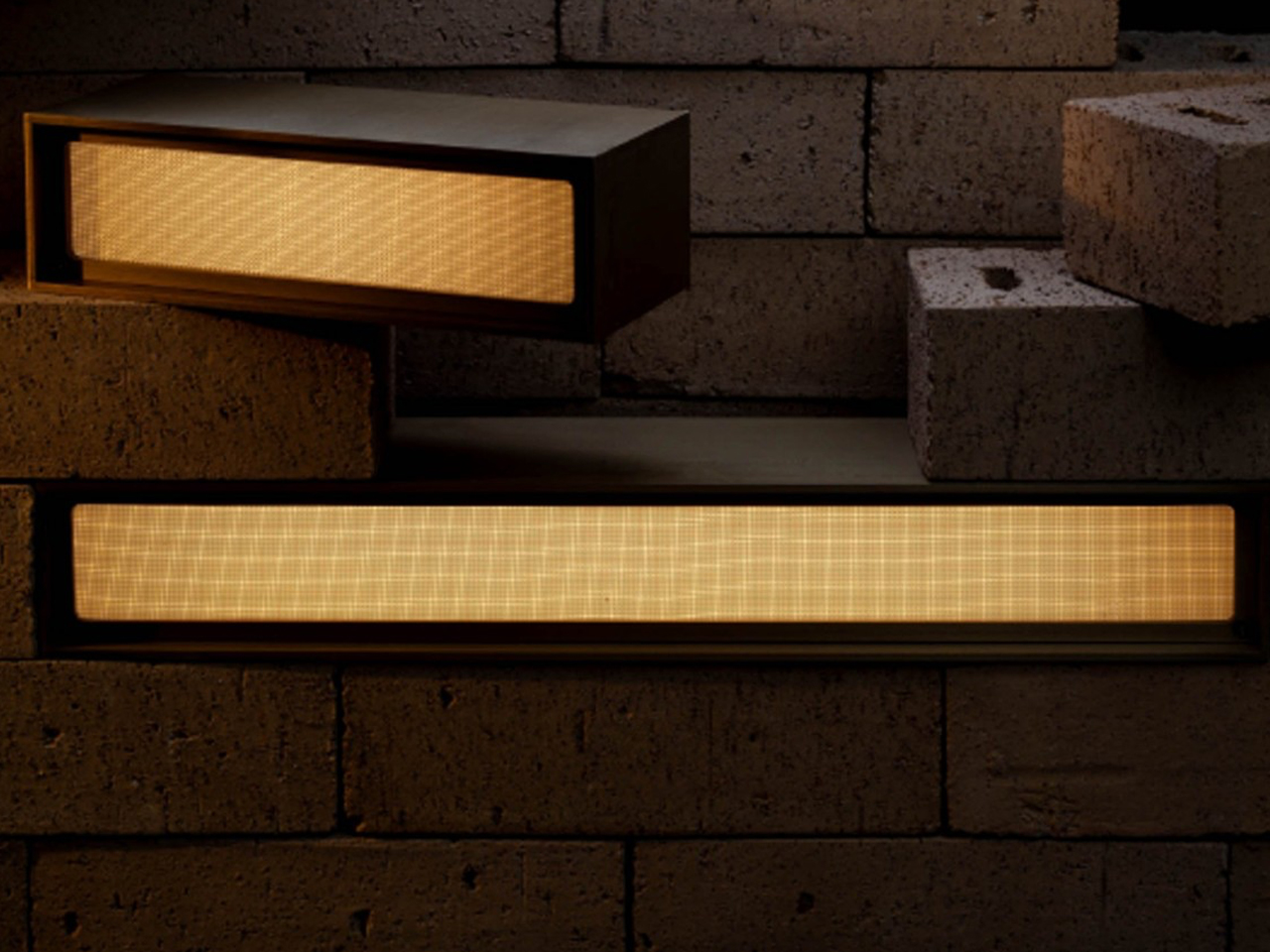
The illuminated brick system, developed by Omar Gandhi Architects in collaboration with Filo Timo and Aaline, reimagines the concept of wall-mounted lighting. These lights are embedded directly within masonry walls, becoming part of the structure itself. Designed to integrate seamlessly during construction, the units resemble standard bricks and blend into the wall when switched off. This approach eliminates the visual disconnect often seen with conventional wall lamps, creating a more cohesive and architectural lighting solution.
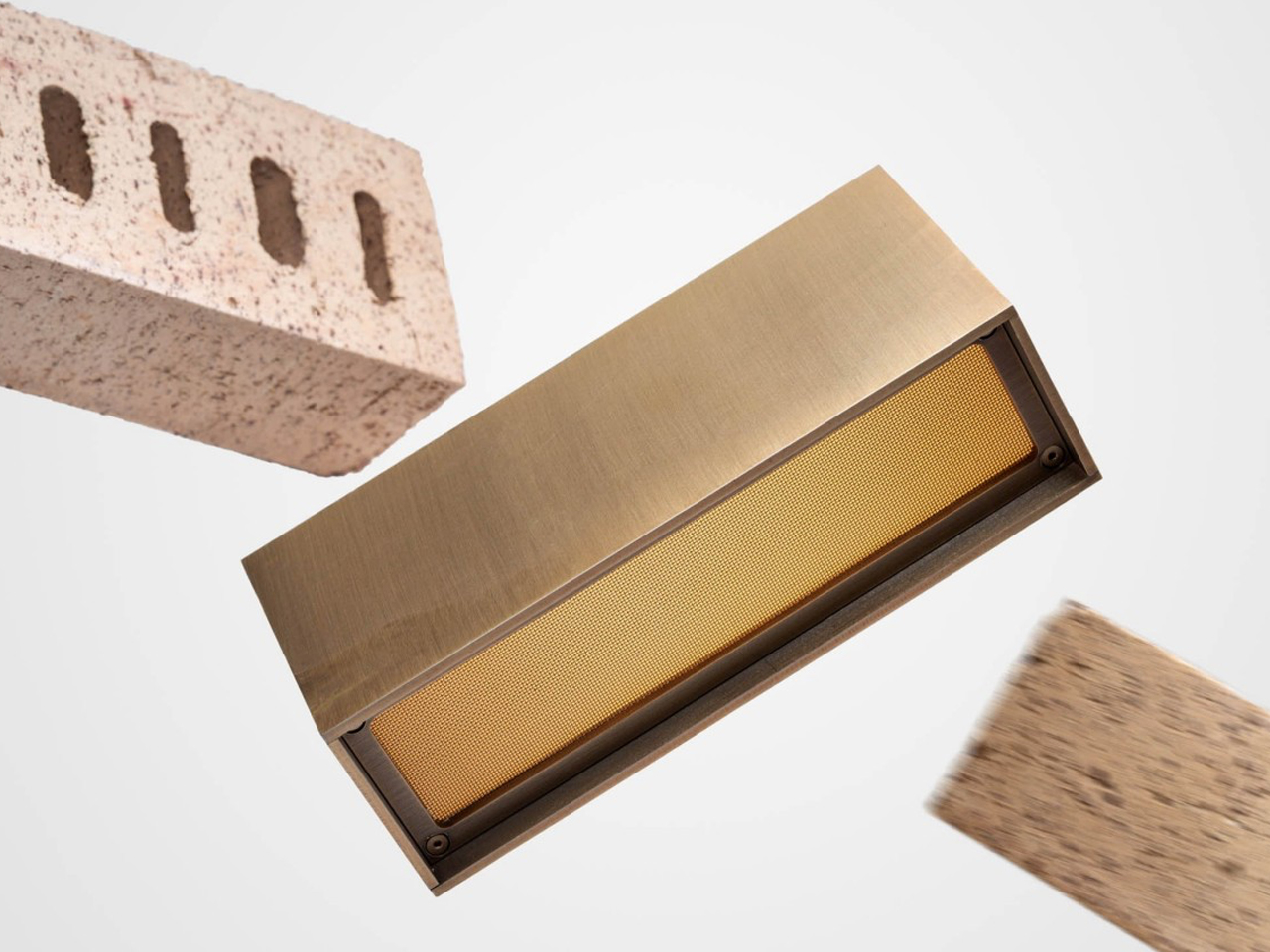
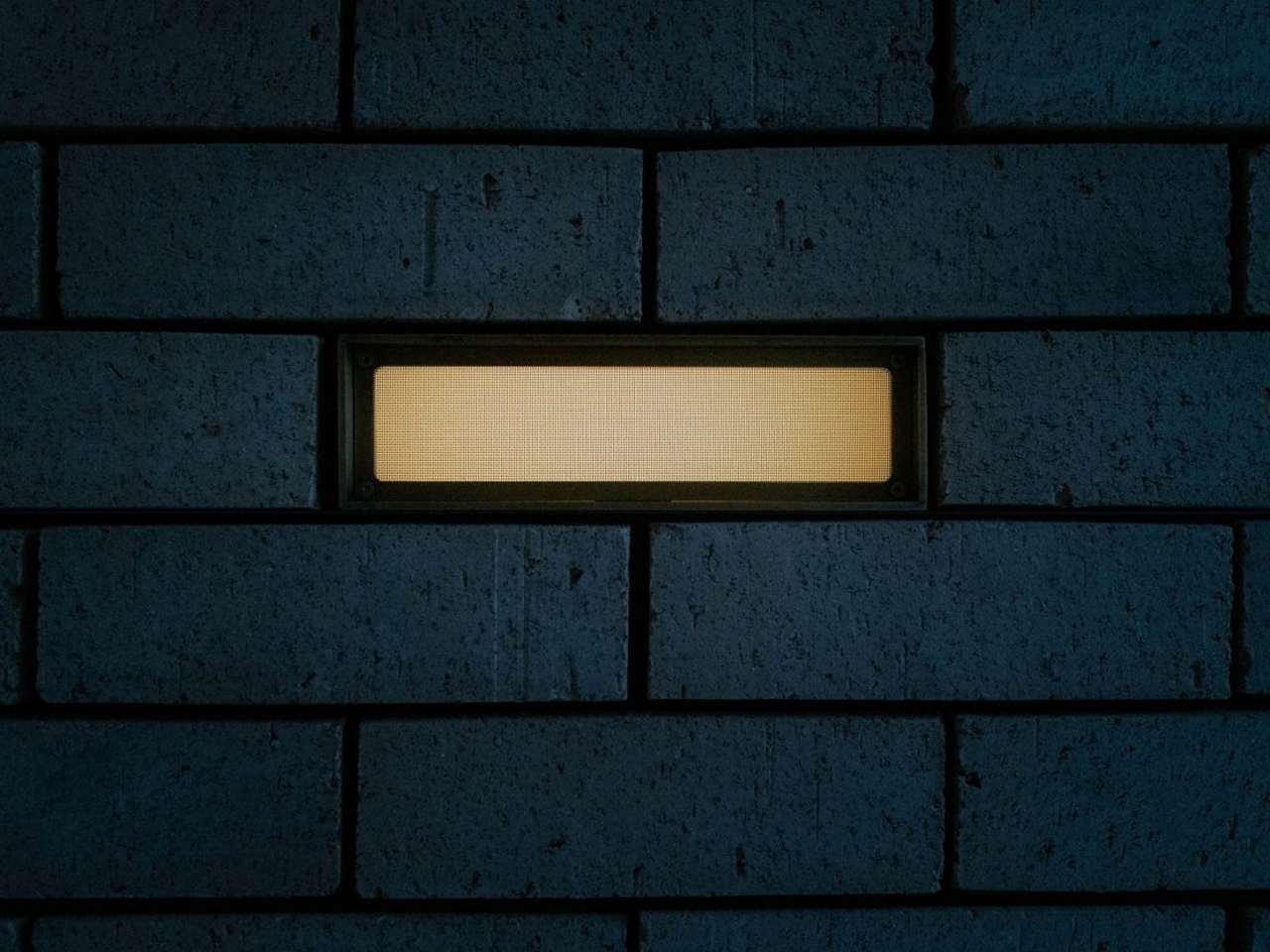
Constructed with a durable metal frame, the illuminated bricks are designed to support surrounding masonry while housing a concealed light source. A mesh covering diffuses the light, producing a soft, warm glow that subtly enhances the ambiance. Available in multiple finishes to match different wall tones, they can be used in interior and exterior settings.
5. Biological and Sustainable Lighting Materials
The shift toward sustainability is driving the use of renewable and biodegradable materials in lighting design. These materials reduce environmental impact while supporting the development of products that align with circular design principles and long-term ecological responsibility.
By considering the entire lifecycle of lighting products, designers are creating solutions that are functional and environmentally conscious. This approach reflects a growing demand for sustainable living, where lighting contributes not only to comfort and usability but also to responsible resource management.
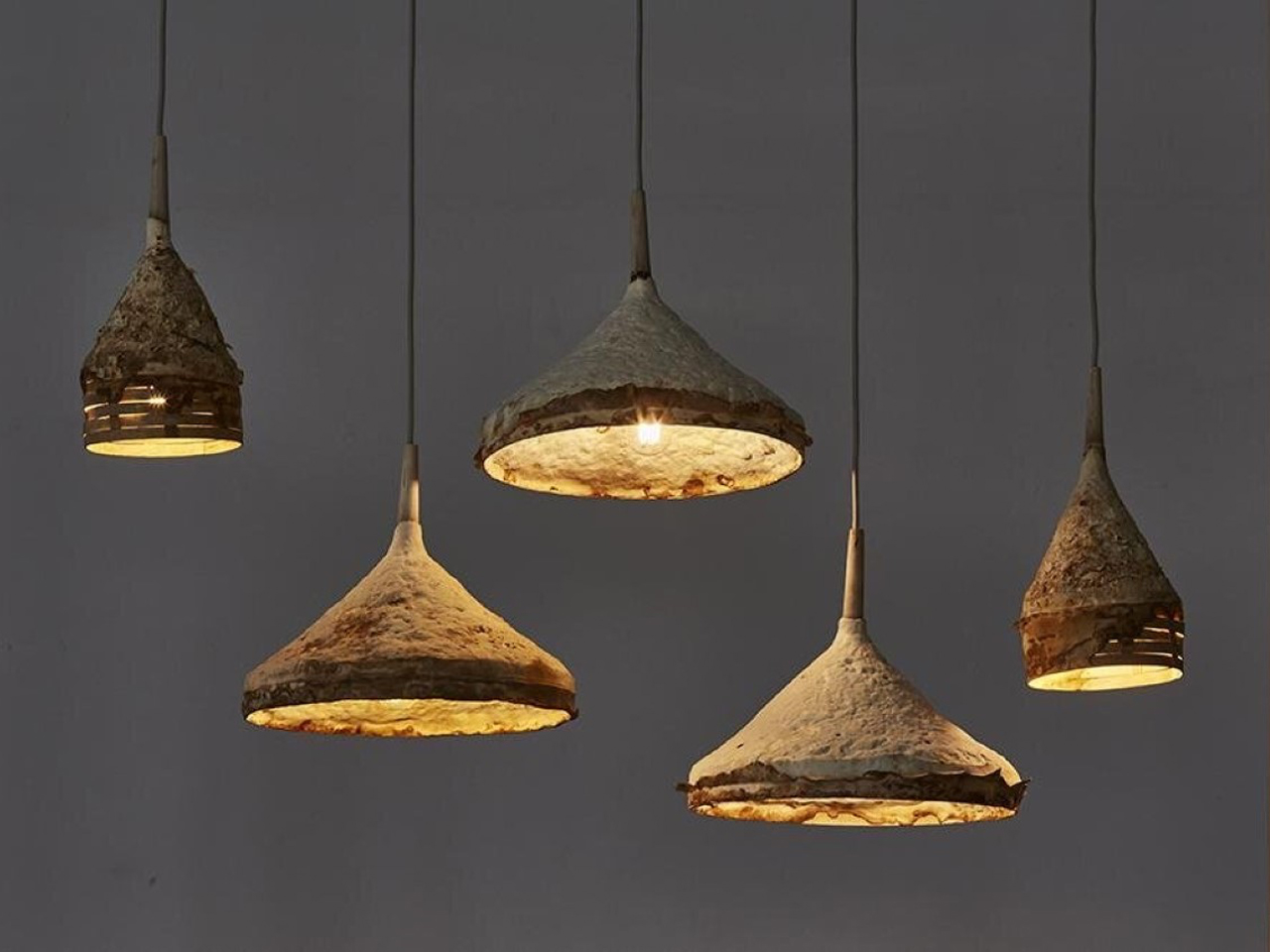
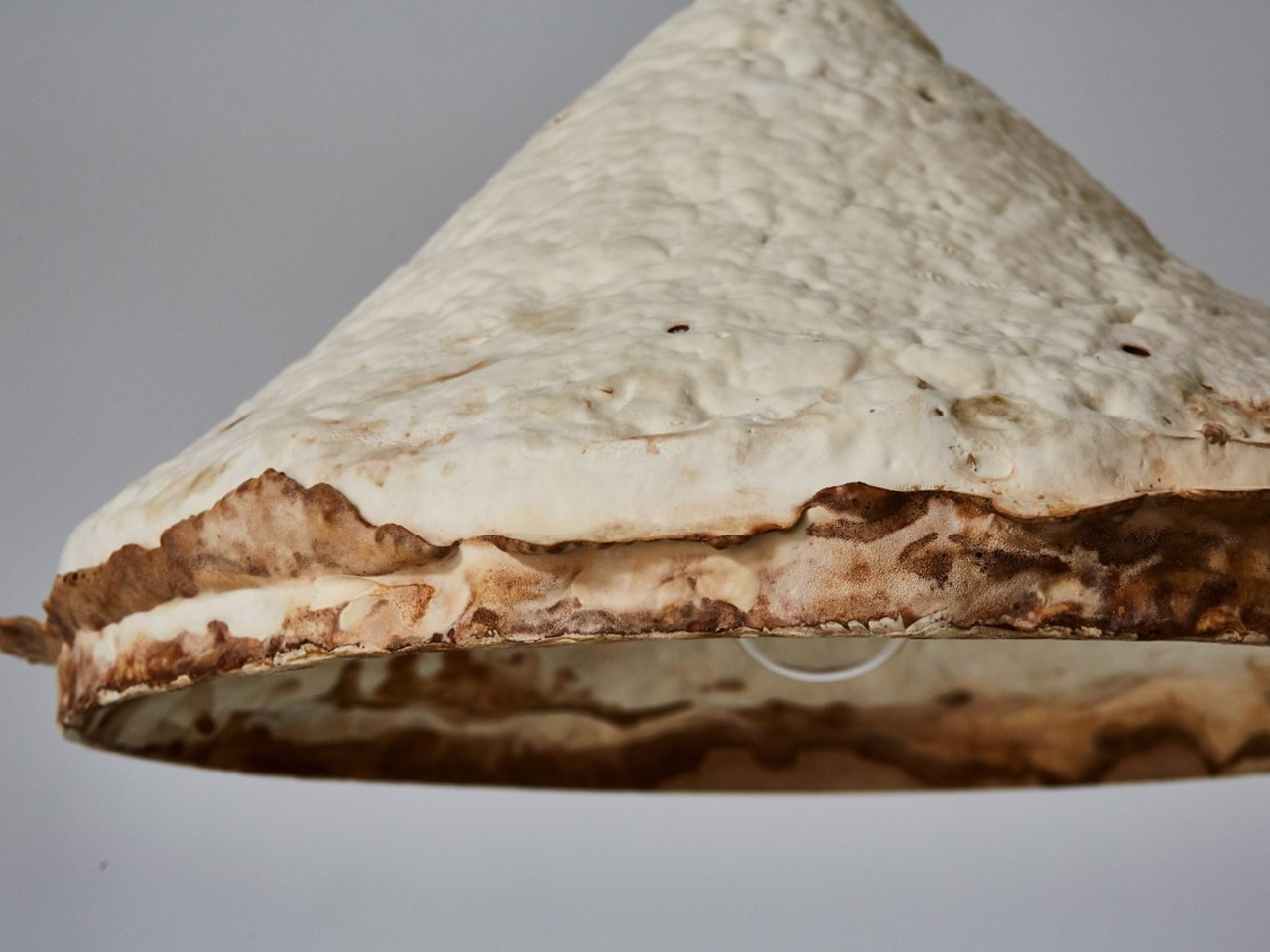

The Mycelium pendant lamps by Sebastian Cox, developed in collaboration with Ninela Ivanova, introduce a radically sustainable approach to lighting design. These lamps are grown using mycelium, the root-like structure of fungi, combined with willow wood. The process creates a natural composite material that is biodegradable, low-impact, and free from synthetic binders. Each lamp develops its own form and texture during growth, resulting in unique pieces that embrace irregularity and natural variation rather than uniformity.

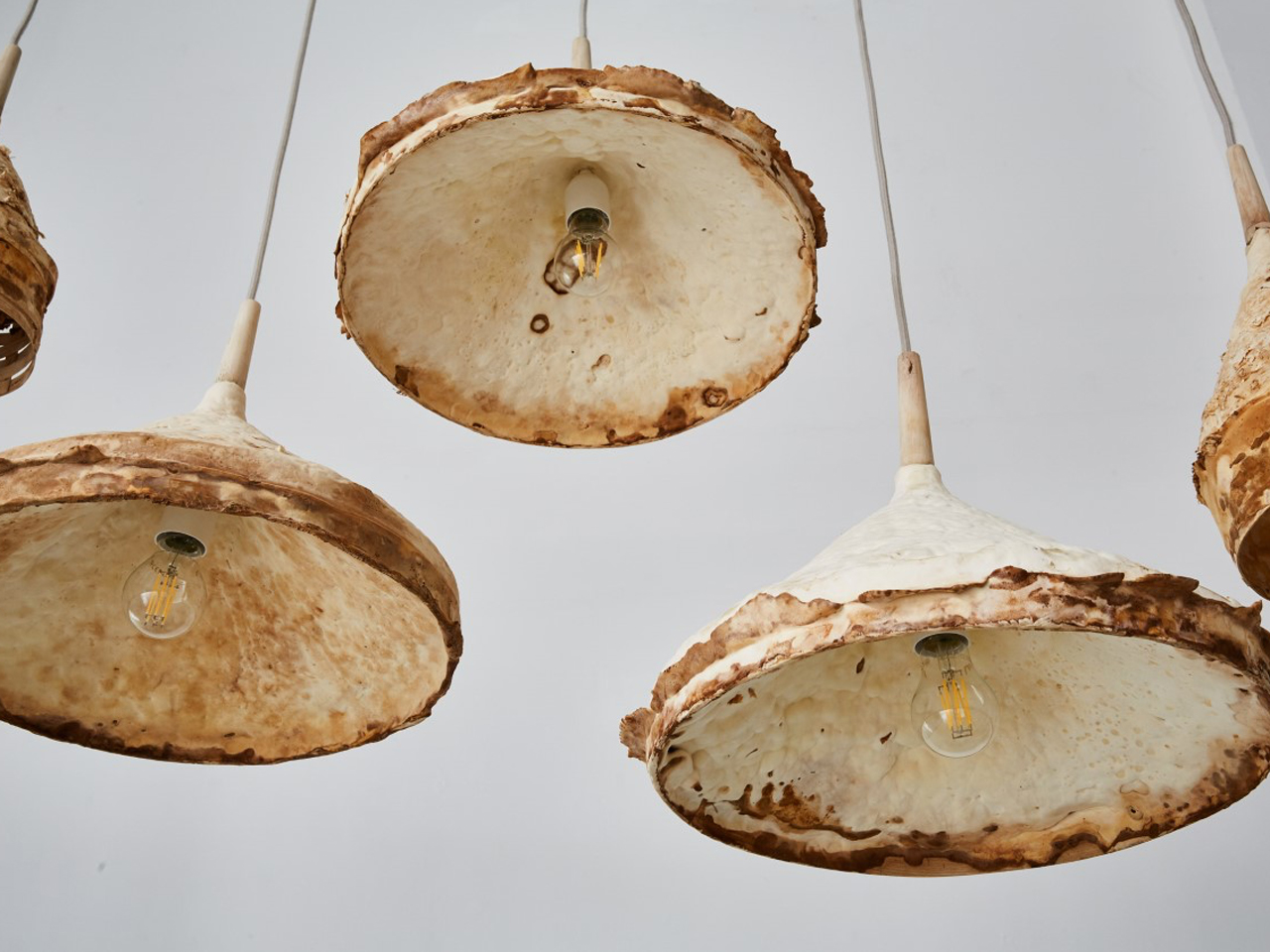
The production process involves weaving thin strips of willow into molds and introducing a specific fungus that binds the material over several weeks. As the mycelium grows, it fuses the wood into a stable structure, eliminating the need for glue or industrial processing. Once fully formed, the lamp is removed and fitted with minimal electrical components. This method highlights a shift toward regenerative design, where materials are cultivated and offer a fully compostable and environmentally responsible lighting solution.
As design continues to progress, lighting will play a more dynamic role within interiors. It will adapt to user needs, integrate seamlessly with architecture, and support sustainable practices, demonstrating how thoughtful innovation can transform even the most fundamental elements of design into meaningful experiences.
By combining flexibility, advanced technology, and sustainable materials, lighting systems are evolving into essential components that actively shape how spaces function and feel in everyday life.