
I’ve assembled enough flat-pack furniture to know the drill by heart. You order a piece online, wait for a box the size of a refrigerator, then spend an afternoon matching pre-drilled holes to cryptic diagrams, using an Allen key that will inevitably strip before you finish. What you end up with is furniture designed by someone else, sized for someone else’s room, built from a material you never chose. If it breaks or you move, most of it goes straight to the curb.
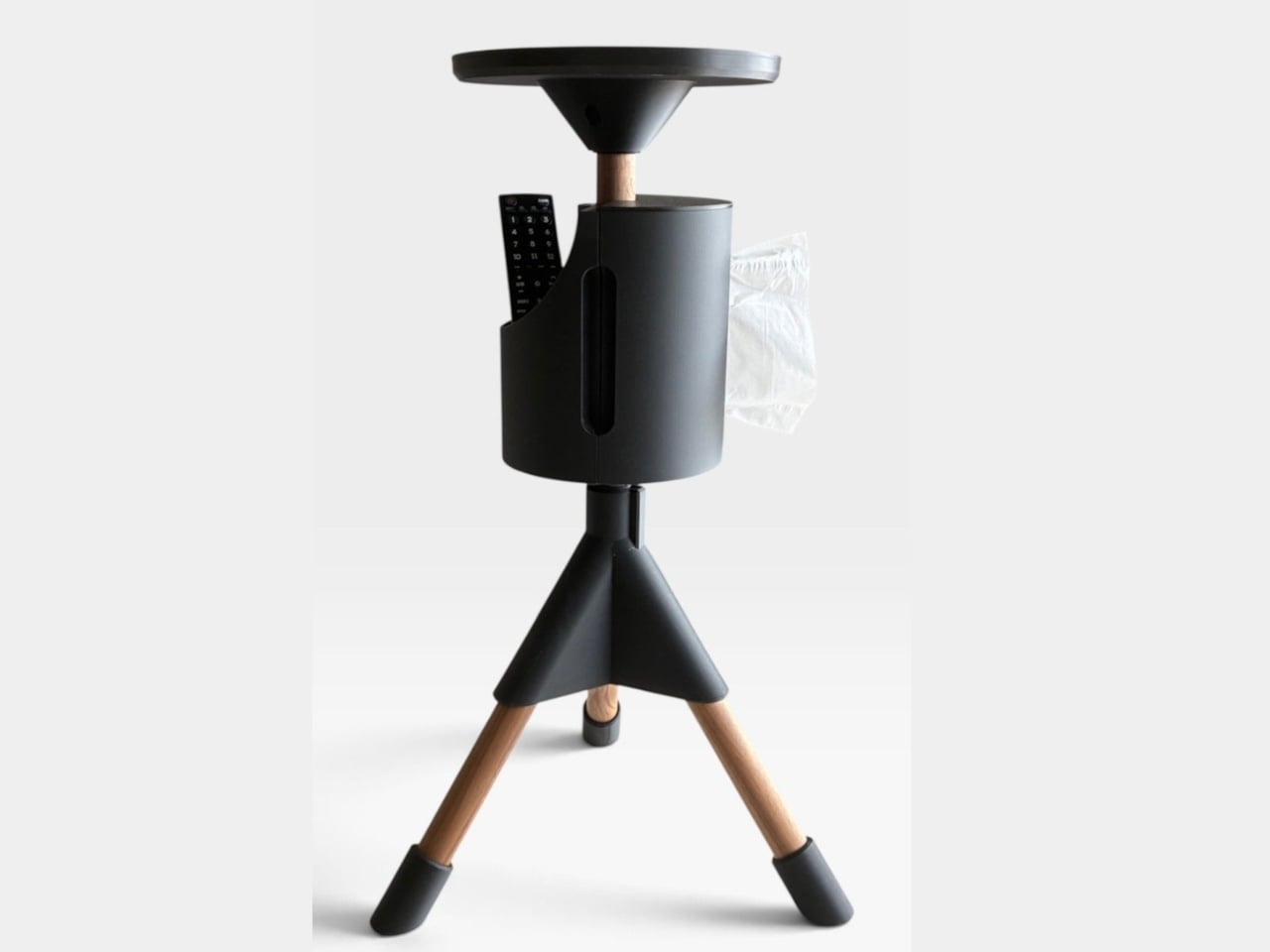
That’s the quiet frustration Japanese designer Nobutsuna Honami, who works under the name Inahono Furniture, seems to be answering with Chois. It’s not a table or a shelf or a coat rack. It’s a small family of 3D-printed joints, and that’s the whole product. You supply the rest yourself, in the form of ordinary wooden dowels you can pick up at any hardware store. Slot the dowels into the printed connectors, and you’ve got a three-legged furniture unit that can become a side table, a valet stand, or a hanging rack, depending on the lengths you cut and the angles you choose.
Designer: Nobutsuna Honami
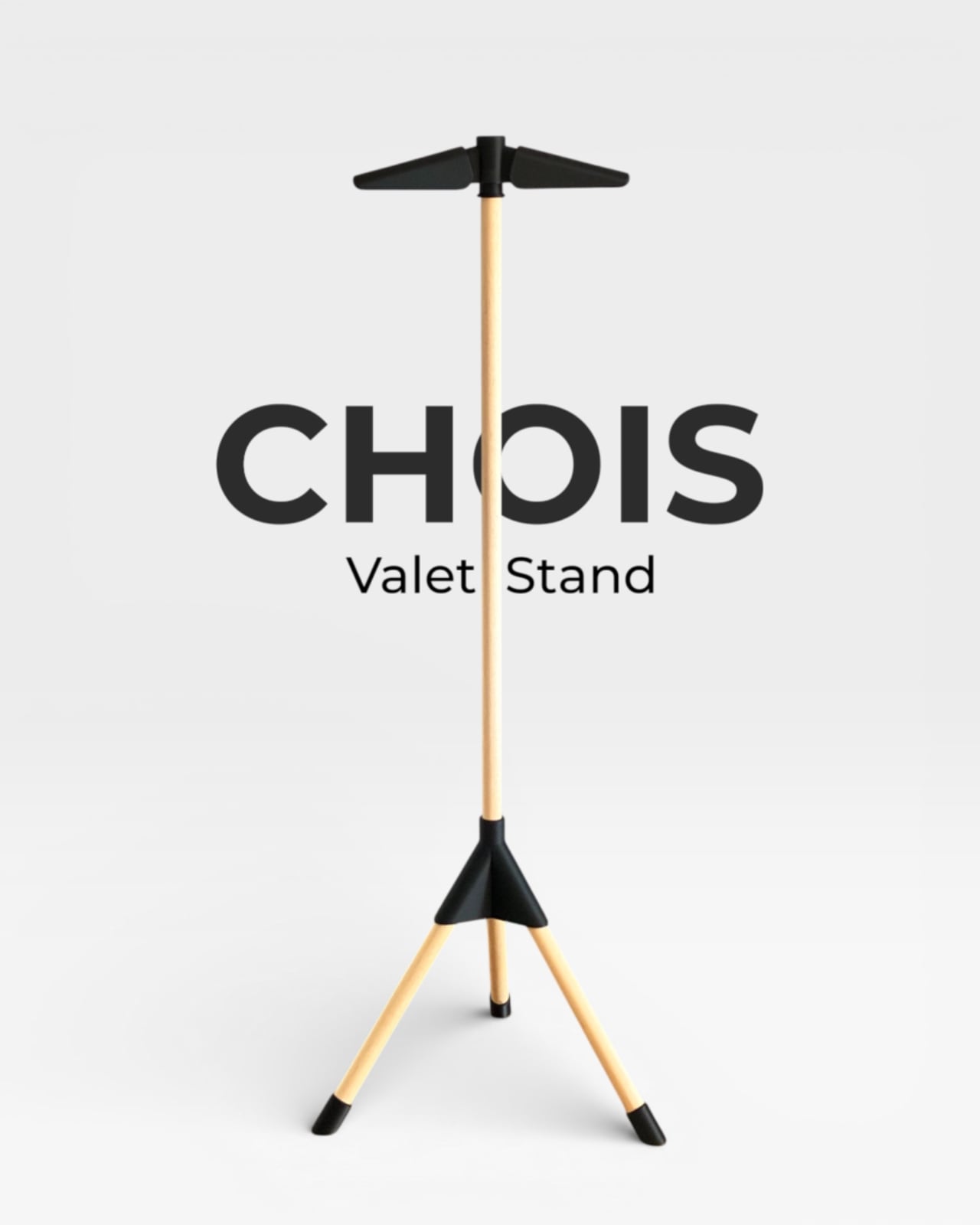


What gets me about this approach is how little it actually manufactures. A typical furniture company ships you a finished object, or at best a kit of pre-cut parts matched to one specific design. Chois flips that math. The only engineered component is the joint itself, a small piece of plastic that would fit in your palm. Everything else, the length of the legs, the height of the table, the wood species, the finish, is left entirely up to whoever’s building it. You’re not buying a table. You’re buying the idea of a table, and finishing the sentence yourself.
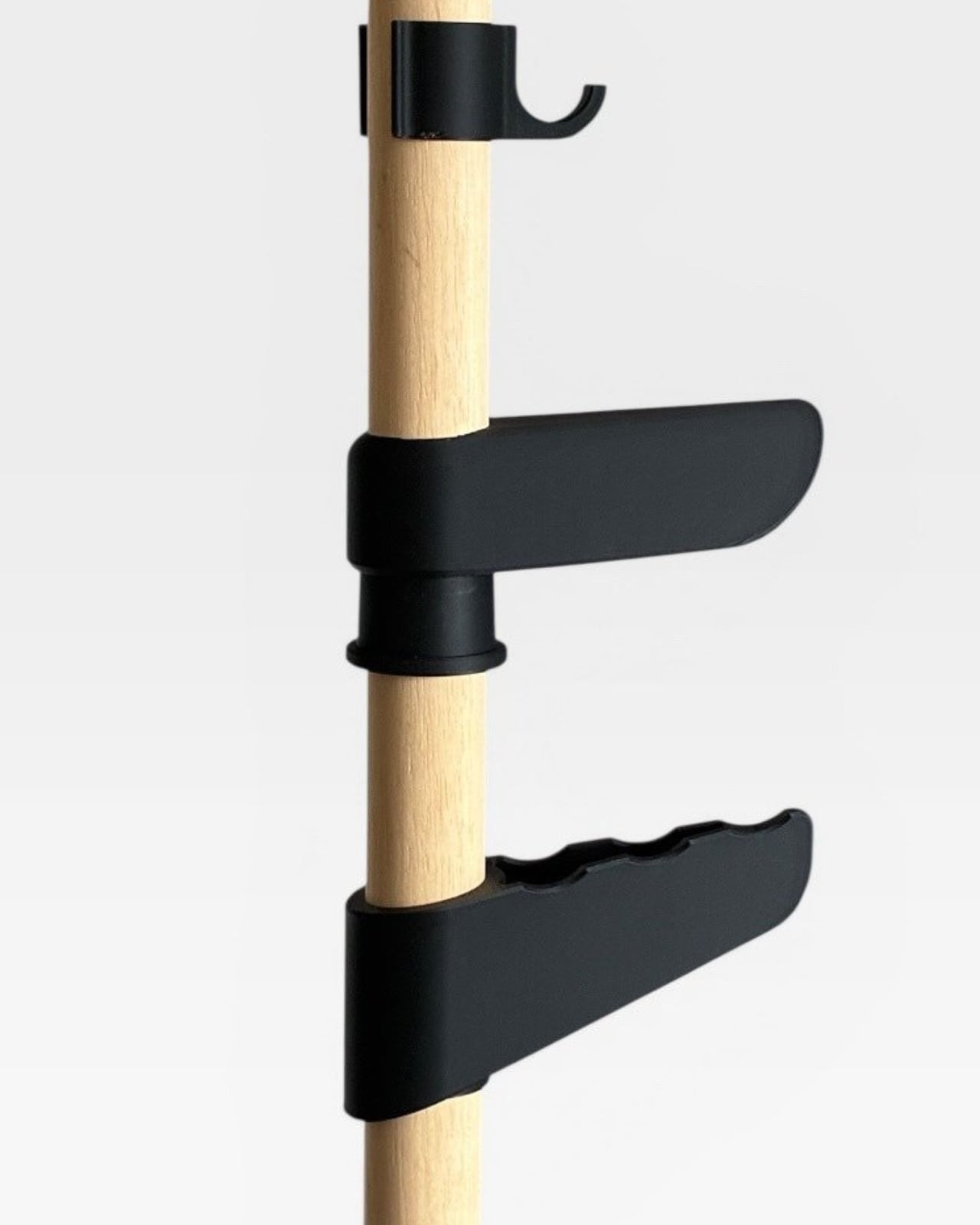
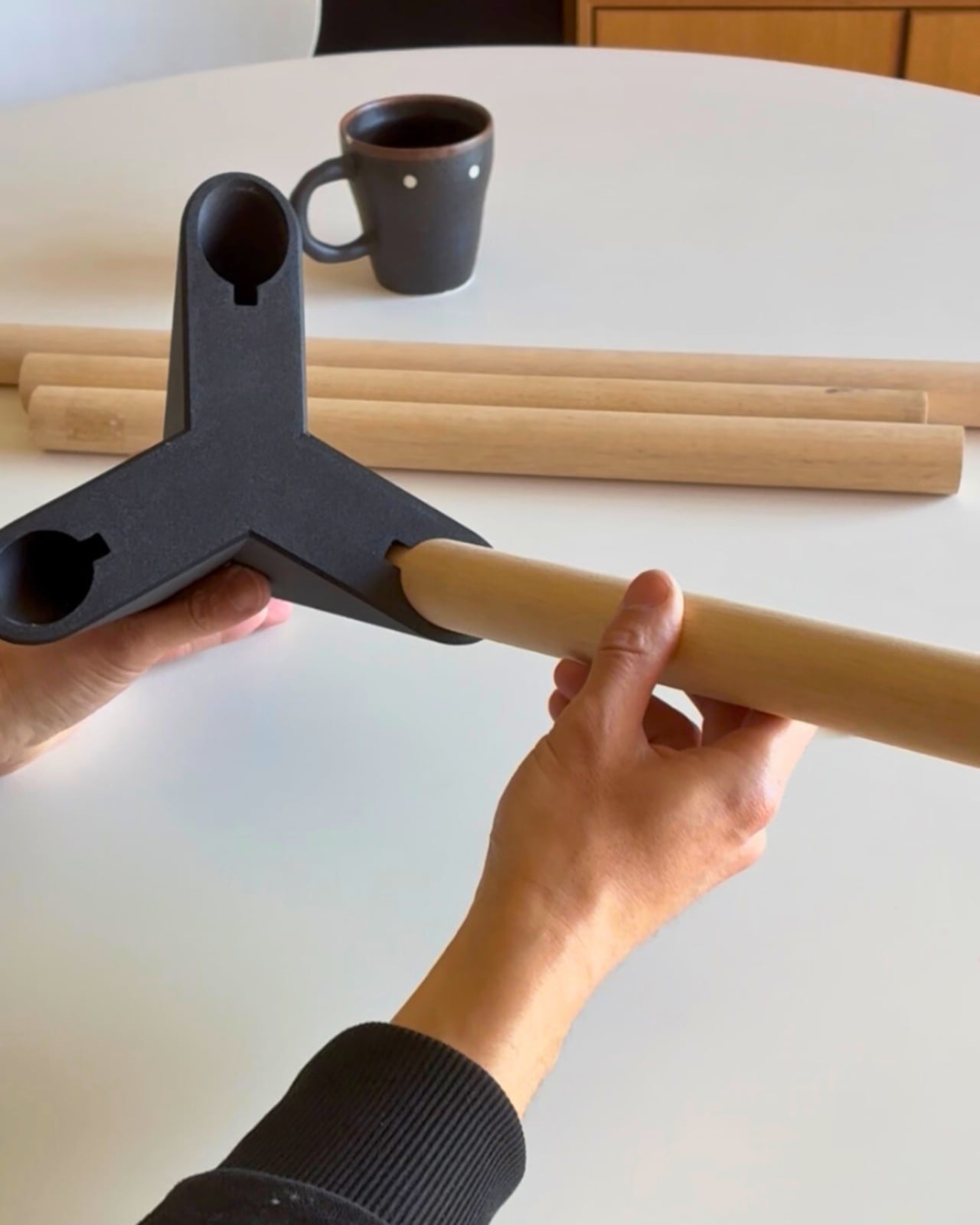
I keep thinking about what this does to the economics of furniture, in a good way. Dowels are cheap, standardized, and available almost everywhere, which means the actual cost of a piece drops to whatever a handful of printed joints run plus a trip to the lumber aisle. There’s no container ship required, no oversized box, no styrofoam corners destined for a landfill. If a leg cracks or you want a taller version for a different room, you don’t throw out the whole piece. You cut a new dowel and keep the joint you already have.
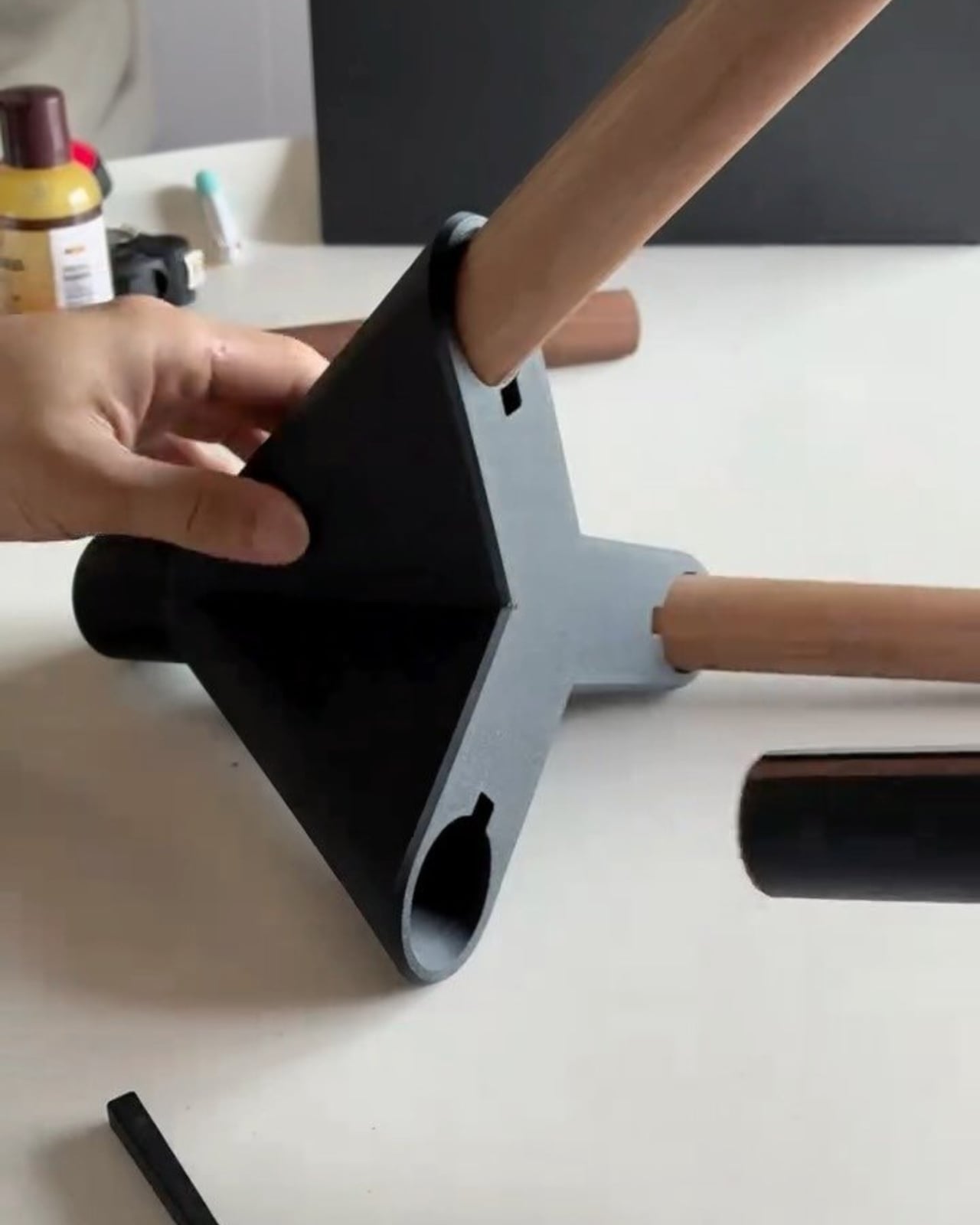
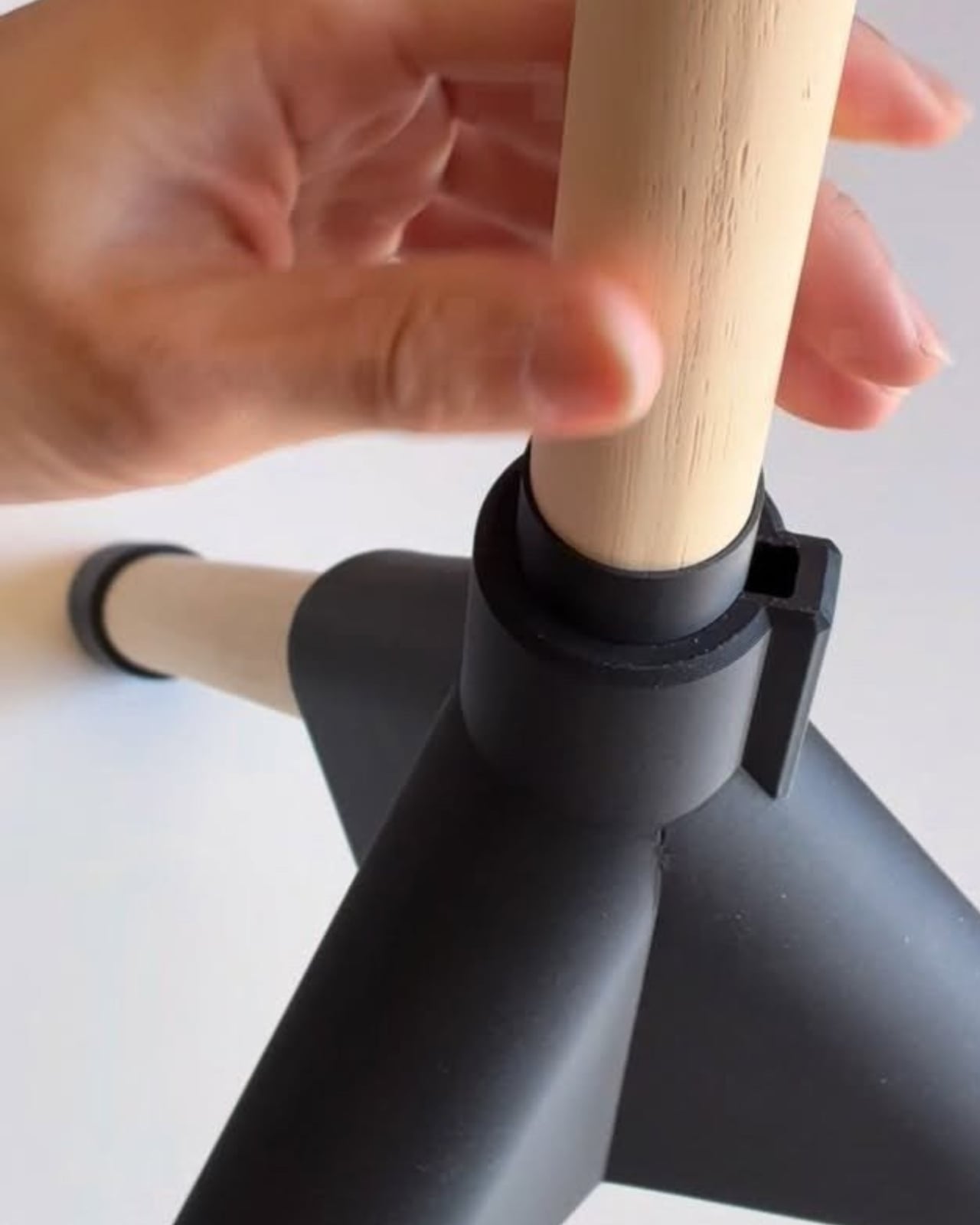
I’ll admit I’m a sucker for design that treats the user as a collaborator rather than a customer. Chois doesn’t ask you to have carpentry skills, which is refreshing, since most modular furniture that promises “you build it” still expects you to own a miter saw and know what you’re doing with it. Here the precision lives entirely in the printed joint. The dowel just needs to be cut roughly to length, and the connector handles the angle and the structural logic. That’s a genuinely clever way to lower the barrier for anyone who wants custom furniture but has never built anything sturdier than an IKEA shelf.
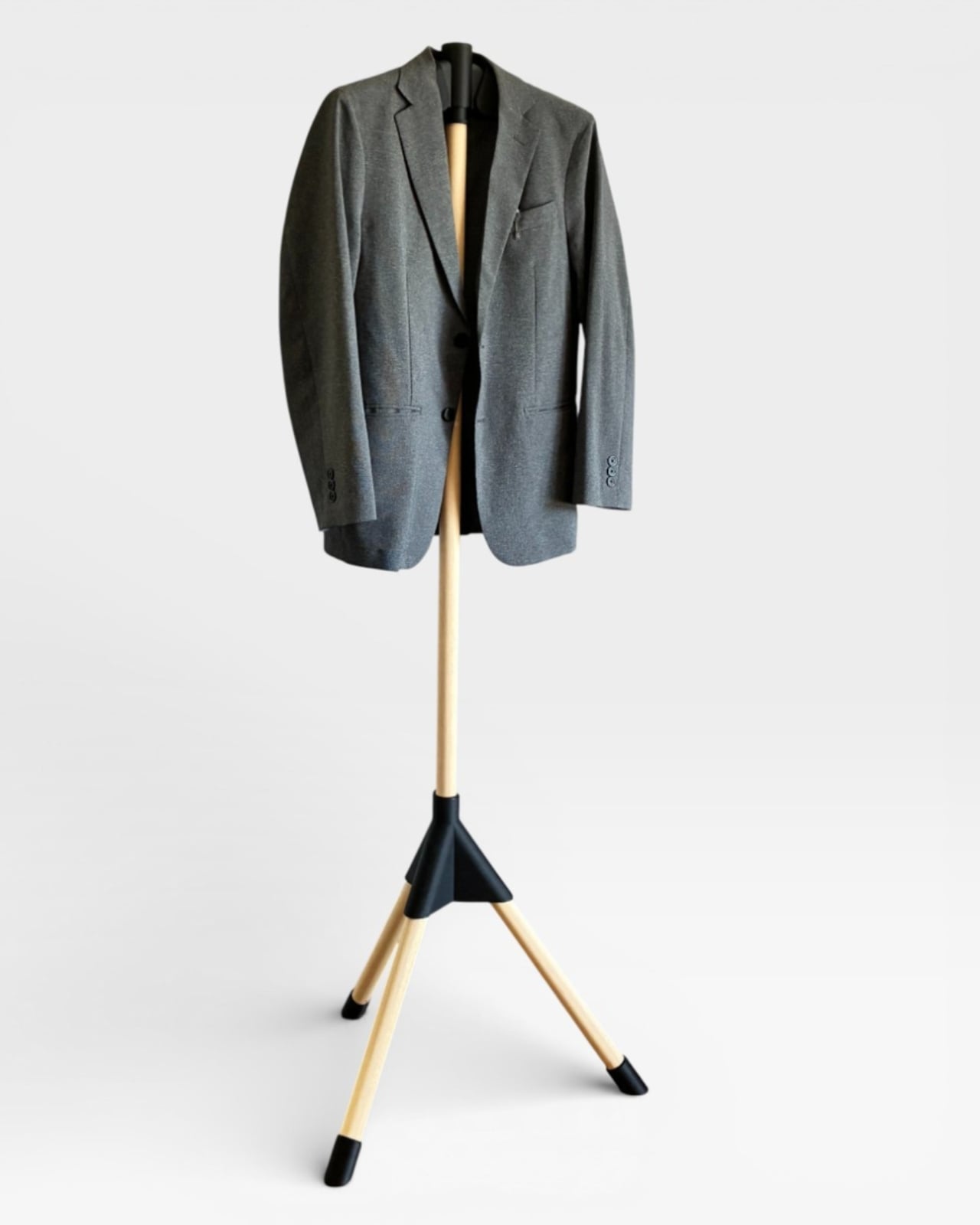
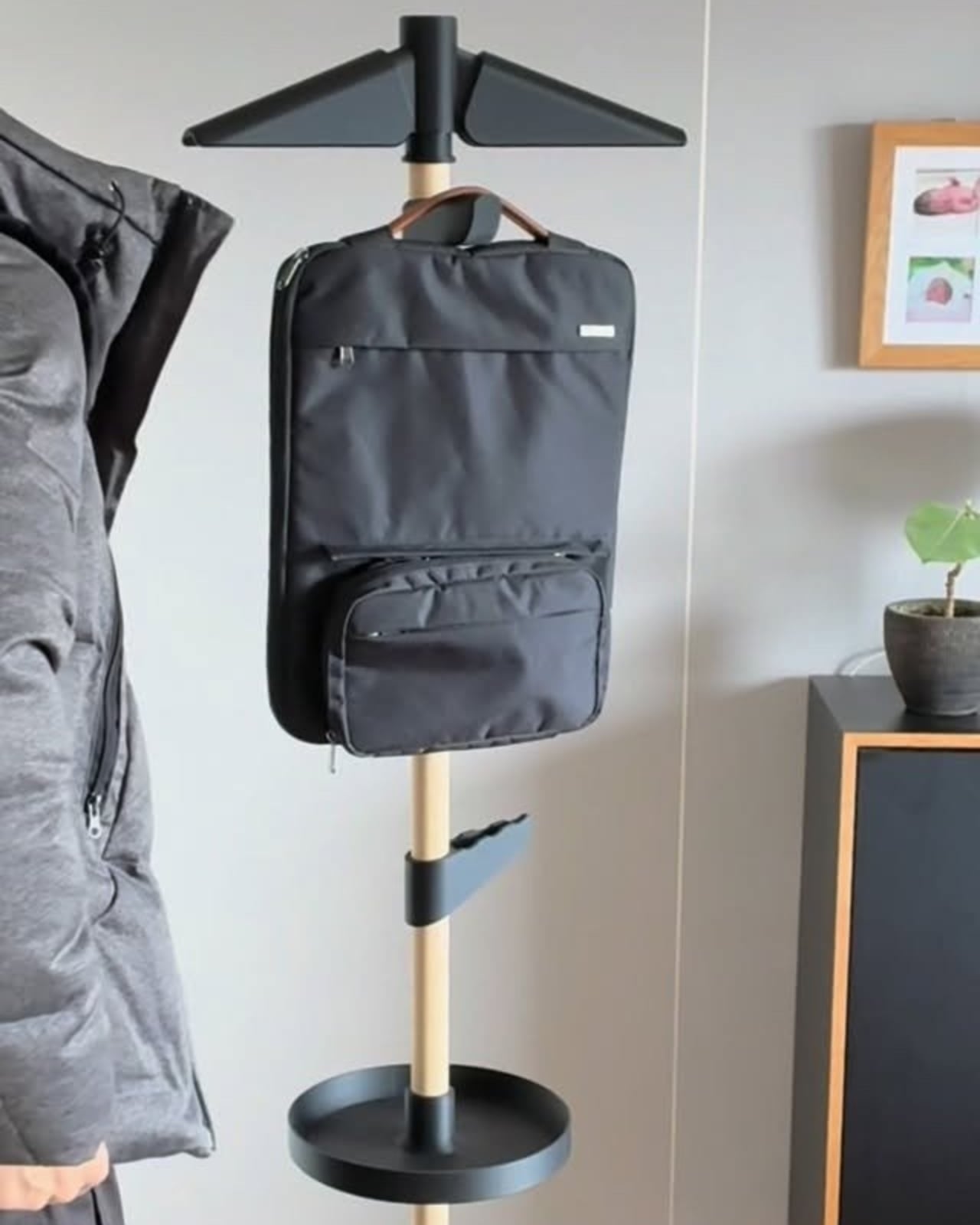
It also fits neatly into where small-scale manufacturing seems to be heading. 3D printing gets a lot of hype for making entire objects, chairs, lamps, whole rooms, but the more interesting use case might be exactly this: printing only the part that actually benefits from precision, and letting cheap, universal materials handle the rest. A dowel is a dowel anywhere in the country. A joint that turns three of them into a stable structure is the clever bit, and it’s the only bit that needs a printer at all.
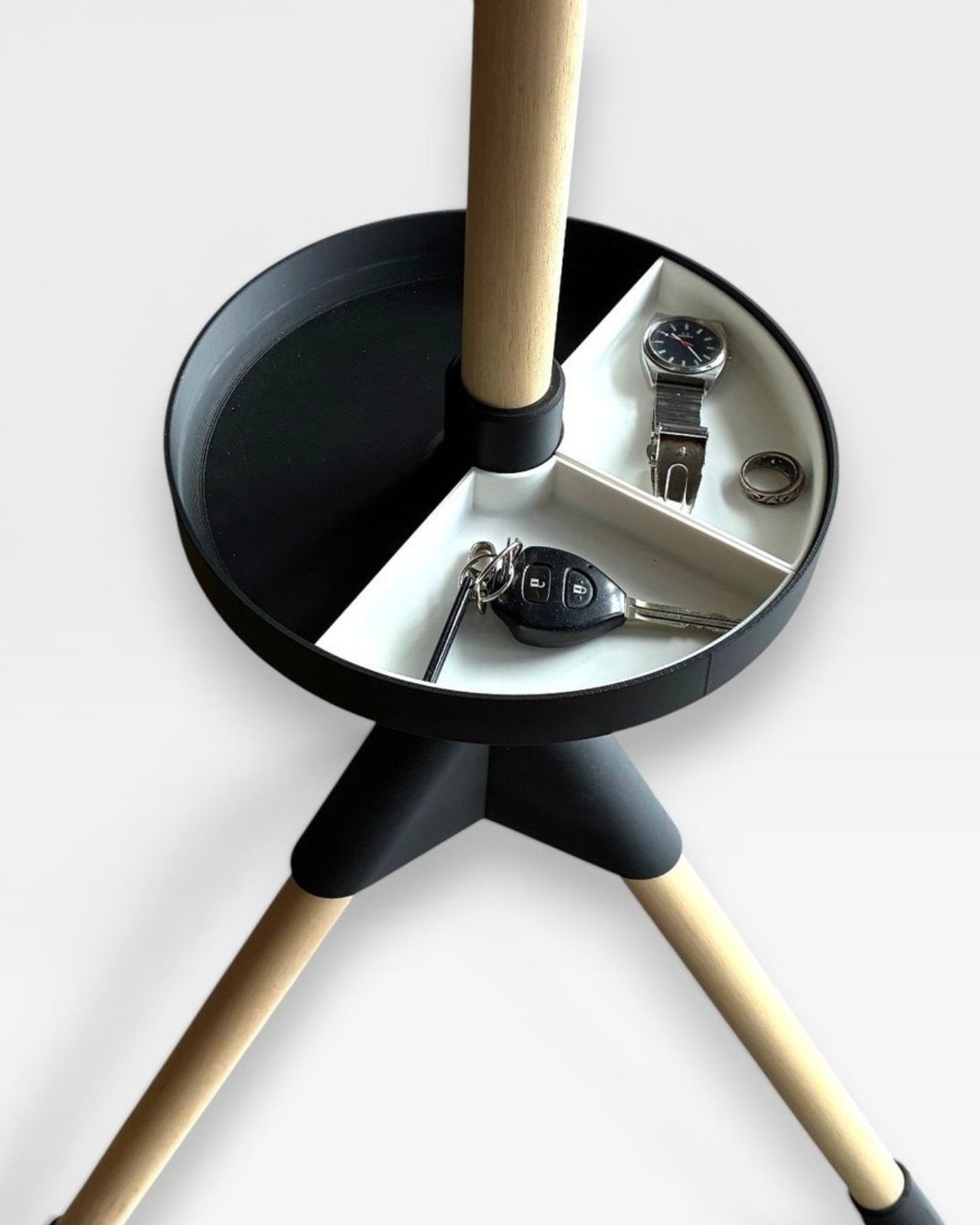
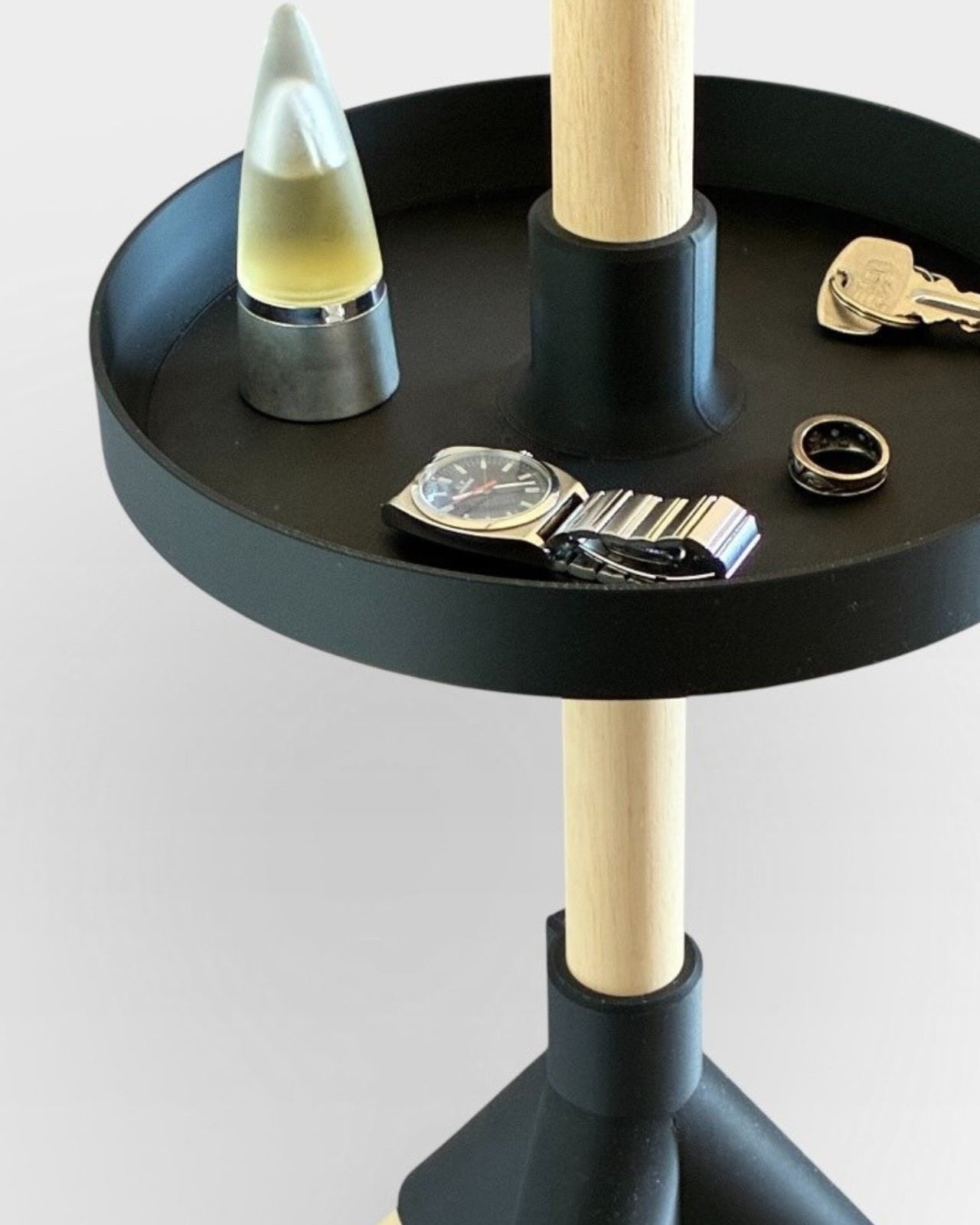
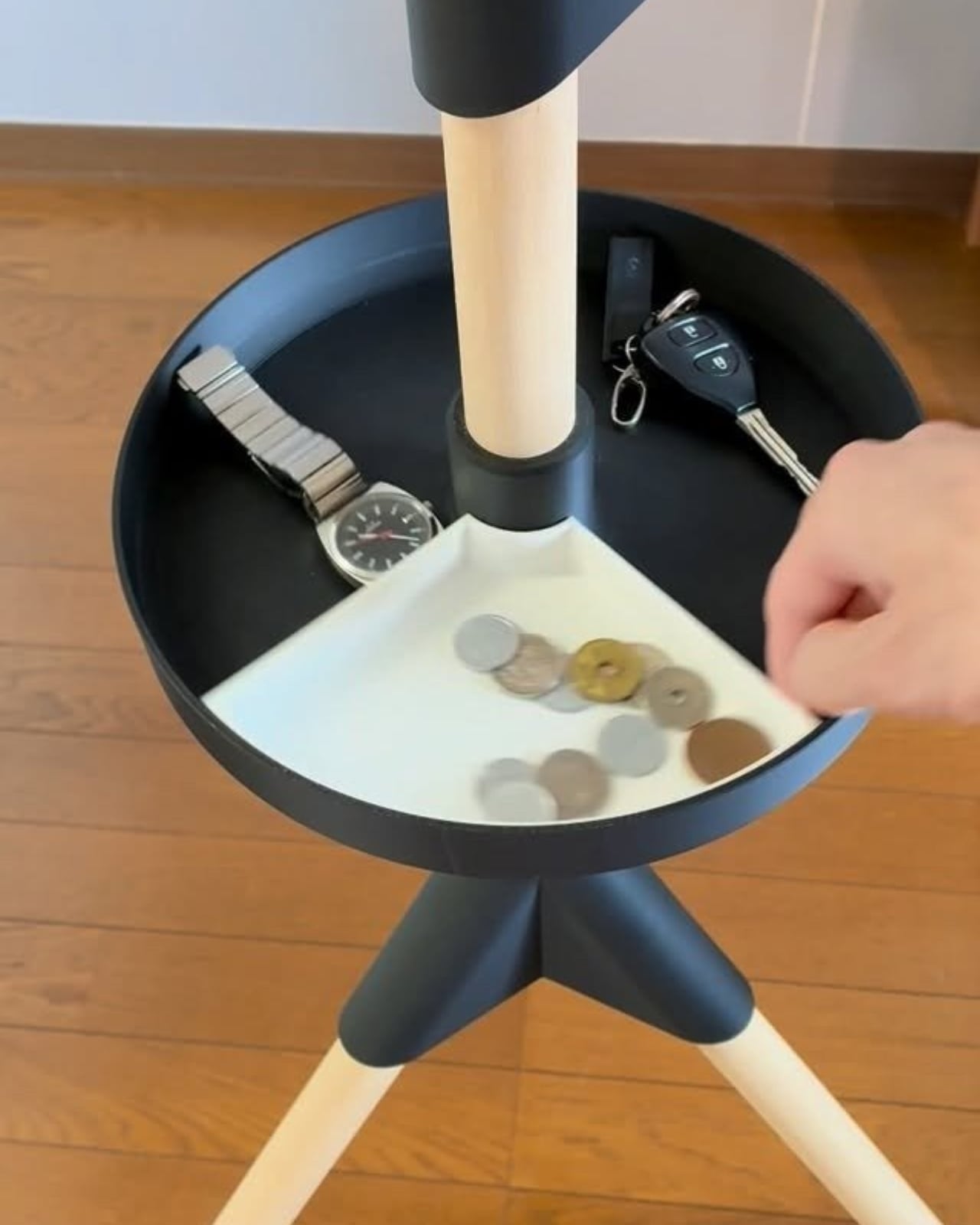
I don’t know if Chois scales beyond a niche of design-forward DIYers who already own a 3D printer or know someone who does. Access is still the real hurdle for a lot of home-fabrication ideas like this one. But as a proof of concept, it makes a genuinely honest case for furniture that adapts to your space instead of the other way around. Sometimes the most useful design decision isn’t adding more to a product. It’s figuring out the smallest possible thing you actually need to make, and trusting the rest to whatever’s already sitting in a hardware store bin.