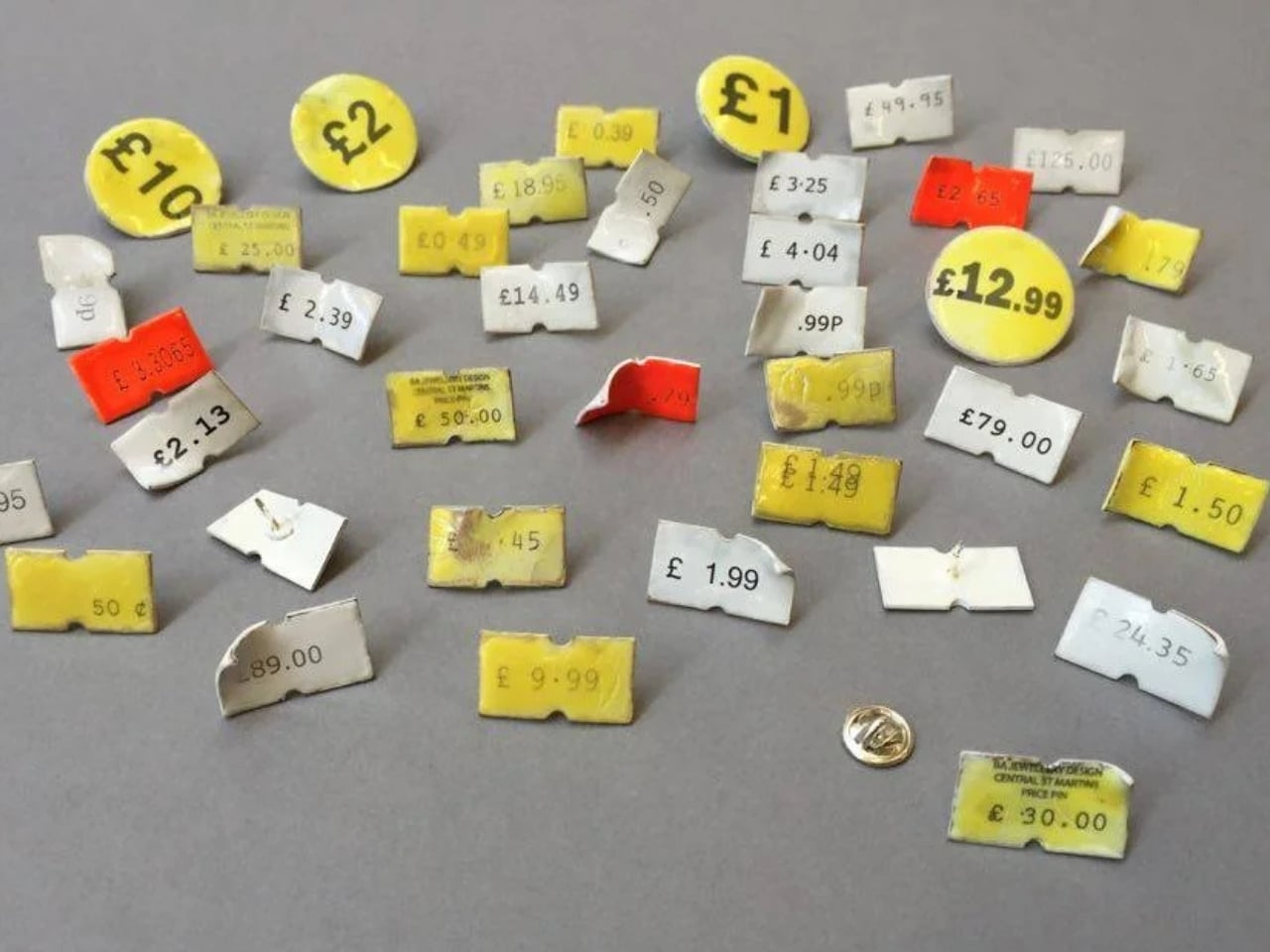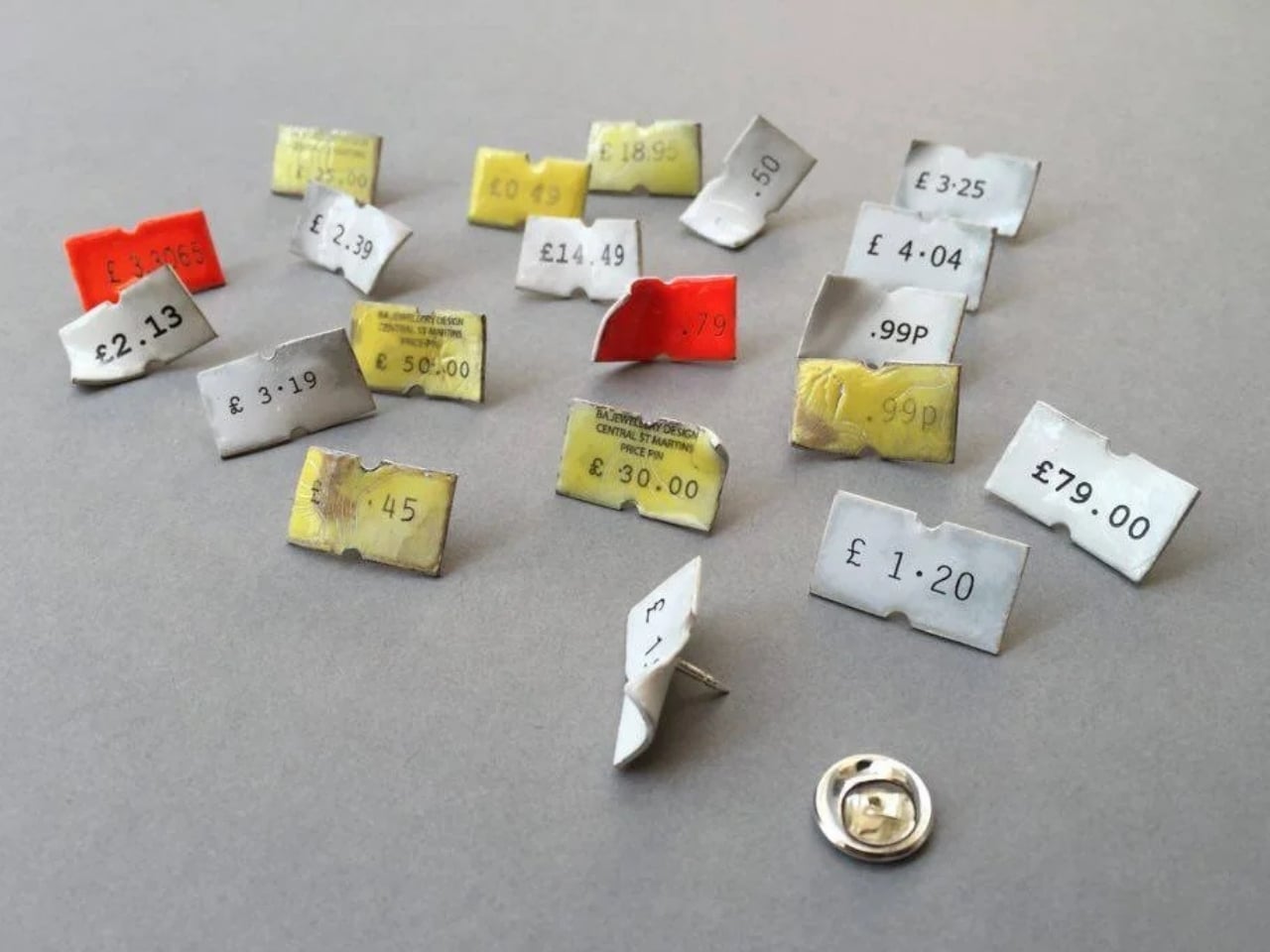

When you buy something new, the first thing you probably do before you start using it is remove the price tag. Unless you’re a pack rat or a junk journaler, it’s something you’ll most likely toss in the trash without a second thought. But what if the price tag itself was the design object, crafted with enough intention that you’d actually want to keep it, or even wear it?
That’s exactly what Precious Price Tag Pins brings to your jewelry box or your shirt collar. It’s a collection of hand-crafted wearable art that mimics the ordinary price tags we’re used to seeing on books, clothing, accessories, and just about everything else we buy. Each piece is a cute, unique bit of jewelry and approachable wearable art that’s guaranteed to spark conversation with friends and strangers alike.
Designer: Lucie Davis
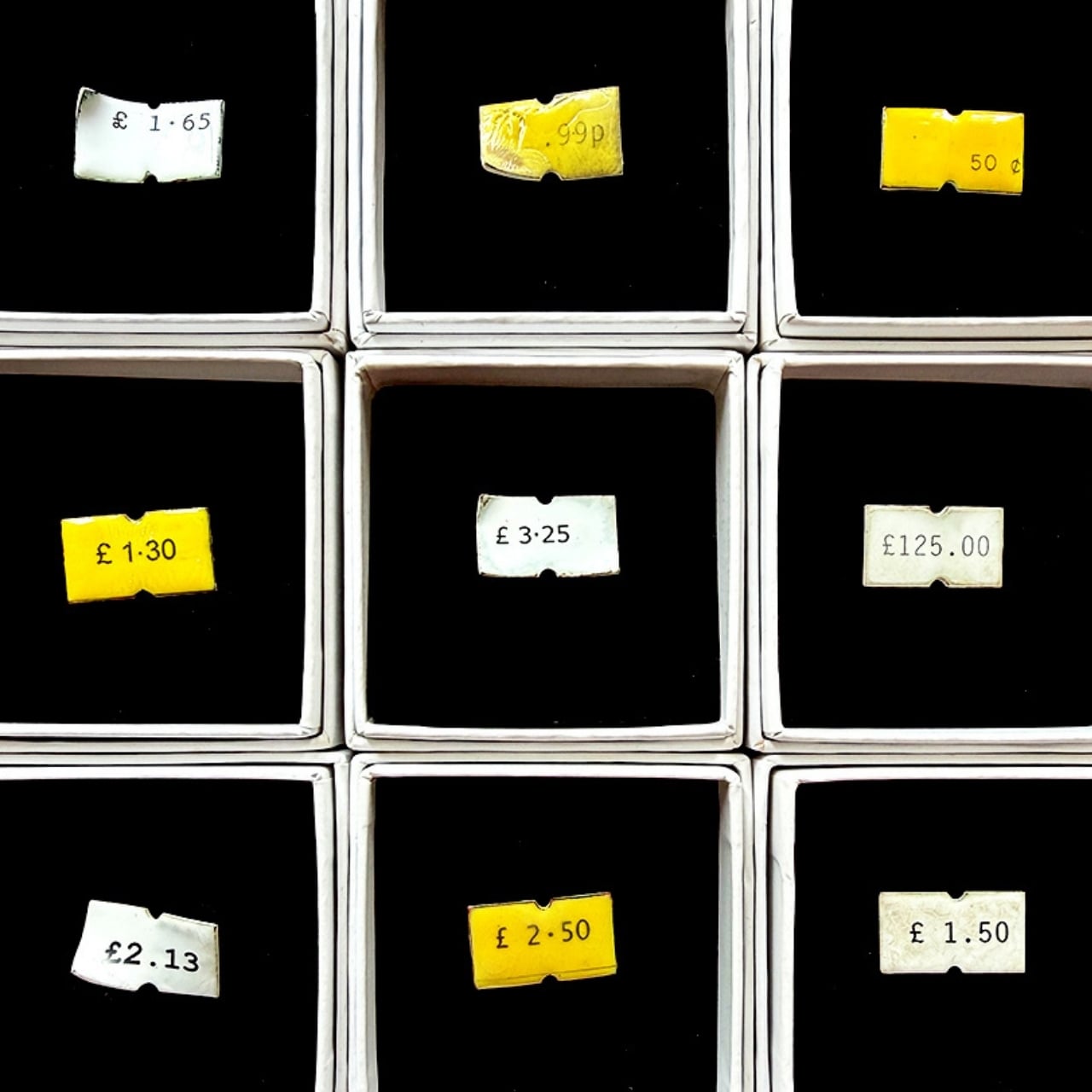

Working at a womenswear shop during her university days is what inspired this collection from London-based jewelry artist Lucie Davis. The design brief she set for herself was deceptively simple: take the most disposable object in retail and rebuild it using techniques usually reserved for fine jewelry.
Each pin measures about 21.5mm x 12mm, small enough to sit unassumingly on a lapel yet substantial enough to hold real presence up close. The construction pairs two very different processes. First, the numbers and text are laser-engraved with crisp, precise lines that replicate the printed look of a real price sticker. Then that engraving is layered with kiln-fired porcelain enamel and cold enamel, giving the surface a glossy, almost glassy depth that flat paper or vinyl could never achieve. The base metal body is finished with a tie-pin back and clutch fastening, the same sturdy hardware you’d expect from a well-made brooch, not a sticker. That contrast between old and new methods is really the heart of the design. Laser engraving is fast, exacting, and thoroughly modern. Hand-enameling is slow, meticulous, and centuries old. Davis fuses both into a single small object, and the result reads like a miniature study in how craftsmanship and technology can work together instead of competing.
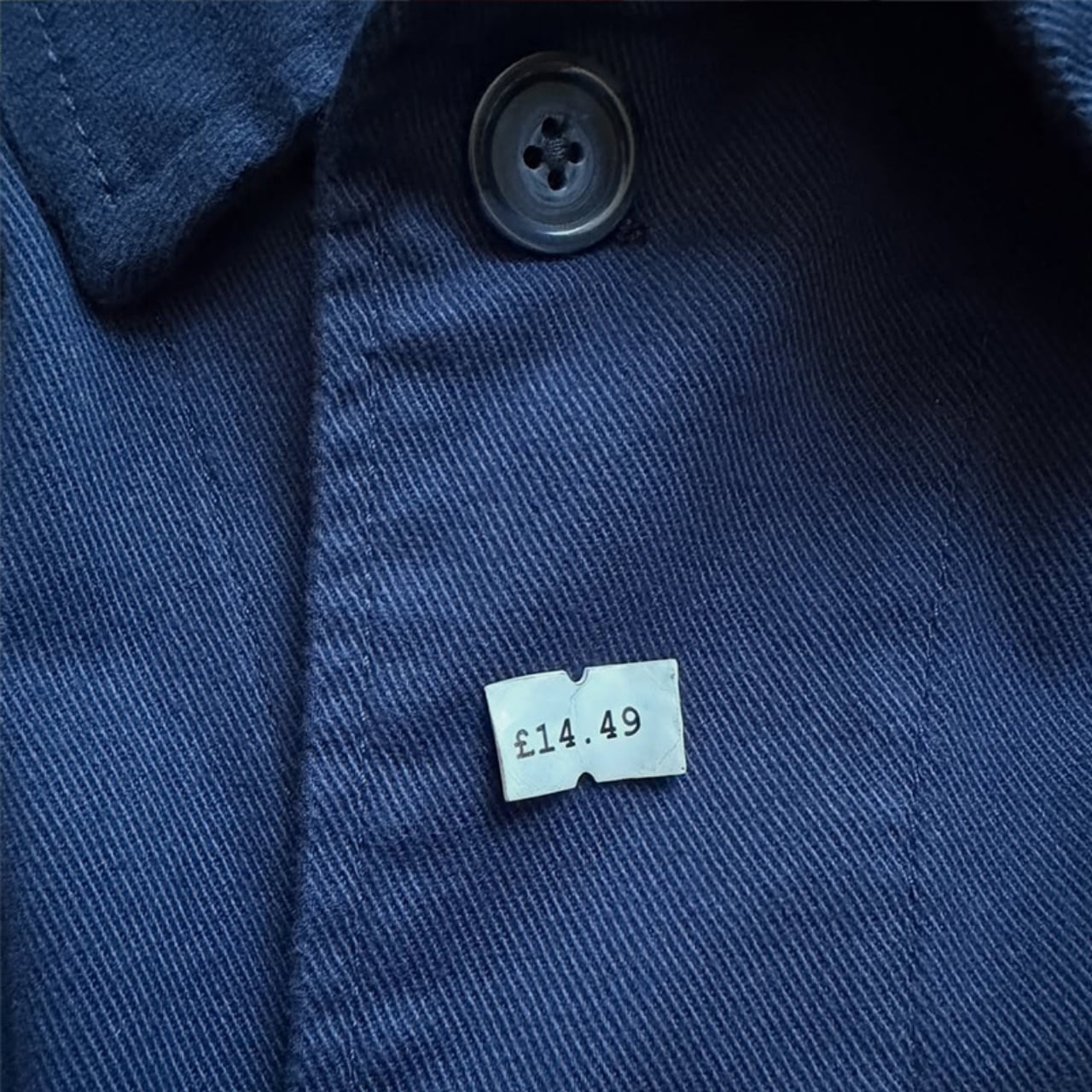
The visual trick is what makes the design so satisfying. At first glance, these pins really do look like paper price tags about to be tossed in the trash, right down to the typeface and the slightly curled corner detail some versions include. But once you pick one up and hold it in your palm, you feel the weight and the smooth, cool enamel surface, and the illusion breaks in the best possible way. It’s a sturdy little pin you can attach to your shirt, bag, or cork board, built to last decades rather than seconds.
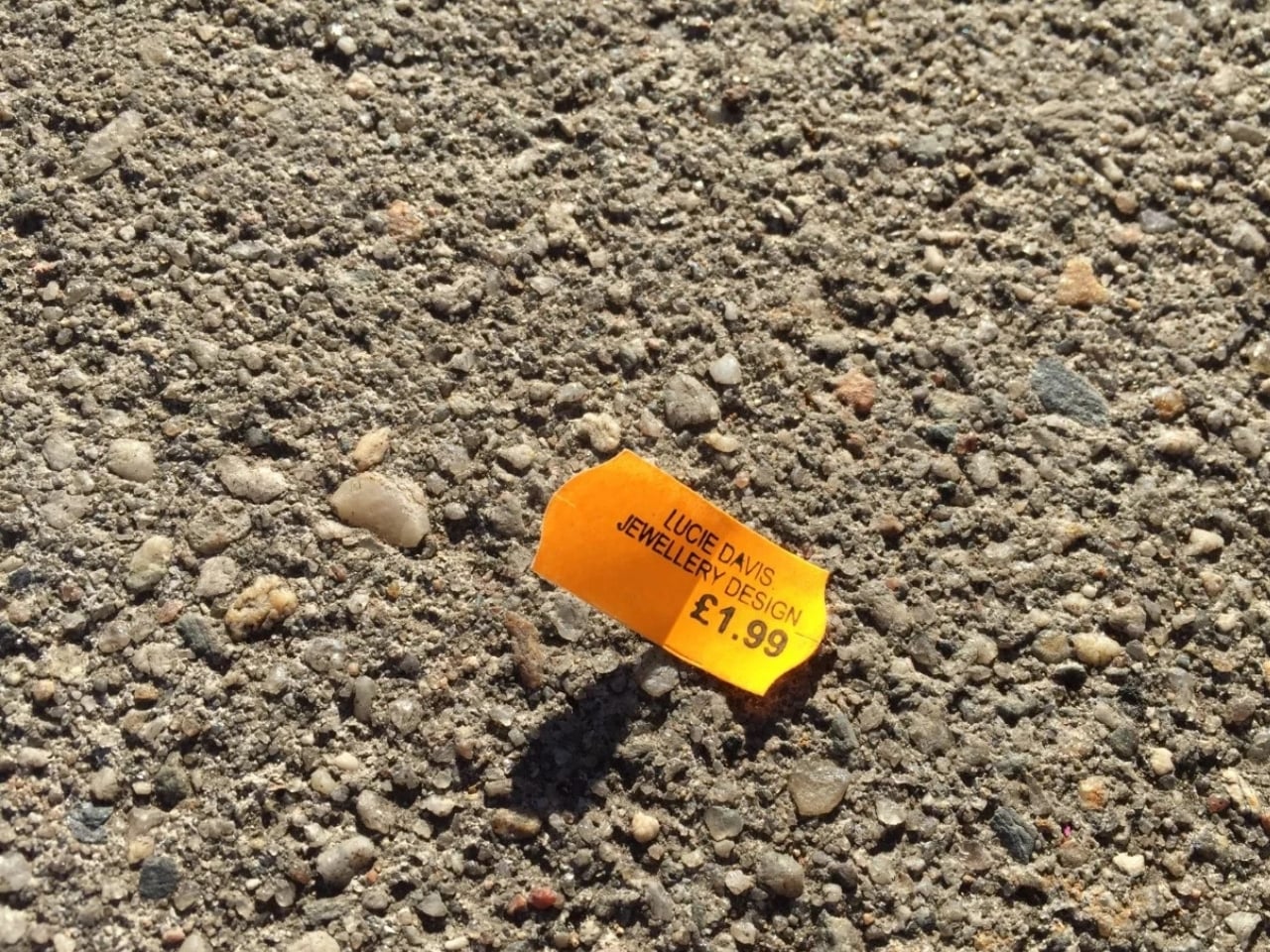
Because every pin is hand-finished, no two are ever perfectly identical, which gives each piece a slightly different personality even within the same design family. There’s also a bespoke engraving option, so you can decide exactly what number and text the “price” displays. Some collectors choose meaningful figures, like a birth year or a favorite number, while others simply pick something absurd for the humor of it. Either way, that customization turns the design from a fixed product into something closer to a small collaborative art piece between the wearer and the artist.
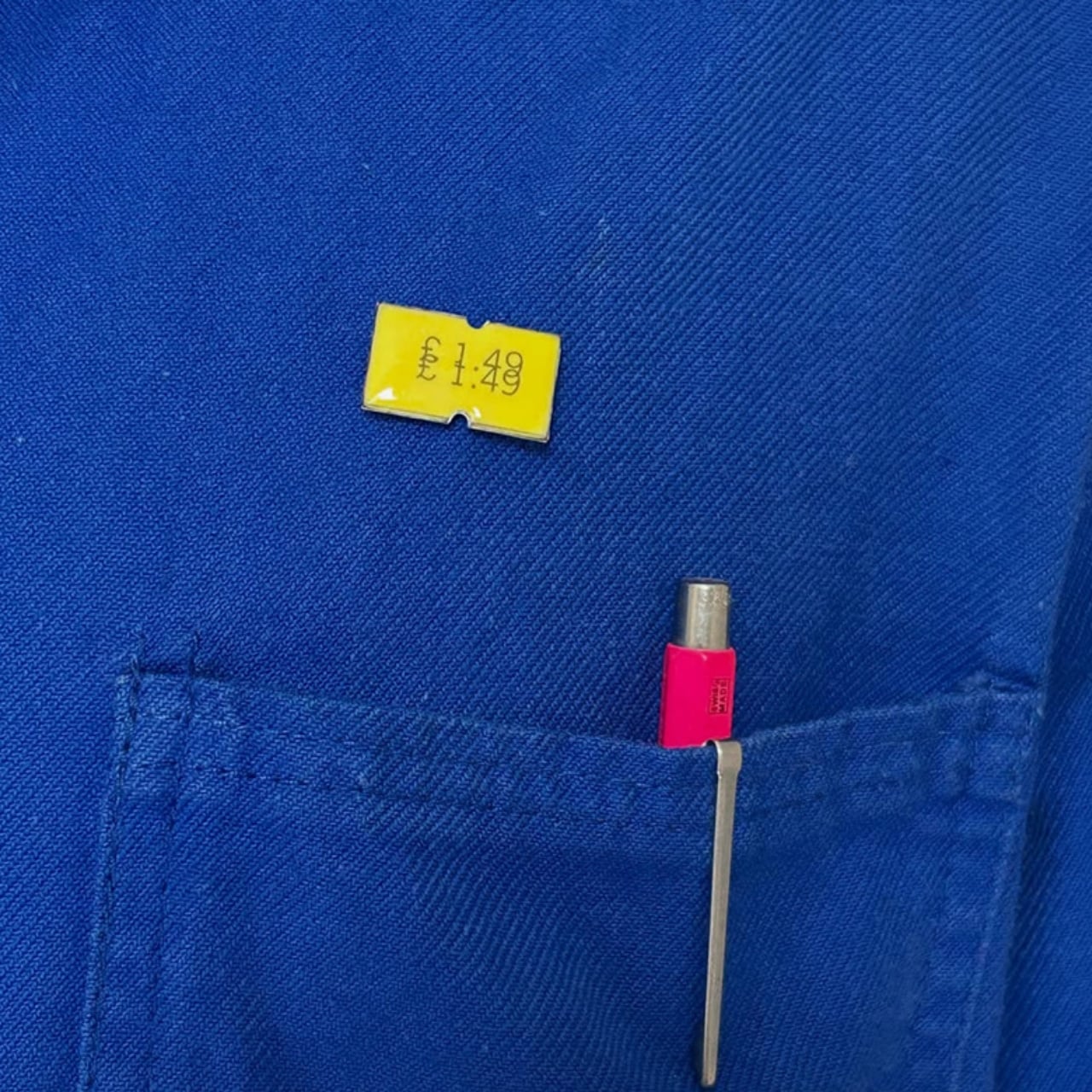
What ties the whole design together is restraint. Davis didn’t try to disguise the price tag reference or dress it up with excess ornamentation. She kept the proportions, the layout, and the plain honesty of a real tag, then simply swapped the materials for ones built to endure. That’s a much harder design challenge than it looks, since the object has to stay instantly recognizable while feeling completely reinvented in the hand. Wear a price tag on your person, and people will do a double take, maybe even strike up a conversation about the design itself, the materials, or why you’re sporting a price on your chest in the first place. It’s a small object, but it carries a genuinely thoughtful piece of design thinking, and that’s exactly what makes it worth a second look.