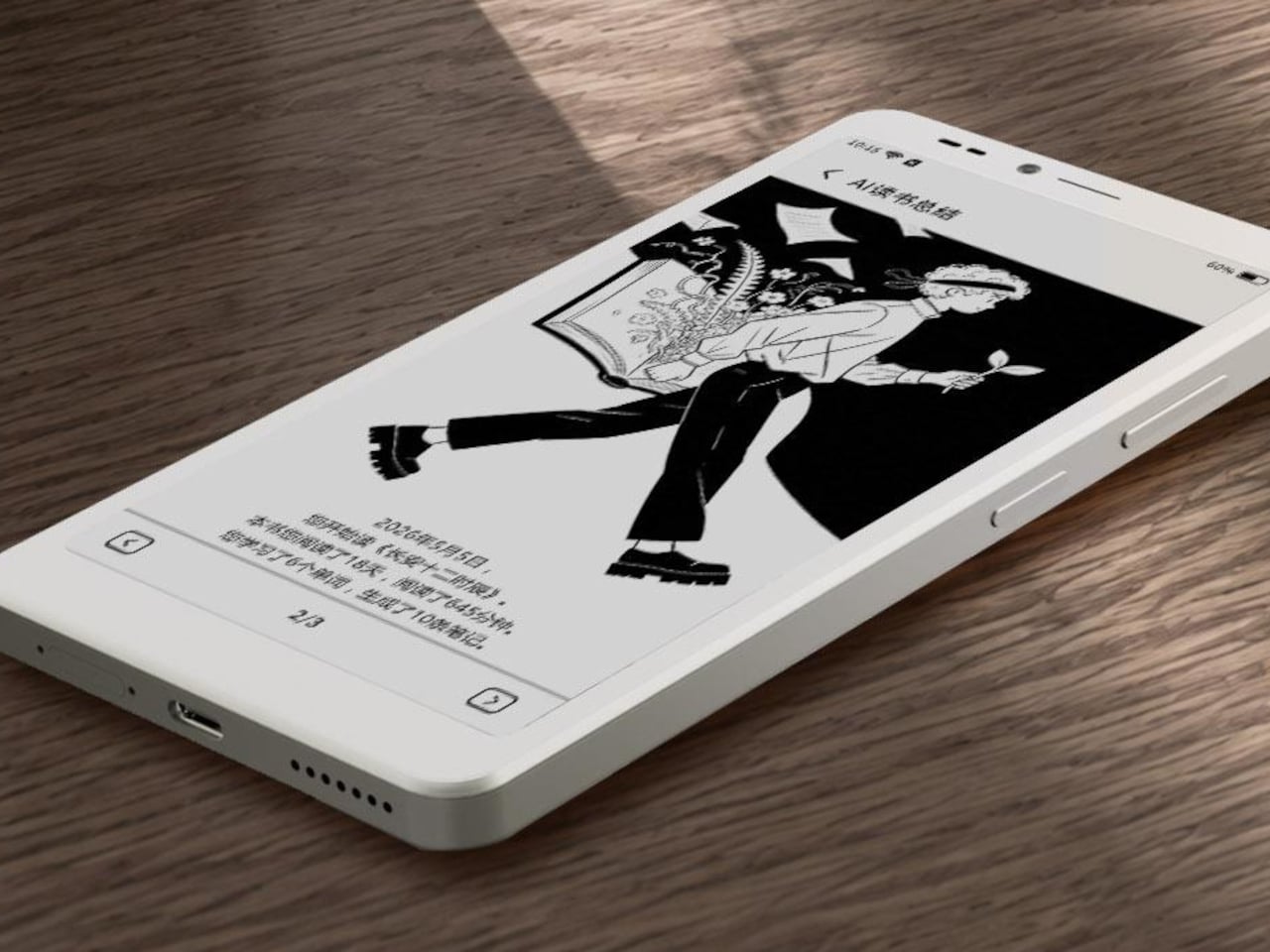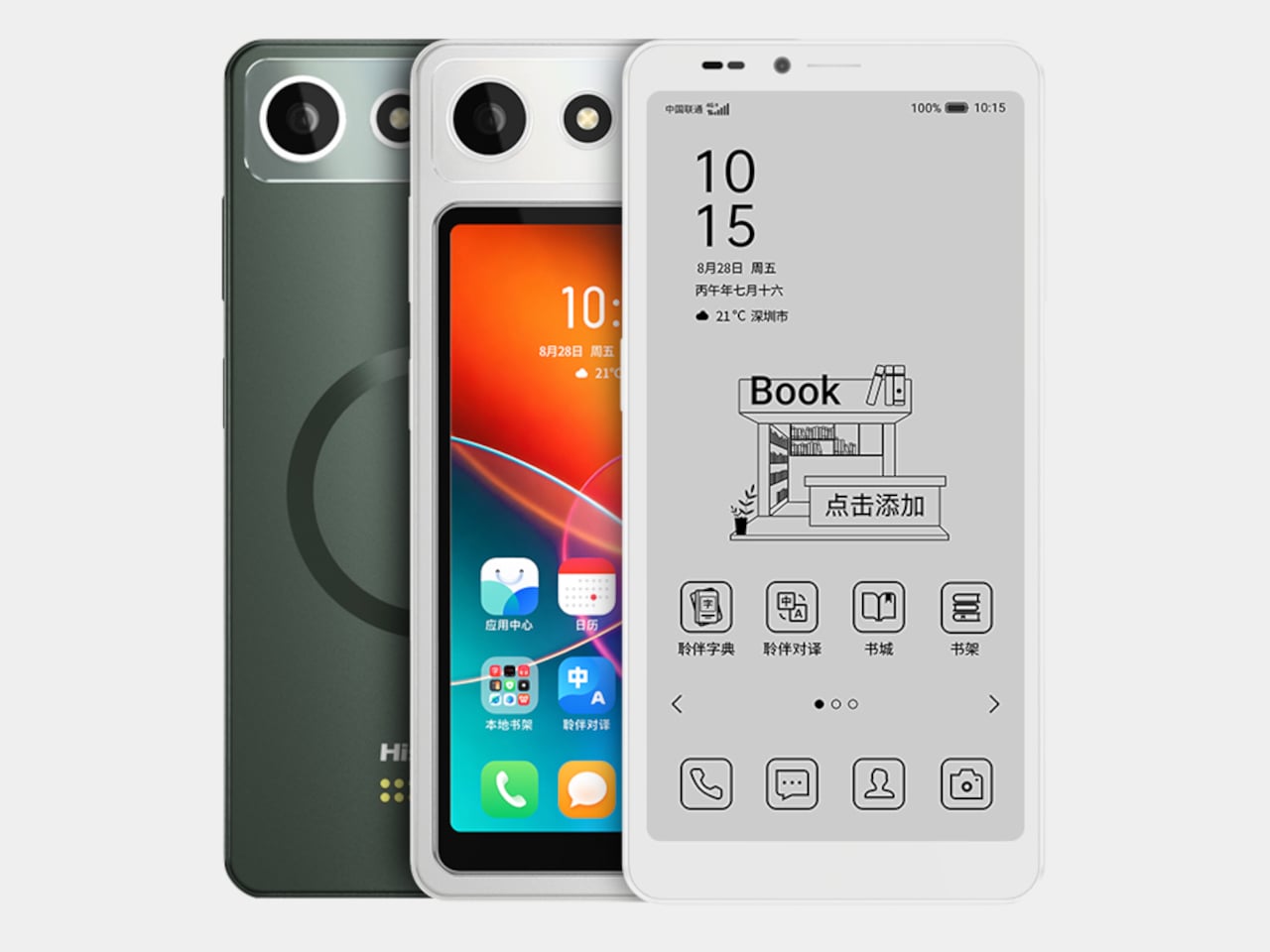

Every smartphone screen is a compromise, built to do everything reasonably well and nothing perfectly. The Hisense A10 Ultra rejects that premise outright. Instead of one panel stretched thin across every task, it pairs a 6.13-inch E Ink display with a 4.96-inch color touchscreen that clips onto the back magnetically, then walks away again the moment you don’t need it.
The E Ink layer is the phone’s permanent identity, a 300 PPI Carta 1300 panel that renders text with the same paper-like calm as a dedicated e-reader. A 36-level front light shifts between warm and cool tones without flickering, so a page read at noon and one read at midnight both stay comfortable on the eyes. Nothing about this half of the phone asks for your attention beyond what you came to read.
Designer: Hisense
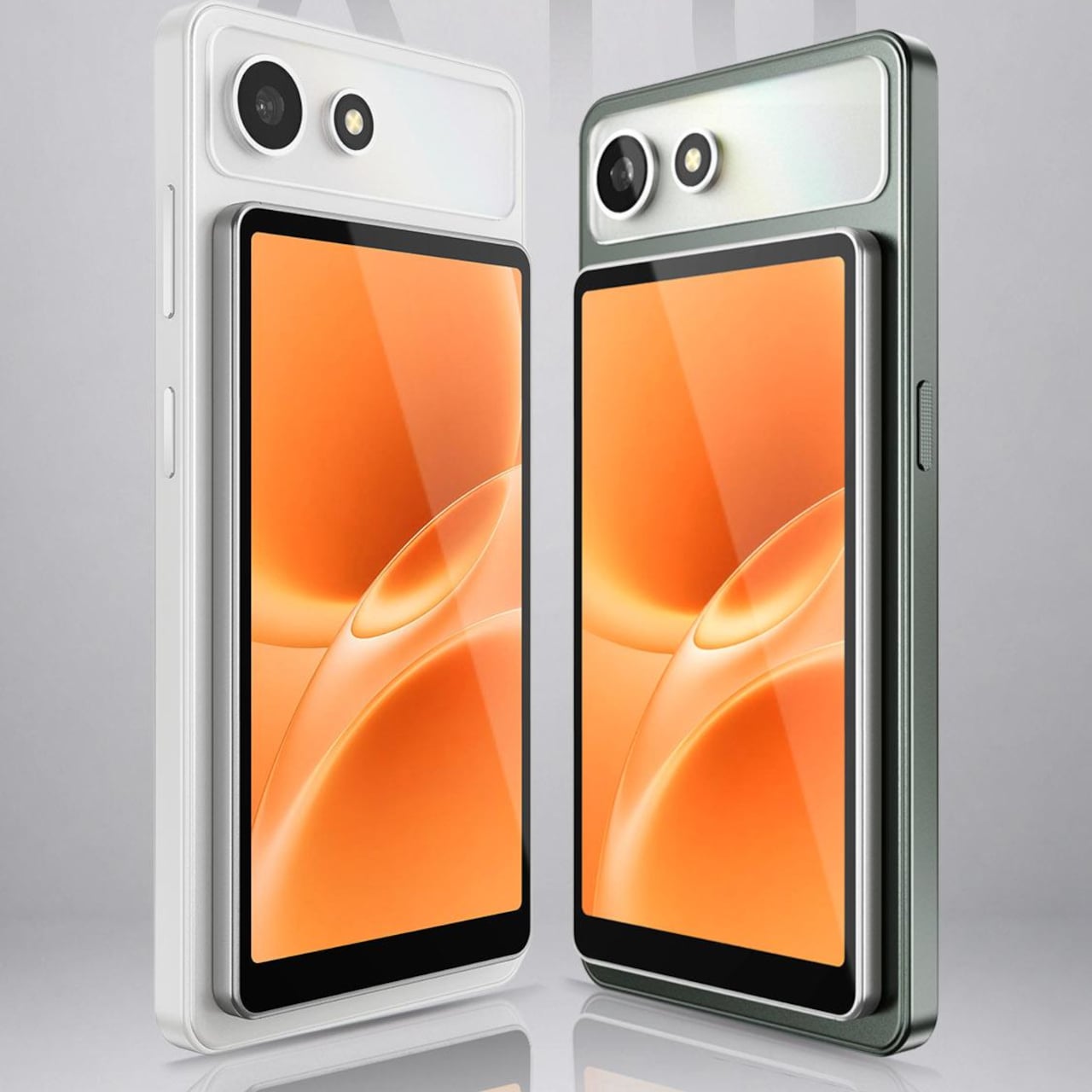

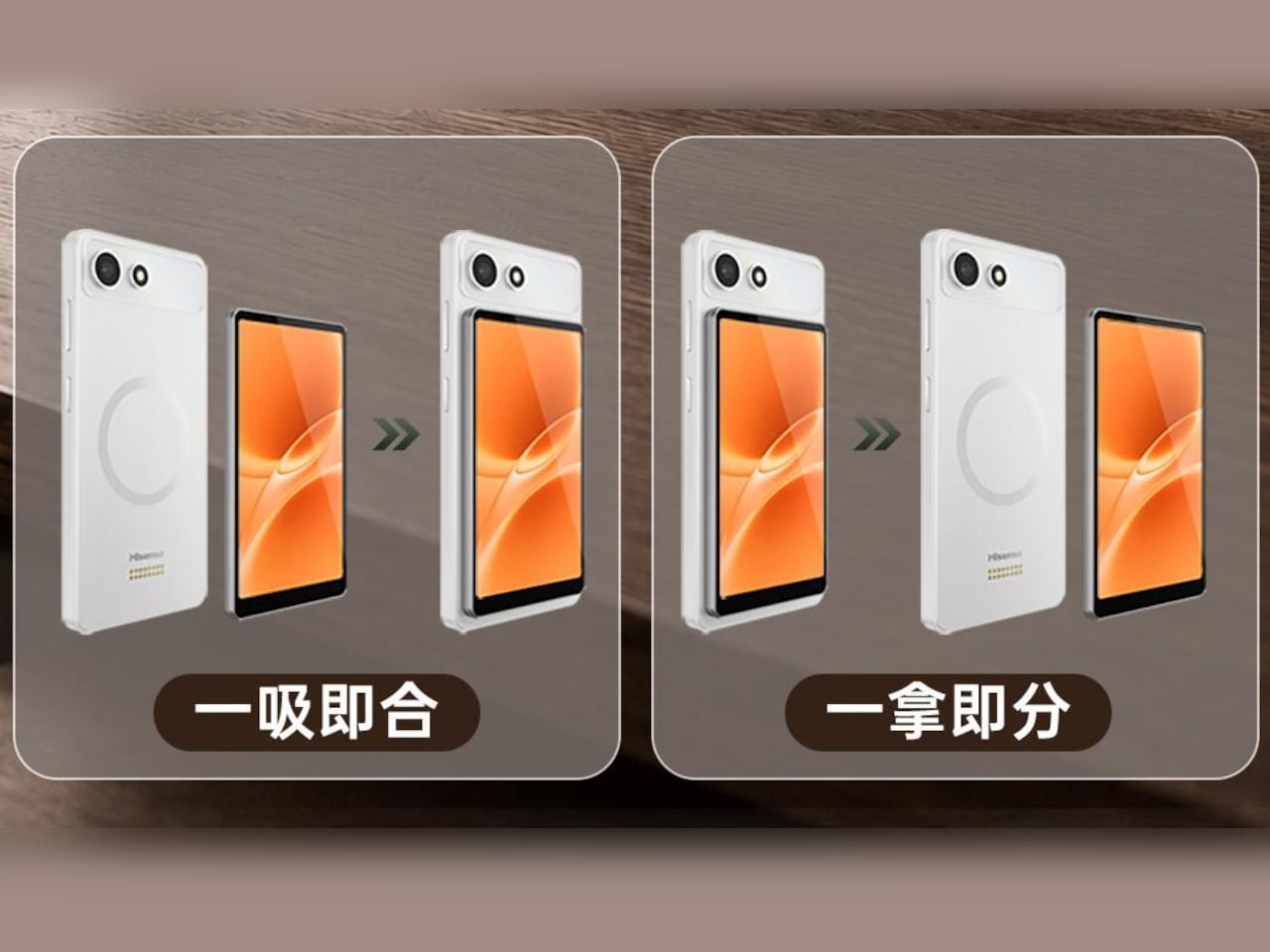
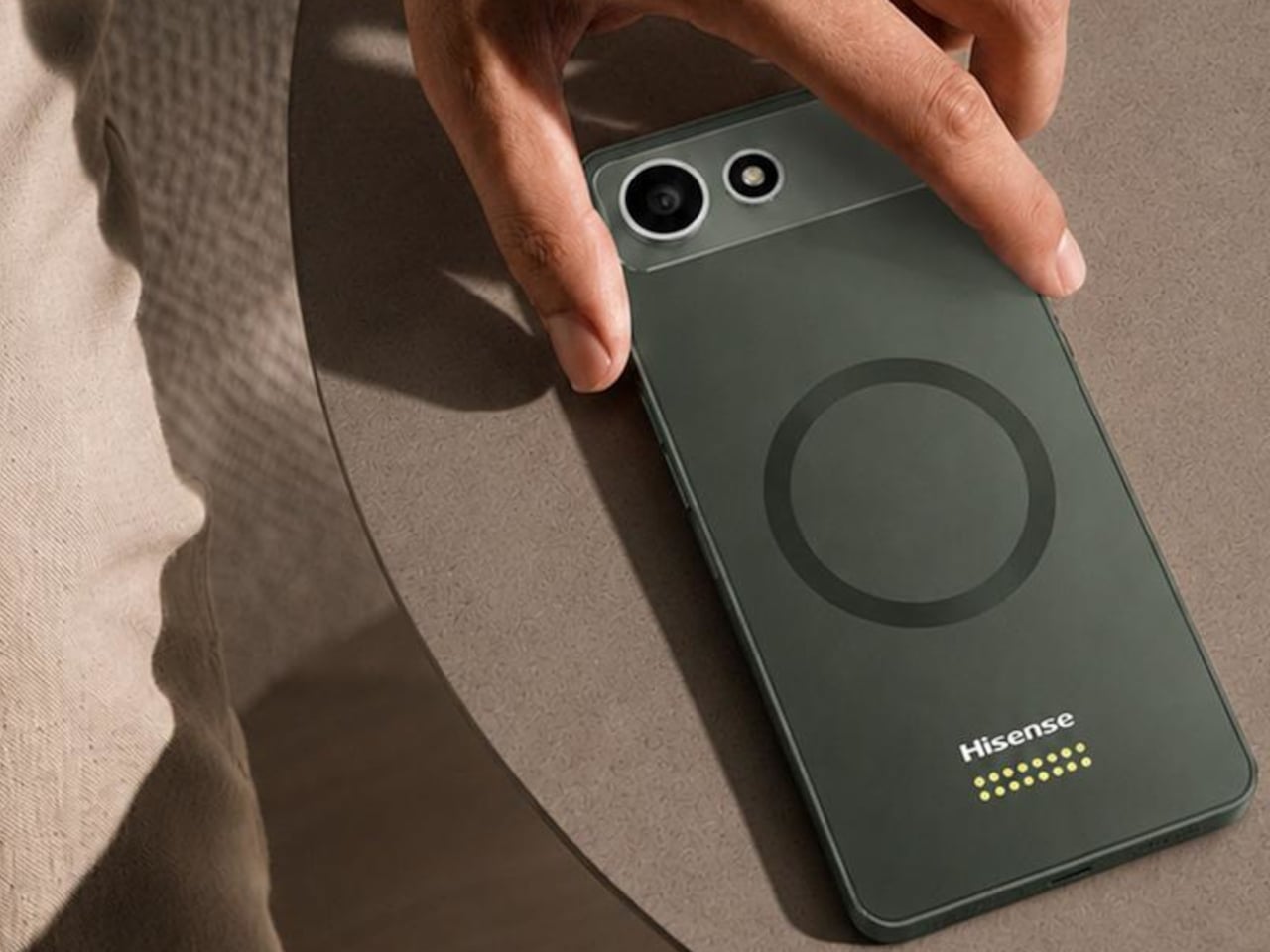
Snap the color module onto the back, held by magnetic pogo pins, and the same device suddenly handles video, maps, and camera framing without fighting the E Ink panel’s slower refresh. A dedicated T2000 controller chip in the main display keeps scrolling responsive, but color and motion still belong to the LCD module. The two screens divide labor instead of splitting attention, which is a distinction worth sitting with.
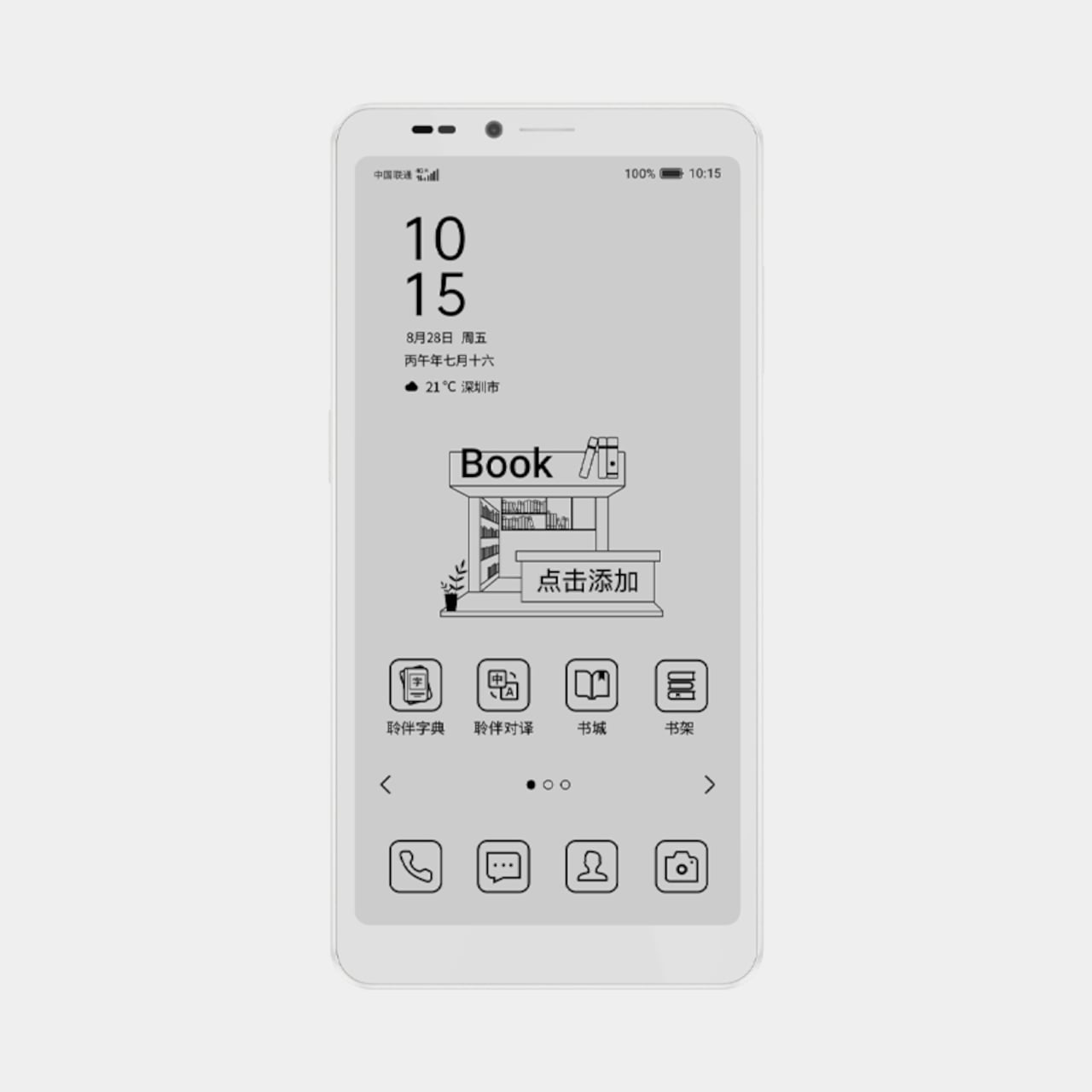
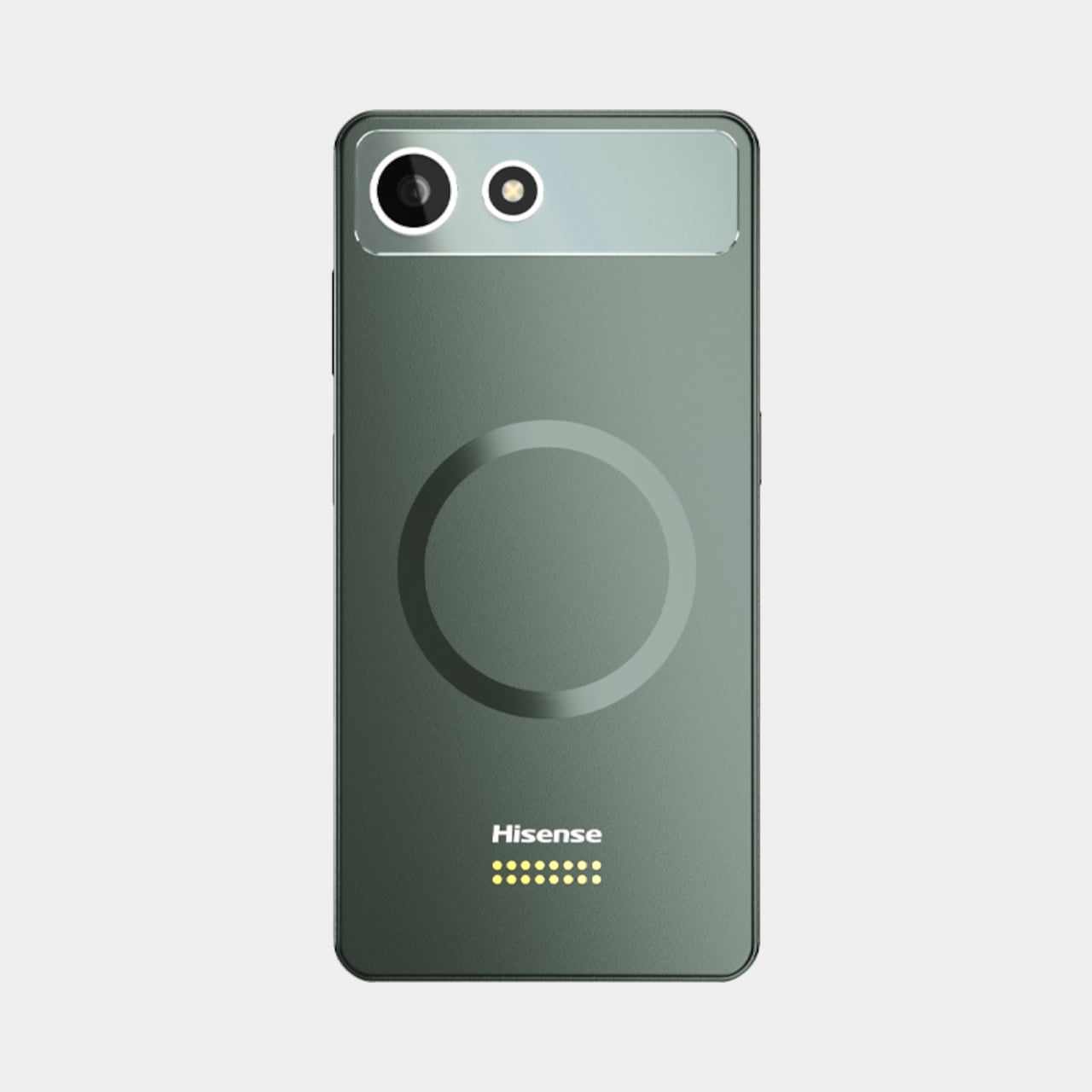
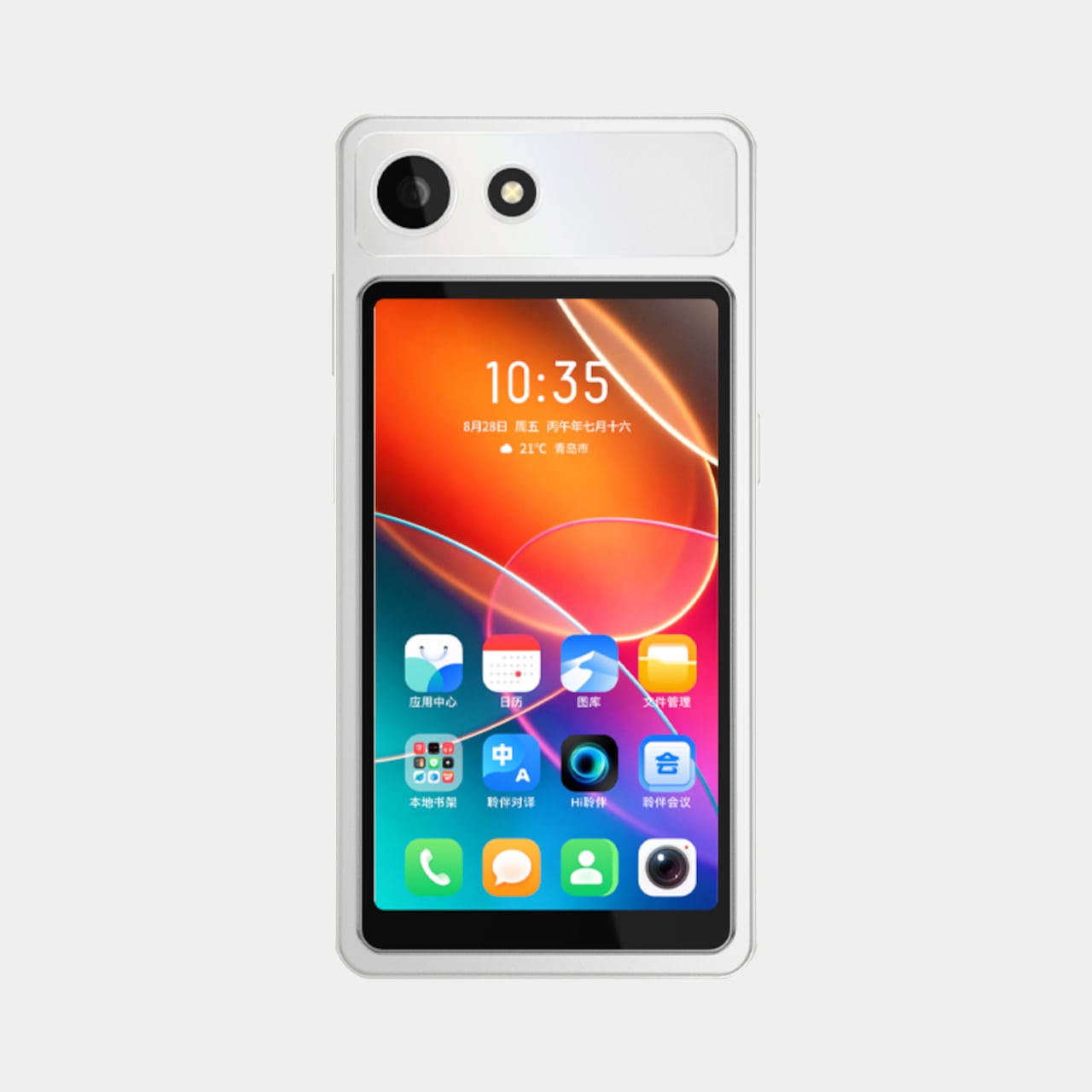
Imagine spending a long commute finishing a chapter on the E Ink side, then arriving at a destination and needing turn-by-turn directions or a quick selfie. Rather than tolerating a grayscale map or waiting through refresh lag, the color module goes on for exactly as long as the task requires. Afterward, it comes right back off, and the phone returns to its lighter, quieter default state around 190g.
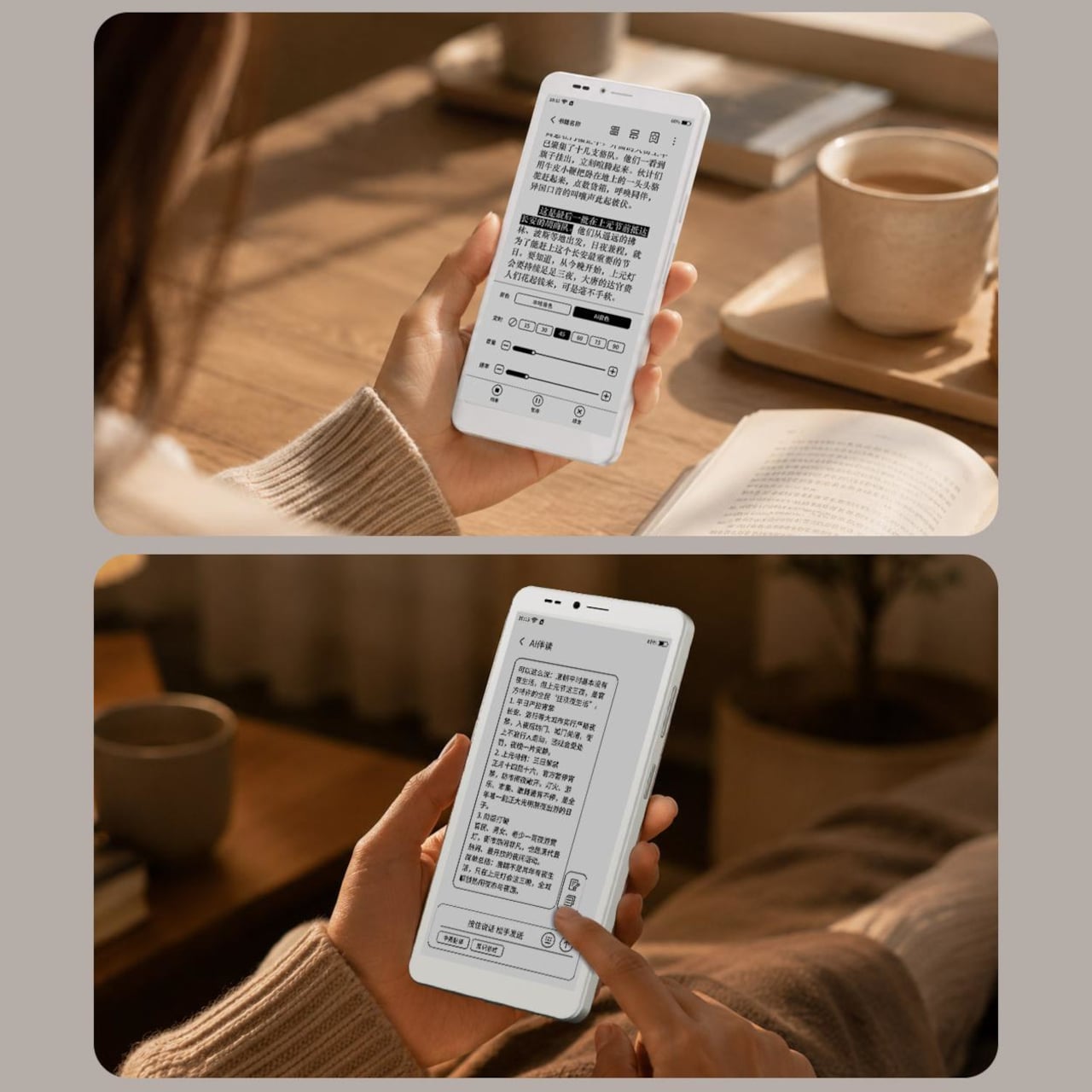
That detachability is the real design statement here. Most phone makers treat a second screen as permanent architecture, bolted in and powered whether you use it or not. Hisense instead treats it as optional equipment, closer to a lens you’d attach to a camera than a component soldered into a chassis. The color panel exists for exactly the moments that call for it, then disappears when it doesn’t.

An “Ink Smart Button” on the side backs this up practically, letting you switch modes, wake an assistant, or force a full refresh without digging through menus. Paired with a Qualcomm QCM6690 processor, up to 12GB of RAM, and a 4,000 mAh battery, the hardware underneath doesn’t feel like an afterthought bolted onto a gimmick. It reads more like a phone that happens to know when to get out of its own way.
There’s something clarifying about a device willing to admit that no single screen does everything well. The A10 Ultra doesn’t try to hide that tension behind clever software or a single do-it-all panel. It just hands you the two halves separately and lets you decide, task by task, which one earns a place on your phone that day.