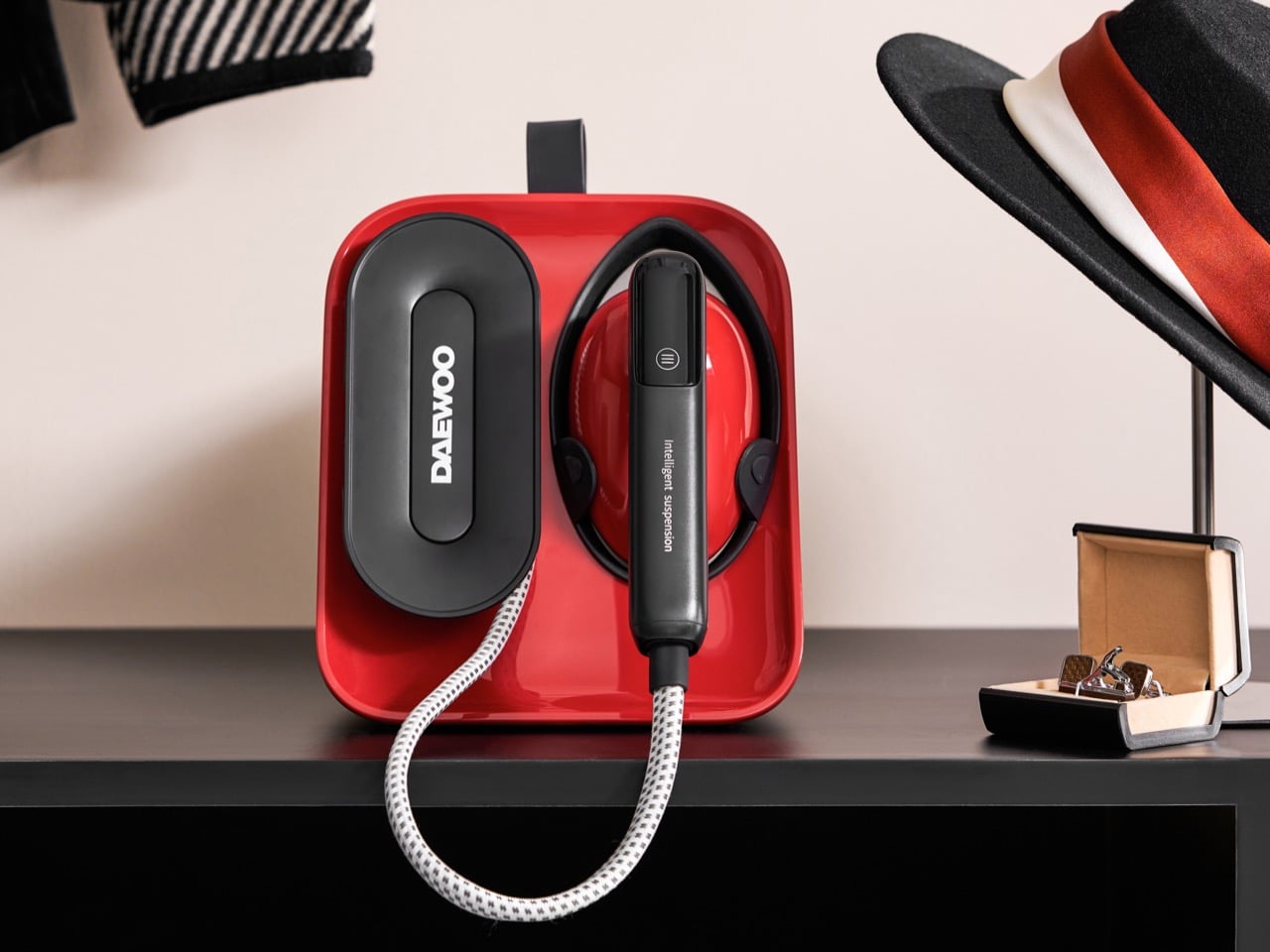

Daewoo’s Rose Portable Iron collapses into the profile of a classic clothes iron, except there’s no soleplate anywhere on it. The red dome is a 550kPa steam head that never touches your shirt, and the whole assembly parks on a desk in the footprint of a sheet of A4 paper. The black wand tucks flat against the body when you’re done, closing everything into one clean shape instead of leaving cords and heads scattered around. Fold it up and you get a glossy red teardrop that looks like it belongs on a shelf next to your hats and cufflinks, not shoved in a closet with the vacuum. It might be the best looking iron I have ever laid eyes on, full stop.
That’s kind of the point. Ironing has looked the same since your grandmother’s era, hot metal, heavy arm, burnt fingertips optional. Daewoo took the silhouette everyone recognizes and gutted the inside, swapping pressure for a fine mist of high pressure steam that hovers over the fabric instead of flattening it. The project comes out of Guangdong Daewoo’s in-house design team under Wang Jun, and it won Top Design honors in the Home Appliances: Small category at the 2025 European Product Design Award, a competition that judges shipping products rather than sketches. It’s a weird little magic trick, and somebody clearly thought it deserved a trophy for pulling it off.
Designer: Guangdong Daewoo Design Team
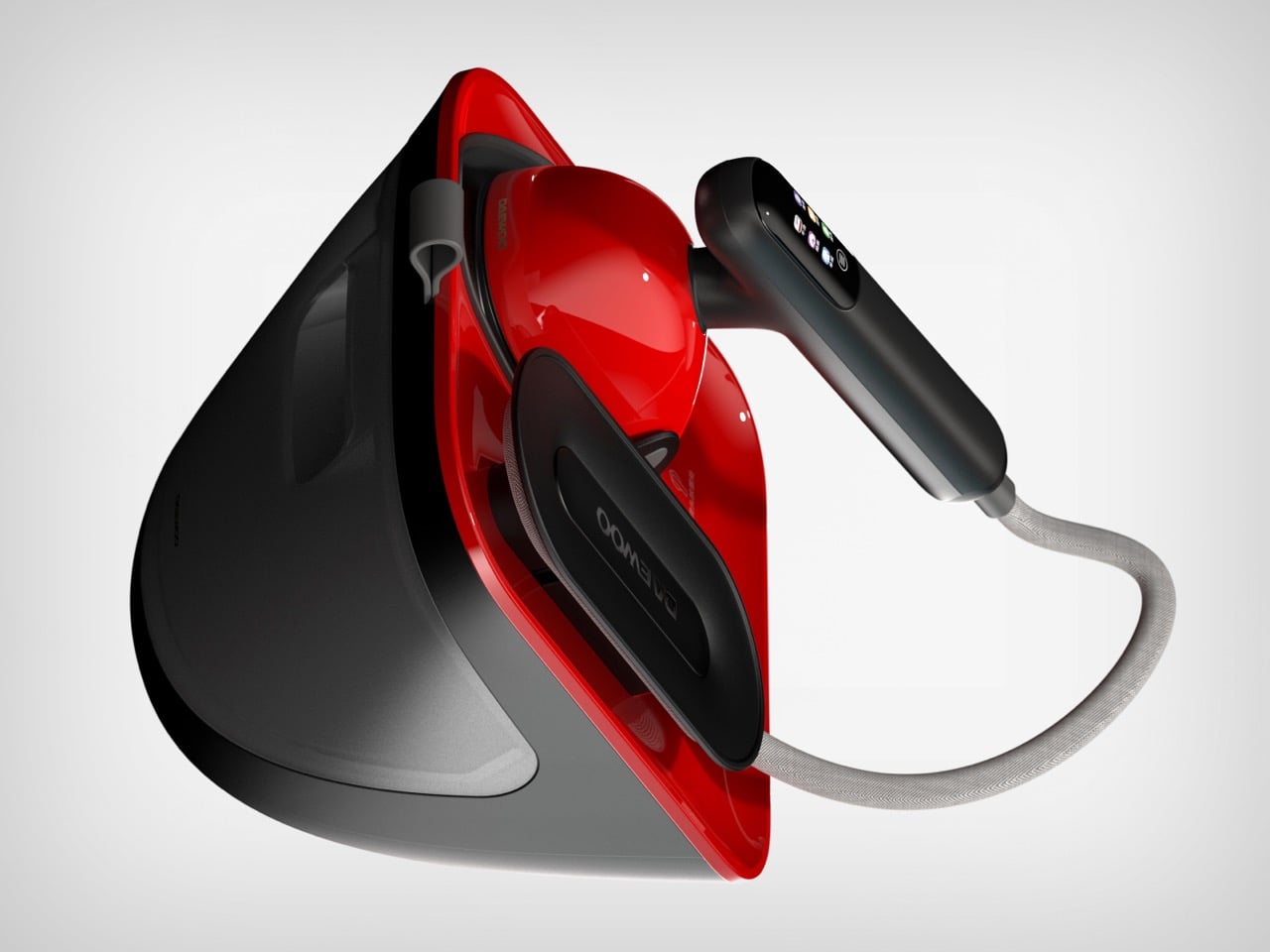
Design history has a name for this trick, skeuomorphism, when a new object borrows the shape of what it’s replacing so people instinctively know what to do with it. Digital cameras kept the shutter click, and early e-readers animated a page turn, small gestures borrowed from objects they were busy erasing. The Rose runs that instinct backward, keeping the exact wedge shape of a clothes iron even though nothing inside actually presses fabric anymore. It’s a strange kind of respect for a shape nobody thinks about, right up until someone guts everything underneath it and leaves the outline alone on purpose. The result looks familiar enough to trust and strange enough to stop your thumb mid-scroll.
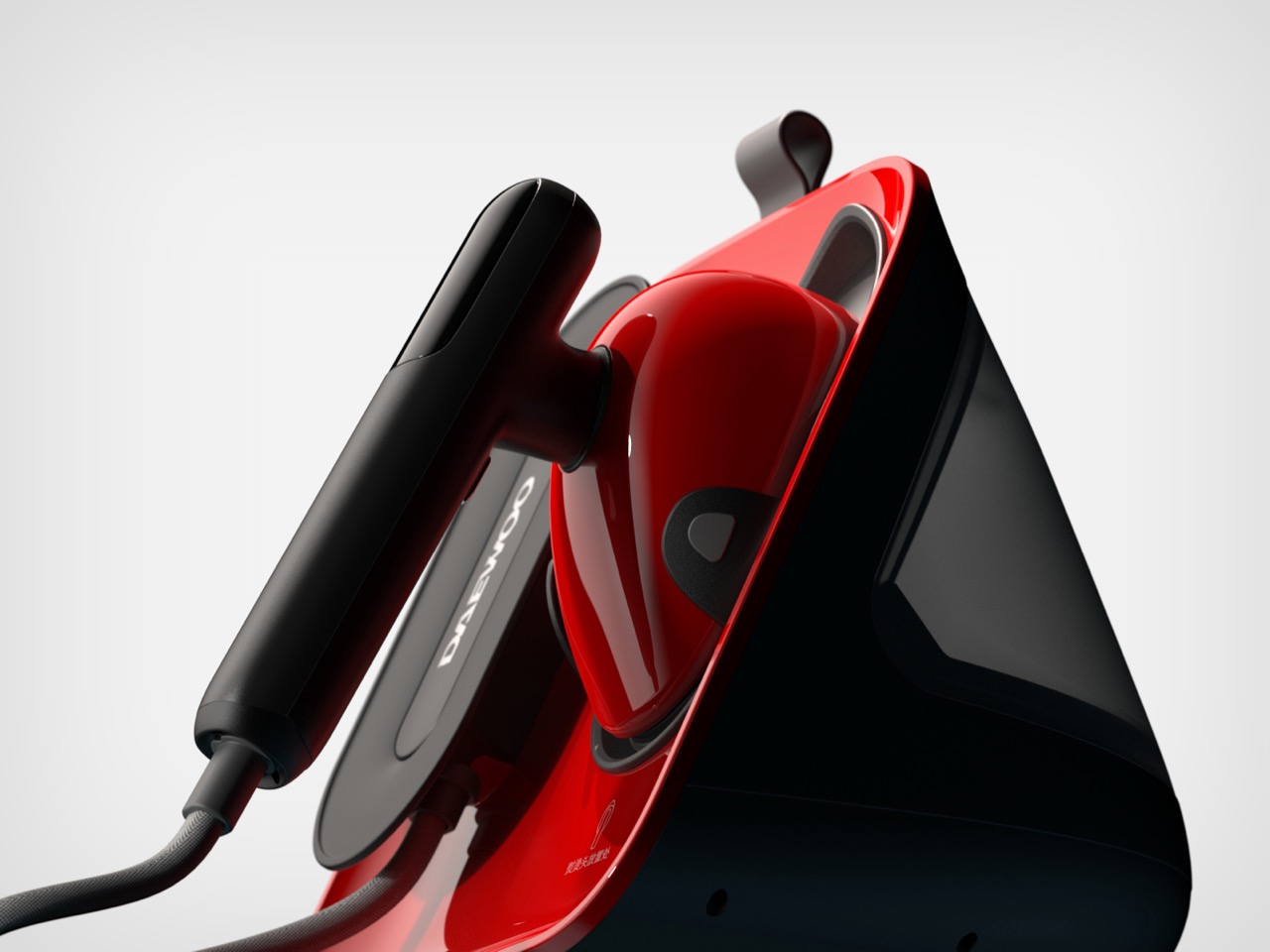
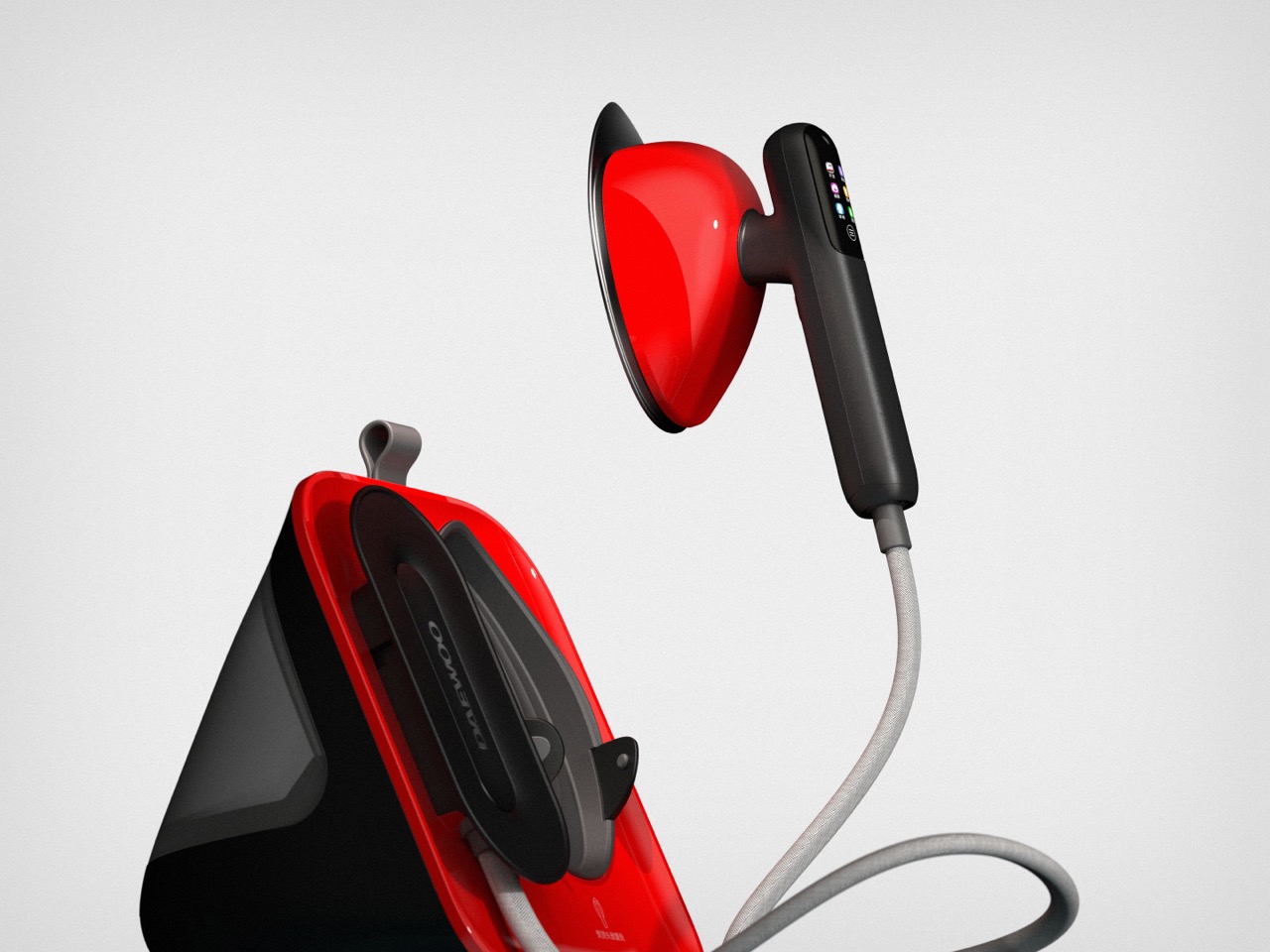
Inside that dome is the actual news. A 550kPa pressurized system pushes steam through five stages of vaporization, dense enough to punch through fabric fibers without soaking them, so clothes come out warm and dry rather than damp. Daewoo’s own demo shows the head steaming a balloon without popping it, which is either a fun party trick or genuinely reassuring if you own anything silk. Five modes tune temperature and steam volume by fabric, running from 110°C for silk up to 210°C for wool, with a narrower precision tip built for touchy spots like coat buttons. None of that matters if the thing scorches your favorite shirt, but on paper, it is built to avoid exactly that.
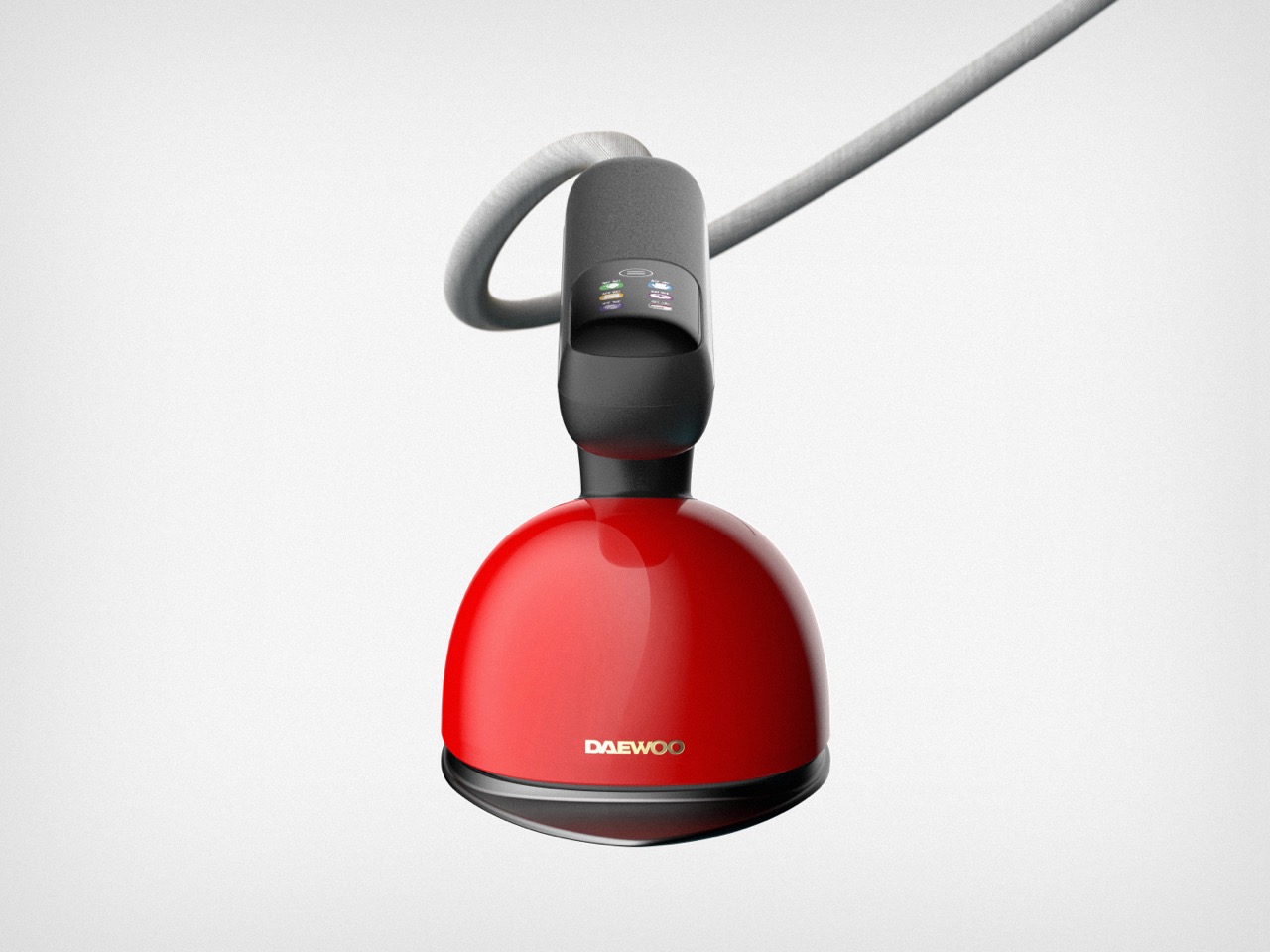
The original Daewoo chaebol collapsed into bankruptcy in 1999, and this badge now belongs to Guangdong Daewoo, a licensed China based operation with a Korean trading office attached. That is not a knock on the product, plenty of legacy names live second lives this way, but the actual design credit sits with Wang Jun’s team, not the vintage logo. It is also a corded, mains powered unit rather than a battery gadget, so portable here means light enough to carry across a room, not cordless freedom. It currently ships only in China across a small ladder of trims, working out to roughly 140 to 196 dollars depending on exchange rate. No release outside China is confirmed yet, so importing one means budgeting for a plug adapter and a converter.
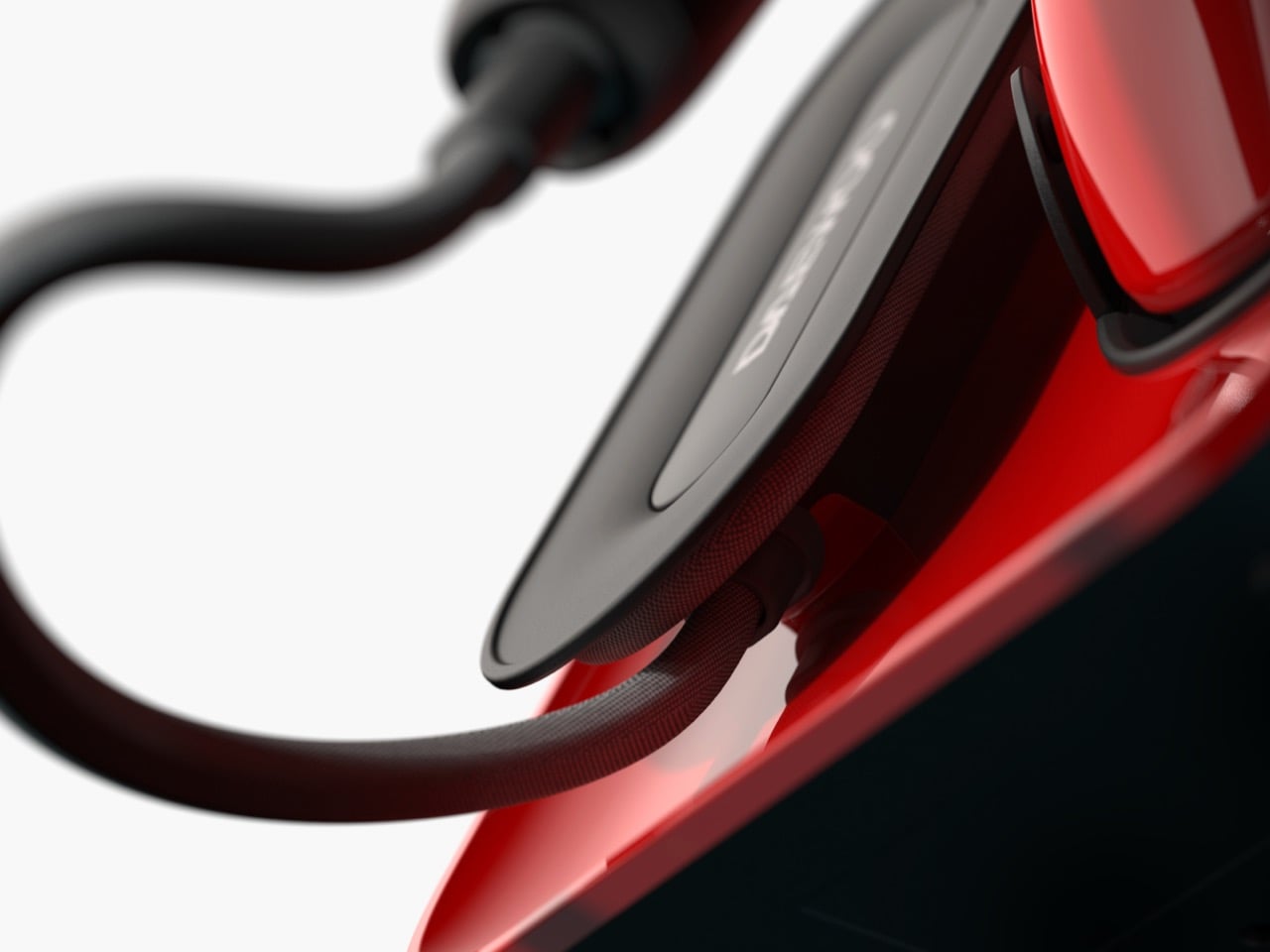
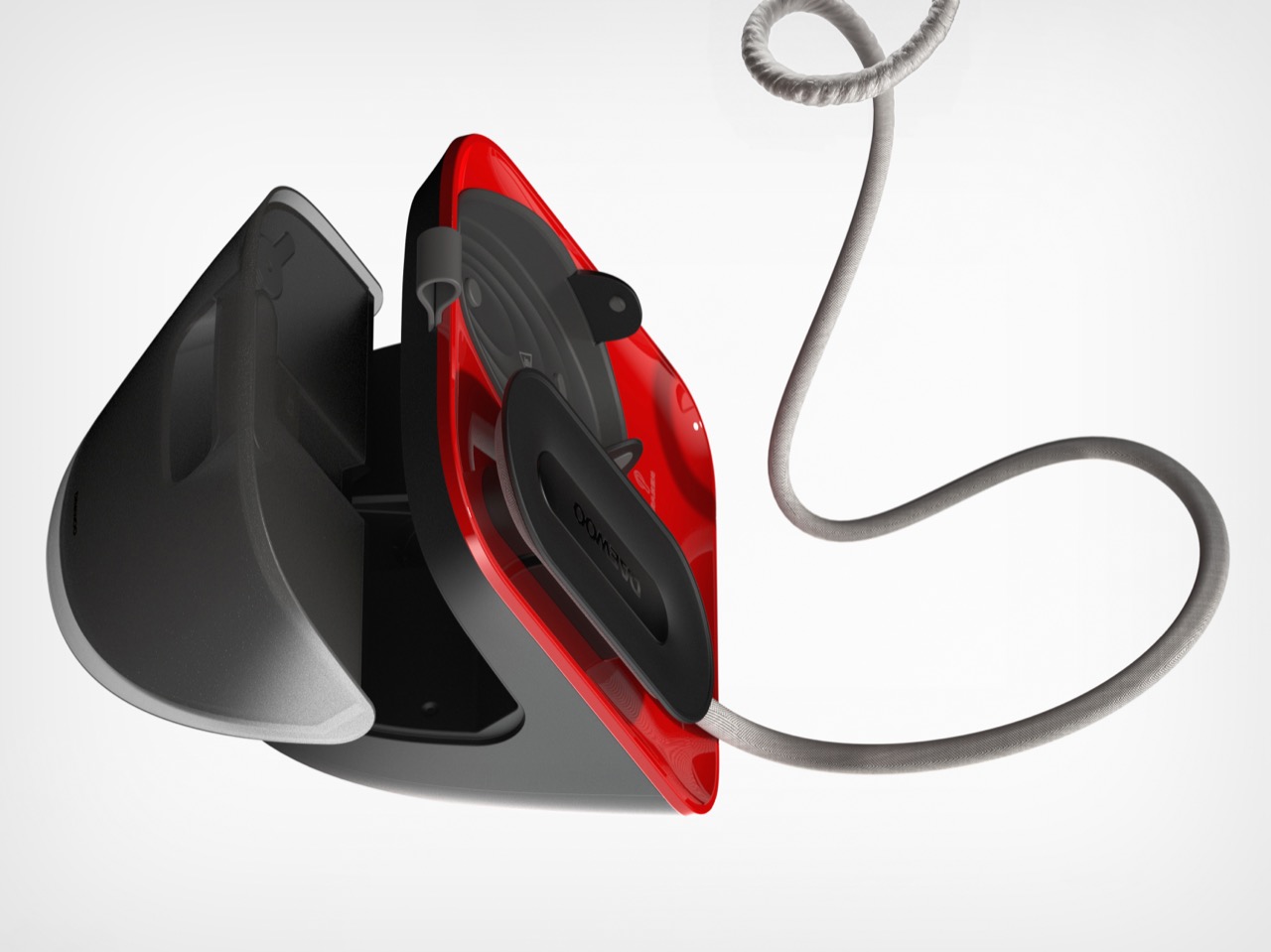

Most appliance makers chasing “reinvented” just bolt a screen onto something and call it smart. Daewoo instead looked at the single most recognizable silhouette in the laundry room and asked what would happen if everything under it changed while the outline stayed put. The answer folds down to the size of a sheet of paper and looks better on a dresser than most speakers do. Whether it actually out-irons a cheap steamer from the drugstore is a separate question nobody outside a Guangdong test lab has fully answered, but as a piece of industrial design humor, it is hard not to grin at.