
Dogs have a way of making you do things you wouldn’t otherwise do. Get out of bed on a rainy morning. Walk around the block just one more time. Stop and talk to the stranger whose dog has already decided you’re friends. That behavioral magic, the way a dog quietly anchors your day to movement and connection, is exactly what a new design concept called Lassie is trying to bottle.
Designed by Jungmin Park, Hyeonji Yang, and Junghyun Kim, and Specif.ic, Lassie is a robot companion framed not as a novelty or a tech flex, but as a genuinely purposeful object. The concept reimagines what a robot dog can be when the goal isn’t to simulate a living animal, but to borrow the social mechanics that make real dogs so quietly good for us. The distinction matters more than it sounds.
Designers: Jungmin Park, Hyeonji Yang, Junghyun Kim, Specif.ic
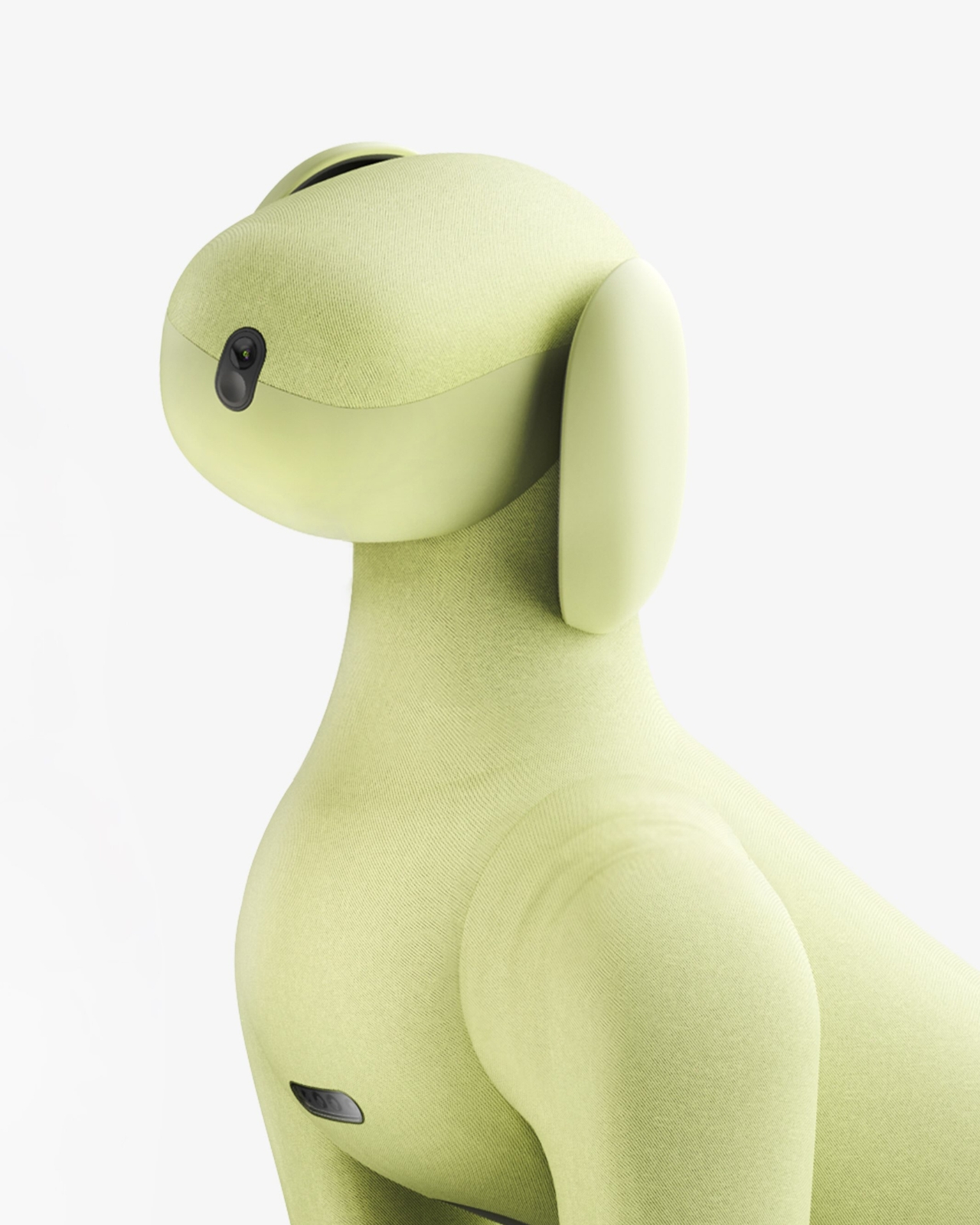

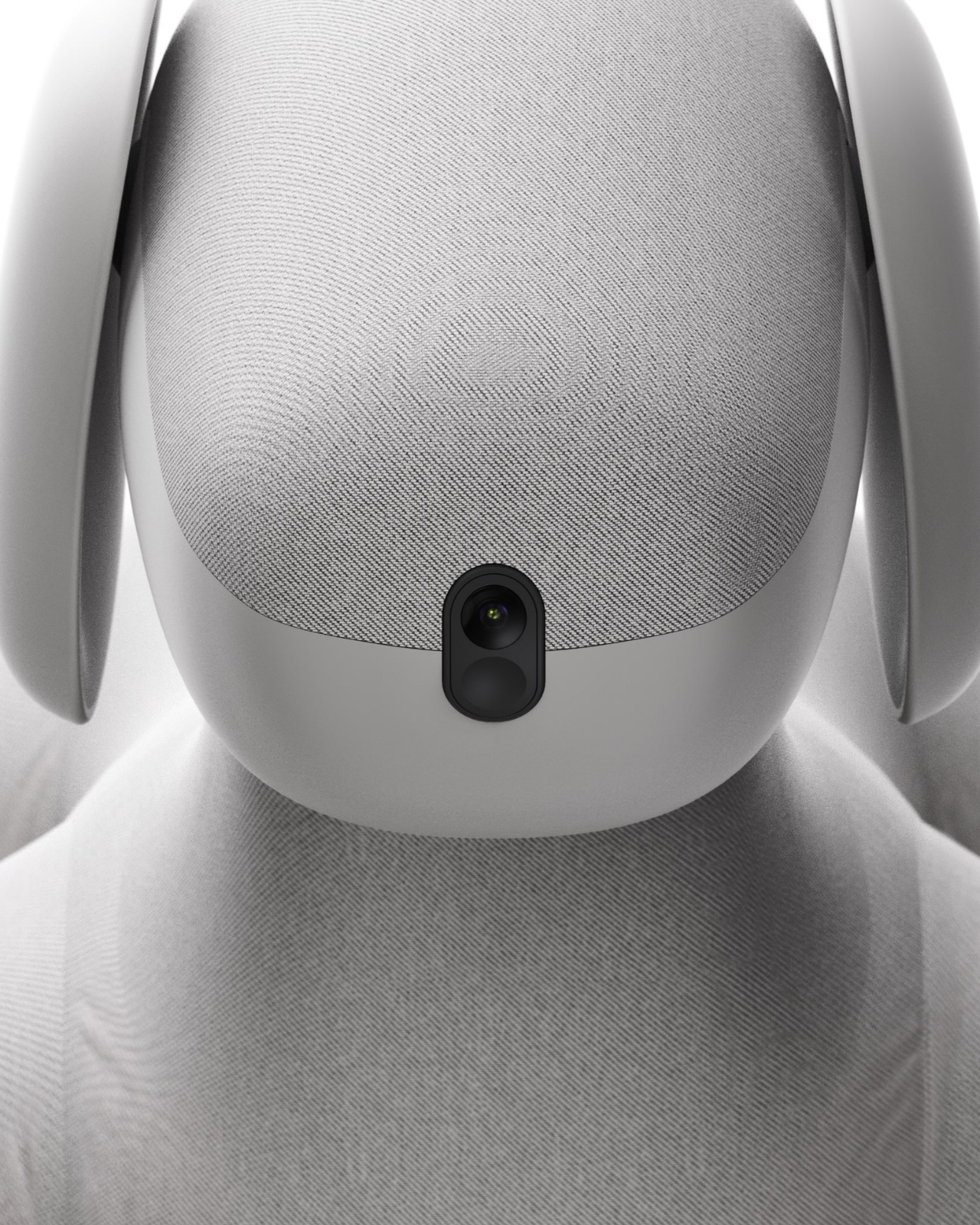
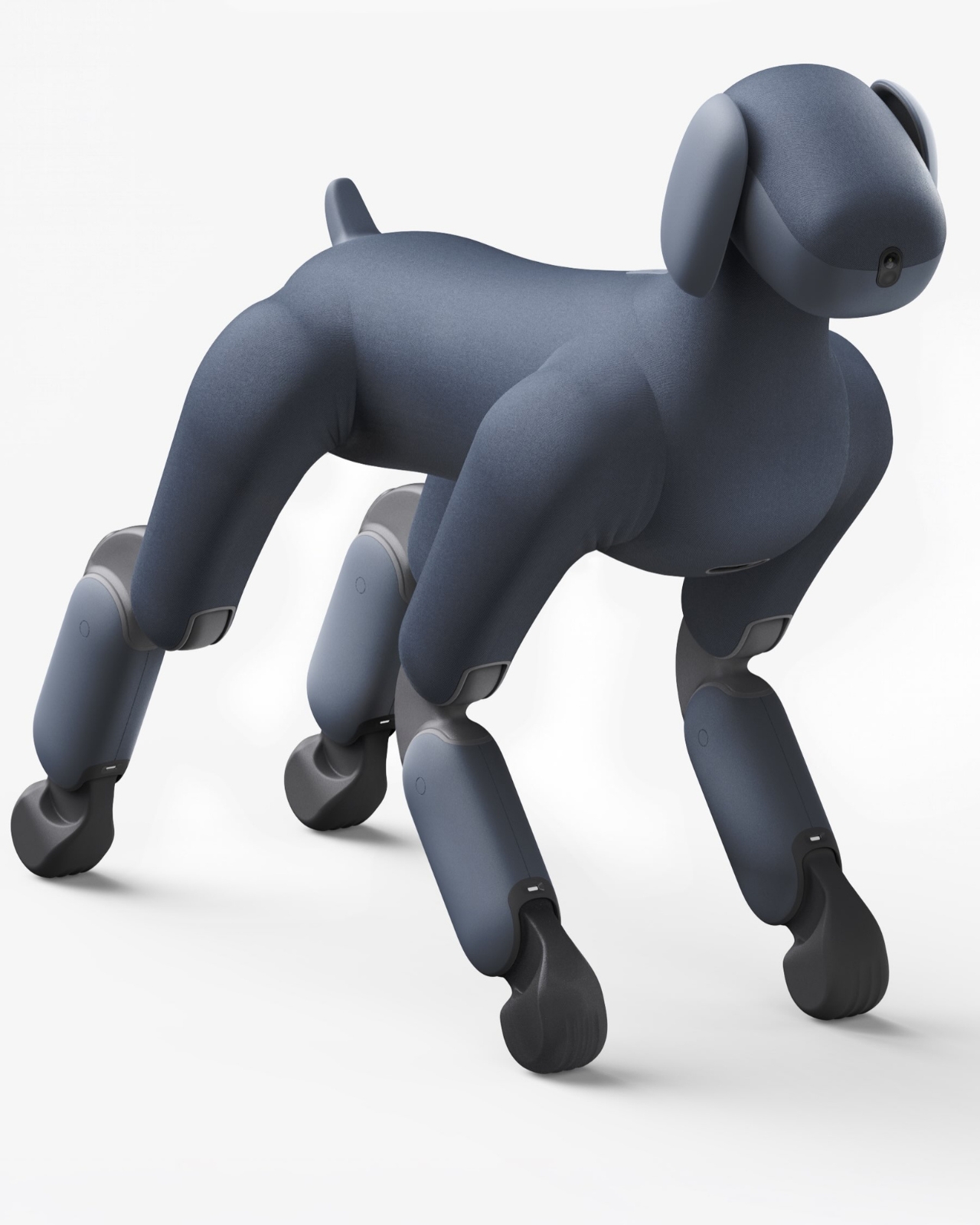
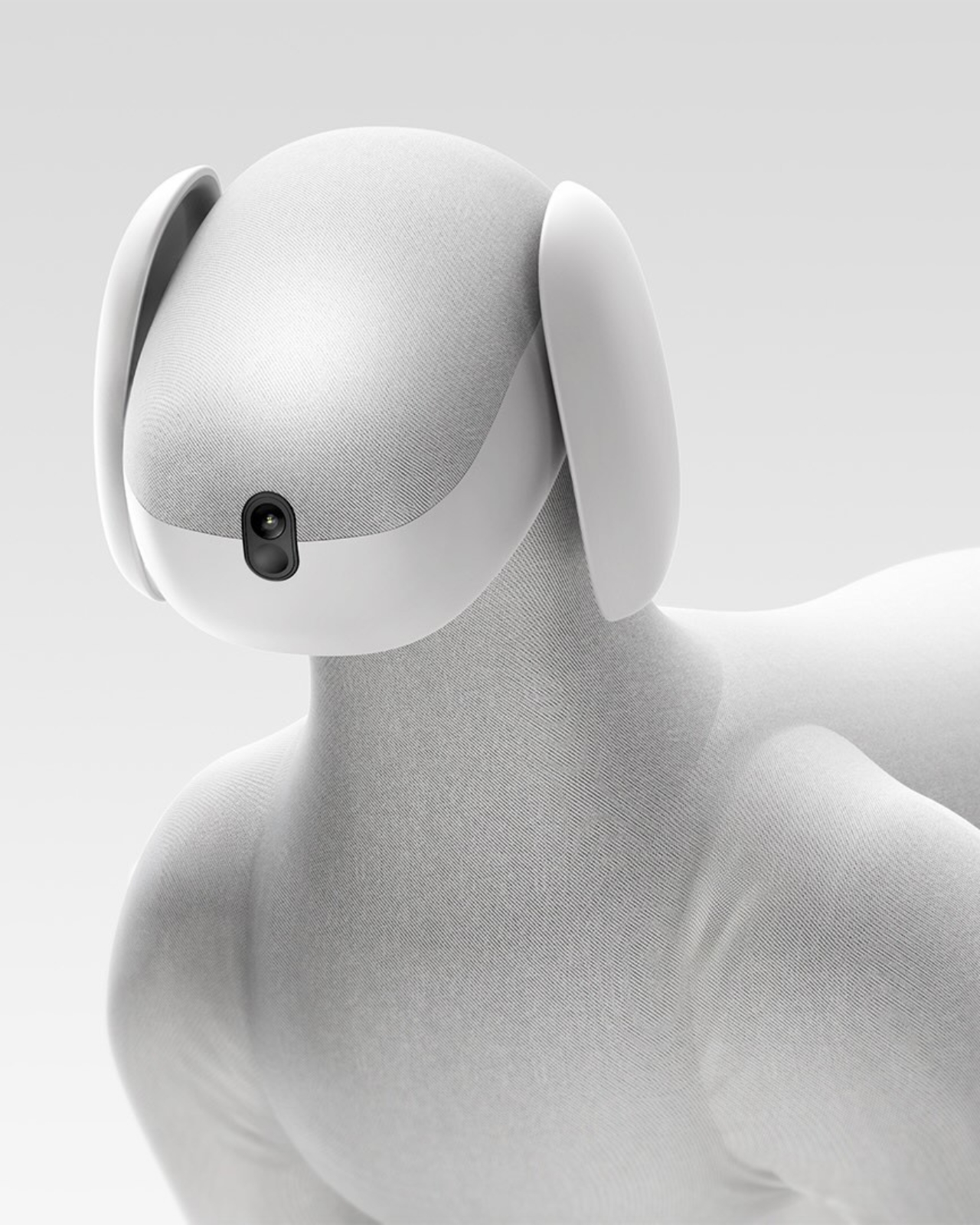
Most robot dogs on the market, from Boston Dynamics’ Spot to Sony’s Aibo, are designed to impress. They’re engineering showcases, objects that perform agility or affection in ways that feel slightly alien even when they work perfectly. Lassie takes a quieter path. Its rounded, fabric-wrapped body is soft and approachable rather than sleek and intimidating, somewhere closer to a plush toy than a machine. That’s a deliberate aesthetic choice, and a smart one. When something looks warm and familiar, people naturally engage with it differently. The texture and softness signal approachability, not capability, and in this case, that’s exactly the point.
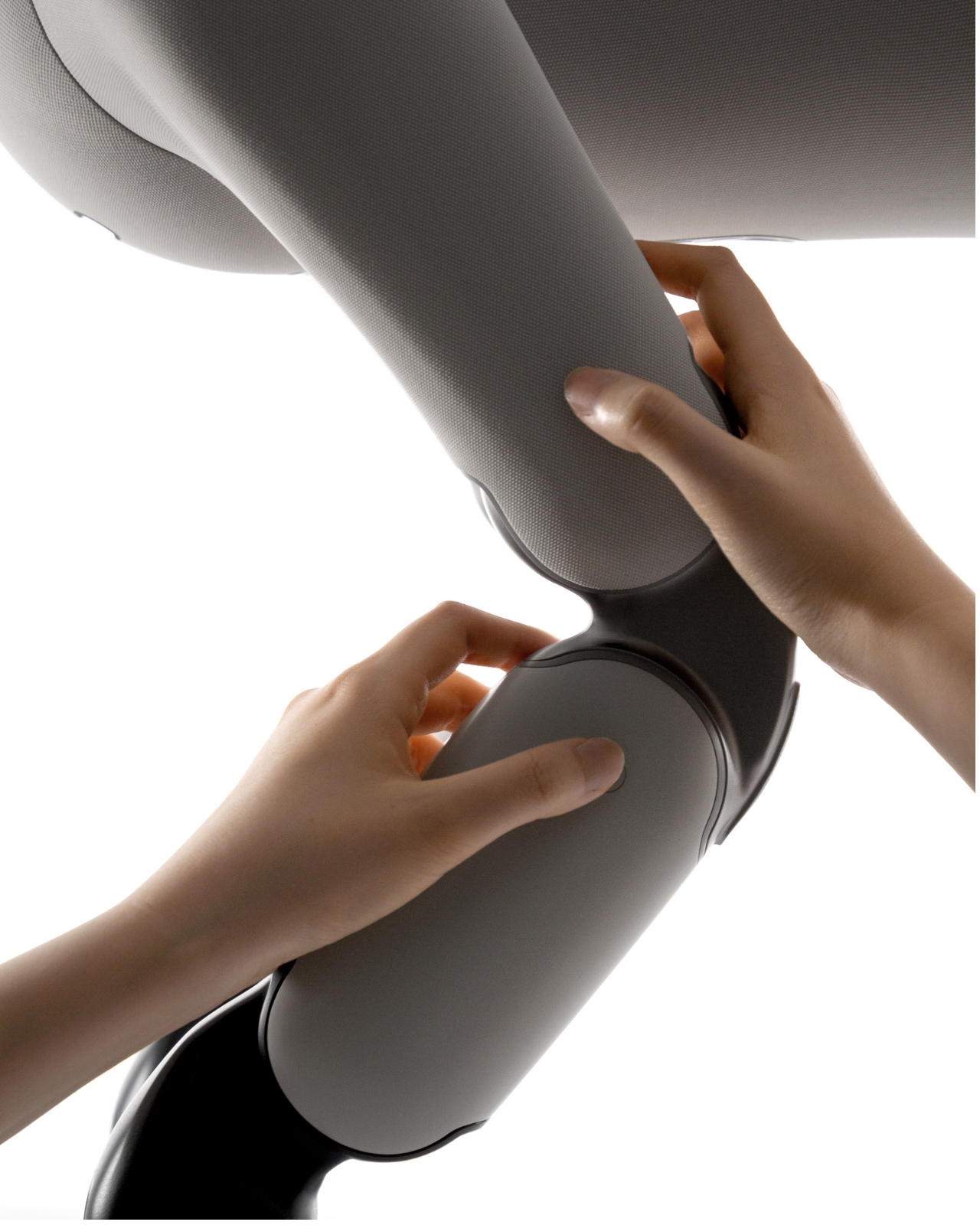
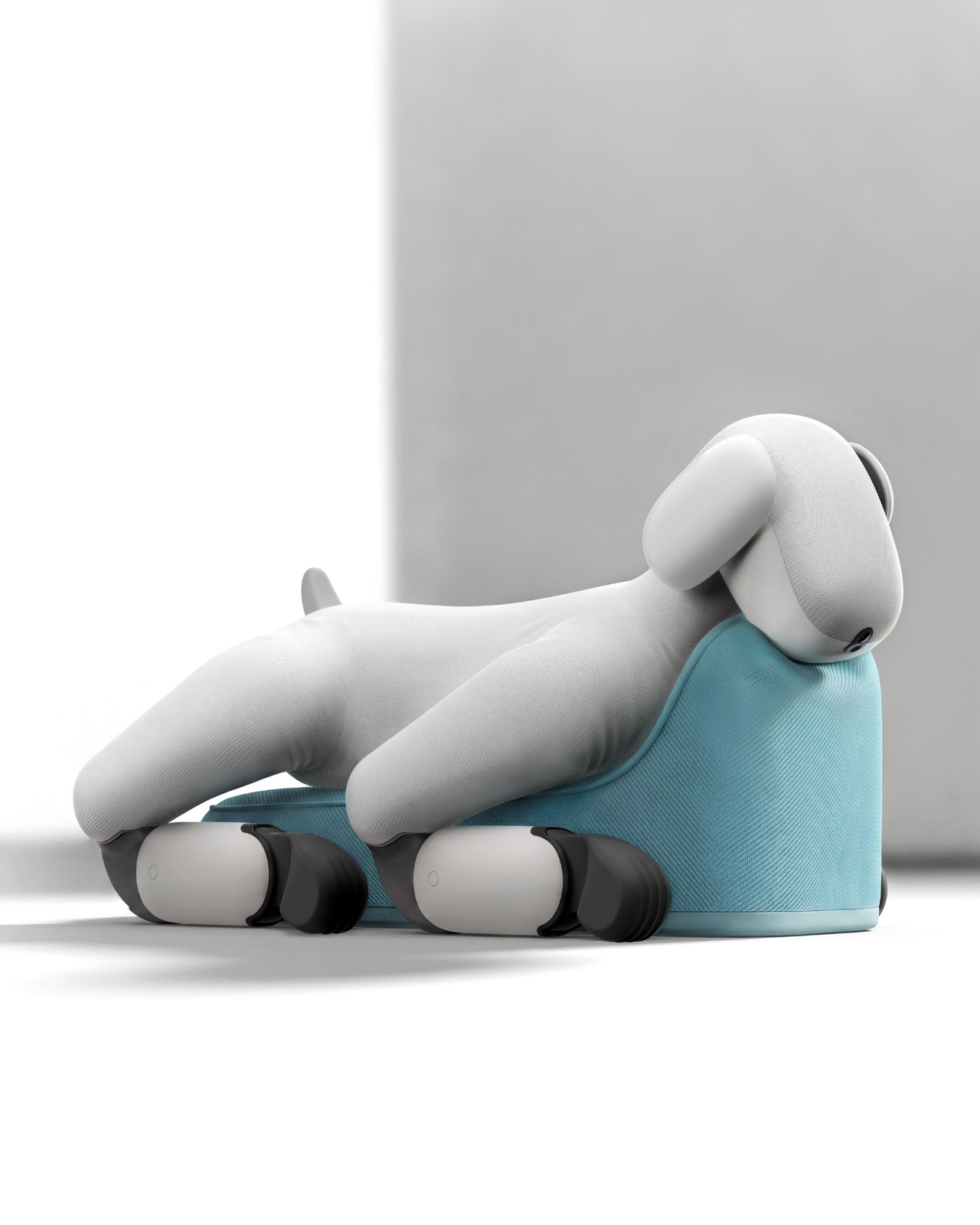
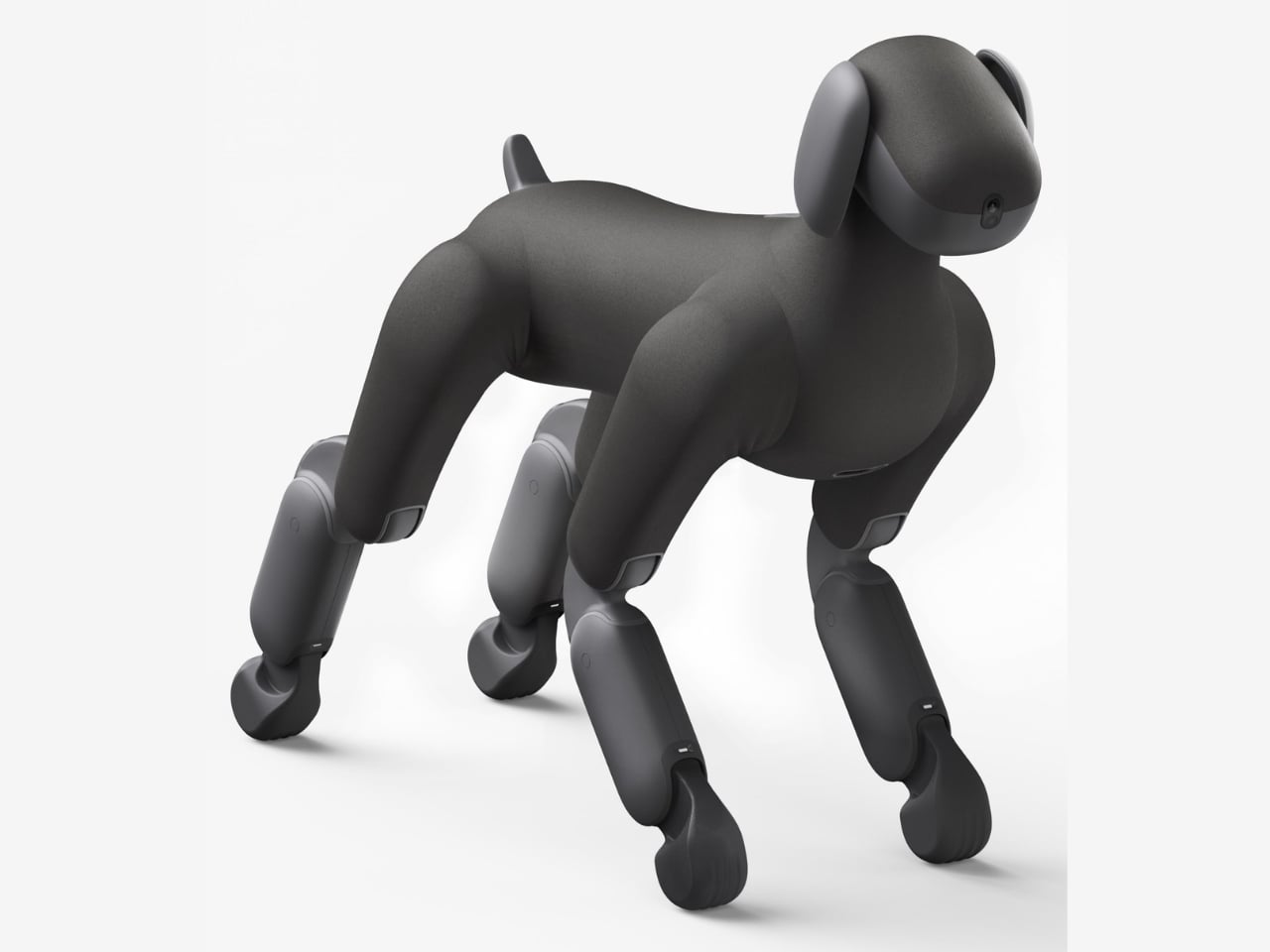
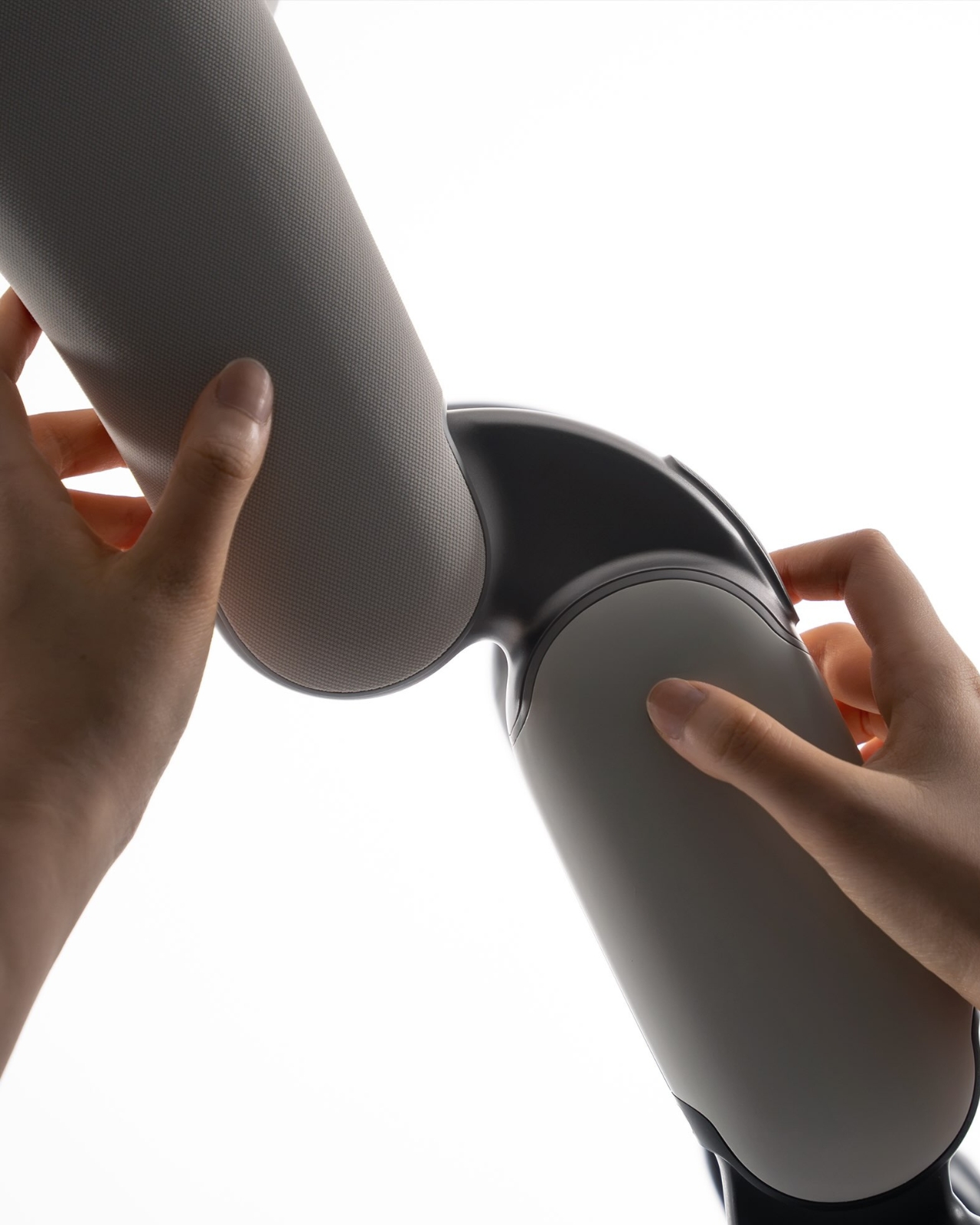
The design features customizable fabric suits and interchangeable leg modules, which means Lassie can adapt to different lifestyles and settings rather than arriving as a fixed, finished product. That modularity feels important. It signals that this isn’t meant to be a passive object you display; it’s meant to evolve with you. Whether that’s a practical consideration or mostly a design language statement at this stage, it still communicates the right values: flexibility, ownership, and personalization.
The core proposition is that Lassie encourages you to go outside, explore your city, and meet people along the way. It leans into the same behavioral nudges that real dogs provide, the social permission to be out in the world, to slow down and notice things, to become approachable to strangers. Dog owners know this phenomenon well. The dog is often less a companion than a social passport.
My instinct says this framing is sharper than most wellness tech promises, because it’s not asking you to track your steps or hit a goal. It’s asking you to have a companion. That’s a meaningfully different pitch, and one that’s considerably harder to ignore, forget, or eventually uninstall. Fitness trackers tell you what you should do. A companion, even a robot one, makes you want to do it.
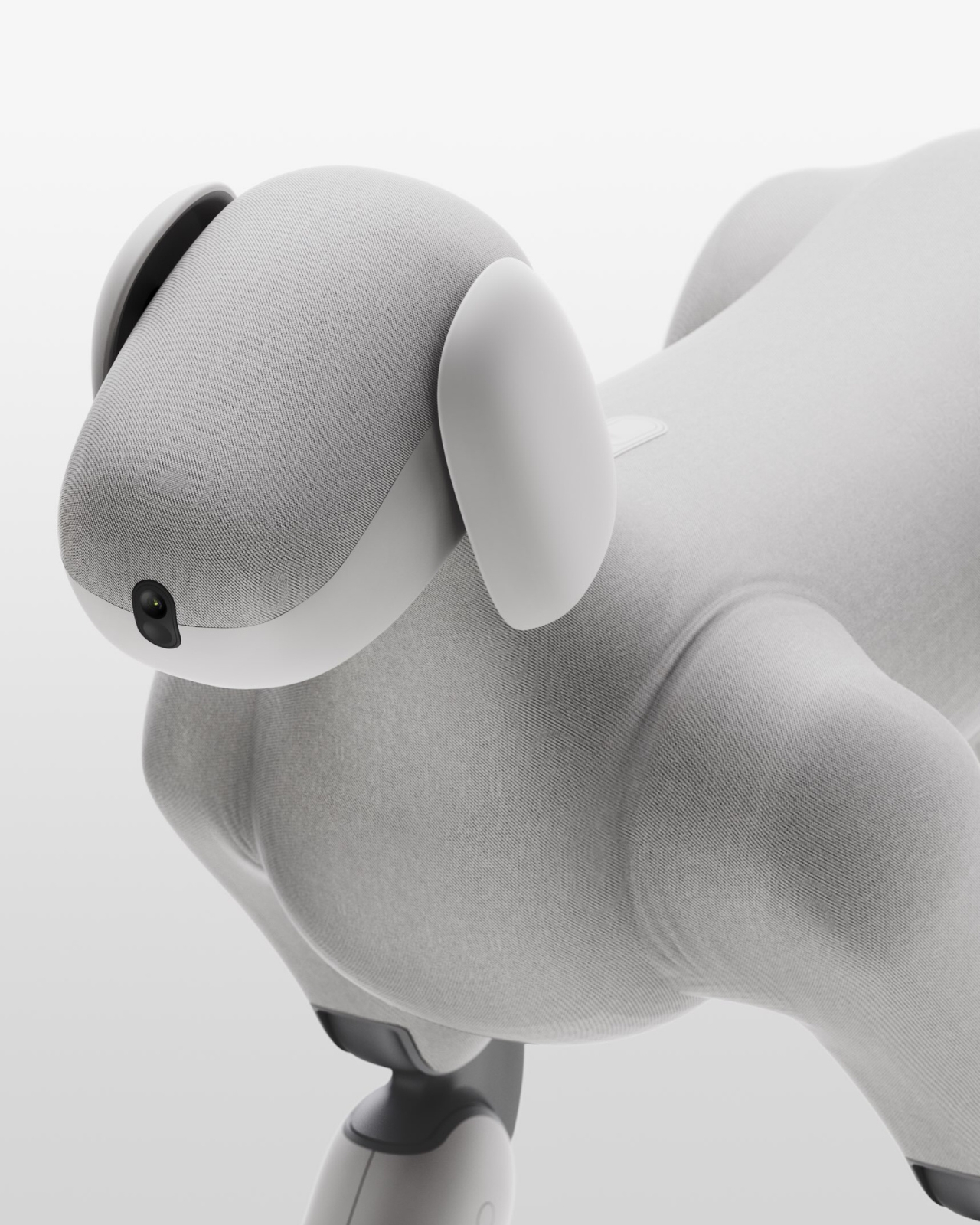
The visual language of Lassie is worth sitting with, too. Rendered in soft sage green, white, grey, and charcoal black, it occupies a quiet space between sculpture and product. The camera lens embedded subtly in the face gives it just enough presence to feel alive without trying too hard to be cute. Compared to most robot dogs, which tend to oscillate between unsettling realism and obvious plasticity, Lassie lands somewhere more restrained and genuinely considered.
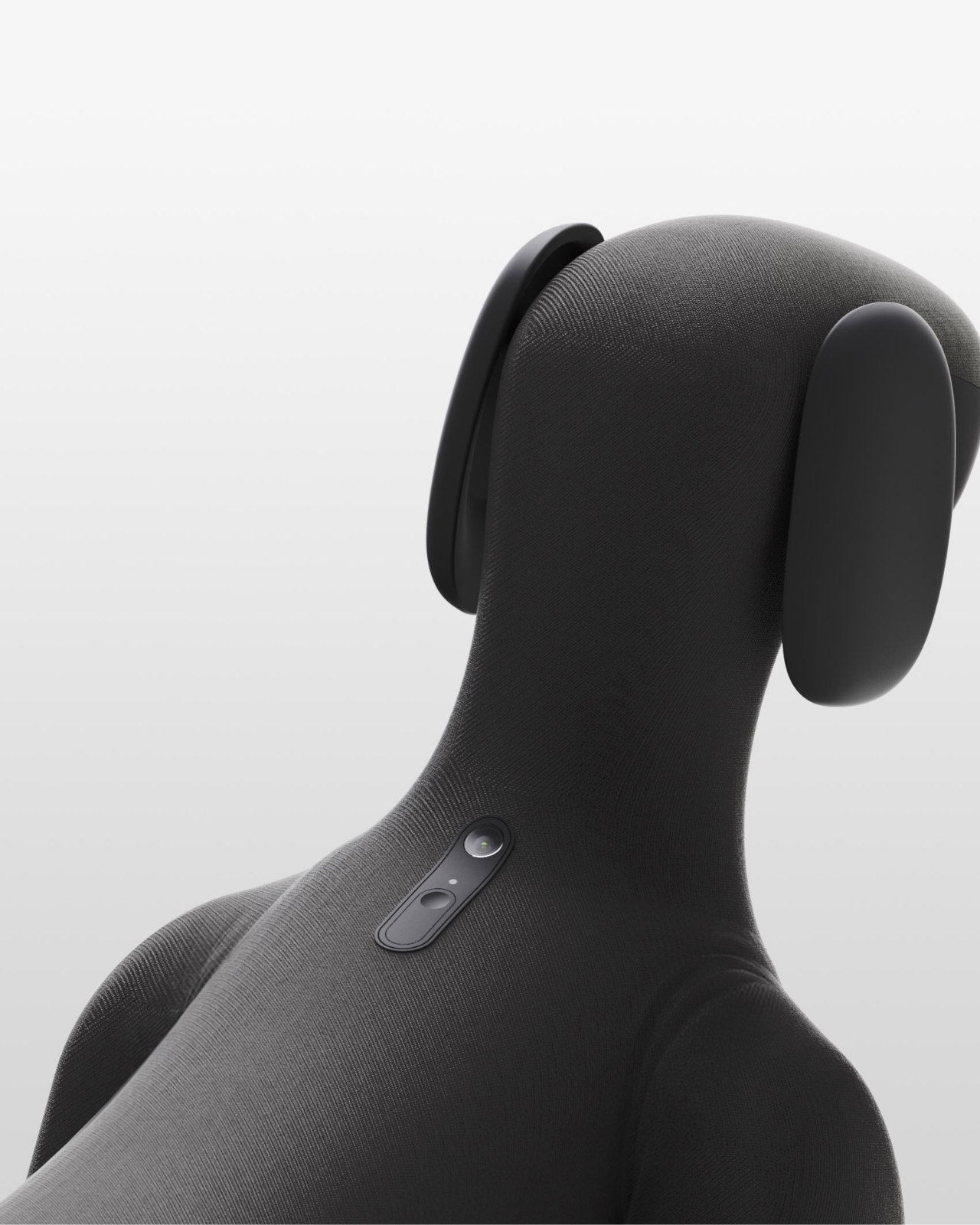
The real test, of course, is whether any of this holds up beyond concept renders. Robotics is littered with beautifully designed ideas that quietly disappear before reaching a single living room. But the thinking behind Lassie doesn’t feel like it needs a fully functional robot to prove its point. The question it’s posing, about what we actually want technology to do for our physical and social lives, is exactly the right one to be asking right now.
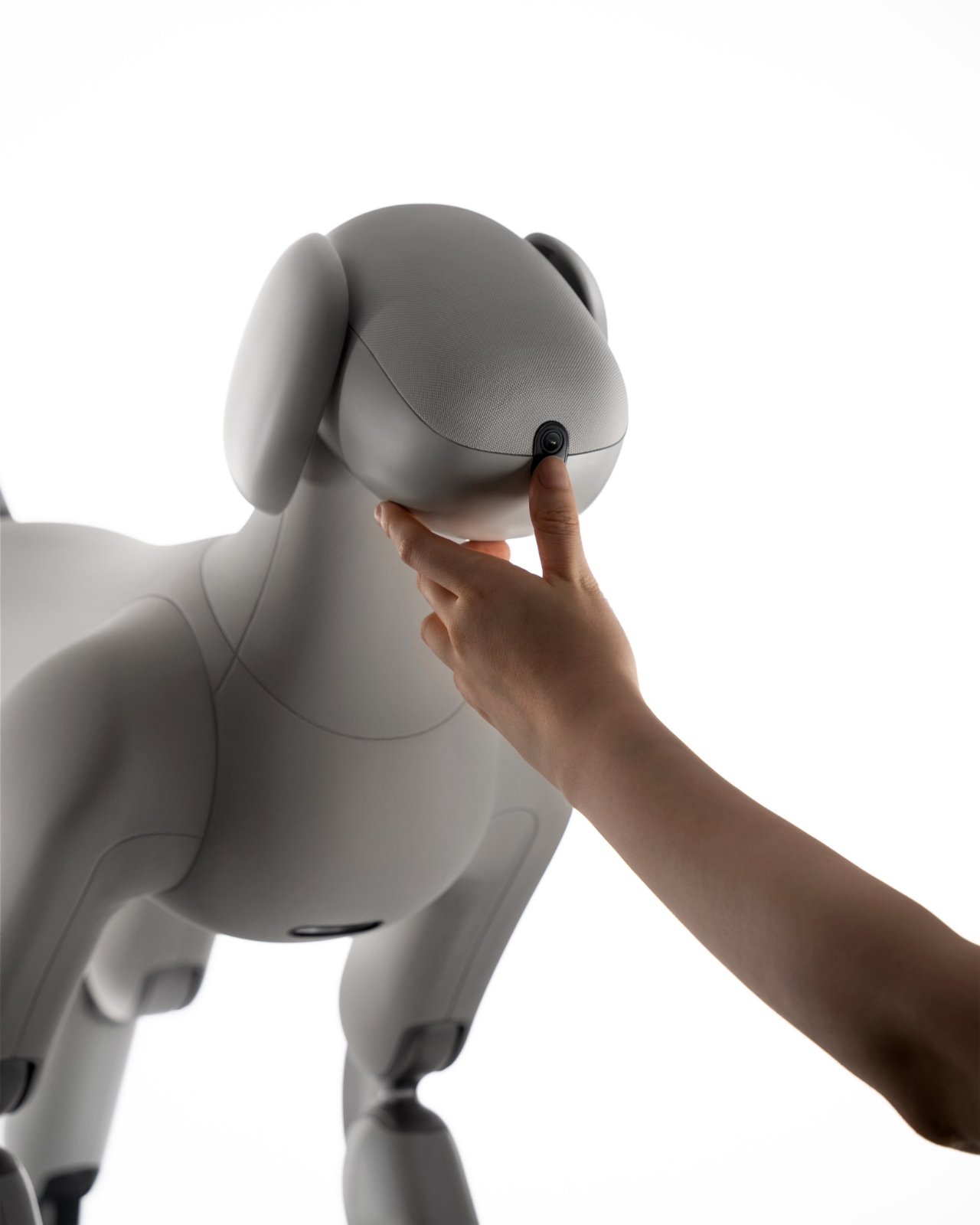
We keep building tools that make us more comfortable staying still, more insular, more mediated. A robot dog specifically designed to push back against that tendency is, at minimum, asking the correct question. And if it eventually gets made and actually works? That would be genuinely worth the walk.